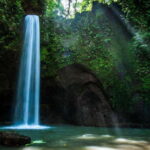
Holy water and quiet mind work together.
This 5-hour Bali day pairs a Melukat purification ritual at Pura Gunung Kawi Sebatu with a full Balinese healing spa visit at Sarira, so you get both spiritual calm and physical release in one outing. I love how your guide explains the sacred meaning of water in Balinese Hinduism as you arrive, and I love the pace: you’re not rushed from the waterfall ritual into the spa. One drawback to plan for: the purification involves getting wet in the spring area, so bring swimwear and expect a cool, damp start before you feel totally relaxed.
What makes it feel worthwhile is the way the day is built like a sequence, not a checklist. You start with temple etiquette (sarong on, respectful behavior) and end with herbal comfort—jacuzzi time and a hot cup of herbal tea while you watch the greenery and rice-field views. It’s also a private-group style day, so you can ask questions without feeling like you’re in the way.
In This Review
- Key highlights to focus on before you go
- A 5-hour Bali reset: temple ritual first, spa second
- Pura Gunung Kawi Sebatu: where the day’s meaning starts
- The Melukat purification: what you’ll actually do at the holy spring
- Transition time: getting from waterfall ceremony to spa comfort
- Sarira Healing Spa: the treatment order is built to work
- Herbal jacuzzi and tea: the finish that makes it feel complete
- Price and value: what $89 buys in real terms
- Who this tour suits best (and who should skip it)
- What to bring so the day feels easy
- Should you book Sacred Water Temple Ritual and Balinese Healing Spa?
- FAQ
- How long is the Sacred Water Temple Ritual and Balinese Healing Spa?
- Where does the tour start and end?
- What is included in the price?
- What spa treatments are included?
- Is swimwear required?
- What should I bring for the day?
- What is not allowed during the experience?
- Is the tour suitable for children and elderly travelers?
Key highlights to focus on before you go
- Melukat at Pura Gunung Kawi Sebatu: a guided purification at a holy spring waterfall setting
- Sarong, towel, and entrance ticket included: you avoid the usual scramble for basic temple items
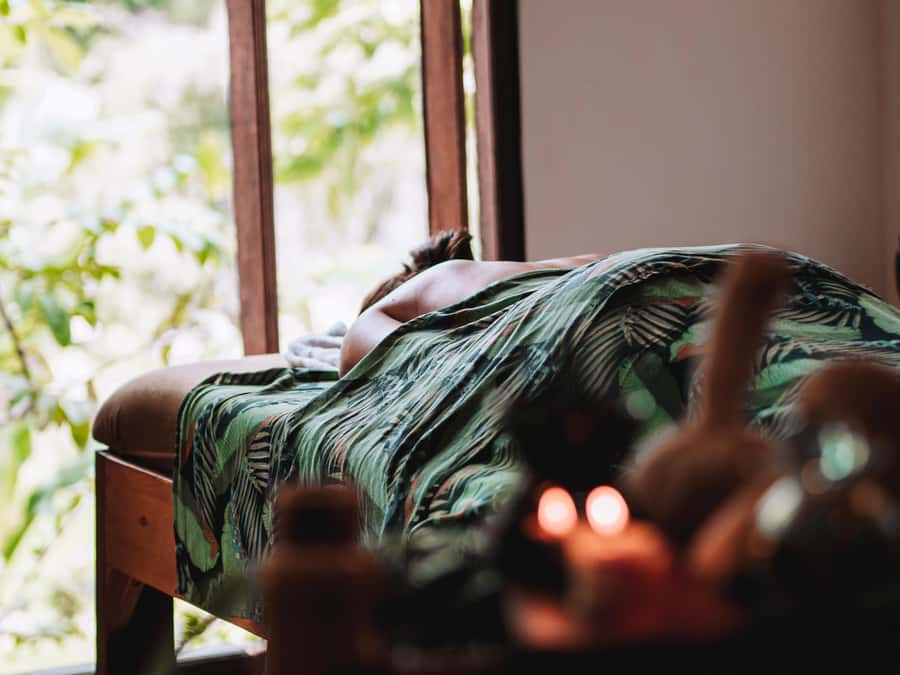
- 90-minute Balinese massage plus boreh scrub: classic spa flow aimed at tension release and circulation
- Foot reflexology added: a smaller treatment that still makes a noticeable difference in comfort
- Herbal jacuzzi with natural ingredients: warm soak after the wet temple ritual to help you fully settle
- Herbal tea and scenic views: a calm finish that helps the whole day land
A 5-hour Bali reset: temple ritual first, spa second
If you’ve felt Bali is sometimes a bit loud and rushed, this is the opposite plan. The schedule is tight enough to fit into a single morning or afternoon, but it’s paced in a way that lets you move from one kind of relaxation to the next.
The day starts with pickup from Ubud, then you head toward a sacred water temple area. After that, it’s off to Sarira Healing Spa for treatments that run long enough to actually loosen things up. By the end, you’re sitting with herbal tea, feeling warm, quiet, and grounded instead of “sightseeing tired.”
The private-group format matters more than it sounds. It means your guide can slow down for explanations, answer your questions in a human way, and keep the flow respectful at the temple. It also helps if you want to take photos at a reasonable pace (not like you’re sprinting between rules).
You can also read our reviews of more tours and experiences in Gianyar.

Pura Gunung Kawi Sebatu: where the day’s meaning starts
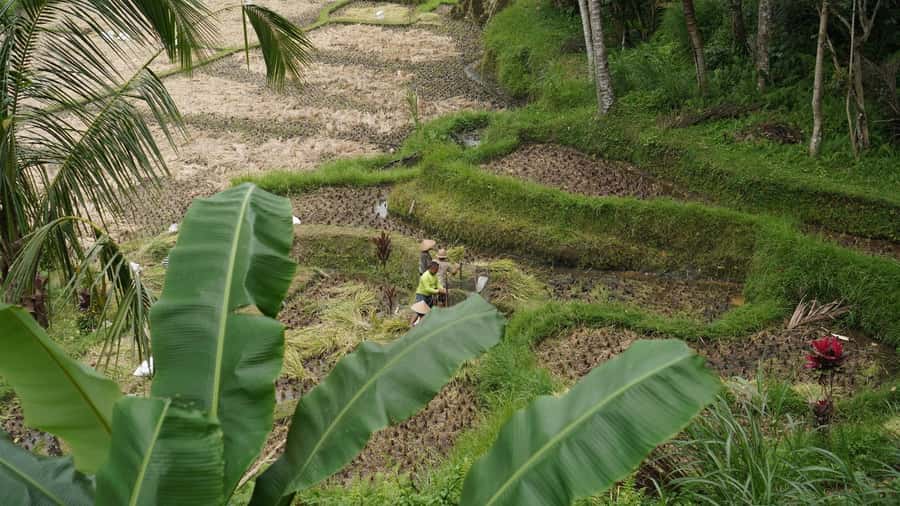
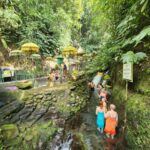
Your first major stop is Pura Gunung Kawi Sebatu, a Balinese water temple visit guided by a local host. The key value here isn’t just that it’s scenic—it’s the context.
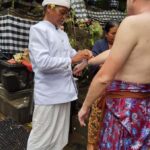
When you arrive, your guide walks you through temple behavior and what you’re seeing. You’ll be given a sarong (included) so you can dress appropriately for the sacred space. You’ll also learn the spiritual significance of water in Balinese Hinduism—why the spring and bathing rituals matter, and how the community understands purification as more than a hygiene step.
This part is worth your attention because it changes how you experience the rest of the day. If you show up without context, a ritual can feel like a performance. With a guide explaining what water represents—cleansing, calming, and renewal—you start to understand why people treat this as a serious moment.
A small practical win: your guide can also help with photos. In one case, the host took pictures during the ritual phase, which means you don’t have to hand your camera to strangers or miss the moment while wrestling with settings.
The Melukat purification: what you’ll actually do at the holy spring
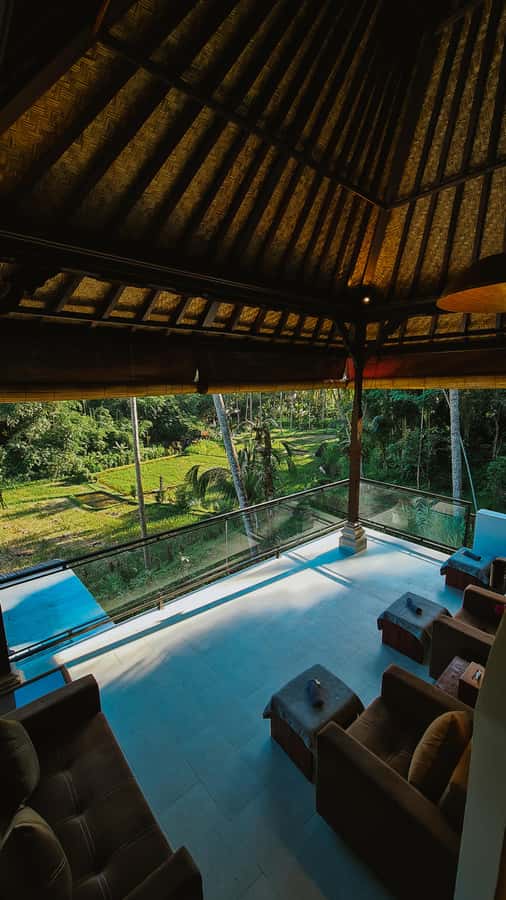
The heart of the experience is the Melukat purification ritual. This is the part most people remember because it’s physical, not just ceremonial.
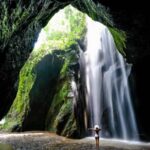
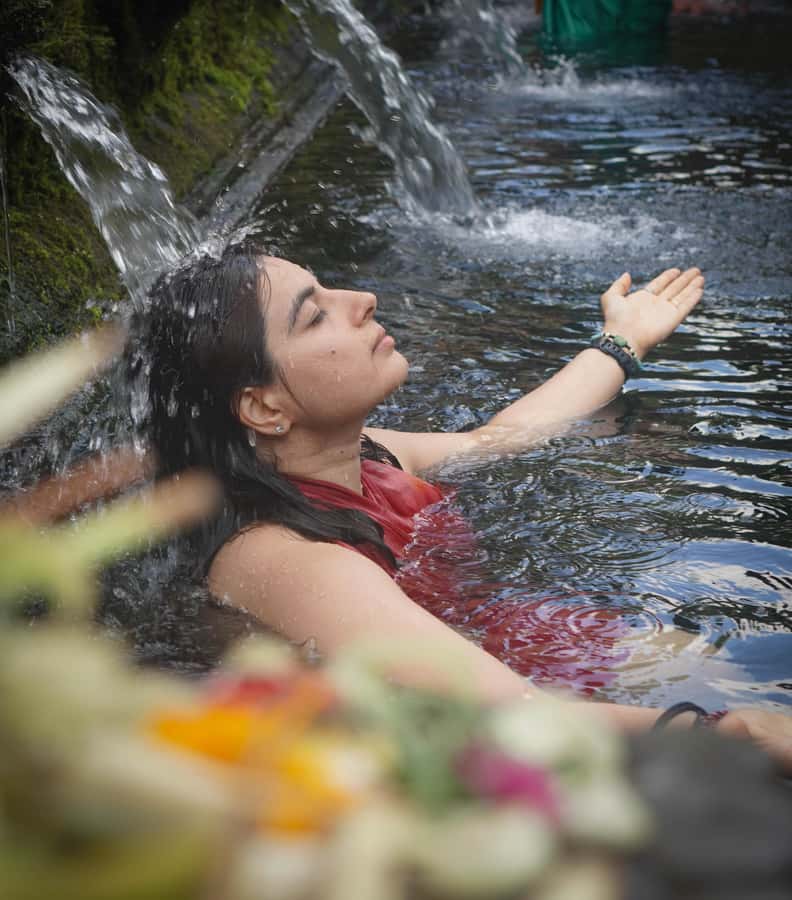
You’ll bathe under the holy spring waterfall area as part of the purification. The goal is described in the same simple terms your guide uses throughout: cleanse the body, calm the mind, and purify the soul. Whether you think about that spiritually or just as a calming ritual, the structure still makes sense.
Here’s how to set yourself up so it feels smooth:
- Wear swimwear under your clothes. You’ll be in and around water, and you’ll want to change into comfort after.
- Expect a wet start. Even if the ritual is brief, you’ll be handling the experience in real water conditions.
- Follow guidance on prayers. You may be guided through a five-step way of praying, where you participate in the sequence with your host’s instructions. The point isn’t memorizing; it’s doing it with intention.
Also note the tone at the temple: it’s a place of worship, not a theme park. You’ll get the right clothing cues, but you should still keep your movements calm and respectful. If you’re the type who likes rules, Bali temples reward you with a clear path.
Transition time: getting from waterfall ceremony to spa comfort
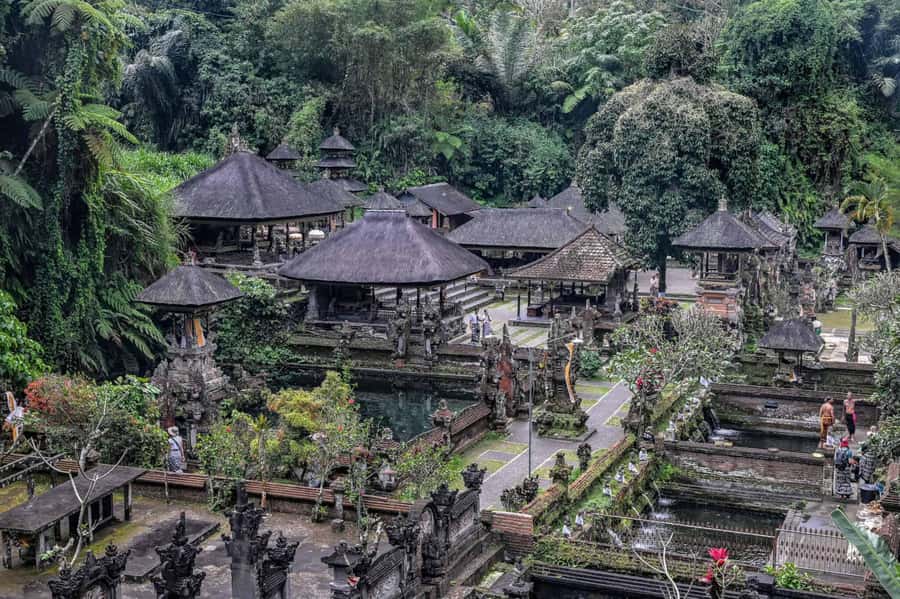
After the purification, you move to the next phase without the day falling apart. You’ll receive towels and time to change, so you’re not trying to go from soaked to relaxed while your clothes are still drying on you.
This transition is more than convenience. It’s the difference between a ritual that leaves you shivering and one that leaves you settled. The spa’s warmth and aromatics take over at the right moment, so the whole day feels like a guided arc.
If you’re sensitive to cold, wear layers you can remove easily and then re-dress quickly. If you’re comfortable in water and don’t mind feeling damp for a short time, you’ll flow through this part easier. Either way, the fact that the spa provides what you need (like towel service) reduces stress.
Sarira Healing Spa: the treatment order is built to work
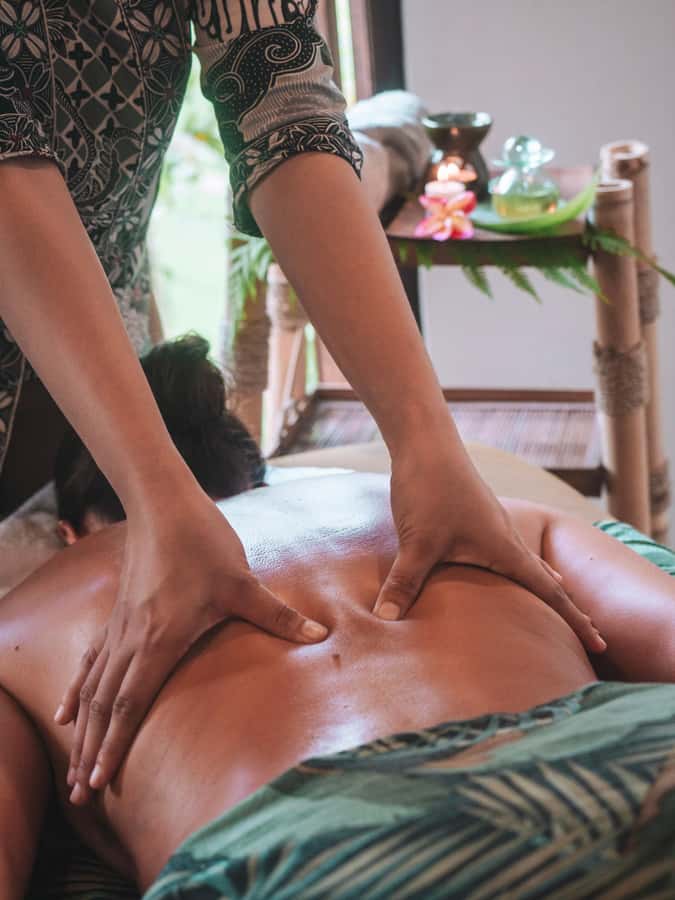
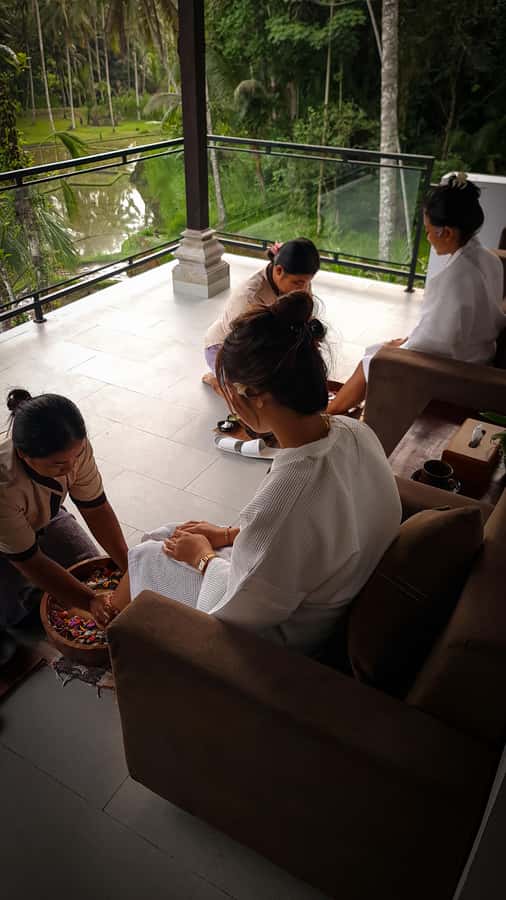
At Sarira Healing Spa, you’ll be welcomed with a traditional Balinese blessing and a healthy welcome drink. There’s also typically a short comfort step like a foot wash, which is a nice reset after the temple water.
Then the real body-work starts. Your session includes:
- 90-minute Balinese healing massage
- 30-minute boreh body scrub
- 30-minute foot reflexology
The “why this order works” matters. The massage helps loosen muscles and reduce tension. The boreh scrub then follows, and scrubs like this usually aim at sloughing away dryness and improving how your skin feels immediately after. Finally, reflexology focuses on your feet, which is often where the body holds stress from walking—especially in a place like Bali where you’ll likely spend time on uneven paths and stairs before or after tours.
Aromatics are part of the experience too. Oils are used during the treatments, and that scent layer helps your brain go from active mode to rest mode. Even if you’re skeptical about the “energy flow” language, scent plus warmth plus massage creates a real physical switch.
One detail that’s easy to miss: the goal isn’t only relaxation. The treatment descriptions emphasize releasing tension, improving circulation, aligning energy flow, and restoring inner balance. You should treat that as a framing for how the spa staff delivers the work: slow, intentional, and focused on calming rather than rushing.
Herbal jacuzzi and tea: the finish that makes it feel complete
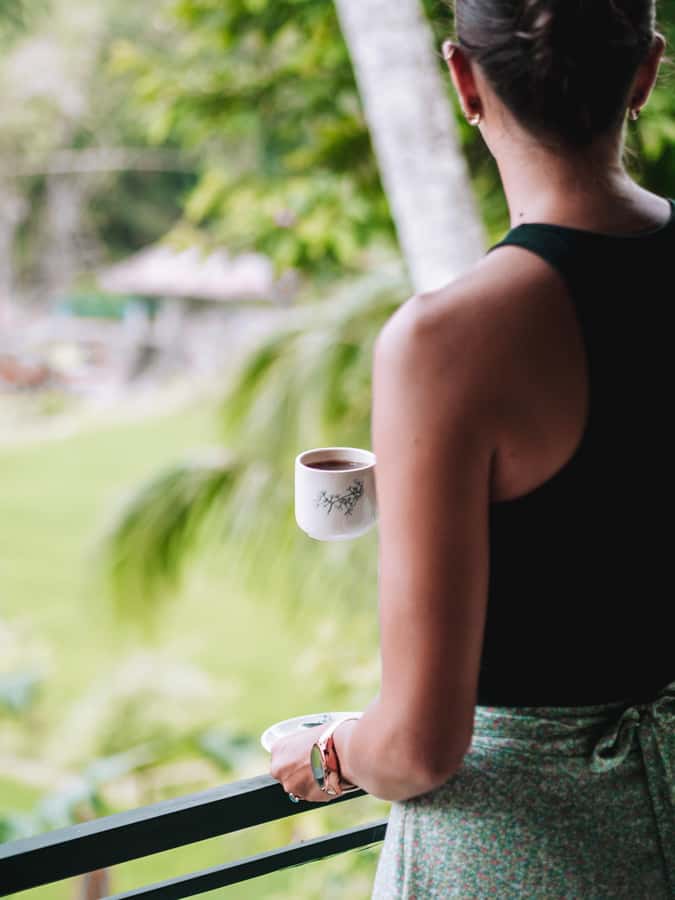
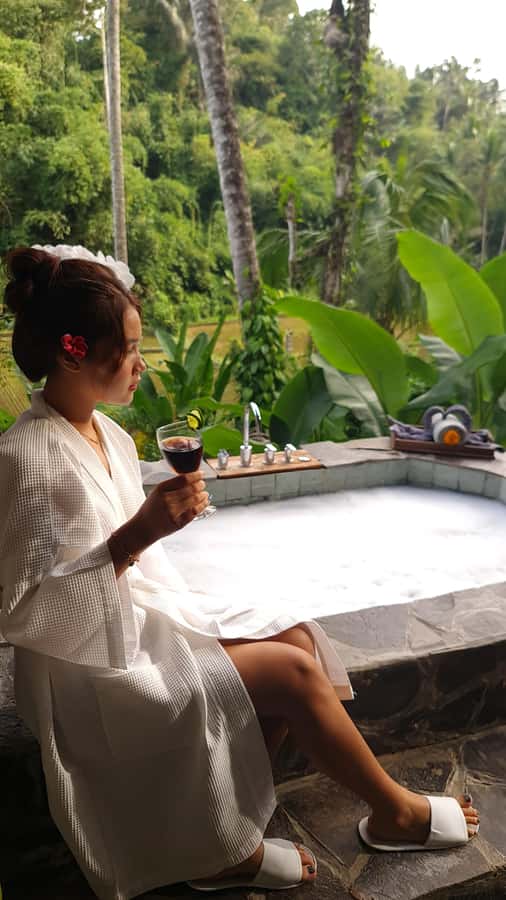
Once your treatments are done, the day doesn’t cut off abruptly. You get a warm soak in a herbal jacuzzi bath infused with natural healing ingredients. That warm water step is a smart follow-up to both the massage and the earlier wet temple ritual.
This part is where you’ll likely notice the “after” effects more than during the massage. Muscle tension typically relaxes over time, not instantly. Warm water encourages that gradual settling, and the herbal components add another layer of comfort.
While you soak, you’ll overlook tranquil tropical scenery, and the day ends with herbal tea. In one guest’s experience, the finish also included tea and cake while relaxing in a stone whirlpool setting with rice-field views. Even without cake, the important idea is the same: you’re not whisked out the moment your body stops feeling worked on. You get a quiet landing.
For many people, that landing is the difference between a “nice tour” and a “day you’d do again.” You leave with the sense that you weren’t just consuming experiences—you were actually stepping into a calmer rhythm.
Price and value: what $89 buys in real terms
At $89 per person for about 5 hours, the value comes from what’s included, not the headline price.
This day includes:
- Entrance ticket to the temple area
- Sarong, towel, and mineral water
- A multi-part spa program: 90-minute massage + boreh scrub + foot reflexology
- Herbal jacuzzi and a calm tea finish
When a tour bundles temple entry plus a substantial treatment set, the per-hour cost can feel surprisingly fair—especially in Bali, where standalone spa services can add up fast once you start combining massage with additional add-ons.
The other value angle is timing. You get a whole cultural-and-body experience in a single pickup-and-drop window from Ubud, so you’re not spending half your trip stitching together transport and separate reservations.
If you’re cost-sensitive, the only real trade-off is that you’re committing to a structured day. This isn’t a pick-and-choose buffet where you can cherry-pick the parts you like most. But if you want both the ritual and the spa, it’s a strong deal for the package you get.
Who this tour suits best (and who should skip it)
This experience is ideal if you want:
- a cultural ritual guided in plain, understandable terms
- a spa day that’s more than a quick foot soak
- a calm pace with a private-group feel
It’s also a good fit for couples or friends traveling with similar energy levels—people who like quiet and meaningful context rather than constant motion.
You should consider skipping if:
- you’re bringing kids who are too young (it’s not suitable for children under 10; and babies under 1 aren’t appropriate either)
- you’re older and have mobility concerns (it’s not suitable for people over 95)
- you’re not comfortable with getting wet for the Melukat portion
In terms of “trip fit,” it works best as an early or mid-trip reset. If you do it right after a day of hiking or busy sightseeing, the spa warm-down will feel like a reward rather than a requirement.
What to bring so the day feels easy
For this tour, pack like you’re going from temple-to-spa:
Bring:
- Swimwear
- Camera
- Sunscreen
- Comfortable clothes for the in-between parts
Not allowed items include weapons or sharp objects, and you can’t bring alcoholic drinks in the vehicle. Pets also aren’t allowed.
Those rules sound strict, but they’re normal for temple and spa settings. What matters most for you is the clothing plan: wear easy layers, keep your swimwear accessible, and bring gear that dries fast.
Should you book Sacred Water Temple Ritual and Balinese Healing Spa?
Book it if you want a structured Bali day that treats purification and relaxation as two linked parts. You’ll probably enjoy it most if you like guided context—because the temple portion is stronger when your guide explains the water meaning and ritual steps.
Don’t book it if you’re uncomfortable with wet rituals, or if you want a purely scenic tour with no spiritual participation. This day asks you to participate, not just watch.
If you do book, I’d pick it with one mindset: this is a day to slow down. Arrive ready to change into a sarong, go through the Melukat in the holy spring setting, then let the spa treatments and herbal jacuzzi bring your body back to calm.
FAQ
How long is the Sacred Water Temple Ritual and Balinese Healing Spa?
The tour lasts about 5 hours.
Where does the tour start and end?
Pickup is from Ubud, and the itinerary returns you back to Ubud.
What is included in the price?
Included items are mineral water, entrance ticket, sarong for purification, and a towel, plus the temple ritual and spa treatments described in the experience.
What spa treatments are included?
You’ll have a 90-minute Balinese healing massage, a 30-minute boreh body scrub, and a 30-minute foot reflexology.
Is swimwear required?
Yes. You should bring swimwear because the ritual includes bathing under the holy spring waterfall area.
What should I bring for the day?
Bring swimwear, a camera, sunscreen, and comfortable clothes.
What is not allowed during the experience?
Pets are not allowed, and weapons or sharp objects are not allowed. Alcoholic drinks in the vehicle are also not allowed.
Is the tour suitable for children and elderly travelers?
The tour is not suitable for children under 10, babies under 1, and people over 95.