Holy water fixes a bad mood fast. This Balinese spiritual cleansing mixes a real shaman-style blessing with classic Ubud-area craft and scenery stops, led by a guide who helps you understand what you’re seeing. I especially like the holy water ritual that uses offerings and a healer’s observations, and I like the hands-on feel of places like Celuk and Batuan. The only real drawback is that you’ll need to plan around temple rules, including bringing swimwear and skipping the ritual if you’re menstruating.
A strong day here is equal parts meaning and logistics. You’ll start with hotel pickup, then hop between temples and artisan villages with a driver who works as your personal guide, answering questions as you go (and helping with photos when you want them).
Because this is spiritual work, it’s not a sit-and-snap-a-photo tour. You should be ready to follow local customs, stay respectful, and participate at the pace the ceremony requires.
In This Review
- Key highlights worth your time
- A day of cleansing that feels less like a show and more like a reset
- What happens with the shaman: offerings, incense, and the belief behind it
- Pura Mengening: the holy-water temple stop (and the sarong moment)
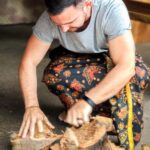
- Celuk and Batuan: craft villages where skill is the main attraction
- Celuk: gold and silver
- Batuan Village: art, sightseeing, and practical shopping time
- If you love batik and artisan work
- Segara Windhu: coffee and herbal teas with jungle views
- Tegallalang rice terraces: UNESCO-listed views without getting swallowed by crowds
- Price and value: does $58 for 6 hours make sense?
- Logistics that matter: swimwear, period rule, and respectful behavior
- The kind of day this tour suits best
- Should you book it? My decision rule
- FAQ
- How long is the cleansing tour in Bali?
- How much does it cost, and is lunch included?
- Where does the tour take place?
- What’s included in the price?
- What do I need to bring for the holy-water temple part?
- Are there restrictions on alcohol or drugs?
- Are women allowed to visit the temple during their period?
- What language is the guide?
Key highlights worth your time
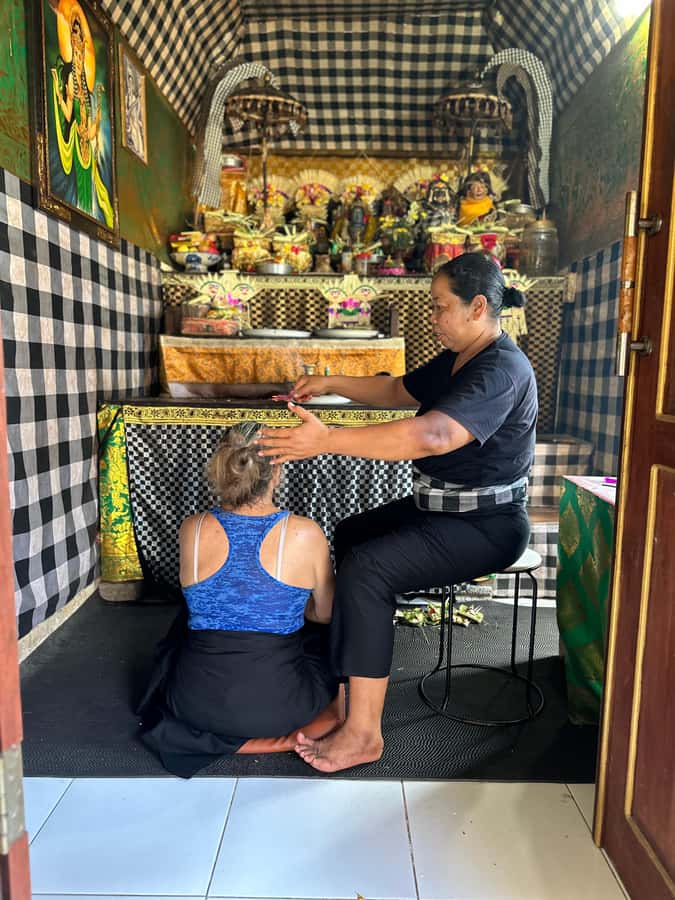
- Shaman blessing + cleansing: offerings, incense, and a session meant to refresh body and mind
- Pura Mengening: holy-water temple stop with time for photos and guided explanations
- Celuk, Batuan, and Batubulan-type craft stops: gold/silver, batik, and local handiwork culture in one loop
- Tegallalang rice terraces: UNESCO-listed terracing with calmer timing than the biggest busier hotspots
- Segara Windhu coffee and tea tasting: free sampling with views over lush jungle surroundings
- Value for 6 hours: pickup/drop-off, lunch, tickets/donations, sarongs, and offerings included
A day of cleansing that feels less like a show and more like a reset
Balinese spirituality isn’t only about temples. It’s also about everyday energy, wellness, and community belief. This tour is built around that idea: you’re not just watching a ritual from the side. You’re moving through the places and practices that local people treat as part of staying balanced.
What I like most is the structure. You get a spiritual core (the blessing and cleansing), then you get cultural context (craft villages and temple stops), then you get a visual exhale (rice terraces and viewpoints). It’s a good mix because the day doesn’t leave you floating in mystery without any grounding.
Also, the tour length helps. At 6 hours, it stays focused. You’re not trapped on a full-day bus circuit where everything blurs together. The pacing is also why the artisan stops feel more than checklist items: you have short guided time, then enough freedom to look around.
You can also read our reviews of more tours and experiences in Gianyar.

What happens with the shaman: offerings, incense, and the belief behind it
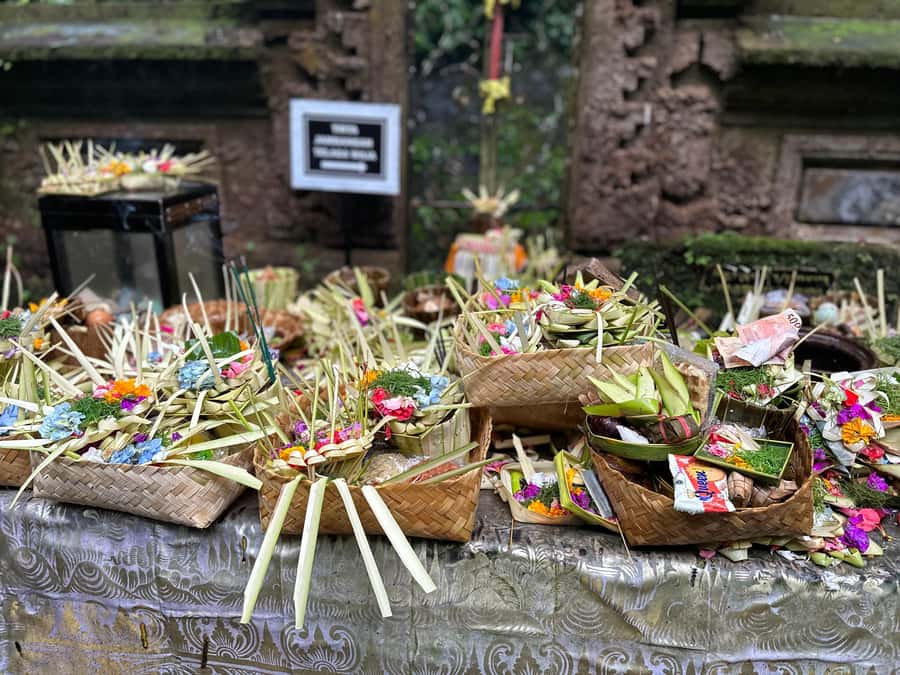
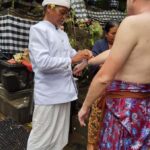
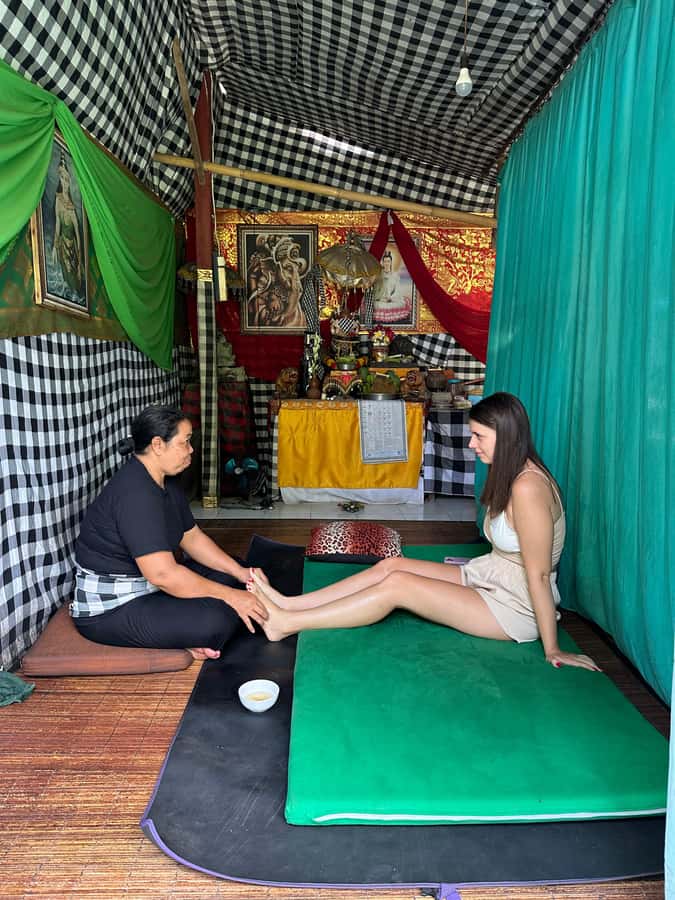
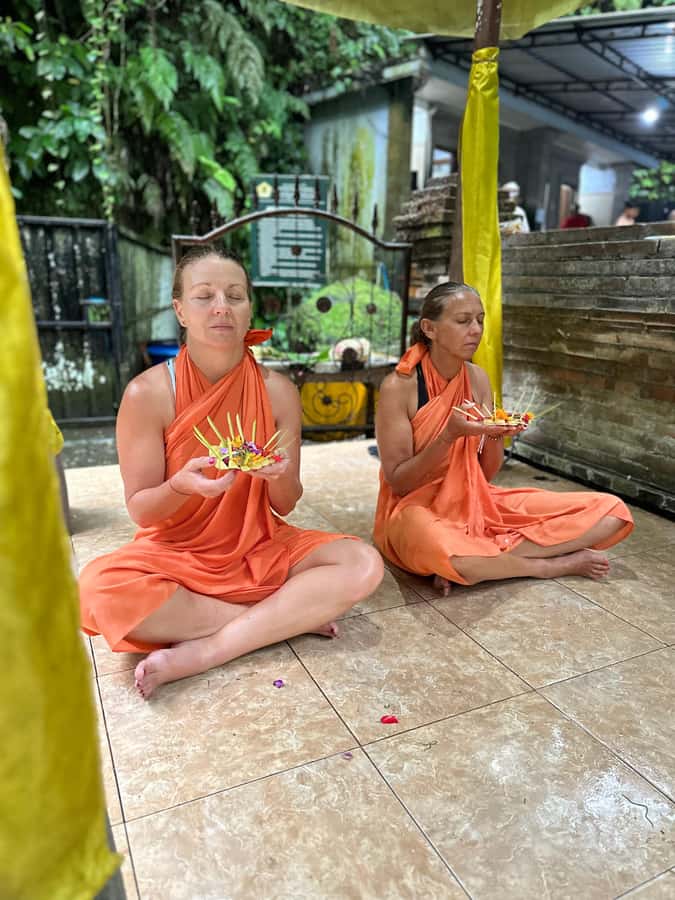
The heart of this experience is a visit to a traditional healer (described as someone who can “see” beyond the physical). The session begins with offerings and incense, followed by a ritual that’s meant to check for issues in a person’s soul or spirit—things believed to show up as physical problems like insomnia, depression, headaches, and similar day-to-day struggles.
Now, you don’t have to treat it as medical treatment. The practical takeaway is how it frames the day: you walk in with your normal life stress, and you leave with a story of renewal—something tangible in Bali’s own language of healing.
From past participants’ experiences, the healer’s approach can be intensely personal. One guide-led day I saw feedback about included how the healer seemed to pick up what was happening without long explanations. Some sessions may also include extra spiritual touches like hand reading or tarot cards, depending on the healer’s style and what’s appropriate during that visit—so keep an open mind, but don’t feel pressured to add anything that doesn’t fit your comfort level.
Pura Mengening: the holy-water temple stop (and the sarong moment)
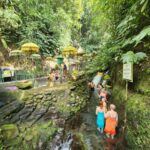
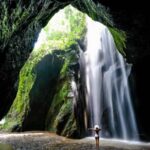
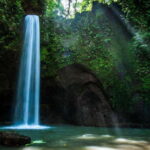
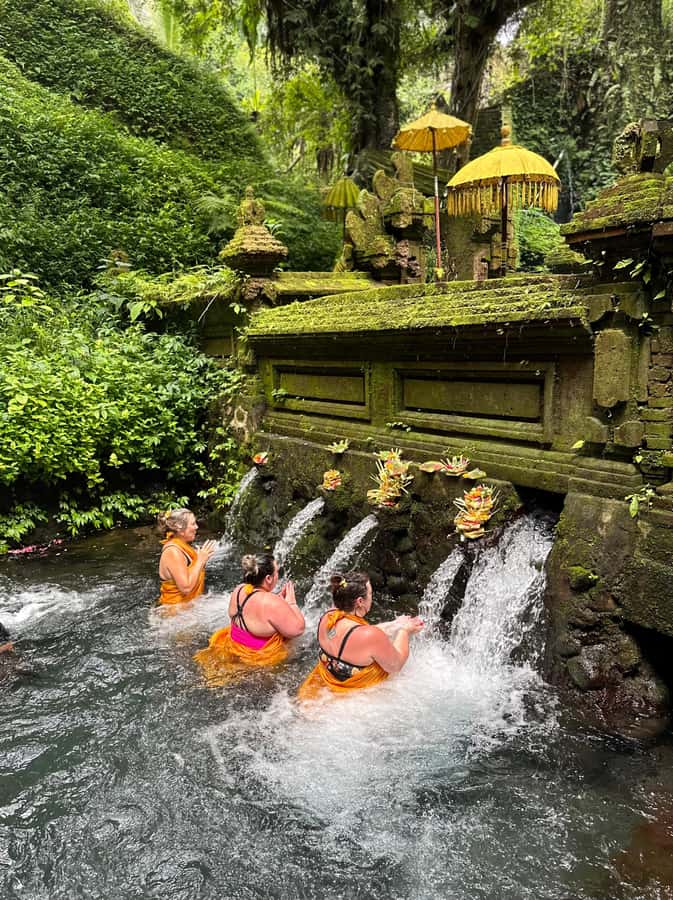
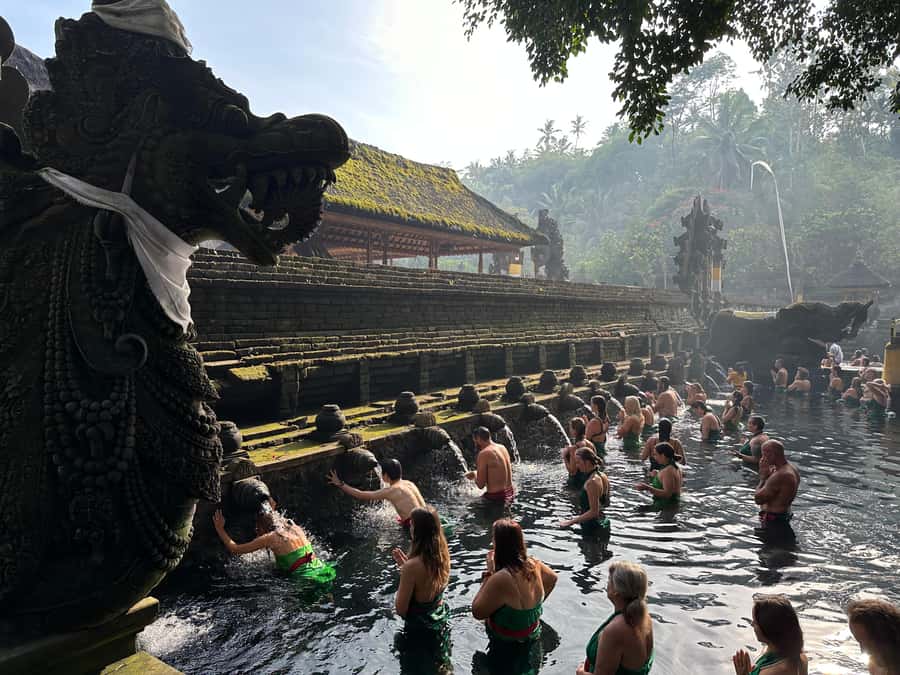
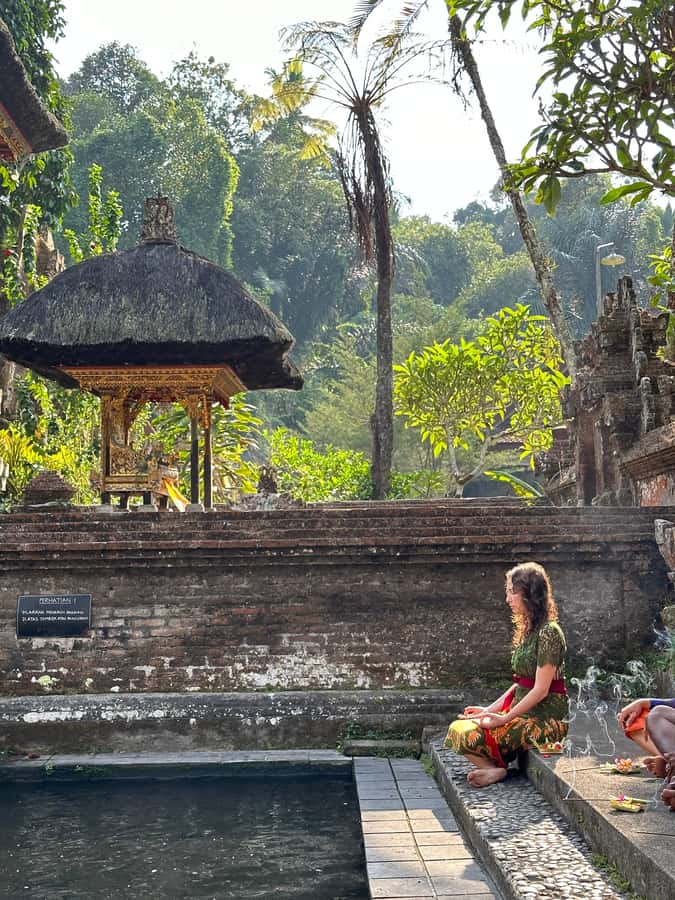
The tour includes Pura Mengening, where you’ll get a break for photos and time to explore with a guided component. This is the point where the spiritual theme becomes physical: water is used as part of the cleansing process, and the ceremony setup includes what you’ll need for temple etiquette.
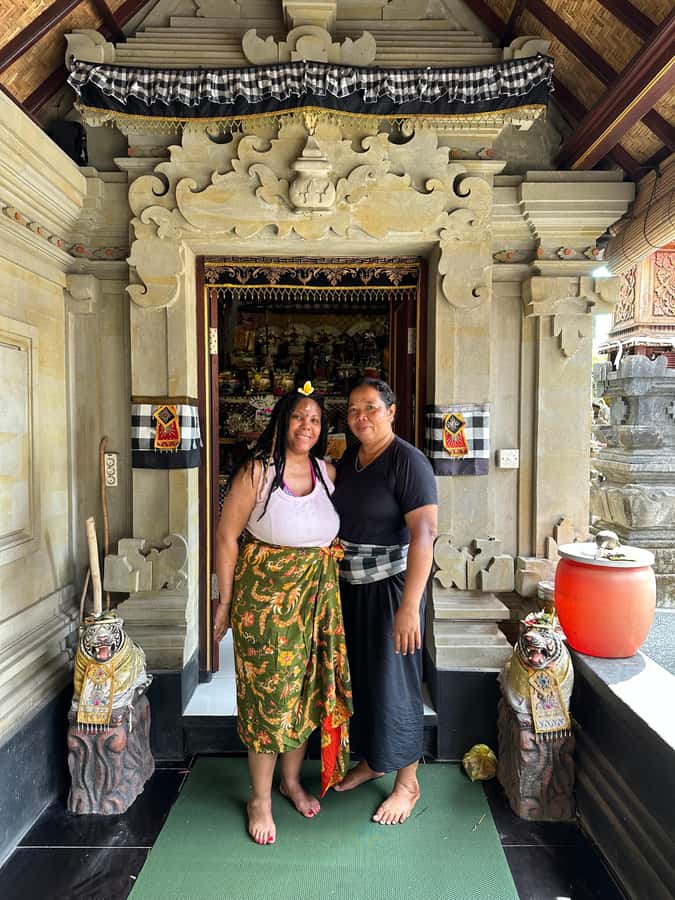
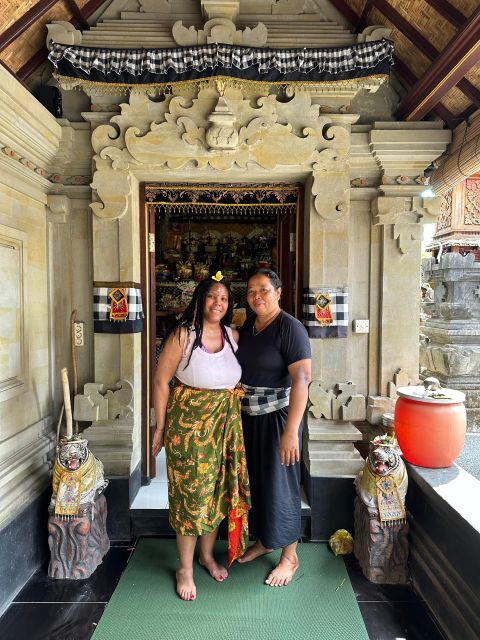
You should expect that sarongs and offerings are part of your kit. That matters because in Bali, clothing and respect aren’t “extra.” They’re part of participating correctly. If you’ve never done a temple-style visit before, the guide helps you get it right fast, so you’re not standing there guessing while everyone else seems to know the rhythm.
One helpful consideration: this isn’t a temple stop you’ll want to rush. Even if your schedule feels tight, the ceremony timing and the feel of the space are what make it meaningful. If you go with the right mindset—calm, respectful, and ready to follow instructions—you’ll likely come away feeling lighter rather than just “having done” something.
Celuk and Batuan: craft villages where skill is the main attraction
This tour weaves in artisan villages that explain how Bali’s economy and identity show up in everyday objects. Three craft-focused stops are part of the plan, and they work well because each place highlights a different tradition.
Celuk: gold and silver
Celuk is known for jewelry and metalwork, and it’s a great change of pace after temple time. You’ll get a guided look (about an hour) with photo stops and some free time to shop. If you like souvenirs that feel like actual craftsmanship—not mass-produced—this is one of the best places on the route to look slowly.

Batuan Village: art, sightseeing, and practical shopping time
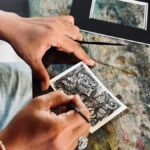
Batuan Village adds a different feel. You’ll get time for sightseeing and shopping, plus guided explanation as you move through the area. One thing I appreciate about this kind of stop: you get to see how creativity is treated as normal work, not as a tourist performance.
If you love batik and artisan work
The tour also mentions stopping at artisan villages where you can check out local handicrafts, including batik (Batubulan is specifically referenced for batik). This helps if you want a wider variety of craft categories without paying for separate specialized tours.
Practical tip: plan to buy something small if you’re not ready to commit. A lot of value here comes from meeting the right artisan and finding the piece that feels meaningful to you.
Segara Windhu: coffee and herbal teas with jungle views
After temples and crafts, the day gives you a reset stop at Segara Windhu agrotourism. This is where you can watch the process of making coffee and tea, then enjoy free tasting of flavors, including both coffee and herbal teas.
What makes this stop worth it is the atmosphere. You get a view over lush jungle surroundings, and the tasting is straightforward: sample, compare, ask questions, and relax for a bit. It’s not just a marketing room with pre-poured cups. You’ll have some context about how the drinks are made.
If coffee tasting isn’t your thing, you can still enjoy the calm break in the middle of a longer ritual day. It gives your brain time to stop translating everything into “things I saw” and start processing “how I feel now.”
Tegallalang rice terraces: UNESCO-listed views without getting swallowed by crowds
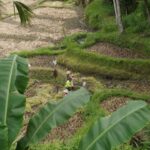
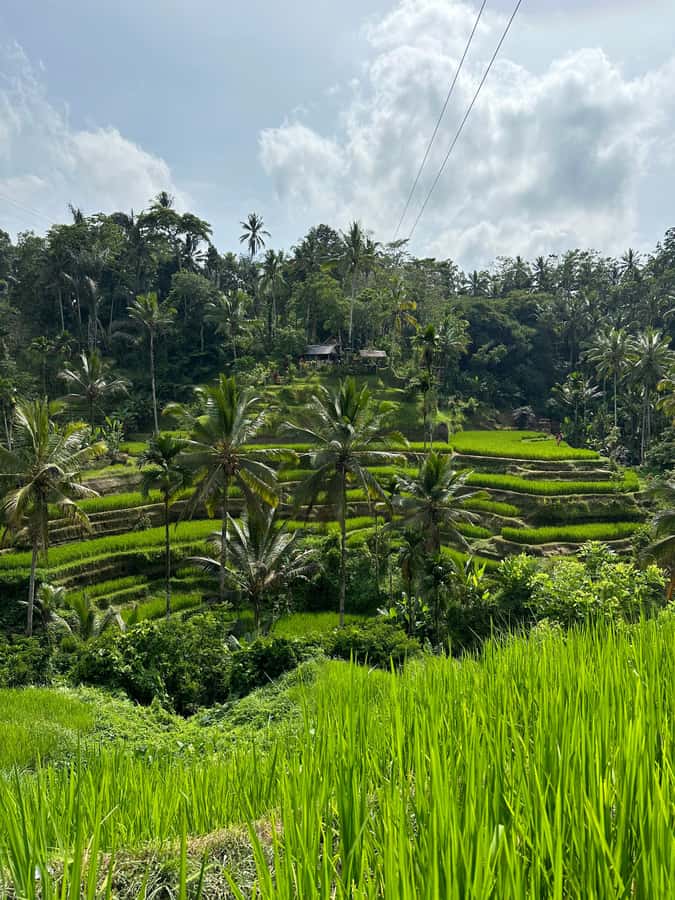
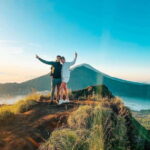
The tour ends with Tegallalang Rice Terrace time—famous terraced fields in a valley with wide green views. It’s also described as part of a UNESCO-listed rice terrace area, which explains why it draws international attention.
Here’s the balancing act: this place is popular, but the tour’s flow helps you experience it with some breathing room rather than treating it as a quick photo stop. You’ll get guided time, sightseeing time, and shopping time, plus a photo stop.
I like Tegallalang on days like this because it’s not only a sight. It’s grounding. After temples and ceremony, the scale of agriculture—layered terraces shaped by generations—puts your personal concerns into perspective in the gentlest way.
If you want to shop for local items at the terraces, keep your budget in mind. The good part is that the view gives you something to enjoy even if you don’t buy anything.
Price and value: does $58 for 6 hours make sense?
At $58 per person for 6 hours, the price is reasonable if you compare it to how much it would cost to cobble together the same mix of transportation, temple access, and lunch.
What you’re getting that usually costs extra elsewhere:
- Hotel pick and drop off
- All entrance tickets and donations
- Sarongs and offerings
- A driver as your personal guide
- Lunch and mineral water
- Skip the ticket line
And that last item matters more than people think. In Bali, entrances can be slow when you’re catching multiple sites in one day. If your goal is to keep the ritual portion from feeling rushed, saving time on entry helps.
One small note: gratitude isn’t included. In practice, you’ll want some cash ready for the people making the day work, especially the guide who stays with you the whole time and the team supporting the ceremony.
Logistics that matter: swimwear, period rule, and respectful behavior
This tour is simple to enjoy if you follow the rules before you arrive.
- Swimwear and a towel are required for the temple cleansing part. Even if you’re not the kind of person who loves getting wet, this is part of how the ritual is done. Bring something you’ll feel comfortable using.
- Alcohol and drugs are not allowed. Keep the day clear-headed.
- Women during period are not allowed to enter the temple. If this applies to you, you’ll need to choose a different experience on that day.
Also, the tour isn’t suitable for people over 95 years. If you’re older, ask your operator about mobility and walking breaks, since the day includes walking time at multiple stops.
The kind of day this tour suits best
This is a good fit if you want:
- A spiritual experience that’s more than a quick temple visit
- A guide who helps you understand what you’re seeing (and can explain it in English and Indonesian)
- A day that mixes meaning with practical cultural stops like jewelry and art villages
- Views and downtime that don’t feel like a rushed sprint
It might not fit if you hate anything that feels structured around ritual rules. If you prefer fully self-guided Bali sightseeing, this may feel too “in the flow” for your style.
Should you book it? My decision rule
Book this tour if you want a balanced day with a real ceremony at the center, plus craft village time and scenic terracing to soften the spiritual intensity.
Skip it if you:
- Are uncomfortable with being asked to follow temple etiquette and participation instructions
- Can’t handle the swimwear/wet side of the holy-water moment
- Need a purely entertainment-style day with zero spiritual components
If you do book, I’d choose the mindset of learning and receiving, not proving and judging. Even if you’re skeptical about spiritual claims, the day can still be a calming reset thanks to the structure: ceremony, culture, food, and views.
FAQ
How long is the cleansing tour in Bali?
It lasts 6 hours.
How much does it cost, and is lunch included?
The price is $58 per person, and lunch is included.
Where does the tour take place?
The experience takes place in Bali, Indonesia.
What’s included in the price?
It includes hotel pick-up and drop-off, entrance tickets and donations, a driver as your personal guide, sarongs and offerings, lunch, and mineral water.
What do I need to bring for the holy-water temple part?
You should prepare swimwear and a towel.
Are there restrictions on alcohol or drugs?
Alcohol and drugs are not allowed.
Are women allowed to visit the temple during their period?
No. Women during their period are not allowed to the temple.
What language is the guide?
The live tour guide speaks Indonesian and English.