Snorkel time in Amed feels unreal. This trip strings together top underwater stops like Jemeluk Bay and Lipah Beach, with equipment and fees handled so you can spend your energy on the water, not the logistics.
What I like most is how much sea life you’re likely to see in a single outing: expect lots of reef fish, with the real highlight being the chance of sea turtles. I also appreciate the no-fuss setup—mask, snorkel, and fins are provided, and you get a driver cum guide to keep everything moving.
One consideration: the idea of a Japanese shipwreck isn’t consistently part of this route, so if that’s the main reason you booked, confirm it with the operator before you go.
In This Review
- Key highlights at a glance
- Getting to Amed: Pickup Routes and the Bumpy Reality
- Jemeluk Bay Snorkeling: Where You’re Most Likely to See Turtles
- Lipah Beach Swim and the Artificial Reef Setup
- Bunutan Beach or Selang Beach: Quiet Water for Slower Moments
- Gear, Guide, and the Little Things That Shape Your Day
- Time, Price, and What Makes This $27 Worth It
- Who This Amed Snorkeling Trip Fits Best
- Should You Book This Amed Snorkeling Adventure?
Key highlights at a glance
- Jemeluk Bay snorkeling with a good chance of turtles and reef fish
- Lipah Beach swim around an artificial reef for lots of fish activity
- Bunutan Beach or Selang Beach option for a calmer, quieter feel
- Mask, snorkel, fins included so you travel lighter
- Pickup/drop-off options from several popular Bali areas (if selected)
- English live guide plus clear on-the-water communication
Getting to Amed: Pickup Routes and the Bumpy Reality
This tour is built for an easy day out of your hotel. If you choose the transfer option, pickup and drop-off covers hotels in Sanur, Kuta, Nusa Dua, Ubud Center, and Jimbaran. That matters, because Amed sits far enough from some areas that a DIY day can turn into a travel slog.
Timing is straightforward, but you should plan for early starts if you’re coming from Ubud. Pickup in the Ubud area runs between 6:30 AM and 7:30 AM, and it’s shared with other participants. Translation: you might wait a bit for the group to assemble, then you’ll roll.
One practical heads-up: the road to the meeting point can be rough. If you’re sensitive to bumpy rides, pack a little patience (and maybe sunglasses, since bright sun plus dust is a combo nobody asked for).
You can also read our reviews of more tours and experiences in Gianyar.

Jemeluk Bay Snorkeling: Where You’re Most Likely to See Turtles
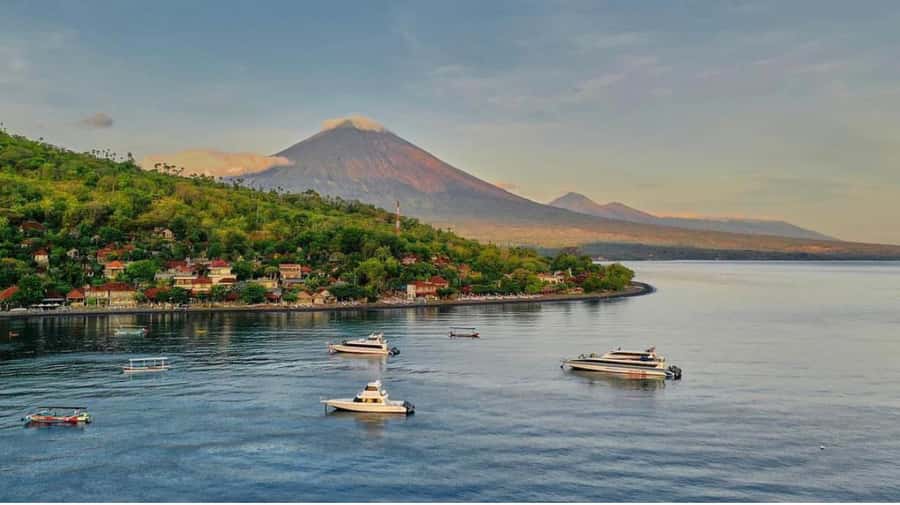
Jemeluk Bay is the first big underwater stop, and it’s the reason many people pick this Amed route. The water here is clear enough that you can actually get your eyes working at snorkel speed—no guesswork, no constantly waving your head around to see where you are.
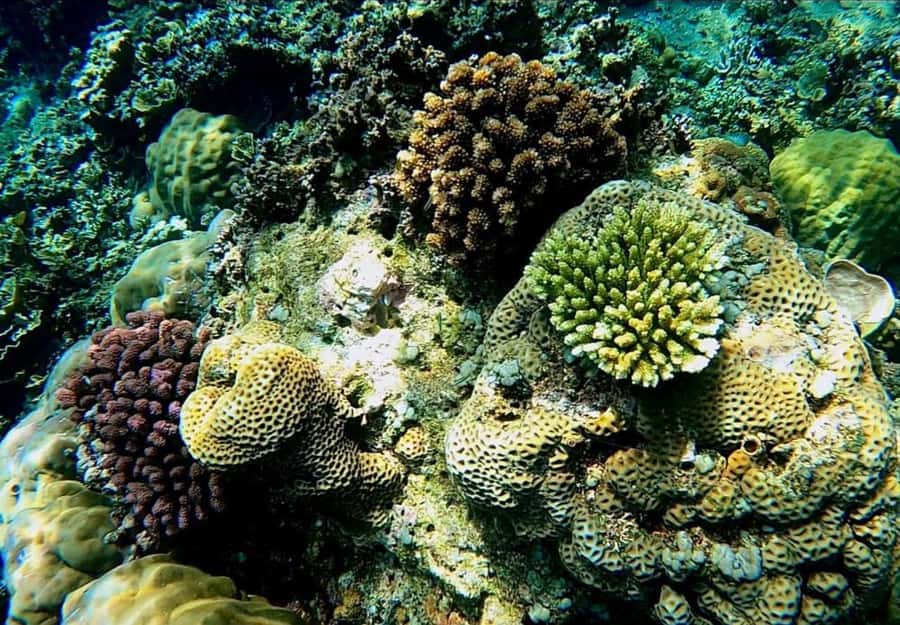
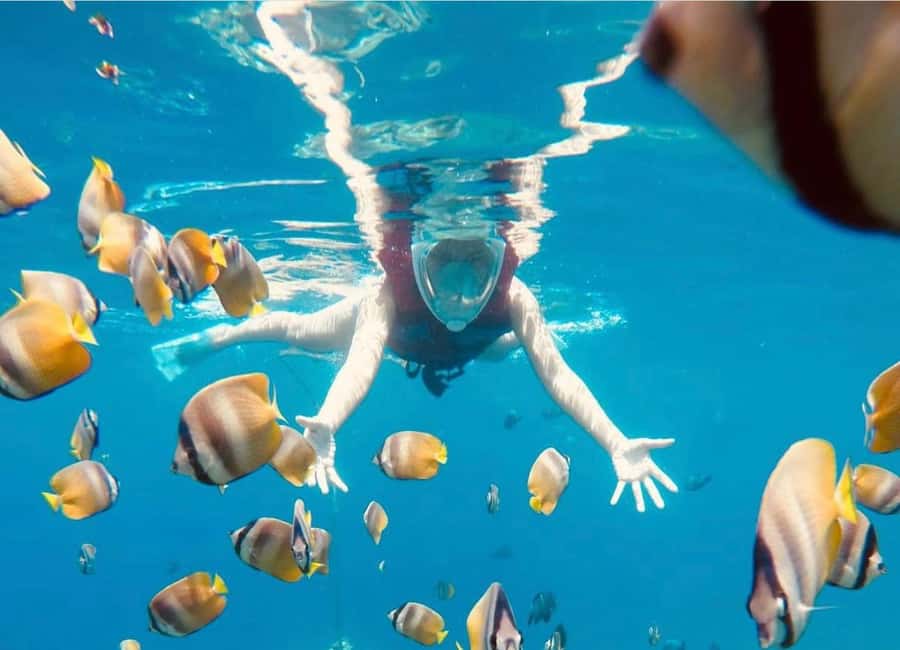
This is also where the marine life expectations are highest. You’re set up to swim alongside colorful fish and, with luck, sea turtles. Even if turtles are elusive on your day, the reef ecosystem is still the point: lots of movement, plenty of life, and enough visibility to enjoy it without feeling rushed.
What makes this stop worth your time is how it balances thrill and comfort. You’re not doing a long, complicated expedition. Instead, you’re getting a well-known Amed water area, plus the benefit of having someone on the surface helping coordinate gear and directions.
A small tip: if you want a better experience, slow down your breathing and make your kicks gentle. Snorkeling looks easy until you realize the fastest way to scare fish is by turning yourself into a speedboat.
Lipah Beach Swim and the Artificial Reef Setup
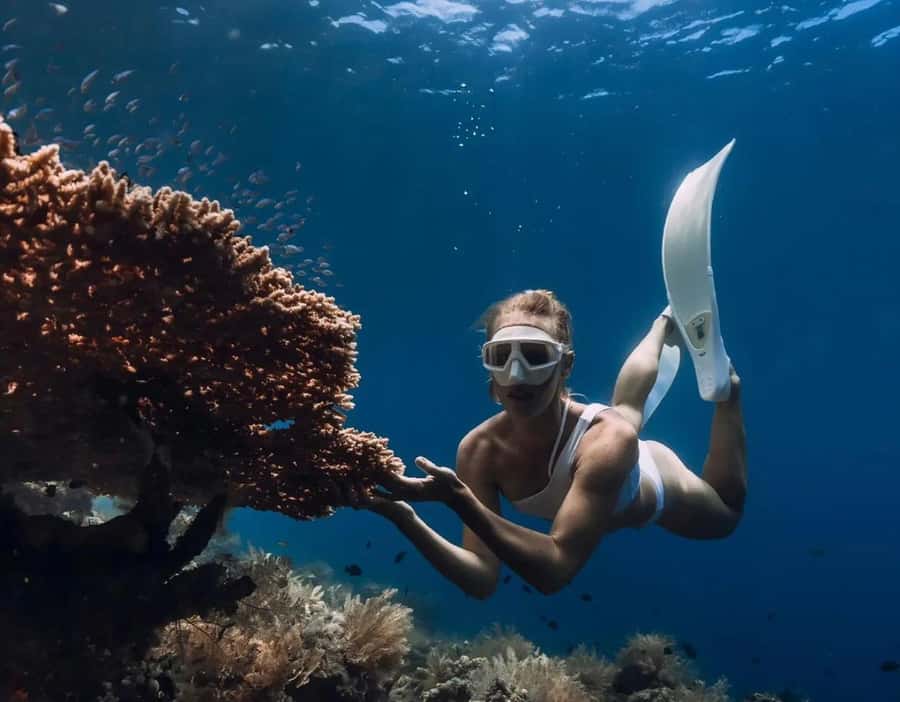
Next is Lipah Beach, another Amed favorite, and the vibe here is a little different. One reason Lipah gets recommended is that there’s an artificial reef area where marine life concentrates. That can mean more fish activity right where you’re swimming, which is ideal if you’d rather not spend the whole time chasing movement across open water.
You can expect schools of tropical fish and the kind of underwater “busy-ness” that makes snorkeling feel like a living aquarium. There’s also a realistic chance of spotting other surprises. One clear example from actual experiences: people have reported seeing a baby shark during this stop. That doesn’t mean you’ll definitely see one, but it’s a good reminder that Amed isn’t just about fish—sometimes bigger animals show up too.
If you’re the type who enjoys photos, Lipah is where you’ll likely want your camera ready (but keep it secured). Bright daylight helps, and the reef setting gives you consistent subjects. If you’re going smartphone-only, consider bringing a small waterproof pouch.
Also note: some program descriptions mention other things, but your actual route can vary. In particular, don’t assume every stop mentioned in marketing is guaranteed in the exact way you read it. If a shipwreck scene matters to you, ask ahead.
Bunutan Beach or Selang Beach: Quiet Water for Slower Moments
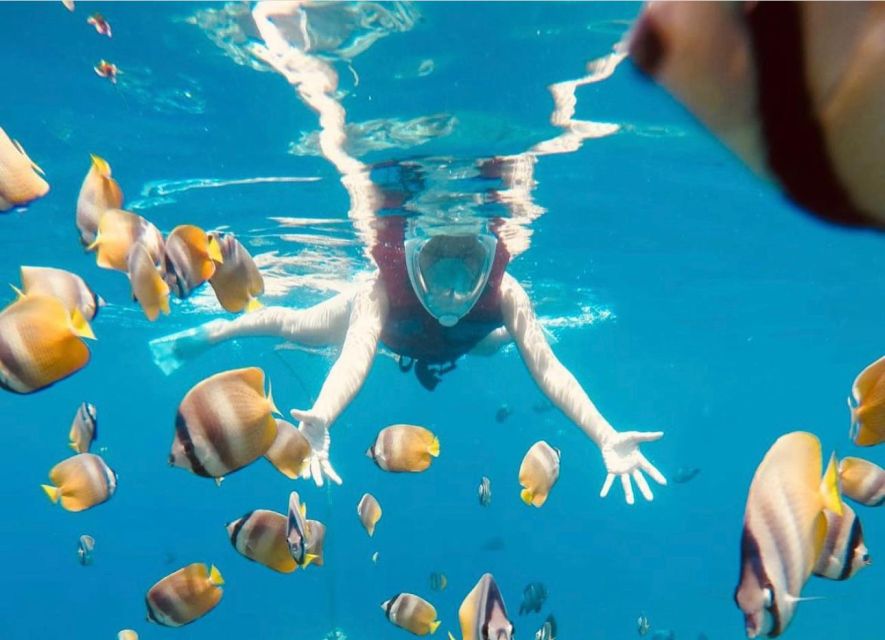
Then there’s the calmer option: Bunutan Beach or Selang Beach. This part of the trip is a chance to trade the busier energy of the main bays for something more relaxed.
Why this matters: snorkeling days can feel intense if every stop is action-heavy. By adding a quieter water spot, you give your eyes time to adjust, your body time to reset, and your mind time to enjoy the scenery underwater instead of just scanning for the next big thing.
What you might notice here is the underwater “garden” feeling—calm conditions and a focus on coral areas and steady marine activity. You’re still looking at fish and coral structure, but the pacing is typically easier.
In other words, if you like snorkeling that feels like a long exhale, this is the segment you’ll probably remember.
Gear, Guide, and the Little Things That Shape Your Day
This trip includes snorkeling gear: mask, snorkel, fins. You don’t need to bring bulky equipment, which is a big value if you’re already juggling beachwear, towel, sunscreen, and whatever else you packed for Bali.
You also get mineral water, plus entry fees. Those are the unglamorous parts of the day, but they’re exactly what you pay for when you choose a packaged experience. Instead of worrying about where to buy tickets or whether a spot is open, you show up and move to the water.
The guide is English-speaking live. That said, communication can still be simple and friendly rather than super detailed. In real-world snorkeling conditions, clarity is what you need: safety points, where to swim, and how to manage time. One person described the captain as lovely even with limited English, but communication was still smooth enough to keep everyone comfortable.
If you want extra media, you might be offered add-ons like extra help or GoPro footage. One visitor said these add-ons were worth it, mainly because it captures the snorkeling moment without you worrying about filming while you also try not to kick coral.
Also, think about your comfort on land. Bring sunglasses, a sun hat, sunscreen, beachwear, and a change of clothes. You’ll get wet, you’ll be out in the sun, and you’ll feel better if you’re not driving back in damp clothes.




Time, Price, and What Makes This $27 Worth It
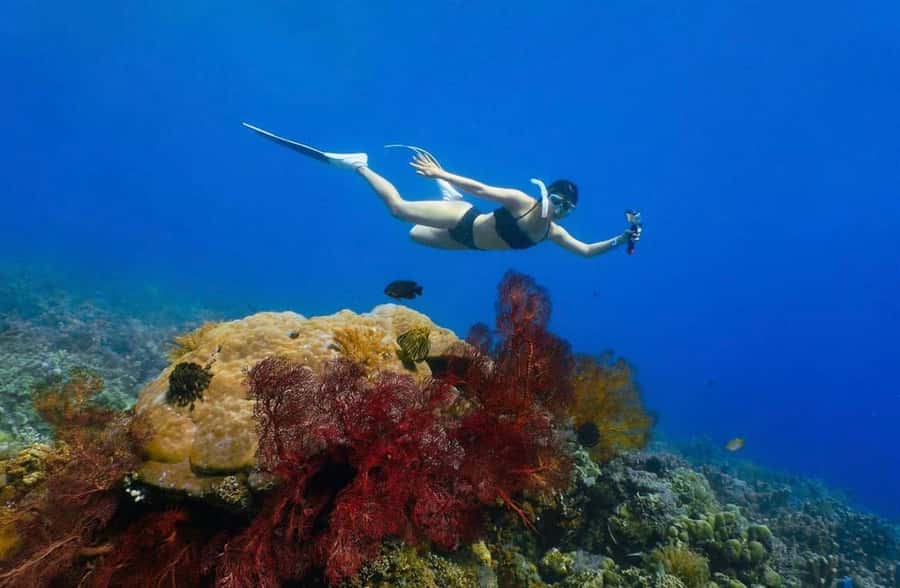
The price here is $27 per person, and the duration is listed as 4 to 8 hours. On paper, that sounds like a wide range, and the reason is simple: time on the water depends on conditions and on how the day flows between spots.
Here’s how I think about value for this kind of snorkeling day:
- You’re paying for transport (if selected), gear, and entry fees, not just the snorkeling itself.
- You’re getting multiple stops rather than one brief swim.
- You don’t have to hunt down directions, arrange tickets, or figure out who’s responsible for what.
But you should also have realistic expectations about how long you’ll be in the water. Some experiences reported that the day felt shorter than expected. That’s not necessarily bad—if the route is efficient and the water conditions are good, shorter can even feel better. Just don’t plan your schedule as if this will always hit the top end of the 4–8 hour window.
One more value note: meals aren’t included. That’s normal for tours like this, but it means you should eat before pickup or bring a snack if you know you’ll get hungry. Water is included, though.
If you care about flexibility, booking terms are traveler-friendly, including free cancellation up to 24 hours in advance and a pay-later style option. That helps if you’re still juggling the rest of your Bali plan.
Who This Amed Snorkeling Trip Fits Best
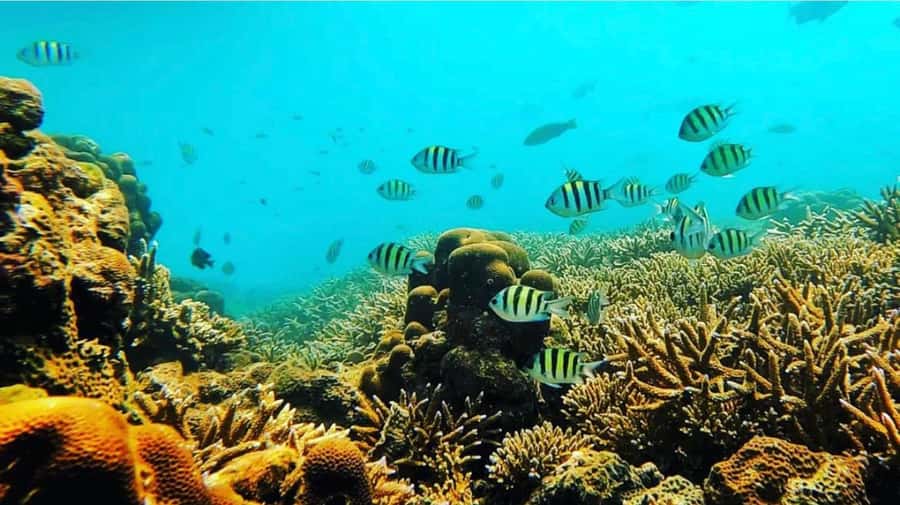
This experience is best for people who want an efficient Amed snorkeling day with a good chance of meaningful sea life—especially if you’re traveling with standard fitness levels and you’re comfortable floating and swimming with fins.
It’s not a good fit for:
- Pregnant women
- People with mobility impairments
- Wheelchair users
That’s important because snorkeling tours often involve uneven access around meeting points and getting in and out of the water. Even if the water is calm, the land logistics can be the limiting factor.
Who will love it:
- Couples and friends who want a straightforward plan and reliable gear
- First-time snorkelers who prefer guidance and structure
- Anyone staying in the supported pickup areas (Sanur, Kuta, Nusa Dua, Ubud Center, Jimbaran) who doesn’t want to spend the day negotiating transport
Who might hesitate:
- If you’re extremely schedule-sensitive and need the full advertised time on the water every day
- If a specific attraction (like a Japanese shipwreck) is the main thing you want to see—confirm the route details first
Should You Book This Amed Snorkeling Adventure?
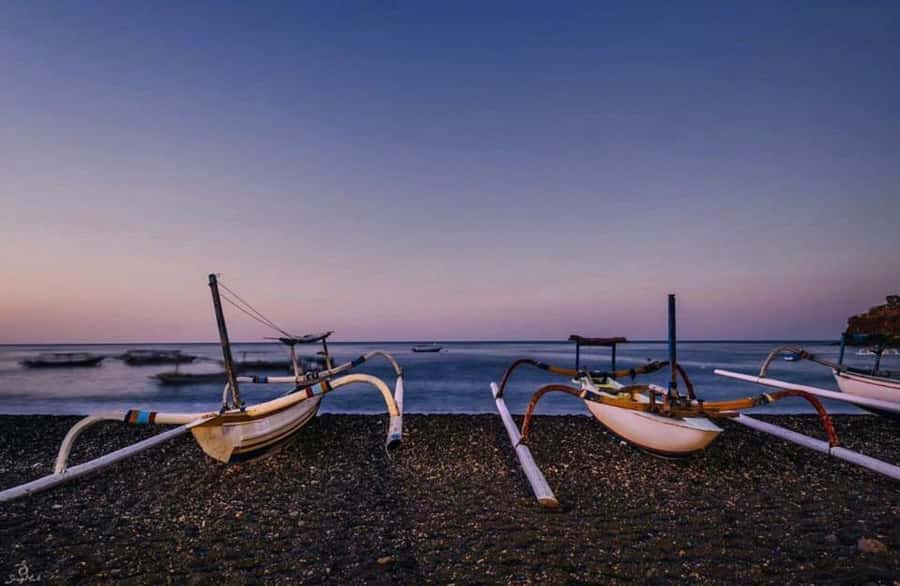
If you’re aiming for a practical day of Amed snorkeling that bundles gear, entry fees, and guided coordination, this is easy to like. The combination of Jemeluk Bay plus Lipah Beach gives you a solid shot at seeing sea turtles and plenty of fish, and the optional shift to Bunutan Beach or Selang Beach helps keep the day from feeling like one long rush.
Book it if:
- You want multiple water stops without heavy planning
- You’re happy to let sea life be the main show (not a checklist)
- Your hotel is in an included pickup zone, so you save time and effort
Skip or ask extra questions first if:
- You’re specifically chasing the Japanese shipwreck angle
- You’re counting on the maximum listed duration without any variation
- You have mobility needs that won’t work with uneven access
Overall, for the money, this is a strong way to spend a few hours in Amed with a team that handles the details so you can focus on the water.