Balinese art doesn’t usually come in something this small. The Keliki miniature painting workshop in Keliki is all about fine details, patient brushwork, and painting you can actually finish in one sitting. I especially liked how the class feels personal, with small group guidance, and how the studio setup makes you slow down and focus. One drawback: if you’re hoping for a super rushed 3-hour experience, plan for the class to sometimes run a bit longer.
The teaching is practical and friendly. Nyoman (the artist leading many sessions) is calm, helpful, and patient, and you get tips that make your piece look better fast, even if you haven’t painted since school art. You also get to choose what you’ll paint, which matters more than it sounds when you’re working on something tiny.
Here’s the trade-off: transport isn’t included, so if you’re not already nearby, you’ll want to factor in the add-on pickup and drop-off fee. Still, at $26 per person for a 3-hour hands-on workshop with snacks plus coffee or tea and water, the value is solid.
In This Review
- Key highlights worth planning around
- Keliki Miniature Painting: What You’re Making (and Why It’s Different)
- Five Arts Studio in Keliki: The Setting Makes the Class Work
- The 3-Hour Workshop Flow: From First Strokes to a Finished Souvenir
- Instructors, Language, and How Much Help You’ll Get
- What’s Included (and What You’ll Need to Add)
- Transport: the part you must budget for
- Price and Value: Is $26 Worth It?
- What to Bring: Small List, Big Difference
- Who This Works For (and Who Might Want to Skip It)
- The Practical Take: How to Get the Best Result
- Should You Book Threads of Tradition Miniature Keliki Painting?
- FAQ
- How long is the Keliki miniature painting workshop?
- What are the start times?
- Is the workshop taught in English?
- What’s included in the price?
- What payment options should I bring?
- Do I need to arrange transport?
- Is lunch included?
- Is the class suitable for young children?
Key highlights worth planning around
- A Keliki-specific miniature style where you practice detail work, not just big brush strokes
- Nyoman-led guidance with real tips and extra patience when you need more time
- A traditional home studio setting with a garden feel and lots of art around you
- You pick your subject so your final souvenir is more personal
- Snacks, coffee/tea, and mineral water included so you start relaxed
Keliki Miniature Painting: What You’re Making (and Why It’s Different)
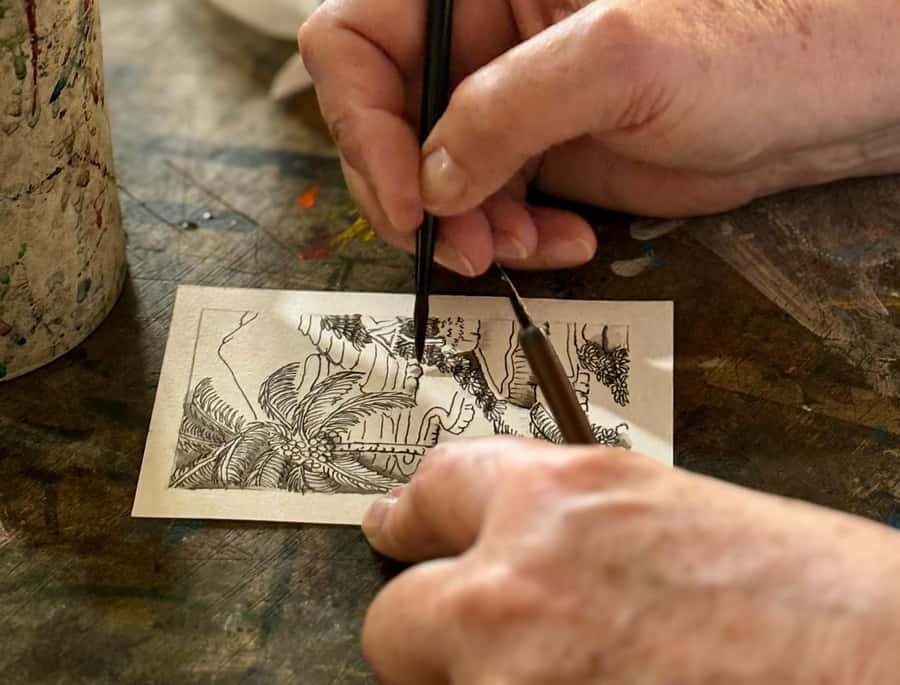
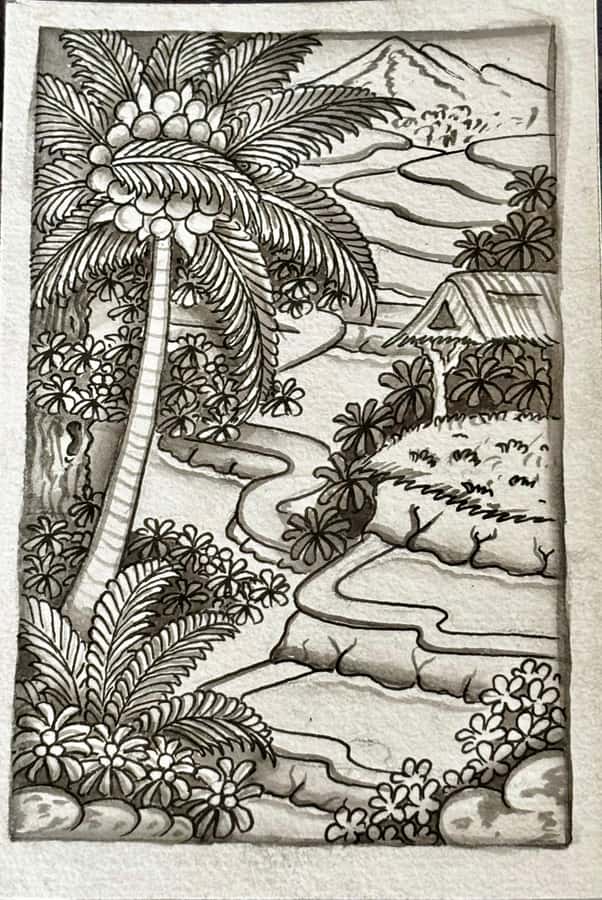
Keliki miniature painting is Balinese art built around small-scale detail. Instead of painting a big scene like you might do on a postcard, you’ll work in a tighter format that rewards steady hands and careful layering. The payoff is a piece you can keep and bring home without it turning into a fragile “maybe I’ll frame this later” project.
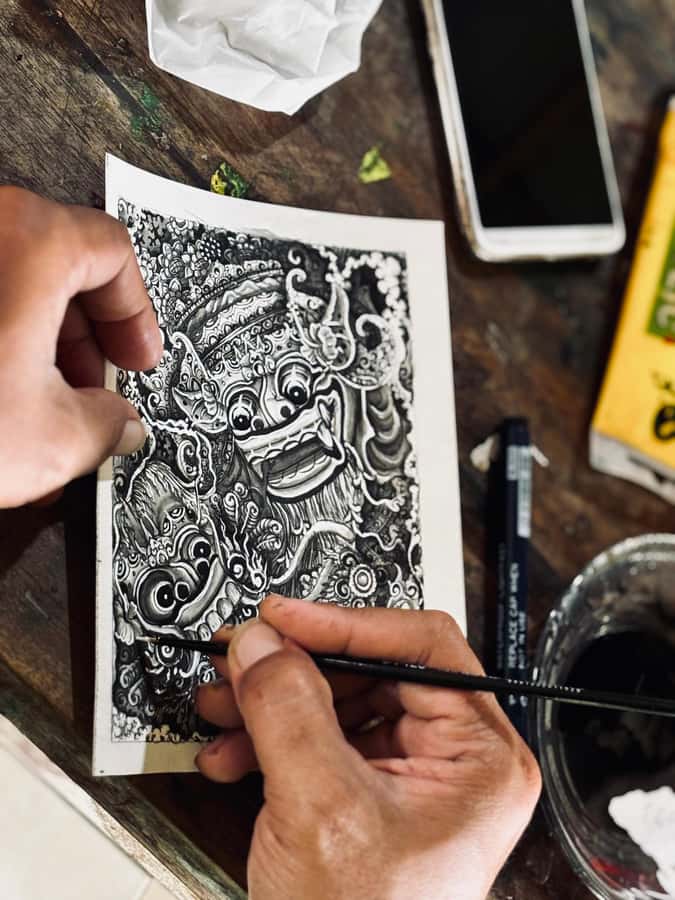
What I like about this workshop is that it doesn’t treat you like a spectator. You’re learning technique as you go: how to handle the brush, how to plan your lines, and how to build up the look of your subject so it feels balanced and intentional. The technique is known for intricate detail and bright color work, and you’ll quickly see why people find it fascinating once they try it.
You’ll also notice the workshop is designed for creativity, not intimidation. Several people highlight that you get lots of choice on what to draw. That’s important. When you’re creating something tiny, a subject you actually care about is what keeps you engaged for the full session.
You can also read our reviews of more tours and experiences in Gianyar.


Five Arts Studio in Keliki: The Setting Makes the Class Work
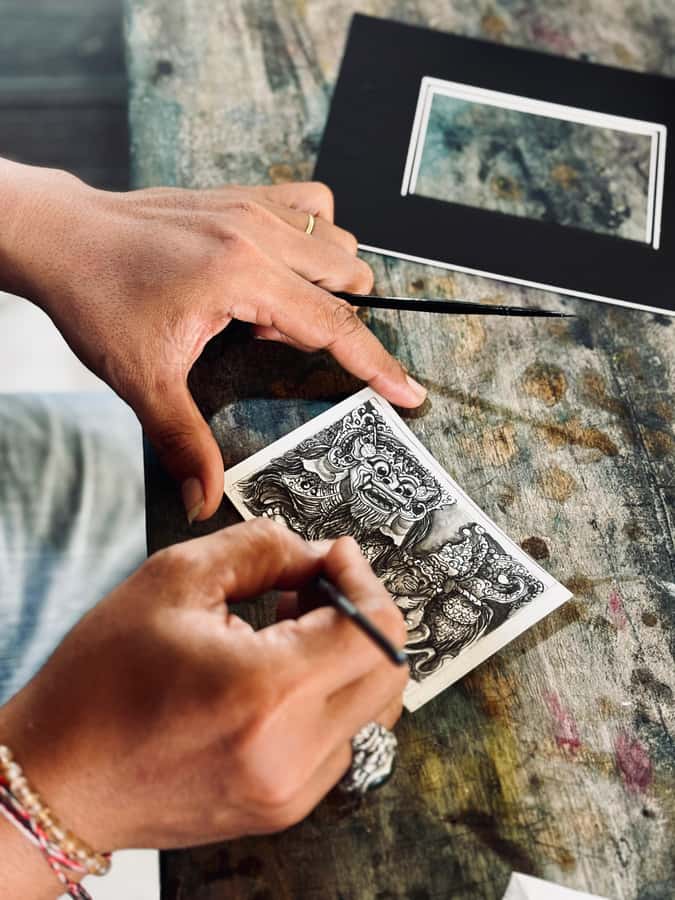
The studio experience here is part of the magic. The workshop is held at Five Arts Studio in the Keliki village area, tucked behind a traditional Balinese home. One of the most appreciated details is that you’re not inside a generic classroom. The painting space is set within a traditional setting, with paintings around the studio and a garden backdrop that helps you settle in.
That garden calm matters because miniature work is slow by nature. If you’re surrounded by quiet, it becomes easier to concentrate on the small decisions: where your lines start, how thick (or thin) your strokes are, and how much detail you can realistically add without rushing.
It also helps that the workspace feels thoughtfully arranged. People describe the studio as creatively designed and relaxing, like the room is there to support the act of drawing rather than distract you with modern clutter. Even if you’re not “an art person,” the environment nudges you into the right mindset.
The 3-Hour Workshop Flow: From First Strokes to a Finished Souvenir
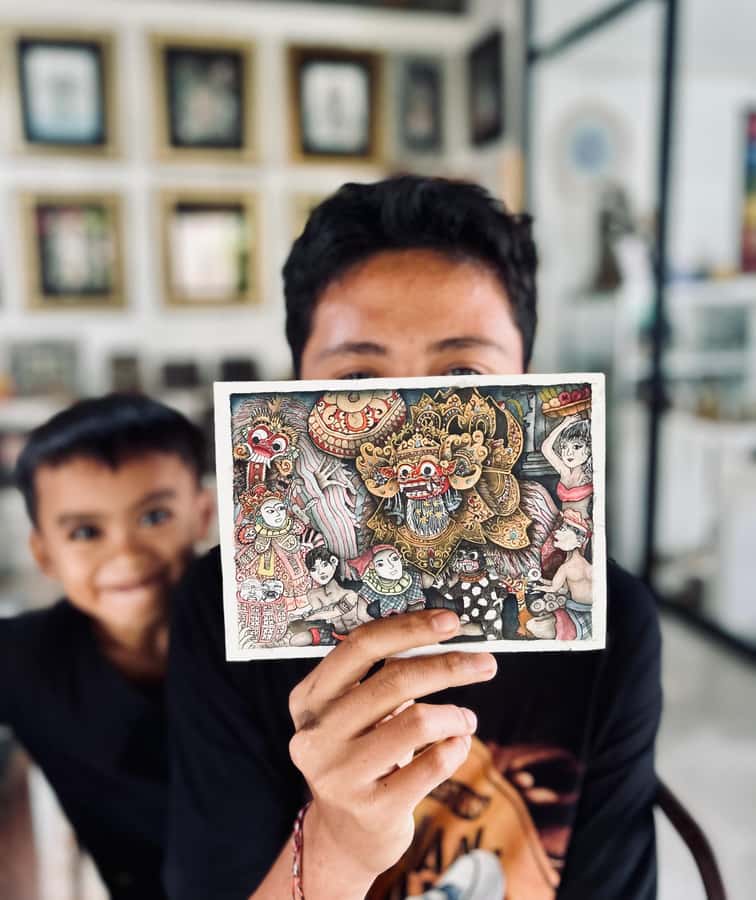
You’ll typically spend about 3 hours in the class. Morning starts at 9:00 am and the afternoon session starts at 2:00 pm. Check the starting time that matches your schedule, especially if you’re also planning a day of sights in Bali.
Here’s the rhythm you can expect once you’re seated:
- Get oriented and choose what you’ll paint. You’ll have options for your subject, and you’ll work toward a final miniature piece.
- Learn the technique step by step. The teaching focuses on practical methods—how to place details and how to refine your work.
- Work with guidance as you paint. Instructors are around to help when you hit a snag, and the pace is flexible enough for people to finish properly.
- Use the remaining time to refine. Many art workshops are “paint and hope.” This one gives you time to adjust and complete your artwork so you leave with something you’re proud of.
One practical note: although it’s listed as 3 hours, you should mentally plan for a session that may run closer to 4 hours if you need more time to plan or finish your piece. That can actually be a good sign—more attention, less rushing—but it does affect how you’ll schedule lunch or your next activity.
Instructors, Language, and How Much Help You’ll Get
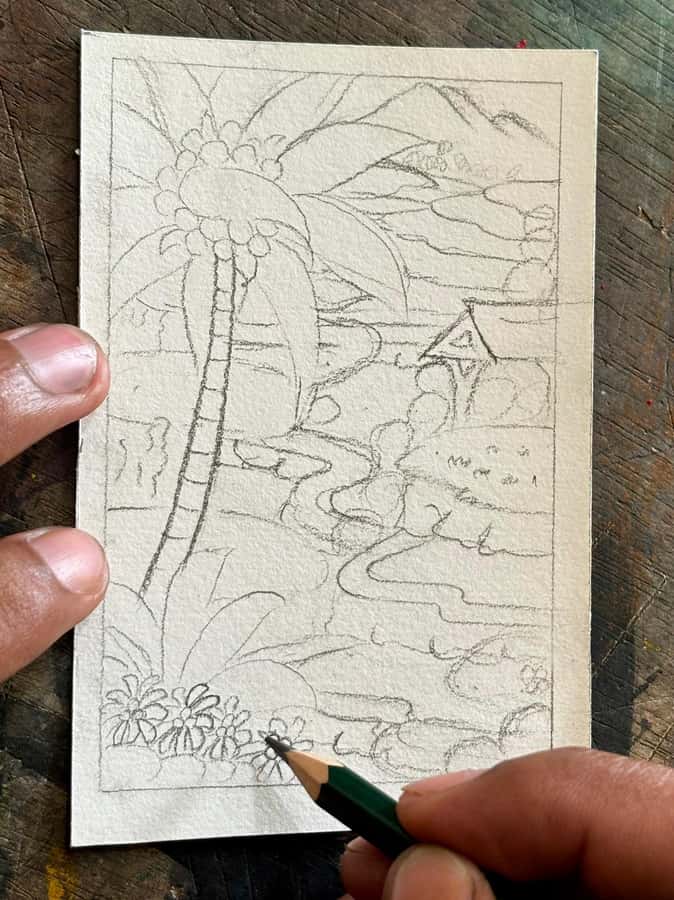
This class is taught in English. That’s a big deal in Bali, because it means you’re not stuck guessing what to do next. You’ll get guidance on technique and troubleshooting as you work.
Nyoman is specifically mentioned as a teacher in past sessions, and his teaching style comes across clearly: patient, helpful, and focused on small improvements. People also note that he shares tips and tricks to help your piece look good using the same methods you’re practicing in class. If you’re worried you won’t “get it,” this is exactly the kind of workshop where that worry usually fades once you start.
There’s also a small-group feel. The workshop is limited to 10 participants, which keeps the class from turning into a lecture hall situation. With fewer people, instructors can actually check your work and help you make adjustments without waiting too long.
What’s Included (and What You’ll Need to Add)
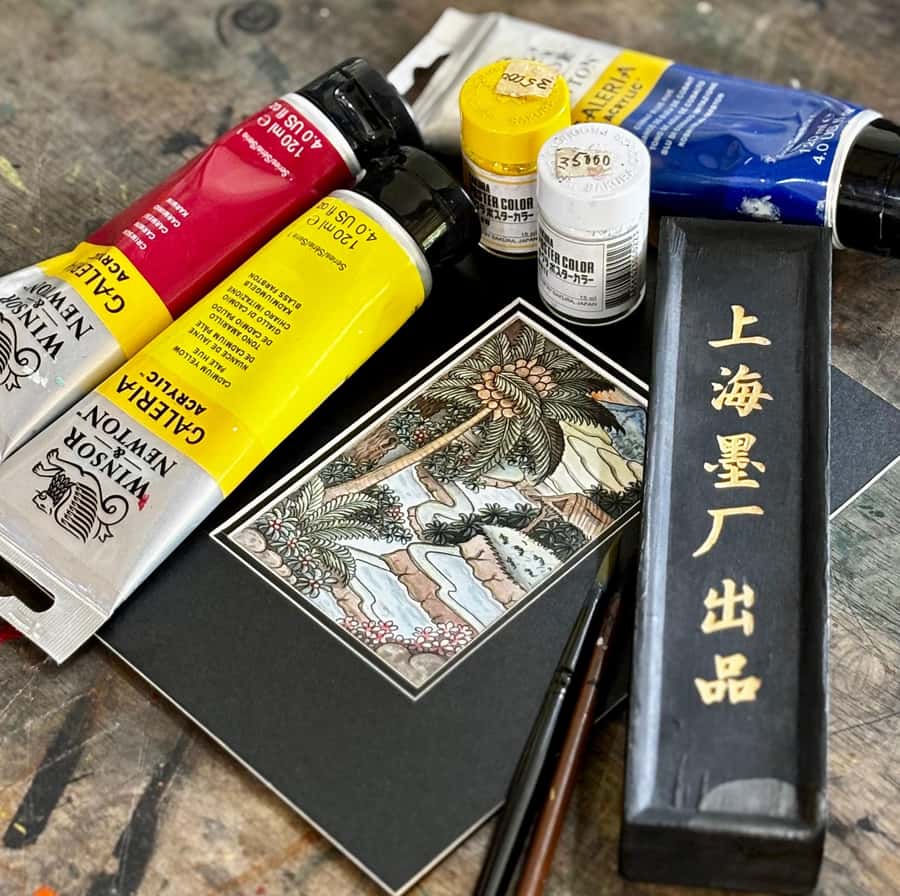
The workshop includes:
- Snacks
- Coffee and/or tea
- Mineral water
That’s a nice baseline. It means you’re not arriving hungry, and you don’t need to stop mid-class to hunt for a drink. One review mentions fruit along with coffee and water, which suggests the snack setup can be more than just a tiny bite, but at minimum you’re covered for refreshments.
Not included:
- Alcohol (available to purchase)
- Lunch (you can order local food)
- Transport
If you want alcohol, you’ll need to purchase it separately. If you’re planning lunch, decide ahead of time whether you’ll order something nearby or just schedule your meal after class.





Transport: the part you must budget for
Transport isn’t included by default. You can add pickup and drop-off from the meeting point for IDR 200k per group, with a maximum of 5 people per group. Pickup typically happens 30 minutes before class starts.
If you’re traveling with others, this can be a cost-effective way to handle logistics. If you’re solo, you may end up paying the group rate by yourself depending on availability. Still, for a class this small and local, it’s often worth it—you don’t lose half your day figuring out rides.
Price and Value: Is $26 Worth It?
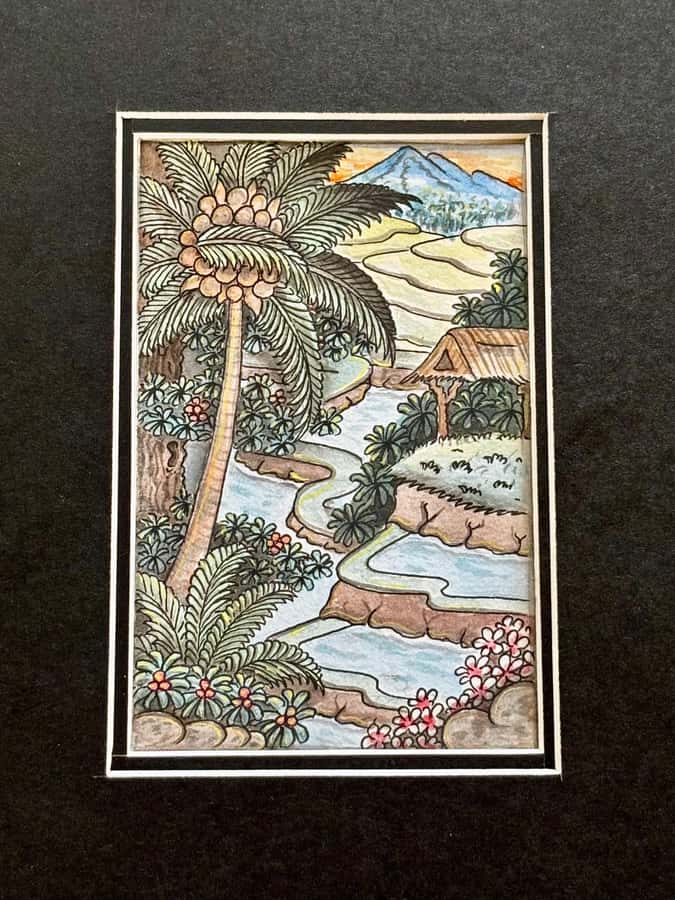
At $26 per person for a 3-hour hands-on art workshop, the value is pretty clear: you’re paying for guided technique, a small-group setting, and a take-home artwork you can display or frame later.
What you should keep in mind when judging the price:
- You get included drinks and snacks, which reduces extra spending.
- The class size (up to 10) means more individual attention than big group tours.
- You’re learning an art form tied to Keliki, not just doing a generic painting activity.
- Transport costs extra, so the true total depends on where you’re staying.
If you’re the type who enjoys small, focused experiences where you create something instead of just taking photos, this workshop makes sense. If you’re only looking for a quick “activity photo” and you don’t care about finishing a piece, you might find other experiences more efficient. But for anyone who likes art, technique, and a real Balinese setting, this price feels fair.
What to Bring: Small List, Big Difference

Bring:
- Camera
- Credit card
- Comfortable clothes
- Cash
The comfortable clothes part matters more than people think. Painting—especially miniature detail work—often involves leaning forward and sitting for a while. You’ll want something you can move in easily.
Also, bring both cash and a credit card. The class details don’t promise what payment method they’ll prefer, so having both prevents that last-minute stress.
A camera is useful for two reasons: documentation for your own memory, and photos of the final piece and studio setting in case you want to rewatch what you did later.
Who This Works For (and Who Might Want to Skip It)
This workshop is a great fit if:
- You enjoy hands-on activities and want a skill you can practice later.
- You like learning about local art techniques rather than just browsing.
- You’re traveling with a friend or solo and want a small-group class with guidance.
It’s not suitable for children under 5 years. If you’re traveling with young kids, you’ll want to plan a different activity that matches their attention span.
If you tend to get impatient with slow, careful tasks, consider it a “you might like this” situation. Miniature painting asks for patience, but the guidance and relaxed studio setting help you move at the right speed.
The Practical Take: How to Get the Best Result
Here’s how to make your time count:
- Arrive ready to focus. This is detail work, so your best results come when your body is comfortable and your mind is calm.
- Ask for help early. If something looks off, the earlier you get a tip, the easier it is to correct.
- Choose a subject you actually want. The freedom to pick what to draw is one of the best parts, because it turns the final souvenir into something you care about.
- Don’t overstuff your schedule. Build in time after class in case your session runs a bit longer than 3 hours.
If you go in thinking you’re “just trying,” you’ll likely have a better time. The class is friendly about learning, and instructors will help you finish strong rather than perfect.
Should You Book Threads of Tradition Miniature Keliki Painting?
Book it if you want a Bali experience that feels local, calm, and hands-on. The combination of a traditional studio setting, English instruction, and small-group attention makes it a smart choice for art lovers and cultural explorers alike. At $26, with snacks and coffee or tea included, you’re paying for more than entertainment—you’re buying a skill practice and a finished artwork.
Skip it if you’re trying to maximize time and only have one afternoon with no flexibility. Transport costs extra, and the session may run longer than the listed duration depending on your pace. Also skip if you don’t enjoy careful, patient tasks at all.
If your trip needs one good “I made this” moment, this is a very worthwhile pick.
FAQ
How long is the Keliki miniature painting workshop?
The class duration is listed as 3 hours.
What are the start times?
The morning class starts at 9:00 am and the afternoon class starts at 2:00 pm.
Is the workshop taught in English?
Yes. The instructor provides instruction in English.
What’s included in the price?
Snacks, coffee and/or tea, and mineral water are included.
What payment options should I bring?
Bring a credit card and cash.
Do I need to arrange transport?
Transport is not included. You can add pickup and drop-off from the meeting point for IDR 200k per group (maximum 5 pax), and pickup is 30 minutes before class start.
Is lunch included?
Lunch is not included, but you can order local food.
Is the class suitable for young children?
It’s not suitable for children under 5 years.