A monkey, a waterfall, and coffee—one tidy day. I like how this route strings together Sacred Monkey Forest and coffee tasting so the day feels varied, not repetitive. You get wildlife, big views, and then a calmer side of Bali at water-temple pools and gardens.
The only real heads-up is the add-ons: tickets entrance and lunch aren’t included, so plan a little extra budget beyond the $19 price.
In This Review
- Key highlights you’ll care about
- A one-day Ubud plan that mixes wildlife, views, and real quiet
- Hotel pickup, small-group timing, and how the day flows
- Sacred Monkey Forest in Ubud: 12.5 hectares of plants, paths, and rules
- Tegalalang rice terraces: the views are iconic, so manage your expectations
- Ulu Petanu waterfall: clear water, village energy, and one easy mistake
- Gunung Kawi Sebatu: tranquil water-temple pools with lotus and carp
- Coffee plantation tour: the process matters, not just the tasting
- Price and value: $19 sounds low, but plan for the extras
- What to bring (and what to avoid) so the day stays pleasant
- Who this tour fits best (and who should skip it)
- Should you book this Ubud day trip?
- FAQ
- How long is the Bali Ubud experience?
- How much does the tour cost?
- What’s included in the tour?
- Are entrance tickets and lunch included?
- Does the tour include hotel pickup?
- What’s the coffee tasting experience like?
- Is the tour suitable for mobility impairments or animal allergies?
- What should I bring?
- What is the cancellation policy?
Key highlights you’ll care about
- Sacred Monkey Forest (Ubud) covers 12.5 hectares and is home to 186 species of plants and trees
- Tegalalang Rice Terrace delivers those classic terraced-field views people come to Ubud for
- Ulu Petanu Waterfall is about 15 meters tall and sits in the middle of the village, so it feels local, not staged
- Gunung Kawi Sebatu (Pura Tirta Dawa Gunung Kawi Sebatu) is known as one of Bali’s least-visited, tranquil water-temple complexes
- Coffee plantation tour includes about 15 types of coffee and tea, with a chance to try the famous civet coffee
- Small group + hotel pickup (with pickup also offered for Nusa Dua/Uluwatu at an extra cost) keeps the day manageable
A one-day Ubud plan that mixes wildlife, views, and real quiet
This is a solid “see a lot without chaos” kind of Bali day. You’ll move through Ubud’s headline sights, then slow down at places that feel more like you found them than booked them. With a small group and hotel pickup, the schedule stays practical, especially on a tight trip.
I also like the balance of experiences. The day doesn’t lean only on scenery, and it doesn’t stay only indoors. You’ll walk, look closely, and get one focused cultural-food stop: coffee, from bean to cup.
You can also read our reviews of more tours and experiences in Ubud.

Hotel pickup, small-group timing, and how the day flows
Your day runs about 9 hours, and pickup is included from your hotel. You’ll want to be ready in the lobby about 10 minutes before the pick-up time, because Bali traffic is unpredictable and the driver won’t be waiting forever.
This tour is built as a small group day, which usually means easier pacing. One helpful detail from guide experiences: guides like Kadek, Nano, Ari, and Wayan are known for taking care of the group and adjusting the pace based on what you want to linger on. That matters at places like monkey forest and temples, where you’re not just sightseeing—you’re navigating crowds, paths, and respectful behavior.
A practical note: the route includes several “walk-and-look” stops. If you’re the type who likes to spend time reading little signs and taking photos, you’ll enjoy the flow. If you’re rushing for the next photo every 20 seconds, you may feel the day moves fast.
Sacred Monkey Forest in Ubud: 12.5 hectares of plants, paths, and rules
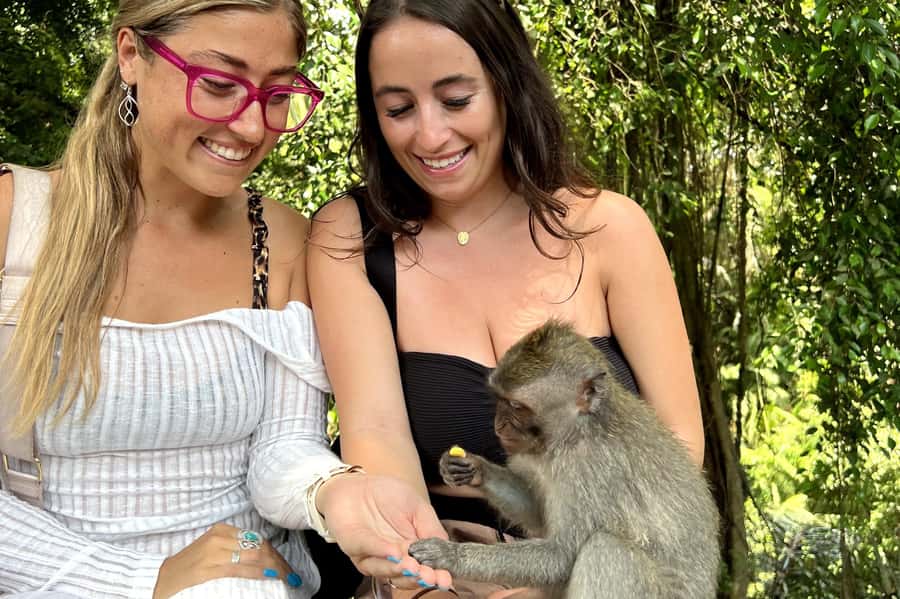
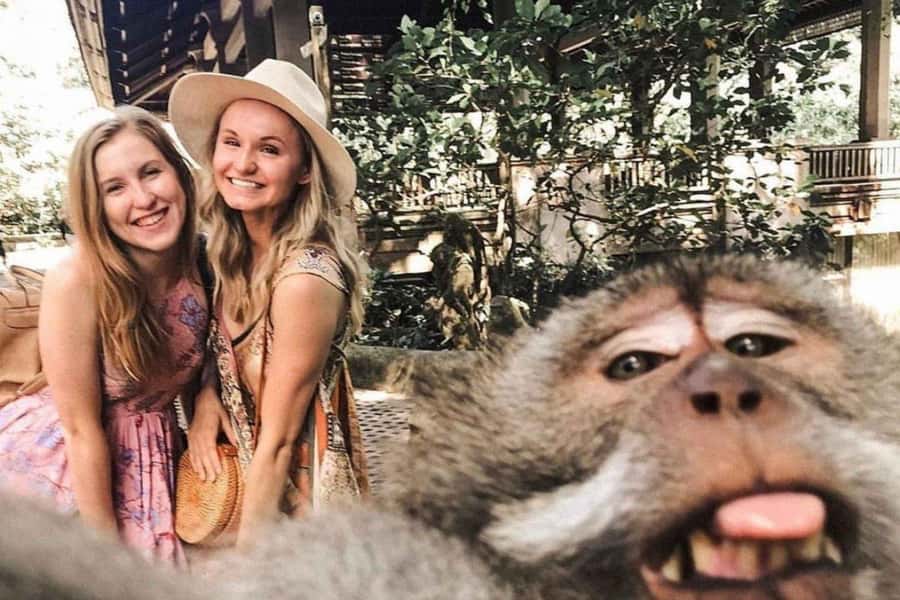
The Sacred Monkey Forest Sanctuary is Ubud’s best-known monkey stop for a reason. It spans 12.5 hectares and includes 186 species of plants and trees, so it isn’t just a monkey enclosure. It’s a real sanctuary with shaded paths, a lot of greenery, and plenty of things to photograph besides the monkeys.
Here’s what to expect in a practical sense:
- You’ll be walking through a mix of open areas and forest paths.
- Monkeys are active, and they can be curious. Your job is simple: stay calm, don’t feed, and keep personal items secure.
- You’ll want to treat it like a wildlife + sacred place combo. That means respectful behavior and patience if you have to share narrow paths.
The tour also follows the right basic rules: no feeding animals, no littering, and no smoking. If you hate messy situations, monkey forest is one of the places where you’ll appreciate those guidelines most.
Best way to enjoy it: wear comfortable shoes and expect the ground to be uneven in spots. Bring your camera, but keep it steady around animals. A few minutes of walking slowly and watching the scene will give you better photos than sprinting for the first monkey you see.
Tegalalang rice terraces: the views are iconic, so manage your expectations
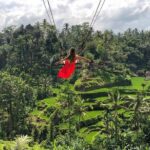
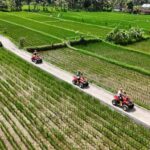
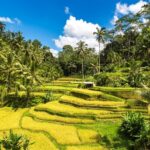
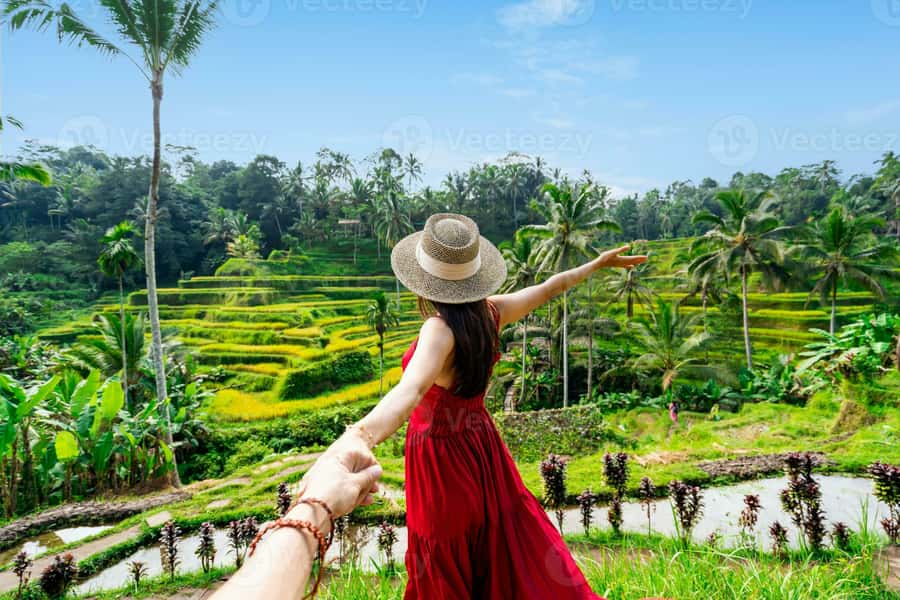
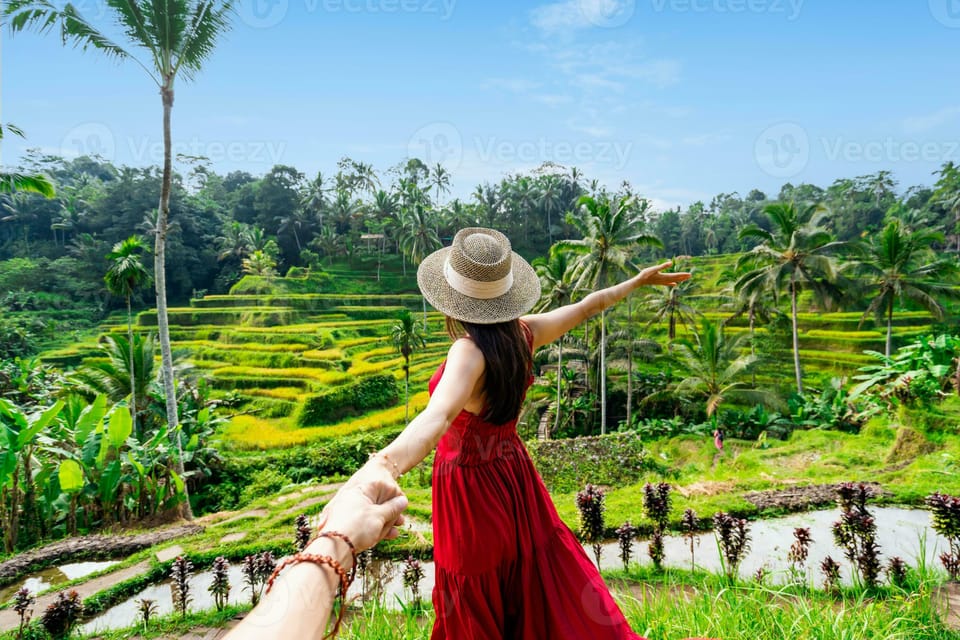
Tegalalang Rice Terrace is one of Ubud’s most visited spots, and that’s for a reason. The terraces create that stepped pattern of rice fields that’s instantly recognizable in photos, but you’ll still want to see it in person because the depth and rhythm look different at human scale.
What the stop gives you:
- A chance to photograph the terraces from viewpoints that show layers of fields.
- A sense of how rice farming shapes the hillside.
- A break in the day where you can just watch and breathe for a minute.
What to watch for:
- It can be sunny and hot. Bring a hat, sunscreen, and water, even if you’re only staying for a short time.
- Expect crowds, especially if you’re there at a peak time. If you can, take your photos and then step back to enjoy the view without standing in one spot for too long.
Also, this stop is part of a long day. If you try to do every viewpoint without breaks, you’ll feel it by the time you reach the waterfall. A good strategy is to pick 1–2 key angles for photos, then enjoy the terraces at a slower pace.
Ulu Petanu waterfall: clear water, village energy, and one easy mistake
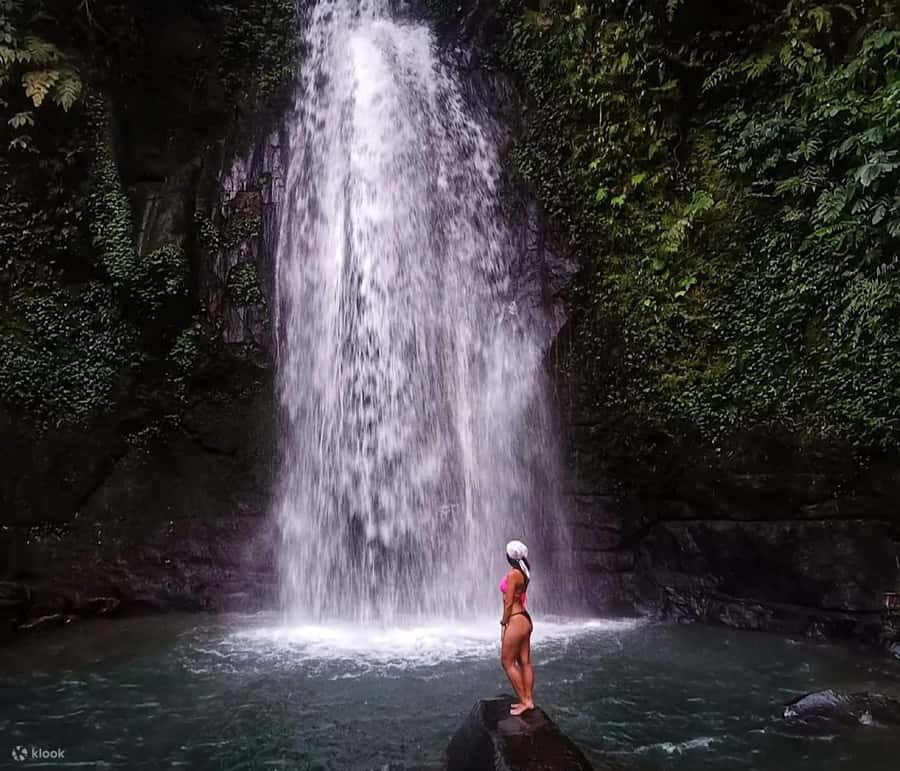
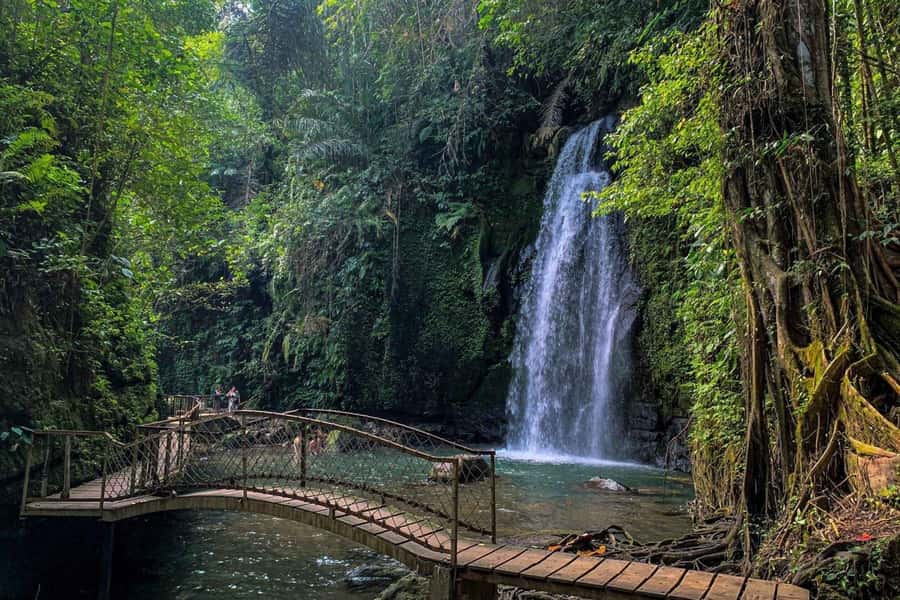
Next is Ulu Petanu Waterfall, also described as a waterfall in the middle of the village. It’s around 15 meters tall, and the water is noted as clear. That village setting is exactly why the waterfall feels different from the “just a waterfall in the jungle” type.
What makes this stop special:
- It’s not only about the waterfall. The village location makes it feel more everyday and local.
- The height is enough to make the scene feel dramatic, and the clear water makes photos look better than at murkier spots.
The one consideration I’d plan for: this is a place where cooling off can be tempting. I’d pack a small change of clothes or be ready to get wet, because the tour description doesn’t always spell out that you can bring swim-ready items. (One guide-smart move is to have a plan for your phone and camera if you get close to the spray.)
Practical tips:
- Comfortable shoes help because you may walk on uneven or damp ground.
- Bring water for before and after. The heat between stops can sneak up on you.
- If you’re sensitive to slippery areas, keep your pace careful and watch your footing.


Gunung Kawi Sebatu: tranquil water-temple pools with lotus and carp
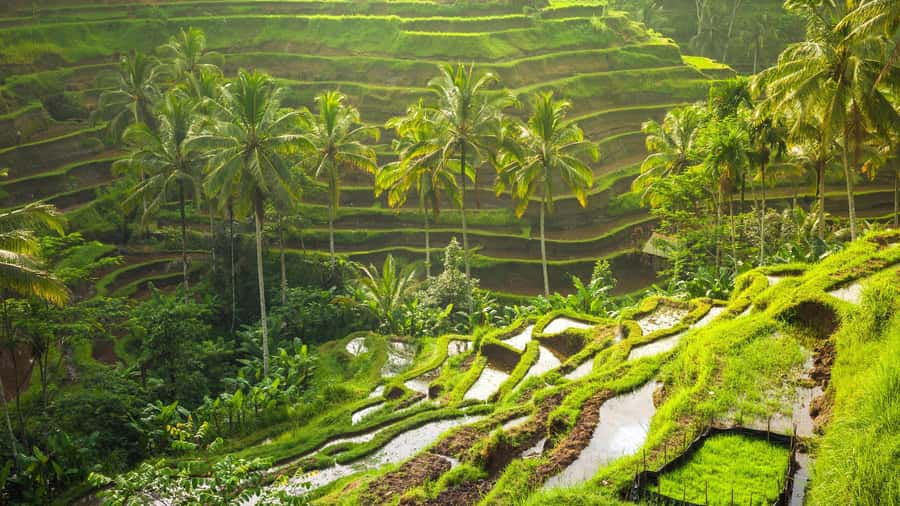
This is the stop that often changes the mood of the day. Gunung Kawi Sebatu, known locally as Pura Tirta Dawa Gunung Kawi Sebatu, is described as one of Bali’s least visited temples. That low-key vibe is a big part of the appeal.
Here’s what you’re walking into:
- Ancient shrines and garden areas.
- Spring-fed pools and ponds with crystal-clear water.
- Lotus blooms and carp in the water, which gives the whole scene a calm, slow feeling.
You’ll also find a place to relax, with coffee or tea available on the side. That’s a useful detail because temples can feel mentally intense: you’re supposed to be respectful, dress appropriately, and watch your movements. A sit-down break helps you enjoy the quiet instead of just passing through.
Photo note: don’t rush. Lotus ponds and carp are easy to photograph once you slow down. If you’re constantly moving, you’ll miss the small moments where the light hits the water.
Coffee plantation tour: the process matters, not just the tasting
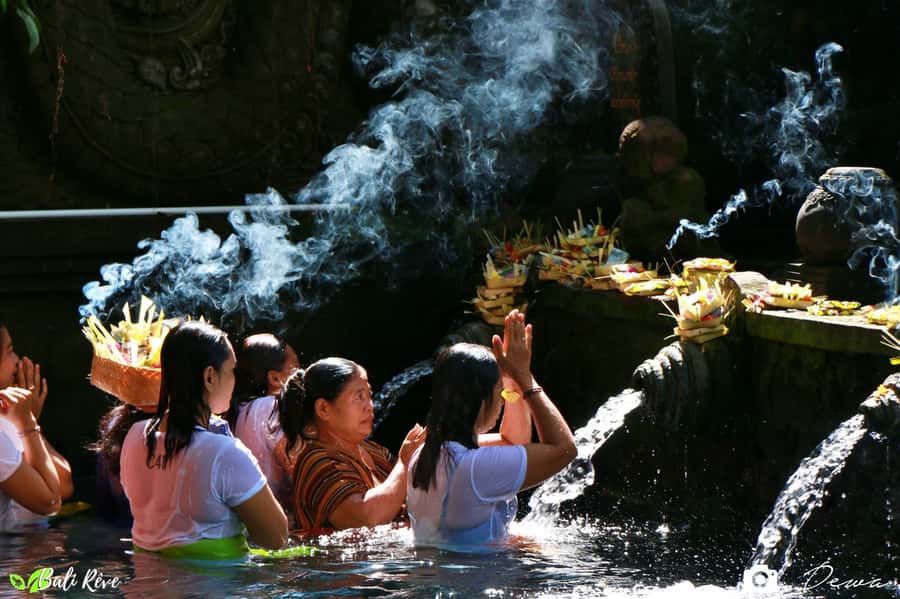
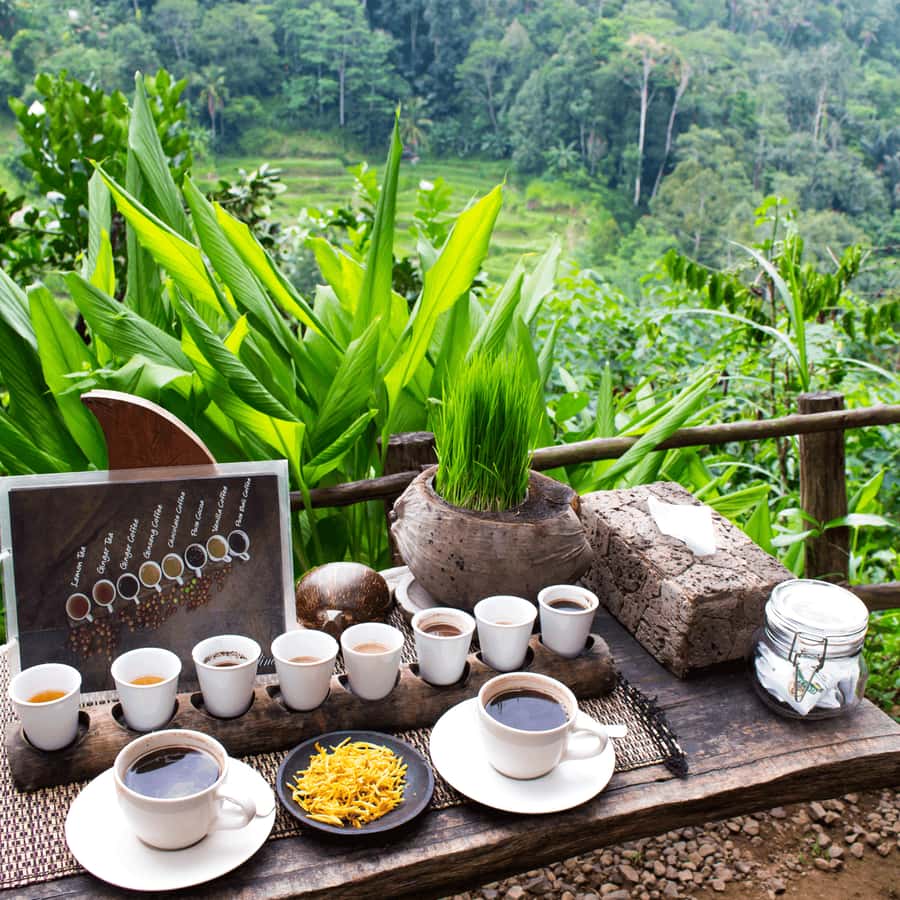
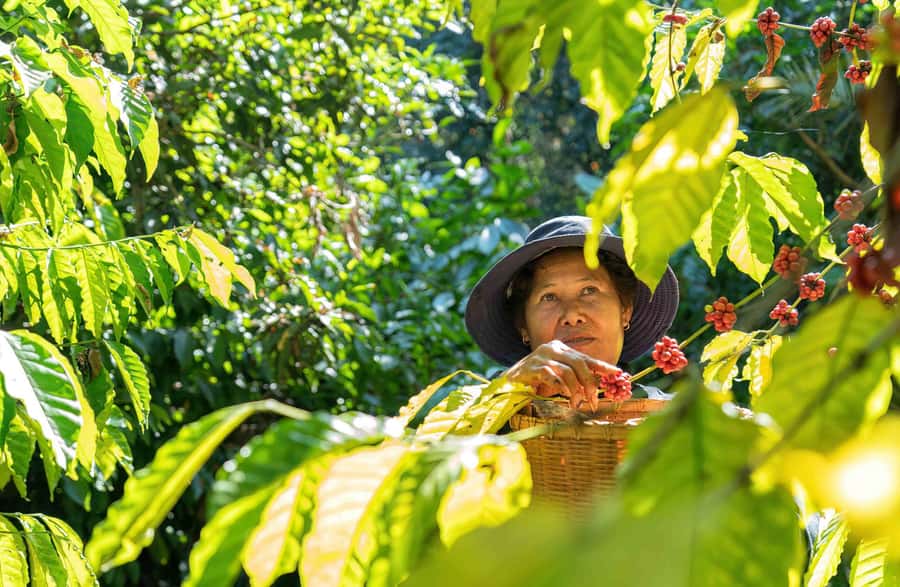
The coffee part of this tour is more than a quick sip. You’ll go through a plantation-style experience where you can see the process of making coffee—starting from picking coffee beans all the way to how it ends up in your cup.
The numbers are part of why it’s worthwhile: you can expect around 15 types of coffee and tea, and yes, there’s mention of civet coffee. The tasting experience is also paired with visuals, so it’s not only about taste. You’ll get a feel for where the flavors come from, which makes the whole thing more interesting than ordering a cup and moving on.
How to get the most from the coffee stop:
- Pay attention to the process steps. It’s where the value lives.
- If you’re not a coffee person, tea options are included too, so you’re not stuck.
- Ask questions about how the different drinks are made and what the differences are. Even a little curiosity goes a long way here.
Also, remember the day’s mix of stops. Coffee tasting is a good “reset” moment after hotter, more active places like monkey forest and the waterfall.
Price and value: $19 sounds low, but plan for the extras
At $19 per person for a 9-hour day that includes monkey forest entry (with skip-the-ticket-line handling), Tegalalang rice terraces, Ulu Petanu waterfall, a coffee plantation tour, and Gunung Kawi Sebatu, this can be excellent value—especially because you also get hotel pickup for most areas.
But here’s the honest side of the math: entrance tickets aren’t included, and lunch isn’t included. That means your final spend will depend on the entry fees and what you choose for food.
If you want the best value experience, do this:
- Bring some cash or a card ready for ticket entrance costs.
- Eat beforehand or plan a proper meal during the day, since lunch is not part of the package.
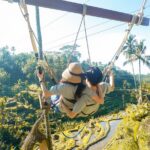
- Avoid assuming everything you’ll want is included (the same goes for any activities not listed; for example, swing is mentioned as not included).
If you’re on a budget and you like a full day with multiple highlights, the pricing makes sense. If you hate surprise add-ons, this one needs a small bit of planning.
What to bring (and what to avoid) so the day stays pleasant
For this kind of Ubud day, you’ll be happier with practical items than with fancy ones.
Bring:
- Comfortable shoes (you’ll be on paths and uneven ground)
- Hat (sun is real)
- Camera (this day has photos built in)
- Sunscreen
- Water (heat + walking)
Don’t do:
- Smoking
- Littering
- Feeding animals (important at the monkey forest)
And respect local expectations. Temples and sacred places are part of the experience for a reason, so dress and behavior matter. Even if you’re just there for photos, remember you’re moving through religious spaces.
Who this tour fits best (and who should skip it)
This is a good match if you want a fast, well-paced day through Ubud’s top “greatest hits.” It also suits you if you like guides who keep you comfortable and informed, and who can help with practical stuff like pacing and photos. Names that have come up with excellent guide support include Kadek, Nano, Ari, and Wayan, and that’s usually a sign the day is guided with care.
It’s not suitable if:
- You have mobility impairments (the day involves walking and sites with uneven terrain).
- You have animal allergies (the monkey forest is a key stop).
If you’re traveling with concerns about wildlife, you’ll want to think carefully before booking, because this is not an optional side quest—it’s one of the main stops.
Should you book this Ubud day trip?
I’d book it if you want one full day that hits monkey forest, rice terraces, a village waterfall, a tranquil water temple, and a coffee plantation experience in one go. With hotel pickup, a small group, and guides credited for attentive care, it’s a straightforward way to see a lot without turning the day into a logistics puzzle.
I’d skip or reconsider if you:
- Hate paying extra for tickets entrance and lunch.
- Need a low-walking day.
- Have animal allergies.
If you’re in the middle—budget-conscious, comfortable walking, and okay with monkeys and temples—this is a smart-value Ubud plan.
FAQ
How long is the Bali Ubud experience?
It runs for about 9 hours.
How much does the tour cost?
The price is listed at $19 per person.
What’s included in the tour?
Included stops are Ubud village, Sacred Monkey Forest Sanctuary entrance, Tegalalang Rice Terrace visit, Petanu Waterfall visit, coffee plantation tour, and Gunung Kawi Water Temple visit.
Are entrance tickets and lunch included?
No. Tickets entrance and lunch are not included.
Does the tour include hotel pickup?
Yes, pickup is included from your hotel. Nusa Dua and Uluwatu areas have an additional cost.
What’s the coffee tasting experience like?
You can drink about 15 types of coffee and tea, see the process from picking coffee beans to how coffee is made, and there is mention of civet coffee.
Is the tour suitable for mobility impairments or animal allergies?
No. It is not suitable for people with mobility impairments, and it is not suitable for people with animal allergies.
What should I bring?
Bring comfortable shoes, a hat, a camera, sunscreen, and water.
What is the cancellation policy?
You can cancel up to 24 hours in advance for a full refund.