Jakarta at dusk tells two stories. This guided route strings them together: Glodok’s old Chinatown temple built in 1650 and the lantern-lit PIK Avenue night scenes, all while you ride comfortably in an air-conditioned vehicle. One thing to keep in mind is timing: it’s a 5 to 6 hour afternoon-to-night plan, and Jakarta traffic can stretch the ride.
I also like that this tour is built around practical, photo-friendly stops rather than long lectures. Guides named Fitri and Enok have a reputation for knowing the area and explaining it in a way that makes street-level history feel real. You’ll get pickup and drop-off, plus bottled water, and since it’s a private group you won’t feel shuffled with strangers.
In This Review
- Key highlights worth your time
- Why Glodok and Jakarta Old Town belong on the same route
- Glodok Chinatown: pagoda, temple, and street-level context
- Jakarta Old Town: Chinese-European buildings and the Cityhall garden
- Muara Angke floating fish-market dinner vibe
- PIK Avenue at golden hour and night
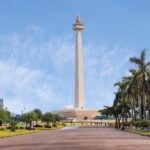
- MONAS photo stop: 132 meters of Jakarta symbolism
- Price and value: what $53 really buys you
- Logistics that can make or break your afternoon
- Who this tour is best for
- Guides: why Fitri and Enok matter to the experience
- Should you book this Chinatown night tour?
- FAQ
- How long is the Afternoon Guided Chinatown Tour in Jakarta?
- What is included in the tour price?
- Is pickup from my hotel included?
- Are admission tickets included?
- What does the tour stop at?
- Is the tour private?
Key highlights worth your time
- Glodok Chinatown temple with a 1650 pagoda plus free entry
- Jakarta Old Town stop with Chinese-European colonial-style buildings and a 139 sqm Cityhall garden
- Muara Angke fish-market style dining at a floating-restaurant setting with about an hour there
- PIK Avenue as the main visual payoff, with lantern lights and nighttime bridge-light moments
- MONAS photo stop at night with its golden top and 132-meter height in view
- A guide plus a driver working separately, so one person handles stories while the other focuses on the road
Why Glodok and Jakarta Old Town belong on the same route
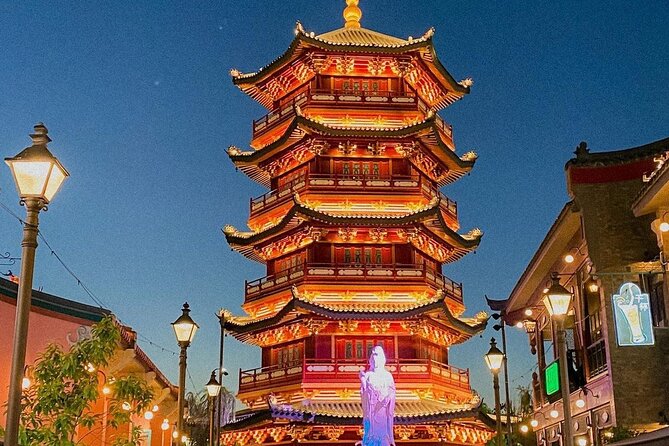
Jakarta’s Chinatown story isn’t just about food or temples. It’s also about how communities, trade, and colonial-era city planning shaped what you see today. In Glodok, you’re walking into a neighborhood that’s long been tied to Chinese Indonesians and commerce, right in the old city area where Dutch colonial history still lingers in the streets.
The smart part of doing Glodok and Jakarta Old Town together is how your eyes learn the city. You go from Chinatown religious architecture and dense market streets to older, more formal colonial-era buildings. If you’ve never looked closely at Jakarta’s layers before, this order helps you connect the dots fast.
Also, the tour keeps you moving at a good pace: short stops where you can orient yourself and then more time where you’ll actually want photos and atmosphere. The driving time is real, but the schedule is built so you don’t waste it.
You can also read our reviews of more tours and experiences in Jakarta.
Glodok Chinatown: pagoda, temple, and street-level context
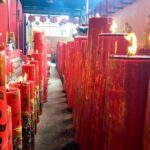
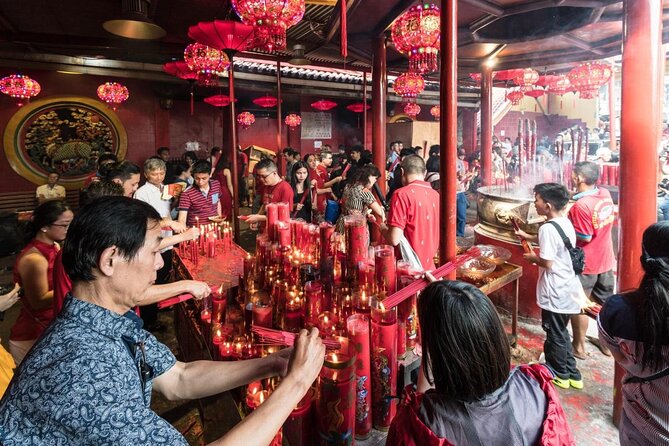
Glodok is one of Indonesia’s biggest Chinatown areas, and the tour makes your first step count. After pickup, you drive about 30 minutes from many hotel areas and head into the Chinatown lanes where you’ll start with a temple visit. The pagoda there dates to 1650, and the admission ticket for this stop is free.
What I like about this start is that it gives you a frame before you wander. Instead of just seeing lanterns and signage, you learn to notice the why behind the place—how Chinese Indonesians built community structures and how commerce shaped where people lived and gathered.
There’s also an advantage for photo timing. Glodok can be visually strong in afternoon light, but temples and street details still read well as the day shifts toward evening. If you’re the type who likes capturing signs, doors, incense areas, and old rooflines, this is an early win.
One practical tip: wear shoes you can walk in for a neighborhood feel. Even with a guide, you’ll likely do more short steps and turns than you’d expect from a “5 to 6 hour tour.”
Jakarta Old Town: Chinese-European buildings and the Cityhall garden
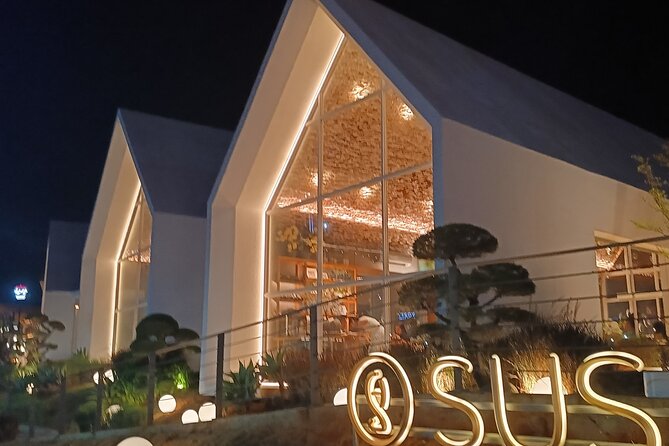
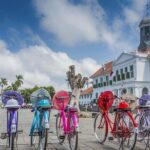
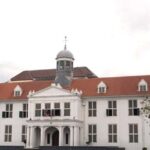
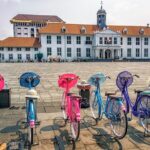
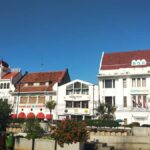
After Glodok, you move into Jakarta Old Town, where the architecture becomes a different kind of time machine. You’ll see older buildings with Chinese-European style designs connected to the colonial era. This is where Jakarta can look like multiple eras were built on top of each other, instead of one era replacing another.
The tour includes a stop with a large garden area called Cityhall, listed as 139 sqm. Again, admission for this part is free, which matters for value when you’re paying a single tour price to cover the day.
The biggest payoff here is understanding how the city’s power centers worked. Chinatown areas were tied to trade and community life; Old Town buildings reflect the colonial city’s administrative and commercial footprint. Together, they help you see why certain areas feel dense with old stories, and why others feel more structured.
Possible drawback: your time here is about 30 minutes. That’s perfect for orientation and photos, but if you want slow wandering, you’ll probably want to return later on your own with more time.
Muara Angke floating fish-market dinner vibe
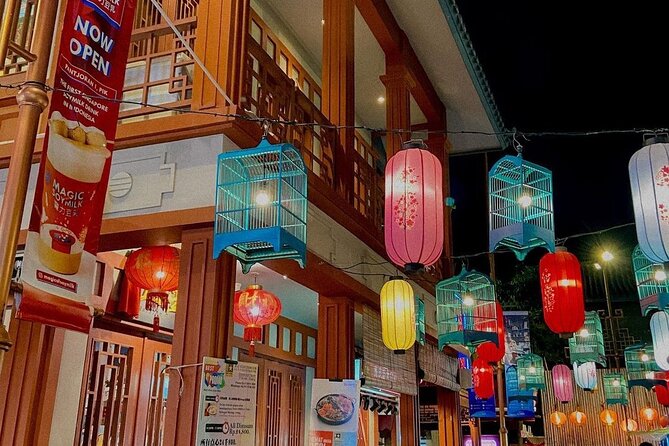
Then the route shifts toward food and water. At Pusat Perikanan Muara Angke, you get a fish-market style experience and the chance to eat at Resto Floating Muara Angke, described as a restaurant on the sea. You’ll spend about 1 hour at this stop, and admission is free for the visit.
This is one of the most memorable stops because it changes the mood. You’re leaving the city’s old architecture and stepping into an area designed around fishing and seafood culture. Even if you don’t consider yourself a “food tour person,” the setting helps you understand Jakarta beyond landmarks.
The tour’s positioning here is also smart: you don’t just hear about culinary culture, you see it through a working waterfront-style environment. In the reviews tied to this experience, eating in the fish market area comes up as a strong suggestion, and I agree with the logic. If you’re going to take a food break during a themed tour, this is where the atmosphere feels most connected to the theme.
What to plan for: the tour does not list meals as included. So you should budget for your own dinner or snack at the floating-restaurant area. If you’re picky about menu items, check what’s available when you arrive.
PIK Avenue at golden hour and night
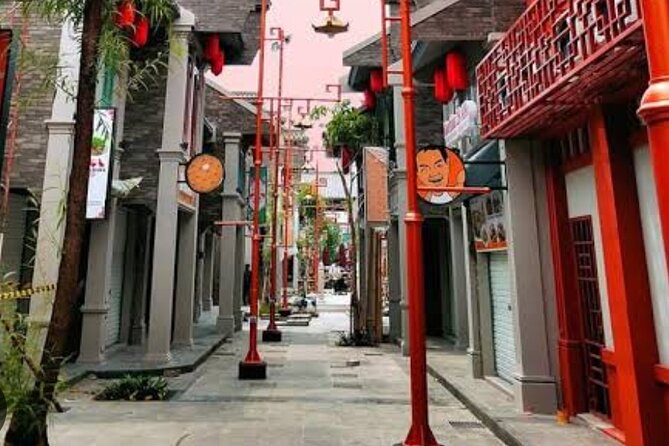
If Glodok sets the history and Old Town provides the architecture, PIK Avenue is where the tour turns into “Jakarta at night” mode. This part is described as the highlight, with lantern light and a Chinese-dominant business district feel.
You’ll spend about 2 hours here, which is exactly what you need. This isn’t just a quick photo pull-over; it’s the time window where you can actually enjoy the ambiance as the lighting changes.
From the guide’s perspective, this is also where stories become practical. In the tour experiences shared, dinner and pictures get paired with the space—people specifically call out PKI 1 as a great place to eat dinner and PKI 2 as a spot to visit at night. The bridge light changes are part of the appeal, so if you want night photos, this is the portion to take seriously.
How to get the best photos: keep your phone ready and don’t stay in the same spot too long. Bridge light effects and lantern lighting can shift quickly as the light drops and people move around. A guide can also help you find the angle that makes the scene look clean, not crowded.
One consideration: this is a business district area, so it may feel more modern than the old-city stops. That’s not a negative, but it’s a different vibe. If you’re only interested in the colonial past, you might find this part less emotional. If you want to see how Chinatown communities and modern Jakarta overlap, it’s a strong stop.

MONAS photo stop: 132 meters of Jakarta symbolism
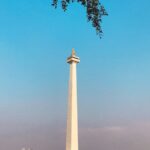
To close, you head to National Monument (MONAS) for a photo stop. MONAS is described as a 132-meter monument with a golden top that glows at night, and the tour keeps it as a final sight rather than a long walk-through.
I like this approach because it gives you a recognizable Jakarta landmark without stealing your entire evening. The photo moment can be short, but it’s satisfying: you get a skyline anchor, and it ties your afternoon of old Chinatown sights to the capital’s big identity symbol.
In terms of comfort, this stop is also a good ending after longer time on the road. You’re not committing to an hour inside a museum or complex building. Instead, you can get a few photos, take a breath, and head back.
Note: plan your energy for the transition. Night photos usually mean you’ll spend a little time standing outside, so bring something light in case you get cooler air than you expect.
Price and value: what $53 really buys you
At $53 per person, this tour is priced for a full afternoon of guided sightseeing rather than a simple walking loop. You’re paying for a guide, an air-conditioned vehicle, bottled water, and hotel pickup plus drop-off. That alone adds value in Jakarta, where traffic can turn a solo plan into a stressful guessing game.
Another value point: multiple stops list free admission, including the pagoda/temple area in Glodok and the Cityhall/Old Town portion. When a tour price bundles both transportation and entry costs, you feel it more clearly in your total spend.
You’ll also notice the structure: a licensed guide and driver separately. That matters. One person focusing on stories and logistics lets you spend more of your brain on what you’re seeing, not on navigation.
One more detail that’s practical: there’s a mobile ticket. That reduces friction on the day, since you’re not dealing with paper pickup or last-minute confusion.
Timing check: the tour is commonly booked about 15 days in advance on average. That’s a sign it has staying power. If you’re traveling in peak periods or on a weekend, I’d book earlier to keep your preferred time slot.
Logistics that can make or break your afternoon
This tour runs about 5 to 6 hours and is positioned as an afternoon guided experience with evening light stops. That means you should expect a steady flow, not a slow, open-ended wandering plan.
The good news is that pickup and drop-off are built in, which reduces stress. Reviews also point out that getting through Jakarta traffic is part of the challenge, and the tour’s vehicle + driver setup is meant to handle that for you.
Packing mindset: bring a small bag for water and personal items, and keep your camera accessible. The stops that reward you most are the ones with lighting changes—PIK Avenue and MONAS at night—so you don’t want to dig for gear during those moments.
Also, remember it’s a private tour/activity where only your group participates. That’s helpful if you want your pace to match your questions. If you like asking things about Chinese Indonesian history, colonial-era architecture, and how modern Jakarta blends into it, you’ll get more out of that private setup.
Who this tour is best for
This experience fits best if you want both city history context and night photos without building a multi-day plan.
You’ll likely enjoy it if:
- you’re interested in Chinatown in Jakarta beyond generic street views
- you want to see old city architecture and then compare it with modern district lighting
- you like food stops tied to place, not just a restaurant name
- you prefer a guided day with transport sorted out for you
You might not love it if:
- you want a deep museum-style experience with long stays at each site
- you dislike sitting in traffic for portions of a day
- you prefer totally free roaming with no set stops
Guides: why Fitri and Enok matter to the experience
A guided Chinatown and old-town route lives or dies by explanations. The standout factor here is that guides such as Fitri and Enok have been praised for really knowing the area and keeping the experience understandable. That can turn a series of landmarks into a storyline you can repeat later when you walk around on your own.
I’d also pay attention to how guides can help you connect themes: why Glodok’s community structures matter, how colonial-era building styles show up, and how business districts like PIK Avenue reflect the ongoing presence of Chinese Indonesian community life.
If you want the tour to feel less like checking boxes, choose your questions in the moment. Ask about what you’re seeing at the temple, then ask how the city’s old and modern layers connect as you head toward PIK Avenue.
Should you book this Chinatown night tour?
I’d book it if you want a single afternoon that covers the core of Jakarta’s Chinatown-to-capital story. For the money, you get a guided route with pickup and drop-off, an air-conditioned vehicle, bottled water, and several free admission stops, plus enough time at PIK Avenue to catch lantern and night lighting.
Skip it only if you already have a deep Old Town plan and you don’t care about Chinatown or night views. Also, if you hate set schedules, note that this one is built for flow: temple, old town, waterfront-style fish-market dining, business district lights, then MONAS.
If you want a practical way to reduce risk, look at your travel window and whether you can keep your afternoon open. The good thing is that the tour lists free cancellation up to 24 hours before the start time, so you can adjust plans if something changes.
FAQ
How long is the Afternoon Guided Chinatown Tour in Jakarta?
The tour lasts about 5 to 6 hours.
What is included in the tour price?
Included items are an air-conditioned vehicle, private transportation, bottled water, a licensed guide and driver, and pick up and drop off service.
Is pickup from my hotel included?
Yes. Pickup is offered, and the vehicle drives you to the stops before returning you to your hotel.
Are admission tickets included?
Admission tickets are listed as free for the included stops in the itinerary, including Glodok Chinatown and Jakarta Old Town.
What does the tour stop at?
It includes Glodok Chinatown (temple/pagoda), Jakarta Old Town, Pusat Perikanan Muara Angke (Floating Muara Angke area), PIK Avenue, and a final photo stop at National Monument (MONAS).
Is the tour private?
Yes. It is a private tour/activity, and only your group will participate.