One look at your palm changes the mood fast. This 40-minute Ubud palm of hand reading uses a traditional Balinese method, with an English-speaking guide and a calmer, more spiritual feel than a quick, generic horoscope stop.
I like that it’s small-group (limited to 10), so you’re not just shuffled through. I also like that you get a live reading plus an English audio guide, which helps you follow along even if the ideas feel new.
Here’s the one thing to watch: as with any local experience, timing at the meeting point matters. One verified booking included a host delay, so I’d plan to stay on top of communication instead of assuming everything runs exactly on schedule.
In This Review
- Key highlights you’ll care about
- Ubud palmistry, Balinese-style: what makes it feel different
- What happens during the 40 minutes (and how to be ready)
- The Balinese palmistry method: lines, mounts, and meanings
- Getting real takeaways: how to use your reading without overthinking it
- Price and value: is $46 for 40 minutes fair?
- Meeting point reality in Ubud: timing, heat, and communication
- Who should book this, and who might skip it
- Should you book the Ubud palm reading?
- FAQ
- How long is the palm reading session?
- Is it offered in English?
- Is it a private reading?
- What’s included in the price?
- Does the tour include pickup and drop-off?
- Can I cancel for a refund?
Key highlights you’ll care about
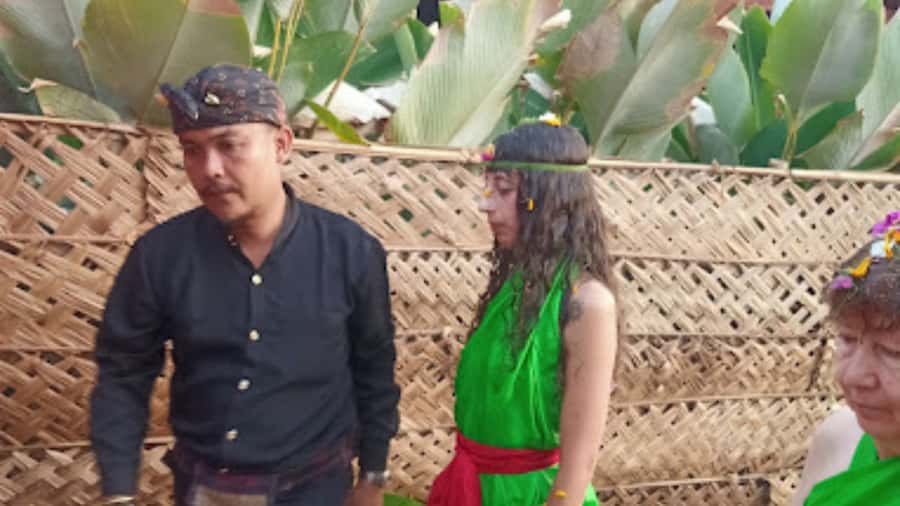
- Traditional Balinese palmistry in a dedicated, spiritual-feeling space in Ubud
- English live guide plus an English audio guide to keep you comfortable
- Small group size limited to 10 participants, which usually means more personal time
- Guided interpretation focused on lines, contours, and symbols on your palms
- Q&A and personalized guidance based on your own reading
Ubud palmistry, Balinese-style: what makes it feel different
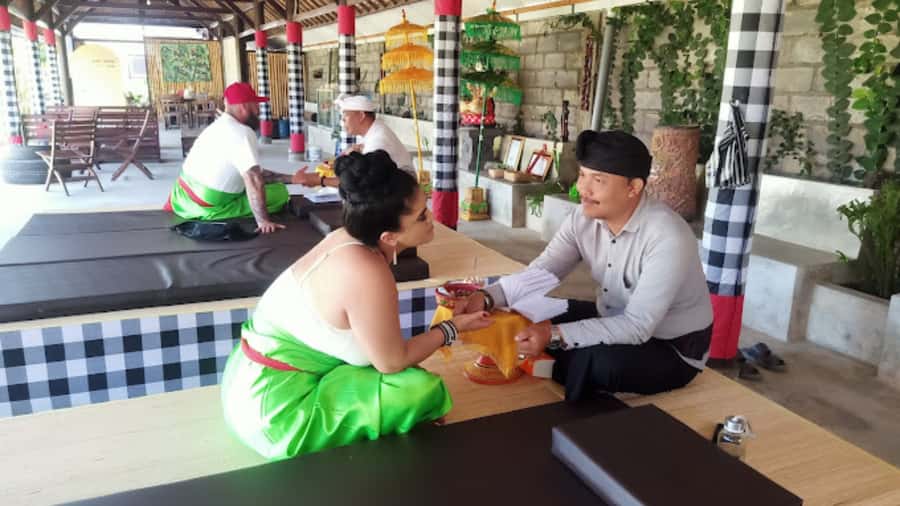
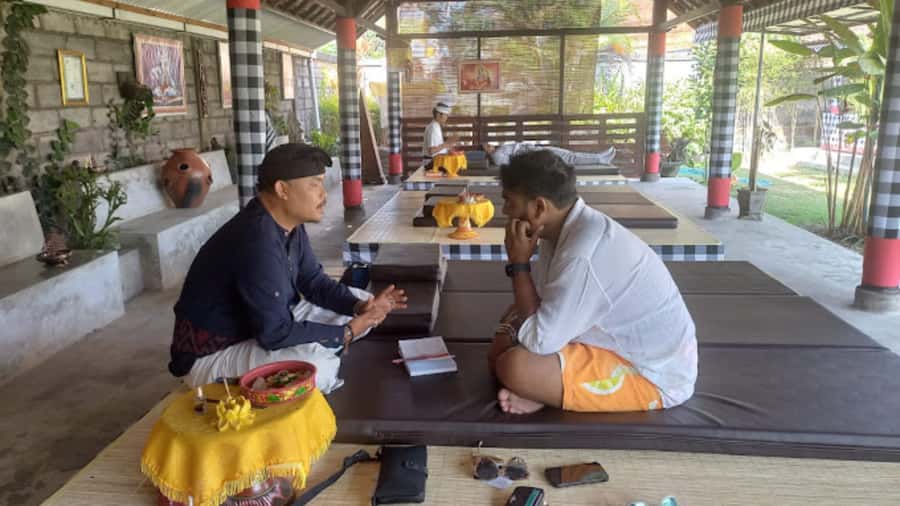
Ubud is where many people come for wellness, spirituality, and self-reflection. This palm reading fits right into that scene. Instead of treating palmistry like a party trick, the Balinese method leans into ritual, intention, and quiet focus. You’ll be guided into a serene environment where the practitioner takes your hands and traces key features with care.
The real value here is the tone of the experience. A calm setting changes how you receive the reading. If you go in expecting strict predictions, you may leave a bit unsatisfied. But if you treat it like thoughtful reflection—almost like a mirror for personality and habits—you’ll likely get more out of it.
Also, the session is framed around meaningful categories: personality, life path, and potential future patterns. That structure matters. It gives you a way to organize what you’re hearing, so you can walk out with takeaways you can actually use, not just mystic-sounding words.
I’d describe this as a spiritual conversation delivered through palm lines and symbols, not a lecture about your fate. If you’re open to that mindset, you’ll probably find the experience more relaxing than you expected.
You can also read our reviews of more tours and experiences in Ubud.



What happens during the 40 minutes (and how to be ready)
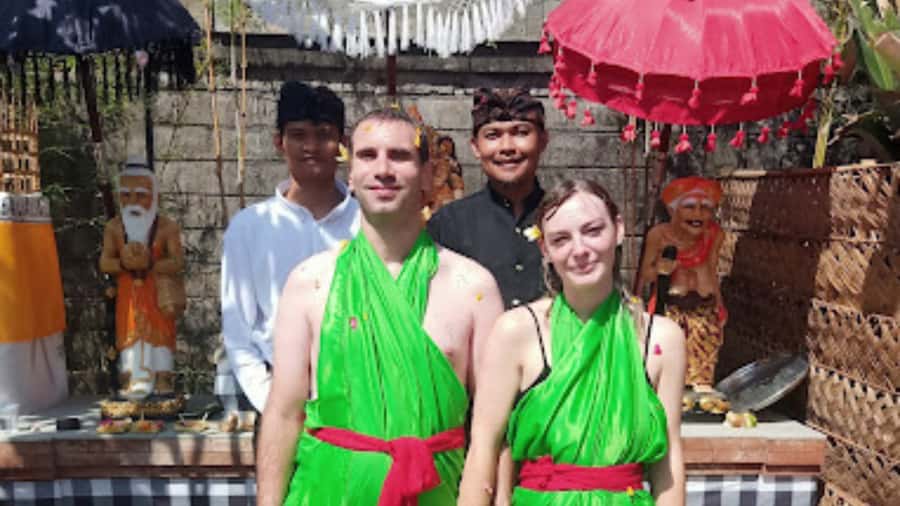
Plan on about 40 minutes total. That sounds short, but palm reading isn’t a “walk-by” activity. You’ll get a welcome, get seated, and then the reading begins with your practitioner taking your hands and carefully tracing lines.
Because this is a small group limited to 10, the guide can still keep things moving while giving you attention. Still, don’t expect a 90-minute, super-deep, one-on-one therapy session. The format is tight. Your best move is to decide ahead of time what you want from it.
A helpful approach:
- Think of one or two themes you want clarity on (relationships, work direction, personal habits).
- Come with a curious attitude, not a debate-skill attitude.
- Keep your questions simple so you get real answers.
You’ll also have an English audio guide in addition to the English-speaking live guide. That’s a practical comfort feature. If the practitioner uses a lot of Balinese terminology (which is likely), the audio support helps you stay oriented rather than guessing what was just said.
One more practical point: this experience doesn’t include pickup and drop-off. So you’ll need to handle your own transport. In Ubud, that’s normal, but it does mean you should build in buffer time.
The Balinese palmistry method: lines, mounts, and meanings
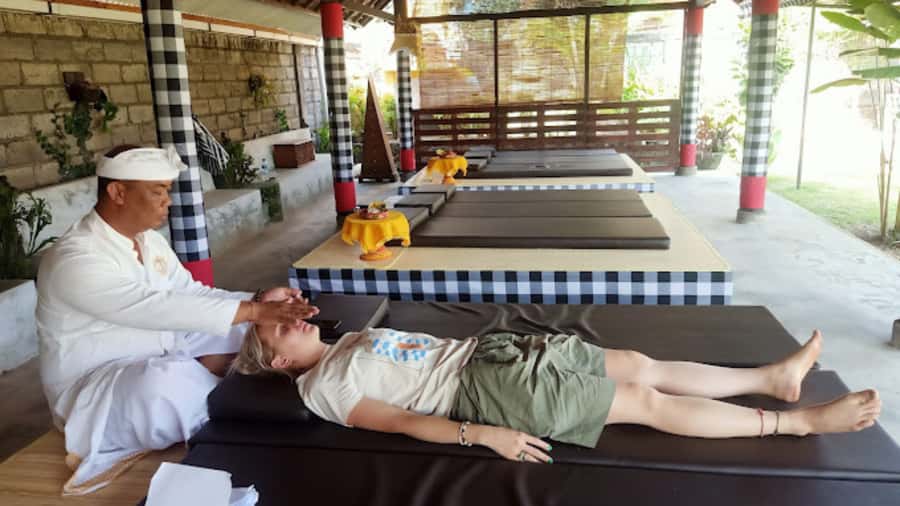
The heart of the experience is the actual reading. The practitioner traces your palm with gentle reverence, then interprets what they see in your palm’s lines, contours, and markings.
What you can expect to focus on:
- Palm lines: Often linked to life rhythm, personality patterns, and turning points.
- Mounds (areas of the palm): The practitioner reads the balance and prominence of different sections.
- Symbols/markings: Small features that are treated as meaningful in Balinese palmistry.
This is not presented as a science. It’s presented as traditional symbolic interpretation. That’s why your attitude matters. If you treat each statement as a prompt—something to think about—your brain will do the rest of the work.
I like the way the reading encourages conversation. The guide doesn’t just point and talk from across the room. You’ll be able to ask questions, and you can use the practitioner’s interpretation to shape your own understanding.
Also, the experience is designed to connect past, present, and future in a single storyline. That doesn’t mean you’re getting a sealed schedule of events. It means you’ll likely hear something like: your tendencies today came from earlier patterns, and future opportunities depend on how you respond.
If you enjoy reflective activities—journal-like prompts, mindfulness-style conversations—this style of reading fits that mood.
Getting real takeaways: how to use your reading without overthinking it
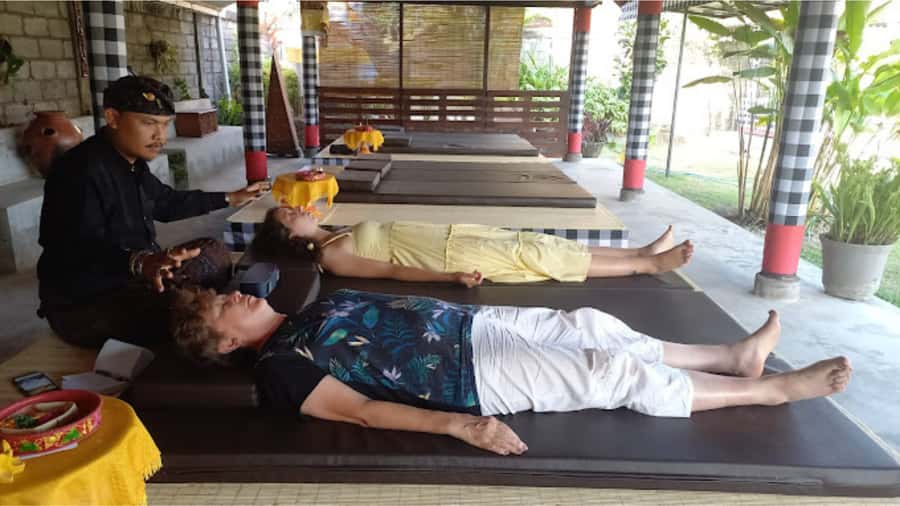
Here’s my practical advice: take what resonates, and ignore what doesn’t. Palmistry is symbolic guidance. You should treat it like a conversation with your inner self, guided by tradition.
For example, if the reading points to strengths, you can turn that into action: double down on what’s already working. If it points to challenges, it can be a heads-up to adjust behavior. And if it frames potential future outcomes, use it as motivation to make better choices now, not as permission to stop planning.
The wording you’ll hear may sound spiritual. That’s normal. But the most useful moments usually come when the guide helps you translate the meaning into something you can apply:
- What pattern do you repeat?
- Where do you tend to hesitate?
- What decision style helps you long-term?
One positive verified booking described feeling very relaxed and believing the reading helped. Even if you’re not fully convinced by palmistry, the relaxation factor can still make it worthwhile. A calmer head means better decisions later—often that’s the real “future prediction.”
Just don’t expect a guaranteed prophecy. If you want certainty, you’re in the wrong type of activity. If you want insight and a gentle spiritual check-in, you’re exactly in the right space.
Price and value: is $46 for 40 minutes fair?
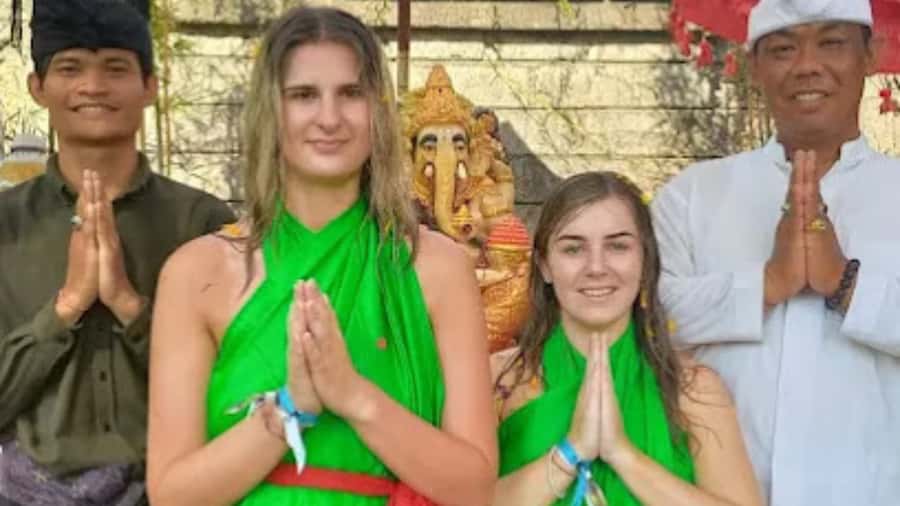
At $46 per person for a 40-minute session, this isn’t the cheapest thing you’ll do in Ubud—but it can be fair value if you want a guided, English-friendly traditional experience.
Here’s why the cost can make sense:
- You’re paying for a real practitioner-guided session, not a self-guided activity.
- You get an English live guide plus an English audio guide.
- The group is limited to 10, which helps reduce the feeling of being rushed or ignored.
- There’s no pickup/drop-off included, which usually lowers the base cost, and you’re handling transport anyway.
Could you find cheaper palmistry? Sure. But cheaper often comes with tradeoffs: less time, fewer language supports, or a more generic approach. This one is built around structure—welcome, reading, guided interpretation, and time for questions.
My suggestion: treat the price like you would a guided wellness class. You’re buying the experience, the tone, and the translation support. If you’re in Ubud for a few days and want one meaningful activity that fits the local spiritual vibe, $46 for this focused session can be a good use of time.






Meeting point reality in Ubud: timing, heat, and communication
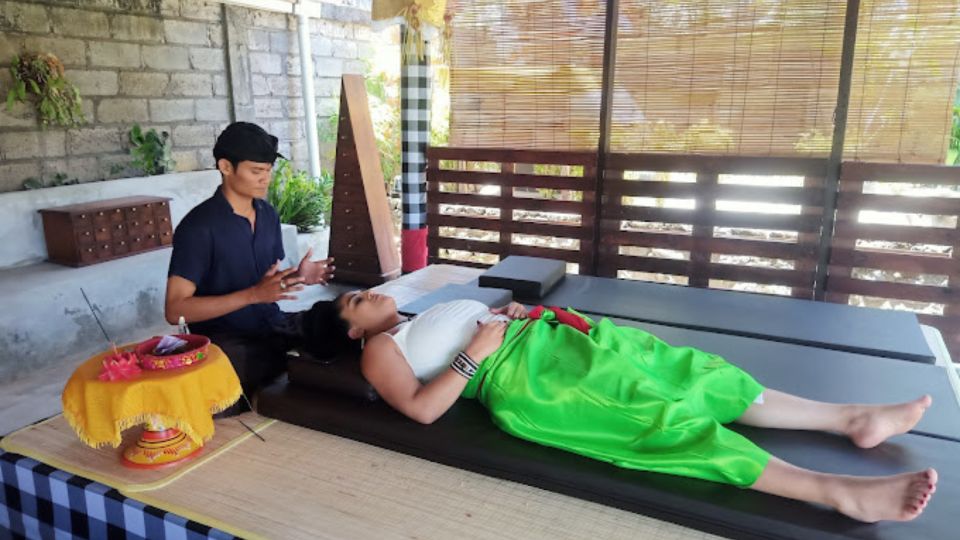
This is the practical section nobody wants—but it matters. The meeting instructions say to let the provider know if you already arrived. That’s a small detail with a big impact. If you show up and sit quietly hoping everything works out, you might miss the key moment.
One verified booking included an issue where the host did not show up at the meeting point for over an hour, despite the customer trying to contact the provider multiple times, with help from a taxi driver. That’s not something I’d gamble on.
So here’s what you should do:
- Arrive early enough to stay calm (not late enough to stress).
- Use your phone to communicate quickly if you don’t see the host.
- If you’re waiting in the heat, don’t assume it will magically resolve. Check in, then decide.
Because pickup and drop-off are not included, you’ll also rely on your own transportation planning. That makes it even more important to keep the meeting point timing tight.
If everything runs smoothly, you’ll get a serene, comfortable session. If it doesn’t, the difference between a good day and a frustrating one will be how proactive you are.
Who should book this, and who might skip it
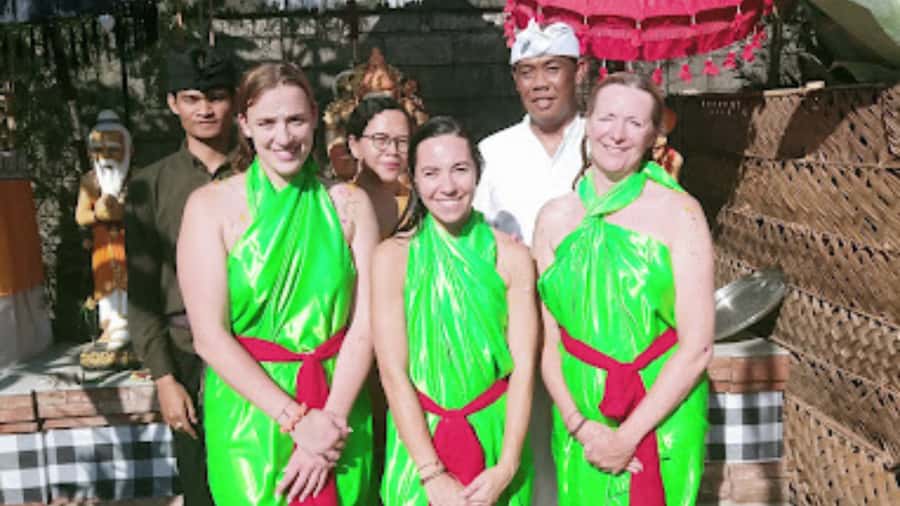
This Ubud palm of hand reading is best for you if:
- You want a traditional Balinese spiritual activity in Ubud.
- You like symbolic reflection and conversations with a guide.
- You want an English-supported experience with both live guidance and audio help.
- You’d enjoy a short, focused session rather than a long, complicated tour.
You might skip it if:
- You’re only interested in verifiable, factual predictions (this is not that kind of experience).
- You want a full one-on-one deep dive with unlimited time.
- You’re the type who gets stressed waiting at meeting points—because while most experiences run fine, there are occasional real-world snags.
If your goal is relaxation, insight, and a bit of spiritual grounding, this fits well. And if you’re already doing other Ubud wellness stops, it slots nicely as a different kind of self-care.
Should you book the Ubud palm reading?
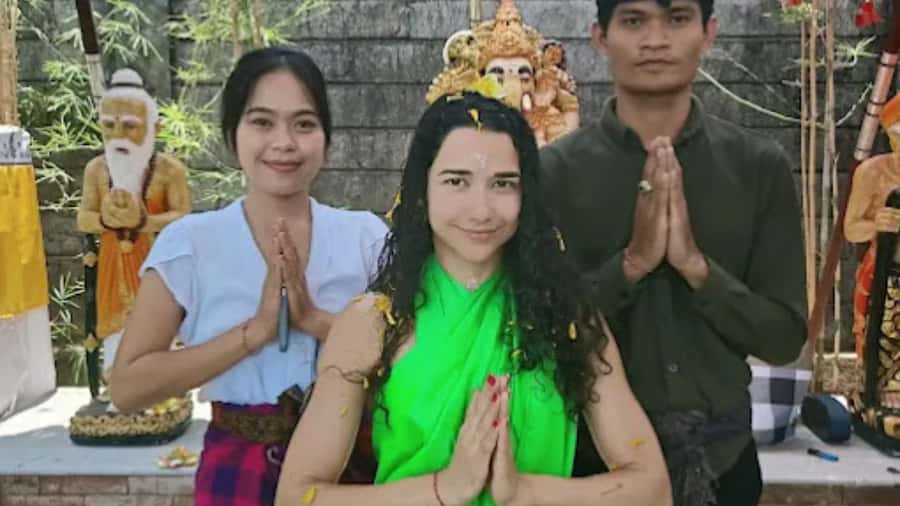
Yes—if you approach it as a guided, reflective experience rather than a guaranteed prediction machine. The small-group setup, English live guide, and English audio support make it easier to follow and more comfortable than many spiritual activities.
Just be smart about logistics. Show up early, stay in contact if needed, and don’t treat the meeting point like a guessing game. For most people, this will feel like a gentle, culturally grounded pause in Ubud. For the price, that can be a solid use of a day.
FAQ
How long is the palm reading session?
The experience lasts 40 minutes.
Is it offered in English?
Yes. The live guide speaks English, and the experience also includes an English audio guide.
Is it a private reading?
No. It’s a small group experience, limited to 10 participants.
What’s included in the price?
The price includes a guided reading and English-speaking guidance (plus an English audio guide).
Does the tour include pickup and drop-off?
No. Pickup and drop-off are not included.
Can I cancel for a refund?
Yes. Free cancellation is available up to 24 hours in advance for a full refund.