Holy water meets a village healer. This Ubud-area tour pairs a traditional cleansing with the Sebatu Holy Water Spring and ends at the famous Tegalalang rice terraces, guided in English by people like Gede or Artha.
I like that the day blends the spiritual with the everyday side of Bali. You get a local healer visit plus Ubud culture time like markets/workshop stops and a traditional dance show.
One thing to plan carefully: this tour visits holy sites, and women should avoid booking during their monthly period. If you’re sensitive to that kind of schedule issue, it may not be the right fit.
In This Review
- Key highlights you’ll actually use
- A Purification Ritual and Rice Terrace Day in Ubud
- Timing, pickup, and how the 5 hours feel in real life
- Ubud culture hour: markets, crafts, and a real taste of local rhythm
- Traditional dance show: a 1-hour reset
- Meeting the Balinese healer: what this session is really about
- Sebatu Holy Water Spring: purification at a temple site
- Tegalalang rice terraces and swing: the part you’ll talk about later
- Coffee plantation break: the calm middle before the day ends
- Price and value: is $77 per person worth it?
- What to bring (and what to avoid) so the day stays smooth
- Who this tour fits best (and who should skip it)
- Should you book this Balinese Purification Ritual and Local Healer Day?
- FAQ
- What is the duration of the tour?
- How much does the tour cost?
- What time does pickup happen?
- Where does pickup and drop-off happen?
- Is the tour private and in English?
- What stops are included in the itinerary?
- What is included in the price?
- What is not included?
- What should I bring?
- Are there any restrictions on who can join?
- How flexible is cancellation and booking?
Key highlights you’ll actually use
- A traditional healer session focused on cleansing your energy and giving personal guidance
- Sebatu Holy Water Spring purification at a temple site believed to heal and purify
- Ubud cultural time with shopping and arts-and-crafts market stops, plus a workshop stop
- Tegalalang rice terraces + a swing with time to walk (good shoes help)
- Inclusions that reduce hassle like sarong, temple offerings, admissions, and mineral water
- Easy pickup options across Ubud and nearby areas (including Sanur and Sayan)
A Purification Ritual and Rice Terrace Day in Ubud
This isn’t a “sit and watch” kind of tour. It mixes a personal, spiritually themed experience with two of the most scenic stops around Ubud. The healer visit is the heart of the day, and the rest of the itinerary supports it with cultural context and beautiful outdoor breaks.
You’ll also notice that the tour is set up to keep things moving but not frantic. It’s private, English is handled, and the included admissions mean you’re not scrambling for tickets or extra fees once you arrive.
The biggest reason I think it works for many people is simple: you get both meaning and atmosphere. You’re not only taking in visuals at Tegalalang, you’re also stepping into a place where purification rituals are part of everyday spiritual life.
You can also read our reviews of more tours and experiences in Ubud.


Timing, pickup, and how the 5 hours feel in real life
The tour runs about 4 to 6 hours and is timed around an early start. Pickup usually happens between 08:00 and 09:00, depending on which option you choose.
Your departure and drop-offs are flexible across five areas: Sayan, Lodtunduh, Ubud, Sanur, and Payangan for pickup, then Sanur, Ubud, Lodtunduh, Sayan, and Payangan for drop-off. That matters in Bali because travel time can swing based on traffic and your exact location.
One practical note: this is a temple-and-nature itinerary, so you’ll spend real time outdoors. Bring a change of clothes and plan for time where you may want to rinse up, re-adjust, or simply feel comfortable before you start the terrace portion.
Ubud culture hour: markets, crafts, and a real taste of local rhythm
Your day includes time in Ubud for about an hour before things get spiritual. This isn’t just a photo stop. You get a structured block that usually includes shopping and an arts-and-crafts market visit, plus time for a workshop (and in at least one case, a woodworking shop).
That matters because it helps you understand Bali beyond the obvious postcard scenes. Even if you don’t buy anything, the pace gives you time to look, ask questions, and see how craft culture fits into daily life.
A big advantage here is that there’s no pressure to purchase. One review described a woodworking shop stop where the visit felt voluntary, not sales-driven. Still, if you hate shopping, go in with a plan: treat it like browsing and don’t feel obligated to change your mind.
Traditional dance show: a 1-hour reset
Next comes a traditional dance show (about an hour). This is one of the easiest parts of the day to appreciate because it gives you context fast. It also breaks up the mental shift between “tour mode” and “ritual mode.”
If you’re the type who worries about sitting through something long, don’t. One hour is a manageable window, and it slots neatly before the itinerary moves to holy purification stops.
Bring patience for Bali’s timing style. Even on a private tour, sites and performances run on local schedules. The payoff is that you’re not rushed in the way you sometimes are with tighter, more conveyor-belt tours.
Meeting the Balinese healer: what this session is really about
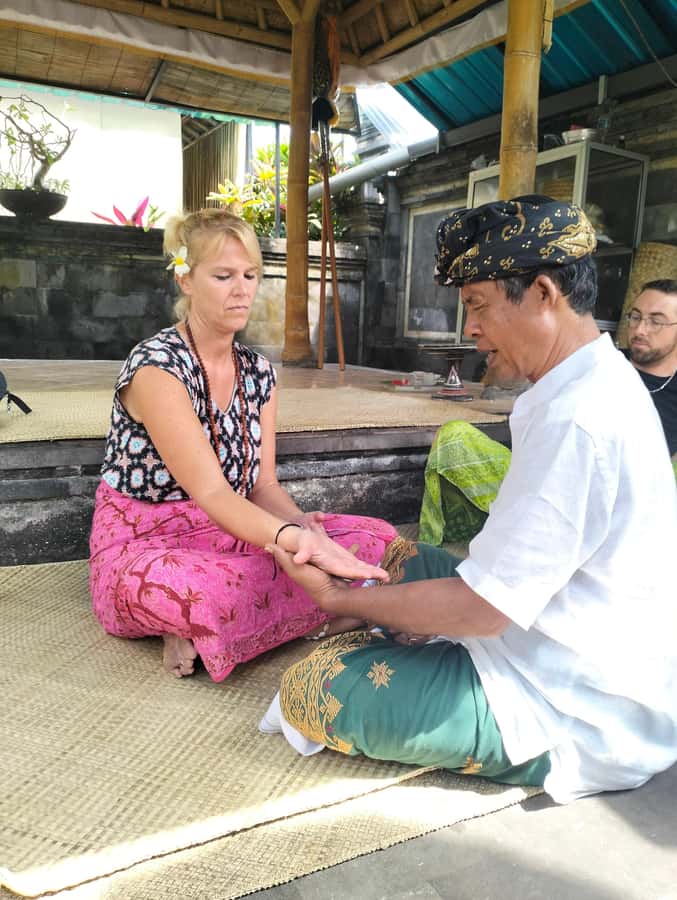
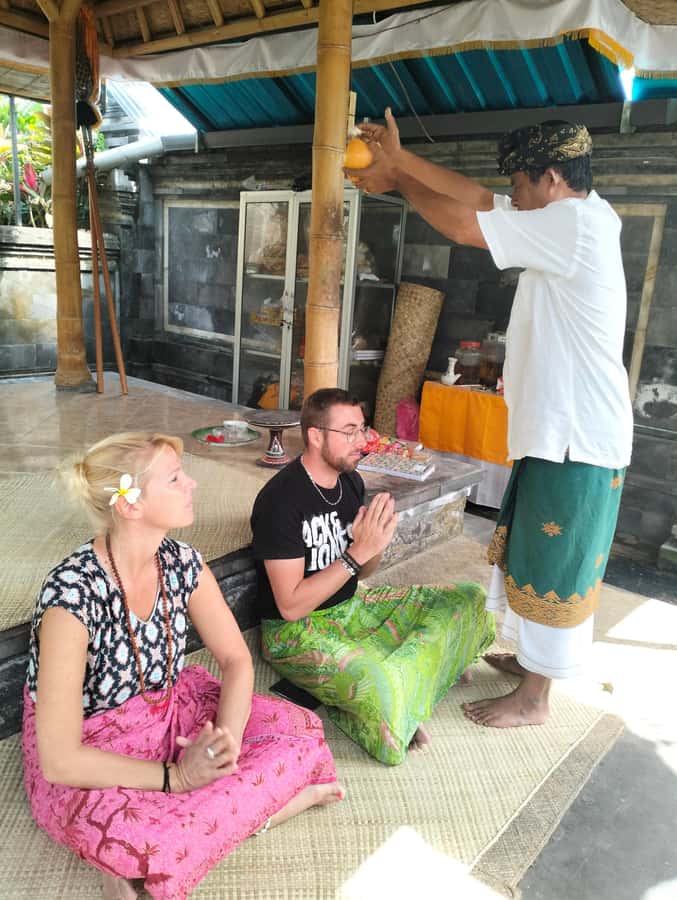
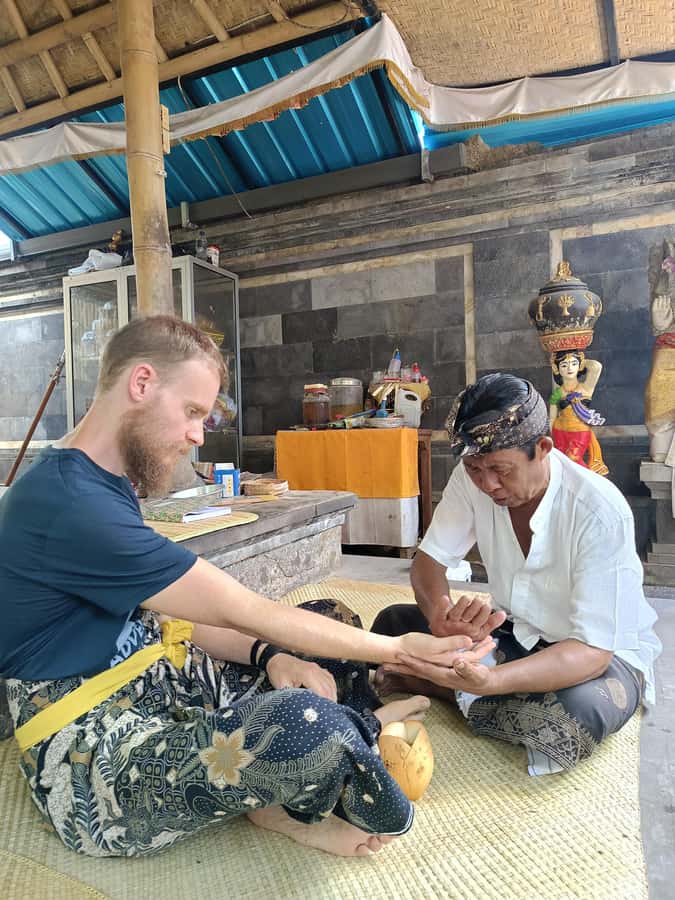
The healer part is the reason most people book. You’ll meet a Balinese local healer, and the session is described as intuitive and personal—focused on your inner energy, with guidance based on what the healer perceives.
The tour framing here is clear: you’re there for cleansing and clarity, not for medical treatment. In a culturally respectful way, the goal is to release negative blockages and get a sense of direction. If you’re open-minded, you’ll likely find this portion genuinely memorable because it feels personal, not scripted.
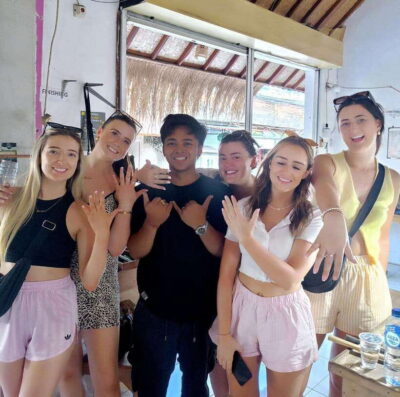
Guides can strongly affect how comfortable you feel during this. In the reviews you can see a pattern: English can be handled well, and guides like Gede or Artha are praised for looking after people and helping you navigate the experience without feeling lost.
Also, don’t expect this to be a quick “one-liner” moment. It’s a real session, and you’ll need a calm mindset. If you’re the kind of person who gets anxious in unfamiliar spiritual settings, go in with the idea that you’re observing and participating at a human pace.
A small but useful tip from the reviews: a guide can also help with photo moments. One review highlighted that Gede was a very good photographer, which is helpful when you want pictures without standing awkwardly at the wrong distance.

Sebatu Holy Water Spring: purification at a temple site
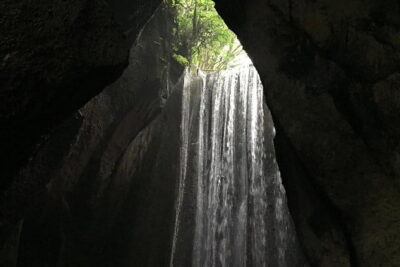
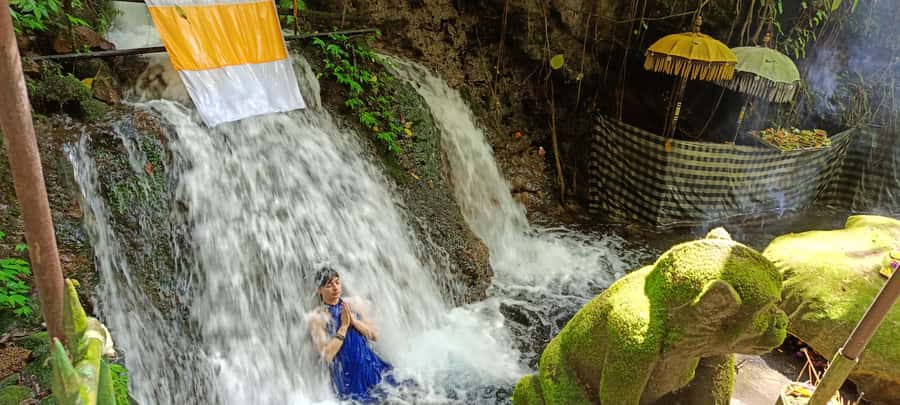
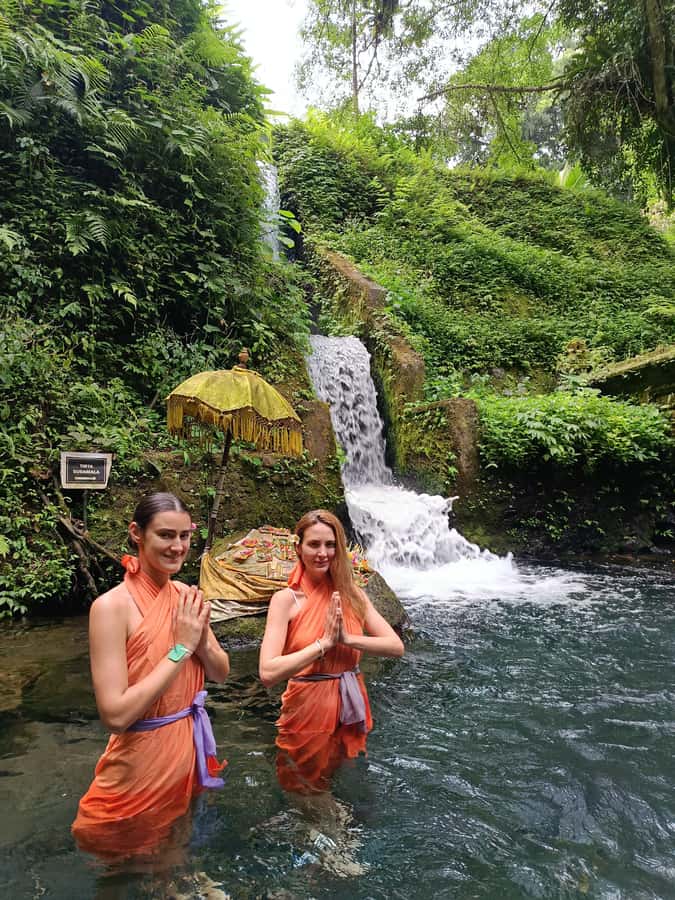
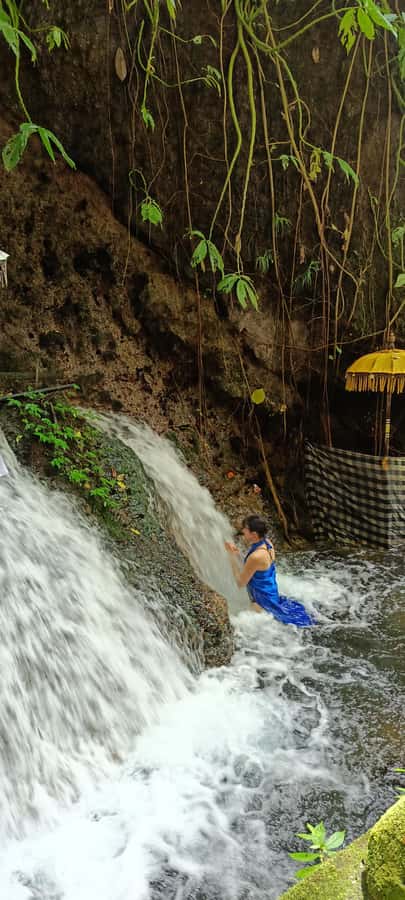
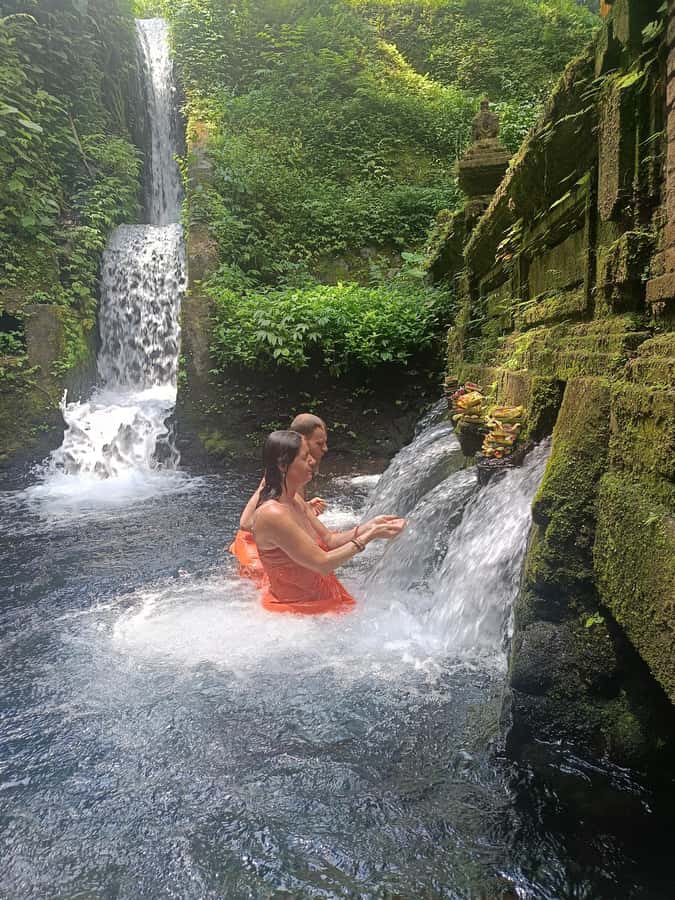
After the healer visit, the itinerary moves to Sebatu Holy Water Spring, a place believed to have healing and purifying powers. This is the ritual anchor point of the day.
At the Sebatu stop, you can expect a guided visit and sightseeing time around the temple environment. There’s also temple-related support included, like a sarong for the temple visit and a Balinese offering for the purification ritual. Those inclusions matter because they keep you from having to figure out what’s appropriate on the fly.
What I like about this stop is the balance between structure and atmosphere. You have guidance, but you’re still allowed to experience the environment. The ritual itself is the focus, while the surroundings add the “why” behind the belief. You’re not being told a story and then taken to a generic set. You’re visiting a holy place where the ritual is tied to the location.
One more practical consideration: you’ll likely be in and around areas that feel ceremonial and quiet. Keep your body language respectful and avoid rushing. If you’re someone who likes to talk loudly on trips, this is the wrong place to do it.
Tegalalang rice terraces and swing: the part you’ll talk about later
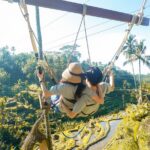
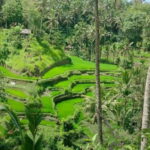
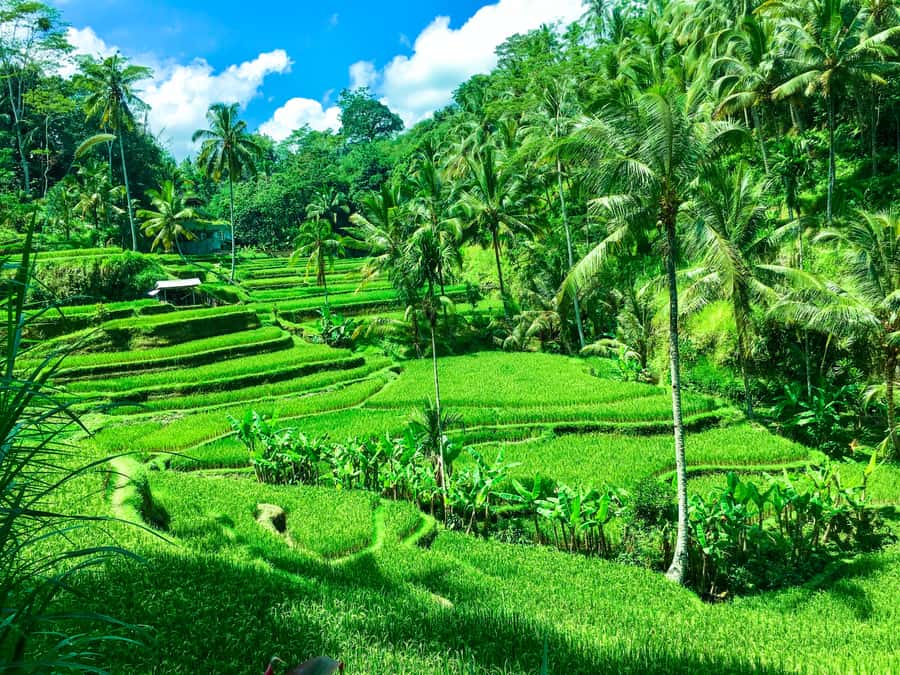
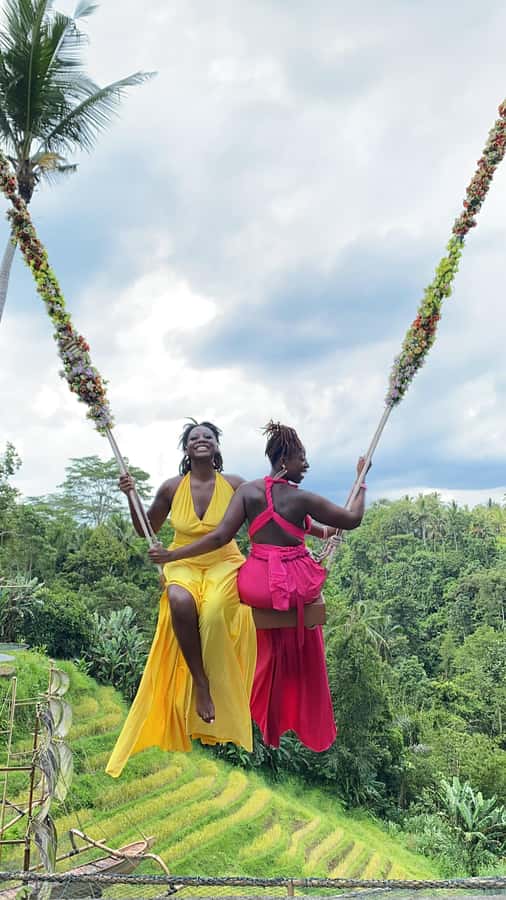
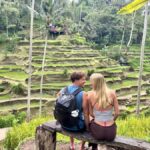
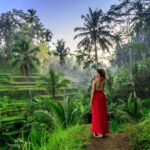
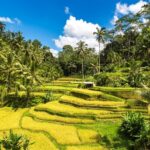
The final scenic highlight is Tegalalang rice terrace, which includes time to walk around and a swing experience as part of the tour. This is where the day turns from “spiritual focus” into “fresh air, photos, and views.”
The terrace stop lasts about an hour, and there’s usually a break plus sightseeing and free time. That means you can do the basics—walk a bit, take photos, and get the classic terrace perspective—without turning it into an all-day hike.
Here’s a practical tip I really appreciate from the reviews: bring good shoes to change into, not just flip-flops. Flip-flops can work fine for parts of the ritual areas, but they’re not great if you want secure footing on uneven ground during terrace walking.
Also, the swing adds a fun element, but don’t treat it as your only goal. The best photos come from taking a slow walk to find your angle, then returning to the main viewpoints for the iconic shots.
If you’re a photographer, this is an easy “yes.” You’ll have a clear target: dramatic terraces, layered fields, and strong natural light depending on cloud cover.
Coffee plantation break: the calm middle before the day ends
There’s a coffee plantation break included with lunch time and shopping plus coffee tasting. This part is about resetting your energy and keeping the day comfortable, especially after the earlier ritual focus.
The itinerary treats this as a structured break, around one hour. You’ll get a chance to try local coffee styles if you’re interested, and you can use the time to hydrate and snack.
If coffee tasting isn’t your thing, treat it as a rest stop. You still benefit from the seating, the break from travel, and the chance to buy a small souvenir that doesn’t feel like random store browsing.
Price and value: is $77 per person worth it?
At $77 per person, the best way to judge value is what’s included. You’re not only paying for transportation. You also get admissions and ritual items covered, which removes a lot of the hidden friction that often bumps Bali tour costs higher later.
Included items cover:
- Local healer fee
- Sebatu temple admission
- Rice terrace admission
- Sarong for the temple visit
- Balinese offering for the purification ritual
- Mineral water
- Petrol and parking fees
- English-speaking driver/guide
- Balinese cloth for the temple visit
For a day that combines a healer session, a purification site, and two major sightseeing stops, this pricing feels fairly efficient. You’re paying for access and cultural handling, not just sightseeing.
Could it be “expensive” if you only care about rice terraces? Sure. If that’s your priority, you might find cheaper options. But if you want the full blend—healer + Sebatu + Tegalalang—this is the kind of package that keeps you from paying multiple separate tickets and figuring out ritual basics yourself.
What to bring (and what to avoid) so the day stays smooth
You’ll have an easier time if you pack for two environments: holy sites and walking terrain.
Bring:
- Change of clothes
- Camera
- Cash
That last one is practical in Bali because small purchases can pop up. The tour does include many things, but it’s still a travel day with opportunities to buy crafts, snacks, or drinks if you want them.
Know what’s not allowed:
- No bikes
- No making fire
Also, plan around the comfort basics. Temple areas often involve modesty and ritual timing, so having clothes that you can adjust in and out of is a smart move.
Who this tour fits best (and who should skip it)
This experience is best for you if you:
- Want a spiritual ritual experience led by a local healer
- Prefer a private group with English support
- Enjoy combining meaning with visuals, especially at Tegalalang
- Like cultural stops in Ubud such as markets, crafts, or workshops
It may not be your best match if you need:
- Wheelchair access (not suitable for wheelchair users)
- Very relaxed, low-walking days (there’s a terrace walk and temple movement)
- A trip that ignores women-only scheduling guidance. The tour specifically advises women not to book during their monthly period.
It also isn’t suitable for babies under 1 year and people over 95 years. If you’re traveling with elderly family members, it’s worth checking whether the pace and steps at holy sites will work.
Should you book this Balinese Purification Ritual and Local Healer Day?
Book it if you want more than scenery. This tour gives you a full arc: healer session, Sebatu purification, then Tegalalang rice terrace with time to enjoy the views. The included items like the sarong and offerings make it easier to participate respectfully.
Skip it if your goal is only the terraces or you’re uncomfortable with spiritual rituals. Also, take the women-only monthly period guidance seriously so you don’t end up with a trip that clashes with the tour’s holy-site requirements.
If you do book, go in with a simple mindset: be respectful, wear shoes you can trust for walking, and let the day unfold one stop at a time. That’s where the experience turns from a checklist into something you’ll remember.
FAQ
What is the duration of the tour?
The duration is listed as about 5 hours, with a schedule that may run 4 to 6 hours depending on the day and pickup timing.
How much does the tour cost?
The price is $77 per person.
What time does pickup happen?
Pickup is scheduled in the window of 08:00 am to 09:00 am.
Where does pickup and drop-off happen?
Pickup options include Sayan, Lodtunduh, Ubud, Sanur, and Payangan. Drop-off options include Sanur, Ubud, Lodtunduh, Sayan, and Payangan.
Is the tour private and in English?
Yes. It’s listed as a private group, and there is an English-speaking driver/guide.
What stops are included in the itinerary?
The tour includes a Balinese healer visit, Sebatu Holy Water for purification, and Tegalalang rice terrace (with view time and a swing). It also includes Ubud time, a traditional dance show, and a coffee plantation break.
What is included in the price?
Included items are petrol, parking fees, English-speaking driver/guide, mineral water, admission fees for Sebatu and the rice terrace, a sarong/temple cloth, and the local healer fee plus Balinese offering for purification.
What is not included?
Lunch and any other purchases are not included.
What should I bring?
Bring a change of clothes, a camera, and cash.
Are there any restrictions on who can join?
The tour is not suitable for wheelchair users, babies under 1 year, and people over 95 years. It also says women should not book during their monthly period.
How flexible is cancellation and booking?
It offers free cancellation up to 24 hours in advance for a full refund. It also offers reserve now & pay later (you pay nothing today).