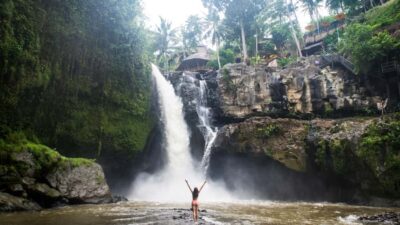
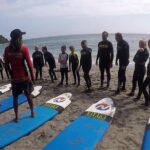
First paddle-outs feel totally manageable here. This Lombok private lesson is built for absolute beginners who want faster progress, with one instructor for you the whole time. I especially like that you get complete surf basics plus safety coaching, and that the class includes the full wet-weather setup like a wetsuit/shirt and booties/reef shoes. The one thing to watch is simple: the lesson needs good weather, so plans can shift if conditions are poor.
The format also makes the session feel efficient. You’re not waiting for group instructions or trying to guess what a coach wants from the person next to you. If you’re an adult with at least moderate fitness, you’ll get a focused 3-hour coaching block designed to get you moving from standing on the board to actually riding a wave.
In This Review
- Key takeaways before you book
- Why a private beginner surf lesson works so well in Lombok
- The 3-hour flow: what your session is likely to feel like
- 1) Pickup, gear, and getting ready
- 2) Board basics on land and at the water’s edge
- 3) Learning the takeoff mechanics
- 4) First wave rides with safety built in
- 5) Etiquette and safety wrap-up
- Board skills that speed up progress fast
- Board design and why it affects you
- Paddling position and efficiency
- Where to sit to catch waves
- The takeoff and body alignment
- Reading the water: entering, catching, and exiting safely
- Safety measures and surf etiquette you should take seriously
- Value for the price: what $60.93 covers and why it matters
- Who this beginner private class suits best
- What the best instructors do during private lessons
- Should you book Nayaka Surf School for a private beginner surf lesson?
- FAQ
- Where is the surf lesson located?
- How long does the beginner private class last?
- How much does the class cost?
- Is pickup included?
- What equipment and gear are included?
- What should I bring since it’s not included?
- What fitness level do I need?
- What happens if the weather is bad?
Key takeaways before you book
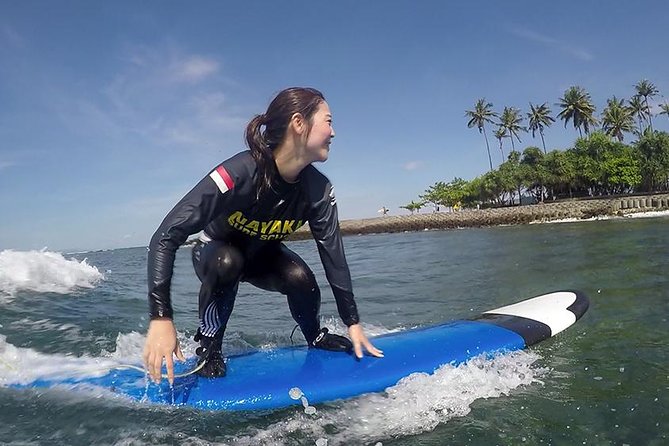
- True one-on-one coaching for faster feedback and quicker corrections
- Beginner board skills first, so you learn the “how” before you chase waves
- Wave-entry and exit decisions taught as a safety skill, not just theory
- Instructor-led surfing etiquette and safety measures built into every practice moment
- Senggigi pickup return + included gear, which cuts down on extra expenses and hassle
Why a private beginner surf lesson works so well in Lombok
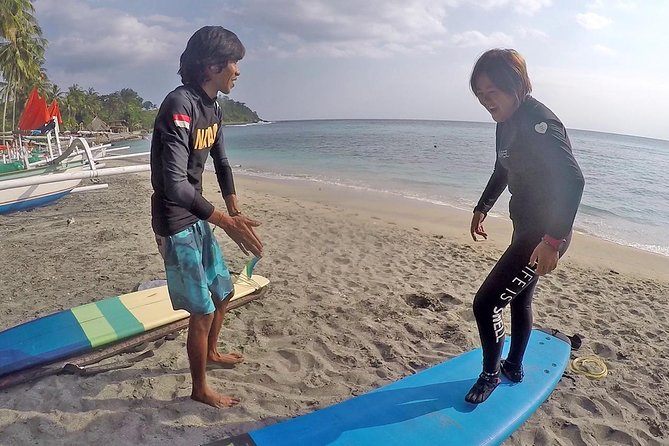
If you’re new to surfing, the biggest challenge isn’t courage. It’s coordination: paddling without tiring out, getting into position, and finding the right timing to stand up. A private class tackles those problems with immediate correction. When your instructor can watch you from the start, they can fix small issues that would take a beginner group much longer to notice.
This one is especially geared to adults who want progress quickly. The lesson targets absolute beginners, but it also works if you’ve surfed before and feel rusty. That mix is useful because you can go from basics like paddling position to a more confident wave ride without needing to “catch up” with a larger class pace.
Location matters too. Lombok makes a lot of surf trips feel more relaxed than the busier hubs, and Senggigi is a common base for visitors. With return pickup from the Senggigi area, you avoid the headache of figuring out transport right when you’re trying to get ready for the water.
One more practical win: the included surf board rental and wetsuit/shirt mean you’re not showing up wondering if you packed the right gear. Beginners often underestimate how cold or rough conditions can affect confidence. Having the right setup makes it easier to focus on technique.
You can also read our reviews of more tours and experiences in Lombok.



The 3-hour flow: what your session is likely to feel like
The whole class runs about 3 hours, and the structure is designed to move step-by-step. Since this is a private lesson, you can expect more direct attention at each stage.
Here’s the typical rhythm you should be ready for:
1) Pickup, gear, and getting ready
You’ll be collected from the Senggigi area and returned after the lesson. Then it’s wetsuit/shirt time, plus booties/reef shoes. This matters because reef-safe footwear helps you move comfortably on uneven, rocky entry zones. It also keeps your feet protected when you’re walking in and out during practice.
You’ll also get surf board rental. For beginners, the board choice is a big deal. Your instructor will teach you the different designs and functions of surfboards so you understand why you’re on that specific type rather than guessing.
2) Board basics on land and at the water’s edge
Before you chase waves, you’ll work on foundational skills. The lesson covers how to position your body while paddling and how to paddle efficiently. Translation: you’ll learn how to use your body to reduce wasted effort.
You’ll also learn where to position yourself in the waves to catch them. That’s not random advice. It’s about reading where the wave energy will carry you forward, so you spend less time chasing and more time setting up.
3) Learning the takeoff mechanics
This is where many first-timers get stuck. You might be able to lie on the board and paddle, but standing up feels like a different sport. The course specifically teaches how to take off, plus the best body positioning while riding.
That means your instructor will focus on balance: where your weight goes, how you keep your stance stable, and how you stop your body from fighting the board as you rise.


4) First wave rides with safety built in
You’ll learn how to get into a basic wave and ride it. In a private format, you’re not just learning moves. You’re learning decisions—like where it’s safest to enter and exit.
Expect time spent observing and analyzing the surfing area. That includes evaluating the safest place to enter and exit the water. For beginners, this is huge because your confidence rises when you understand what you’re looking at, not just what you’re doing.
5) Etiquette and safety wrap-up
Even when it’s your first lesson, you’ll cover safety measures and surfing etiquette. This is the part people forget until something feels chaotic. Done right, it keeps everyone calmer and reduces the chance of collisions or unsafe timing.
Board skills that speed up progress fast
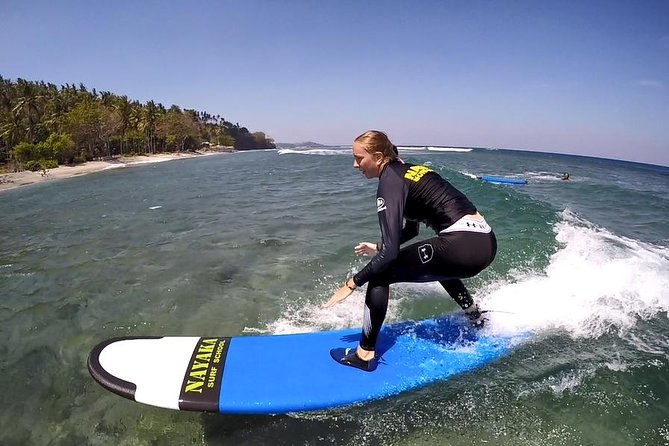
A beginner surf lesson can either be chaos or coaching. This one leans heavily toward coaching, with specific technical goals.
Board design and why it affects you
You start by learning the different designs and functions of surfboards. I like this because it prevents the common beginner mistake of thinking any board works the same. If you understand why a certain board helps you paddle and catch waves, you’ll feel less frustration when the session starts and you’re tired.
Paddling position and efficiency
Efficient paddling is basically savings on energy. If you paddle with your body lined up poorly, you burn out before the waves you want show up. Your lesson covers how to position your body while paddling and how to paddle efficiently, which helps you stay ready for more attempts.
Where to sit to catch waves
Catching waves isn’t only strength. It’s timing and positioning. You’ll learn where to position yourself so you can catch the waves. That instruction can change your whole session, because “trying harder” won’t fix a bad spot.
The takeoff and body alignment
The lesson doesn’t stop at paddling. It teaches in what way you have to take off and what is the best body positioning while riding the waves. This is the bridge between floating and riding.
If you’ve ever watched beginners stand up too early or put their weight in the wrong place, you’ll know what this targets. The goal is a stable stance that keeps you on the wave instead of wobbling off it.
Reading the water: entering, catching, and exiting safely
One of the most useful parts of this class is that it treats wave selection as a skill. You’ll observe and analyze the surfing area, and you’ll learn to evaluate the safest place to enter and exit.
That does two things for your progress.
First, it protects you. If you’re going out from the wrong spot or leaving at a bad moment, you increase the chance of trouble. Having an instructor guide those choices helps you learn the logic without taking unnecessary risks.
Second, it improves your results. When you enter from the right place, you naturally get better paddle routes and more wave opportunities. When you exit correctly, you don’t lose time and energy later.
Also, your instructor will teach you how to get into a basic wave and ride the wave. That’s not only about standing up. It’s about timing your movement to match the wave’s direction and speed.
If you want to progress quickly, this is the difference between random practice and smart practice.
Safety measures and surf etiquette you should take seriously
Surfing looks free. Water is not forgiving. That’s why safety and etiquette are part of the lesson, not a footnote.
You’ll learn safety measures and surfing etiquette as part of the program. For beginners, etiquette is really about predicting other people’s actions. That means you can focus on your own ride without feeling confused or panicked by what others are doing.
Practical safety lessons also help you avoid the most common early frustration: feeling like you’re in the wrong place at the wrong time. When you know the safest entry and exit, you can relax and commit to your next attempt.
There’s also a gear side to safety. The included booties/reef shoes help protect your feet. The wetsuit/shirt helps you stay comfortable enough to keep practicing instead of calling it early because you’re cold or distracted.
Value for the price: what $60.93 covers and why it matters
At $60.93 per person for about 3 hours, this isn’t the cheapest way to learn. It is, however, one of the more cost-effective ways to learn quickly, because you’re paying for time with one instructor and for gear that you don’t have to source yourself.
Here’s what you get that changes the value equation:
Included
- Pickup service return from the Senggigi area
- Surf board rental
- Surf instructor (1 instructor for one student)
- Wet suit/shirt
- Booties/reef shoes
- Mineral water
- Government tax
Not included
- Board shorts
- Soft drinks
- Lunch
- Tips and other personal expenses
So you’re mostly paying for coaching and equipment, plus transport convenience. Beginners often spend extra on rentals, transport, and last-minute gear. Here, the included list covers the big essentials that make a first session smoother.
Also, the private format is key. Paying the same base price as a group lesson but getting one instructor is where you can feel your progress accelerate.
One more detail: it’s been booked about 31 days in advance on average. That suggests demand is steady. If you’re traveling in peak windows, booking sooner can save you from last-minute schedule compromises.
Who this beginner private class suits best
This lesson is best for adults who want to learn faster and don’t want to share coaching attention. If you’re shy about being watched or you learn better with direct feedback, the one-on-one setup is a strong match.
It’s also a good fit if you:
- have tried surfing before but want a structured reset
- want to focus on technique rather than just “getting wet”
- prefer clearer safety guidance and decision-making practice
You should have a moderate physical fitness level. That’s realistic advice. Surfing takes effort: paddling, balancing, and repeatedly getting in and out. Moderate fitness doesn’t mean you need to be athletic. It does mean you should be comfortable moving for a few hours and not overestimate your strength early on.
If you’re looking for a big social scene, you might find this too focused. The upside is that the lesson is all about your learning, not about entertainment.
What the best instructors do during private lessons
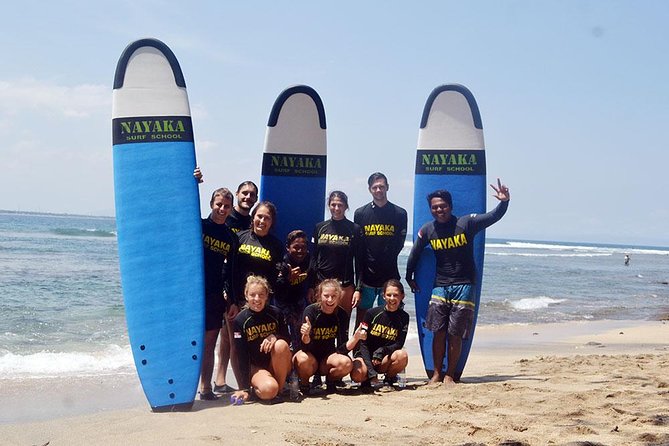
The standout thing here is how coaching quality translates into bigger rides sooner. Bayu is specifically mentioned as an instructor who helps people progress quickly, including getting riders onto bigger waves than they expected.
That’s a good sign for you as a first-timer. A strong beginner coach doesn’t just teach technique. They read your skill level and nudge you toward the next achievable step. In a private class, that adjustment can happen right away because the instructor can see your timing and balance instantly.
You should also pay attention to communication before you go. The lesson is described as having an easy booking process and good communication from the surf school prior to the trip. When that’s handled well, the day-of experience tends to feel calmer, and you can spend less time sorting logistics and more time in the water.
Should you book Nayaka Surf School for a private beginner surf lesson?
If your goal is to progress quickly with direct coaching, yes, this is a solid choice. You’re paying for the fundamentals—board design, paddling, wave positioning, takeoff mechanics, and safe entry/exit—plus the gear and pickup that remove common friction for first-timers.
Book it if:
- you want one instructor for one student
- you’re comfortable with moderate physical effort
- you value safety coaching and surfing etiquette
- you’d rather get technical guidance than just join a group and hope for the best
Consider waiting or choosing a different date if:
- you’re traveling with tight timing and can’t be flexible with weather, since the lesson requires good conditions
- you want a social group vibe more than technique-focused training
Overall, this lesson is built for people who want to learn the right way from the start. You’ll spend your 3 hours practicing, getting corrected, and building the kind of confidence that lasts past the shoreline.
FAQ
Where is the surf lesson located?
The lesson takes place in Lombok, Indonesia.
How long does the beginner private class last?
The duration is approximately 3 hours.
How much does the class cost?
The price is $60.93 per person.
Is pickup included?
Yes. Pickup service and return are included from the Senggigi area.
What equipment and gear are included?
You’ll get surf board rental, a wet suit/shirt, booties/reef shoes, and mineral water.
What should I bring since it’s not included?
Board shorts are not included, and soft drinks and lunch are also not included. Tips and personal expenses are not included either.
What fitness level do I need?
The experience is for travelers with a moderate physical fitness level.
What happens if the weather is bad?
The lesson requires good weather. If it’s canceled due to poor weather, you’ll be offered a different date or a full refund.