Besakih Temple is the island’s biggest spiritual power stop. One day like this pairs major temple sites with Mt. Agung and Batur views, plus a quick culture stop at Tirta Empul. You’ll spend a long day moving north from Ubud, but the pacing is built around meaningful breaks.
What I like most is how Besakih doesn’t feel like a single-spot photo stop. It’s a whole complex on the slopes of Mount Agung, and it’s easy to see why it’s called the Mother Temple of Hindu. I also love the human side of temple visits here, like the everyday offerings you’ll notice as you walk through.
A small consideration: this is a full 10-hour day, so if you hate crowds, hot weather, or long sitting in cars, you’ll want to plan your pace and hydration carefully.
In This Review
- Key highlights worth knowing
- Besakih Temple Complex: Bali’s Biggest Temple, Not Just a Single Stop
- From Ubud to Mt. Agung Country: Comfort Makes the Long Day Easier
- Kintamani Lunch with Mt. Batur and Lake Views: When Food Becomes Part of the Sightseeing
- Tirta Empul Temple: Holy Spring Rituals and the Mayadenawa–Indra Legend
- Tegalalang Rice Terrace Walk: A Short Stroll That Feels Like a Reset
- What’s Included in the $75 Price (And Why It Actually Adds Up)
- How the Day Flows: A Practical Schedule You Can Actually Handle
- Who This Tour Is Best For (and Who Might Want Another Option)
- Booking Tips: How to Plan This Day Without Stress
- Should You Book the Besakih Temple Tour?
- FAQ
- Where does the tour start?
- How long is the Besakih Temple Tour?
- How much does it cost?
- Is pickup included?
- What stops are included?
- Are admission tickets included?
- Is lunch included?
- Do I need a sarong?
- Is this a private tour or a group tour?
- What is the cancellation policy?
Key highlights worth knowing
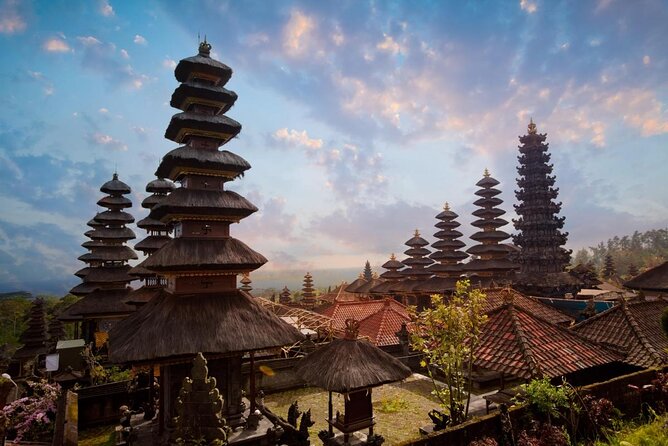
- Besakih Temple complex: Bali’s Mother Temple on the foothills of Mount Agung, with ticketed entry built in
- Kintamani break with views: lunch while you look toward Mt. Batur and Lake Batur
- Tirta Empul holy spring: the temple is tied to the Mayadenawa and God Indra legend
- Short, guided-feel pacing: 1 hour at Besakih, 2 at Kintamani, 1 at Tirta Empul, 45 minutes at Tegalalang
- Value for money: air-conditioned transport, lunch, bottled water, sarong, and fees are included in the $75 price
Besakih Temple Complex: Bali’s Biggest Temple, Not Just a Single Stop
Besakih is the one name you hear when people talk about major temple life in Bali. This is the ancient Mother Temple of Hindu, and it sits on the foothill of Bali’s highest mountain, Mount Agung. That location matters. You’re not stepping into a flat, city temple. You’re walking into a hillside sacred setting where the size of the complex makes you slow down and look around.
You’ll get about one hour here, with an admission ticket included. One hour sounds short, but Besakih is the kind of place where you can’t see everything in a checklist way anyway. I like this time frame because it helps you focus on the core experience: getting your bearings among the temple areas, noticing the offering rhythm around you, and understanding why this site is treated as a center point for worship.
The practical win: if you usually find temples repetitive, Besakih is a better match because of scale and setting. The grounds feel like a living place, not just a monument.
You can also read our reviews of more tours and experiences in Ubud.


From Ubud to Mt. Agung Country: Comfort Makes the Long Day Easier
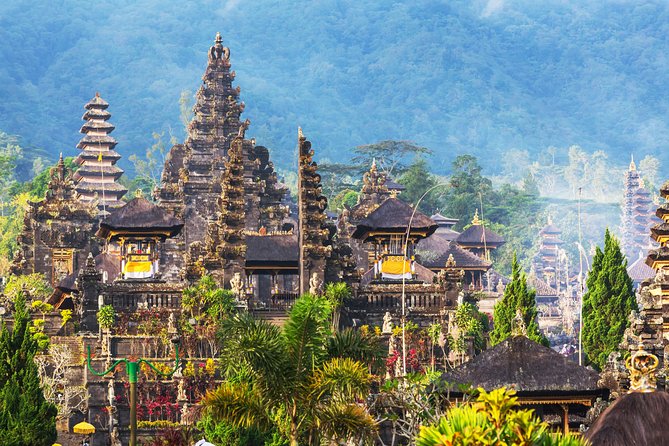
This tour starts in Ubud, and it’s built for a full-day route. You’ll ride in an air-conditioned vehicle with private transportation, and pickup is offered. In Bali, that comfort is not a small perk. Roads can take longer than you expect, and keeping your body cool makes the temple hours feel manageable rather than exhausting.
The tour is also described as private, meaning only your group participates. That matters if you want a little flexibility in how you move from stop to stop, even though the schedule is still structured.
One more thing I’d plan around: you’re going to see multiple sacred sites plus scenic viewpoints. That means more walking than you might expect from a “just drive and park” day. Still, the stop durations are reasonable, so you get a mix of movement and breaks.
Kintamani Lunch with Mt. Batur and Lake Views: When Food Becomes Part of the Sightseeing
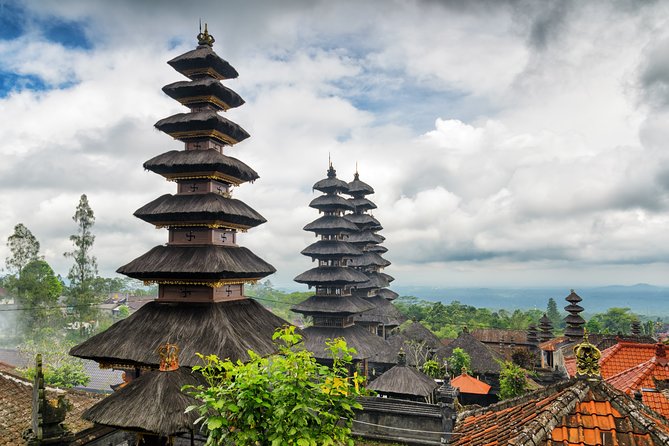
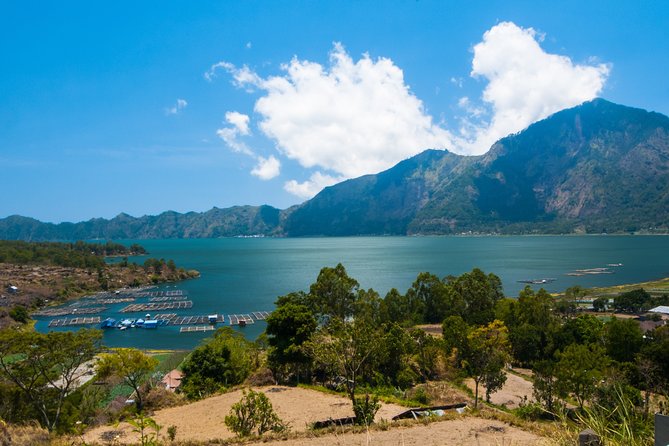
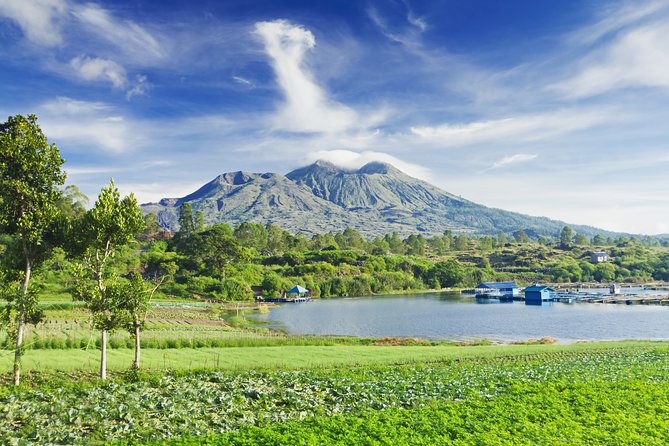
After Besakih, you’ll head to Kintamani, where you’ll pause for about two hours. This is where the day shifts from hillside temple to highland scenery. You’ll get views of Mt. Batur and Lake Batur, and you’ll have lunch while you’re there, with no admission fee listed for the stop.
I like this kind of break because it resets your brain. Temples can be mentally intense. Kintamani is more open. It’s a wide-angle kind of moment: volcano slopes in the distance, water laid out below, and enough space to breathe.
Two practical tips based on how these viewpoints usually feel:
- Dress for temperature swings. High spots can feel cooler than you expect.
- Take advantage of the lunch window as your main sitting break. This tour gives you a later, lighter walk at Tegalalang, but this is where you’ll likely recharge most.
Tirta Empul Temple: Holy Spring Rituals and the Mayadenawa–Indra Legend
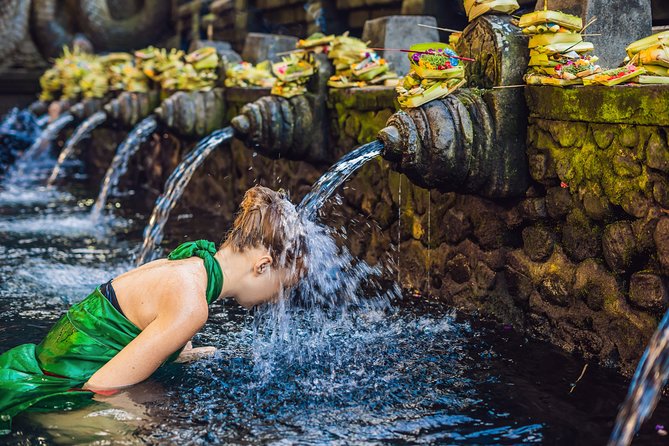
Next up is Tirta Empul Temple, with about one hour on site and admission included. Tirta Empul is famous not only for the temple itself, but for what happens inside: a holy spring used in connection with healing and protection stories.
The legend matters here. The temple is tied to the epic battle between Mayadenawa and God Indra. According to the story, a holy spring inside the temple is said to heal and save the troops of Indra from dying. Even if you don’t treat the story as literal, it helps you understand why people approach this place with respect and focus.
What you’ll likely notice during your visit is how the sacred water changes the mood. It’s less about roaming for photos and more about watching how the space is used. That’s one reason I think this stop can work even for people who normally rush through temples.
A small consideration: sacred-water areas often come with more rules about behavior and movement than a standard sightseeing site. The tour includes a sarong to enter the temple, which helps you meet local expectations without scrambling at the last minute.
Tegalalang Rice Terrace Walk: A Short Stroll That Feels Like a Reset
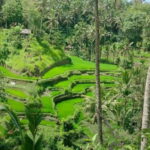
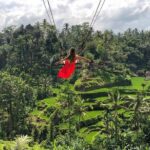
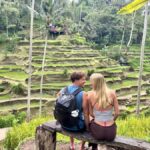
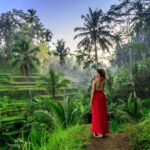
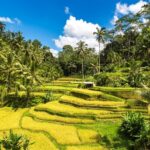
Your final stop is Tegalalang Rice Terrace, with about 45 minutes. This isn’t a long hike day. It’s more of a scenic walk and a chance to soak up the working landscape of rice paddies.
The value here is that the rice terraces add a different flavor to your day. You’ve got Mount Agung and volcano views, plus sacred-water ritual space. Then you end with something softer: lush green paddies and open-air strolling.
You don’t need deep knowledge to enjoy Tegalalang. What helps is simply slowing down. Look at how the terraces step down, notice the small pathways, and take your time on the viewpoints you find along the way.
Since your time here is capped at 45 minutes, plan to be ready to move. This is a good ending point for photos and a final stretch of legs before the ride back.

What’s Included in the $75 Price (And Why It Actually Adds Up)
At $75 per person, this is the kind of tour that can be either a good deal or an overpriced day, depending on what’s covered. The reason it looks good on paper is that several common cost buckets are already handled.
Here’s what’s included:
- Air-conditioned vehicle and private transportation
- Lunch
- Bottled water
- All fees and taxes
- Sarong to enter the temple
- Admission tickets for the temple stops, with Kintamani listed as free
You’re also given mobile ticket access, plus group discounts are mentioned and pickup is offered.
The one thing not included is alcoholic beverages. So if you drink, budget separately. If you don’t, this is a simpler spend day.
If you’re weighing value, the key is that temples often charge entry and often require transport plus waiting time. This tour folds those pieces together and keeps you from dealing with ticket lines or separate arrangements for each site. For many people, that time-saving is the real payoff.
How the Day Flows: A Practical Schedule You Can Actually Handle
This tour runs about 10 hours total. The built-in rhythm is fairly smart:
- 1 hour at Besakih (the core sacred complex)
- 2 hours at Kintamani (lunch + viewpoint time)
- 1 hour at Tirta Empul (ritual-focused temple visit)
- 45 minutes at Tegalalang (easy end-of-day stroll)
That sequencing keeps the hardest “thinking” moments earlier. You start with a major spiritual site, then move to a scenic, food-based break. Then you return to another temple with a specific story tied to the holy spring, and finish with a lighter walk.
Because it’s private and only your group participates, you don’t get the same scrambling feeling that can happen when big buses dump groups at once. You’ll still be moving, but the day is built around short, manageable blocks rather than one endless on-site wait.
Who This Tour Is Best For (and Who Might Want Another Option)
This works especially well if:
- You want multiple major Bali experiences in one day: big temple, holy spring, highland views, and rice terraces
- You’re comfortable with a full day moving around (not just half a day)
- You value convenience—pickup, transport, lunch, water, sarong, and fees all handled
It’s also a good fit for people who don’t usually love temple visits. Besakih and Tirta Empul are both temples, yes, but they don’t feel like copies of each other. Besakih gives you scale and setting on Mount Agung. Tirta Empul gives you a story and a living connection to water and ritual.
Consider skipping or swapping if you:
- Hate long travel days and prefer slower pacing
- Strongly prefer only one or two sites rather than a packed route
- Are sensitive to heat and walking on uneven temple paths
Booking Tips: How to Plan This Day Without Stress
This tour is on average booked about 16 days in advance, which tells me it’s a popular route. If your trip dates are tight, lock it in early rather than assuming you can wait.
Also, since it’s offered as pickup plus air-conditioned transport, confirm pickup details when you book so you can be ready on time. Bring or wear comfortable shoes. Temple areas and rice terraces are not always smooth.
And simple but important: drink the bottled water provided and keep a snack plan in mind, even though lunch is included. On a 10-hour day, the body gets hungry at odd times.
Should You Book the Besakih Temple Tour?
If you want one day that captures Bali’s spiritual center (Besakih), a ritual water temple (Tirta Empul), a volcano viewpoint with lunch (Kintamani), and a scenic rice terrace walk (Tegalalang), this tour is a strong choice. The price feels fair because admission, lunch, transport, and sarong are bundled, and the route is structured into bite-sized time blocks.
I’d book it if you like variety and you’re okay with a full day. I wouldn’t book it if you’re trying to squeeze too much downtime into your trip or if you prefer one slow, deep temple visit over a route that moves you every few hours.
FAQ
Where does the tour start?
The tour is located in Ubud, Indonesia, and pickup is offered.
How long is the Besakih Temple Tour?
It lasts about 10 hours.
How much does it cost?
The price is $75.00 per person.
Is pickup included?
Pickup is listed as offered, and the tour uses air-conditioned private transportation.
What stops are included?
You’ll visit Besakih Temple, Kintamani, Tirta Empul Temple, and Tegalalang Rice Terrace.
Are admission tickets included?
Yes. Admission tickets are included for Besakih Temple, Tirta Empul Temple, and Tegalalang Rice Terrace, while Kintamani is listed as free.
Is lunch included?
Yes. Lunch is included, along with bottled water.
Do I need a sarong?
A sarong to enter the temple is included.
Is this a private tour or a group tour?
It’s described as private, meaning only your group participates.
What is the cancellation policy?
You can cancel up to 24 hours in advance for a full refund. If you cancel less than 24 hours before the experience starts, the amount paid is not refunded.