Aling Gorge turns an early wake-up into a full-body adventure. This Bali canyoneering outing takes you through volcanic canyon walls, freshwater pools, and the eerie Bat Cave stretch when conditions allow. Expect a hands-on day built around proper instruction and real time in the canyon.
What I love most is the mix of action plus coaching. You get ICOpro-style initiation training at basecamp so you’re not guessing how to rappel, jump, or move safely through the water.
One thing to consider: you start at 5:30am and you need moderate physical fitness. It’s not a couch tour, and the canyon can include a few challenging spots depending on the water and your comfort level.
In This Review
- Key things to know before you go
- Why Aling Gorge is the kind of Bali adventure you remember
- The 5:30am rhythm: pickup, basecamp, and getting kitted up
- The short drive and downhill approach that sets the tone
- What the canyoning descent feels like: jumps, slides, waterfalls, rappels
- The walking in and out: short, but plan for slippery footing
- Safety, instruction, and the “you’ll know what to do” factor
- Meals, photos, and the post-canyon recovery you’ll appreciate
- Price and value: is $280 fair for what you get?
- Who should book Aling Canyon, and who might want to choose another activity
- Quick planning tips so your day runs smoothly
- Should you book this canyoning trip or skip it?
- FAQ
- What time does the Aling Canyon canyoneering tour start?
- Does the tour include pickup and drop-off?
- What’s included in the price?
- How long is the descent and the overall trip?
- How big is the group?
- Is prior canyoning experience required?
Key things to know before you go
- Small group size (max 6 travelers) keeps the day more personal and easier to manage on the technical parts.
- ICOpro Canyoneer Initiation (CAI) training at basecamp means you learn the basics before you hit the river.
- International-standard gear (ICOpro and CE-standard) plus high-performance ropes for safer rappels.
- Bat Cave moment with bats overhead adds a creepy-cool edge to the fun jumps and swims.
- Meals and shower included, so you’re not scrambling for food or a place to rinse off after the canyon.
- 2-way door-to-door pickup can save time and stress in Ubud, though a surcharge may apply outside pickup areas.
Why Aling Gorge is the kind of Bali adventure you remember
If you like the outdoors and don’t mind getting wet, Aling Gorge is a strong pick. This is canyoneering in the real sense: you move through a canyon system with controlled descents, natural water features, and plenty of playful moments like swimming, sliding, and jumping. It’s also one of those activities that depends on conditions, because the canyon is available only when water levels allow.
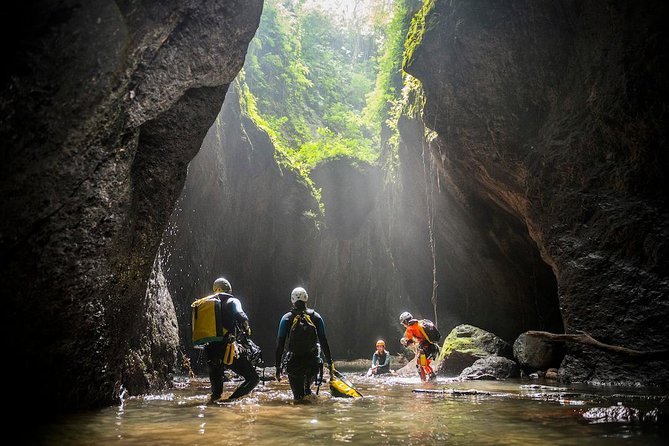
What makes Aling Gorge special is the setting. You’re surrounded by towering volcanic walls, and that changes the whole feel compared to more casual river activities. Even before you start the technical sections, you’re in a dramatic natural space where the water and rock work together like a playground with rules.
You’ll also get the signature stretch called the Bat Cave. The idea is simple and memorable: bats soar above as you’re in the canyon. It’s the kind of moment that makes the day feel different, even if you’ve done outdoor sports before.
You can also read our reviews of more tours and experiences in Ubud.

The 5:30am rhythm: pickup, basecamp, and getting kitted up
The day starts early, with a 5:30am start time. That sounds brutal until you realize canyoning is a morning-first activity. You’ll beat heat and crowds, and you’ll be back by lunchtime for a real reset.
Pickup is 2-way door-to-door transfers from your Bali address in the specified area. In plain terms: you show up, they handle the logistics, and you’re on the way to basecamp without hunting for a meeting point. If you’re outside their pick-up zone, there can be an additional transport surcharge, but they’ll flag it based on the described area rules.
At basecamp, the pacing turns from travel mode into activity mode. You’ll register, have coffee/tea with a light breakfast, and get equipped. Then comes the part you’ll appreciate later when you’re standing above a rappel start: canyon initiation training using an ICOpro standard so you know what to do in the canyon and what safety steps matter.
They also provide the gear you need. That includes a full set of ICOpro and CE-standard canyoning equipment, plus technical equipment appropriate for the ropes-and-water reality of the gorge. There’s even shower/shampoo/soap/towel waiting after, which is a small detail that makes a big difference once you’re muddy, wet, and slightly winded.
The short drive and downhill approach that sets the tone
After training, you drive to the start point, about 10 minutes in a local small truck. This is where you’ll feel the transition: you’re no longer in a classroom, you’re in the canyon.
From there, there’s a downhill walk to reach the river. The approach is described as short, and once you arrive, it’s time for the real canyon flow. This downhill movement matters because your body adapts fast. You’ll likely be switching between walking on uneven ground, balancing, and then moving into water movement and scrambling near rock features.
The good news is the canyon plan isn’t just “go hard right away.” The training helps you get your bearings before the descent. You’ll also understand the difference between what looks scary and what is actually technical, so you can commit without panic.
What the canyoning descent feels like: jumps, slides, waterfalls, rappels
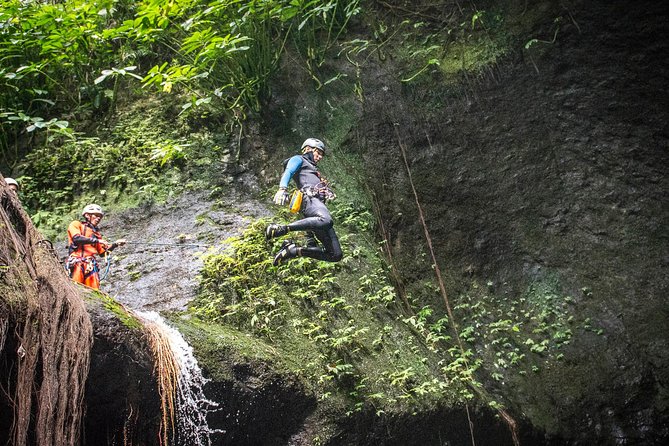
The descent itself lasts about 4 to 5 hours. That’s plenty of time to feel the rhythm of canyoneering rather than rushing through a checklist of photo spots. You’ll experience a mix of movement styles: swimming through pools, sliding natural sections, jumping when the route offers it, and rappelling down waterfalls or steep drops.
This is also where you’ll notice the guide style. In past trips, the guides have been described as super friendly and fun, including names like Rama and Jess, with others such as Gus and Anjas showing up in different groups. People remember the humor because it helps you stay relaxed when you’re doing something new.
And yes, this isn’t just a straight drop. You’ll do controlled descents and learn how to move your body around rock and water without turning the whole thing into a flailing contest. If it’s your first time, you might find it challenging in a few spots, but it’s not presented as an extreme endurance test.
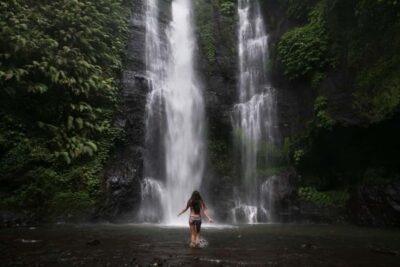
What stands out is the combination of scenery and motion. The canyon has abundant water, volcanic walls, and natural pool areas. The Bat Cave stretch adds atmosphere, and the waterfalls give you that satisfying mix of movement and scenery. One minute you’re focused on technique, the next you’re just stunned that this is happening inside a real canyon.
The walking in and out: short, but plan for slippery footing
Besides the main descent, there’s an approach and return walk. The range given is 1 to 15 minutes, so it varies by logistics and the specific route conditions.
Even when it’s short, walking in canyon terrain means slippery surfaces and uneven ground. It’s less about distance and more about footing. Your job is to keep your focus on where your shoes are contacting rock and where water might be running.
This is also why the shoe size and measurements matter. Each participant is required to provide shoe size, height, and weight, which helps the team fit and plan gear properly. If you’ve ever done sports where the equipment fit was sloppy, you’ll appreciate this part quickly. A good fit means better control when you’re rappelling and moving through wet rock.



Safety, instruction, and the “you’ll know what to do” factor
Canyoneering is one of those activities where safety isn’t a brochure line. It’s part of what you do with your hands and feet in real time. That’s why this trip leans hard on training and supervision.
You’ll have supervision from an ICOpro Instructor & assistant team, and you get the ICOpro Canyoneer Initiation (CAI) training course. That means the guide flow isn’t just “follow me.” It’s a structured introduction so you understand how to handle the key skills before you’re committed to the route.
They also use rope and equipment rated and described with international standards, including high-performance canyoning rope (Korda’s) and branded technical gear. That matters because wet rope performance, abrasion resistance, and proper setup are the difference between a smooth descent and a stressful one.
In real human terms, when the team is organized and confident, you spend more time enjoying the experience and less time worrying about the next step. And the guide vibe you’ll hear in the reviews—fun, supportive, and laughing while still being professional—suggests they keep the energy high without dropping safety.
Meals, photos, and the post-canyon recovery you’ll appreciate
Canyoning can drain you. This plan helps you recover without a scramble. You’ll get tasty breakfast and lunch, with fresh fruits and tea/coffee/water plus snacks. Breakfast is at basecamp, and lunch comes after the descent once you return.
Hydration matters in canyoning, so the option to bring a refillable non-glass water bottle is a practical call. You can also buy a reusable bottle on-site. After you finish, you’ll have the shower and towel ready, which helps you keep moving with your day rather than spending it drying off and changing clothes while you feel sticky and cold.
They also include free photos and video. That’s not just nice for memories. It also means you don’t have to worry about what to film or how to hold a camera during the more technical parts. If you do want personal photos, you’ll need to plan for what’s included versus what isn’t, since camera storage and personal items aren’t listed as included.
Price and value: is $280 fair for what you get?
At $280 for an approximately 7-hour outing, you’re paying for a lot more than access to a canyon. This is a guided program with door-to-door transfers (in a specified area), professional technical equipment, and structured initiation training.
Here’s what your money covers, based on what’s included:
- pickup and drop-off
- canyoning equipment (ICOpro/CE-standard) and branded ropes
- ICOpro training course and initiation certificate
- breakfast, lunch, snacks, fruits, and water
- shower supplies after
- accident insurance up to USD 10,000 per pax
- free photos and video
In Bali, you can often find cheaper day trips. But when you compare like-for-like—gear, ropes, trained supervision, meals, insurance, and the “we teach you first” approach—this price starts to make sense. You’re basically buying a controlled adventure plus instruction, not just transportation to a river.
The best way to think about value here is time and risk. This tour reduces uncertainty: you learn the skills, wear proper gear, and move through the canyon with a team. That’s worth real money if you don’t want your first canyoning day to be an improvised one.
Who should book Aling Canyon, and who might want to choose another activity
This tour fits best if you:
- want active nature time and don’t mind getting wet
- like learning a new skill with training first
- feel comfortable with jumps, slides, swimming, and rappels when you’re guided
- prefer a small group (max 6) and a team that’s both competent and fun
You’ll also want moderate physical fitness. The route includes a descent that’s several hours long, plus short walks on uneven ground. If you have concerns about stamina, balance, or moving on wet surfaces, think carefully.
It can be a first-timer friendly experience. One review specifically noted it was a great first canyon and not overly hard, but with some challenging spots. That’s a useful middle-ground expectation: you likely won’t feel overwhelmed all day, but you should expect a few moments that require focus.
Quick planning tips so your day runs smoothly
A few details make the difference between a smooth start and a stressed one.
- Bring a refillable non-glass water bottle for refills.
- Expect to need swimwear and sunscreen, since swimwear and sunscreen aren’t included.
- Plan for changing clothes, since change of clothes isn’t included, even though you’ll have a shower afterward.
- Provide your shoe size, height, and weight so the team can fit gear properly.
Also, wear practical shoes and be ready for wet terrain. Even with good guidance, canyon surfaces can be slick. The tour is set up for safety, but your job is to follow instructions and move calmly.
Should you book this canyoning trip or skip it?
Book it if you want the full canyoning package: training first, safety gear, meals, and a memorable setting with the Bat Cave moment. If you’re in or near Ubud and want one day that feels truly outdoor and not just sightseeing, this is a strong match.
Skip it if you hate early starts, dislike water sports, or know you struggle with balance and wet rock movement. Also, if you’re looking for a gentle walk-and-watch style tour, canyoning is not that.
If you’re on the fence, here’s my simple test: can you picture doing rappels and jumps while a guide is coaching you step by step? If yes, you’re going to have a great day in the Aling Gorge.
FAQ
What time does the Aling Canyon canyoneering tour start?
The start time is 5:30 am.
Does the tour include pickup and drop-off?
Yes. 2-way door-to-door transfers are included from your accommodation in the specified area. An additional transport surcharge may apply outside that area.
What’s included in the price?
The tour includes canyoning equipment (ICOpro and CE-standard), supervision, ICOpro CAI training, breakfast and lunch (vegetarian or vegan option available), fresh fruits, tea/coffee/water and snacks, shower supplies, accident insurance up to USD 10,000 per person, and free photos and video.
How long is the descent and the overall trip?
The overall trip is about 7 hours. The canyon descent is about 4 to 5 hours, with an approach and return walk ranging from 1 to 15 minutes.
How big is the group?
The tour has a maximum of 6 travelers.
Is prior canyoning experience required?
No prior experience is required in the sense that you get training and an initiation course at basecamp before entering the canyon. The tour is listed for travelers with moderate physical fitness.