Rinjani rewards effort fast. This 3-day Sembalun-to-summit trek focuses on the big daybreak climb, with a real plan for registration, safety, and waste rules, then a sunrise push to 3,726 m. I especially like the clear structure: guide and porter support plus included food, drinks, and park entry. The main drawback is simple: you’re committing to a physically demanding hike that starts very early, and you’ll still need to bring key gear like shoes, a jacket, and a headlamp.
The route setup also helps. Starting from Sembalun Lawang at about 1,156 m (higher than Senaru) makes the ascent feel more manageable from the beginning. It’s also a private experience, so your pace and questions can stay in your orbit, not the whole group’s.
In This Review
- Key highlights at a glance
- Sembalun vs. Senaru: Why this route feels more doable
- Day 1 in Lombok and Senaru: Waterfall time and a calm setup
- Day 2: From Sembalun Lawang registration to Pos 1 and Pos 2 views
- The walking rhythm
- Day 3 at 02:00: Summit timing, sunrise at 06:00, and the volcanic screen climb
- After the top: crater rim breakfast and a long descent
- What’s included—and what you still need to pack
- My practical packing advice
- Price and value: Is $375 fair for a summit trek?
- Guide and porter team: What the experience quality usually hinges on
- Who should choose this trek, and who should reconsider
- Should you book this Mount Rinjani trek via Sembalun?
- FAQ
- What’s the main walking route for this Mount Rinjani trek?
- How early do I need to start on summit morning?
- What time do you reach the summit?
- What’s included in the trek price?
- What’s not included that I should bring?
- Where do you meet for the start of the experience?
- Is this a private tour?
- Does the trek include national park entry?
- What happens if the weather is poor?
- What’s the cancellation window for a full refund?
Key highlights at a glance
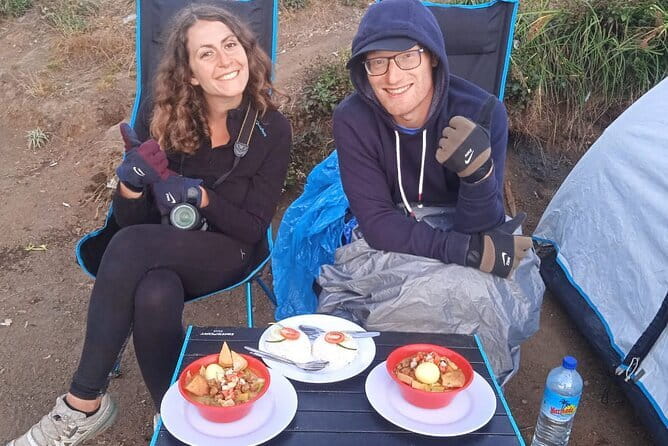
- Sembalun altitude advantage: start higher than Senaru, so the climb begins with less harsh acclimatization pressure
- Rinjani Information Center registration at Sembalun Lawang, with a briefing on safety and local traditions
- 02:00 wake-up and summit timing: start around 03:00 and aim for sunrise at roughly 06:00
- Hot drinks and toast pre-dawn to help you get moving without a full stomach chaos
- Crater rim breakfast + long descent: you reach the crater rim, eat, then drop back toward Sembalun
- Senaru warm-up time: check in with hot/cold water and optional waterfall time before the trek
Sembalun vs. Senaru: Why this route feels more doable
If you’ve looked at Mount Rinjani trekking options, you’ve probably noticed the names Sembalun and Senaru. Here’s the practical difference that matters on your legs: Sembalun sits much higher. Sembalun is around 1,150 m above sea level, while Senaru is around 601 m. That means your first day’s walking starts closer to the altitude you’ll need for the summit approach.
What I like about choosing the Sembalun direction is the “less brutal beginning” effect. You still climb a lot—Rinjani is still Rinjani—but your body spends less time doing slow, punishing altitude adjustment at the very start. It’s the kind of difference you feel early, when you’re most likely to overdo it.
Another benefit: the trek begins with wide, open sections of grassland that are used by local cattle grazing. That matters because it keeps the terrain more readable at first—less surprise terrain, more steady rhythm.
Tip to take seriously: even with the higher start, you should still pace like the mountain will get your attention later. The summit push comes when you’re cold, tired, and running on minimal sleep.
You can also read our reviews of more tours and experiences in Lombok.


Day 1 in Lombok and Senaru: Waterfall time and a calm setup
Your day begins with pickup across Lombok: options include Lombok Airport, Lembar Harbor, Mataram City, Senggigi Beach, Teluk Nare, Teluk Kodeq, Bangsal Harbor, Kayangan Harbor, and Tete Batu. This reduces the “where do we meet” stress and helps you arrive in time to settle.
From there, you transfer to Senaru and check into your accommodation. A small but real comfort detail here: you get hot and cold water and a briefing. That briefing is not fluff. When you’re about to do a very early start, you want to know what’s expected, how the team handles safety, and what rules you must follow for the trek.
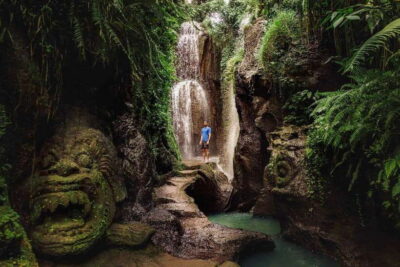
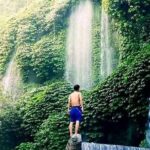
If you have time—specifically about 3 hours before sunset—you can add waterfall visits:
- Sendang Gile
- Tiu Kelep
Admission for Sendang Gile is listed as free, and the waterfall time slot is roughly 3 hours total (with Senaru area time also possible if schedule allows). This is a smart use of your first day because it gives you something beautiful without draining you for the summit climb.
One realistic consideration: the optional waterfall plan depends on timing. If you’re arriving late, don’t assume it will happen. Build in breathing room so you don’t rush, overheat, or get muddy and tired right before the big day.
Day 2: From Sembalun Lawang registration to Pos 1 and Pos 2 views
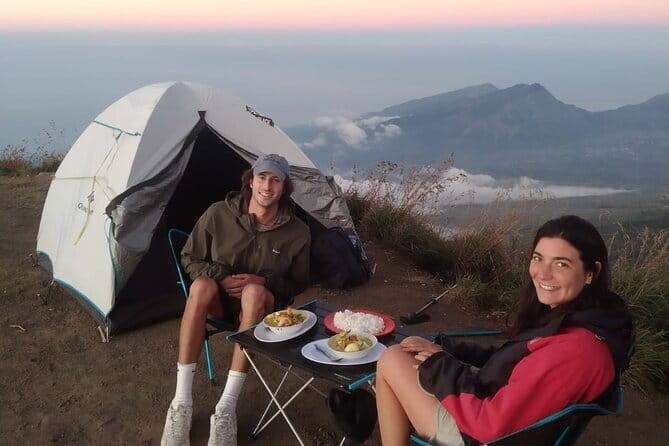
Day 2 starts early at 06:00. You’re picked up at the hotel lobby, then transferred to Sembalun.
The trek begins in Sembalun Lawang (about 1,156 m) with registration at the Rinjani Information Center (RIC). This step matters more than people think. Registration is the checkpoint that keeps your entry official, and the guide briefing that follows sets expectations for the climb.
Your guide briefing covers:
- route details
- local cultural traditions
- rubbish management rules
- safety procedures
I like that this isn’t just “walk, walk, walk.” Rinjani is popular, and it’s a place where good behavior on the trail matters—especially when it comes to waste. If you’re the type who hates seeing trash handled badly, this kind of briefing usually makes you feel like you’re in a more respectful operation.
The walking rhythm
The trek starts with gentle ascent through open grassland used by local cattle grazing. That open section can be mentally easier: you can focus on breathing and foot placement.
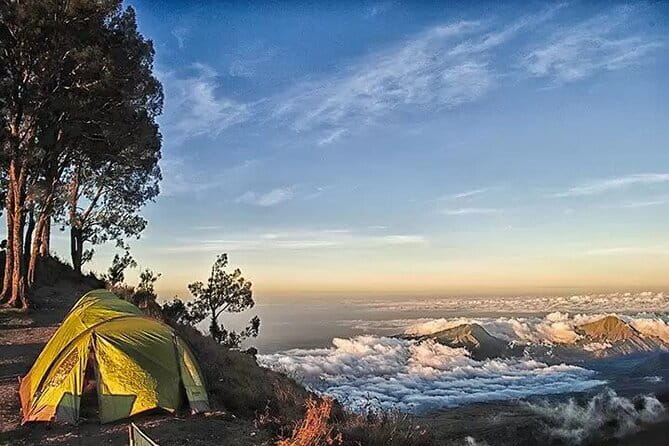
Then you rest at Pos 1 Pemantauan (about 1,300 m) after roughly three hours from Sembalun. From there, you continue to Pos 2 Tengengean (about 1,500 m) and the views open up. Even though the summit is far away, you can see the mountain’s higher line and get a sense of what’s coming.
Another stop is Pos 3 Pada Balong (about 1,800 m), reached after another ascent period (the exact timing isn’t fully shown, but you’re clearly gaining altitude steadily). Day 2 is listed as around 8 hours total, so you’re building both stamina and altitude comfort.
One possible drawback to plan around: this day can feel long if you try to “win” the schedule. Your goal is to arrive ready for the midnight climb, not to get to every position as fast as possible.
Day 3 at 02:00: Summit timing, sunrise at 06:00, and the volcanic screen climb
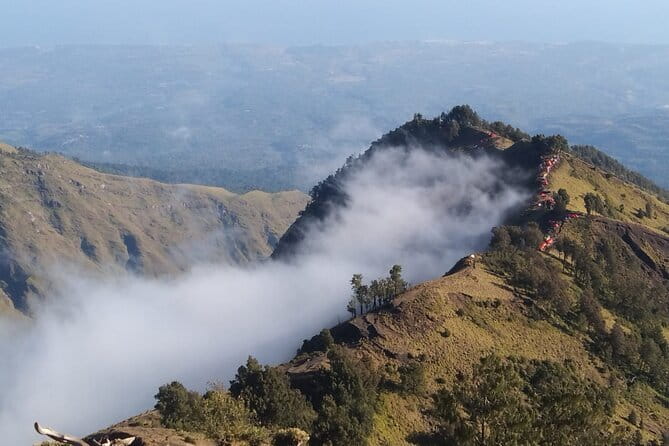
Day 3 is the business end of the trip. You wake up around 02:00. Before you start, the team serves hot drinks and toast with hot coffee/tea for a light breakfast. That small meal matters. At midnight and pre-dawn, you want calories without a heavy stomach.
You begin heading for the summit at 03:00.
The climb is described in phases:
- a moderate trek at first
- a fairly easy but longer stretch
- then a final approach that involves climbing steep volcanic screen (looser, grippier only if you’re careful)
This is the part where technique counts. If you rush the loose volcanic surface, you’ll burn out fast and risk slipping. If you slow down and keep your steps controlled, the grind becomes more manageable.
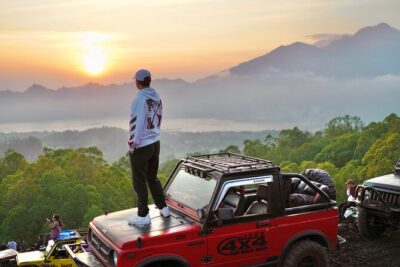
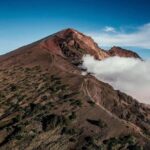
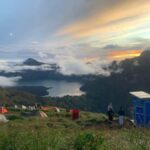
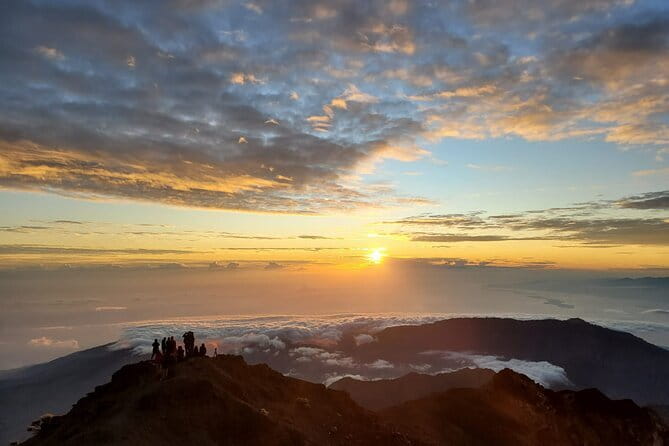
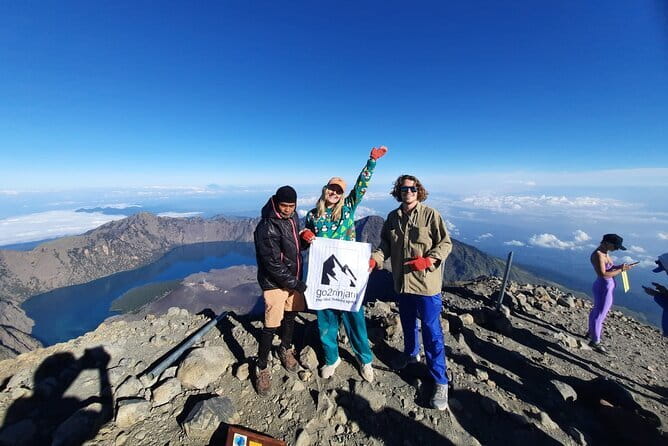
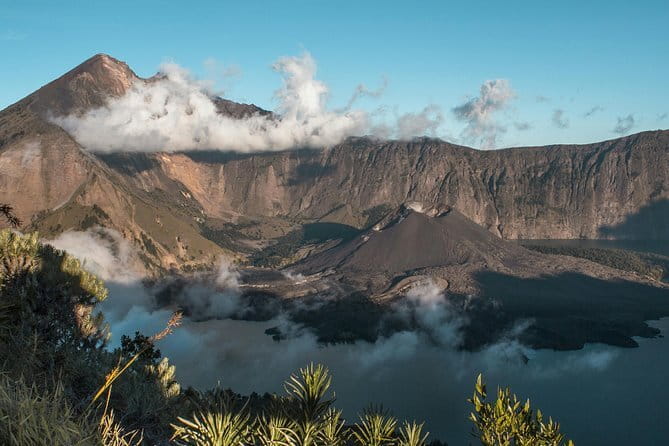
At around 06:00, you reach the summit (3,726 m). The prize is sunrise plus panoramic views that can include:
- Lombok
- Bali
- Sumbawa
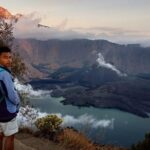
- Segara Anak Lake
Even if clouds roll in sometimes, you still get the “high sky” moment—wind, big angles, and that feeling of being above the noise.
After the top: crater rim breakfast and a long descent
After summit time, you descend into the crater rim area near Sembalun within about 2 hours, with breakfast there. Then you continue down to the village of Sembalun in about 5 hours.
Finally, you’re picked up by car to Senaru and transferred to your next destination.
A consideration you should respect: sunrise climbs and steep descents are tough on knees. Plan to take your time on the way down. The descent is not the “easy part.” It’s the part where poor pacing gets punished.
What’s included—and what you still need to pack
This trek is built around you not having to manage every moving piece. Here’s what’s covered:
- pickup and drop-off across Lombok
- dinner (Day 1)
- stay in Senaru before the trek
- transport to Sembalun for the hike (and return)
- guide and porter
- food & drinks along the hike
- entrance to Mount Rinjani National Park
- equipment and cooking gear
- insurance & check up
- breakfast and lunch (listed as 2 breakfasts and 2 lunches)
What’s not included is equally important because it affects comfort and safety:
- jacket
- shoes
- headlamp
- camera
- sunblock
My practical packing advice
You’re going high enough to feel temperature drops, especially at the pre-dawn start. A jacket is not optional if you run cold. Shoes matter because the descent includes steep, loose volcanic surface. A headlamp is essential if you’re starting at 03:00 and moving before daylight.
Also: bring sunscreen even if it’s cold early. You’ll be climbing into sun hours, and exposure adds up quickly.
Price and value: Is $375 fair for a summit trek?
$375 per person is not pocket-change, but it’s also not just “a ticket to hike.” You’re paying for a full package that includes:
- guide + porter support
- national park entry
- equipment and cooking gear
- meals during the trek (plus breakfast/lunch/dinner as listed)
- hot drinks on summit morning
- insurance and medical check support
- pickup and drop-off across multiple Lombok locations
- a Senaru overnight so you aren’t scrambling the night before
In trekking terms, a summit attempt costs money in the invisible places: logistics, permits/entry fees, staff time, and the ability to run a midnight start without chaos. The value improves if you don’t have to arrange transportation, meals, and park access yourself.
If you already have all your gear, good fitness, and you’re the kind of person who can handle route planning and early-morning logistics, you might find cheaper options. But if you want a structured, team-run summit climb with food support and park access handled, $375 starts to make sense.
Guide and porter team: What the experience quality usually hinges on
Your biggest “comfort variable” on a summit hike is not only physical fitness. It’s how well the team runs pacing, safety, and morale.
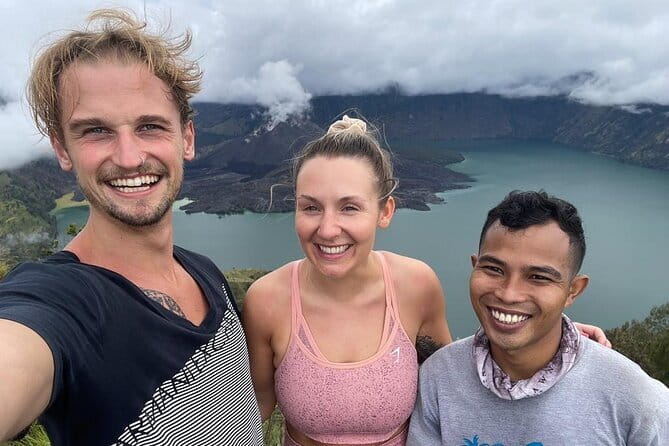
The guide and porter team is repeatedly highlighted for professionalism and friendliness in the available feedback. Specific guide names tied to people’s positive experiences include Suti, Anton, Budi, and Yantoo, with planning support also noted for Sam. That doesn’t mean your guide will be one of those people, but it does tell you the company commonly operates with an established team.
What matters for you on the trail:
- A guide who can keep a group together safely
- Porters who manage supplies so you aren’t overloaded
- Clear instructions on waste and trail behavior
- Quick adjustments if the weather or daylight changes
Rinjani can turn sharp fast. A well-run team helps you stay calm and keep moving at the right speed.
Who should choose this trek, and who should reconsider
This is for you if:
- you have strong physical fitness
- you’re comfortable with a 02:00 wake-up
- you want summit sunrise and big panoramas
- you like guided structure—registration, safety brief, and a clear schedule
This is not a good match if:
- you have knee issues that make steep descents difficult
- you can’t commit to early starts and long hiking blocks
- you expect a relaxed day. Even the easier-feeling sections on Day 3 are still part of a summit push.
One more honest note: the route involves steep and loose volcanic terrain near the top. Even strong hikers can struggle if they move too fast or don’t use controlled footwork.
Should you book this Mount Rinjani trek via Sembalun?
Book it if you want a structured climb that targets the summit with sunrise and includes most essentials: staff, park entry, food, and pickup/drop-off. The Sembalun start height makes the beginning friendlier than routes starting lower.
Skip it or ask more questions first if you’re missing key gear (especially shoes, jacket, headlamp) or you’re unsure about handling a midnight-to-morning summit timeline. Rinjani doesn’t care about optimism. It cares about pacing, warmth, and traction.
If your plan is to get to the top and come back with your legs tired in the best way, this is a solid, value-for-service option.
FAQ
What’s the main walking route for this Mount Rinjani trek?
You climb Mount Rinjani from the Sembalun side, moving through positions toward the crater rim and continuing on to the summit. The summit day starts at 03:00 and you aim to reach the top around 06:00 for sunrise, then descend back down toward Sembalun.
How early do I need to start on summit morning?
You’ll wake around 02:00, then start heading to the summit at 03:00.
What time do you reach the summit?
The schedule lists reaching the summit at around 06:00.
What’s included in the trek price?
The package includes pickup and drop-off in Lombok, a Senaru stay before the trek, transport to Sembalun, guide and porter service, meals and drinks during the hike (with 2 breakfasts and 2 lunches, plus dinner), park entrance, equipment and cooking gear, and insurance and check-up support.
What’s not included that I should bring?
You need to bring jacket, shoes, headlamp, sunblock, and any items like a camera that you want to use.
Where do you meet for the start of the experience?
The start meeting point is at Rinjani Excellent, Jl. Pariwisata, Senaru, Kec. Bayan, Kabupaten Lombok Utara, Nusa Tenggara Bar. 83354, Indonesia. The tour ends back at the meeting point.
Is this a private tour?
Yes. It’s described as private, with only your group participating.
Does the trek include national park entry?
Yes. Entrance to Mount Rinjani National Park is included.
What happens if the weather is poor?
The experience requires good weather. If it’s canceled due to poor weather, you’ll be offered a different date or a full refund.
What’s the cancellation window for a full refund?
You can cancel up to 3 days in advance for a full refund. If you cancel less than 3 full days before the start time, the amount paid is not refunded.