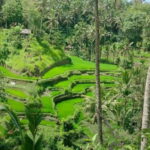
Coconut wine in a rice field? That is the whole point. This Ubud coffee and coconut wine safari mixes a hands-on coffee stop with a short walk to a local rice terrace where you’ll taste coconut wine (tuak) straight from the process. I especially like having a private guide on call for insider tips, and I like that the tasting time feels generous for a half-day plan. The one thing to think about: the coconut-wine segment involves walking on soft, waterlogged ground, so you’ll want decent grip shoes and a steady pace.
I also like that the tour runs like a smooth afternoon itinerary: hotel pickup and drop-off means you’re not hunting down a meeting point with Google Maps and a drizzle. At stop one (Uma Pakel Agro Tourism) you’ll see detailed hand processing of coffee and then sample coffees and teas in a lush, jungle setting. The only drawback I’d flag is access to the rice-field area—if you’re not comfortable with uneven footing, this part can feel like a mini trek rather than a casual stroll.
In This Review
- Key Things To Know Before You Go
- Why This Ubud Coffee + Coconut Wine Safari Works
- Price and Value: What $69 Buys You Here
- Stop 1: Uma Pakel Agro Tourism and Its Hand-Processed Coffee Story
- Stop 2: Bresela Rice Fields, Tuak Harvesting, and Coconut Wine
- The Tastings: Coffee, Tea, and Coconut Wine in a Real Order
- Guide Quality: Why Private Helps More Than You Think
- What to Bring (So the Walk Feels Easy)
- Timing and How to Fit It Into a Ubud Day
- Who This Tour Suits Best
- Should You Book This Coconut Wine and Coffee Safari?
- FAQ
- What time does the tour start in Ubud?
- How long is the coffee and coconut wine safari tour?
- Is hotel pickup and drop-off included?
- What are the main stops on the itinerary?
- Are admission tickets included?
- Do I need cash or can I just taste?
- Is this a private tour or shared group?
- What should I wear or bring for the rice-field portion?
- What is the cancellation policy if weather is bad?
Key Things To Know Before You Go
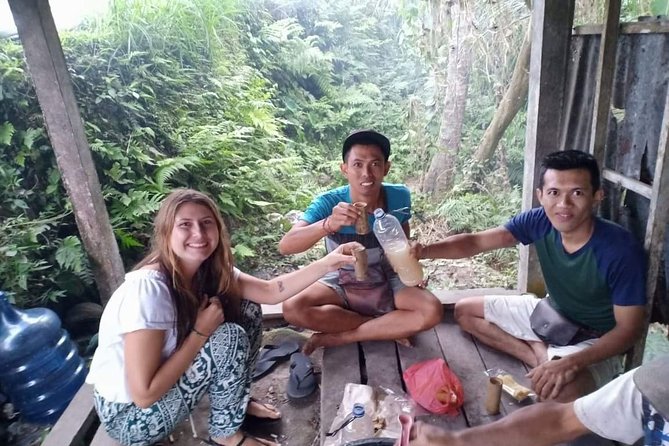
- Private guide attention: you get more back-and-forth than group tours, including cultural context while you taste
- Two very different tasting settings: jungle coffee processing first, then a rice-field coconut wine moment
- 3:00 pm start fits a tight schedule: short enough to combine with other Ubud plans
- Trekking is part of the coconut-wine stop: plan for soft, waterlogged ground in the rice fields
- Admission details are clear: Uma Pakel Agro Tourism includes the admission ticket; the Bresela stop is free
Why This Ubud Coffee + Coconut Wine Safari Works
This tour hits a sweet spot in Bali. It’s not just tasting in a building. You’re moving through two worlds: the coffee world, with careful hand processing and a plantation-style explanation, then the rice-field world, where coconut wine is tied to everyday farming life.
The timing helps too. Starting at 3:00 pm keeps it from swallowing your whole day. You get a real “nature break” that still leaves room for dinner plans back in Ubud. If you like experiences that feel local but not complicated, this one has that balance.
Also, the setup is practical. Hotel pickup and drop-off means you can show up, taste, and learn without doing the usual logistics dance. A private tour also changes the vibe. When your guide is Oka-level enthusiastic and plugged into the culture, you’re not just swallowing samples—you’re getting answers in real time. Same with guides like Wayan (cheerful and clearly invested in making the walk and tastings feel meaningful).
You can also read our reviews of more tours and experiences in Ubud.

Price and Value: What $69 Buys You Here
At $69 for about 3 hours 30 minutes, you’re paying for two things: guidance and access. You’re not only visiting coffee and coconut spots—you’re getting the “how it’s made” storytelling that makes tasting land with context.
Stop one includes an admission ticket (Uma Pakel Agro Tourism), so part of what you pay covers entry plus the structured coffee/tea sampling there. Stop two (Bresela) is listed as a free admission stop, so the cost still makes sense because you’re essentially buying the guide time and the coordinated transport between two sites.
Is it a bargain? It’s priced like a small, private afternoon activity. But it’s good value if you care about learning and not just drinking. The tastings are a core feature—coffee and tea first, coconut wine second—with enough samples to feel like you made the most of the visit.
Stop 1: Uma Pakel Agro Tourism and Its Hand-Processed Coffee Story
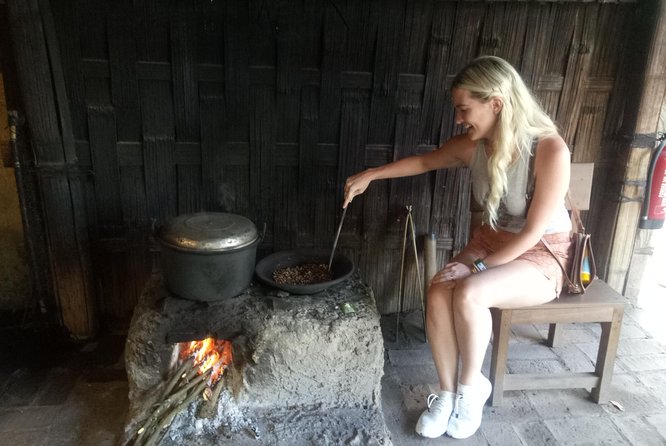
Stop one runs about 2 hours at Uma Pakel Agro Tourism, and it’s built for people who want to understand coffee beyond the cup. You’ll see processing of what the site describes as the most expensive coffee in the world, done in a detailed, traditional, hand method.
Why that matters: Bali coffee tourism can turn into a showroom. Here, the focus is on the step-by-step work—how the coffee is handled before it reaches your palate. Even if you’re not a coffee nerd, it helps you taste with context. Coffee starts to feel like a craft, not just a flavor.
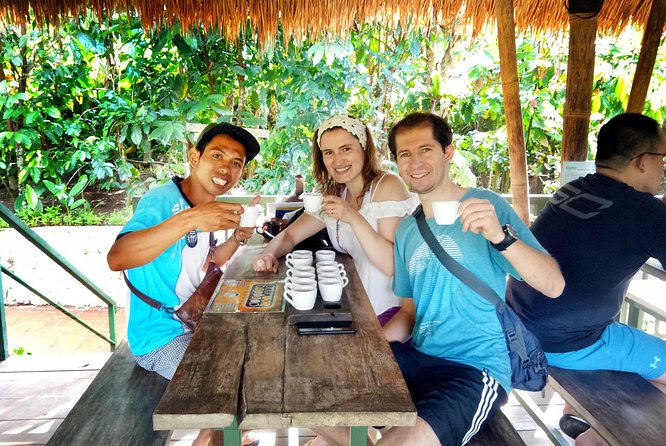
After the processing talk, you’ll taste coffees and teas. One review experience included getting three free coffees to try, with the option to purchase more if you want to bring something home (or just because coffee you liked is hard to resist).
Practical notes:
- Expect samples of coffee and tea, not a single drink tasting.
- Wear whatever you’d normally wear for warm outdoor walking. The tour is meant for nature and processing areas.
- If you’re sensitive to strong flavors, pace yourself. Coffee can sneak up faster than you think when you’re doing comparisons.
Stop 2: Bresela Rice Fields, Tuak Harvesting, and Coconut Wine
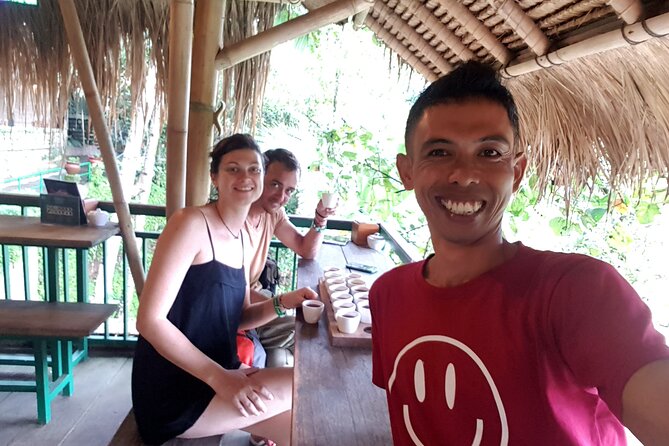
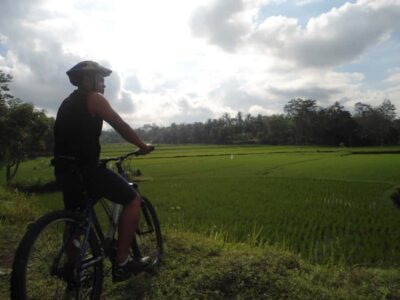
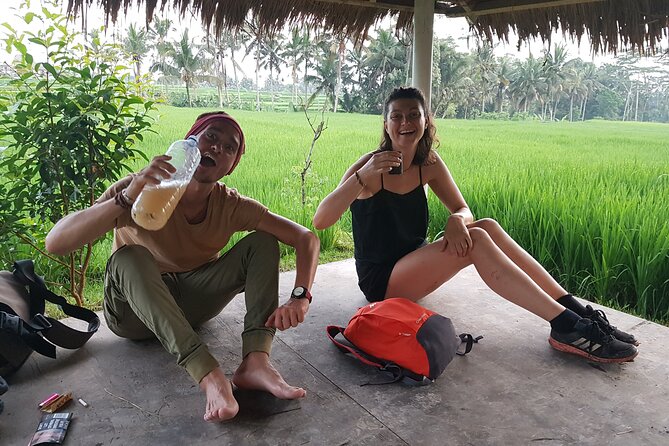
Stop two is about 1 hour at Bresela, described as a local bar in the middle of ricefields where you share and connect with the local community. This is where the tour turns from “coffee tour” into “Bali farming meets taste.”
The key moment here is the coconut wine process. You’ll see how tuak (the coconut wine) is made by a local farmer who harvests from the top of the coconut tree. That detail is a big part of why this stop gets remembered. You’re not just being served something—you’re getting a front-row view of the supply side.
There’s also a short hike/walk to reach the rice terrace setting. That’s great for views and atmosphere, but it’s also the part that needs planning. One important caution: the ground can be soft and waterlogged, so you’ll want shoes with grip and you’ll want to avoid rushing.
This is also where you’ll likely appreciate the private guide. When your guide is hands-on—like Oka, who came across as professional, fun, and very knowledgeable—you’re more likely to understand what you’re seeing while you taste. The walking isn’t the whole show. The explanations are.
What to do during the tasting:
- Take small sips and compare flavors across samples.
- Ask questions while you’re there. Your guide can explain what you’re tasting and why the local process matters.
- Don’t treat it like a sports drink challenge. It’s meant to be sampled.
The Tastings: Coffee, Tea, and Coconut Wine in a Real Order
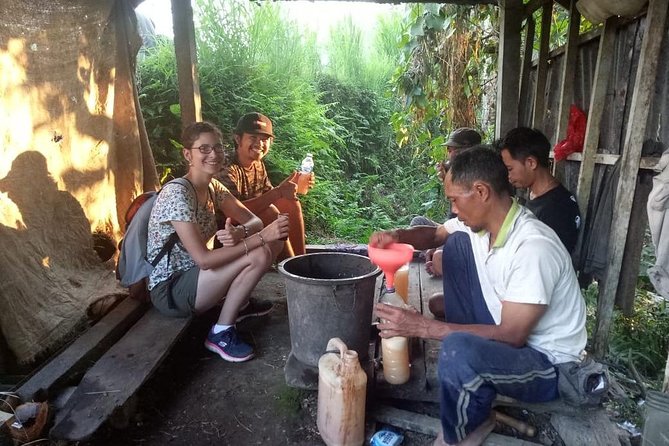
The tour’s structure matters: coffee and tea first, coconut wine second. Starting with coffee gives you a baseline for bitterness, aroma, and strength. Then coconut wine arrives as a totally different experience—more tied to the farming cycle and local tradition.
I like this order because it keeps your brain from being overwhelmed. If coconut wine came first, some people would rush the rest. Instead, you walk from coffee processing into a rice-field setting, and the shift feels intentional.
You should also expect “plenty of samples,” not a tiny taste that disappears in two seconds. At Uma Pakel Agro Tourism, you may get multiple coffee/tea options, and you’ll have time to try and compare. At the rice-field stop, the focus is the coconut wine moment plus the walk and community setting around it.


Guide Quality: Why Private Helps More Than You Think
This is a private tour, meaning only your group goes along. That sounds like a small change. In practice, it changes what you learn.
With a private guide, you can:
- Ask follow-up questions without waiting for the next person’s turn
- Adjust pacing if you need more time to taste or take a photo
- Get better explanations of what you’re looking at—especially when it comes to manual processing and how local farmers harvest tuak
The names that came up in experiences were Oka, Wayan, and help from hosts including Keris. Across those accounts, the common thread was clear: guides who are engaged, friendly, and confident with the story they’re telling.
There’s also good communication from the provider side. One experience noted quick help and coordination leading up to pickup. That kind of responsiveness matters when you’re planning around an afternoon schedule in Ubud.
What to Bring (So the Walk Feels Easy)
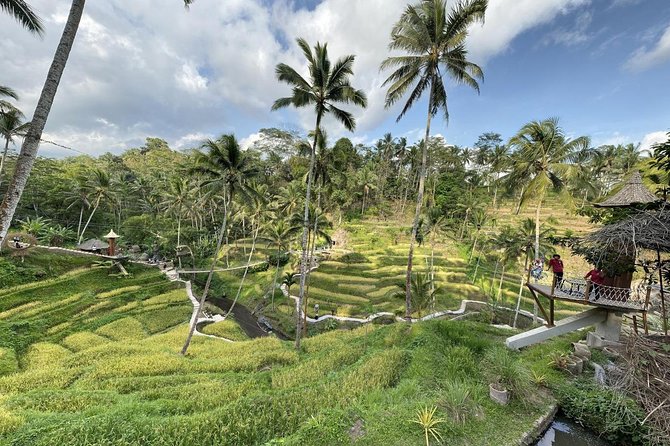
This tour includes walking through nature and rice-field areas, including soft, waterlogged ground in at least one portion of the experience. So plan like you’re doing a short hike, not just a museum visit.
Bring:
- Shoes with grip (you want traction on damp ground)
- Insect repellent, especially for the rice-field walk (one account strongly advised bringing plenty)
- A light layer if you run cold or want sun coverage
- Cash or a card in case you want to purchase extra coffee from the first stop
If you’re the type who hates “mud surprise,” you’ll still be fine, but don’t wear flimsy sandals. Your ankles will thank you.
Timing and How to Fit It Into a Ubud Day

With a 3:00 pm start and about 3 hours 30 minutes, you’ll wrap up later in the evening. That makes it a smart choice when you want a nature-based activity but don’t want to lose your whole afternoon.
A tip: don’t schedule anything too demanding right after. You’ll want time to shower off, swap out your outfit if you get damp, and then head to dinner. The tour is short, but you’re moving through outdoor areas.
Also, the provider notes that the experience requires good weather. If weather is poor, you’ll be offered a different date or a full refund. That matters here because rice-field conditions depend on rain and ground softness.
Who This Tour Suits Best
This is a strong fit if you:
- Want a short private experience in Ubud
- Like tasting things with context, not just sampling blindly
- Enjoy coffee and want to see hand processing, not just drink it
- Don’t mind a gentle trek as part of the deal
It’s less ideal if you:
- Have trouble with uneven, soft ground
- Can’t handle walking in rice-field areas
- Prefer completely flat, easy sightseeing only
If you’re in the second category, you can still ask the operator how they handle the rice-field portion for different mobility levels. You’ll want real guidance based on your comfort and footwork.
Should You Book This Coconut Wine and Coffee Safari?
If you’re trying to choose between another Ubud day of temples or another tasting that feels too staged, this one is worth serious consideration. You get two major things in one trip: coffee processing with careful explanation, then the coconut wine experience tied to tuak harvesting and a rice-field setting.
Booking makes the most sense if your schedule is tight and you want hotel pickup, a private guide, and enough tasting time to feel satisfied. The price is reasonable for the private setup and the admission-covered stop.
Just go in with your expectations lined up. You’re tasting. You’re walking. And the rice-field part can be muddy-soft. If that doesn’t scare you, you’ll likely come away with memories that feel genuinely Balinese—coffee craftsmanship one moment, coconut wine from the tree the next.
FAQ
What time does the tour start in Ubud?
The tour start time is listed as 3:00 pm.
How long is the coffee and coconut wine safari tour?
The duration is about 3 hours 30 minutes.
Is hotel pickup and drop-off included?
Yes. The tour includes hotel pickup and drop-off, so you do not have to find a meeting point.
What are the main stops on the itinerary?
Stop one is Uma Pakel Agro Tourism for about 2 hours of coffee and tea processing and tasting. Stop two is Bresela, a local rice-field bar area, for a coconut wine (tuak) experience for about 1 hour.
Are admission tickets included?
Admission ticket is included for stop one (Uma Pakel Agro Tourism). The stop two admission is listed as free (Bresela).
Do I need cash or can I just taste?
The tour includes tastings, but you may have the option to purchase extra items during the coffee stop. Having some payment method available is a smart idea.
Is this a private tour or shared group?
It’s a private tour/activity, meaning only your group will participate.
What should I wear or bring for the rice-field portion?
The coconut wine segment involves walking to the rice-field area, where the ground can be soft and waterlogged. Wear shoes with good grip and consider bringing insect repellent.
What is the cancellation policy if weather is bad?
You can cancel for a full refund up to 24 hours in advance. The experience requires good weather, and if canceled due to poor weather, you’ll be offered a different date or a full refund.