Six hours, two temples, one countryside bike story. You’ll pedal through rice paddies and small villages, then finish at Lingsar Temple with a local guide explaining what you’re seeing.
I especially like how the route mixes scenic cycling with hands-on culture: you stop for traditional jackfruit-based snacks, watch cowbells being made by artisans, and learn why Hindu and Muslim places of worship share the same area. The ride also gives you a real energy reset, with a break at Ranget Natural Spring and chances to taste local food along the way.
One thing to plan for: you’ll face a 15-minute uphill climb, and the day starts with a 7:30 AM hotel pickup, so it’s not a slow, lazy morning.
In This Review
- Key highlights to clock before you go
- Why this ride hits the right rhythm in West Lombok
- Price and what your $70 actually buys
- Pickup timing: the day starts early, then moves fast
- Morning village stops: jackfruit treats and cowbells you can hear
- The village food tasting stop
- The handicraft village and massive cowbells
- Suranadi Temple and the Hindu-Muslim unity you’ll actually see
- Rice paddies and river riding: why the views feel different after each stop
- Ranget Natural Spring: a quick cool-down that works
- The 15-minute uphill climb: how hard is it, really?
- Ending at Lingsar Temple: where the story lands
- Your guide and the kind of information you’ll want
- What to bring (so the day feels comfortable)
- Who this countryside bike ride is best for
- Should you book this ride?
- FAQ
- What time do they pick me up?
- How long is the bike ride?
- Is lunch included?
- What’s included in the price?
- What’s the biggest physical challenge?
- Do I visit Suranadi Temple and Lingsar Temple?
- Does this tour have a private group?
- What should I bring?
Key highlights to clock before you go
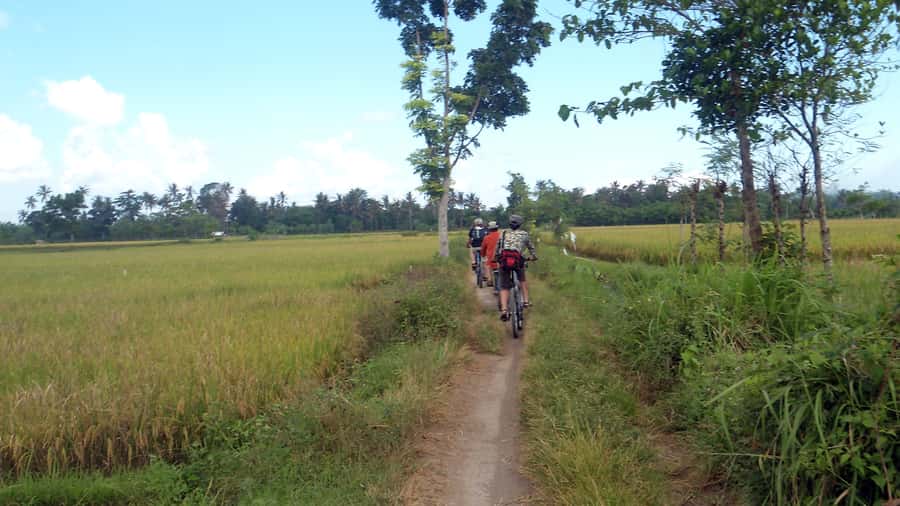
- Rice-terrace views for most of the ride in highly productive West Lombok farmland
- Suranadi Temple stop plus a guided visit to Lingsar Temple
- Food and local crafts: jackfruit treats, village tasting stop, and massive cowbell making
- Ranget Natural Spring break to cool off before the final ride leg
- A real climb: plan for the uphill grind, then enjoy the faster descents afterward
Why this ride hits the right rhythm in West Lombok
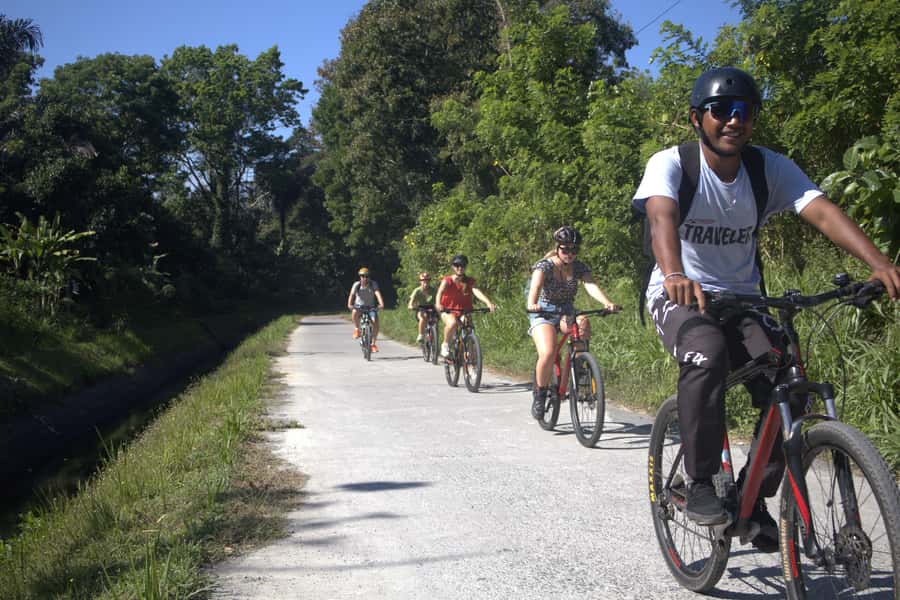
This countryside bike outing works because it doesn’t treat culture as a photo stop. You pedal from village to village, then you pause long enough to understand daily life—what people cook, what they make, and how religion shapes the community space.
The route is also built around variety. You get long stretches of rice paddies, then calmer river sections, then a tougher uphill push. That rhythm matters: it helps you avoid the “too much riding, not enough time to look” problem that some half-day tours have.
And yes, the temple ending is meaningful. Lingsar isn’t just a pretty finish. Your local guide walks you through the ancient grounds, so you’re not standing there guessing what matters and why.
You can also read our reviews of more tours and experiences in Lombok.
Price and what your $70 actually buys
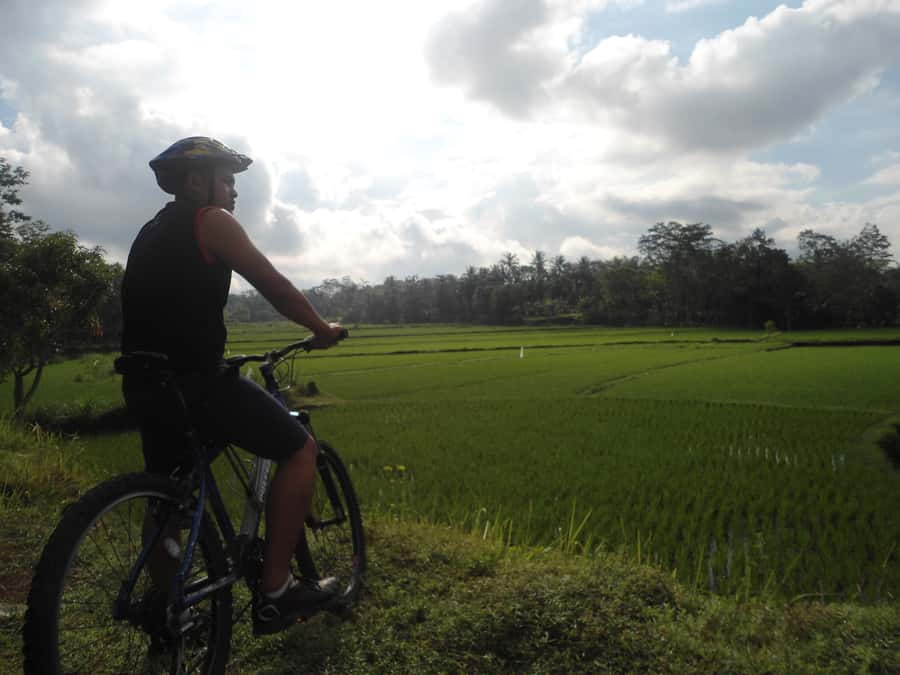
At about $70 per person for a 6-hour outing, you’re paying for more than a bike. Your ticket covers hotel pickup and drop-off (from Mataram or Senggigi areas), an English-speaking guide, bicycle gear, and mineral water.
What’s not included is lunch. The day has breaks where you’ll taste local dishes and have time for food, but you should budget extra for any meal you want to buy on the route. If you’re the type who hates decision-making when hungry, bring some cash planning in mind so you don’t scramble later.
Value-wise, this price makes sense if you want:
- countryside cycling (not city sightseeing)
- a guided temple visit
- cultural stops like traditional food and cowbell craftsmanship
If you’re only looking for one temple photo and a short ride, you might feel it’s more effort than you need.
Pickup timing: the day starts early, then moves fast
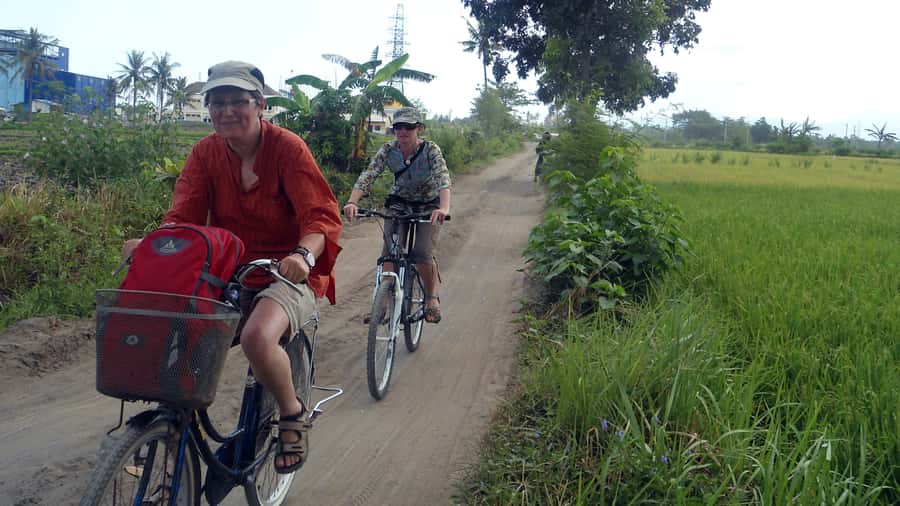
Expect pickup at 7:30 AM from your hotel in the Mataram or Senggigi area. After that, you drive about an hour to reach the starting point.
Once you’re on the bike, the timing flows as a chain of short “ride, stop, learn, ride” segments. That’s why the experience feels full. You’re not just moving forward—you’re stopping often enough to reset your eyes and energy.
Also, private group means you’re not stuck with a pace that doesn’t match yours. Still, it’s worth knowing the operator’s ability to adjust start times, since early arrivals can mean you’ll get back earlier than you expect.
Morning village stops: jackfruit treats and cowbells you can hear
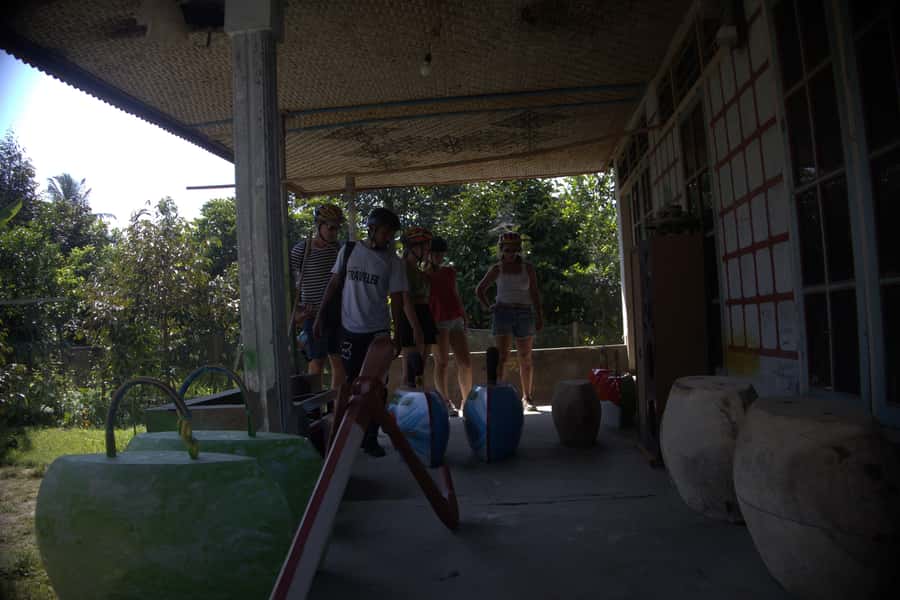
Before the bigger temple moments, the tour focuses on everyday Lombok culture.
The village food tasting stop
You’ll stop at a local village where you can try traditional foods made from jackfruit and other local delicacies. This is one of those stops that’s small in time but big in meaning. Jackfruit is common in Indonesian cooking because it’s versatile and filling, and tasting it on-site gives you context for what you’ll see later—food as part of a daily rhythm, not just a tourist add-on.
Tip: if you’re picky with texture or spice, take a moment before the first bite and ask what’s what. You’ll enjoy it more when you know what you’re tasting.
The handicraft village and massive cowbells
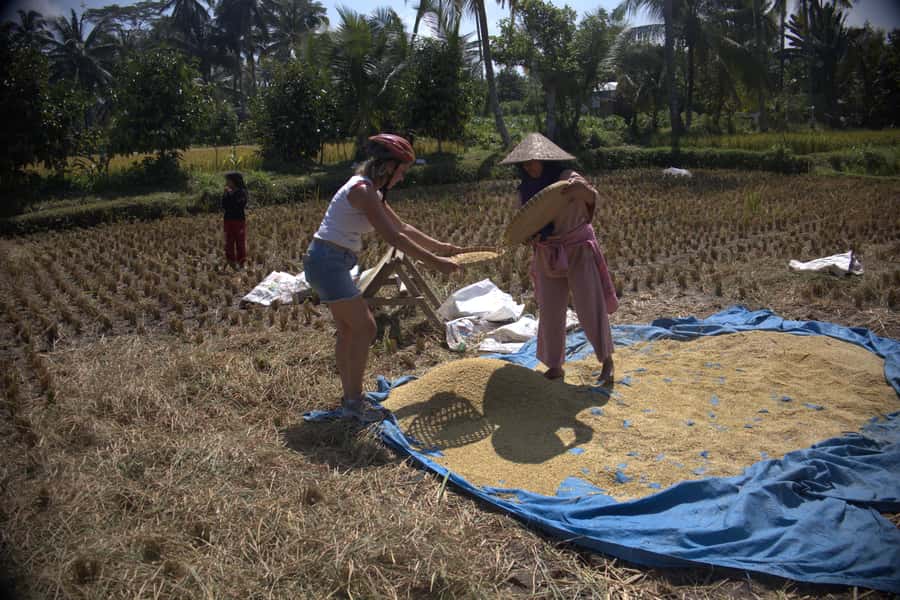
Next comes a handicraft village where you’ll see artisans making large cowbells used for traditional racing. Even if you’ve never heard of the practice, the craft itself is impressive. You get a close look at how local skills link to community events.
It’s also a good reminder that Lombok isn’t just rice fields and temples. People build traditions with tools, materials, and sound—those cowbells are part of that.
Suranadi Temple and the Hindu-Muslim unity you’ll actually see
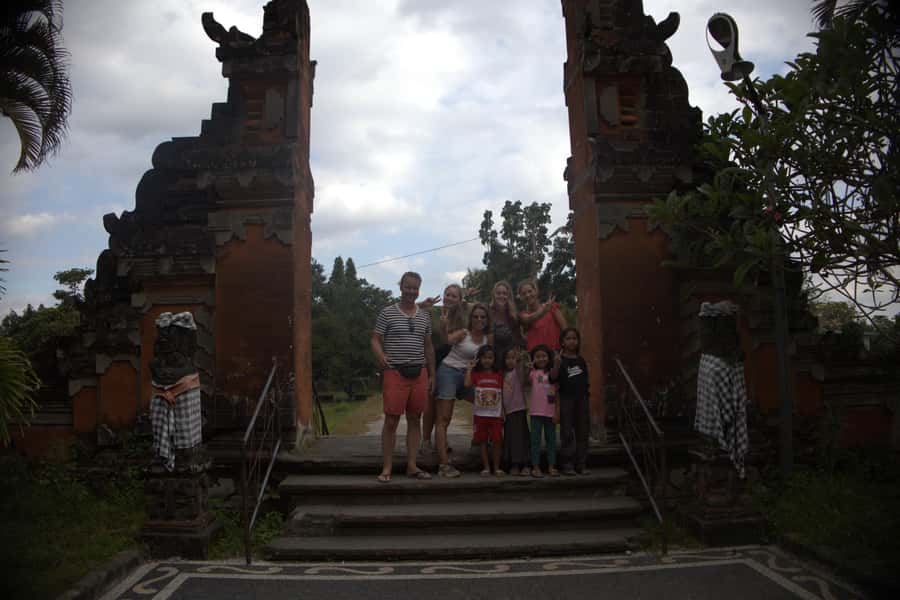
One of the most interesting cultural stops is Suranadi Temple. The tour also highlights a unique religious overlap in the same vicinity: a Hindu temple and a mosque coexisting in one area, a clear symbol of community unity and diversity.
This is where the tour becomes more than scenic. When you can stand in the same region where different faiths live side by side, you start to understand how tolerance and daily life blend here—not as a slogan, but as a physical reality.
Your guide helps connect the dots, so you’re not stuck reading signs alone. If you like explanations you can use later, this is a strong part of the day.
Rice paddies and river riding: why the views feel different after each stop
Once you’re past the first cultural stops, the cycling experience leans hard into scenery.
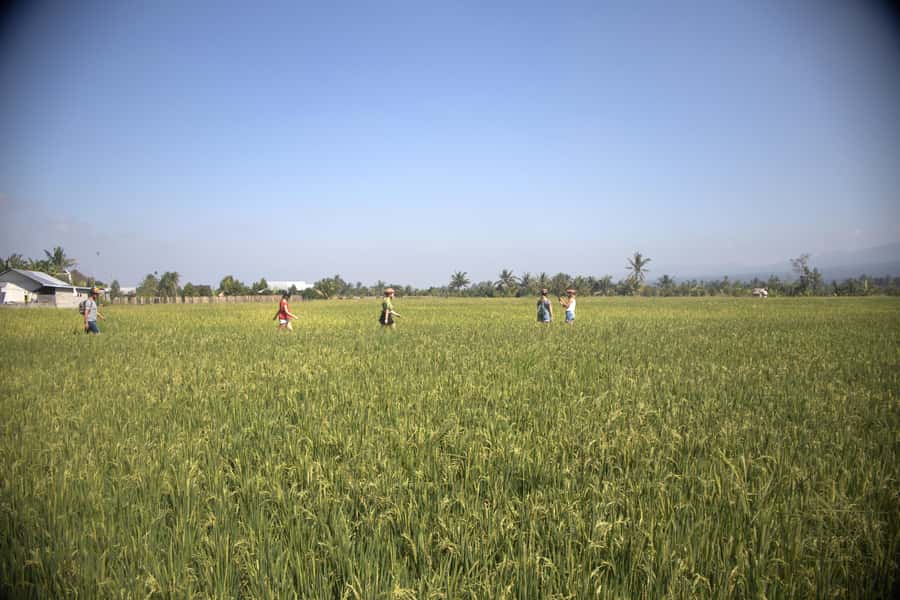
You’ll ride along charming stretches with rice fields lining parts of the route. The terrain is active, too. Expect flatter sections where you can settle into a steady cadence, and river-adjacent stretches that feel cooler and more shaded.
This part is ideal if you enjoy the “slow looking” style of travel—checking what grows, watching water move, noticing village layout, then getting back on the bike. It’s countryside travel with a purpose: movement that keeps you from overthinking and makes the day feel natural.
Ranget Natural Spring: a quick cool-down that works
At some point, you’ll reach Ranget Natural Spring, where you can refresh and cool off before the final ride segments.
This break matters for two reasons:
- It resets you for the last push of the day.
- It gives your eyes a break from constant rice-field focus.
You also get more fuel here. The schedule includes a time to enjoy local cuisine and recharge your energy. Since lunch isn’t included in the price, use this moment to decide what you want to pay for—snacks only, or a fuller meal—based on how your ride feels.
Practical note: keep your sunscreen and towel handy. Spring stops are great, but you’ll still be in the sun after.
The 15-minute uphill climb: how hard is it, really?
The ride includes a challenging 15-minute uphill climb, followed by descents onto a trail leading toward Praba Village and Endut Village.
How hard it feels will depend on your fitness and how much you push at the start. The good news is the climb is time-limited. The bad news is you can’t fully cheat it by coasting—gravity has the final say.
Here’s the mindset that makes this part enjoyable:
- treat it like an effort sprint, not an all-day punishment
- aim for steady breathing over speed
- save your energy for the descent, where you can enjoy the trail
On the downside, if you’re on the fence about cycling or you have knee issues, this is the segment that may be uncomfortable. The rest of the day includes scenic riding, but this uphill is the standout physical requirement.
Ending at Lingsar Temple: where the story lands
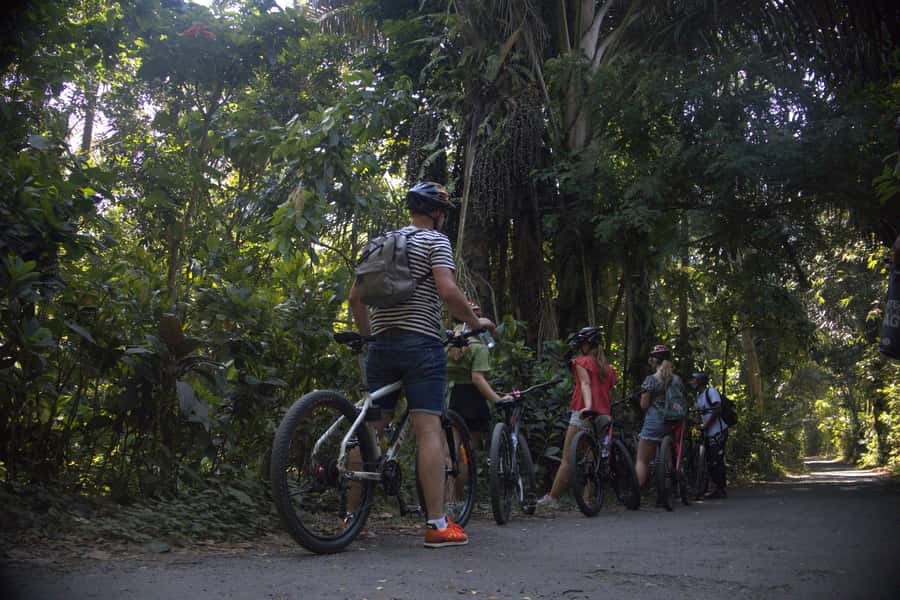
After riding through Praba Village and Endut Village, the tour concludes at Lingsar Temple. Once you arrive, a knowledgeable local guide leads an exploration of the ancient grounds.
This final stop is the payoff. If earlier moments taught you about crafts, food, and how religions share space, the temple visit ties that together into something you can visualize. You’re not just seeing structures—you’re learning what the grounds represent.
Plan to slow down here. It’s the kind of place where you’ll get more out of your guide’s explanations if you’re not rushing for the perfect angle.
Your guide and the kind of information you’ll want
A highlight from recent experiences is the way the guide builds connections during the ride. One guide named Musleh has been described as assembling routes through rice terraces, villages, and more jungle-like stretches, while also explaining Lombok customs and traditions in clear English.
That matters because countryside cycling can feel like scenery only—unless someone helps you read what you’re seeing. If you like learning while you move, this is one of the strongest reasons to book this specific tour.
What to bring (so the day feels comfortable)
The tour provides bicycle gear and mineral water, but you should bring your own comfort items. For this trip, pack:
- face towel
- sun cream
- mosquito repellent
- sunglasses
- some cash for tips
If you run warm easily, bring a lightweight layer you can use for shade breaks. Also, make sure your phone is protected from dust if you plan to take lots of photos.
Who this countryside bike ride is best for
You’ll likely enjoy this tour most if you:
- want active travel without committing to an all-day grind
- like rice terraces, villages, and temples more than shopping stops
- enjoy guided explanations while you’re walking around
- are comfortable with a short uphill challenge
It’s not the best fit if:
- you strongly dislike early mornings
- you can’t handle a 15-minute uphill effort
- you want a completely relaxed pace with no steep sections
Should you book this ride?
I’d book it if your idea of a great Lombok day is cycling through productive rice farmland, tasting local food like jackfruit treats, seeing how cowbell craft connects to tradition, and finishing with a guided Lingsar Temple visit.
Skip it if early pickup and uphill cycling will spoil your mood. For many people, that climb is the only part that feels like work—everything else is built to keep you looking, learning, and moving.
If you’re choosing between doing countryside on your own versus with a guide, this tour is worth it for the temple guidance and the added cultural stops you might not find easily.
FAQ
What time do they pick me up?
Pickup is at 7:30 AM from your hotel in the Mataram or Senggigi area.
How long is the bike ride?
The full experience is 6 hours.
Is lunch included?
No. Lunch is not included. There are food stops along the way, but you should expect to pay for your meal items.
What’s included in the price?
Included: hotel pick-up and drop-off, an English-speaking guide, bicycle gear, and mineral water.
What’s the biggest physical challenge?
There’s a 15-minute uphill climb before a descent on the next trail section.
Do I visit Suranadi Temple and Lingsar Temple?
Yes. The day includes a stop at Suranadi Temple, and the ride ends with a guided visit at Lingsar Temple.
Does this tour have a private group?
Yes. It’s a private group experience.
What should I bring?
Bring a face towel, sun cream, mosquito repellent, sunglasses, and some cash for tips.