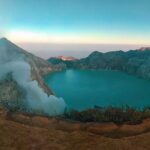
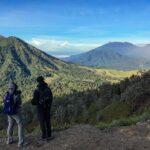
If you want volcanic drama on a tight clock, this two-day route delivers. I love that the whole plan is built around sunrise timing at both mountains, so you’re not just ticking boxes—you’re catching the moments that make Bromo and Ijen famous. I also like the small-group size (up to 10), which keeps the trek feel controlled even when things get dark, cold, and steep.
One consideration: you’ll trade comfort for speed. This is a serious amount of driving plus early starts, and Ijen requires a tougher night trek and good fitness.
In This Review
- What You Can Expect From the Bromo-to-Ijen Flow
- Key Highlights You’ll Actually Care About
- Why Bromo Sunrise and Ijen Blue Fire Pair So Well
- How Day 1 Starts: 00:15 Pickup and the Long Roll Toward Bromo
- Cemoro Lawang Viewpoints and the 4×4 Jeep Ride Up
- Bromo Caldera: Climb the Rim, See the Temple, Walk the Sea of Sand
- The 2–3 PM Reset in Bondowoso: Why This Rest Period Is Not Optional
- Day 2: The 00:15 AM Luggage Pickup and the Drive to Paltuding
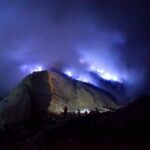
- Ijen at 02:00 AM: Blue Flames, the Crater Edge, and the Sunrise Window
- Sulfur Mining and the Turquoise Crater: What Makes Ijen Feel Real
- Blue Fire Reality Check: How to Think About the One Thing That’s Not Guaranteed
- Driving Time and Timing: The Cost of Doing Both Mountains
- Price and Value: What Your $197 Covers (and What You’ll Still Pay)
- Guide Support and the Small-Group Advantage
- What to Pack: Your Real Gear List for Cold Nights and Rocky Ground
- Who Should Book This Bromo and Ijen 2-Day Tour
- Should You Book? My Honest Call
- FAQ
- What time is the pickup for Day 1?
- How long does it take to drive from Malang/Surabaya to the Bromo area?
- Do I take a jeep at Mount Bromo?
- Is there a lot of walking at Mount Bromo?
- Where do you stay overnight?
- When does Day 2 start?
- Can I see the blue flames at Ijen?
- Does Ijen require a good fitness level?
- What is included in the price?
- What should I bring for this tour?
What You Can Expect From the Bromo-to-Ijen Flow
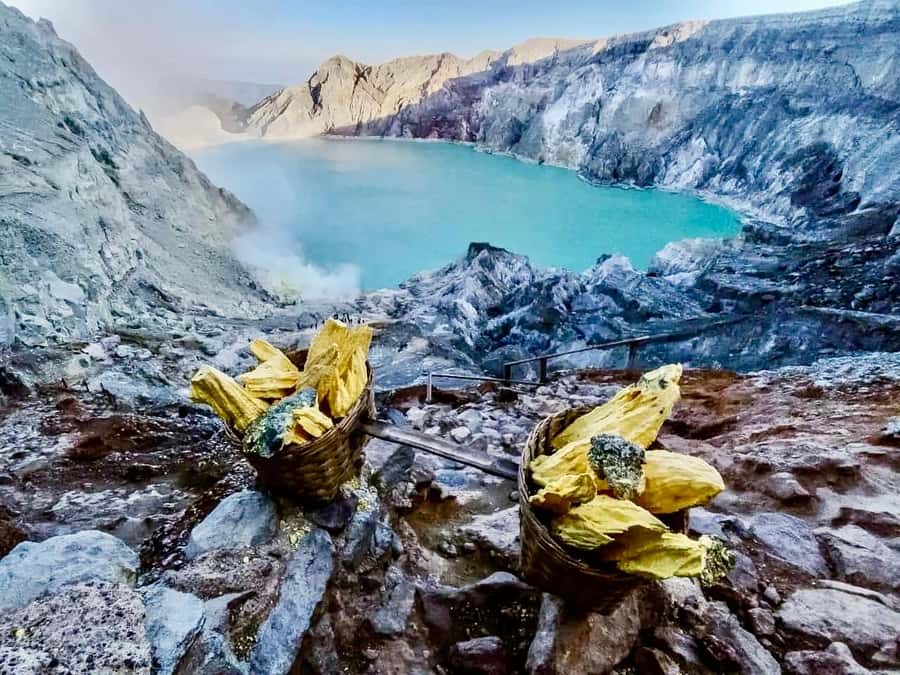
The rhythm is simple: midnight up to Bromo, a quick but real walk in the caldera, then rest, then midnight again for Ijen. When conditions allow, Ijen’s blue flames and the turquoise crater are the payoff, and Bromo’s Sea of Sand gives you the classic volcanic view package in return.
The main drawback is not the walking—it’s the uncertainty. Blue fire at Ijen depends on weather and volcanic conditions, so plan for the trek and scenery even if the flames don’t show.
Key Highlights You’ll Actually Care About
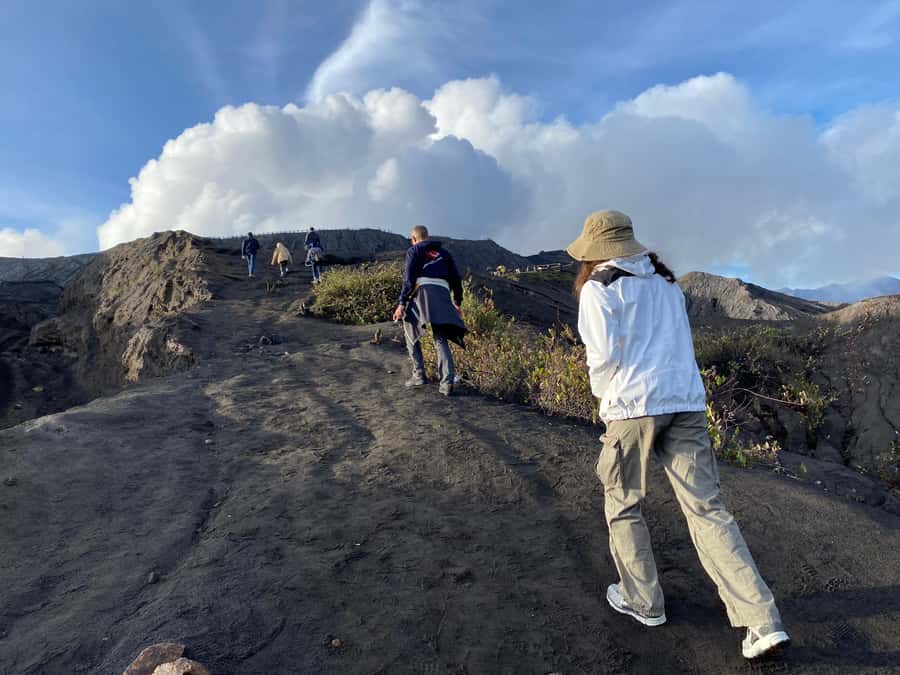
- Midnight departures so you reach Bromo and Ijen before the crowds and before light ruins the view
- 4×4 jeep ride at Bromo that limits the steep effort to the last stretch near the viewpoint
- Sea of Sand + Bromo temple inside the caldera, not just a quick look from the road
- Overnight rest plus midnight Ijen start, a smart pacing choice for a night hike
- Small group (max 10) with an English-speaking driver and local guide support
- Blue flames are conditional, but Ijen’s crater colors and mining area are still the real deal
You can also read our reviews of more tours and experiences in Banyuwangi.
Why Bromo Sunrise and Ijen Blue Fire Pair So Well
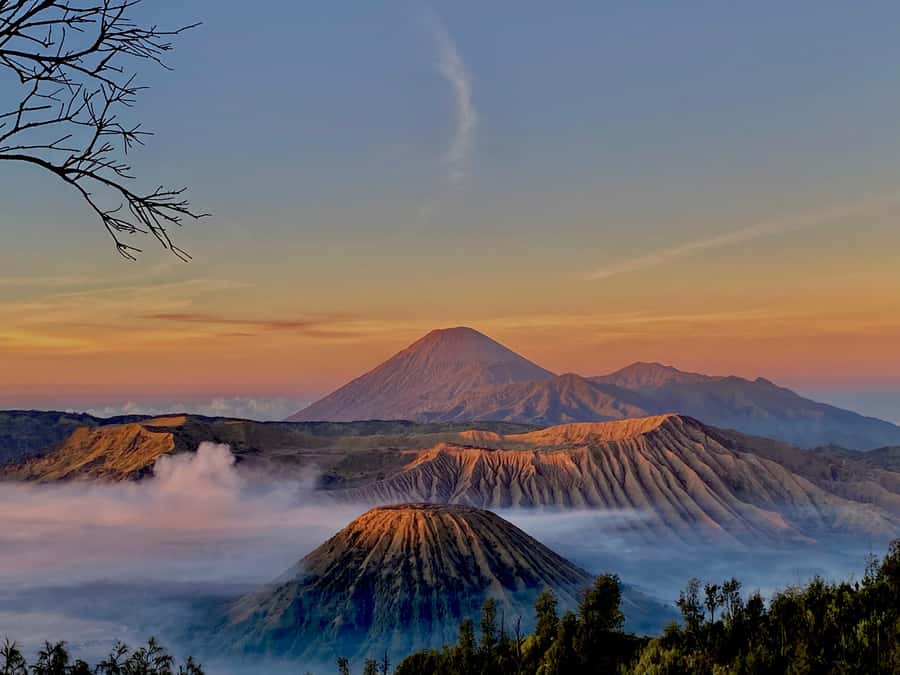
Bromo and Ijen are both volcanic, but they give you totally different experiences. Bromo is all about the dramatic morning show—black ash, sand, and a sky that slowly turns into something you want to photograph for the next three hours. Ijen is darker, heavier, and more intense: sulfur mining, a steep crater walk, and the famous blue fire if conditions cooperate.
This tour makes sense because it links the two moods without wasting days. You’ll do Bromo first with the sunrise focus, then you shift into overnight mode so you can realistically reach Ijen at night with enough energy to descend and climb as needed.
How Day 1 Starts: 00:15 Pickup and the Long Roll Toward Bromo
The day begins at 00:15 AM with hotel pickup in Malang or Surabaya city. From there, you drive roughly 3 hours toward the Cemoro Lawang area (near Probolinggo), where you’ll get into position for Bromo before the first real wave of light.
This is the part where you’ll feel the trade-off. You’re going to be tired. But the payoff is you get Bromo’s viewpoint when the air is cold and the sky is still doing its early-morning magic.
Cemoro Lawang Viewpoints and the 4×4 Jeep Ride Up
Once you’re in the Bromo zone, the plan is built around a 4×4 jeep ride. That matters because it trims the effort and concentrates it where it counts: the short walk to the viewing areas and into the caldera.
You’ll be climbing in the dark with a cold start (temps can run about 11–15°C), so wear layers. You’ll likely feel freezing while waiting, then warmer once you’re moving. Bring warm clothing and expect wind.
Bromo Caldera: Climb the Rim, See the Temple, Walk the Sea of Sand
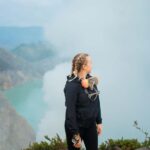
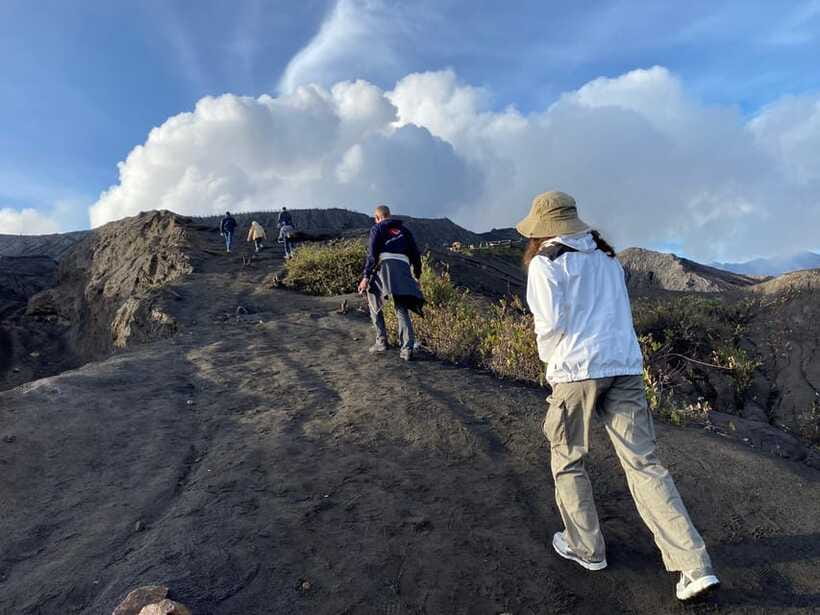
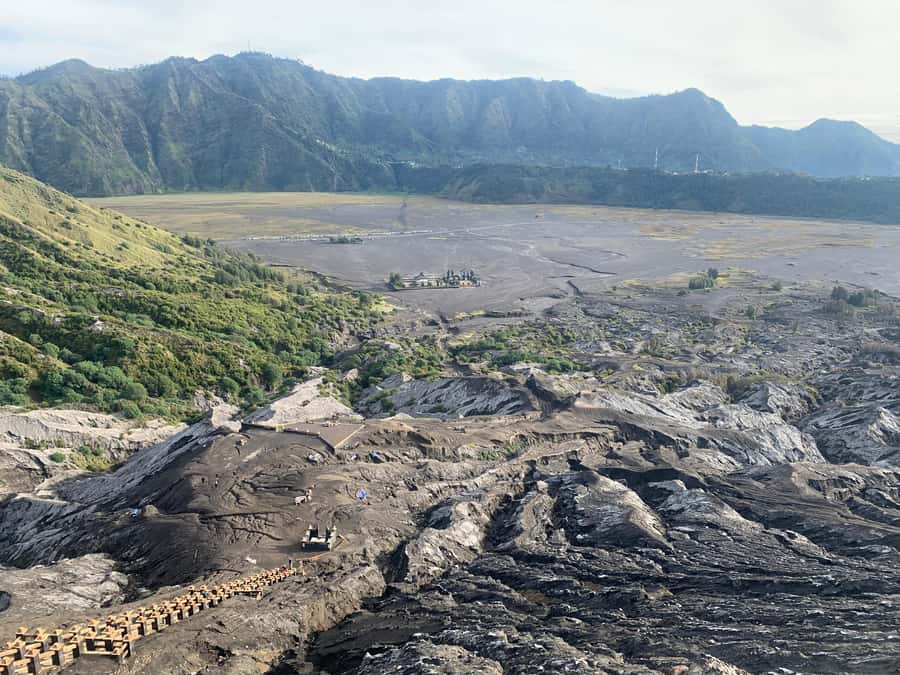
Bromo’s caldera is where the tour earns its keep. You’ll climb up from the viewpoint area into the caldera, then move through the volcanic terrain that makes Bromo feel otherworldly.
Here’s what you’ll experience in practical terms:
- Bromo caldera climb (not just a photo stop)
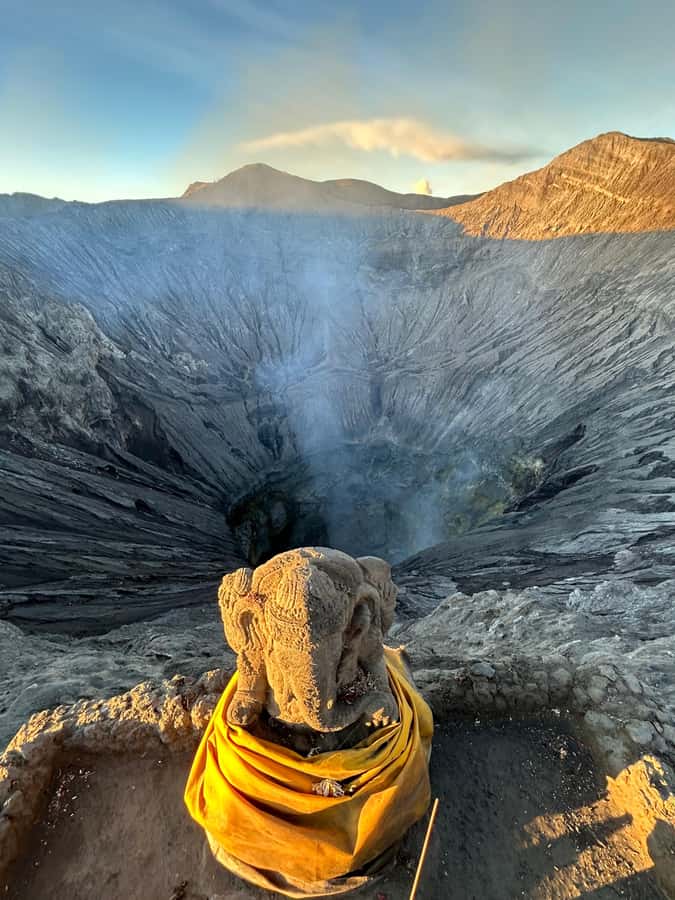
- A Hindu temple inside the area that’s part of the Bromo experience and adds meaning beyond the geology
- The Sea of Sand, where the ground looks like desert but the atmosphere stays volcanic and dramatic
A key detail: Bromo is often much easier than Ijen. One strong reason this tour feels manageable is that Bromo’s hardest part is timing and cold, not nonstop climbing. You still need comfortable shoes, but the route is structured so you’re not doing a marathon.
The 2–3 PM Reset in Bondowoso: Why This Rest Period Is Not Optional
After Bromo, you’ll head toward Bondowoso (about 4–5 hours driving). Then you get leisure time at the hotel around 02:00 or 03:00 PM so you can sleep before the Ijen night.
This rest is one of the smartest parts of the plan. Ijen is steep and dark; going into it rested makes a huge difference in how you handle footing and pace.
So yes, you’ll lose part of your afternoon. But you’re buying back safety and stamina for the crater trek.
Day 2: The 00:15 AM Luggage Pickup and the Drive to Paltuding
Day 2 starts again at 00:15 AM, this time with you bringing all your luggage/bag. You’ll drive about 2 hours to Paltuding, the common staging area for the Ijen crater approach.
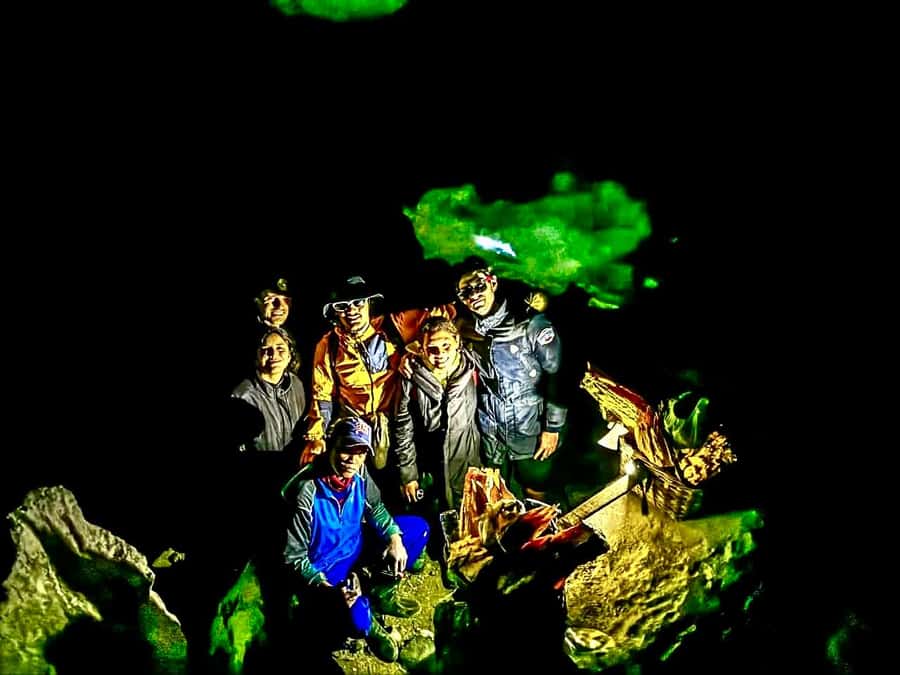
Then at around 02:00 AM, you start the hike. This timing is important: it’s dark enough for the classic crater experience, and early enough to catch sunrise from inside the crater region—again, depending on conditions.
Ijen at 02:00 AM: Blue Flames, the Crater Edge, and the Sunrise Window
This is the part most people remember. You’ll hike toward the crater’s edge, then you’re in position for two big moments:
1) the crater panoramas as light begins to rise
2) blue flames (only if weather and volcanic activity allow)
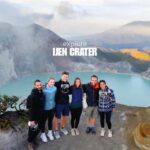
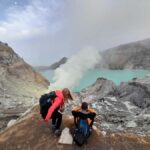
Even if the blue fire doesn’t show, the Ijen crater scene is still the main event. You’re heading into a working volcanic environment where sulfur mining happens in real time, and the crater colors can be startling.
Sulfur Mining and the Turquoise Crater: What Makes Ijen Feel Real
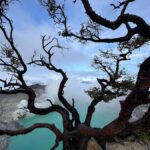
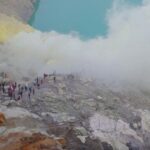
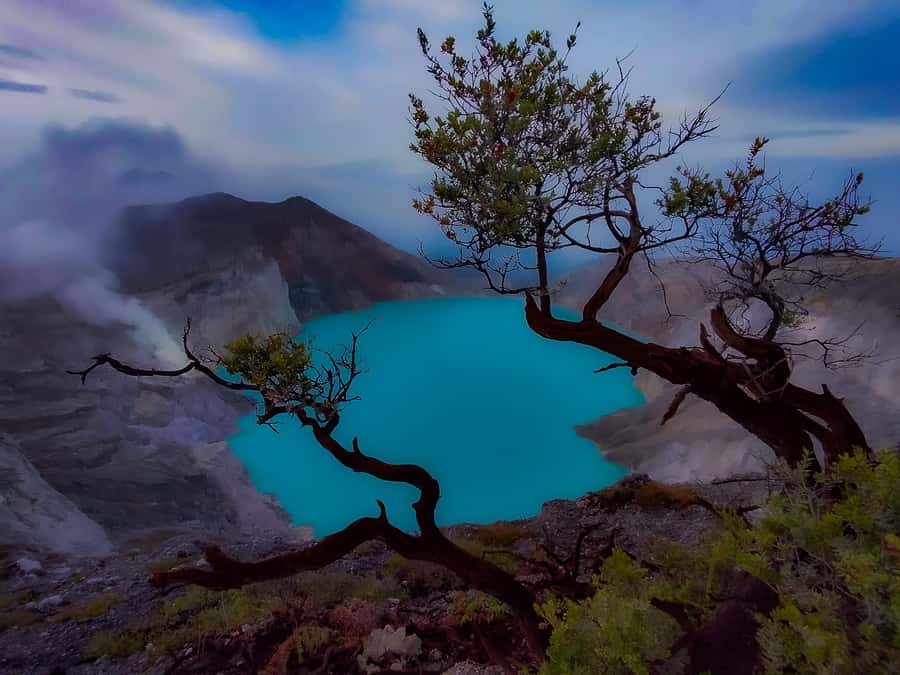
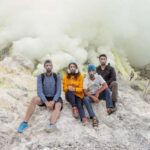
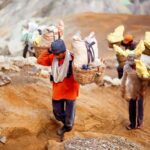
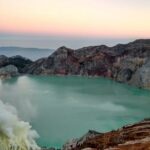
One reason Ijen hits harder than Bromo is that it’s not just scenery. You’ll see sulfur mining activities as part of the experience, and you’ll also get to the famous turquoise lake area in the crater.
This is not a gentle stroll. The trek is described as moderate-to-challenging, with steep and repeated sections and rocky footing. Because it’s at night, bring extra attention to your step and expect uneven ground.
If you have low fitness—or any heart issues—this is not the tour to force. The program itself flags that it’s not suitable for people with heart problems and for those with low fitness.
Blue Fire Reality Check: How to Think About the One Thing That’s Not Guaranteed
The blue fire is the headline, but it shouldn’t be the only reason you book. The tour is explicit that blue flames are subject to conditions, so I’d treat it like a bonus rather than a promise.
That mindset helps you enjoy the trek itself: the darkness, the crater descent, the mining scene, and the first light breaking over the volcanic area. You’ll still come away with photos and a memory that feels very “I was there,” not “I passed by.”
Driving Time and Timing: The Cost of Doing Both Mountains
If you’re the type who hates bus rides, this is where you’ll feel it. The program requires significant driving between locations: roughly 3 hours to the Bromo staging area, then another 4–5 hours afterward, then 2 hours back to Paltuding for Ijen.
It’s worth thinking of this tour as a mobility package, not a slow travel experience. You’re paying for access and timing—especially sunrise—so you can see both mountains without adding extra days.
Price and Value: What Your $197 Covers (and What You’ll Still Pay)
At $197 per person for 2 days, this isn’t a cheap casual outing. But the price includes a lot of what usually adds up in Java volcano trips:
- Pick up and drop off
- An air-conditioned vehicle
- Breakfast (not lunch or dinner)
- Mount Bromo National park entry fees and Mount Ijen National park entry fees
- 4×4 jeep at Bromo
- Toll/fuel/parking/donations
- 1 night accommodation
- English-speaking driver plus a local guide
- If you add it on: ferry ticket and Bali hotel transfer or Surabaya transfer
What’s not included is what you’ll probably want to budget for: lunch and dinner, plus personal expenses. You’ll also want to plan for any gear you’re missing (warm layers, good shoes), because those matter more than souvenirs.
In value terms: you’re paying for early access, transport, guides, and the jeep. If you can tolerate long days and early mornings, it’s a solid deal.
Guide Support and the Small-Group Advantage
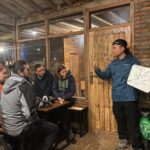
This tour runs as a small group (limited to 10 participants). That makes a practical difference at the crater treks: you’re not getting lost in a huge crowd, and the pace is easier to manage.
You’ll also work with an English, Indonesian, Malay team (English-speaking driver, plus local guidance). In the people side, guides have been praised for being attentive and helpful—names that have come up include Chris around Bromo and Pull Pull around Ijen, plus others like Akram, Fifi, DiDi, Jam, and Medy.
Even without chasing personality, what you want is competence and presence. This tour’s structure seems geared toward that: guides stay on the group, and you get support for the steep, rocky parts of Ijen.
What to Pack: Your Real Gear List for Cold Nights and Rocky Ground
The tour’s packing advice is basic, but it’s correct. Bring:
- Comfortable shoes with grip (trekking-style helps on rock)
- Warm clothing and a jacket
- Long pants
- Camera
- Layers, because it’s cold up top, then changes as you move
One practical tip: even though you’ll be busy, don’t underpack warmth. Multiple parts of the day are early, and temperatures can sit in that 11–15°C range around sunrise.
Who Should Book This Bromo and Ijen 2-Day Tour
This is a good fit if:
- you want both Bromo sunrise and Ijen blue flames in a tight timeline
- you’re okay with midnight starts and lots of driving
- you’re comfortable on uneven, steep terrain—especially at Ijen
- you like guided structure that handles entry fees, transport, and timing
It’s not a great fit if:
- you have heart problems
- you have low fitness or you know you struggle with steep night walking
If you’re middle-of-the-road fitness, you can still do it. The key is pacing yourself and taking footwear seriously.
Should You Book? My Honest Call
Yes, you should consider booking if your top priority is seeing Bromo and Ijen back-to-back without adding extra travel days. The combination of jeep help at Bromo, a planned rest break, and a focused Ijen midnight trek is built to maximize results.
Book if you accept two realities: you’ll drive a lot, and blue fire is not guaranteed. If those points are fine with you, this tour offers strong value because so much is included—transport, entry fees, accommodation, guide time, and even ferry transfer options.
Also, if your plans are changeable, the tour offers flexibility like free cancellation up to 24 hours in advance and a reserve-and-pay-later option. That lowers risk when you’re dealing with weather-dependent volcano sights.
FAQ
What time is the pickup for Day 1?
Pickup starts at 00:15 AM from your hotel or accommodation in Malang or Surabaya city.
How long does it take to drive from Malang/Surabaya to the Bromo area?
The drive to around Cemoro Lawang village near Probolinggo is about 3 hours.
Do I take a jeep at Mount Bromo?
Yes. You’ll use a 4×4 jeep to reach the Bromo viewpoint area.
Is there a lot of walking at Mount Bromo?
You will climb the caldera and explore the Bromo area, but the route is structured so you reach the viewpoint by jeep and then do a more limited walking portion.
Where do you stay overnight?
You stay 1 night during the tour. After Bromo, you’ll drive to the Bondowoso area and have leisure time at the hotel.
When does Day 2 start?
Day 2 starts at 00:15 AM for pickup with luggage, then you drive to Paltuding. The hike begins at around 02:00 AM.
Can I see the blue flames at Ijen?
The blue flame viewing depends on weather and volcanic activity conditions, so it is not guaranteed.
Does Ijen require a good fitness level?
The treks require a moderate fitness level, and the tour is not suitable for people with low fitness or heart problems.
What is included in the price?
The tour includes pickup and drop off, air-conditioned vehicle, breakfast, entry fees for both parks, the Bromo jeep, toll/fuel/parking/donations, 1 night accommodation, and an English-speaking driver and local guide. Ferry ticket and Bali/Surabaya transfers are included if you add the selected option.
What should I bring for this tour?
Bring comfortable shoes, warm clothing and a jacket, long pants, and a camera. The tour advises warm layers because temperatures can be low early in the morning.