Dinner starts before the first chopping. This Ubud evening turns cooking into culture, with a visit to a Balinese house, a farm stop for spice harvesting, and lessons from Ron at Lesung Bali. I like the pickup and drop-off in the Ubud area, and I love that you use fresh ingredients you help gather. One thing to consider: it’s about 5 hours, so wear comfy shoes and plan a quiet night after.
If you’re a couple (or just food-nerdy friends), this is a smart way to eat like locals instead of only ordering off a menu. You’ll cook traditional dishes such as banana-leaf steamed fish, chicken meatball soup, and palm-sugar crepes with grated coconut, then end with a candlelit romantic dinner.
In This Review
- Key Highlights That Matter
- Ubud Evening Cooking With a Romantic Dinner: How the Day Flows
- Getting Picked Up on the West Side of Ubud (and Why It Helps)
- The Balinese House and Garden Stop: What You Learn Before You Cook
- Spice Harvesting at the Farm: The Moment That Changes Everything
- Ron’s Cooking Class: Techniques, Tools, and Real Skill
- Menu options: regular or vegetarian
- What You’ll Cook: Banana-Leaf Fish, Meatball Soup, and Palm-Sugar Crepes
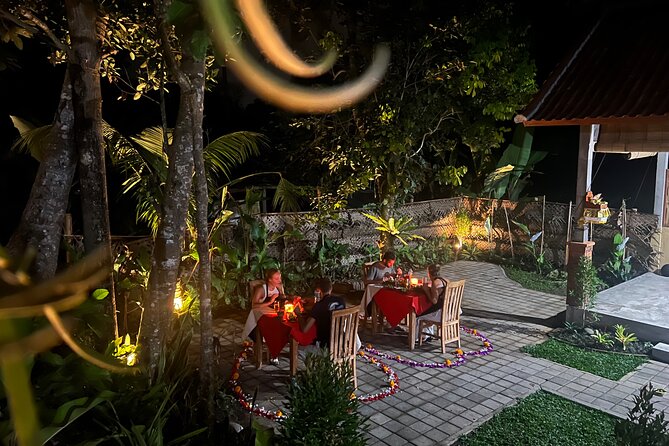
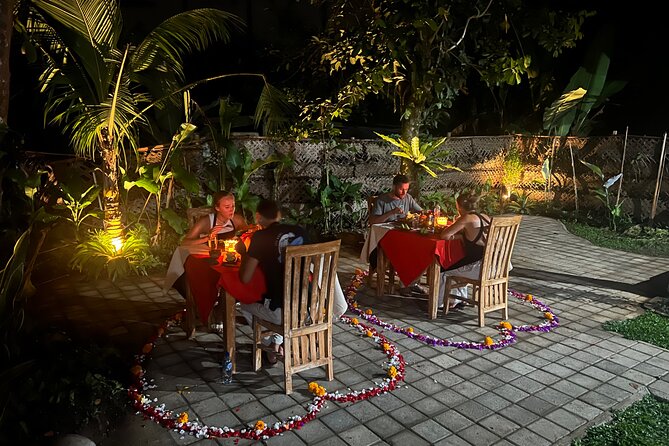
- The Candlelit Romantic Dinner: Eating the Results (and Actually Relaxing)
- Price and Value: Is $45.82 Fair for Ubud Cooking?
- Who This Ubud Class Is Best For (and Who Might Skip It)
- Should You Book Lesung Bali’s Evening Cooking Class?
- FAQ
- How long is the evening cooking class?
- Is hotel pickup included?
- Can I choose a vegetarian menu?
- What dishes will I learn to cook?
- What’s included with the candlelit dinner?
- What happens if the tour can’t run due to weather or cancellation?
Key Highlights That Matter
- Hotel pickup in Ubud area means less hassle and no scooter stress
- Small group (max 15) keeps the cooking instruction practical, not chaotic
- Farm-to-table spices: you’ll harvest what you’ll cook with
- Balinese techniques like pounding spices using the lesung mortar and pestle
- Menu choices include vegetarian or regular options
- Romantic candlelit dinner with welcome snacks and a bottle of beer
Ubud Evening Cooking With a Romantic Dinner: How the Day Flows
This experience is built like a proper Balinese night out: first you learn, then you cook, then you sit down and actually enjoy the meal you made. The format matters. Instead of one “look, then cook” moment, you get time at the house and garden, then a farm walk, then hands-on cooking, then dinner by candlelight.
You should expect a steady pace for around five hours. There’s enough going on to stay interesting, but it’s not a rushed food sprint. Because it runs in the evening, it also tends to feel like a special plan, not just another daytime activity you tack on at the end.
You can also read our reviews of more tours and experiences in Ubud.



Getting Picked Up on the West Side of Ubud (and Why It Helps)
The class is based on the west side of Ubud, an area with more greenery and a countryside feel than the busiest parts of town. If you’re staying in central Ubud, having pickup and drop-off within the Ubud area is a real time-saver. You avoid figuring out transport and you can show up ready to cook.
There’s also a practical downside to know: pickup isn’t stated for outside the Ubud area. If you’re in places like Nusa Dua or Jimbaran, extra transport is listed. So if you’re not in Ubud proper, check whether your hotel is covered before you assume everything is included.
On the drive, you’ll likely get a relaxed buffer. That matters because cooking workshops work best when you’re not stressed about being late.
The Balinese House and Garden Stop: What You Learn Before You Cook
Before the farm, you’ll visit a local Balinese house and garden. This isn’t just a quick photo stop. You’re shown how people arrange the building and how daily life connects to the yard and its spaces.
Why this matters for your cooking class: Balinese food isn’t only about ingredients. It’s about routine, respect for materials, and knowing how things fit together—spices, herbs, and the way meals are prepared for family and community. Seeing the home setting first gives context to the cooking later, especially when you learn why certain flavors are treated as essential.
If you like your travel experiences to explain the culture instead of just feeding you, this part is a strong match. It also helps break the evening into two clear chapters: learn the setting, then learn the food.
Spice Harvesting at the Farm: The Moment That Changes Everything
After the house visit, you head to the farm area where your menu is selected. Then comes the fun part: exploring the farm and harvesting the spices you’ll use in class.
This is one of the most valuable parts of the evening, even if you’re not a hardcore food person. When you pick ingredients yourself, you start noticing flavors differently while you cook. And since many Balinese dishes depend on spice blends, it’s easier to understand what’s going where when you’ve seen the plants firsthand.
Also, the farm setting helps you understand what “fresh ingredients” means in practice. You’re not cooking with mystery jars. You’re learning with real herbs and spices that you can visually track from field to dish.
Practical tip: bring a phone you’re okay with getting a little dusty. It’s a farm. Expect earthy conditions.
Ron’s Cooking Class: Techniques, Tools, and Real Skill
The cooking instruction is led by a Balinese chef associated with Lesung Bali, and Ron is specifically mentioned in feedback as the host/instructor and owner. He’s described as friendly and funny, and that matters more than you’d think in a cooking class. When the teacher keeps things light, you’ll actually pay attention to the hands-on steps.
The class centers on techniques. One big example: learning how to chop and pound spices using a lesung (mortar and pestle). That’s not just a showy tool. It’s a core technique in Balinese cooking because it helps break down spices into a more integrated paste.
You’ll also get guidance on how to cook based on your menu choice. The instruction includes what ingredients you’ll use and what the dish needs, rather than tossing you into a “good luck” kitchen setup. For me, that’s what separates a real class from a simple cooking demo.






Menu options: regular or vegetarian
You can choose vegetarian or regular menus during the session. That’s a meaningful detail if you’re traveling with different dietary preferences. It also keeps the evening feeling tailored rather than one fixed menu for everyone.
Just note: the menu items named below are examples from the experience description. Your exact set of dishes depends on how the menu is decided for your group that evening.
What You’ll Cook: Banana-Leaf Fish, Meatball Soup, and Palm-Sugar Crepes
This is where the evening earns its keep. You’ll learn multiple dishes in one session, which gives you both variety and a fuller picture of Balinese home cooking.
Here are standout dishes that are specifically mentioned:
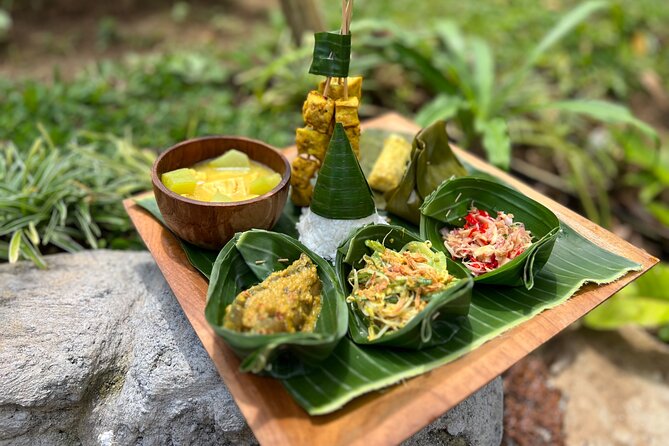
- Steamed fish wrapped with banana leaf: you learn how aromatics and spices work in a sealed, gentle steam setting. Banana leaf helps flavor the fish while keeping it tender.
- Chicken meatball soup: a comfort-style dish that shows how Balinese seasoning carries through in a broth-based format.
- Crepes with palm sugar and grated coconut: sweet, fragrant, and a good reminder that Balinese meals aren’t only savory.
You might also cook other dishes beyond these examples, but the pattern stays the same: you’ll get a mix of savory and sweet, with techniques that reuse spice logic across dishes.
Why this matters: multi-dish classes are more satisfying. You don’t just leave with one recipe. You leave with a set of flavor instincts—how spice blends behave, how freshness changes taste, and how cooking methods shift the final result.
One more small point: if you’re doing this as a couple, you’ll feel the “teamwork” naturally. One person handles chopping; the other manages stirring or wrapping. That makes the meal feel earned, not purchased.
The Candlelit Romantic Dinner: Eating the Results (and Actually Relaxing)
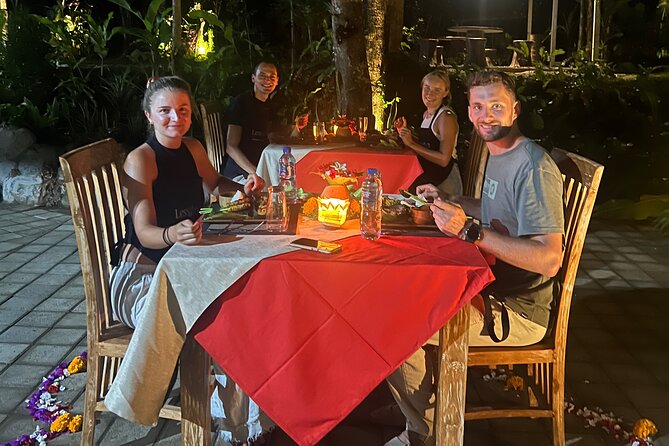
After cooking, you sit down to dinner served candlelight style. This is the romantic payoff, but it also has a practical function: it gives the group time to eat comfortably after the work in the kitchen.
The dinner experience includes:
- candlelight dinner setup
- mineral water
- welcome drink and snacks
- and a bottle of beer
You may not need beer to enjoy a Balinese meal, but it’s a nice included detail if you’re unwinding after a long day of exploring. It can also help set the tone for the evening, especially on a date night.
Also, because you’re eating what you cooked, the dinner feels grounded. You know what each ingredient should taste like, and you can compare results to what you did step-by-step. That’s a simple reason these classes tend to stick in your memory.
What about photos? Photos are not included as a packaged service. So rely on your own camera or phone if you want the moment recorded.
Price and Value: Is $45.82 Fair for Ubud Cooking?
At $45.82 per person, this class can be good value if you look at what’s included. You’re paying for more than a meal. You get transportation via private car within the Ubud area, hands-on cooking instruction, farm spice harvesting, and the candlelit dinner with drinks and snacks.
Compare it to a typical evening out: a dinner plus a paid activity often costs similar amounts, and you still wouldn’t get the instruction on how to make dishes like banana-leaf steamed fish or spice-pounded blends.
Two value checks you should do:
- Are you staying in Ubud? Pickup/drop-off is included there. Outside Ubud, extra transport costs are listed.
- Is your group size small enough for attention? The experience caps at 15 travelers, which helps keep the class from turning into a long wait.
If you want a date-night plan that feels like a memory instead of another meal, this price looks more reasonable than it first appears.
Who This Ubud Class Is Best For (and Who Might Skip It)
This is a great fit for:
- couples who want a romantic dinner tied to a hands-on activity
- people who like learning why cooking works, not only what to order
- travelers who want Balinese flavor and culture in one evening without planning multiple stops separately
You might want to think twice if:
- you hate cooking with your hands (you’re doing real prep)
- you need a very flexible schedule, since the experience runs about five hours
- you’re staying far outside Ubud and would pay extra for transport
It also works well if you’re the type who enjoys meeting local instructors. Ron’s described as humorous and welcoming, which tends to make the whole experience feel friendly rather than stiff.
Should You Book Lesung Bali’s Evening Cooking Class?
I’d book it if you’re in Ubud and you want a plan that connects culture, ingredients, and dinner—without feeling like you’re doing “tourist cooking.” The spice harvesting, the lesung technique, and the fact that you end with a true candlelit meal are the core reasons this stands up as a solid use of your evening.
If your schedule is tight, don’t overthink it: count the time for the full five hours, bring comfy shoes, and eat lightly beforehand. And if you’re not based in the Ubud area, verify transport coverage early so you don’t get surprised by added costs.
FAQ
How long is the evening cooking class?
It runs for about 5 hours.
Is hotel pickup included?
Yes, pickup and drop-off are included for hotels in the Ubud area.
Can I choose a vegetarian menu?
Yes. You can choose between vegetarian or regular menus during the class.
What dishes will I learn to cook?
The experience includes traditional Balinese dishes such as steamed fish wrapped with a banana leaf, chicken meatball soup, and crepes with palm sugar and grated coconut, plus other menu items depending on your selection.
What’s included with the candlelit dinner?
Candlelight dinner is included, along with mineral water, a welcome drink and snacks, and a bottle of beer.
What happens if the tour can’t run due to weather or cancellation?
The experience requires good weather. If it’s canceled due to poor weather, you’ll be offered a different date or a full refund. You can also cancel for a full refund up to 24 hours in advance; within 24 hours there’s no refund.