Wood shavings can teach fast. This Ubud-area workshop lets you learn wood carving in Desa Keliki and create a Bali sculpture you’ll actually want to keep. You’re guided by master carvers in a traditional studio, and it’s framed as more than craft.
What I like most is the focus on hands-on guidance and the fact that you’ll finish with a take-home piece shaped by what you learn. One thing to consider: the work is physical and likely involves sitting and close-up carving, so it’s not a good match if you have mobility impairments (and it’s not suitable for pregnancy).
In This Review
- Key Highlights You’ll Care About
- Wood Carving Near Ubud That Feels Like Culture, Not a Souvenir Line
- Desa Keliki Location: Easy from Ubud, Different from the Main Streets
- What Happens in the Workshop (And What You’ll Actually Learn)
- The Spiritual Side: Why This Isn’t Only About Cutting Wood
- Your Bali Sculpture: Turning Guidance into Something You Can Keep
- Who Teaches and How the Session Feels (English-Friendly and Patient)
- Price and Value: Why $26 for 3 Hours Can Make Sense
- Getting There and Handling Your Day (No Hotel Pickup Included)
- What to Bring (So Your Carving Day Feels Smooth)
- Who This Workshop Is Best For
- Tips to Get More From Your 3 Hours
- Should You Book This Ubud Wood Carving Experience?
- FAQ
- How long is the Ubud wood carving experience?
- What does it cost per person?
- Where is it located compared with central Ubud?
- What is included in the workshop price?
- Is hotel pickup and drop-off included?
- What language are the instructors?
- What should I bring, and is it suitable for everyone?
Key Highlights You’ll Care About
- Master carvers teach the techniques in a traditional studio setting
- Spiritual, nature-based meaning behind the practice of carving
- You create your own wooden sculpture to take home
- English instruction makes it easy to follow along step-by-step
- Refreshments and a snack included during the 3-hour session
- Small-friction flexibility for some knee/comfort needs, based on real experiences from past participants
Wood Carving Near Ubud That Feels Like Culture, Not a Souvenir Line
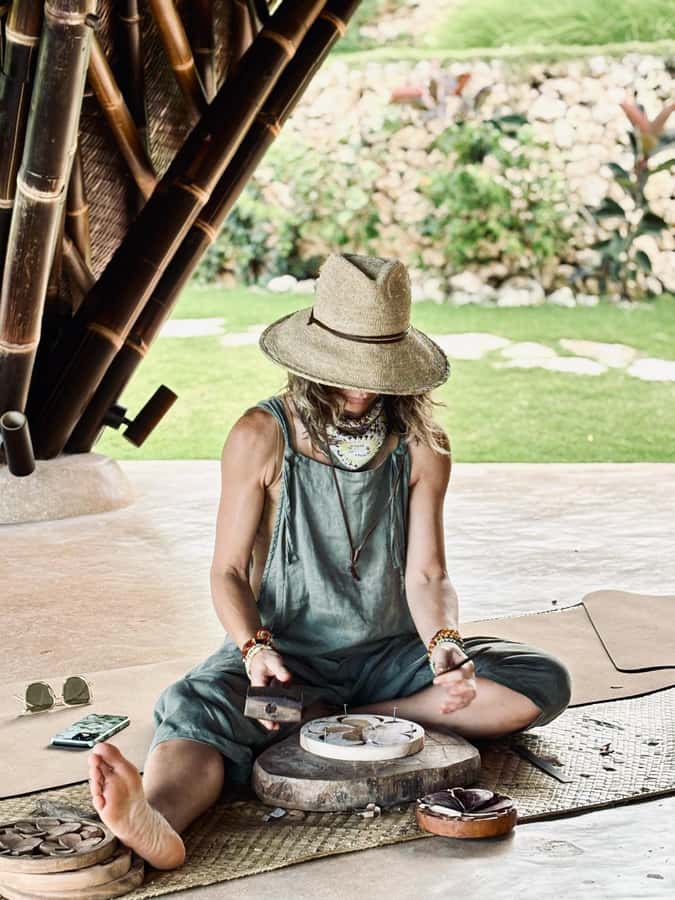
This is the kind of activity that gives you something more personal than a shop purchase. In Desa Keliki—about a 15-minute drive from the center of Ubud—you step into a working carving space where the craft is taught, not performed for you. You’re learning a skill while also being shown how Balinese carving connects to nature and local values.
I also like that it’s not “art class, but generic.” The workshop treats carving as a practice with meaning, which changes how you pay attention. Even if you’ve never carved before, you’ll feel like you’re part of the process, not just following a checklist.
You can also read our reviews of more tours and experiences in Ubud.



Desa Keliki Location: Easy from Ubud, Different from the Main Streets
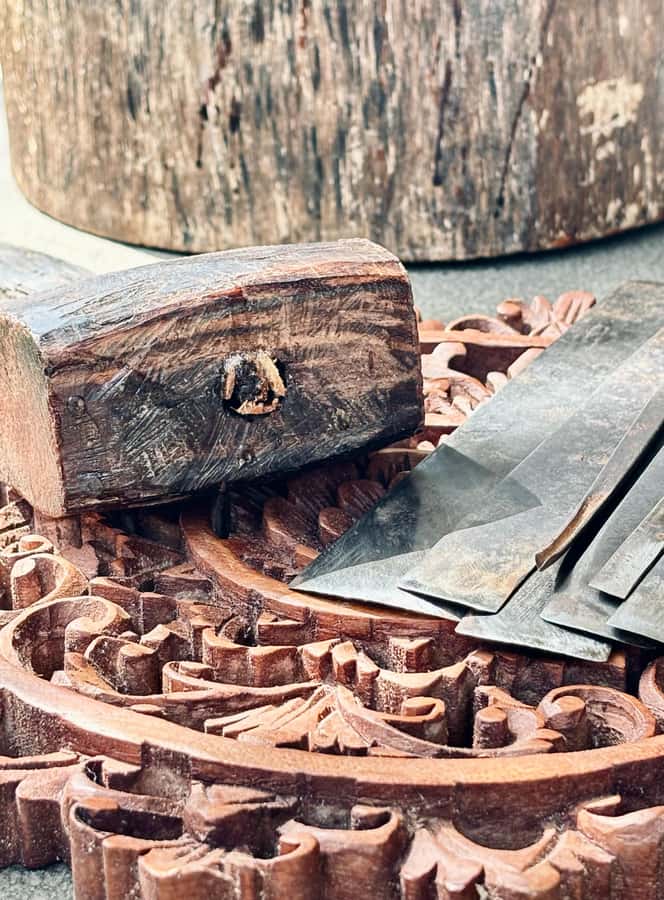
Ubud is busy. Desa Keliki is quieter, and that contrast matters. The short drive keeps the day from getting complicated, and it lets you focus on the workshop instead of logistics.
A practical tip: plan to arrive ready to walk around the studio area. You’ll want comfortable shoes, because you may be moving between spaces and spending time working in a close, hands-on setup. If you’re staying in central Ubud, this is still an easy outing—just don’t count on hotel staff handling everything for you.
What Happens in the Workshop (And What You’ll Actually Learn)
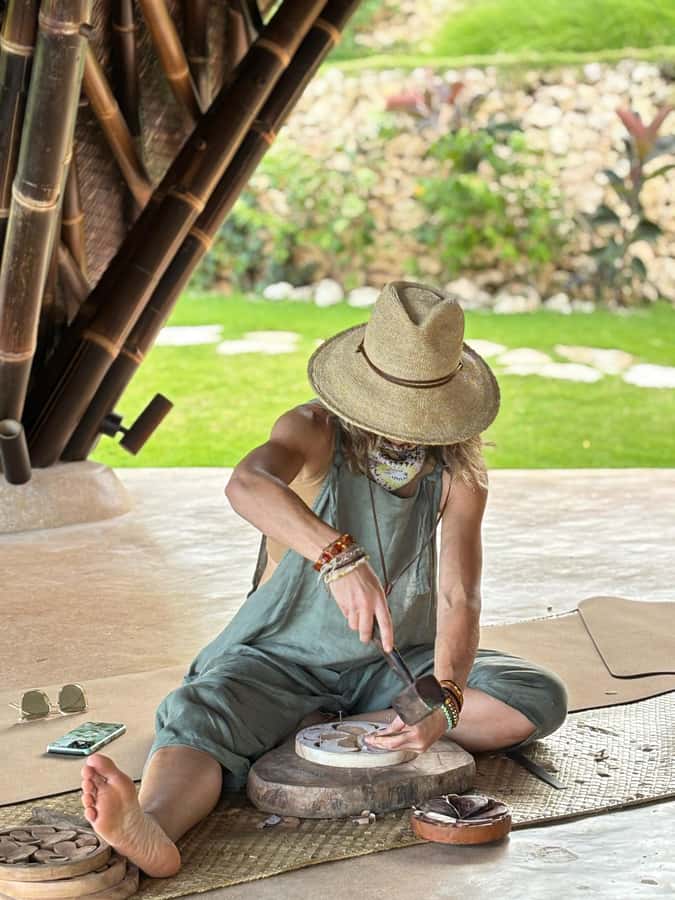
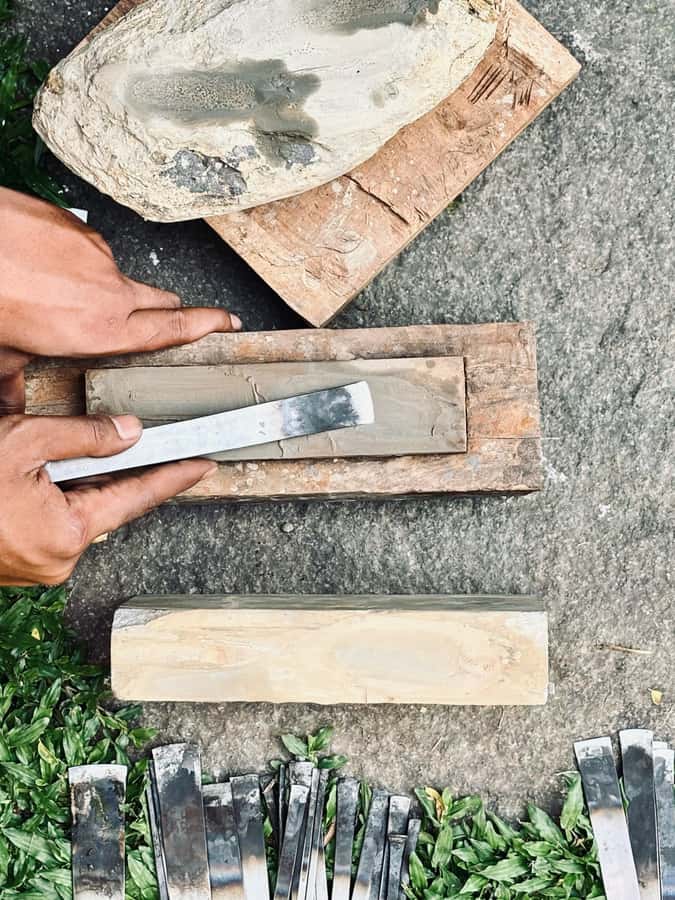
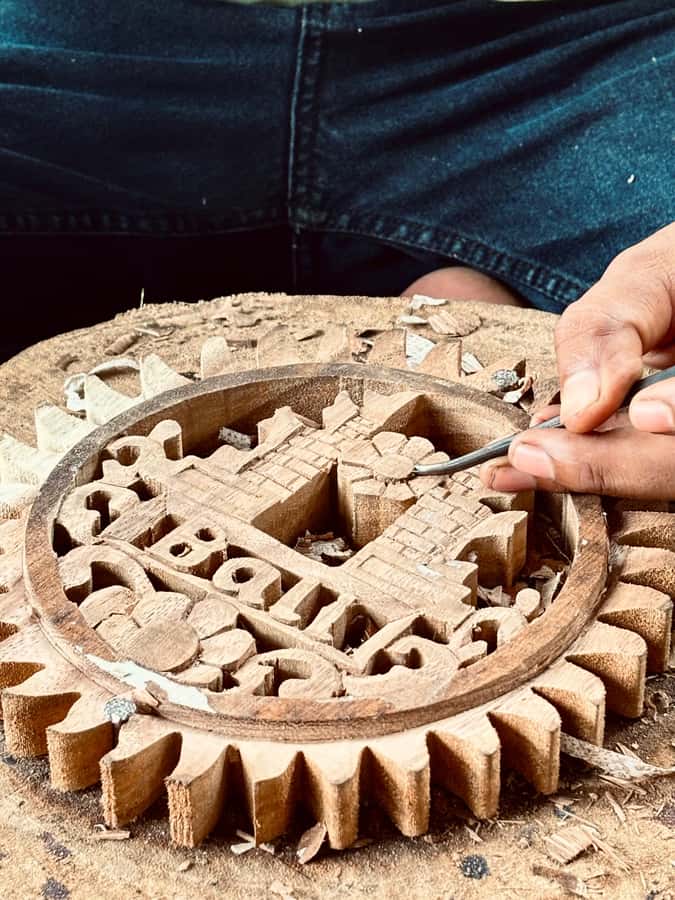
The experience runs for 3 hours, guided by an English-speaking instructor and master carvers. At the start, you’re brought into the studio and taught the basics of wood carving—how to handle tools safely and how to translate an idea into lines, shapes, and texture.
From there, the real value kicks in: you’re not just watching. You’re practicing with tools and materials provided by the studio. The goal is to help you create your own sculpture, guided by people who know the craft deeply.
Here’s what this usually means in practice:
- You’ll get shown techniques and how to control the tool
- You’ll apply those techniques to your own carving
- You’ll receive enough support to keep your carving on track
- You’ll end with a finished wooden piece that reflects your work
One person’s experience stood out to me: they described how their guide didn’t just teach carving, but also shared cultural and historical context in a way that made the whole session click. That kind of “why it matters” explanation is part of the payoff here.
The Spiritual Side: Why This Isn’t Only About Cutting Wood
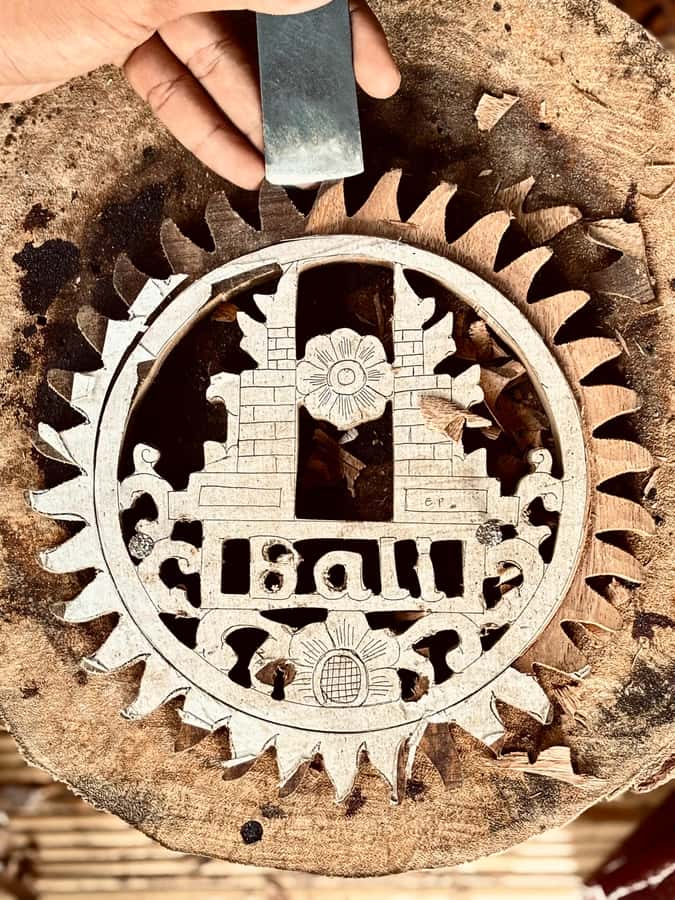
The workshop presents wood carving as a spiritual practice tied to nature. You’re hearing it in the studio, not in a lecture hall, which changes the mood. Instead of treating the project as pure production—make object, leave—this experience encourages you to think about intention as you work.
That matters for beginners. When you understand that the craft is connected to how people see the natural world, you’re more likely to slow down and learn. You’ll pay attention to grain, form, and the feel of the tool in your hand, because the workshop frames these details as part of the practice.
And yes, you’ll still get something tangible. But the meaning behind it is what makes the time feel grounded.
Your Bali Sculpture: Turning Guidance into Something You Can Keep
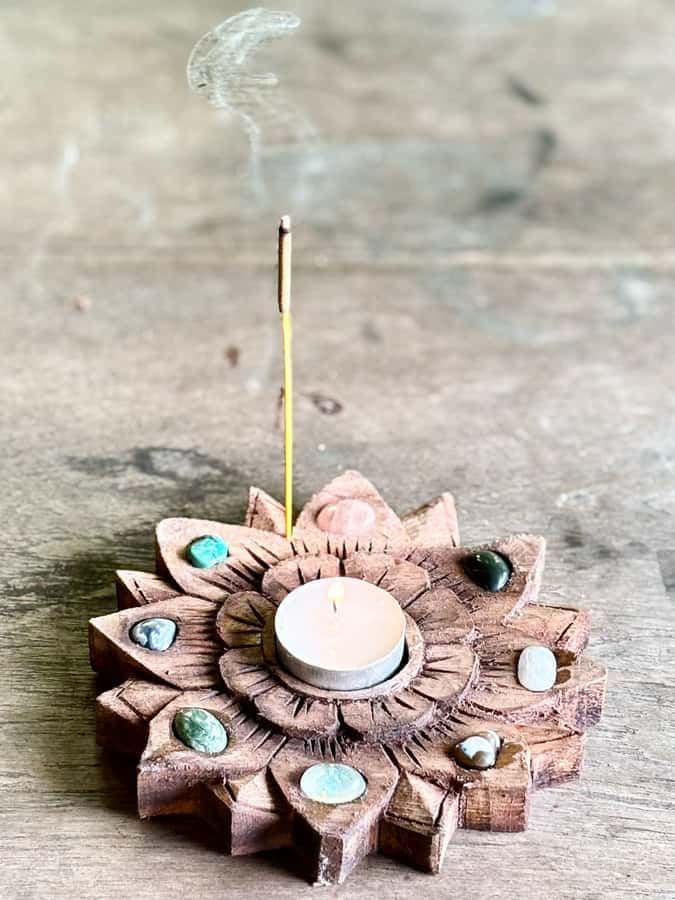
By the end of the session, you take home a unique piece of art you created yourself. That’s not a throwaway line. The workshop is built so you’ll leave with the result of the techniques you learned—your sculpture, shaped by your choices and guided steps.
What I like about this structure is that it gives you a reason to stay focused for the full 3 hours. You’re working toward a specific outcome, which makes it easier to learn quickly—even if your carving skills are zero on day one.
Also, the studio provides all necessary carving tools and materials, so you’re not trying to figure out what to buy. That’s part of why the price feels reasonable. You’re paying for a guided path plus the supplies you need to make real progress.






Who Teaches and How the Session Feels (English-Friendly and Patient)
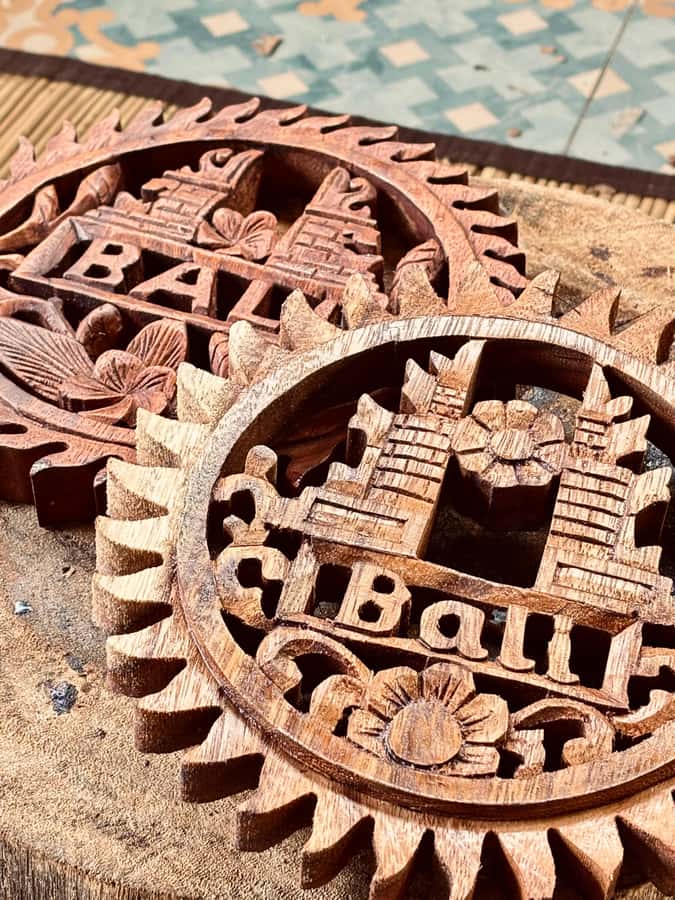
You’ll learn from an instructor and master carvers who guide you in English. The supportive vibe shows up in real experiences from past participants—people noted how kind, patient, and helpful the staff felt.
One review specifically named Sibuk as very kind. Another mentioned Gusti as pedagogical and patient, especially with two children around 10 years old. That’s a good signal if you’re wondering whether the workshop can handle different learning speeds.
If you’re the type who likes explanations alongside the hands-on part, you’ll probably enjoy this. One participant described learning carving skills while also getting cultural insights about Bali, which makes your final sculpture feel tied to place instead of just technique.
Price and Value: Why $26 for 3 Hours Can Make Sense
At $26 per person for 3 hours, the price can feel surprising—until you look at what’s included. You’re getting:
- A guided wood carving workshop
- All necessary tools and materials
- Refreshments plus a snack
- English instruction
That’s a lot of “make it happen” components covered for you. Many paid activities charge extra for materials, so here you can plan your budget more cleanly.
The best way to judge value: think of this as paying for skilled guidance plus supplies. If you were to buy tools and learn independently, the cost would likely climb fast—especially without someone correcting your technique.
Could you do a cheaper craft experience in Bali? Possibly. But if you want a workshop that gives you an actual take-home carving and structured instruction, this pricing is in the sensible zone.
Getting There and Handling Your Day (No Hotel Pickup Included)
Hotel pickup and drop-off are not included, so you’ll need your own transport plan. A 15-minute drive from central Ubud sounds easy, but you still have to handle the ride yourself.
If you’re staying in or near Ubud center, arrange a driver or ride ahead of time. Build in a little buffer so you’re not rushing when you arrive. You’ll do best when you can settle in comfortably before you start carving.
Also note that meals aren’t included. You’ll get refreshments and a snack, but if you’re hungry before or after the session, plan a simple meal nearby.
What to Bring (So Your Carving Day Feels Smooth)
Bring:
- Comfortable shoes
- A camera
- Comfortable clothes
I’d treat this as a workshop day, not a fancy dress day. Carving can mean small messes and constant tool handling. Comfortable clothes help you move and sit comfortably without fussing.
If you’re bringing a camera, you’ll likely want photos of your progress and your final sculpture. The experience is designed around making something, so capturing the process is part of the fun.
Who This Workshop Is Best For
This experience is a strong fit if you:
- Want a hands-on cultural activity in Ubud
- Are a beginner who wants guidance without pressure
- Like taking home a personal art piece
- Enjoy learning the meaning behind a craft
It can also work for families, based on one experience that included kids around 10 years old. That said, keep expectations realistic: the workshop is physical and tool-based. If a child is excited and patient, it can be a great creative project.
On the other hand, it’s not suitable for pregnant women and not suitable for people with mobility impairments. If you’re close to that boundary, I’d be cautious. One person did report that the studio quickly adjusted when someone couldn’t sit on the ground due to knee issues, but you shouldn’t assume the same setup will work for every mobility limitation.
Tips to Get More From Your 3 Hours
If you want your carving session to feel satisfying (instead of rushed), here are my practical tips:
- Listen closely when they show technique the first time. That’s where your later success comes from.
- Move slowly through each step. Carving rewards patience.
- Ask questions in simple terms. English instruction helps, but clarity helps more.
- Treat your first results as practice. You’re learning a new skill; progress is the win.
Also, don’t underestimate the power of the studio’s calm pace. Past participants described a peaceful atmosphere in a green setting, which makes the workshop feel relaxed even when you’re concentrating.
Should You Book This Ubud Wood Carving Experience?
Book it if you want something genuinely hands-on in Ubud—wood carving with guidance, cultural meaning, and a finished sculpture to take home. It’s especially worth it when you value instruction and supplies being included, because that turns a “try something” idea into a real creative outcome.
Skip it if you have pregnancy-related concerns, mobility limitations, or you’re looking for a purely observational experience. This one is about making, not watching.
Finally, if your schedule is tight, remember it’s 3 hours and easy to fit into a Ubud plan from central areas. If your plans shift, you can cancel up to 24 hours in advance for a full refund, which gives you some breathing room.
FAQ
How long is the Ubud wood carving experience?
It lasts 3 hours.
What does it cost per person?
The price is $26 per person.
Where is it located compared with central Ubud?
It’s in Desa Keliki, about a 15-minute drive from the heart of Ubud.
What is included in the workshop price?
You get a guided wood carving workshop, all necessary carving tools and materials, refreshments, and a snack.
Is hotel pickup and drop-off included?
No, hotel pickup and drop-off are not included.
What language are the instructors?
Instruction is available in English.
What should I bring, and is it suitable for everyone?
Wear comfortable clothes and comfortable shoes, and bring a camera if you’d like photos. The experience is not suitable for pregnant women or people with mobility impairments.