Silver making in Bali should feel hands-on.
This Celuk class pairs you with a pro silversmith and a small group, so you get personal attention while learning real bench skills like sawing, stamping, hammering, and soldering. I also like that the class is designed around a take-home project, with a specific silver allowance so you can plan your final piece without guesswork. One thing to consider: you’ll be guided through the available designs and techniques for your session, so it may not be the same as fully custom, anything-goes jewelry design.
In This Review
- Key highlights at a glance
- Celuk jewelry craft: why this area matters
- The 3-hour class at SUNSRI: what the schedule really feels like
- Hands-on silver skills: sawing to polishing (the real workflow)
- Choosing your piece: ring, pendant, or earrings
- The silver grams question: how much metal you really get
- The SUNSRI bonus tour: museums and workshops after class
- Price and value: why $40 can make sense in Bali
- A realistic look at group size, attention, and instructors
- Tips to get the best result (and a smoother day)
- Who should book this Celuk silver class?
- Should you book this SUNSRI silver jewelry making class?
- FAQ
- Where does the class start?
- How long is the experience?
- What’s included in the price?
- How much silver do I get?
- Can I make a ring, earrings, or a pendant?
- Is transportation included?
- Is the class small?
- Is there an extra cost if I want more silver?
- What about kids?
- Is free cancellation available?
Key highlights at a glance
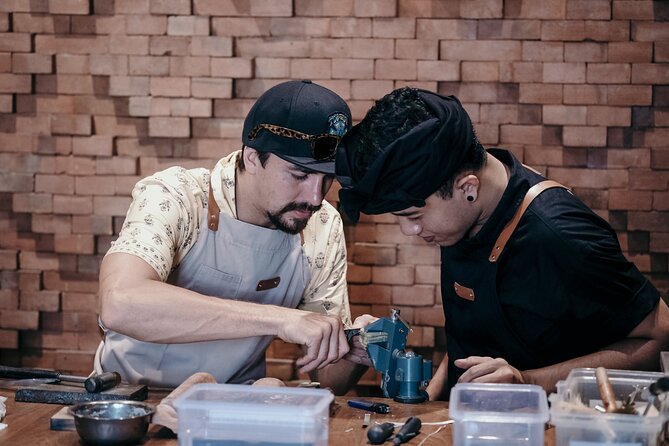
- Small-group attention: Class is limited to four travelers, so your instructor can slow down when you need it.
- Learn core bench techniques: You practice the steps from cutting and shaping to finishing and polishing.
- Silver included (measured in grams): Your session comes with a silver allowance sized for the type of piece you’re making.
- Take-home jewelry the same day: After you complete your item, you can bring your handmade piece home immediately.
- Bonus museum and workshop tour: You get to see how local artisans work beyond your classroom bench.
- Extras add up fast: If you want heavier or more complex pieces, extra silver comes with an additional per-gram cost.
Celuk jewelry craft: why this area matters
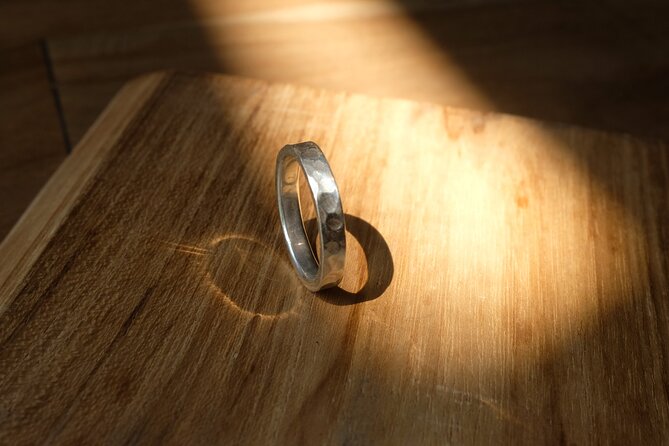
Ubud is the gateway, but Celuk is where the craft energy lives. This is the kind of place where silversmithing isn’t a side hobby—it’s a practiced trade, with workshops you can actually visit as part of your day.
What makes this class feel practical is that it’s built like a working studio session, not a sit-and-watch “souvenir workshop.” You’re not just picking a charm; you’re learning tool use and the sequence of techniques needed to make metal behave.
You’ll also get a bit of context while still keeping the day focused. After your hands-on time, there’s a guided museum and factory-style tour, so you can connect what you just did at the bench with what artisans do for real production.
A small caution: this is a short-form learning experience. If you’re hoping for advanced, highly technical training, the shorter option may feel more like a well-run introduction than a deep engineering course.
You can also read our reviews of more tours and experiences in Ubud.



The 3-hour class at SUNSRI: what the schedule really feels like
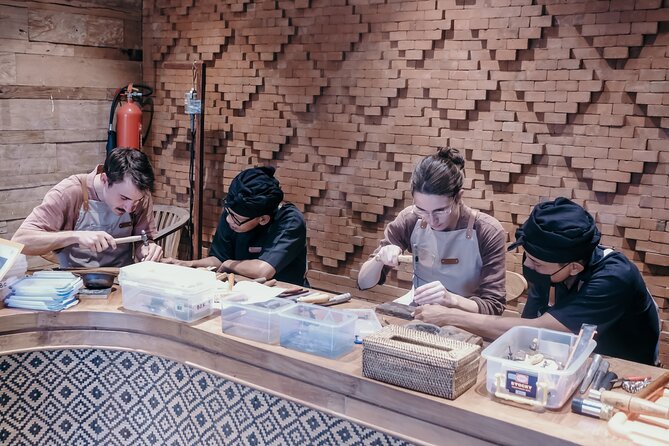
Your session starts at SUNSRI House of Jewelry on Jl. Raya Celuk (Celuk, Sukawati, Gianyar Regency, Bali). Plan to arrive a little early so you can settle in, choose your piece option, and get comfortable with the tools before you start working.
The timing is structured around a guided workflow: you’ll learn techniques like sawing and stamping, then move into processes like hammering, soldering, and finishing steps such as sanding and polishing. In other words, you’ll get the full “how it’s made” rhythm, not just one clever step.
At the end, you have the choice of what type of jewelry to craft—typically a ring, earring, or pendant—and you can take your handmade item home right away. That same-day finish is a big deal if you’re on a tight Bali schedule and want an actual physical memory, not just photos.
Also, note what’s not included: transportation. If you’re staying in central Ubud, you’ll likely need your own taxi or ride to get to Celuk and back. The activity itself ends back at the meeting point, so plan your return accordingly.
Hands-on silver skills: sawing to polishing (the real workflow)
The best part of this class is the range of fundamental skills you practice. You’ll work through the basics that silversmiths use to create shape, texture, and structure in silver, including:
- tool usage (so you’re not guessing with equipment)
- sawing (cutting controlled metal lines)
- stamping (adding patterns or marks)
- hammering (shaping and texturing)
- soldering (joining metal parts)
- sanding and polishing (finishing so it looks clean, not rough)
In a four-person class, this matters. When the instructor can see what your hands are doing, you get faster correction—how hard to press, how to hold the tool, and how to avoid common early mistakes that can mess up the final shape.
One detail I really like is the way the class is described as organized. That matters more than people think, because soldering and finishing are unforgiving. If the day flows smoothly, you spend your energy learning instead of waiting and wondering what’s next.
You’ll also get documentation during the class activity, sent by email. That’s useful because you can track what you did and share the process with family later, without having to juggle camera work during soldering time.
Choosing your piece: ring, pendant, or earrings
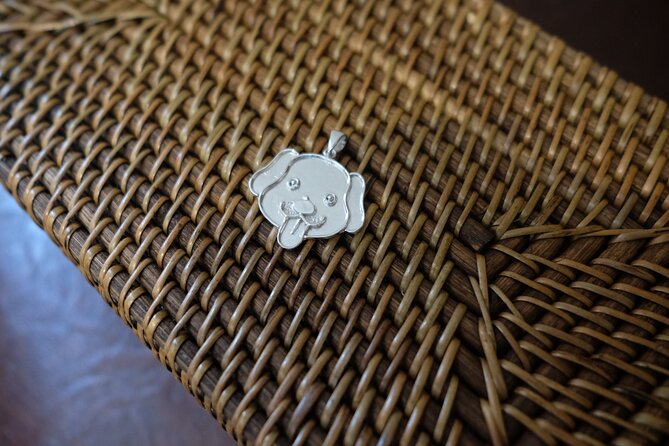
Your final item depends on your session choice, but the class is designed so you’re not stuck with only one shape. You’ll have the option to craft a ring, earring, or pendant, and you’re given an included silver allowance meant to support those outcomes.
For value-minded travelers, this is where the class feels smarter than many generic “craft tours.” Instead of paying for a craft demo and hoping your project turns out, you get a defined amount of silver and a clear technique path. That helps you make a plan early—like deciding whether you want a simple ring you can finish well, or earrings where symmetrical finishing is the main challenge.
A practical note from the vibe of similar sessions: you might select your design from what’s available rather than walking in with a fully custom sketch and expecting the workshop to build from scratch. If you have a very specific idea, talk it through with the instructor during your choice time before you lock in your materials.
The silver grams question: how much metal you really get

Silver is included by weight, and the amount shifts with the class length. The details provided are:
- 5g for a 1-hour option
- 6g for a 2-hour option
- 7g for a half-day option
- 14g for a full-day option
For your 3-hour experience, the class info describes a silver allowance intended to be enough for a ring, a pendant, or a set of earrings. In practice, that means you’re not buying silver separately for your core project.
Where you might see extra costs is if you want thicker pieces, multiple separate parts, or a more elaborate design. The class lists an additional fee for extra silver: 50,000 per gram.
If you’re budgeting, this is the easiest way to keep control: decide what matters most to you. If it’s the memory and the skill, stay within the included metal. If you’re making something special like a wedding ring or a heavier statement piece, ask early what design changes would require extra silver so you can choose without stress.






The SUNSRI bonus tour: museums and workshops after class

After the hands-on bench work, you’re invited on a guided tour exploring local museums and workshops. This is a nice add-on because it turns your experience from a single activity into a story: you learn techniques, then you see how those techniques fit into a real artisan workflow.
Even if you’re only moderately interested in jewelry, this part helps you “read” what you’re looking at. You’ll be able to spot processes like shaping, finishing, and joining metal and understand why certain steps happen before others.
And because your class ends back at the meeting point, the day is still contained. You’re not sent off on a long wandering tour that eats your time. You get a clean arc: make it, then understand it.
Price and value: why $40 can make sense in Bali
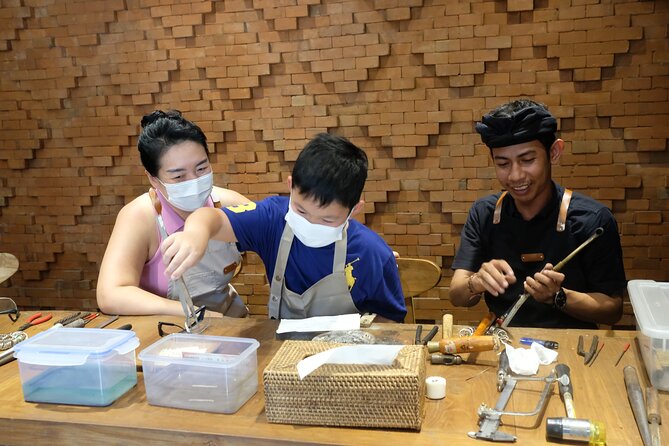
At $40 per person for about 3 hours, the value comes from the combination of things you rarely get together in one package:
- a small group (four travelers)
- hands-on use of multiple techniques (not just one craft step)
- a specified silver allowance so you’re not guessing what you’ll be charged later
- photos and an e-certificate after the session
The included welcome drink and mineral water are modest, but they signal you’re in a real workshop rhythm rather than a rushed street-side demo. The documentation photos sent by email are also practical; you can remember the process and show it later without constantly handling your phone.
Then there’s the extra value layer: a shopping voucher IDR 50,000 per person for transactions at the SUNSRI gallery. Even if you don’t shop, it’s a signal that the workshop is tied to an actual retail and production ecosystem.
The one caution on value: if you start adding extra silver, the math changes quickly. If you know you want heavy or detailed pieces, get clarity on what “extra” would likely mean before you commit your design.
A realistic look at group size, attention, and instructors
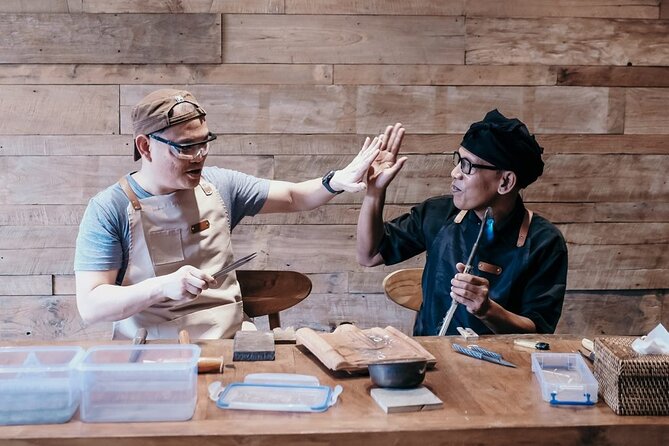
This is the kind of class that works well when the group stays small. The structure limits class size to four travelers, and there’s also a cap on total participants for the overall activity (up to 17). That usually means you’re not fighting for attention, even when the venue is busy.
In the experience feedback, the standout theme is how skilled and supportive the instructors feel to work with. One named example: Mirah is mentioned as a host who introduced the session and then stayed with participants, doing helpful interpretation along the way. That matters because good teaching isn’t only about technique—it’s about explaining what you’re doing and why.
If you’re coming with a friend or partner, this class can also feel like a shared project. People use it for special occasions like wedding rings, because you get a personal object with real effort behind it.
Tips to get the best result (and a smoother day)
You’ll do better with a couple of small choices at the start:
- Choose your piece type with your skill level in mind. A ring is often easier to visualize as a single “finish line,” while earrings demand careful matching.
- Be ready for the learning curve. Early on, your hands may not feel steady, and that’s normal. Ask for corrections quickly; it saves you time later.
- Think about extra silver before you fall in love with a design. If you want your piece to be heavier or more complex, ask what will trigger the additional per-gram cost.
- Plan your schedule around a return to SUNSRI. Because transportation isn’t included, you want your ride pickup time organized so you’re not rushing during finishing.
Also, keep your belongings simple. You’ll be focused on tools and metalwork, and you don’t want to be managing a pile of bags during sanding and polishing.
Who should book this Celuk silver class?
Book this if you want a hands-on Bali activity with a real craft skill and a take-home result. It’s ideal for couples, travelers celebrating something personal, or anyone who likes making rather than watching.
It’s also a good fit if you’re curious about how artisan work connects to modern workshop production. The added museum and workshop tour makes it more than a one-room experience.
It may be less ideal if you’re chasing fully custom, exact-by-your-sketch jewelry. This class is structured around technique instruction and a silver allowance, so it’s best thought of as creating a piece within the studio’s available approaches.
If you want deeper technique training beyond the basics, the guidance provided says the full-day class is recommended for more advanced understanding. So if you’re serious about learning the craft step-by-step, you might consider that longer option.
Should you book this SUNSRI silver jewelry making class?
Yes, if you want one of the more satisfying “Bali souvenir” options: a genuine skill session with small-group attention, clear techniques, and a silver piece you made yourself.
I’d especially recommend it if you care about quality teaching. The class is built around personalized attention and a structured workflow, which helps you avoid the common problem of craft tours where everyone starts and finishes with no real feedback.
Skip it only if you need heavy customization on day one or you’re trying to see 15 other things in the same half-day. This is a focused workshop experience. Give it that time, and you’ll leave with something that feels earned.
FAQ
Where does the class start?
The class starts at SUNSRI House of Jewelry, Jl. Raya Celuk, Celuk, Kec. Sukawati, Kabupaten Gianyar, Bali 80582, Indonesia.
How long is the experience?
The class you’re looking at is listed as about 3 hours.
What’s included in the price?
The price includes welcome drink, mineral water, your silver inclusion (by the class option), an e-certificate, documentation photos sent by email, and the museum & factory tours. A shopping voucher is also included.
How much silver do I get?
Silver is included by weight depending on the class duration: 5g (1 hour), 6g (2 hours), 7g (half-day), and 14g (full-day). For the 3-hour class, the highlights describe the allowance as enough for a ring, a pendant, or a set of earrings.
Can I make a ring, earrings, or a pendant?
Yes. After the class, you have the choice of crafting a ring, earring, or pendant.
Is transportation included?
No. Transportation is not included, and the activity ends back at the meeting point.
Is the class small?
Yes. The class is limited to four travelers for personalized attention, and the overall activity has a maximum of 17 travelers.
Is there an extra cost if I want more silver?
Yes. Extra silver is listed at 50,000 per gram.
What about kids?
Children under 13 need to be accompanied by an adult.
Is free cancellation available?
Yes. You can cancel up to 24 hours in advance for a full refund.