Five days in Bali means fewer logistics headaches. You get a private driver and timed stops across Bali’s main regions, with entrance fees and meals handled so you can focus on temples, terraces, waterfalls, and sunsets.
What I like most is the pacing that doesn’t feel like a blur on purpose: each day has a clear geographic theme (north, east, west, south, central). The one real drawback is the schedule is full—expect long sightseeing days starting around 8:00am—so bring stamina and good shoes.
In This Review
- Key takeaways before you book
- Why a 5-Zone Bali Plan Works Better Than Random Stops
- Value Check: What $315 Covers (and Why It’s Not Just a Long Car Ride)
- Day 1 in Ubud: Monkeys, Palace Courtyards, Market Finds, and Scenic Highlands
- Kintamani to Waterfall Timing: How to Avoid Feeling Like You’re Chasing Photos
- Day 2 Around Bedugul and the Coast: Temples, Waterfalls, Fruit Markets, and Tanah Lot
- Day 3 North-Central Falls and Viewpoints: Sekumpul, Munduk, Handara Gate, and Kayu Putih
- Day 4 East Bali Water Palaces and Virgin Beach: Lempuyang, Tirta Gangga, Ujung, and a Coastal Reset
- Day 5 South Bali Finale: GWK, Uluwatu, Kecak, and Jimbaran Seafood
- What the Private Driver Actually Changes for Your Day
- Who This Bali Circuit Fits Best
- Should You Book This 5-Day Bali Circuit?
- FAQ
- How long is the Bali experience?
- What is the price for the tour?
- What’s included in the tour price besides transportation?
- Are entrance tickets included for all stops?
- Is pickup offered from Ubud and south Bali?
- Is this a private tour?
- Does it include a mobile ticket?
- Can I do the 5 days with breaks instead of consecutive days?
- What is the cancellation policy for a full refund?
Key takeaways before you book
- Private driver with door-to-door pickup: convenient collection from most Ubud and south Bali addresses.
- Entrance fees included: you’re not constantly hunting ticket desks or estimating costs on the fly.
- A true 5-zone Bali route: north, east, west, south, and central each get their own day.
- Meals built in: four restaurant lunches plus one seafood dinner in Jimbaran Bay.
- Icon spots plus nature time: monkeys, rice terraces, waterfalls, and big-name temples all make the list.
- Highly rated service: a 4.9 average rating from 83 reviews and 100% recommendation.
Why a 5-Zone Bali Plan Works Better Than Random Stops
Bali gets big fast. If you try to stitch together a couple of separate day trips, you spend half your time backtracking and re-planning. This 5-day format fixes that by organizing your time around the island’s main areas—so each day feels like a deliberate route instead of a scattered checklist.
I also like that the tour covers both “picture Bali” and “actually nice Bali.” You get set-piece cultural stops (temples and traditional dance), plus nature that’s not just a quick photo (waterfalls, rice terraces, and viewpoints). That mix matters because Bali’s famous spots are popular for a reason, but you’ll remember the less-hyped moments too—especially when a guide helps you move at the right time of day.
One more practical win: you’re not paying separately for every entrance you care about. When entrance fees are included, you avoid decision fatigue. You spend energy on enjoying the places, not calculating what’s still worth your time.
You can also read our reviews of more tours and experiences in Ubud.


Value Check: What $315 Covers (and Why It’s Not Just a Long Car Ride)
At $315 per person for about five days, the value depends on one question: how many parts of your trip would you otherwise have to arrange and pay for yourself?
Here’s what the package includes based on the details you’re given:
- Private transfers with pickup from most south Bali and Ubud addresses
- Entrance fees included across the key stops
- Four restaurant lunches plus a seafood dinner in Jimbaran Bay
- Private group service (only your group participates)
- Mobile ticket
When you add those together, the price stops looking like “just transport.” It turns into time plus logistics plus admissions plus meals. That’s especially valuable in Bali, where driving between regions can chew up your day if you’re improvising.
It’s also worth noting the track record: the experience is rated 4.9 with 83 reviews, and it’s recommended by 100%—so the service element matters, not only the itinerary.
Day 1 in Ubud: Monkeys, Palace Courtyards, Market Finds, and Scenic Highlands
Your first morning centers on Ubud, which is a smart move because it sets the tone: culture, art, and nature all close enough to start without stress.
Sacred Monkey Forest Sanctuary is first. This is owned by the village of Padangtegal, and the monkeys here are long-tailed macaques. Plan for an atmosphere that’s lively and very close-up—you’ll want to stay aware around them, since the experience is literally the forest and the monkeys living side-by-side. If you’re hoping for great photos, go in ready to move slowly and keep your hands controlled.
Next comes Ubud Palace (Puri Saren). Even though it’s a short stop, it gives you a quick sense of where Ubud’s cultural core sits—right in the center of the village area. It’s the kind of stop that works well early because it’s easy to enjoy without needing a full afternoon commitment.
Then you’re at Ubud Traditional Art Market, where you can shop for almost everything in one place—silver jewelry, precious stones, batiks, T-shirts, sarongs, wood carvings, and bags. This is one of those stops where you’ll either love it or feel overwhelmed. Either way, it’s useful: you can compare styles and prices before you decide what you want.
After the Ubud core, your day shifts to views:
- Kintamani Highland brings the mountain-and-volcano perspective of the region.
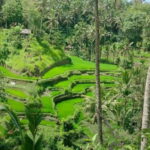
- Tegalalang Rice Terrace is all about the layered green view from the roadside outlook—cool and breezy when you catch it right.
- Tegenungan Waterfall adds a nature payoff with a relatively convenient Ubud-based position.
My advice for Day 1: treat it like a “set your Bali tempo” day. Ubud is full—so once you’re at rice terraces and waterfall time, slow down. If you’re rushing, you’ll miss the reason these stops are famous.
Kintamani to Waterfall Timing: How to Avoid Feeling Like You’re Chasing Photos
This route’s Day 1 flow is designed to keep momentum, but you still need a practical strategy to enjoy it. The big risk with “signature stops in one day” is you end up photographing the scenery while mentally skipping the experience.
Here’s what helps:
- At the rice terraces, pause longer than you think. The view is the point, and it changes subtly with angle and light.
- At Tegenungan Waterfall, expect it to feel like a nature moment, not a postcard moment. That means bring patience for crowds and take breaks when you need to.
I also like that the tour includes admissions for each stop. When you don’t have to pay ticket fees separately, you can step into each place with a calmer mindset. You’ll feel it most when the day gets busy, because you’re not constantly recalculating costs or hunting for the right entry point.
If you have any mobility limits, this is still generally manageable because the stops are structured into clear segments. You just want sturdy shoes, and you should plan on some walking.
Day 2 Around Bedugul and the Coast: Temples, Waterfalls, Fruit Markets, and Tanah Lot
Day 2 moves out from Ubud and toward northern and coastal highlights, with a day that feels like “cool air, big views, then sea.”
You start at Taman Ayun Temple, a well-known temple area near Denpasar on the road toward Singaraja via Bedugul. It’s a useful stop because it’s traditional and photogenic without requiring an all-day commitment. It also helps balance Day 1’s more market-and-nature mood.
Next is Leke Leke Waterfall, which stands out because it’s described as hidden in a rock crevice. In other words, it may not look dramatic in every photo, but the waterfall size and the surrounding jungle feel are the point. That makes it a strong choice for people who prefer “real nature” to “only the widest angle shot.”
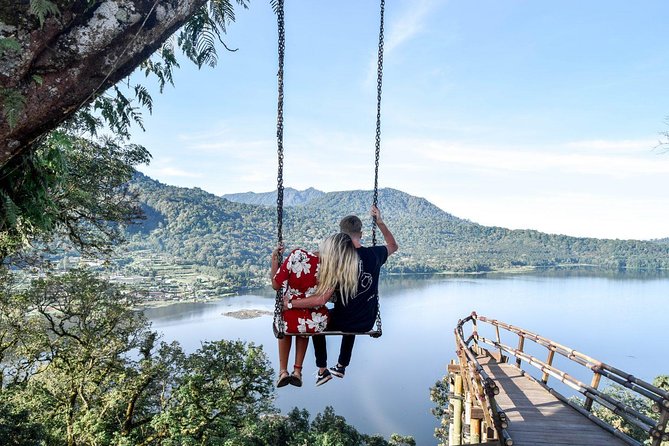
Then you reach Ulun Danu Bratan Temple on the lakeside of Beratan, with hills in the background and a cooler plateau feel. This stop is one of the reasons this route works for many people: it mixes temple architecture with a natural setting, and the air around Bedugul-type scenery is the kind of change that resets your day.
You also stop at Pasar Candi Kuning (Candikuning Fruit Market), a traditional fruit and vegetable market in the mountain area. It’s practical if you like to snack, because a market stop also helps you mentally reset between major sights.
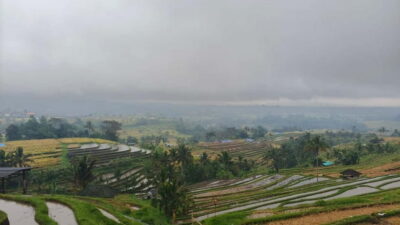
From there, Jatiluwih Green Land is a big rice terrace viewpoint stop, with the meaning of its name tied to “really” and “special.” Finally, you end with the famous sea-temple vibe at Tanah Lot, on a rocky island off the southwest coast. It’s dedicated to guardian spirits of the sea, and it’s the kind of place where the sea and temple relationship is what you come for.
My honest takeaway: Day 2 is a great “range day.” You get temple, jungle waterfall, lake scenery, markets, rice terraces, then a sea temple. If your legs are okay, it’s a very complete sampling of Bali’s different faces.





Day 3 North-Central Falls and Viewpoints: Sekumpul, Munduk, Handara Gate, and Kayu Putih
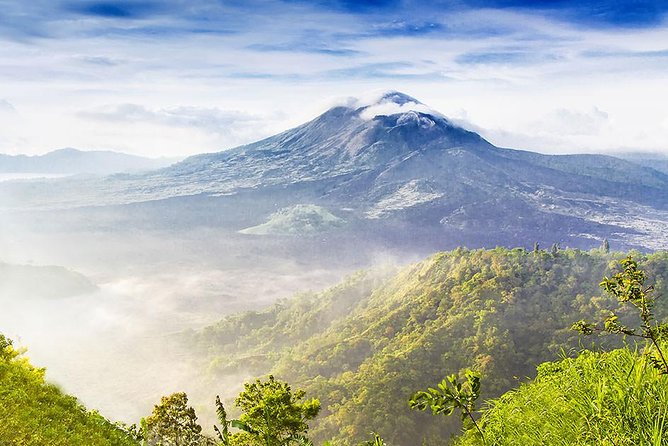
Day 3 is the most nature-forward day on this list, and it’s a good one for people who want waterfalls more than shopping.
You begin with Sekumpul Waterfall, also known locally as Air Terjun Sekumpul. It’s described as arguably Bali’s most spectacular cascades, with a collection of seven tall, misty waterfalls in one area. Even if you only see part of the full cascade experience at one time, the “seven falls together” concept is the hook.
After that, you head to Wanagiri Hidden Hills & Bali Swing in Munduk, about two hours north of Ubud. This is one of Bali’s “viewpoint plus photo moment” stops, and the reason people keep posting it is simple: the scenery gives you a dramatic backdrop and the swing is an easy-to-share focal point.
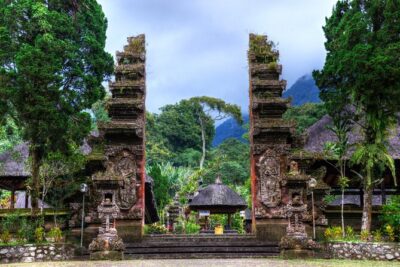
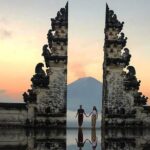
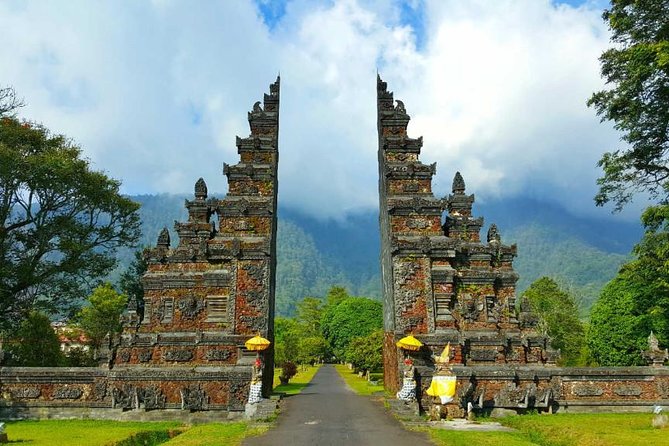
Next is the very famous Handara Iconic Gate—a Balinese gate that became a top Instagram spot, often described as a path way to serenity. It’s popular, but that doesn’t automatically make it bad. If you treat it as a quick landmark/photo pause instead of expecting silence and empty space, you’ll enjoy it more.
Then your list finishes with Bayan Ancient Tree, also referred to as Kayu Putih, a giant tree with a fairy-tale feel. It’s a nice counterbalance after waterfalls and gates, because it’s slow, simple, and feels more like a single “moment” stop.
A practical note: Day 3 is where you’ll feel the most walking and shifting terrain. If you’re the type who gets tired fast, pace yourself from Sekumpul onward. Don’t try to outrun the day; let the schedule do the work for you.
Day 4 East Bali Water Palaces and Virgin Beach: Lempuyang, Tirta Gangga, Ujung, and a Coastal Reset
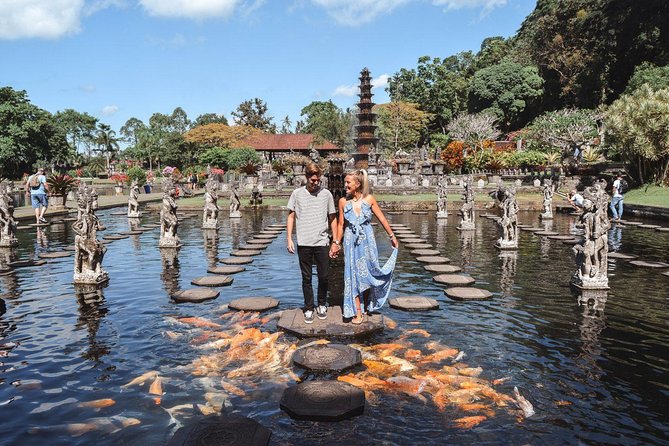
Day 4 is east Bali, and it has two moods: sacred temple grandeur, then calm water and ocean time.
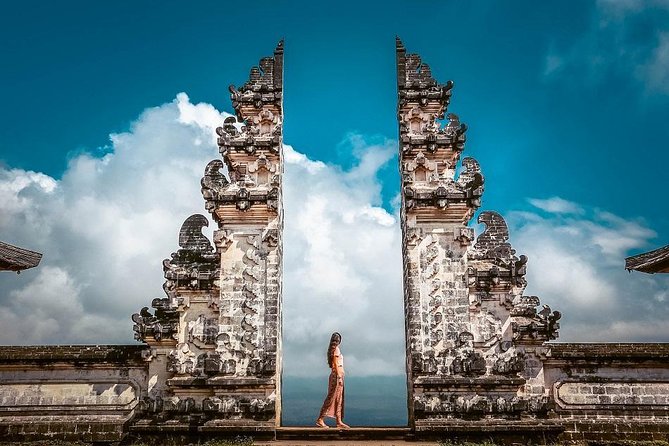
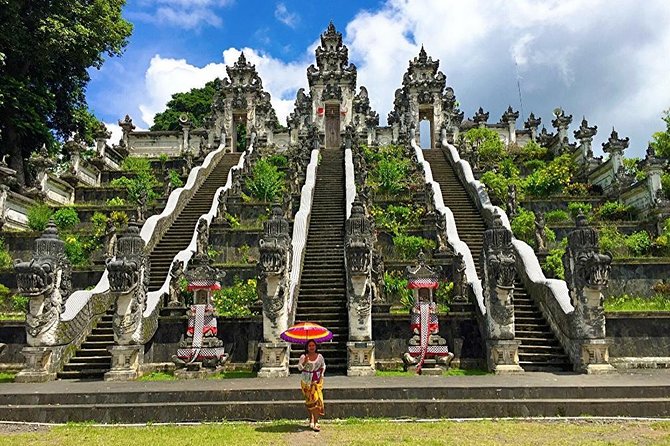
The day begins at Lempuyang Temple, described as one of Bali’s oldest and highly regarded temples, on par with Besakih (often called the mother temple). It’s also believed to predate the majority of Hindu temples on the island. This stop is a classic “why Bali is Bali” moment: it’s cultural, iconic, and tied to big heritage claims, so it feels weightier than many other photo stops.
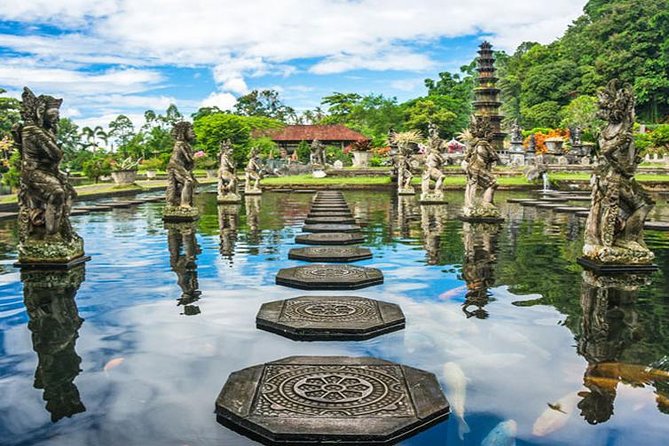
Next comes Tirta Gangga Water Palace, set in rice fields around natural springs of Rejasa, roughly 7 km north of Amlapura. It’s a water-and-garden type scene. That matters because after a temple start, a water palace stop gives you a visual and sensory change.
You continue to Ujung Water Palace, a former palace in Karangasem Regency, also near Amlapura (about 5 km). It’s a different kind of palace atmosphere than Tirta Gangga, so you get variety without repeating the same scenery.
Finally, you end with Virgin Beach. The description focuses on panoramic ocean views, pure nature surroundings, and a wide swimming area with calm seawater and sea breezes. That’s your emotional landing spot for the final days—less structured feeling, more “sit and recover.”
My advice for Day 4: take the temple part seriously (bring patience), then let the water and beach part be easygoing. If you try to treat every stop like a race, you’ll miss the calm that makes this day feel special.
Day 5 South Bali Finale: GWK, Uluwatu, Kecak, and Jimbaran Seafood
Day 5 is your south Bali cultural capstone, built around two big temple moments and a famous performance, ending with dinner by the water.
You start at Garuda Wisnu Kencana (GWK) Cultural Park, which includes iconic landmarks and the massive Garuda Wisnu Kencana statue (described at 121 meters). This is a “scale” kind of stop—less about intimate detail and more about the visual statement.
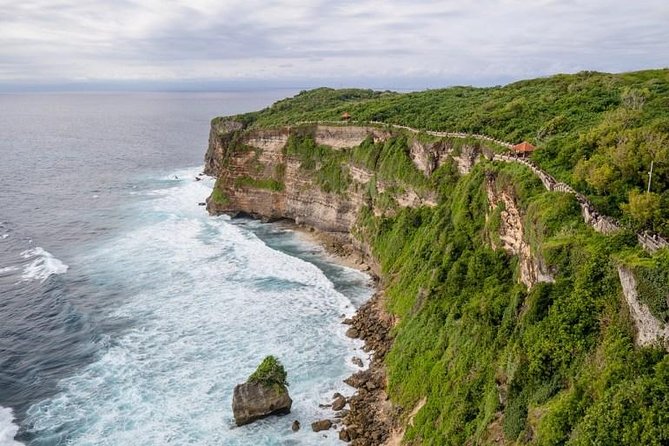
Then you head to Uluwatu Temple, closely related with the holyman Mpu Kuturan, who is said to have arrived in 1039 AD. Uluwatu is also the setting for the tour’s classic sunset feel, and it connects culture with an outer-coast setting.
After the temple, you get Kecak and Fire Dance. This performance is played by about 50 men who shout CHAK, and it’s based on the Ramayana story, focusing on the journey of Sri Rama. Even if you don’t know the plot deeply ahead of time, you can still appreciate how the group energy and choreography tell the story.
To close, you finish in Jimbaran Bay with a seafood dinner. Along Jimbaran toward Kedonganan, you’ll find local cafes that work like a night-market style spread, where you choose seafood for your meal. It’s described as a traditional-style dining finish, and it’s a great way to end the week with a Bali-specific food memory.
If you want a good experience here, keep the last night unplanned after dinner. Kecak and temple time can run long, and you’ll feel better if you don’t rush to another activity right afterward.
What the Private Driver Actually Changes for Your Day
Most Bali tours sell you places. This one also sells you how you get between them.
Because you’re working with a private driver, the route can adapt to the day’s pace and your comfort needs. The tour also offers direct pickup and drop-off from most south Bali and Ubud addresses, which removes one of the most annoying parts of island touring: waiting for shuttles and trying to match someone else’s schedule.
The biggest quality-of-life win is that entrance fees and meals are included. That means fewer cash moments, fewer “where do we go next” questions, and less time spent coordinating.
In the feedback that shapes how this company runs trips, drivers like Agus and Irwan are praised for using faster routes and making adjustments. Another guide, Suryab, is mentioned for tailoring the itinerary to tastes and even organizing an extra half day to Nusa Penida when time allowed. A guide like Aditya is also described as competent and friendly, with a family-friendly approach noted when kids were part of the group.
Even without assuming which driver you’ll have, the pattern is clear: you’re not just hiring a taxi. You’re buying a smoother day with a guide-driver who can help you move through Bali more intelligently.
Who This Bali Circuit Fits Best
This 5-day experience is a strong fit if you:
- Want to cover north, east, west, central, and south Bali without planning each day from scratch.
- Care about temples, rice terraces, waterfalls, and a cultural performance.
- Prefer having entrance fees and meals included so you don’t spend the trip doing math.
- Like having a driver who can reduce backtracking and help you keep the day flowing.
It may feel like too much if you:
- Want slow travel with lots of free time.
- Get tired from early starts and frequent transitions between regions.
- Don’t like popular “icon” spots (like Handara Gate) where you may need to wait your turn.
Overall, this is the kind of tour that works well for first-timers who still want authenticity, and for repeat visitors who want a reliable route that hits major regions efficiently.
Should You Book This 5-Day Bali Circuit?
I’d book it if you want Bali’s highlight areas in one organized run and you’d rather spend your energy enjoying each stop than coordinating tickets, lunches, and timing.
But make the call based on your style: if you love a packed itinerary and want temple-and-nature variety, this fits well. If you’re the kind of traveler who needs quiet time between attractions, you may want fewer stops and more breathing room.
My recommendation for most people: treat this as your “Bali foundation” trip. Then plan any additional days around slower neighborhoods—so your time in Bali doesn’t just become one long sightseeing push.
FAQ
How long is the Bali experience?
It’s scheduled for 5 days, with a typical start time of 8:00am.
What is the price for the tour?
The price is listed as $315.00 per person.
What’s included in the tour price besides transportation?
Entrance fees are included, and the tour includes four restaurant lunches plus a seafood dinner in Jimbaran Bay.
Are entrance tickets included for all stops?
Yes. Each of the listed stops shows an admission ticket included.
Is pickup offered from Ubud and south Bali?
Yes. The tour includes collection and drop-off direct from most south Bali and Ubud addresses.
Is this a private tour?
Yes. It’s a private tour/activity with only your group participating.
Does it include a mobile ticket?
Yes. Mobile ticket is listed as a feature.
Can I do the 5 days with breaks instead of consecutive days?
Yes. You can do it in 5 consecutive days, or take a one or two day break depending on your vacation length.
What is the cancellation policy for a full refund?
Free cancellation is offered. You can cancel up to 24 hours in advance of the experience start time for a full refund.