Night volcano hikes are not for the faint-hearted. This 3-day East Java trip pairs the eerie glow of Ijen blue flames with a classic Mount Bromo sunrise, all tied together with pickup, transport, and an English-speaking guide.
What I like most is how the days are built around the big moments: a tough descent to see the turquoise crater lake and blue fire, then an early ride to Bromo’s rim for sunrise views. I also appreciate the human touch from guides like Rudi/Rudy and Adi, who focus on keeping you comfortable and in the right spots for photos.
The main drawback is physical: the Ijen portion involves strenuous walking, and this isn’t a good fit if you’re pregnant, have respiratory issues, or need wheelchair access. Warm layers, a mask, and good shoes matter a lot here.
In This Review
- Key Things That Make This 3-Day Java Volcano Trip Worth It
- From Bali to East Java: Why This Route Works
- Day 1: Ferry to Banyuwangi and Settling In for Ijen Night
- Day 2: Ijen Blue Flames, a Crater Descent, Then Transfer Toward Bromo
- The Ijen hike: what you’re really signing up for
- A key access note you should take seriously
- After the flames: crater-rim viewpoints and breakfast timing
- Evening check-in near Bromo
- Day 3: Pananjakan Sunrise, Bromo Crater Views, and Your Optional Drop-Off
- The Bromo sunrise moment: why this viewpoint timing matters
- After Bromo: where the trip ends
- Price and Value: What You’re Paying For (and Why It’s Reasonable)
- Hotels, Comfort, and Sleep: What to Expect Between Volcano Hours
- The Guide Factor: English Help and Photo-Smart Spotting
- Who Should Book This Tour (and Who Should Skip It)
- What to Bring: Your “Survive the Volcanos” Packing List
- Booking Notes You’ll Actually Care About
- Should You Book This 3-Day Ijen and Bromo Tour?
- FAQ
- What does the tour price include?
- Are lunch and dinner included?
- Do I get pickup from my location in Bali?
- How do Ijen blue flames and Bromo sunrise fit into the schedule?
- Will I have access to go down into the Ijen crater?
- What kind of hotels will I stay in?
- What should I bring for this trip?
- Is the tour suitable for everyone?
Key Things That Make This 3-Day Java Volcano Trip Worth It
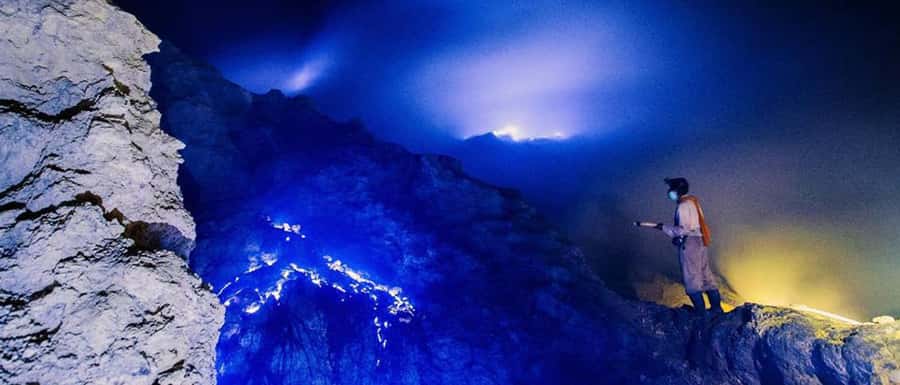
- Ijen blue flames at night: you get the best chance to see the blue fire and reach the turquoise crater area.
- Bromo sunrise from Pananjakan: an early 4×4 ride to the viewpoint inside the Tengger Caldera.
- Small-group or private feel: you’re not stuck in a giant herd the whole time.
- Comfort-forward hotels: Bromo and Banyuwangi stays include Wi‑Fi and continental breakfast.
- Guide-led pacing: English-language guidance helps you move confidently during the early starts and hiking segments.
- Planned end point: you can be dropped off in Probolinggo, Malang, or Surabaya after Bromo.
From Bali to East Java: Why This Route Works
Crossing from Bali to Java by ferry is the first smart move. It avoids a longer overland slog and gets you to the East Java side where Ijen and Bromo are concentrated. That matters because sunrise and night hikes run on clock time, not your lunch schedule.
Once you land on Java, the trip is essentially two different types of volcano days. Ijen is about low-light intensity and steep walking. Bromo is about early darkness turning into wide-open caldera views.
You’re paying for more than admission. The real value is private transportation, an English-speaking guide, and the coordination needed to do both volcanoes in only three days.
You can also read our reviews of more tours and experiences in Indonesia.
Day 1: Ferry to Banyuwangi and Settling In for Ijen Night
Day one is travel-heavy, but it’s designed to get you positioned for Ijen without stress. You start in western Bali, take the ferry to Java, then ride to the Banyuwangi area (with a lunch stop along the way). After that, it’s check-in and rest.
This is where the “organized” part shows up. Pickup is included, and you confirm the pickup location ahead of time via email or WhatsApp. If you’re doing this as a tight add-on to a Bali vacation, this kind of transfer structure keeps your day from turning into a guessing game.
Your Ijen-area hotel stay is typically one of these: Grand Harvest or Santika Hotel, depending on availability. These are described as comfortable, with clean running water and Wi‑Fi, and they include continental breakfast. It’s not a luxury plan, but it’s practical—exactly what you want before a night hike.
Day 2: Ijen Blue Flames, a Crater Descent, Then Transfer Toward Bromo
This is the day built around the reason most people book the tour. You set out early to see Ijen’s blue flames, and the timing matters because visibility and conditions can change quickly at night.
The Ijen hike: what you’re really signing up for
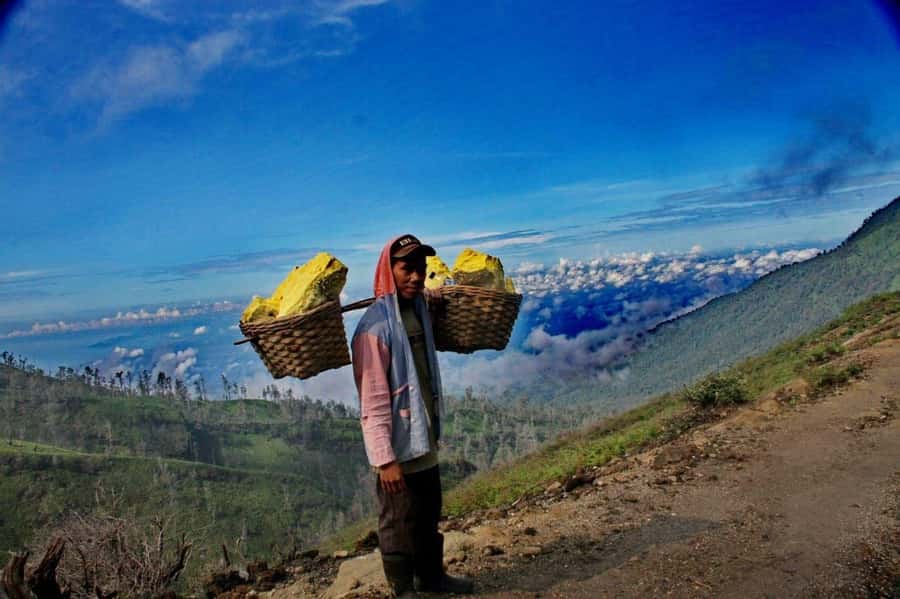
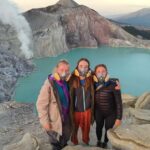
Ijen isn’t a “walk and watch” kind of experience. The itinerary includes a tough descent down into the caldera to reach the area where you can see the blue flames and reach the turquoise lake zone. That means uneven footing, cold air at higher elevations, and a lot of effort before you even get your first clear view.
You’ll also need the right gear mindset. Bring comfortable shoes, warm clothing, rain gear, and gloves. A standard mask is also recommended—this is volcano territory, not a spa lobby.
A key access note you should take seriously
There’s an important constraint: temporary visitors can’t go down to the crater. Since your ability to descend depends on current access rules, your guide should confirm what’s possible for your exact group and timing. If you’re planning to do this tour specifically for crater access, ask the operator directly before you lock anything in.

After the flames: crater-rim viewpoints and breakfast timing
After the crater-area experience, the route moves back up to the crater rim. That’s when you take in panoramic views and then shift into the day’s next mission. There’s a short rest stop at the miner’s shack, and the plan includes breakfast before you continue onward to the Bromo area.
This “up then onward” structure is useful. It prevents you from ending the most intense part of the trip on empty power and it gives you a chance to eat before the next long travel segment.
Evening check-in near Bromo
You spend night one near Bromo, in a hotel that will depend on availability. Common options listed include Cafe Lava Hostel, SM Bromo Hotel, or Grand Whiz Hotel. These hotels are described as comfortable and overlooking Bromo, with sheets, clean running water, and Wi‑Fi. Breakfast is continental.
That’s a practical detail: after a long day, you’ll want a bed that’s truly usable. The hotel information here leans toward function over fancy, which I think is the right call for a volcano itinerary.
Day 3: Pananjakan Sunrise, Bromo Crater Views, and Your Optional Drop-Off
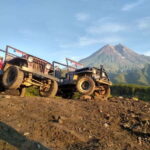
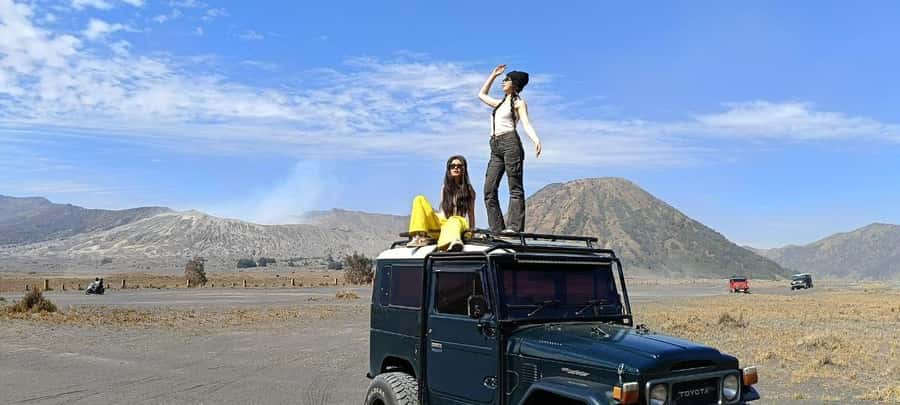
You start the morning early again, this time heading to Mount Pananjakan. You’re using a viewpoint on the rim of the Tengger Caldera, and you’ll travel by 4×4 vehicle to get there.
Early starts can be painful anywhere. Here, they’re also the whole point: sunrise is what turns “dark mountain road” into “photos that look unreal.”
The Bromo sunrise moment: why this viewpoint timing matters
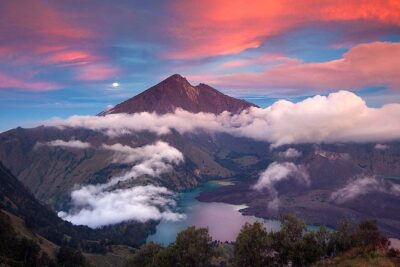
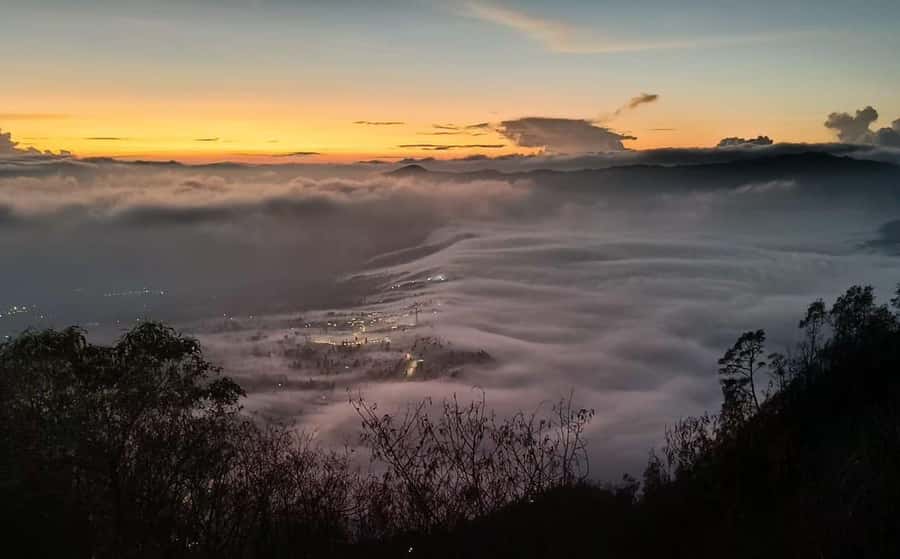
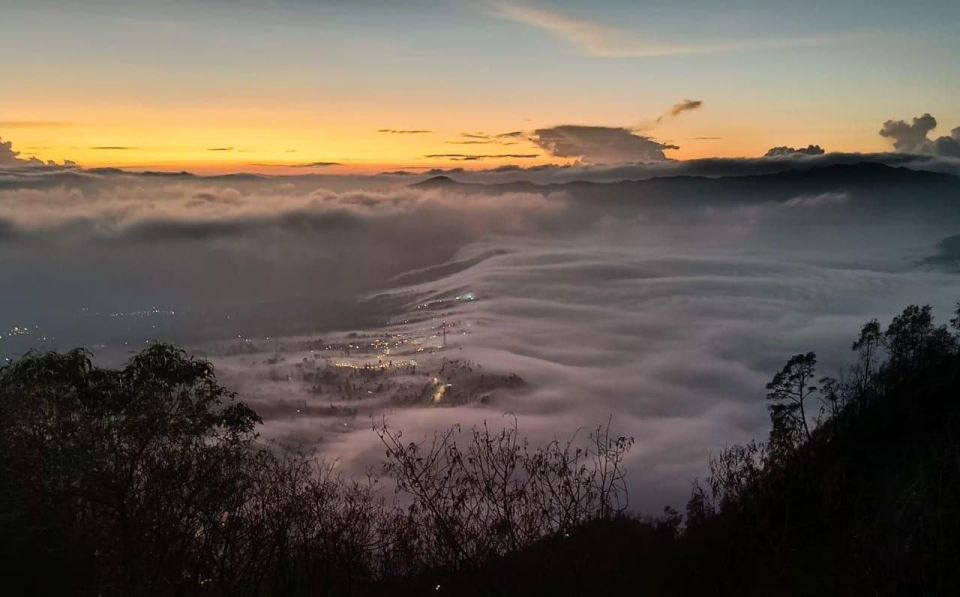
From the Pananjakan rim, the payoff is wide. You get the caldera setting and a dramatic sky shift as the light arrives. For photographers, this is the window when exposures behave and details pop.
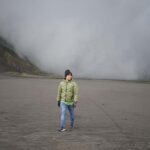
Then the tour continues to active Mount Bromo to see the crater. Even with good planning, volcanic weather can change fast. If cloud cover or mist shows up, you’ll still get the crater visit part of the day, but the “wow” factor depends on conditions.
After Bromo: where the trip ends
Once you’ve seen the crater, you head back for breakfast and then the tour can end with an optional drop-off in Probolinggo, Malang, or Surabaya. That’s handy if you’re continuing your Java route after the volcano circuit instead of returning directly to Bali.
Price and Value: What You’re Paying For (and Why It’s Reasonable)
At $326 per person for 3 days, this isn’t a budget-only excursion. But it’s also not priced like a private driver with no planning. The value comes from the combination:
- Two nights of accommodation (one near Ijen, one near Bromo)
- Entrance fees for Bromo and Ijen
- Private transportation by air-conditioned car/minibus
- Ferry/boat fee to get from Bali to Java
- An English-speaking guide plus a driver
- Fuel, parking, donations, and mineral water
Lunch and dinner are not included. That’s normal for this type of itinerary, and it keeps the core price focused on logistics. If you want value, plan on eating on your own or budgeting for those meals.
The best reason the price makes sense is time. Doing Ijen and Bromo in three days requires coordination: night timing, early pickups, and the right vehicles for the rim viewpoints. If you tried to piece this together alone, you’d likely spend energy (and money) chasing the same timing.
Hotels, Comfort, and Sleep: What to Expect Between Volcano Hours
The accommodation choices are consistent with the nature of the trip: you’re sleeping near your sunrise access points and not in the middle of a city.
On the Ijen side, the stay is generally Grand Harvest or Santika Hotel. On the Bromo side, it’s typically one of Cafe Lava Hostel, SM Bromo Hotel, or Grand Whiz Hotel. These are described as comfortable with Wi‑Fi and continental breakfast, plus clean running water and bedding.
Two comfort realities to keep in mind:
- You may be waking up before dawn, so pack a “sleep first” routine (earplugs and a dry layer help).
- Temperatures near volcano rim areas can feel colder than the lowlands. Warm layers are not optional.
The Guide Factor: English Help and Photo-Smart Spotting
A big reason this itinerary earns a high rating is the human part: guides who help you not just see things, but actually manage them.
In the experience notes tied to this tour, names like Rudi/Rudy and Adi show up with the same pattern: attentive guidance, clear communication, and a focus on making the tough segments feel more doable. One theme is that guides help you learn how the day works on the ground—where to stand, how to pace yourself, and how to keep moving safely during early hours.
That matters at Ijen. The descent and crater-rim navigation can feel intense if you’re unsure what you’re doing. A good guide doesn’t remove the challenge, but they can remove the confusion.
Who Should Book This Tour (and Who Should Skip It)
This is a strong match if you want classic East Java volcano highlights without having to coordinate multiple day trips. It works well for couples, friends, and solo travelers who don’t mind early mornings and want a straightforward plan.
It may not work for you if any of these apply:
- Pregnant women
- Wheelchair users
- People with respiratory issues
- Anyone who struggles with strenuous walking and steep terrain
Also, note the rule: pets are not allowed.
What to Bring: Your “Survive the Volcanos” Packing List
The trip’s success hinges on basics. Bring:
- Comfortable shoes with grip
- Warm clothing and a warm jacket
- Rain gear
- Gloves
- A standard mask
- A camera (you’ll want it at both Ijen night and Bromo sunrise)
If you forget one thing, make it shoes. The hike portions rely on traction and ankle comfort. If your feet are unhappy, the views will be harder to enjoy.
Booking Notes You’ll Actually Care About
Pickup is included, but you confirm the pickup location via email or WhatsApp. If your Bali accommodation has multiple pickup points (or a guard desk that delays things), be proactive and send the pickup details early.
Availability also controls which hotel you get in each area. Bromo accommodations can vary between the listed options, and Ijen accommodations can swap between the listed options too.
If conditions change (weather, access rules), your guide will adapt within the trip structure. Still, the Ijen crater access restriction for temporary visitors is a point to clarify ahead of time so expectations match reality.
Should You Book This 3-Day Ijen and Bromo Tour?
If your dream is Ijen blue flames plus Bromo sunrise within a tight schedule, this tour is a solid choice. The logistics are handled, the guides bring attention and care, and the hotel setup is practical for rest and early starts.
I’d say skip it if you’re sensitive to physical strain or have respiratory limitations. I’d also ask a direct question before booking if you’re relying on crater descent access, because temporary access limits can apply.
For the right traveler, this is the kind of trip that feels “big” in three days: one night for the strange glow of Ijen, one morning for a sky-changing sunrise, and a crater view to cap it off.
FAQ
What does the tour price include?
It includes 2 nights of accommodation (1 night near Bromo and 1 night near Ijen), entrance fees to Bromo and Ijen, private transportation by air-conditioned car/minibus, ferry/boat fees, an English-speaking driver and guide, fuel/parking/donations, and mineral water.
Are lunch and dinner included?
No. Lunch and dinner are not included in the tour price.
Do I get pickup from my location in Bali?
Pickup is included, but you need to confirm your pickup location by email or WhatsApp.
How do Ijen blue flames and Bromo sunrise fit into the schedule?
You go to Ijen at night for the blue-flame experience and crater area time, then you head toward Bromo. On day three, you take a 4×4 to Pananjakan for sunrise, then continue to Mount Bromo to see the crater.
Will I have access to go down into the Ijen crater?
The information notes that temporary visitors can’t go down to the crater. You should confirm with the operator/guide whether your group is permitted for the descent.
What kind of hotels will I stay in?
Bromo: Cafe Lava Hostel, SM Bromo Hotel, or Grand Whiz Hotel (depending on availability).
Ijen/Banyuwangi: Grand Harvest or Santika Hotel (depending on availability). Both are described as comfortable with Wi‑Fi and continental breakfast.
What should I bring for this trip?
Bring comfortable shoes, warm clothing, rain gear, gloves, a warm jacket, a standard mask, and a camera.
Is the tour suitable for everyone?
It is not suitable for pregnant women, wheelchair users, or people with respiratory issues. Pets are also not allowed.