Crater-rim views hit you fast. This Senaru Crater rim trek (sold as 2D1N) brings you to one of Rinjani’s best viewpoints, with Lake and Baby Volcano in sight when the weather cooperates, plus a proper camping night on the mountain.
I really like the mix of comfort and adventure: you get a night in Senaru before the hike, then you sleep in trekking-style camps with sleeping bags and a mattress. I also love how much support you get on the trail, especially with guides like Ir, Mus, Irsyad, and Edi, who focus on pacing, jungle know-how, and keeping you moving when it gets steep.
One consideration: this trek is weather-dependent, and the altitude can be cold enough for minus temperatures. Pack for real cold, and be ready that conditions can affect visibility and timing.
In This Review
- Quick hits before you go
- Entering the Senaru Crater Rim: why this viewpoint is the point
- Your 3-day rhythm (and where the 2D1N naming gets confusing)
- What’s really included with Rinjani Sunrise (and what it saves you)
- Included essentials
- Optional extras you might want (private option)
- What’s not included (and why it matters)
- The hike: how it feels in real life (not just on paper)
- Cold-weather packing that actually works on Rinjani
- Wear and pack warm layers
- Shoes and grip
- Nature sauna and the short-pants note
- Personal medicine
- Price and logistics: is $262.91 good value?
- Who should book this crater rim trek?
- How to make the most of your day on the rim
- Should you book Rinjani Sunrise for the Senaru Crater Rim 2D1N?
- FAQ
- What time does the trek day start?
- Is there accommodation included before the trek?
- Do I sleep in a tent during the trek?
- What camping gear is included?
- Are transfers included?
- What fitness level do I need?
- What do I need to bring that is not included?
- What happens if the weather is bad?
Quick hits before you go
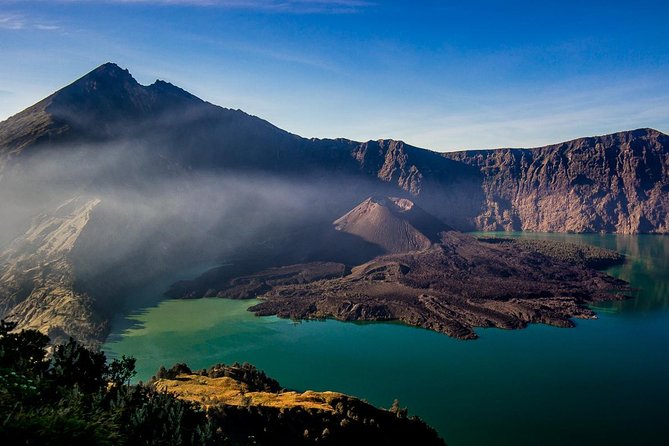
- Big crater-rim payoff for beginners: Senaru Crater rim is often described as a second summit thanks to the views.
- Two different nights: one night in Senaru, then one night camping during the trek.
- Guides do the heavy lifting: knowledgeable guidance plus porters to make the hike feel more doable.
- Camp setup for night skies: one team arranged camp so you could catch sunset and the Milky Way.
- Cold gear matters: long pants and a warm layer system are not optional at high altitude.
Entering the Senaru Crater Rim: why this viewpoint is the point
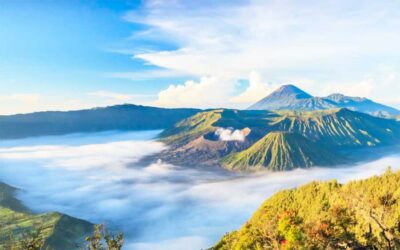
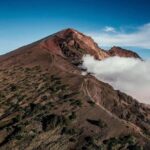
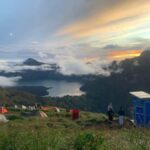
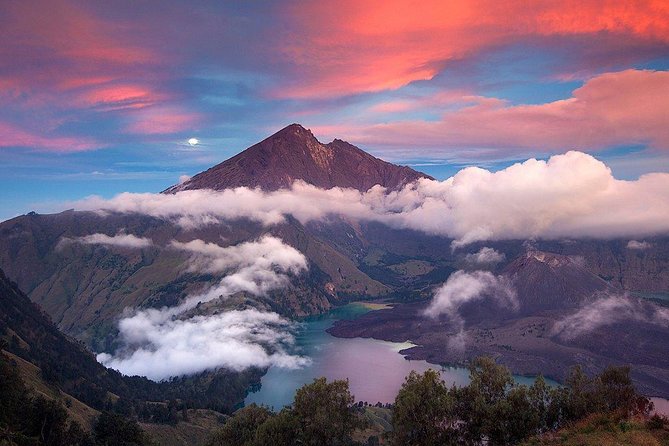
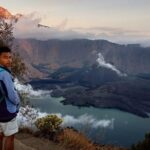
If you’re planning Rinjani, you probably want the good stuff: dramatic volcano scenery without needing an advanced mountaineering plan. The Senaru Crater rim trek is a strong answer. From the rim, you’re aiming at the classic payoffs—wide crater views, plus the chance to see the Lake and Baby Volcano on clear days.
What makes this experience appealing is how it feels like a “best-of” route. The rim viewpoint is often compared to a second summit because the sightlines are so open. On a good day, it’s the kind of place where you stop walking, look around, and realize you’re seeing more than one famous Rinjani feature at once: the crater world below, and the surrounding volcanic forms beyond.
This is also a trip that’s designed for more than one type of traveler. The route is marketed as suitable for beginners and families with children (minimum age is 10). I’d read that as practical confidence: it’s demanding, but the structure and support are built to help regular hikers handle it.
You can also read our reviews of more tours and experiences in Lombok.
Your 3-day rhythm (and where the 2D1N naming gets confusing)
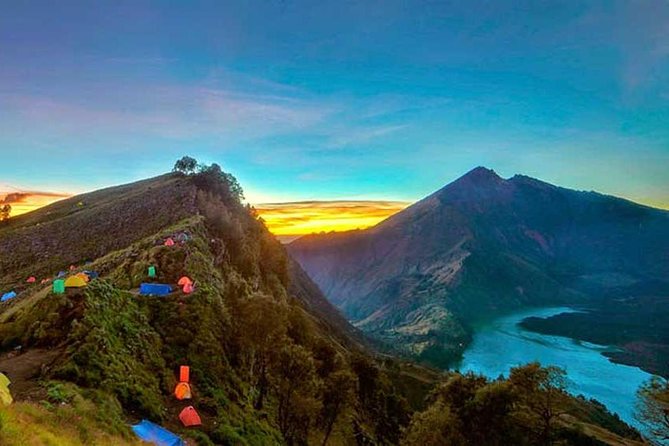
Even though it’s commonly sold as 2D1N, the full schedule is about 3 days and 2 nights.
Here’s how to think about it:
- Day before the trek (Night 1): you stay in accommodation in Senaru. This matters because it gives you a baseline night before you start climbing.
- Hike period (Day 1 to Day 2): you trek up toward the crater rim and spend that on-mountain day working your way to the best viewing points.
- Camping night (Night 2): you sleep in a tent at the campsite during the trek. Included camping gear makes this less stressful than “bring everything yourself” hikes.
The meeting time is 8:00 am, so you’ll want to be ready early. If you prefer slow starts, build in a buffer the night before so you’re not scrambling for layers, water, or your bag before pickup.
One more practical note: the tour can leave on various days, but it won’t run if weather conditions aren’t permitted. That’s not a small detail. On volcano hikes, visibility and safety go together, so plan to be flexible.
What’s really included with Rinjani Sunrise (and what it saves you)
This tour includes a lot of the stuff that normally turns a hiking plan into a logistics headache.
Included essentials
- Full-board meals during the trek
- All transfers (in and out)
- 1 night accommodation a day before the trek (in Senaru)
- All entrance fees
- Camping gear: tent, toilet tent, sleeping bags, and mattress
- Guide and porters
For value, I like included meals plus included camping gear. That’s two categories where people often overspend when they DIY. You also get porters, which doesn’t just reduce weight—it reduces mental load. When you’re tired, having someone else handle the bulk makes it easier to keep a steady rhythm instead of constantly adjusting your pack.
Optional extras you might want (private option)
If you choose the private option, there’s a panorama walk to Sindang Gile and Tiu Kelap Waterfall. That’s the kind of add-on that makes the trip feel like more than just climbing. If you like waterfall stops and short scenic walks, a private format could be worth it.
What’s not included (and why it matters)
You’re expected to bring:
- trekking shoes (running or hiking shoes with good grip)
- warm layers like a jacket/tick coat system (if you don’t have one, you can rent on the spot)
- long pants, because it can reach even minus temperatures
- short pants only if you want the nature sauna option
- personal medicine
The biggest “don’t ignore” item here is long pants and warm layers. Even if you’re from a warm climate, volcano nights can feel brutally cold. Layering beats relying on one thick piece of clothing.
The hike: how it feels in real life (not just on paper)
This trek is challenging, even with support. The good news is that the structure is built to keep you moving and learning as you go.
Guides like Ir and Irsyad are repeatedly praised for being strong on mountain and jungle knowledge. That doesn’t just sound nice—it changes how the hike feels. When you understand what you’re walking through, you spend less time guessing and more time paying attention. One guide also stood out for patience and encouragement, which is exactly what you want when steep parts slow you down.
There’s also a practical rhythm to expect: legs of walking that can run 5+ hours depending on your pace and conditions. If you’re a beginner, don’t panic at that. Instead, aim to keep a steady pace and let the guide set the breathing strategy. With porters and a guided plan, your job is mostly to keep moving safely and not burn out early.
One detail I’d highlight from the experience stories: camp setup matters. Some teams arrange camp so you can enjoy sunset and even Milky Way views. That’s not guaranteed, because weather is king, but it’s an example of what “good guiding” can look like—thinking beyond the hike and caring about the night sky moment too.
Cold-weather packing that actually works on Rinjani
You’re walking into altitude, and the weather can swing. Here’s how I’d pack for what this trek specifically calls out.
Wear and pack warm layers
- Bring long pants. The info here is blunt: it can reach minus temperatures.
- Bring a warm jacket or tick coat. If you don’t have it, you can rent on the spot, but I’d rather have your own fit and comfort.
- Plan for cold at night at minimum. Even if your daytime hike feels fine, sunset-to-dark is often when the temperature drops fast.
Shoes and grip
Trekking shoes aren’t listed as included, but the guidance is straightforward: use shoes with a good grip. If you only own lightweight sneakers, make sure they have traction, not just comfort.
Nature sauna and the short-pants note
The tour mentions short pants for a nature sauna moment. If that sounds like fun to you, pack a simple pair. If you’d rather skip it, long pants still cover you for most cold and ground-time situations.
Personal medicine
The tour doesn’t include personal medication. That’s basic, but it’s also the kind of thing that can ruin a trip if you forget. If you take anything for motion sickness, allergies, or altitude-related symptoms, bring it.
Price and logistics: is $262.91 good value?
At $262.91 per person, this trek sits in a mid-range band for guided volcano hikes in Indonesia—especially because this one includes both meals during the trek and camping gear plus all transfers and an extra night in Senaru before you start climbing.
Where the value shows up:
- You’re not paying extra to arrange transfers.
- You’re not figuring out camping logistics on your own.
- You’re not buying all the systems (tent, toilet tent, sleeping bag, mattress) just to make one night workable.
- You have a guide plus porters, which usually costs more if you DIY or hire separately.
Where the value can drop:
- If weather cancels or delays things, you’ll need to accept the tradeoff. The tour requires good weather.
- If you show up underpacked for cold, you might spend extra on rentals or improvised layers.
There’s also a “heads-up” based on one negative experience: sometimes the issue isn’t the mountain—it’s confirmation details. Before you go, double-check that your booking is confirmed with the correct details. If communication is easy when you book, keep that habit. Send a short message to confirm your pickup and trek start details, then you’re reducing the risk of an awkward arrival day.
Who should book this crater rim trek?
This is a good fit if:
- you’re a beginner hiker who still wants a real mountain experience
- you’re traveling with family and want a structured, supported route (minimum age 10)
- you want crater views without committing to a longer, more technical climb
- you appreciate good guiding and don’t mind that the hike is still work
If you’re an experienced hiker looking for a long, training-heavy push, you might find the Senaru crater rim route more “scenic and guided” than “intense and extended.” But if your goal is views, comfort support, and a well-run camping night, the format suits you.
How to make the most of your day on the rim
This is where I’d shift from logistics into strategy—so your energy goes where it counts.
- Plan for slower pace than you think. With a climb that can stretch 5+ hours depending on conditions, going too fast early makes the rim moment feel rushed.
- Keep your layers accessible. Cold hits hardest when you stop moving. Have your warm layer easy to grab.
- Treat sunset and night sky as part of the experience. If your team sets up camp with good viewing, stay curious and patient. The night sky bonus (including Milky Way views in some setups) is one of the most memorable parts.
- Ask questions. Guides like Ir and Irsyad tend to share mountain and jungle context. It makes the hike feel richer without adding extra effort.
Should you book Rinjani Sunrise for the Senaru Crater Rim 2D1N?
I’d say book it if you want a supported volcano hike that still delivers serious scenery. The big strengths are the guides and porters, the meals and included camping gear, and the fact that you’re aiming for famous crater viewpoints that can include Lake and Baby Volcano. The “second summit” feel is exactly the kind of payoff that makes these treks worth it.
I’d be cautious if:
- you know you can’t handle cold at altitude and won’t pack proper layers
- you’re counting on perfect visibility every time (weather can change plans)
- you hate tight confirmation details and don’t want to verify pickup information
If you go with the right mindset—warm layers, a steady pace, and trust in the guide plan—you’re setting yourself up for one of Lombok’s most memorable hiking days.
FAQ
What time does the trek day start?
The meeting point lists a start time of 8:00 am.
Is there accommodation included before the trek?
Yes. The tour includes 1 night accommodation in Senaru a day before the trek starts.
Do I sleep in a tent during the trek?
Yes. You spend the second night camping in a tent at the campsite.
What camping gear is included?
Camping gear included includes a tent, a toilet tent, sleeping bags, and a mattress.
Are transfers included?
Yes. All transfers in and out are included.
What fitness level do I need?
You should have a moderate physical fitness level. The trek is also described as suitable for beginner hikers and families with children (minimum age 10).
What do I need to bring that is not included?
You should bring trekking shoes with good grip, long pants for cold high altitude conditions, and any personal medicine. You can rent a tick coat or jacket on the spot if you don’t have one.
What happens if the weather is bad?
This experience requires good weather. If it’s canceled due to poor weather, you’ll be offered a different date or a full refund.