Five hours, garden-first cooking, and real family warmth. You start with garden harvest of herbs and ingredients, then move into hands-on cooking of Javanese-style dishes at Endah’s home base. One thing to plan for: it is not air-conditioned, so bring something to cool down, especially on hotter afternoons.
What I liked most is how practical it feels. You touch, smell, and process the spices and fresh raw ingredients yourself, so the food makes more sense once you’re eating it. And because it’s a private group class led in English, you get more personal attention around flavor and spice level, not a one-size-fits-all lesson.
In This Review
- Key highlights worth your time
- Why This Garden-to-Table Class Feels Like Cooking at Home
- Meeting Endah: Welcome Drinks, Family Energy, and Spice Control
- The Garden Harvest: Herbs, Rhizomes, and Fresh Raw Ingredients
- From Ingredients to Flavor: How Your Cooking Session Really Runs
- What you might spend the most time on
- The Menu You’ll Cook: Rujak, Tofu, Tempeh, Sambal, and Curry Leaves Chicken
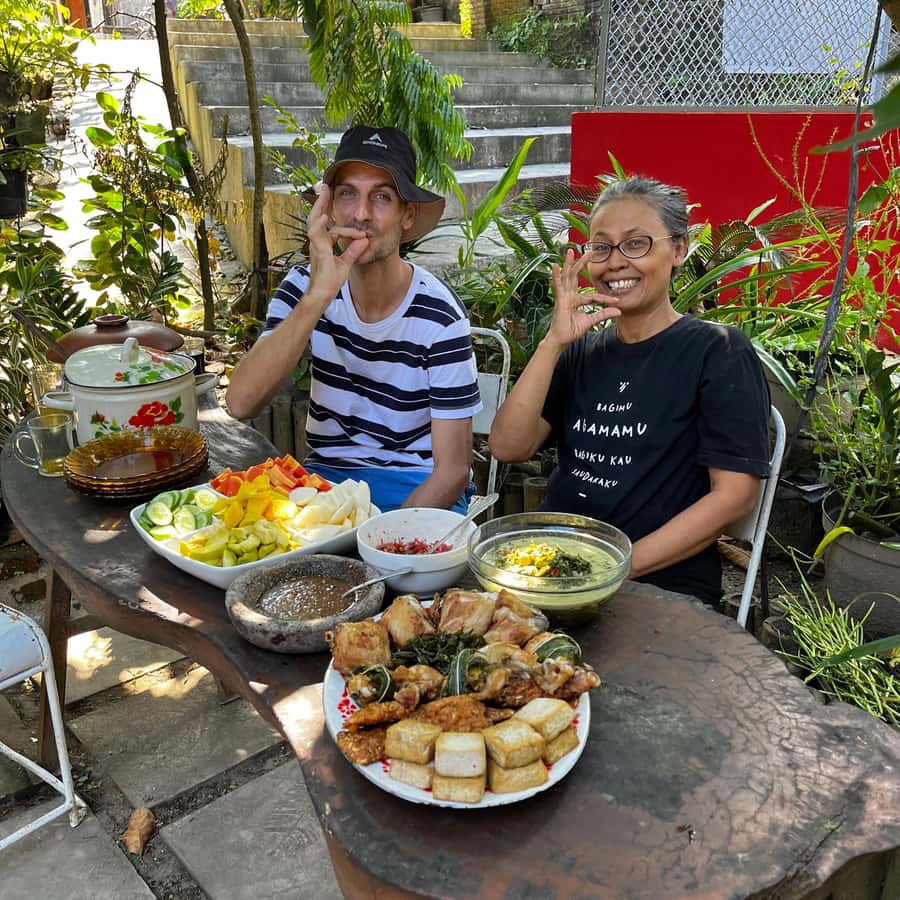
- Your Lunch and the Real Farm-to-Table Payoff
- Price and Value: Is $46 Fair for 5 Hours?
- Logistics That Matter: Heat, Private Group Pace, and What’s Not Included
- Who This Class Suits Best (And Who Should Rethink It)
- Should You Book This Yogyakarta Cooking Class?
- FAQ
- How long is the Indonesian cooking class in Yogyakarta?
- What is the price per person?
- What language is the instructor?
- What meals and drinks are included?
- What dishes will I cook?
- Is transportation included from your hotel?
Key highlights worth your time
- Garden harvest first so your meal starts with herbs and ingredients you pick yourself
- English-led instruction with a real focus on ingredients you can actually find locally
- Hands-on prep and cooking for a full, satisfying lunch you eat on the spot
- Choose your menu options after booking, so you can steer toward what you want to try
- Cats and calm surroundings that make the whole session feel more like a visit than a classroom
- Spice-level control tailored to what you can handle
Why This Garden-to-Table Class Feels Like Cooking at Home
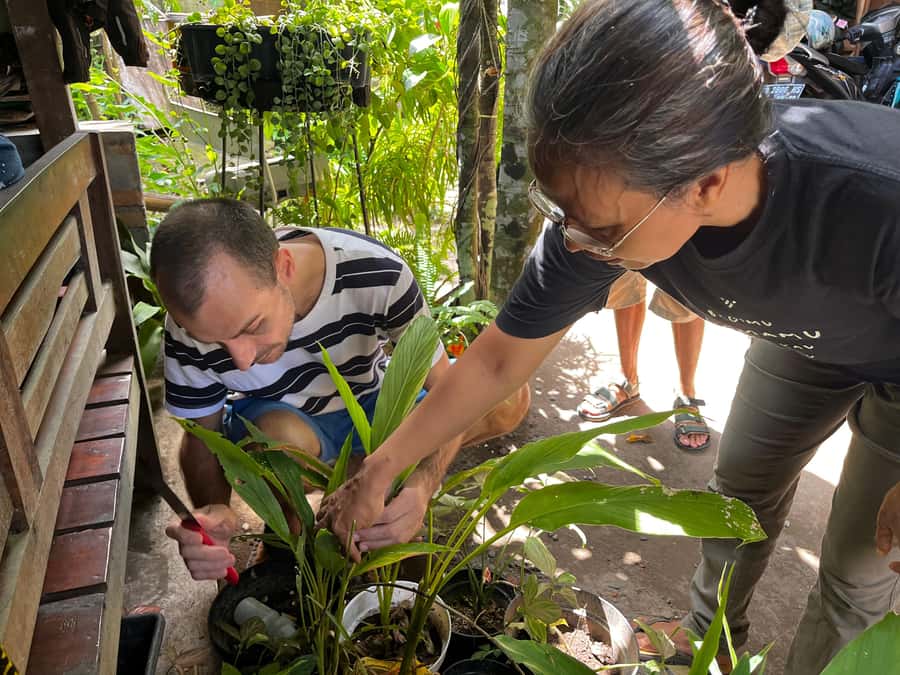
This cooking class in Yogyakarta is built around one simple idea: the best Indonesian meals start with good ingredients and smart prep. You don’t just watch a demonstration. You’re in the garden, then at the cooking setup, helping make the meal that ends up on your plate.
The vibe matters. Endah’s hosting style has that easy, family feel. In the middle of working, there’s time for laughs and casual conversation, including playful sing-alongs that keep the mood relaxed. If you want a cooking class that feels friendly and lived-in, this is the kind that does that.
You can also read our reviews of more tours and experiences in Yogyakarta.



Meeting Endah: Welcome Drinks, Family Energy, and Spice Control
Your session starts with a welcome drink. You can choose among tamarind turmeric, tamarind sugar, or lemongrass tea. It’s a nice little cue that the class is going to focus on taste-building flavors, not just throwing ingredients together.
From there, Endah helps you get oriented and sets you up for the food ahead. The instruction is in English, and the whole thing is designed for a private group, so you’re not stuck translating for a room full of strangers. One helpful detail: Endah is mindful about spice levels, so if you’re the type who prefers Indonesian flavors without turning up the heat, you can usually steer the cooking that way.
A few extras can pop up too—some classes like this include little garden touches such as fresh fruit or home-brewed coffee. You’ll also see the family side of the operation, which is part of why the experience feels memorable beyond the recipes.
The Garden Harvest: Herbs, Rhizomes, and Fresh Raw Ingredients
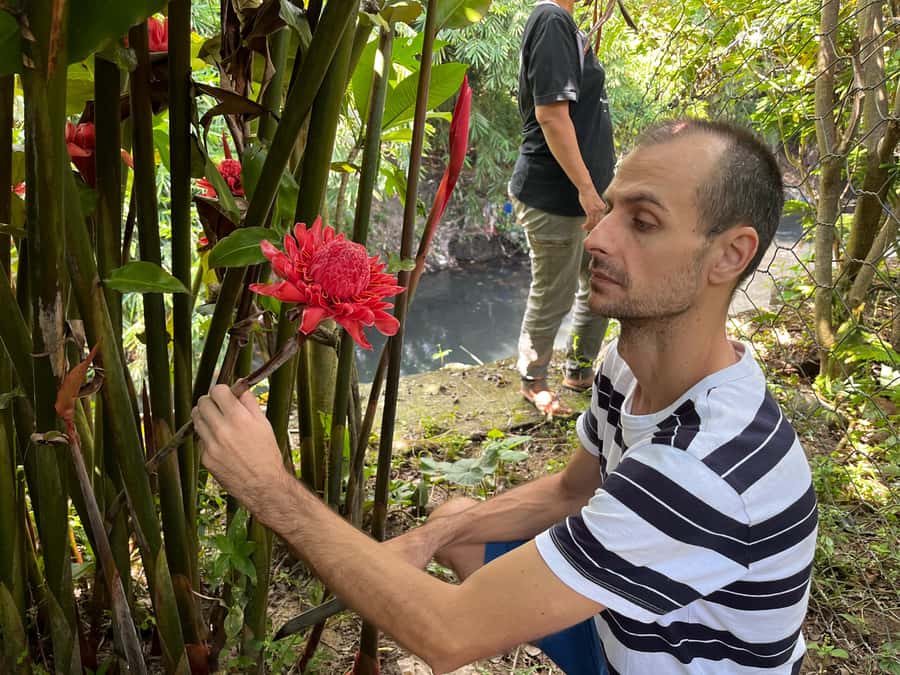
The garden is not a backdrop. It’s the start of your meal.
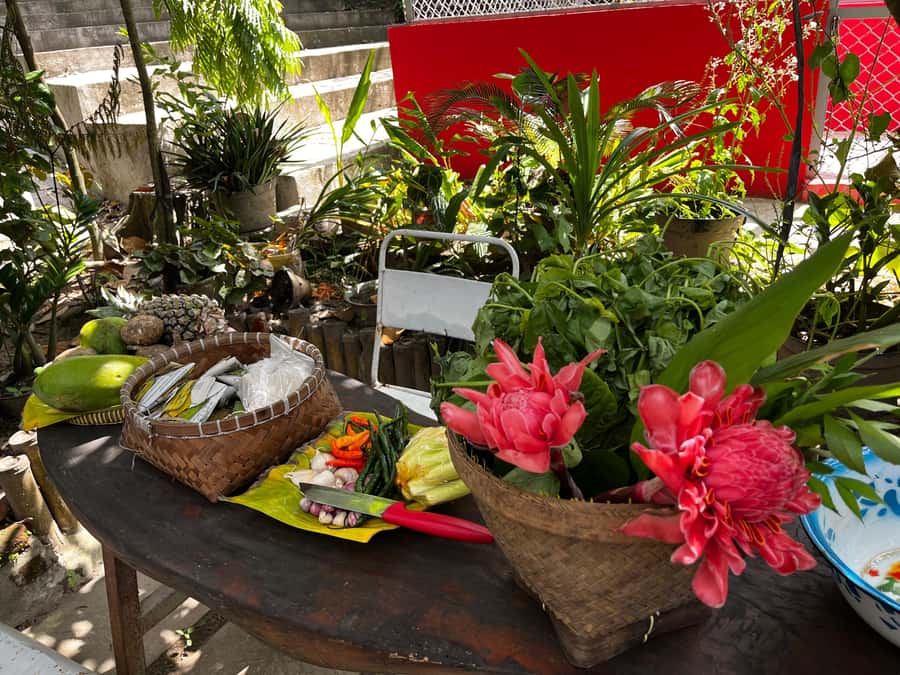
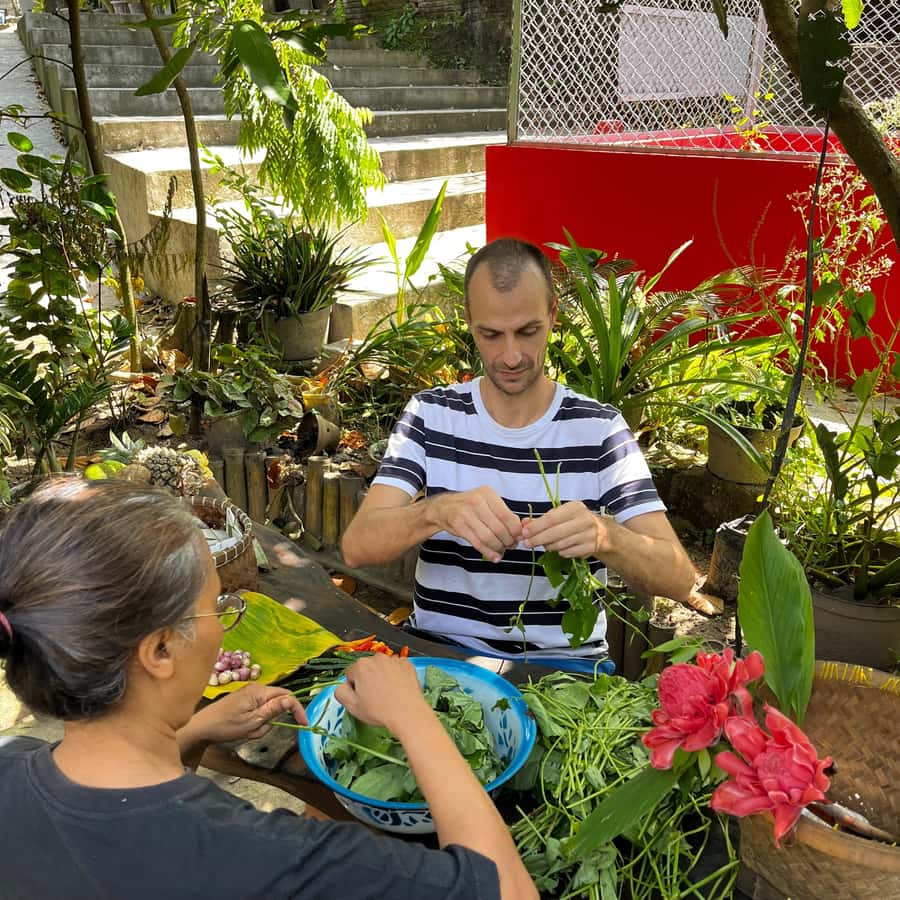
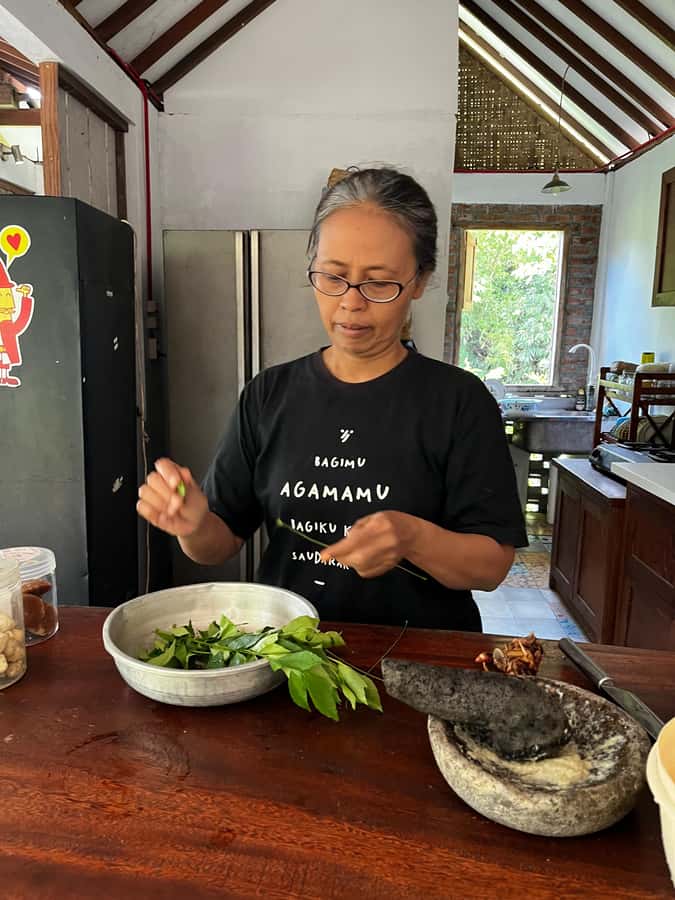
You’ll harvest native herbs and other ingredients used in the dishes. You’ll also handle rhizomes, spices, and fresh raw components—your senses do real work here. Touch and smell aren’t just for fun; they help you understand why certain ingredients show up in Javanese cooking, especially when you’re learning what to do with them later.
This is also where you get context. Endah discusses Indonesian culinary culture as you work. That matters because Indonesian dishes rely on layered flavors—spice, aromatics, sweet-sour balance, and texture. By the time you reach the stove, you’re already thinking about the dish as a set of ingredients, not as a finished plate you just ordered.
And yes, there are cats around. They’re part of the calm, quiet, slightly chaotic charm of being in a real home garden. It sounds minor until you realize it’s exactly the kind of detail that makes you slow down and enjoy the afternoon.
From Ingredients to Flavor: How Your Cooking Session Really Runs
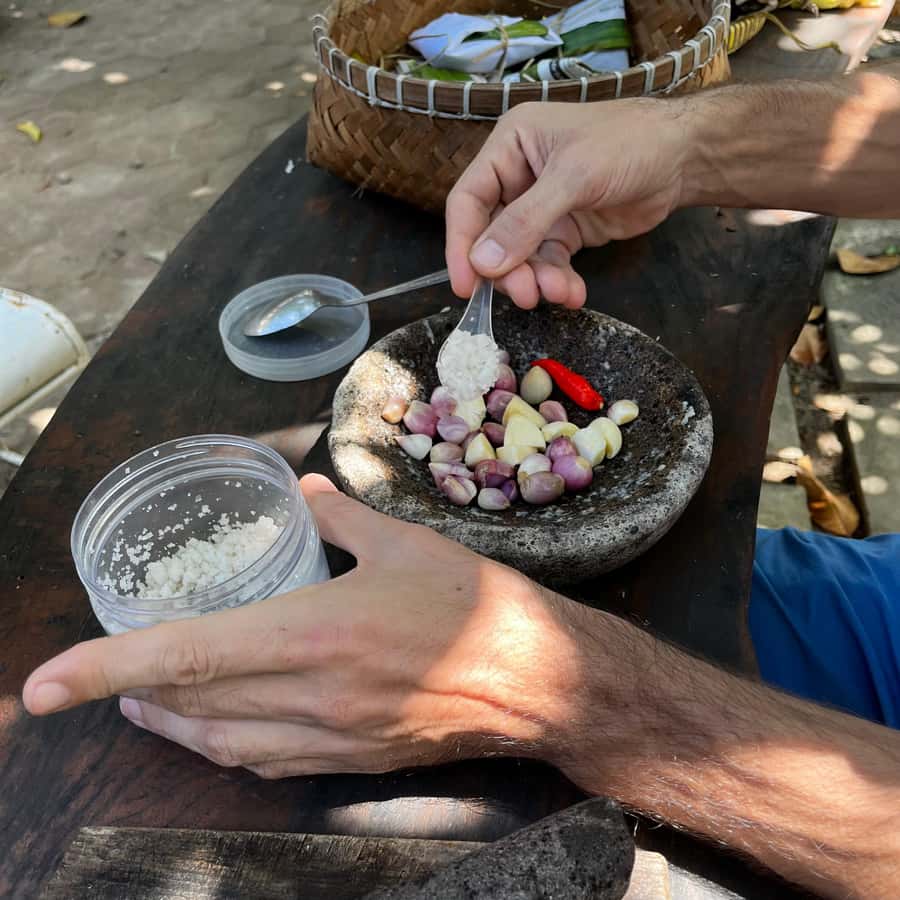
After harvesting, you move into cooking mode. The class is hands-on throughout. You’ll prep, mix, and cook components that become the meal.
The included setup covers cooking materials and equipment, so you shouldn’t show up worried about tools. Also, you’ll be choosing from menu options—after booking, you’ll receive the full range of menus to pick what you want to make. Once you choose, you’ll work toward the dishes on your selected menu.
That menu-choice flexibility is one of the biggest practical upgrades compared with more rigid cooking classes. If you know you love spicy sambals, or you want more vegetarian-friendly plates, you can guide the cooking toward your tastes instead of being forced into whatever the schedule assumed.
What you might spend the most time on
The pacing depends on your group and the menu you select. In this kind of class, some dishes require mixing and grinding (especially for sauces and sambals), while others need frying or cooking technique. One participant noted that some cooking roles are more prep-focused than full step-by-step solo cooking at every moment, so expect a mix: you’ll do plenty, but it may not always look like you’re doing every single step alone.
That said, the food still turns out as yours. You eat what you cook, and you’ll leave with a stronger sense of the process than you would from a quick demo.




The Menu You’ll Cook: Rujak, Tofu, Tempeh, Sambal, and Curry Leaves Chicken
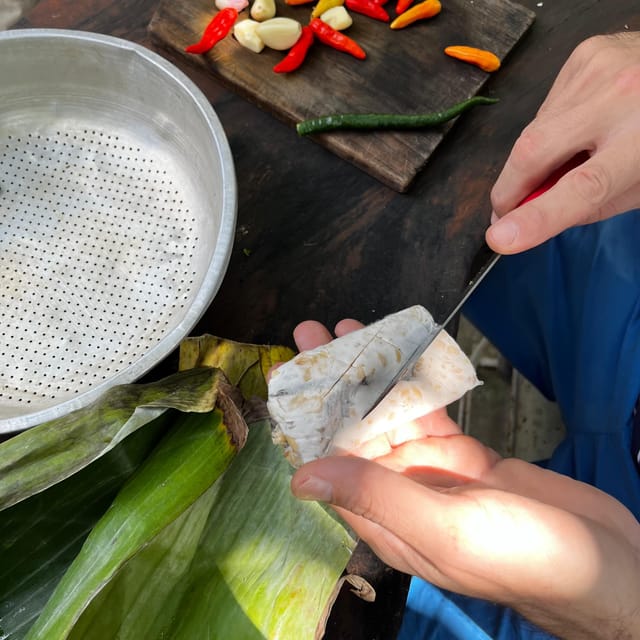
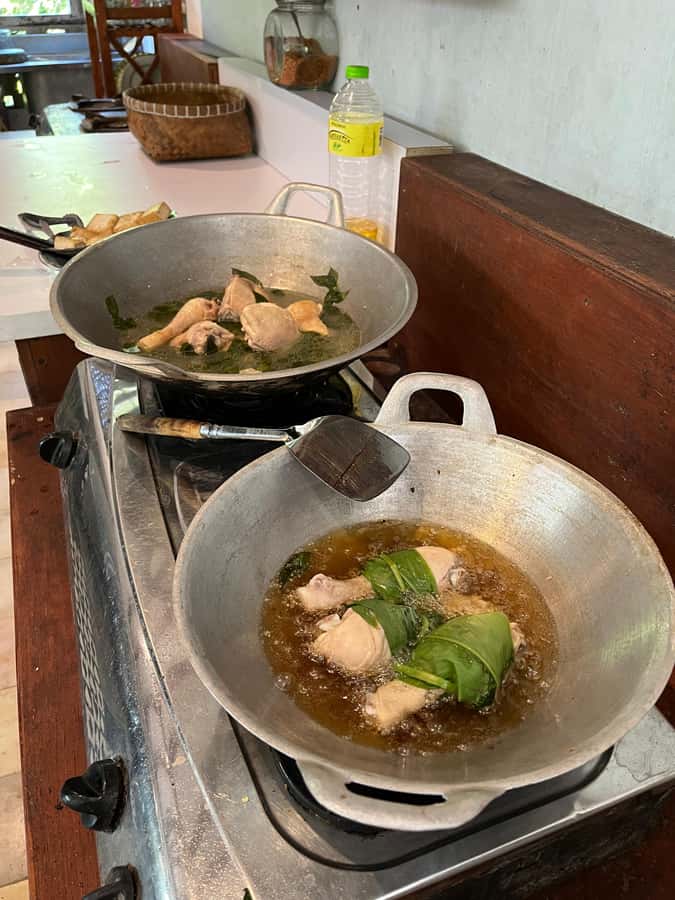
You prepare 6 local dishes, with the menu typically including vegetable rujak with peanut sauce, fried chicken with curry leaves, fried/boiled tofu, tempeh, a Balinese lemongrass chili sauce, and local fruit rujak.
Here’s what makes this set a good learning mix:
- Rujak (vegetable + fruit) shows the sweet-sour balance and the role of peanut sauce. You’re not just tasting fruit or vegetables; you’re tasting the condiment logic.
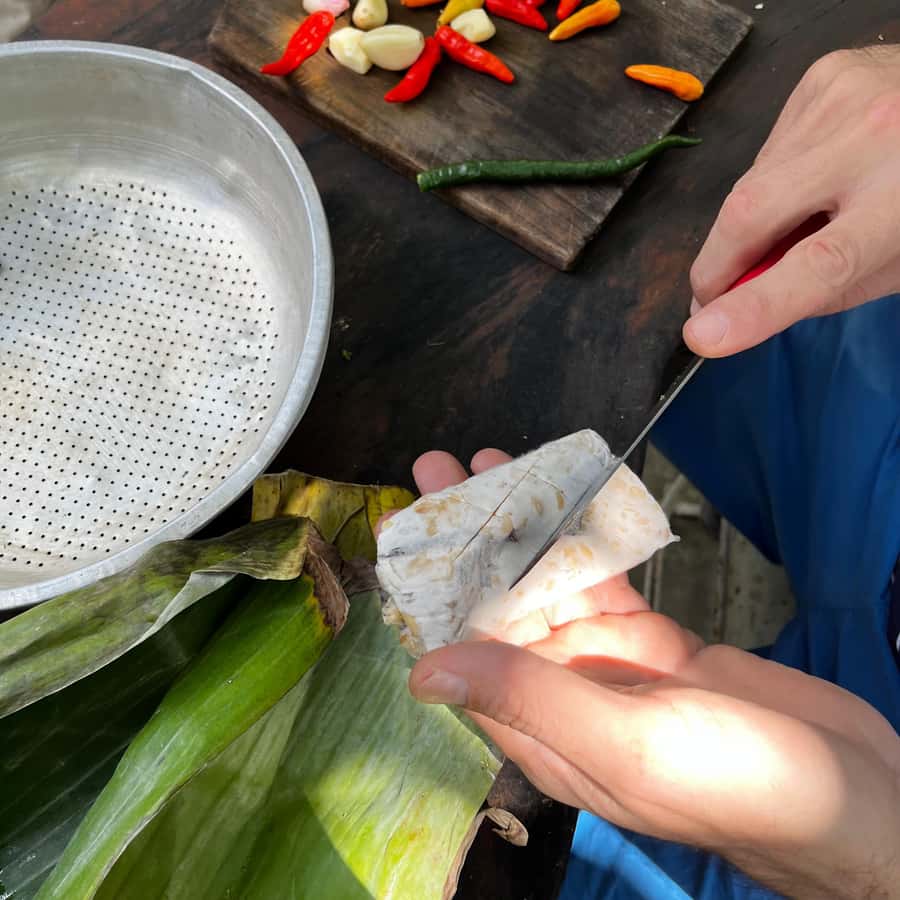
- Tofu and tempeh teach texture and how Indonesian cooking handles plant-based proteins—frying, boiling, and seasoning in ways that keep things flavorful rather than bland.
- Chicken with curry leaves gives you a familiar-but-not-boring anchor dish. Curry leaves are a whole world of aroma on their own, and learning how they work alongside aromatics helps you understand why Indonesian food smells the way it does.
- Lemongrass chili sauce connects the dots between herbs and heat. This is the kind of sauce you can imagine recreating later because lemongrass is something many home cooks can buy or grow.
A couple of fun details that show up in people’s favorite moments: sambals can become addictive fast, and the class includes jokes and laughter that make even the repetitive prep steps feel like part of the experience instead of work.
Your Lunch and the Real Farm-to-Table Payoff
You don’t cook and then leave. Lunch is included, and you eat what you prepared. That matters because Indonesian cooking often takes a few tries to really understand. When you taste your own food right after learning it, the flavors click faster.
The lunch spread is part of the value. For many cooking classes, you pay for the lesson but the food is a small sampler. Here, the meal is filling and built around multiple dishes, including rujak and protein sides like tofu and tempeh. It’s the kind of lunch that can actually take the edge off a day of sightseeing.
Also, you’re not just eating vegetables. You’re eating a lesson about how ingredients travel from garden to plate—harvested in a local setting, processed by hand, then cooked into a full Indonesian meal.
Price and Value: Is $46 Fair for 5 Hours?
$46 per person for a 5-hour Indonesian cooking class with lunch included is not just a price tag—it’s a value equation.
You’re paying for:
- A private-group experience with English instruction
- Ingredients and cooking equipment provided
- A garden harvest component, not just a kitchen class
- Lunch made from the dishes you cook
- Welcome drinks, with specific options (tamarind turmeric, tamarind sugar, or lemongrass tea)
For Yogyakarta, this makes sense if you care about food that’s more than tourist tasting. The cost feels justified because the session includes real process: harvesting, prep, cooking, and then eating a full meal. You also get recipes afterwards, which turns the class into something you can repeat at home rather than a one-time show.
The one cost you need to mentally budget for is anything beyond the provided meal and drink. Personal expenses and tipping are not included, so plan a little extra for that.
Logistics That Matter: Heat, Private Group Pace, and What’s Not Included
A practical note: the cooking area is not air-conditioned. If you get heat-sick easily, bring a small personal fan or something similar. It’s a small item that can make the difference between enjoying the garden breeze and feeling drained by the afternoon humidity.
Transport is another small consideration. Hotel shuttle is not included. If you’re staying in the city, you’ll likely need your own way to get there (or you might arrange a taxi for the return, which some people do at the end of the class).
The good part is the class length: 5 hours gives enough time to harvest, prep, cook, and eat without rushing. That tempo also helps you learn. If it were shorter, you’d miss some of the ingredient work that makes the food click.
Who This Class Suits Best (And Who Should Rethink It)
This cooking class is a strong match if you:
- Want a Yogyakarta cooking class that goes beyond demonstration
- Like hands-on lessons around spices, aromatics, and sauces
- Want to eat a full Indonesian lunch built from your own work
- Prefer a private, English-friendly setting
It may be less ideal if you:
- Need strong air-conditioning (the class isn’t air-conditioned)
- Have very limited mobility concerns (it is wheelchair accessible, but you’ll still be moving through a garden setting and cooking area)
- Are traveling with kids under 5 or if you’re over 70, since it’s not suitable for those age ranges
Should You Book This Yogyakarta Cooking Class?
Book it if you want an Indonesian cooking experience that feels personal, ingredient-led, and hands-on. The garden harvest is the heart of it, and the fact that you cook a set of 6 dishes (including rujak, tofu/tempeh, curry leaf chicken, and chili-laced lemongrass sauce) means you leave with a meal’s worth of knowledge, not just a taste.
Skip it if you’re looking for a strictly air-conditioned, fast-paced class where you watch someone else do most of the cooking. This experience is built for participation, prep, and learning by doing.
If you’re excited by the idea of making lunch from herbs you pick yourself, this is a great use of a Yogyakarta day—especially if you enjoy food that’s built on balance and texture.
FAQ
How long is the Indonesian cooking class in Yogyakarta?
The class lasts 5 hours.
What is the price per person?
The price is $46 per person.
What language is the instructor?
The instructor speaks English.
What meals and drinks are included?
Lunch is included, along with drink(s) during the class. You’ll also get a welcome drink, with choices including tamarind turmeric, tamarind sugar, or lemongrass tea.
What dishes will I cook?
You’ll prepare 6 local dishes. The menu includes vegetable rujak with peanut sauce, fried chicken with curry leaves, fried/boiled tofu, tempeh, Balinese lemongrass chili sauce, and local fruit rujak.
Is transportation included from your hotel?
No. Hotel shuttle is not included.