Kota Tua tastes like a history lesson. This 4-hour food walk through Batavia-era Jakarta turns old buildings into real-life context, with 5–6 tastings plus breakfast and lunch included. I like how the route is built around food stops in the Glodok Chinese quarter and then into the heritage core of Kota Tua, so you get culture with every bite.
The big drawback to plan for is weather. Jakarta mornings can still feel steamy, and at least one breakfast stop uses open sitting space, which can get uncomfortably hot.
In This Review
- Key Things to Know Before You Go
- Kota Tua and Batavia: why this tour is more than just eating
- Getting oriented: 8:30 start and how the route works
- Glodok Chinatown breakfast stops: curry, laska, gado-gado, and fried bread
- The oldest Chinese temple stop and the Batavia setting around it
- Coffee and snacks: the breaks that keep the morning enjoyable
- The Batavia-style lunch: where the tour finishes strong
- Price and value: is $63.59 worth it?
- Who should book this tour (and who should skip it)
- Practical tips so your morning goes smoothly
- Should you book Kota Tua Food Tour?
- FAQ
- Where does the tour start and what’s the meeting point address?
- What time does the Kota Tua Food Tour run?
- How many people are in a group?
- What food and meals are included?
- Do they offer vegetarian or vegan options?
- What is not included in the price?
Key Things to Know Before You Go
- Max 8 people keeps the vibe personal and lets you ask questions while you eat
- Breakfast + Batavia lunch means you’re not constantly hunting for food afterward
- Old Chinatown to Dutch-colonial Kota Tua connects geography to flavors
- 5–6 tastings in about 4 hours gives variety without turning the tour into a food marathon
- English-speaking guide and a local Foodie Buddy help you make sense of what you’re eating
- Vegetarian/vegan options available if you share restrictions ahead of time
Kota Tua and Batavia: why this tour is more than just eating
Kota Tua is where Jakarta’s layers show up in brick and street corners. During the Dutch colonial era, this area was tied to a place name you’ll hear often in the story of Jakarta: Batavia. On this tour, you’re not just ticking off sights. You’re walking the same kinds of neighborhoods where food traditions shaped by different cultures eventually met and mixed.
What I like most is that the tour treats food as a timeline. You start in the Glodok area, known for strong Chinese cultural influence, and you gradually move toward Kota Tua, where the old Dutch-colonial atmosphere still lingers. When your meal includes Indonesian curry, coffee, fried snacks, and comfort-food classics, it makes more sense why Jakarta’s street food style feels the way it does.
And because it’s small-group, you get room for real conversation. In past tours, guides such as Okty, Icha, and Bimo have been praised for being professional and easy to talk with, with good explanations of what the food is and how it fits the neighborhood.
The experience isn’t perfect for everyone. If you’re sensitive to heat or hate walking, you’ll want to prepare for the kind of outdoor pacing that comes with a half-day tour in Jakarta.
You can also read our reviews of more tours and experiences in Jakarta.

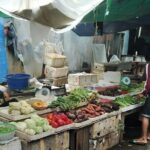
Getting oriented: 8:30 start and how the route works
The tour starts at 8:30 am, running for about 4 hours and ending back at the meeting point. You meet at Jakarta Kota Station, Jalan Lada, Pinangsia, Kec. Taman Sari, Kota Jakarta Barat, 11110.
This is a “morning first” plan. That matters because you’re more likely to enjoy the neighborhoods calmly before the day gets heavy. You’re also covering ground on foot, so comfortable clothes and shoes aren’t optional here—they’re the difference between enjoying the walk and just surviving it.
It also helps that the tour offers a mobile ticket, so you won’t be stuck digging through papers. And since it’s near public transportation, it’s easier to join without needing a hotel pickup.
One more practical note: the food portions are described as small to medium, and the tour generally includes 5–6 types of foods. In other words, you’ll eat enough to feel satisfied during and right after the tour, but you should still think of it as tastings plus real meals (breakfast and lunch), not unlimited ordering.
Glodok Chinatown breakfast stops: curry, laska, gado-gado, and fried bread
The tour begins in Glodok, where the street-scene feels condensed with Chinese influences. Your first food segment is built like a proper breakfast—so you’re tasting before you’re bouncing around the city.
Expect multiple items in the first stretch, and you’ll likely hit a mix of flavors like:
- Malaysian chicken and potato curry
- Chilli fried fish
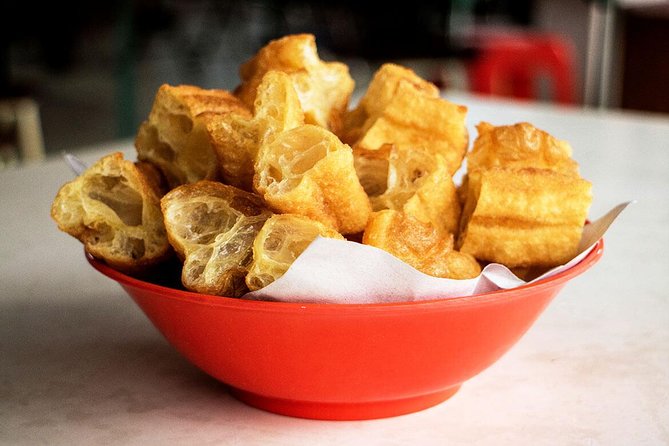
- Fried bread
- Chicken laska
- Gado gado
- A type of fried chicken
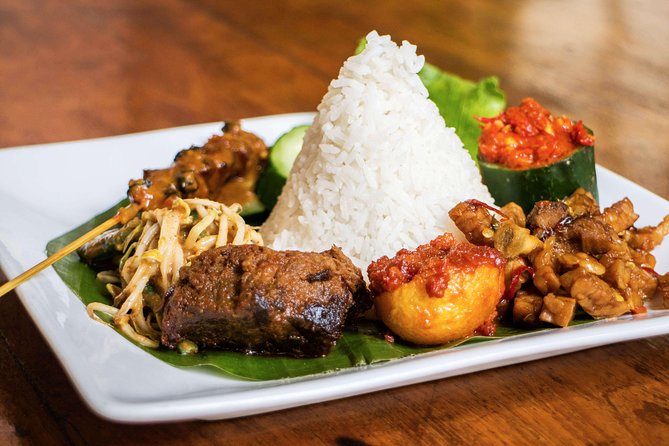
This is where the tour earns its points for variety. Many city food tours give you a neat little snack tour. This one gives you a breakfast set that can include soup-like noodle comfort (like laska), Indonesian salad-style textures (gado gado), plus fried and sauced items. It helps you understand how Jakarta street food can shift between savory, spicy, crunchy, and saucy within one morning.
A real consideration here is comfort. One breakfast stop uses open-air seating, and it can get stifling. I’d plan to bring water and dress for humidity. You don’t need fancy gear—just practical.
Also, if you have dietary needs, speak up early. The tour states vegan and vegetarian options are available, and you’re asked to inform the provider about restrictions.
The oldest Chinese temple stop and the Batavia setting around it
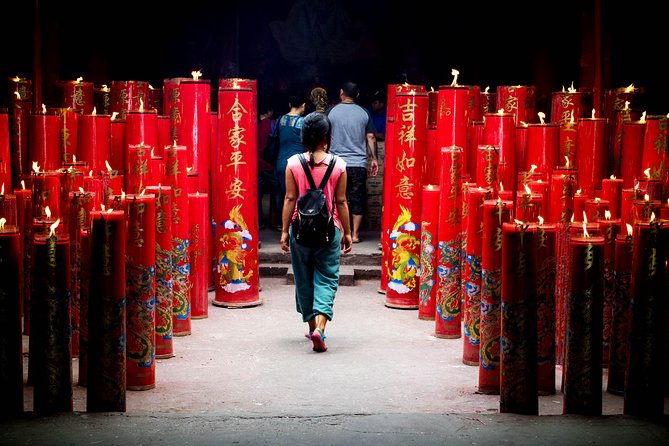
A major highlight is a visit tied to Jakarta’s oldest Chinese temple. Even if you’re not the type who reads every plaque, temples in this part of Jakarta help you grasp why Glodok matters. They aren’t random stops. They’re anchors in the neighborhood, and they shape the community rhythms that street food follows.
What makes this part valuable is the order of operations. You don’t do the heritage walk as a separate sightseeing block, then eat later. The tour uses the temple and nearby heritage buildings to set the scene for the kinds of food you’ve already started tasting—and the flavors you’ll meet again as you continue into Kota Tua.
In the stories shared along the way, you get a sense of how Batavia-era Jakarta carried influence across cultures, then filtered it into local tastes. That’s why tasting curry and fried snacks early doesn’t feel random later when you’re in the heritage district.
One note: the tour focuses on walking and story time, not long sitting tours. If you want big indoor museum time, this probably isn’t that kind of day.
Coffee and snacks: the breaks that keep the morning enjoyable
After the breakfast segment, the tour shifts into the “fuel up and keep moving” mode. You’ll have a traditional Indonesian coffee stop, plus additional Indonesian snacks during the walk.
Coffee is more than a beverage here. In many Indonesian street-food culture moments, coffee provides a calmer beat between louder flavors. It helps you reset your palate after fried items and spicy bites. It’s also a chance to slow down, observe, and ask questions without feeling like you’re dragging the group.
Based on past experiences, the route often includes stops that range from budget-friendly food stalls to places that feel more formal. That variety can be a plus if you want both authenticity and comfort—street flavors without giving up a chance to sit and breathe.
If you’re someone who gets hungry fast, this is a good tour style. With multiple tasting stops across the morning, you’re less likely to feel like you took a “quick” food tour and then suddenly hit a food-wall later.
Practical tip: Jakarta coffee often comes served in ways that vary by shop. If you’re sensitive to sweetness or strong flavors, mention it when you order or ask your guide what to expect.



The Batavia-style lunch: where the tour finishes strong
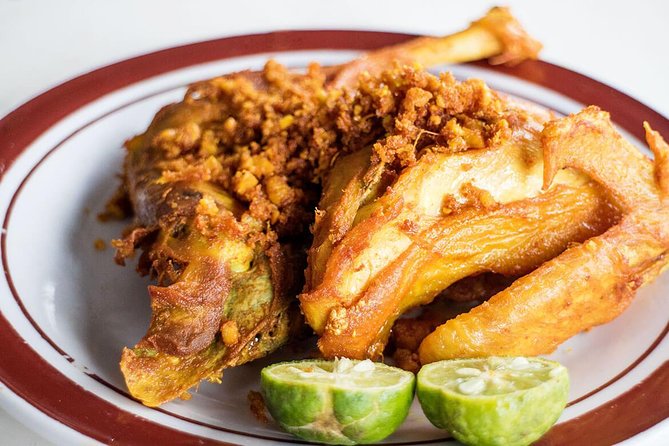
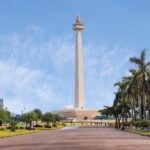
The tour wraps up with a fine Batavia lunch at an old-restaurant style setting. This is one of the best parts for value, because it turns the morning from snacks and wandering into a real meal.
You’ll likely sit down in a place with old Jakarta atmosphere—think heritage ambiance more than fast grab-and-go. It’s a strong closer because by the time you reach lunch, the earlier tastings have already built context. You’re not just eating lunch at random. You’re closing the circle: Chinese-influenced Glodok flavors, Indonesian staples, and the broader Batavia story all come together.
In past tours, groups have reported a mix of budget authentic stalls and more formal dining stops, which helps explain why the lunch feels like a deliberate finale instead of just a place to get full.
Portion planning matters here. The tour includes breakfast and lunch, plus several smaller tastings. That’s a good mix if you want variety without feeling sick from constant overeating. You may still want a light snack later in the day depending on your appetite, but you shouldn’t feel stranded once the tour ends.
Price and value: is $63.59 worth it?
At $63.59 per person, this tour sits in the “mid-range” category. The value comes from what’s included:
- 5–6 types of foods in about 4 hours
- Traditional Indonesian breakfast and Batavia lunch
- Access to an English-speaking guide (small group, max 8)
- A route that includes heritage context, including the oldest Chinese temple in Jakarta
- Traditional Indonesian breakfast, legendary Indonesian curry, traditional Indonesian fried chicken, legendary Old Jakarta coffee, plus traditional snacks
For me, the strongest value argument is the combination of food + guided storytelling + a hard cap on group size. In crowded food markets, you can lose time and attention. Here, the smaller group format helps you actually experience the food rather than just speed-eat.
One possible wrinkle: a provider response indicates the single-person price can be higher than when booking as two. So if you can travel with a friend, you may feel the value even more. If you’re solo, it can still be worth it because you’re paying for guide time and meal structure—but check your budget accordingly.
Also, it’s worth noticing what’s not included: entrance fees and extra meals/drinks/shopping aren’t part of the package. If you plan to buy souvenirs or add extra beverages, budget for that separately.
Who should book this tour (and who should skip it)

This tour is a great fit if:
- You want Kota Tua and Glodok as a single day plan, not a separate sightseeing trip plus a separate food quest
- You like street-food variety but also want a proper lunch sit-down
- You’d rather go small-group (up to 8) than join a huge herd
- You’re comfortable walking for about half a day and you can handle some humidity
You might rethink it if:
- You dislike outdoor sitting areas or get uncomfortable easily in heat
- You’re searching for a long museum-style experience with lots of indoor downtime
- You’re expecting one signature dish the whole time—this tour is about multiple tastings and a full morning structure
For families, note that children must be accompanied by an adult. Since it’s a food tour with walking, it’s better suited to kids who can pace through tastings without getting restless.
Practical tips so your morning goes smoothly
- Wear comfortable clothing and light layers. You’ll be on your feet in a humid city.
- Bring water. Even if you’re having coffee, you’ll still want hydration.
- If you have restrictions, tell the provider ahead of time so they can plan the vegetarian/vegan options properly.
- Don’t over-plan photos right away. First-time pacing in Kota Tua is smoother when you let the route guide your timing.
- If you love curry and fried snacks, you’ll likely be happy here—the menu is built around those Indonesian staples.
If plans change, there’s free cancellation, and cancellation rules run based on local time. So if you’re deciding late, it’s usually easier to adjust than with tours that lock you in quickly.
Should you book Kota Tua Food Tour?
I’d book it if you want an efficient half-day that connects Jakarta’s neighborhood history to what ends up on your plate. The included meals do a lot of heavy lifting: breakfast, multiple tastings, and a Batavia-style lunch. Add in the small-group cap and you get a tour that feels more like a guided local morning than a checklist.
I’d hesitate only if heat or long walking is a deal-breaker for you, since at least one breakfast spot can be uncomfortably hot. But for most people, bringing the right mindset—eat, walk, drink water, repeat—this tour hits a sweet spot: culture you can taste.
FAQ
Where does the tour start and what’s the meeting point address?
You meet at Jakarta Kota Station, Jalan Lada, Pinangsia, Kec. Taman Sari, Kota Jakarta Barat, 11110, Indonesia.
What time does the Kota Tua Food Tour run?
It starts at 8:30 am and runs for about 4 hours, ending back at the meeting point.
How many people are in a group?
The tour has a maximum of 8 travelers per guide.
What food and meals are included?
You’ll get traditional Indonesian breakfast, legendary Indonesian curry, traditional Indonesian fried chicken, legendary Old Jakarta coffee, traditional Indonesian snacks, and Batavia-style lunch. The tour includes 5–6 types of foods in around 4 hours.
Do they offer vegetarian or vegan options?
Yes. Vegan and vegetarian options are available. Inform them about any food restrictions when booking.
What is not included in the price?
The tour does not include other entrance fees or expenses (like extra meals, drinks, and shopping unless otherwise stated), hotel accommodation, hotel pickup/drop-off, and tips/gratuities.