Sunrise here feels earned, not purchased. On this 2-day Mt. Rinjani trek from Senaru, you walk through tropical forest, camp near the crater rim, and watch the sky change over Lombok.
I especially liked the small group limit of only six people, which keeps the climb calmer and more personal at your pace. A bonus: you get an experienced English-speaking guide plus porters who carry the camping setup. The one drawback to consider is that you’ll want moderate fitness for the steep day and the longer rainforest descent the next morning.
Key things I’d prioritize before you go
- Six-person max group means fewer bottlenecks on narrow paths
- Senaru crater rim at night gives you sunset and an early-morning sunrise window
- Forest-to-rim itinerary mixes shade time with big-elevation viewpoints
- English-speaking guide + professional porters keeps the hike focused on walking, not logistics
- Camping gear included (tents, sleeping bags, mats, even a toilet tent)
- Meals and water are built in so you’re not guessing what to bring on the trail
In This Review
- Entering the Senaru Route: Why the Crater Rim Matters
- The Real 2-Day Itinerary: Day 1 to the Rim
- From Senaru Trek Center to Post 2 (Montong SATAS)
- Post 3 (Mondokan Lolak) for Lunch and a Steady Push
- The Rim Move After Lunch: Where Views Replace Effort
- Camp by Nightfall: Sunset, Sunrise, and Sleeping at Elevation
- Camping setup is handled for you
- What to expect emotionally at the rim
- Day 2 Descent to Senaru Village: The Part People Underestimate
- What feels different on the second day
- Guides and Porters: Why the Small Group Feels Easier
- You’ll likely have real hands-on support
- Porters carry the weight so you don’t have to
- Food, Water, and What’s Included in the Price
- Meals are part of the pacing strategy
- Travel insurance and national park entrance are included
- What you should plan to pay separately
- Price and Value: Who This Trek Fits Best
- Weather and Timing: What to Watch Before You Go
- Timing notes that help
- Practical packing expectations (based on what’s included)
- Who Should Book This 2D1N Rinjani Hike
- FAQ
- FAQ
- How long is the Mt. Rinjani hike to the Senaru crater rim?
- What’s the maximum group size?
- Where do I meet, and what time does it start?
- When does the hiking start during the day?
- What’s included in the camping gear?
- What meals and drinks are included?
- Is an English-speaking guide provided?
- Are entrance fees included?
- Is travel insurance included?
- What happens if weather is bad?
- Should You Book Syam Trekker’s Rinjani Crater Rim Hike?
Entering the Senaru Route: Why the Crater Rim Matters
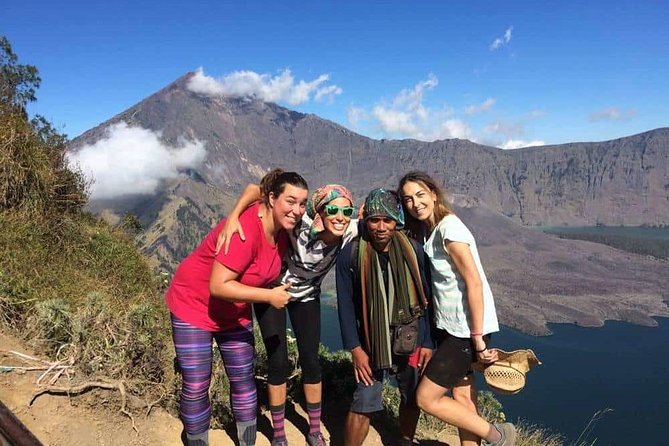
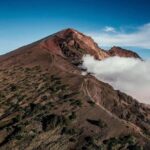
If you’re hiking Mount Rinjani, the best part isn’t just getting higher. It’s where the trail ends. This itinerary is built around reaching the Senaru crater rim (2,641 m) after a full day of ascent, so you’re not rushing past the best views to catch a bus.
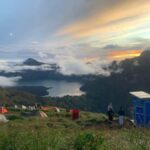
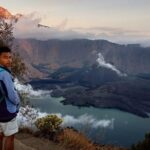
I like the way this plan works with your eyes and your timing. You climb through forest earlier in the day, then the rim area becomes the payoff zone—sunset when the light softens, and sunrise when the shadows pull back. One of the standout details is the view of Mount Agung in Bali at sunset, plus smoke from a new volcano visible around the lake area (on clear nights, that atmospheric detail makes camp feel oddly cinematic).
The Real 2-Day Itinerary: Day 1 to the Rim
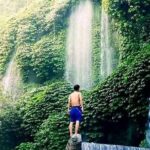
The day starts from the Senaru area at about 08:00 for the hike (you meet at 7:00 am at Syam Trekker’s office). From the first stretch, you’re moving through dense tropical forest with plenty of life—think different birds and even butterflies, not just green walls of trees. It’s the kind of walking where you can slow down, look around, and still make steady progress.
You can also read our reviews of more tours and experiences in Lombok.


From Senaru Trek Center to Post 2 (Montong SATAS)
You’ll take your first real break at Post 2 Montong SATAS shelter (around 1,500 m). This is where the tour gives you a warm reset: tea and biscuits. It’s a small thing, but on volcanic days it matters—caffeine plus a snack can stop the “drag” feeling before the steeper work begins.
Post 3 (Mondokan Lolak) for Lunch and a Steady Push
After about two hours, you reach Pos 3 Mondokan Lolak (around 2,000 m). Expect another break and lunch. This stop helps you pace the rest of the day because you’re not just sprinting for altitude—you’re getting fuel before the final push upward.
The Rim Move After Lunch: Where Views Replace Effort
Once lunch ends, you head toward the Senaru crater rim for about two hours. This section is where the day shifts from “forest hiking” to “you can feel the elevation” hiking. You’ll camp there for the night, and you’ll have that prime window for sunset over Bali plus the crater-rim atmosphere.
Practical note: this last climb segment is also where you’ll want to manage breath. If you pace like you’re walking a flat trail, you’ll pay for it later. If you pace like you’re going uphill for endurance, you’ll enjoy it more.
Camp by Nightfall: Sunset, Sunrise, and Sleeping at Elevation
The overnight part is the reason many people choose this exact 2D1N format. Instead of seeing the rim as a quick photo stop, you live there for a night—long enough to catch both ends of the light cycle.
Camping setup is handled for you
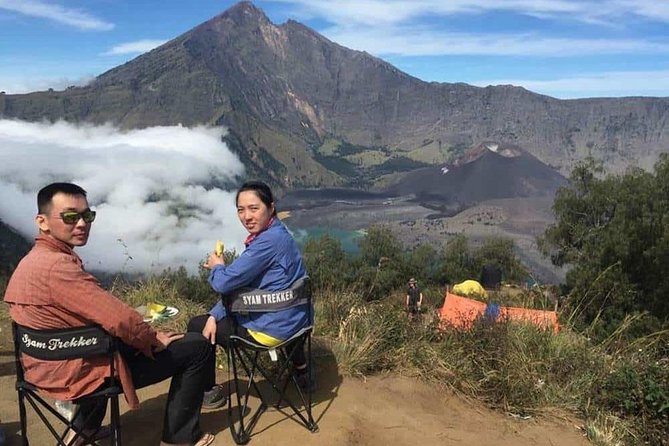
Syam Trekker includes the full camping stack: tents, sleeping mats (5 cm), sleeping bags, a camping chair, toilet tents, and a pillow. That means you’re not trying to rent or pack the gear yourself. It also means the porters do the heavy lifting of carrying what you need, so your job is mostly walking and breathing.
Based on what’s been said about their setup, cleanliness has been a recurring positive point (tents and sleeping bags described as clean). I’d still recommend bringing a small liner or using your own base layer for comfort, especially at elevation where temperature can feel unpredictable.
What to expect emotionally at the rim
At camp, the experience often shifts into quiet mode. You’re high enough to notice weather changes quickly, and the sky becomes a real event. Sunset over Mount Agung in Bali is the headline. But the extra detail—smoke from a new volcano on the edge of the lake—adds an eerie, real-world sense that Rinjani is alive and active.
Day 2 Descent to Senaru Village: The Part People Underestimate
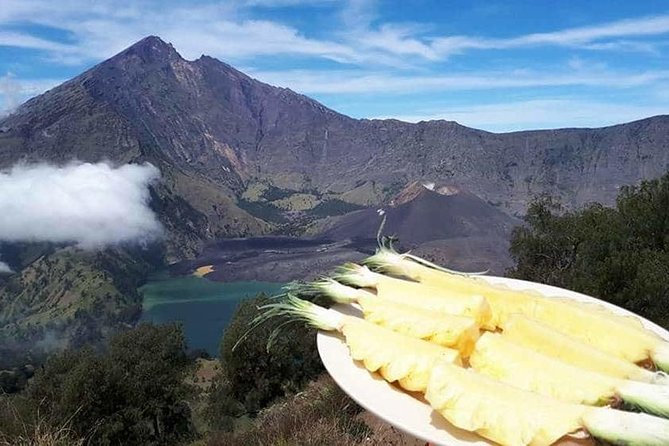
Morning is for sunrise. You’ll have breakfast, then you leave the rim area and descend through rainforest toward Senaru village. The descent is about 5 hours, and lunch is taken along the way.
What feels different on the second day
Climbing makes you focus on your lungs. Descending makes you focus on your legs—knees, calves, and footing. This route is rainforest-heavy, which usually means uneven ground and mud potential. Good shoes matter more than you think, because the ground does not care about your travel plans.
If you’re the type who hikes a little too fast on day 1, the descent can feel longer than expected. The small-group pace helps here: fewer people means less stopping and starting, which reduces fatigue.
When you arrive at Senaru village, the service ends. There’s no extra day trip tacked on—this one finishes clean.
Guides and Porters: Why the Small Group Feels Easier
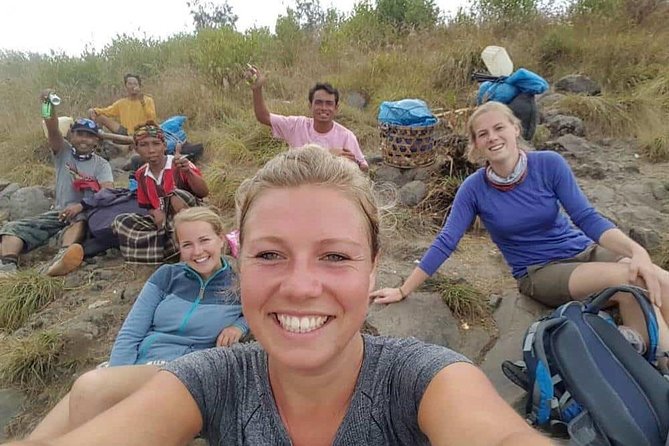
Syam Trekker runs with a maximum of six travelers, and that changes the whole tone of a trek. When the group stays small, the leader can actually manage everyone’s rhythm instead of yelling instructions over a traffic jam.
You’ll likely have real hands-on support
This tour includes an experienced English-speaking guide and professional porters. In the feedback people shared, guide names like Rahmin, Amin, Awal, Ari, Anto come up for 2D1N crater-rim hikes. Common themes were patience, helpful encouragement, and guides stepping in when someone needed a hand.
One guide detail that stands out: some are humor-forward and also help with practical things like pacing and photo moments. If you’re the kind of hiker who likes to laugh while you suffer a little, that matters.
Porters carry the weight so you don’t have to
The included gear list is your clue: someone has to carry tents, sleeping mats, bags, toilet tents, and more. That means your pack load is usually far lighter than doing the trek DIY. It makes the hike more accessible, especially if you’re not used to long carry loads.
Food, Water, and What’s Included in the Price
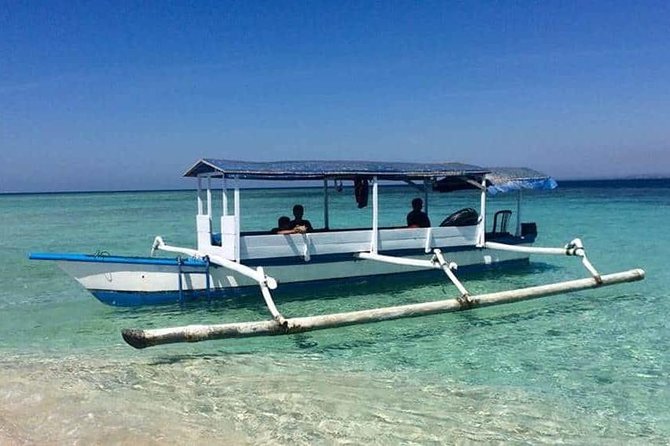
The price is $217 per person for about two days. What makes it feel reasonable is that the essentials are already covered: 3 meals per day, snacks and fruit, and 3 liters of mineral water per day, plus drinks during the trek. You’re not paying for basic trail survival on top of the hike cost.
Meals are part of the pacing strategy
I like that the itinerary doesn’t treat food as an afterthought. You get tea and biscuits at Post 2, lunch around Pos 3, then lunch again during day 2 descent. That spacing helps you keep energy steady, which matters when the path gets steeper near the rim.
Travel insurance and national park entrance are included
The tour includes travel insurance and the Mount Rinjani National Park entrance fee. That’s one less set of costs you’d otherwise need to budget for separately.
What you should plan to pay separately
Not included: personal expenses and tipping for guide and porter. If tipping is new to you, plan a modest amount ahead of time so you’re not scrambling at the end.
Price and Value: Who This Trek Fits Best
At $217, you’re paying for three things: a small group, included camping and meals, and professional guide/porter support. If you compare this to a DIY approach, the big value is not just convenience. It’s reducing stress—packing, gear sourcing, route navigation, and carrying heavy stuff.
This tour is best for you if:
- you want a guided experience on a real climb
- you’re aiming for crater-rim sunset and sunrise, not just a day hike
- you appreciate a smaller group so the pace stays human
It’s less ideal if you want total freedom with no structure. The itinerary is set by nature and time, and you’ll move on the plan.
Weather and Timing: What to Watch Before You Go
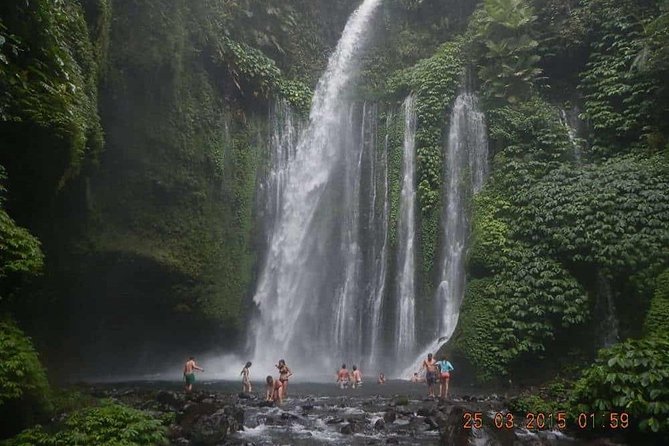
This experience requires good weather. If the trek can’t run due to poor weather, you’ll be offered a different date or a refund. That’s not just fine print—it’s part of hiking responsibly on an active volcanic landscape.
Timing notes that help
- Start time is 7:00 am at the meeting point, with the trek starting around 08:00.
- You’re hiking through changing temperatures: forest shade, then rim elevation at night.
- Plan your clothing in layers. Even without exact temperature numbers, you can expect morning and night to feel colder than midday.
Practical packing expectations (based on what’s included)
Because camping gear is included, your packing list can stay focused on comfort and safety. Still, you should bring the basics you control: proper footwear, a light rain layer if needed, and personal items you’ll want during breaks.
Who Should Book This 2D1N Rinjani Hike
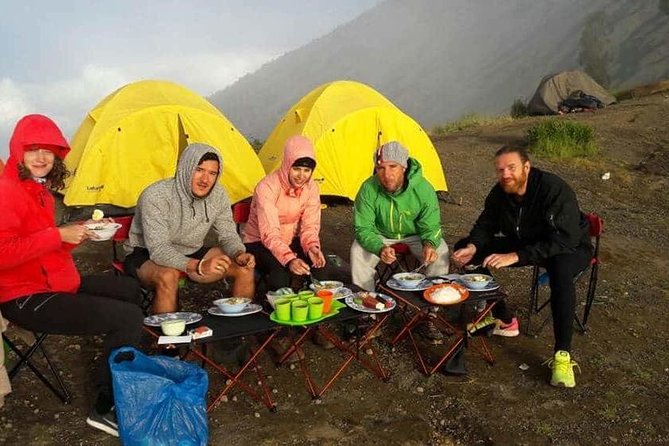
This one is aimed at people with moderate physical fitness. If you can handle uphill walking and you can do a long downhill day without panicking, you’ll likely enjoy it.
I think it’s especially good for:
- couples and friends who want a shared experience without big group chaos
- hikers who want support but still want to hike at their own pace
- first-time Rinjani visitors who want the crater rim experience in a manageable time window
If you have very limited mobility or you’re chasing a super leisurely hike, this route may feel like too much. The climb and descent are the point.
FAQ
FAQ
How long is the Mt. Rinjani hike to the Senaru crater rim?
The hike is listed as 2 days (about 2 days).
What’s the maximum group size?
The experience has a maximum of 6 travelers.
Where do I meet, and what time does it start?
You meet at Syam Trekker at Jl. Pariwisata, Senaru, Kec. Bayan, Kabupaten Lombok Utara, Nusa Tenggara Bar. 83354, Indonesia, with a start time of 7:00 am.
When does the hiking start during the day?
The itinerary indicates trekking begins around 08:00 on day 1.
What’s included in the camping gear?
Included are tents, 5 cm sleeping mats, sleeping bags, a camping chair, toilet tents, and a pillow.
What meals and drinks are included?
You get 3 meals a day, plus snacks and fruits, and 3 liters of mineral water per day, along with drinks during the trek.
Is an English-speaking guide provided?
Yes, the tour includes an experienced English-speaking guide.
Are entrance fees included?
Yes, the Mount Rinjani National Park entrance fee is included.
Is travel insurance included?
Yes, travel insurance is included.
What happens if weather is bad?
The trek requires good weather. If it’s canceled due to poor weather, you’ll be offered a different date or a full refund.
Should You Book Syam Trekker’s Rinjani Crater Rim Hike?
If your goal is the Senaru crater rim experience—sunset, then sunrise with overnight camping—this is a strong choice. The small group size, included camping gear, and built-in meals make it feel like real value for $217, not just a guide-led walk.
Book it if you’re ready for moderate fitness and you want the trail to be the star. Skip it if you want a lightweight, low-effort hike or you hate chilly night conditions at elevation. If you match the vibe, you’ll come away with a serious sense of place—forest in the daytime, rim light at night, and a sunrise that makes the climb feel worth it.