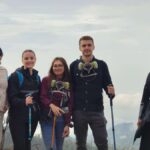
Blue fire at Ijen feels unreal.
This night hike in Java is all about timing: you reach the rim in the dark for the blue flames, then watch sunrise reveal the massive acidic crater lake in turquoise and green. What I like most is the way the tour layers the experience—night spectacle first, then the daylight views and the real-world story of sulfur mining—plus the small-group size (up to 8) keeps things moving without feeling chaotic. You’ll also get solid guidance from teams like Qim Qim, Sule, and Angga, so you know what to do when your headlamp is your whole world.
The one drawback is the effort and footing. The trek is described as moderately challenging, and the crater area is slippery; if conditions make the blue flames hard to see, you may end up focusing on sunrise instead. If you have mobility limits, heart or respiratory issues, or you’re pregnant, this one is a hard no.
In This Review
- Key Things I’d Prioritize Before You Go
- The Blue Fire Magic: Why You Do This at Night
- From Pickup to Lapangan Paltuding: Getting There Without Losing the Plot
- The Night Hike to the Crater Rim: Headlamp Time, Careful Steps
- Lapangan Paltuding to Ijen: Photo Stops and the Sense of Scale
- Blue Flames in the Dark: What to Expect and Why You Might Miss Them
- Sunrise Over the Acidic Lake: Turquoise and Green, Real Volcanic Power
- Seeing Sulfur Miners at Work: The Human Side of a Dangerous Place
- Transport, Small Group Pace, and Guide Energy (It Matters)
- Price and Value: Is $35 a Fair Deal for Ijen?
- What to Bring (And What to Skip)
- Important Days, Health Limits, and Suitability
- Pickup Extras: If You’re Staying in Licin or Ijen Resort
- Should You Book This Ijen Blue Fire Night Hike?
- FAQ
- How long is the Ijen Crater Blue Fire night hike?
- Where does pickup happen?
- What time do you reach Ijen for the main sights?
- Is the blue fire included?
- What gear is included?
- Are meals included?
- What languages are the guides available in?
- Is the hike suitable for beginners?
- Do I need to provide my passport information?
- Is Mount Ijen open every day?
Key Things I’d Prioritize Before You Go
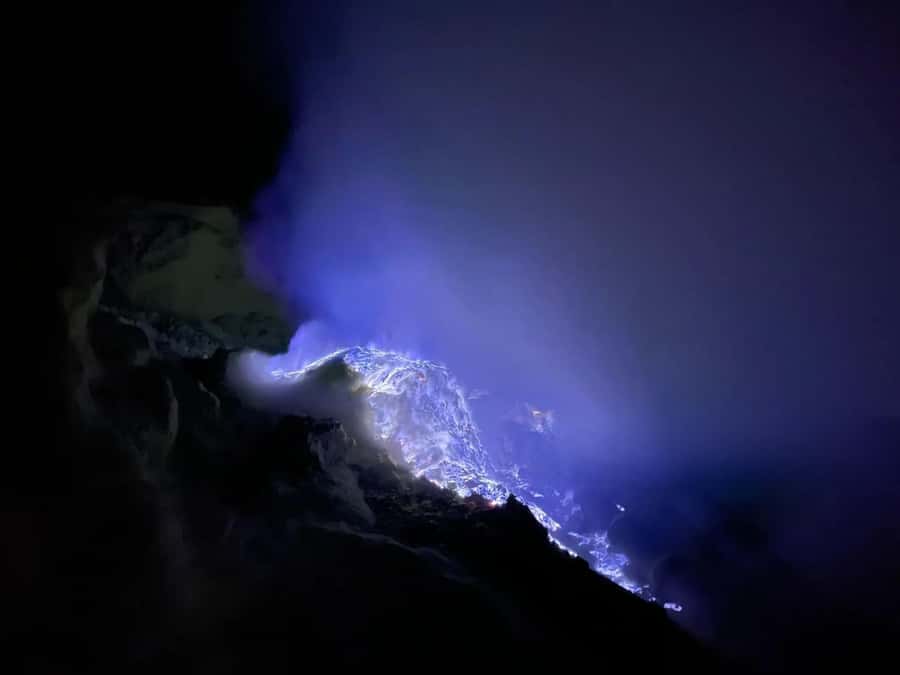
- Blue fire viewing happens in darkness: plan to be at the rim early enough that you’re not rushing through the best moment.
- You’re not just sightseeing: sulfur mining and the miners’ work are part of what makes Ijen feel real.
- Small group tempo helps: with a max of 8 participants, guides can manage pace and safety better.
- You get the right gear for fumes and night: gas mask and headlamp are included, which matters here.
- Sunrise views are the backup plan: if the flames are obscured by weather or trail conditions, sunrise over the acidic lake still delivers.
The Blue Fire Magic: Why You Do This at Night
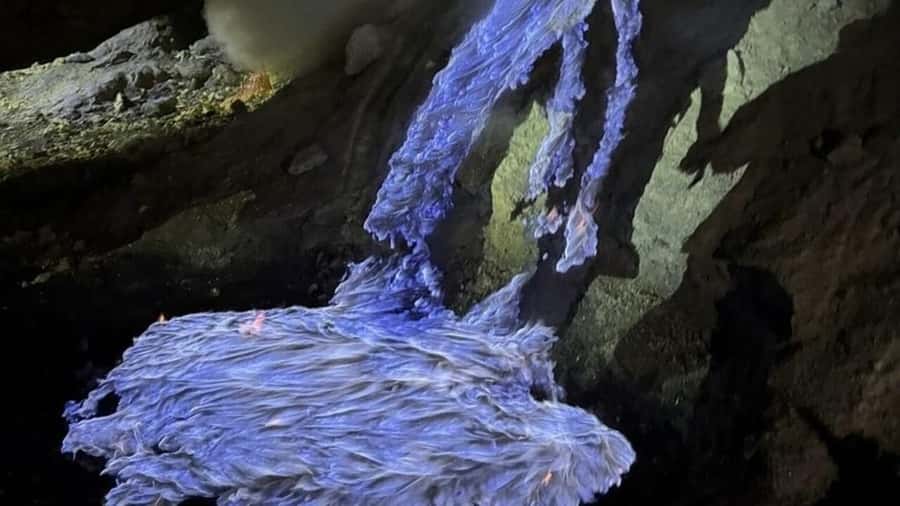
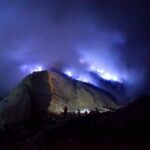
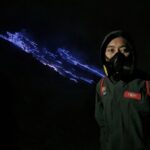
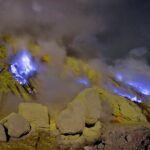
If you’ve seen photos of Ijen’s blue flames, you know the color looks wrong for reality. In person, it still doesn’t feel normal. The blue fire is visible only at night, which is why this tour starts before midnight and pushes you toward the crater rim before dawn.
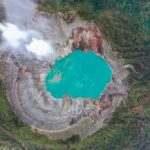
The trick is that your eyes need darkness to catch it. When it works, it feels like the volcano is breathing light. When it doesn’t, you’re not left with nothing—you’ll still get the sunrise reveal of the world’s largest acidic crater lake, glowing turquoise and green against harsh volcanic cliffs.
What makes this experience different from a standard sunrise hike is that you’re watching a chemical and volcanic process at work. The included gas mask tells you the same thing: Ijen isn’t a theme park. It’s a working, active environment where humans still work close to danger.
You can also read our reviews of more tours and experiences in Banyuwangi.
From Pickup to Lapangan Paltuding: Getting There Without Losing the Plot
The day-to-night logistics are a big deal with Ijen. The tour offers multiple pickup options, including Licin, Bali, Denpasar City, Kalipuro, Ubud, and Banyuwangi in Indonesia, plus a pickup-in-hotel option where you wait in the lobby about 10 minutes before your scheduled time.
You’re looking at a total duration that can stretch from 9 to 20 hours. That range is normal for Ijen because travel time can vary based on where you start and how the group is routed. The best practical mindset is simple: treat it like a full-day (and possibly late-night) commitment, not a quick outing.
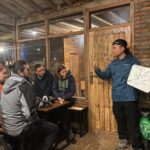
Once you arrive at Lapangan Paltuding, there’s a safety briefing (about 15 minutes). This is not filler. You’re going into an active volcanic area, and the crater path is part hike, part obstacle course. A short briefing before you move helps a lot when everyone is half-cold, half-tired, and trying to focus on what matters.
The Night Hike to the Crater Rim: Headlamp Time, Careful Steps
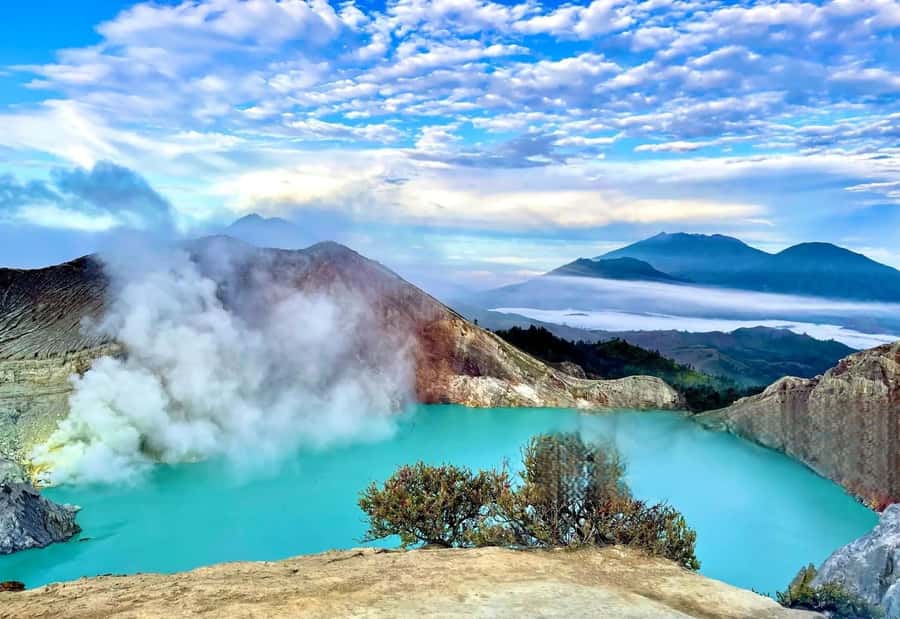
After the briefing, you’re on the move toward Ijen. The tour includes hiking to the crater, a guided trek to the volcano, and scenic walking along the way. Your headlamp is your main tool, and you’ll be hiking under a canopy of stars before the sun shows up.
This hike is described as moderately challenging, and you should take that seriously. “Moderately” here means you’ll work, not that it’s gentle. The descent toward the crater rim can be slippery, and one of the reviews specifically called out slippery rocks as a reason they didn’t see the blue flames.
So here’s my practical advice: go slow on the sections that look safest to skip. If you move too fast, your footing will fail first. Guides like Qim Qim and Sule are praised for helping people pace and feel safe, and names like Haqim (Qim Qim), Ron Ron, Bagus, Wahyu, and Kiki are repeatedly connected with organization and encouragement.
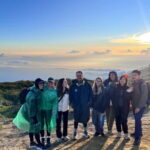
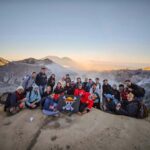
The small group format matters. With up to 8 people, guides can keep an eye on who’s struggling and who’s keeping pace, instead of herding a bigger crowd.
Lapangan Paltuding to Ijen: Photo Stops and the Sense of Scale
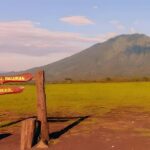
On the way, you’ll have a photo stop and time to visit and walk, then you’ll reach the crater rim area for the main moments. There’s also free time built in, which helps if you want to take photos or simply catch your breath without feeling rushed.
What you’re really gaining during these small stops is context. Ijen isn’t just “a crater you stand next to.” It’s a huge system of cliffs, paths, and different zones of activity. Even before sunrise, you can start to feel the scale of the volcano around you.
You’ll also start learning the crater story from your guide. The guides are described as funny, entertaining, and strong on explanations in English, Indonesian, and Malay. That matters because at Ijen, explanations aren’t abstract. They connect what you’re seeing to why it’s happening and why the miners are there.
Blue Flames in the Dark: What to Expect and Why You Might Miss Them
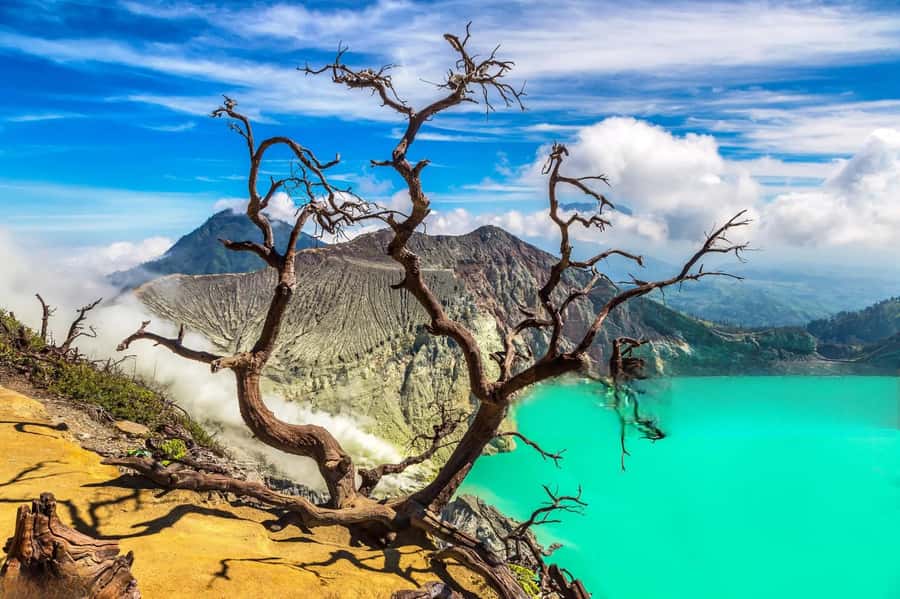
Here’s the honest truth you should carry with you: seeing the blue flames depends on conditions. The blue fire is visible only in the darkness, so timing is everything. But it’s also affected by weather and how the crater path conditions let you reach the right vantage spot.
One verified booking mentioned they didn’t see the blue light because rocks were very slippery on the path down, so they decided to miss that part. They still had a fun trip, which tells you something important: even if the blue flames don’t cooperate, the rest of Ijen is still worth it.
When the blue flames do appear, it’s not just “pretty.” It feels like a scientific mystery made visible—light in a place that shouldn’t have a light show. Your gas mask is there because this area involves intense sulfur activity, and your headlamp helps you stay oriented while you watch.
Also, keep in mind it gets busy once people arrive in larger numbers. Starting early is repeatedly described as a key advantage—some groups even got to the rim before the rush, which gives you breathing room for photos and the best chance at catching the moment when the flames pop.
Sunrise Over the Acidic Lake: Turquoise and Green, Real Volcanic Power
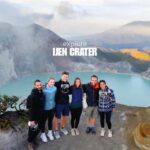
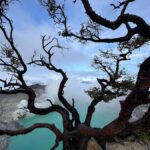
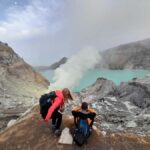
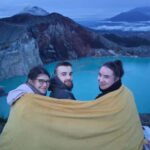
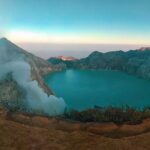
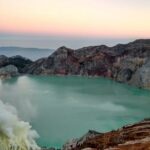
Once daylight starts, the scene flips. The blue fire moment is brief and night-dependent, then sunrise takes over. You’ll see the world’s largest acidic crater lake, glowing in hues of turquoise and green.
This is when Ijen stops being a night hike and becomes a full crater-view experience. The cliffs around you look stark, and the lake gives off a color that feels both surreal and explainable at the same time. It’s the kind of view that makes you quiet for a minute, even if your guide is cracking jokes the whole way up.
This part is also where the tour feels most grounded. You’re not just looking at a spectacle; you’re witnessing how extreme geology shapes the environment and the people who live near it.
Seeing Sulfur Miners at Work: The Human Side of a Dangerous Place
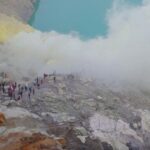
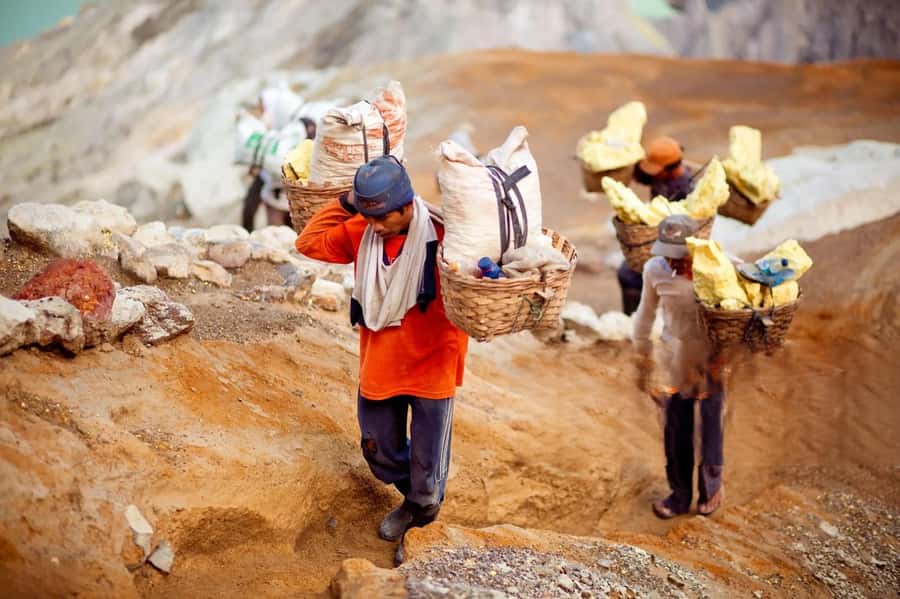
One of the most compelling parts of Ijen isn’t the color—it’s the labor. The tour includes learning about the intense work of local sulfur miners who extract bright yellow sulfur from the crater area.
This makes the hike more than nature-watching. You’re seeing the cost of living in volcanic territory. The miners’ work is raw and physical, and the presence of gas masks in the included gear list gives you immediate context for why this is hard labor.
Even if you’re coming for the blue flames, I’d encourage you to slow down during the mining-related moments. Look at what’s happening, then zoom out and think about how people keep doing it despite the risks. That perspective is what turns Ijen from a photo stop into a story you’ll remember long after.
Transport, Small Group Pace, and Guide Energy (It Matters)
This tour gets strong marks for organization and the quality of the guides. Multiple reviews highlight teams like Qim Qim and Sule, and some mention Angga as the driver. Names keep showing up across different days, which suggests consistent leadership.
What you’ll feel most is pace control. With a small group (max 8), you don’t spend the night playing tag with strangers, and guides can help individuals manage timing and footing. That’s especially useful on a hike that involves darkness, steep slopes, and slippery sections.
Guide style also comes through in the reviews: funny, encouraging, safety-focused, and quick with explanations. Even if you’re not big on tour commentary, this kind of guidance helps because it keeps you from panicking when conditions change.
Price and Value: Is $35 a Fair Deal for Ijen?
At $35 per person, this is one of the more cost-accessible ways to reach a serious bucket-list site—especially with gear and entries included. You’re not just paying for a guide. The tour includes:
- pickup and drop-off service
- all entry ticket fees for Mount Ijen National Park
- hiking to the crater and guided trek
- gas mask and headlamp
- health certificate
- parking fee
Meals and personal expenses are not included, so you’ll want to plan around that. But with gear and park access covered, your biggest remaining costs are food and any extras you choose to buy.
So is it worth it? For most people, yes—because Ijen is one of those places where you really want local guidance and the right safety setup. When the blue flames and sunrise align, the experience feels like a bargain compared to how rare it is.
Just remember the $35 is tied to effort. You’re paying less than you might for comfort-luxury. You’re paying for a mission: reach the rim on time, see what you came for, and do it with less risk than you’d have alone.
What to Bring (And What to Skip)
Bring gear that supports a cold, wet, early-morning crater environment. The tour suggests:
- comfortable shoes (and hiking shoes if you have them)
- warm clothing
- water
- jacket
- rain gear
- trekking gear
- flashlight/headlamp isn’t on your list because it’s included, but you should still be ready for night conditions
A few practical notes from how this kind of hike tends to go:
- Wear shoes with grip for slippery sections.
- Keep your layers easy to adjust because you’ll swing between cold night and warming sunrise.
- Use rain gear even if the forecast looks uncertain; volcanic highlands can surprise you.
Also, you’ll need to send a copy of your passport to Ijen for the ticket. That’s not optional for this experience as provided, so handle it early.
Important Days, Health Limits, and Suitability
Mount Ijen has a hard rule: every first Friday of the month, Mount Ijen is closed. That can kill the plan if you’re not aware, so check dates before you lock anything in.
This hike is not suitable for:
- pregnant women
- people with mobility impairments
- people with heart problems
- people with respiratory issues
- people with low level of fitness
Those are important categories because Ijen involves strenuous movement and exposure to volcanic conditions where the included gas mask helps, but it does not make everything safe for everyone. If any of those points apply to you, choose a different Java experience.
Pickup Extras: If You’re Staying in Licin or Ijen Resort
There’s an extra fee of 150,000 IDR for group pick-up if your lodging is in the Ijen Resort or Licin region. It’s the kind of detail that’s easy to overlook, so confirm it when you book.
This matters because pickup is part of why the trip is smooth. If you’re already far from the usual routes, it’s often worth it to pay the extra rather than spend your night scrambling for your own transport.
Should You Book This Ijen Blue Fire Night Hike?
Book it if you want the real reason Ijen is famous: blue flames in the dark, sunrise over a world-class acidic crater lake, and the human story of sulfur miners. You’ll get a guided small-group experience with gas mask and headlamp included, and the guide teams—often led by names like Qim Qim and Sule—are repeatedly praised for safety and good energy.
Skip or reconsider if you can’t handle moderate hiking, have respiratory or heart issues, or you’re in a group that includes someone who struggles with steep or slippery footing. If you’re okay with the idea that the blue flames depend on conditions, you’ll still leave with sunrise views and a strong sense of what Ijen is like.
If you go, go early, wear grippy shoes, and treat the night hike like the main event. Sunrise is the reward, but the dark hours are the work that makes it happen.
FAQ
How long is the Ijen Crater Blue Fire night hike?
The total duration is listed as 9 to 20 hours, depending on your pickup location and timing.
Where does pickup happen?
Pickup is offered from six locations: Licin, Bali, Denpasar City, Kalipuro, Ubud, and Banyuwangi in Indonesia.
What time do you reach Ijen for the main sights?
You depart before midnight and hike to the crater rim before dawn so you can attempt to see the blue flames in the dark and then watch sunrise.
Is the blue fire included?
Yes. The tour includes viewing the blue flames as part of the experience.
What gear is included?
Included items are a gas mask and a headlamp, plus guided hiking to the crater and other fees such as the Mount Ijen National Park entry ticket and parking.
Are meals included?
No. Meals and personal expenses are not included.
What languages are the guides available in?
The live tour guide speaks English, Indonesian, and Malay.
Is the hike suitable for beginners?
The hike is described as moderately challenging, so it’s doable for many people with reasonable fitness, but it may be tough for a beginner without adequate stamina.
Do I need to provide my passport information?
Yes. You are asked to send a copy of your passport for the Ijen ticket for all participants.
Is Mount Ijen open every day?
No. Mount Ijen is closed every first Friday of the month.