Getting off the main roads changes everything fast. This tour takes you into Bali’s Batukaru Mountains region for rice terraces, forest walking, and a visit to Pura Luhur Batukaru Temple. I especially like the small-group feel with a licensed English guide plus hotel pickup and drop-off, so you spend the day seeing places instead of handling logistics. One thing to plan for: your day can include extra stops that feel more like shopping or tastings, which may take time away from the quieter highlights.
The day starts around 8:30am, with hotel pickup typically 30 to 60 minutes earlier. It runs about 8 hours total, so bring a realistic attitude about road time and expect winding mountain roads. At about $61.54 per person for a guide, transport, and entrance fees, it can be a solid value if you want calm countryside over beach time.
In This Review
- Key points that make this tour worth your morning
- Getting Out of Bali’s Busy Coasts for Real Countryside
- Mount Batukaru: Where the Farming Story Starts
- Jatiluwih Rice Terraces: More Than a Scenic Stop
- Pura Luhur Batukaru Temple: Quiet, Forested, and Sacred
- The Road Time, Rain, and Motion-Sickness Reality Check
- Guides and the Small-Group Advantage (Including Real Names)
- Craft Houses, Coffee, and Shopping Stops: The Part to Watch Closely
- The Restaurant Break: What You Should Budget
- Price and Value: Is $61.54 a Good Deal?
- What to Bring and How to Get Comfortable
- Who This Tour Is Best For (and Who Might Skip It)
- Should You Book Jatiluwih Batukaru Mountain Nature’s Best Tour?
- FAQ
- What time does the tour start?
- How long is the tour?
- Where does pickup and drop-off happen?
- How many people are in the group?
- What’s included in the price?
- Do I need to pay for food and drinks?
Key points that make this tour worth your morning
- Small-group setup (up to 15) with an English-speaking licensed guide for a more personal pace.
- Hotel pickup and drop-off from major areas like Kuta, Seminyak, Sanur, Jimbaran, and Nusa Dua.
- Jatiluwih rice terraces and the farming logic behind them, not just a photo stop.
- Pura Luhur Batukaru Temple in a quieter, forested setting compared with Bali’s more famous temples.
- Admission fees are covered for the main stops, so you’re not constantly paying at gates.
- A long day of driving through rural roads, which matters if you get motion sick.
Getting Out of Bali’s Busy Coasts for Real Countryside
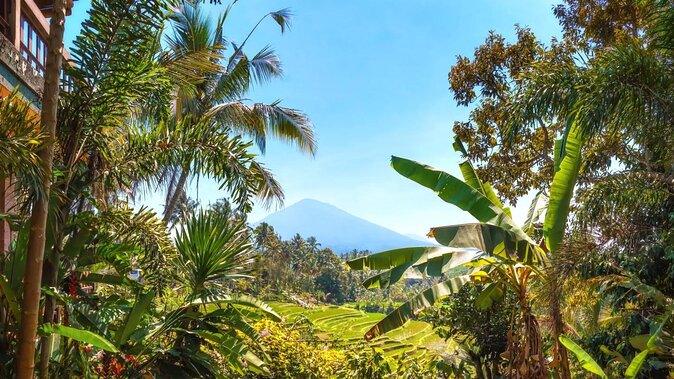
This is one of those tours that feels like a reset. You leave the urban sprawl behind and head north, where the scenery shifts from traffic and buildings to palm trees, farmland, and distant mountain views.
You’re not just being transported; you’re being moved into the kind of Bali that’s tied to daily life—food, irrigation, and community work. That matters because it changes how the rice terraces and the temple land in your mind. Instead of seeing them as scenery, you start to see them as systems.
The drive is part of the experience, but it’s also the part you should mentally budget for. Multiple accounts point out that a big chunk of the day can be spent on roads, especially with pickup timing and traffic.
You can also read our reviews of more tours and experiences in Ubud.


Mount Batukaru: Where the Farming Story Starts
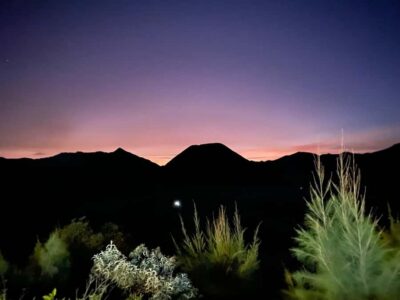
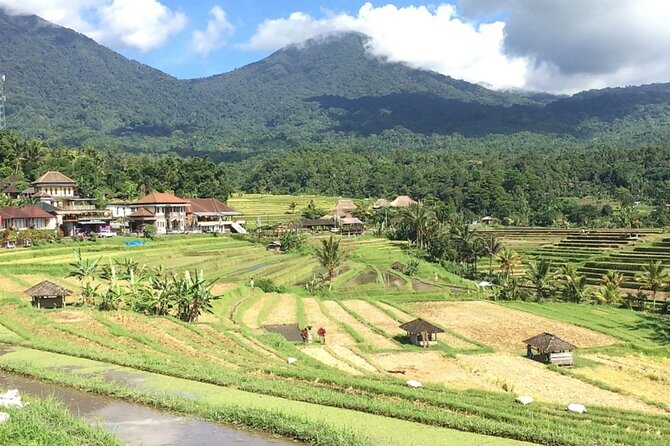
Your first major stop is the Mount Batukaru area, in the fertile volcanic foothills. This is where the tour frames Bali’s agriculture as something practical and creative—spices, vegetables, tropical fruit, and a lot of planting knowledge that locals depend on.
Even if you’ve visited farms elsewhere, the Batukaru foothills help you understand why Jatiluwih looks the way it does. Volcanic soil is one reason crops thrive here, but the bigger lesson is how communities use the terrain and water.
You’ll have about a couple hours at this stage, so it’s not a rushed “look and leave.” The time is long enough to ask questions and walk a bit rather than just standing at the edge for photos.
Jatiluwih Rice Terraces: More Than a Scenic Stop
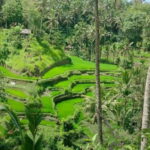
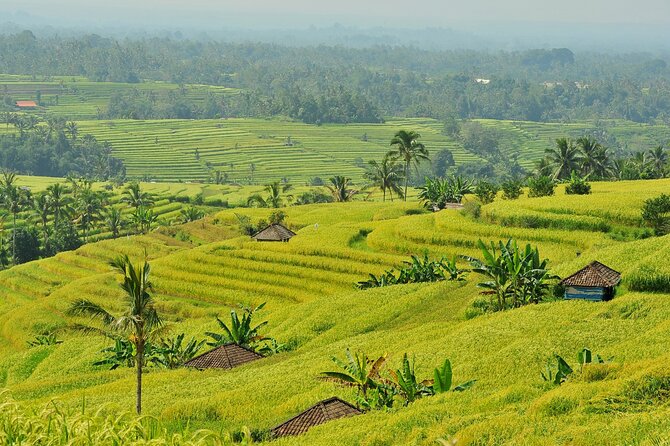
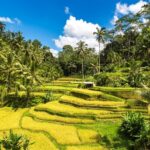
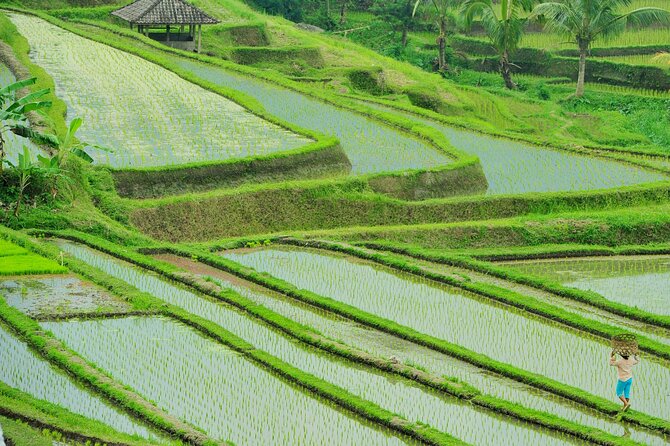
The rice terraces at Jatiluwih are the headline for a reason. This area is known for intricate, step-like paddies carved into hillsides, and the tour perspective is that cultivation is both an art and a communal effort.
What I find useful about this stop is the way it connects farming to income and food for local people. When you understand that the terraces are actively used, you’ll notice details you might otherwise ignore: how the terraces follow slope lines, and why water management is everything.
Photography is easy here because you get multiple angles from pathways and viewpoints. Still, plan for a “slow look” style of visit instead of a sprint—this area rewards time.
One practical note: the tour can include additional stops on the way here or after, and that can affect how much time you personally want to spend in the terraces themselves. If your priority is purely scenery, you’ll want to keep an eye on your schedule and what’s getting added.
Pura Luhur Batukaru Temple: Quiet, Forested, and Sacred
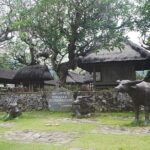
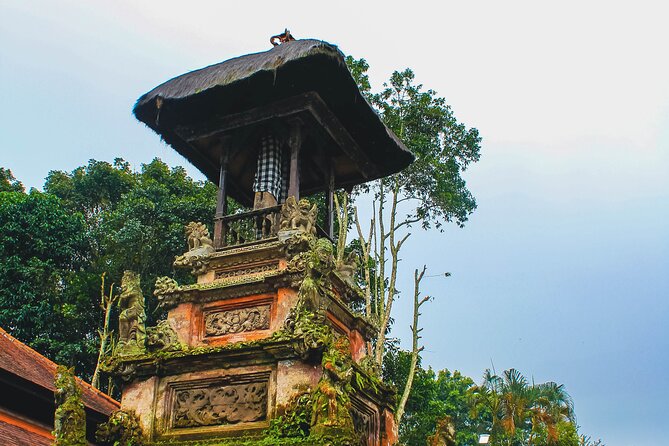
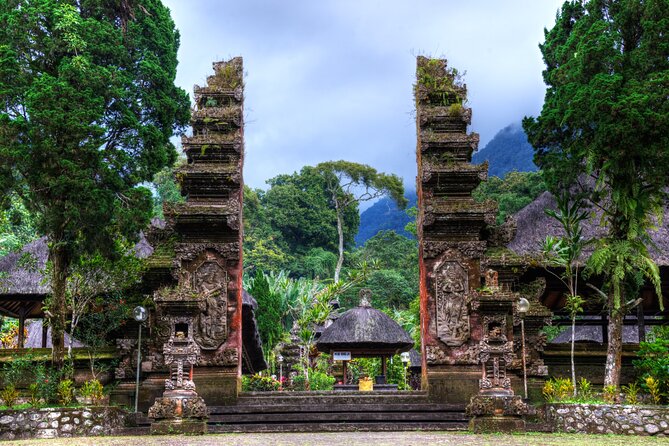
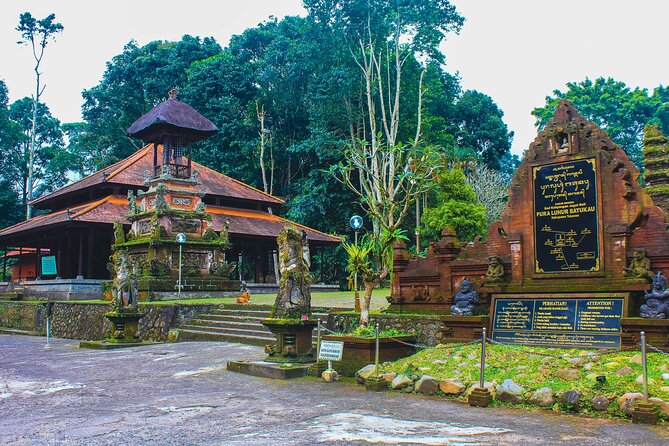
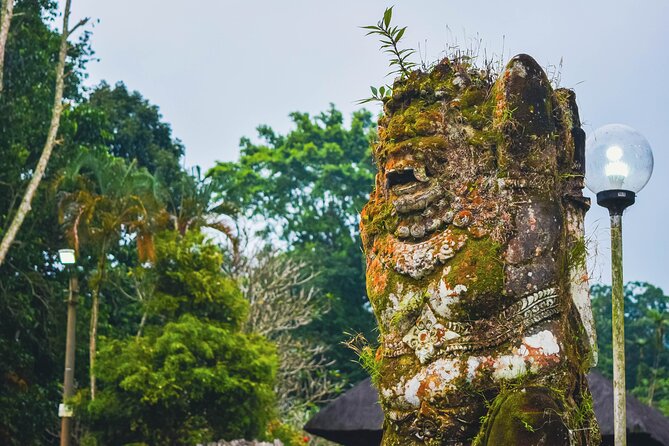
After the terraces, the day shifts again with a short walk through dense forest toward Pura Luhur Batukaru Temple. This isn’t presented as a quick temple tick-box. It’s a chance to reach a holier, less crowded feeling site set under Mount Batukaru.
For Bali’s Hindu community, this temple complex is among the island’s most sacred, and it’s only surpassed by Besakih in overall reverence. You also get a setting that feels different from the larger, busier temples: more birds, more stillness, and a stronger sense of walking into a place that’s meant for worship, not performance.
Architecture and energy are the point here. Your guide should help you understand what you’re seeing—timing, layout, and why the temple is built where it is. Many people love the way good guides make temple facts feel human, not like memorizing a brochure.
If you’re sensitive to footing, take care. One caution from past visitors: temple steps and paths can be slippery when it’s damp, since moisture and moss can make surfaces slick. Grippy shoes and a calm pace make a big difference.
Also, this is one of those locations where a slower moment can land well. Several experiences mention time for stillness or meditation-like quiet at the altar area, which is the best kind of tourist-proof. You’re not chasing entertainment; you’re getting a pause.
The Road Time, Rain, and Motion-Sickness Reality Check
Even when everything runs smoothly, this is a day tour with a lot of driving. Pickup logistics can add time, and mountain roads can be winding. If you’re prone to travel sickness, plan for it ahead of time.
Weather matters too. Bali can change quickly, and some visits were rainy. When it rains, it can mean slick temple paths and colder air in the mountains—nothing dramatic, but enough to adjust how you walk and dress.
My practical advice: treat the day as a countryside outing, not a tight schedule sprint. If you’re the type who hates waiting in vans, you’ll want to set expectations early.
And if you do get rainy weather, the good news is that the temple forest mood can still be memorable. Damp air can make everything feel quieter and closer to the ritual space.


Guides and the Small-Group Advantage (Including Real Names)
The “value” of this tour isn’t only the sites—it’s the human layer: an English-speaking licensed guide. In small groups, you can actually ask questions and steer the day a bit, instead of having to match the speed of the loudest person in the van.
You may also notice big differences depending on who’s leading. Past groups cite guides such as Darta, Mandara, Rodney, Arya, Gus, Rody, Benny, and Radi. The common theme is that the best days come from guides who can explain Balinese life clearly while keeping things respectful and calm.
Some people also mention that a guide’s style can skew more serious, more reserved, or more sales-minded at certain stops. That doesn’t mean the tour is bad; it just means you should communicate your priorities when you start. If you want temple time and rice-terrace time, say that early.
Craft Houses, Coffee, and Shopping Stops: The Part to Watch Closely
Here’s the honest bit: a few accounts describe time spent at craft and production stops, like batik, silver workshops, or spice/coffee-style venues. Some visitors found these interesting; others felt the number of stops took time away from the core experience.
Because the tour still revolves around mountains, terraces, and the temple, these extra stops can feel either like cultural context or like a schedule drain. The difference tends to be how much sales pressure you feel and how much time you’re given to actually observe rather than shop.
One helpful strategy: decide your personal rule for the day. If you want to buy something, great. If you don’t, you might politely limit browsing and keep your energy for the real highlights.
This also matters for people who are sensitive to motion sickness or long days. Extra stops can stretch the day further, and some accounts say a lot of time goes into transit and waiting.
The Restaurant Break: What You Should Budget
You’ll have time for a rest stop at a local restaurant where you can buy food and drinks at your own expense. That’s common for tours like this, but it’s a cost you should factor in when judging overall value.
Some experiences also mention that the lunch at the rice-terrace restaurant wasn’t hot or looked less appealing than expected. That’s not universal, but it’s a good reminder to treat lunch as a variable, not the guaranteed best meal of your trip.
What I recommend: eat a light snack before the tour if you can, then use the restaurant stop to refuel rather than chase a culinary highlight. Save your biggest appetite for later in the day back in a place with more options.
Price and Value: Is $61.54 a Good Deal?
At $61.54 per person, the tour competes well with other Bali day trips because the price includes several costly items that add up fast on your own. You’re paying for hotel pickup and drop-off, an air-conditioned vehicle, an English-speaking licensed guide, and entrance fees for the included sites.
The best value is for you if you want:
- a guided explanation of temple and farming culture,
- transportation through rural areas you might not reach easily,
- and a day that’s more about countryside than beach nightlife.
It can be weaker value if you’re hoping for a very compressed day with zero extra stops. If you’re the type who gets impatient with shopping pitches, the schedule you experience might not match what you were imagining from the headline locations.
In other words: it’s good value when you show up expecting the countryside rhythm and staying flexible about how the day fills time.
What to Bring and How to Get Comfortable
This tour is straightforward, but mountain and temple conditions can change. Keep it simple and practical.
Bring:
- Grippy shoes for damp temple steps and slippery paths.
- A light rain layer if the forecast looks uncertain.
- Sunscreen and water, especially if you’re walking in terrace areas.
- A small camera bag or pocket for temple etiquette items, since you’ll likely have limited storage in the van.
If you’re prone to motion sickness, bring what works for you. Some roads are bumpy and winding, and the seating time adds up.
Who This Tour Is Best For (and Who Might Skip It)
This tour fits well if you want a quieter Bali day and like learning about living culture. You’ll likely enjoy it if you care about:
- the logic behind rice terraces,
- the spiritual and architectural feel of a temple like Pura Luhur Batukaru,
- and a guide who can connect farming, community, and ritual.
It may be less ideal if your travel style is strict about time. Because you can spend plenty of the day in transit and possible production stops, it’s not the best match for people who want only the shortest, most scenic route.
Also, if you hate being nudged toward purchases, go into it with a plan. You can still have a good day, but you may need to be firm about what you want to skip.
Should You Book Jatiluwih Batukaru Mountain Nature’s Best Tour?
I’d book it if you want small-group, guided countryside Bali and you’re excited about rice terraces plus a quieter temple experience. The combination of farming context and temple setting is what makes this tour stand out, and the inclusion of entrance fees and hotel transport helps keep it feeling fair-priced.
Skip or reconsider if you’re expecting a tight schedule with zero extra stops, or if you’re highly sensitive to long driving days. If that’s you, look for a shorter itinerary option focused only on the terraces and the temple, with fewer side venues.
If you do book, set expectations early: tell your guide you want more time for the terraces and temple, and keep your lunch expectations simple. Then you’ll get the day this tour is best at—green hills, sacred quiet, and the real Bali beyond the coast.
FAQ
What time does the tour start?
The tour starts at 8:30am, and hotel pickup is usually 30 to 60 minutes before the start time.
How long is the tour?
The duration is listed as about 8 hours.
Where does pickup and drop-off happen?
Pickup and drop-off service is offered from major hotels in Kuta, Seminyak, Sanur, Jimbaran, and the Nusa Dua area.
How many people are in the group?
It’s described as a small group, with a maximum of 15 travelers.
What’s included in the price?
The tour includes hotel pickup and drop-off, an air-conditioned vehicle, an English-speaking licensed guide, and entrance fees for the included stops.
Do I need to pay for food and drinks?
Food and drinks are not included. You’ll stop at a local restaurant where you can purchase what you want.