Rice terraces deserve a quieter route. On this Jatiluwih e-bike tour, you get rolling access to UNESCO-listed views, plus cultural stops that many Ubud day tours skip. I love the electric assist that keeps hills from turning into a chore, and I love the guide-led irrigation and farming explanations that make the paddies feel real, not just postcard pretty.
One thing to plan for: this tour is weather sensitive, and some admissions are included while others aren’t, so it’s worth checking what’s covered in your ticket before you go.
In This Review
- Key highlights to look for
- Why Jatiluwih feels different on an e-bike
- The 3–4 hour ride from Giri eBikes Rental in Jatiluwih
- Stop 1 at Jatiluwih Green Land and the irrigation system lesson
- Stop 2 at Pura Luhur Besi Kalung, the Iron Necklace Temple
- The short boogie ride to Gong Jatiluwih Restaurant for lunch
- Guides who explain water, culture, and the plants themselves
- How much riding effort is it really?
- Price and value: is $49.95 fair for Jatiluwih?
- When to book: sunrise, timing, and weather reality
- Who this e-bike tour is best for
- Should you book the Jatiluwih E-bikes tour with Giri?
- FAQ
- How long is the Jatiluwih e-bikes tour?
- Where does the tour start?
- What is included with the tour ticket?
- Is the temple admission included?
- What group size should I expect?
- What are the operating hours?
- Are service animals allowed?
- What happens if the tour is canceled due to weather?
Key highlights to look for
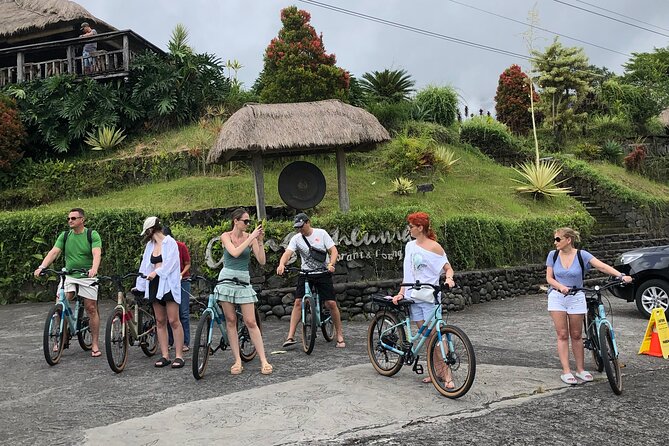
- E-bike help on Bali hills: gearing and electric support make the ride smoother than a standard bicycle
- UNESCO rice terrace irrigation focus: you learn how water is managed across the fields
- Pura Luhur Besi Kalung (Iron Necklace Temple): a standout spiritual stop with a gong-like chain detail
- Lunch at Gong Jatiluwih Restaurant: food with the rice-and-mountain scenery while you lounge a bit
- Smaller group feel (sometimes): the tour tops out at 30, and you may ride with just your group
Why Jatiluwih feels different on an e-bike
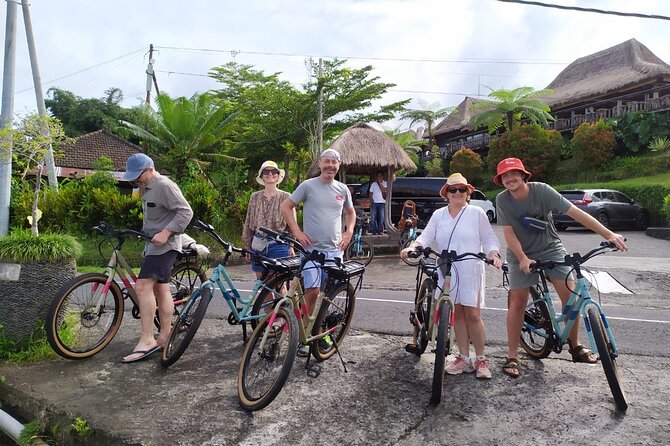
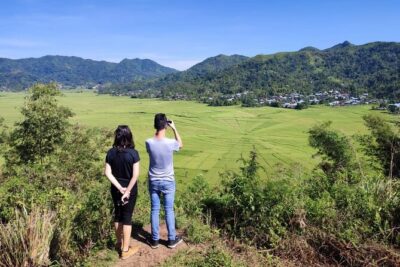
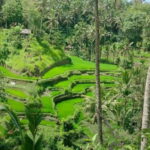
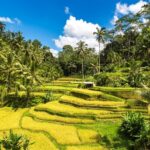
Jatiluwih is the kind of place where you can stare at the terraces for a long time and still notice new details. This tour keeps the scenery and adds the key ingredient: movement without the punishment. The e-bike design is made for easy exploring, so you spend more time looking at rice paddies, not fighting your way through them.
What I like most is the way the tour connects the visuals to how the land works. Jatiluwih’s irrigation system is explained as a modern agricultural setup with roots reaching back hundreds of years, and that turns the rice terraces from a view into a system. Once you understand where water goes and why, the terraces start making sense from ridge to ridge.
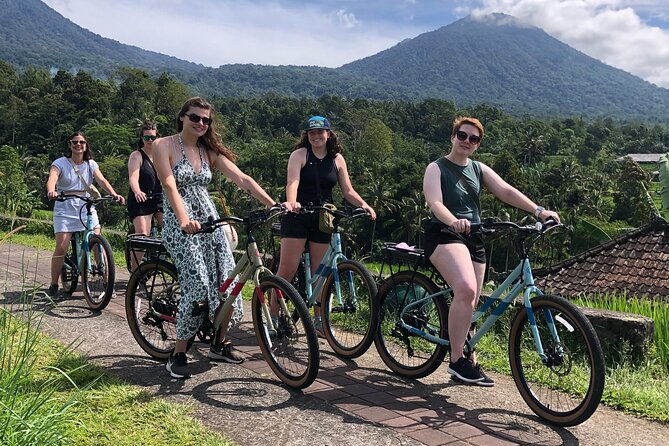
And yes, you’ll get mountain views along the way. The ride route is built so you can enjoy that perspective without needing a full hiking day. Even the “less visited” feeling shows up in practice: the e-bike route helps you reach parts of the area with fewer people around, compared with the typical stop-and-photo pattern.
You can also read our reviews of more tours and experiences in Ubud.

The 3–4 hour ride from Giri eBikes Rental in Jatiluwih
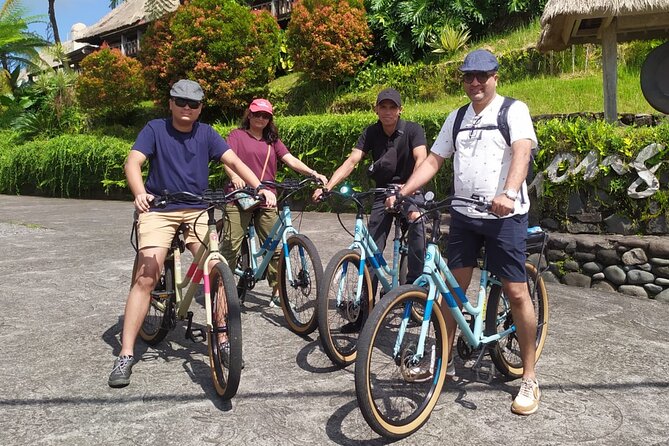
This experience starts and ends at Giri eBikes Rental and Tour, located at Jl. Batu Luwih Kawan Br. Gunungsari No.259, Jatiluwih, Kec. Penebel, Kabupaten Tabanan, Bali 82152. The total time is about 3 to 4 hours.
Hours are 6:00 AM to 3:00 PM, and the activity runs daily within the 2023–2026 operating window listed for the tour. You’ll get a mobile ticket, and confirmation is received when you book. The group size is capped at 30 travelers, so it’s not a chaotic stampede through the rice fields.
Also, check-in timing matters because the schedule includes multiple stops plus lunch. If you’re the kind of person who likes to take photos slowly, earlier starts can help. One review specifically points out booking sunrise, and that lines up with the broader idea: you’re on the terraces during a time of day that often feels calmer.
Stop 1 at Jatiluwih Green Land and the irrigation system lesson
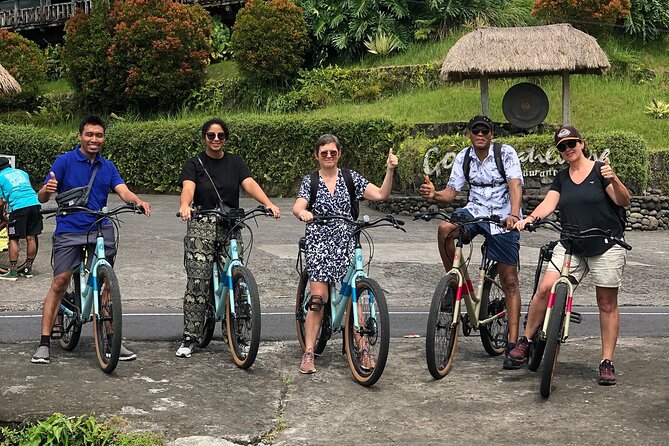
You start with Jatiluwih Green Land, where the focus is the irrigation network. This is not a generic “rice grows here” talk. The explanation covers how the irrigation system distributes water across a large rice-field area, and why UNESCO recognizes the terrace landscape in the first place.
This matters for you because irrigation is the hidden engine of what you’re seeing. Without that context, the terraces can feel like lines on a hillside. With it, you notice patterns: where water likely enters, how it’s guided, and how the fields stay productive.
Here’s the practical catch: admission ticket for this stop is not included. So if you’re budgeting tightly, plan for the possibility of an extra ticket cost at the first stop. If you’d rather avoid surprises, confirm this detail when you book or right after you receive your mobile ticket.
Stop 2 at Pura Luhur Besi Kalung, the Iron Necklace Temple
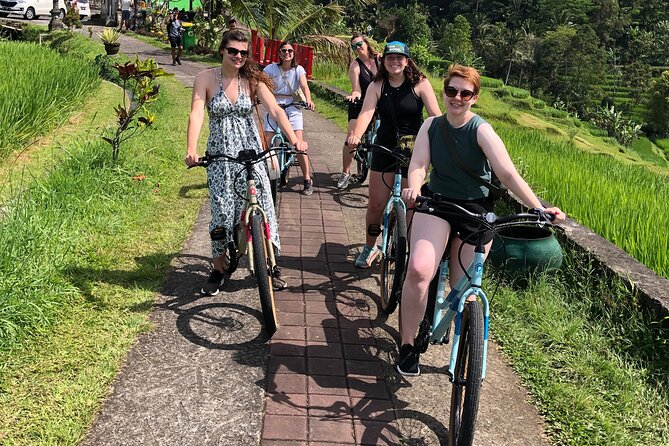
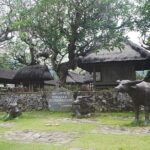
After the rice fields, the tour adds a temple stop: Pura Luhur Besi Kalung, also described as the Iron Necklace Temple. It’s located in the Utu Traditional Village area (Penebel, Tabanan).
The temple’s standout detail is specific: it’s the residence of a hundred-year-old Linga Yoni, with a chain necklace that sounds like a gong. That’s the kind of image that sticks in your mind because it’s not a vague “interesting temple” label. It’s a concrete feature that ties architecture and sound to the space.
This stop includes admission ticket (unlike the first stop). So you get one less variable to worry about here, and the day flows a bit more smoothly.
One more practical note: you’ll be transitioning from cycling mode into a temple experience. You’ll want to follow your guide’s instructions on when and where to move, since temples have their own rhythms and rules.
The short boogie ride to Gong Jatiluwih Restaurant for lunch
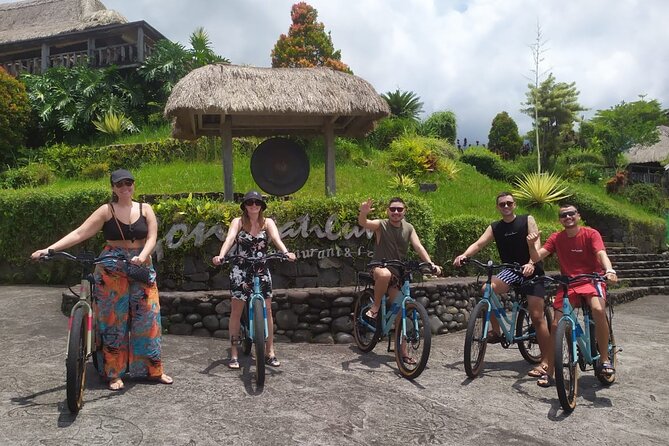
After you finish at the Iron Necklace Temple, the tour includes a short boogie ride to Gong Jatiluwih Restaurant and lounge. Lunch happens there, with the rice terraces and mountain scenery as your backdrop.
This is a smart pairing: you get a spiritual stop, then you cool down and refuel while you’re still surrounded by the views that brought you here. And because you’re not spending the rest of the day trekking, lunch becomes part of the experience rather than just a break.
Gong Jatiluwih Restaurant is the named endpoint for the lunch portion, so it’s clear where you’re headed. If you’re hoping for a day that mixes scenery, culture, and comfort without dragging it out to a full-day marathon, this segment supports that goal.



Guides who explain water, culture, and the plants themselves
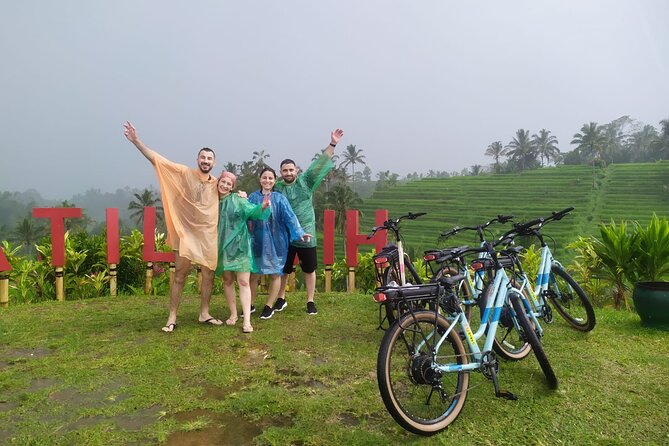
The tour’s biggest strength is the guide’s role. In the reviews, guides such as Gideon and Gilan are repeatedly praised for turning the ride into a learning experience that feels connected to daily life.
You’re guided through the area, but you’re also told why the place works the way it does. Expect explanations that go beyond surface-level facts: irrigation systems, farmers’ ways of life, and the cultural meaning behind what you see.
One review mentions even more detail, including plant and leaf properties—organoleptic characteristics and medical properties are called out. That doesn’t mean you’ll get a medical lecture, but it does tell you the guide is paying attention and can answer questions beyond the basics.
If your idea of a perfect tour is mostly silent cruising and lots of time for your own photos, you should know that you’ll be hearing plenty along the way. For me, that’s a good trade when the topic is the local system behind the views.
How much riding effort is it really?
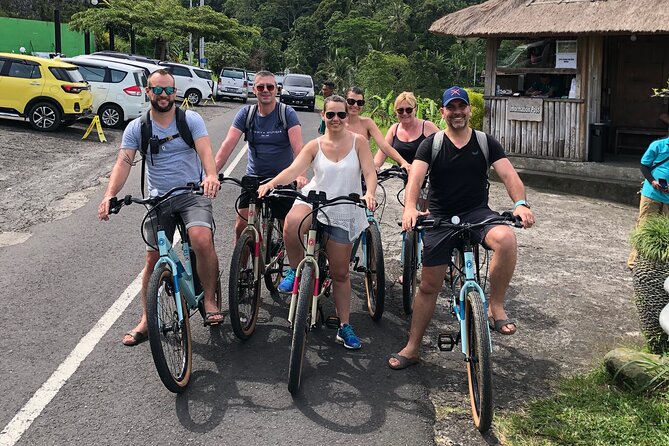
The e-bike is the reason this tour works for a wide range of people. The tour is described as making it very easy to explore, and feedback supports that the experience is manageable even if you’re not used to cycling.
One review describes riding in the 60s with reasonably fit participants, and another mentions someone who had never ridden an e-bike before. The common theme: the bikes are comfortable and the controls are simple, with electric support handling the hard parts. Reviews also mention shifting gears and that the ride’s height variation wasn’t too bad.
So what does that mean for you? You likely won’t come away feeling like you survived a fitness test. Instead, you’ll come away feeling like you used the e-bike to reach viewpoints and trails you might not reach on foot, especially in warmer conditions.
Price and value: is $49.95 fair for Jatiluwih?
At $49.95 per person, this tour sits in a range that’s approachable for Bali. But the key question isn’t the dollar amount—it’s what you get for it.
You’re paying for:
- the guided e-bike experience in the Jatiluwih area
- access to multiple stops, including a temple
- explanation time with a guide focused on irrigation and local culture
- a lunch stop at Gong Jatiluwih Restaurant with lounge time
- a smooth transition from temple to lunch by boogie ride
You should note the pricing mix on admissions: Jatiluwih Green Land admission is not included, while Pura Luhur Besi Kalung admission is included. That means your final “out of pocket” total may rise slightly depending on what you need to pay at the first stop.
Even with that caveat, $49.95 looks like good value if you want more than a rental bike. The guide adds time and context, and the lunch location makes the plan feel like a real half-day outing rather than a quick ride around the fields.
When to book: sunrise, timing, and weather reality
Timing is part of the payoff. Reviews specifically call out the sunrise experience, and it fits the logic of cycling through rice terraces when conditions are calmer. With operation hours running from 6:00 AM to 3:00 PM, you can choose a start time that matches your energy and the light you want.
Weather matters here. The experience requires good weather, and if it’s canceled due to poor weather, you’ll be offered a different date or a full refund. That’s important in Bali because rain can change what’s comfortable on outdoor routes.
If you’re deciding between an earlier slot and later in the day, think about your comfort with heat and how much you like being out early. The sunrise option is the one that’s explicitly recommended in feedback.
Who this e-bike tour is best for
This tour fits well if you want:
- UNESCO-style rice terrace views without a full-day hike
- cultural context alongside scenery
- an e-bike ride that supports hills and keeps things approachable
- a schedule that ends with lunch in a scenic spot
It also works for people who aren’t hardcore cyclists. The tour describes that most people can participate, and reviews back up that it’s friendly for first-time e-bike riders and older participants who are reasonably fit.
If you’re looking for a rugged, sweat-heavy bike ride with a lot of independent wandering, this likely won’t scratch that itch. The guide-led structure and temple stop steer it toward a balanced cultural and scenic half day.
Should you book the Jatiluwih E-bikes tour with Giri?
I’d book it if you want the Jatiluwih rice terraces experience but with less physical stress and more meaning. The combination of e-bike accessibility, a detailed explanation of the irrigation system, and a temple stop like Pura Luhur Besi Kalung makes the day feel complete. Add lunch at Gong Jatiluwih Restaurant, and you get an outing that’s more than just riding in a pretty place.
Skip it or at least think twice if you’re trying to minimize costs and you dislike paying separate admissions. The first stop’s admission is not included, and weather can affect scheduling.
If you can manage the timing and are excited by rice terraces plus culture, this is the kind of Bali day trip that feels worth the money.
FAQ
How long is the Jatiluwih e-bikes tour?
It runs about 3 to 4 hours.
Where does the tour start?
You start at Giri eBikes Rental and Tour at Jl. Batu Luwih Kawan Br. Gunungsari No.259, Jatiluwih, Kec. Penebel, Kabupaten Tabanan, Bali 82152, Indonesia.
What is included with the tour ticket?
You receive a mobile ticket, and the itinerary includes a temple stop and lunch at Gong Jatiluwih Restaurant.
Is the temple admission included?
Admission for Pura Luhur Besi Kalung is included, while admission for Jatiluwih Green Land is not included.
What group size should I expect?
The tour has a maximum of 30 travelers.
What are the operating hours?
The listed opening hours are 6:00 AM to 3:00 PM, Monday through Sunday.
Are service animals allowed?
Yes, service animals are allowed.
What happens if the tour is canceled due to weather?
The experience requires good weather. If it’s canceled due to poor weather, you’ll be offered a different date or a full refund.