Few hikes mix waterfalls and a waterslide.
This Lemukih Hidden Trekking Waterslide route takes you out of Ubud’s main scene into rural north Bali, where you’ll walk through village life, then cool off with a natural waterslide and water jumps near Sekumpul and Fiji Waterfalls. It’s active, but it’s also built around doing the fun stuff safely—helmet, water shoes, and a specialist guide—so it feels more like guided adventure than random chaos.
I especially like two things: first, the combination of emerald rice terraces and jungle streams before you ever hit the falls, which makes the day feel like more than just a photo stop. Second, the guides make the place click, with English and French speaking support and names like Sugi and Yoga popping up for being friendly and practical with safety and local context.
One drawback to plan for: you should expect a moderate trek over uneven ground, and if you go during rainy/wet periods the conditions can feel more slippery and intense—still worth it, just don’t treat it like an easy stroll.
In This Review
- Key things to know before you go
- Lemukih’s waterslide trek beats the usual Bali circuit
- Getting from Ubud to Lemukih: pickup and transport options that matter
- What the 8 hours feels like on the ground (and why duration isn’t misleading)
- Lemukih Village start: where the day’s tone changes
- The trek through rice terraces and rainforest streams
- Sekumpul Waterfall: the refreshing highlight you’ll remember
- Fiji Waterfall: quieter, still worth the detour
- Lemukih natural waterslide and water jump: safety gear isn’t optional
- Lunch, bottled water, and young coconut: small details that keep you happy
- Guides make or break the day: Sugi and Yoga as examples
- Group size, pacing, and the “motorbike back” finish
- Price and value: what $25.60 buys you (and what it doesn’t)
- Who should book this tour (and who should think twice)
- Practical tips before you go (based on how the day works)
- Should you book Lemukih Hidden Trekking Waterslide Sekumpul and Fiji Waterfall?
- FAQ
- Is hotel pickup included?
- What’s included for the waterslide safety?
- How long is the tour?
- Where does the tour start and end?
- What about food and drinks?
- Do I need to worry about fitness level?
- Is the group size limited?
- Will I have transfers back after the trek?
- How does cancellation work?
Key things to know before you go
- Safety gear is included: helmet plus water shoes for sliding and water play
- Two waterfall stops: you’ll target both Sekumpul Waterfall and Fiji Waterfall
- Fuel along the way: bottled water, young coconut water, and an Indonesian lunch are part of the package
- Max group size is capped at 30 travelers, so you’re not lost in a crowd
- You’ll do the trek on land and in water: expect swimming and getting wet, not just viewing
- You ride back: after the finish, motorbike transport returns you to the starting point
Lemukih’s waterslide trek beats the usual Bali circuit
Ubud can be a lot of yoga studios, temples, and scooters in traffic. This tour flips the script. You’re heading north, away from the loud highlights, into a route that feels more like local countryside than sightseeing.
The big reason this works is that the itinerary is built around changing environments: village edges, rice terraces, forest shade, then sudden waterfall power. And unlike a lot of “waterfall tours,” you don’t just look. You slide, jump, and swim under the falls—so you leave with that end-of-day feeling that you actually did something.
You can also read our reviews of more tours and experiences in Ubud.

Getting from Ubud to Lemukih: pickup and transport options that matter
You’re based in Ubud, but the activity starts at Lemukih Trekking Tours in Lemukih Village. The tour offers hotel pickup and drop-off if you choose that option, and there’s also an upgrade option for round-trip transfers to the remote location.
If you prefer less logistical work, go for pickup/transfer. North Bali routes can mean a longer drive plus rural roads where timing depends on local traffic. If you’re already comfortable handling transport on your own, you might keep it simple by meeting at the tour’s start point.
One practical detail I like: your day ends back at the meeting point, and after the finish you’re taken back by motorbike. That helps you avoid the tired “now walk back uphill” problem.
What the 8 hours feels like on the ground (and why duration isn’t misleading)
The tour lists about 8 hours overall, but the trekking portion is described as around 5 hours. That split makes sense: travel time plus water time and switching between waterfall locations.
Plan for an active day more than a relaxed one. Even if you’re a confident walker, the route includes uneven ground—plus areas where you’ll scramble and step on rocks while keeping balance. Your best bet is “moderate physical fitness,” not beginner couch-to-hike expectations.
Also remember: this is a water day. Your schedule will naturally flex around getting the right moments at Sekumpul and Fiji Waterfalls, plus time for waterslide fun and cooling down afterward.
Lemukih Village start: where the day’s tone changes
You begin in Lemukih Village, and that matters. Starting in the village keeps the morning grounded in real life—rice terrace edges, tropical greenery, and locals’ everyday rhythms—before the tour turns into a full-on water adventure.
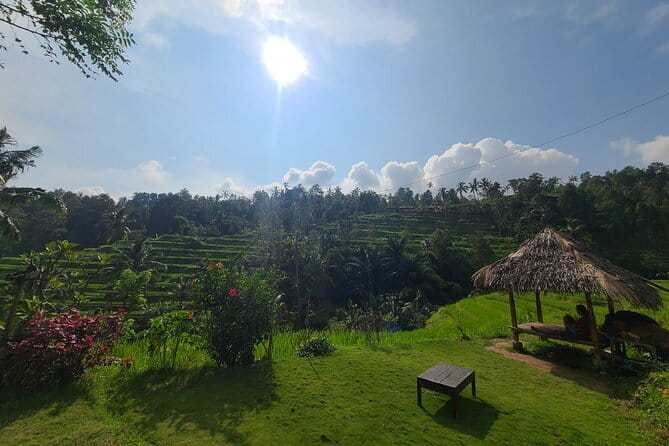
From there, you transition into walking through rice terraces and lush forest, alongside streams described as crystal-clear. The payoff isn’t only the scenery (though it’s a big part). It’s the contrast: you get a slow-build morning, then the falls hit like a reward.
The trek through rice terraces and rainforest streams
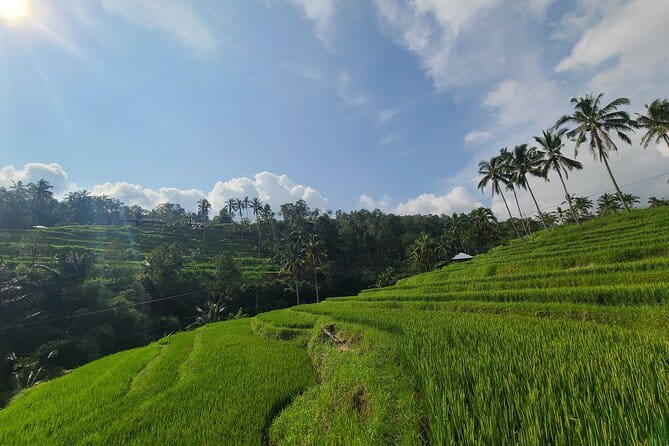
The route mixes open views and shaded stretches. That’s important because it affects how you feel physically. Morning terraces can catch sun, while forest parts cool you down and let you keep moving.
You’ll be guided through a landscape of emerald rice terraces, tropical forest, and clear streams. That means you’re not just walking on a single straight path—there’s variety in surface and footing. It’s one of the reasons this tour is labeled moderate rather than easy.
A smart mindset: treat it like a guided hike with water highlights, not a theme park. Your guide’s job is to keep you in the right spots and help you pick safer lines over rocks and slippery patches.




Sekumpul Waterfall: the refreshing highlight you’ll remember
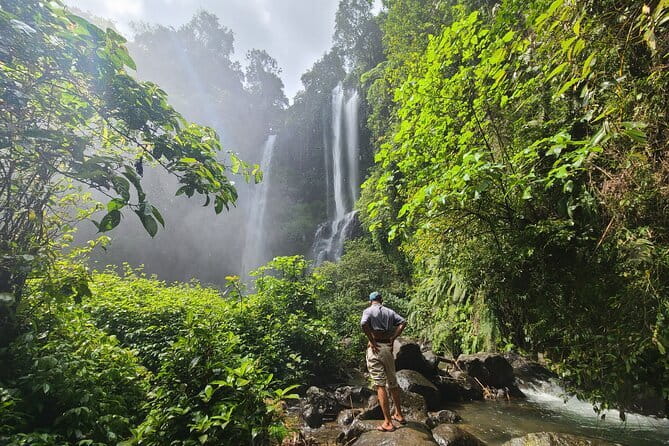
Sekumpul Waterfall is the kind of place that pulls your attention in instantly. The experience here isn’t described as a dry lookout. It’s about getting close enough to feel the waterfall—then going for the water play.
On this tour, you’ll swim and experience the waterfall’s power in a way that feels thrilling and refreshing. That blend is the reason Sekumpul is often considered a top target in Bali’s north.
One more value point: your guide doesn’t just show up and point. The tour focuses on nature and includes guide insights about what you’re seeing. That turns “pretty waterfall” into “I understand this place,” which makes photos look better and makes the day more satisfying when you’re not taking pictures.
Fiji Waterfall: quieter, still worth the detour

After Sekumpul, you continue to Fiji Waterfall. You’re not choosing between one famous waterfall and one smaller one. You’re stacking two experiences, and that’s a major value driver for this itinerary.
The theme stays consistent: the falls are part of the fun, not just the background. Fiji Waterfall adds more stopping, more water time, and more variety in how the falls shape the path through the area.
If you’re the kind of traveler who gets annoyed by “one waterfall, one viewpoint, done,” this second stop is a big reason to pick this tour. It gives your day momentum rather than turning into a single long waiting period.
Lemukih natural waterslide and water jump: safety gear isn’t optional
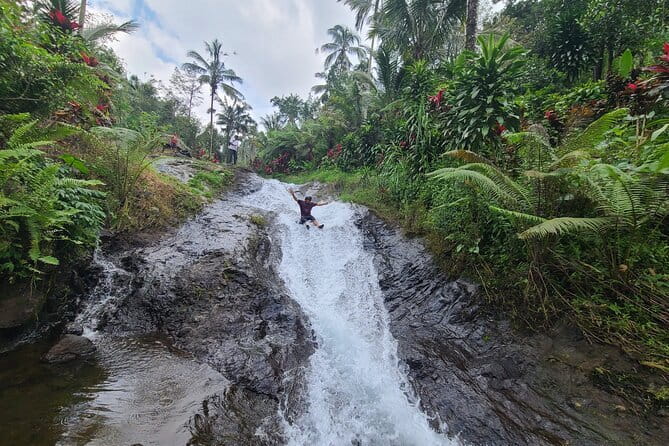
Now for the signature moment: the Lemukih natural waterslide. You’re not using some manufactured plastic slide. It’s a natural waterslide tied into the river area, plus a water jump component.
This is exactly where the included equipment matters. Your package includes a helmet and water shoes. That’s not just a nice extra; it changes the whole experience from risky to manageable.
Here’s how to think about it before you go:
- You’ll be dealing with wet, uneven surfaces.
- You’ll want secure footwear for rock scrambling and landing spots.
- You’ll want head protection for the reality of natural water movement.
Your guide is also there for specialist safety guidance. People often underestimate how much the guide matters in water play. When it goes right, you’re laughing. When it goes wrong, you’re nursing sore knees. This tour tries to keep you in the first category.
Lunch, bottled water, and young coconut: small details that keep you happy
Adventure days fall apart when you get dehydrated or cranky. This one takes care of that.
Included: bottled water, young coconut water, and an Indonesian lunch. You’re also provided with supplies so you stay fueled during the hike and water breaks.
I like that the food isn’t treated as an afterthought. A local lunch helps you reset without turning the day into a hunt for restaurants in remote areas.
Also, the coconut water is more than a snack. It’s a practical hydration boost in hot, humid conditions—especially if you’re walking in sun before you hit the waterfalls.
Guides make or break the day: Sugi and Yoga as examples
A tour like this lives or dies by your guide’s ability to manage route choices and keep you safe during water moments.
In the feedback you’ll find consistent praise for friendliness and practical knowledge, including named guides such as Sugi and Yoga. The guides are described as sharing facts about Balinese culture and village life, plus explaining the waterfalls and the best places to be safe during water play.
You also get bilingual support mentioned as English and French speaking, which helps if your Bahasa is still in early-days mode.
What you should look for on the day: ask questions. The tour is set up for you to learn as you go, not just march from stop to stop.
Group size, pacing, and the “motorbike back” finish
This experience caps at 30 travelers. That helps you keep a calmer rhythm at waterfalls and water-play spots. Too-large groups can turn waterslide time into a slow line with everyone guessing what to do next. A capped group size keeps you moving more naturally.
The finish is followed by motorbike back to the starting point. That’s a quiet but important comfort detail. It saves your legs for the last part of the day and keeps the schedule from dragging.
Price and value: what $25.60 buys you (and what it doesn’t)
The price is listed at $25.60 per person, and it’s often booked about 12 days in advance on average.
Is that cheap or fair? It’s fair if you care about the full package: guide-led hiking, safety gear (helmet and water shoes), bottled water, young coconut water, Indonesian lunch, and access to waterslide and two waterfall experiences.
What’s not included is also pretty straightforward: breakfast, tips, and any cash for personal expenses. You’ll want to plan your spending accordingly, especially for small extras like souvenirs or snacks outside the included lunch.
Also note: there’s an optional upgrade for round-trip transfers. If you hate planning transport, adding transfers can make the day feel smoother even if the base price looks low.
Who should book this tour (and who should think twice)
This is a great fit if you want:
- A day out of Ubud that feels rural and real
- Active nature time with a clear payoff: waterslide plus two waterfalls
- Included safety equipment and a guide who handles logistics on the ground
You might think twice if:
- You dislike moderate trekking or uneven footing
- You’re extremely sensitive to slippery conditions, especially if going during wet season
- You want a purely dry, sightseeing-only day
If you’re traveling with friends who love photos but also want something physical to do, this hits that sweet spot. It’s also well-suited for couples who want a memorable, active shared experience rather than another temple checklist.
Practical tips before you go (based on how the day works)
Pack your mindset, not just your bag.
- Expect to get wet. Waterslide, water jump, and swimming at waterfalls are part of the experience flow.
- Use the water shoes properly. They’re there for traction and protection on rocky, wet spots.
- Move at guide pace. The guide knows where it’s safest for the slide and where to step when things are slick.
- Bring your lunch-and-hydration plan in your head. Bottled water, young coconut water, and lunch are covered, so you don’t need to scramble once you’re out in the countryside.
Should you book Lemukih Hidden Trekking Waterslide Sekumpul and Fiji Waterfall?
Yes, if you want a north Bali day that mixes trekking and real water fun, with safety gear included and two waterfall stops instead of a single highlight. The value is strong because the tour covers the “work” of getting you to the right places, plus the equipment and food that keep the day comfortable.
I’d skip it only if you’re not up for moderate walking over uneven terrain or you want a relaxed, dry itinerary. Otherwise, this is the kind of Bali experience that feels like a story you’ll tell later—rice terraces in the morning, waterfalls in the middle, and a natural waterslide moment you won’t find in the standard Ubud lineup.
FAQ
Is hotel pickup included?
Hotel pickup and drop-off are included if you select that option.
What’s included for the waterslide safety?
The tour includes a helmet and water shoes for the waterslide and water-play parts.
How long is the tour?
The duration is listed as about 8 hours, with trekking described as around 5 hours.
Where does the tour start and end?
The activity starts at Lemukih Trekking Tours in Lemukih, Sawan, Buleleng Regency, and ends back at the meeting point.
What about food and drinks?
You’ll receive bottled water, young coconut water, and an Indonesian lunch.
Do I need to worry about fitness level?
The tour is for travelers with moderate physical fitness, based on the described trekking.
Is the group size limited?
Yes. The maximum group size is 30 travelers.
Will I have transfers back after the trek?
After the finish, you’ll be taken back by motorbike to the starting point.
How does cancellation work?
Free cancellation is available if you cancel up to 24 hours in advance for a full refund. If you cancel less than 24 hours before the start time, the amount paid is not refunded.