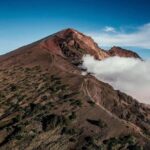
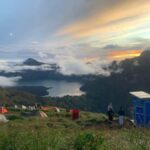
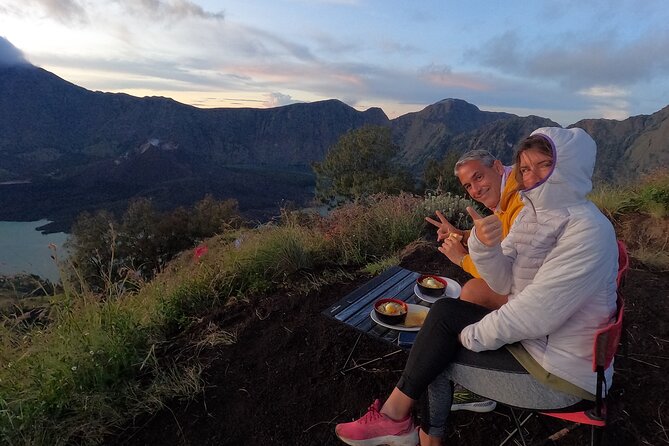
Crater-rim views without a summit grind. This 2-day, 1-night Mt. Rinjani trek from Senaru is built for people who want the drama of Rinjani’s super-scenic crater area without the full summit push. You’ll camp near the crater edge with summit lake views and a clear look toward Baru Jari Mountain, then catch a sunrise framed between Mount Rinjani and Mount Sangkareang.
What I like most is how much of the experience is set up for you: a guide, porters, and the camping kit (including sleeping gear and a toilet tent), plus meals and safe drinking water. I also like the “short-but-real” rhythm: Day 1 climbs through dense tropical forest, and Day 2 drops you back down through rainforest, usually in about 6 hours, so you’re not dragging this trek across an entire week.
One consideration: the trek is rated for moderate physical fitness, and even when it’s manageable, you’ll feel it. Also, a couple notes flagged gaps in first-aid/medical support and how dietary needs are handled, so if you have restrictions, ask questions before you go.
In This Review
- Key things you’ll notice on this Mt. Rinjani 2D/1N trek
- Why the Senaru Crater Rim trek is such a smart 2-day plan
- Getting started: Senaru pickup, registration, and the 7:00–7:30 start
- Day 1 (about 7 hours): jungle hiking to the crater edge camp
- Night at the rim: sunrise timing, sleeping in a tent, and what to expect
- Day 2 (about 6 hours): rainforest descent back to Senaru
- Food, water, and the small details that make (or break) a trek
- Gear checklist: what’s provided vs what you should bring
- Guides and porters: why the human side matters on Rinjani
- Price and value: what $152 really covers on this Mount Rinjani trek
- How hard is it, really, for beginners and families?
- Should you book this Mount Rinjani 2D/1N Senaru Crater Rim trek?
- FAQ
- What time does the trek start from Senaru?
- How long is the Mount Rinjani trek in this package?
- What elevations does the trek reach?
- What’s included in the price?
- Is the Mount Rinjani entrance fee included?
- Do I need to bring trekking shoes and warm clothing?
- Where do we sleep during the night?
- Is this tour private?
- Is the experience refundable if I cancel?
Key things you’ll notice on this Mt. Rinjani 2D/1N trek
- Crater rim camping beats the summit grind for a big view in a short time
- Sunrise between Rinjani and Sangkareang from your campsite is a main event
- Senaru route through jungle/forest means constant green and lots of bird life
- Camping gear and toilet tent are included so you can travel lighter
- Meals and water are included, but confirm dietary needs in advance
- Porters carry camping equipment, which makes the hike feel more doable
Why the Senaru Crater Rim trek is such a smart 2-day plan
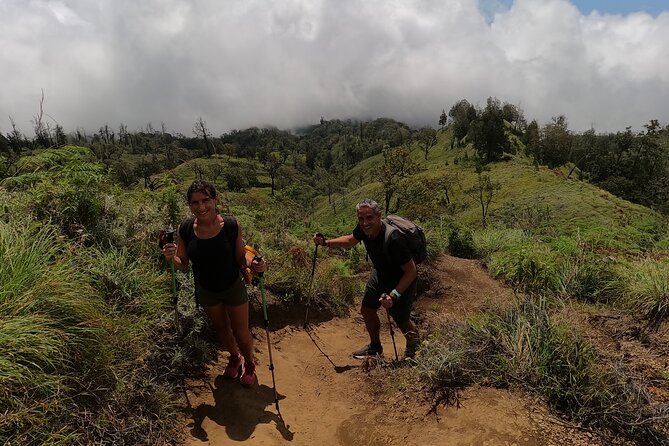
If Mount Rinjani is on your Lombok bucket list, this is one of the best ways to get the payoff fast. Instead of aiming for the top, this program focuses on the Senaru crater rim camping experience, where you can see the summit lake and the nearby Baru Jari area.
It’s also designed to fit real-life schedules. The whole program runs about 2 days (Day 1 and Day 2), with Day 1 listed around 7 hours and Day 2 around 6 hours. That makes it a good option if you want one serious hike without spending a full week in the backcountry.
And because it’s explicitly positioned as suitable for beginners and families, the pacing tends to be more approachable than summit-style treks. Still, “beginner-friendly” here doesn’t mean “easy.” It’s a mountain trek in rainforest conditions, and you’ll climb from roughly 600 m up to about 2,641 m over the route.
You can also read our reviews of more tours and experiences in Lombok.
Getting started: Senaru pickup, registration, and the 7:00–7:30 start
The trek begins in Senaru (Bayan, North Lombok). Your start time is 7:00 am, with a typical window noted as 7:00–7:30 AM. Before you walk, you’ll transfer to the Rinjani National Gate for registration and a briefing with your guide.
This early start matters for two reasons. First, it gets you into the forest while temperatures are usually more comfortable. Second, it helps you reach the crater rim area on the right timeline for that campsite sunrise experience.
This is also a private tour/activity, meaning it’s for your group only. If you’ve ever been stuck behind someone who moves like a wind-up toy, you’ll appreciate that setup.
Day 1 (about 7 hours): jungle hiking to the crater edge camp
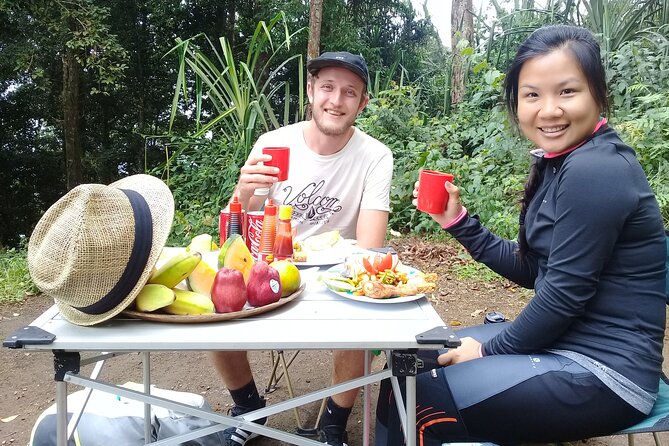
Day 1 is where you earn your views. After breakfast, you start your trek around 7:00–7:30 AM walking through dense tropical forest. The route is described as “through the trees” (jungle), and the tone here is very much a nature walk that gradually turns into a real uphill hike.
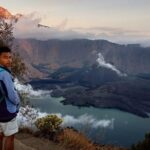
You’ll move from around 600 m up toward the higher zones, and by the end of the day your camp sits at the edge of Senaru crater. That’s the magic part of the itinerary: you’re not just “camping somewhere on a mountain.” You’re camping in a spot made for watching the summit lake and taking in the view toward Baru Jari Mountain.
Evening at the crater rim is also your golden hour. The overview notes you can watch the sunset with a view toward the tip of Bali, which is the kind of detail you can’t get from most shorter hikes. If you’re bringing cameras, plan to keep them accessible, not buried under six layers of your bag.
Practical note: one review called out outstanding porters and guides, and that’s consistent with how this trek is set up. Porters carry the camping equipment, which helps you focus on your footing and breath rather than hauling everything yourself.
Night at the rim: sunrise timing, sleeping in a tent, and what to expect
This trek is built around one night camping at the crater edge, so your sleep setup matters. The included gear list is solid: a double-size tent, camp chairs, a toilet tent, plus sleeping bags, pillows, and a mattress. You’re also provided camping equipment, trekking poles and sticks, and even rain coat plus insurance.
That’s helpful because crater rim weather can change fast. Even if your daytime hike feels warm, night temps can bite, especially once you settle into tent life. Since a warm layer is not included, you should plan to pack your own warm jacket and wind jacket (these are listed as not included).
The sunrise is the headline. The overview says you’ll be able to watch the sunrise in the morning between the summits of Mount Rinjani and Mount Sangkareang. Translation: you’ll wake up, step out, and look across a big volcanic horizon. It’s one of those experiences where the effort the day before feels worth it.
Day 2 (about 6 hours): rainforest descent back to Senaru
After breakfast (and after that sunrise moment), Day 2 is the descent. You’ll leave the crater area and walk back down through rainforest toward Senaru Village.
This day is listed around 6 hours, and the route emphasis shifts from climbing to careful walking. Descents can be harder on knees and ankles than uphill hiking, so take it slow. Trekking poles help here, and they’re included.
If luck is on your side, you might see the rare black monkey along the way. It’s not guaranteed, but it’s a real possibility on a rainforest route, and the fact that the program calls it out suggests the area is genuinely wildlife-friendly.
By the end, the experience finishes back at the meeting point in Senaru.
Food, water, and the small details that make (or break) a trek
Here’s what’s included on the food front: dinner, lunch (2), and breakfast (2). There’s also safe drinking water provided. That’s important because on a mountain trek, bad hydration decisions can turn a manageable day into a miserable one.
I also like that the gear list includes practical comforts (like a toilet tent and sleeping kit), because these reduce the “logistics stress” that can ruin the mental mood of trekking.
That said, one note flagged issues with diet handling and first aid/medical support. I can’t tell you how common that is from the data, but I can tell you what to do: if you have dietary restrictions, message the provider ahead of time and ask how they handle them. And if you’re relying on medical support, ask what’s available in an emergency beyond guide/porter basics.
Gear checklist: what’s provided vs what you should bring
The included list is unusually helpful for a short trek. You don’t need to source your own camping system. Included are things like:
- Camping equipment (including double tent, chairs, toilet tent)
- Sleeping bags, pillows, mattress
- Trekking poles and sticks
- Rain coat and insurance
- Transfer from Senaru to the starting trek
What you still need to bring (listed as not included):
- Trekking shoes
- Long pants
- Gloves
- A small bag or day pack
- Warm jacket and wind jacket
For most people, the biggest win is this: because the heavy camp gear is handled for you, you can focus on staying comfortable. A small day pack helps you keep water, snacks, and a jacket within reach without unpacking your whole life every stop.
Guides and porters: why the human side matters on Rinjani
The best part of trekking with a real local team is simple: they make your body’s job easier and your mind’s job more interesting. In guides and porters’ names pulled from past experiences, you’ll see people like Rizal, Ibrahim, Sapar, and Ir credited for care, humor, and steady support.
Porters also get serious credit in the feedback you shared. That’s not just nice wording. On this trek, porters carry the bulk of the camping equipment, and that changes the way the climb feels. You get to hike rather than haul.
What I’d set your expectations to: the organization generally sounds smooth, with punctual contact and clear handoff. But because one note mentions first aid/medical support gaps, you should still treat this as a real mountain trek. Bring what you need, move within your limits, and don’t ignore persistent pain.
If you’re flying in or coming from outside Senaru, ask about transport options. One couple reported airport pickup and transfer to the operator’s Senaru HQ before trekking, which isn’t guaranteed for every traveler, but it’s worth asking about so you’re not improvising.
Price and value: what $152 really covers on this Mount Rinjani trek
At $152 per person, the value here is mainly about what’s included. You’re paying for a lot more than a guide leading you up a trail. The included package covers:
- Trekking guide
- Porter support for camping equipment
- Camping equipment (tent, toilet tent, sleeping bags, mattress, pillows, camp chairs)
- Trekking poles and sticks
- Meals (dinner, breakfasts, lunches)
- Safe drinking water
- Transfer from Senaru to the starting point
- Rain coat and insurance
- Group discounts are mentioned
The main item missing is the Mount Rinjani entrance fee. Budget extra for that. If you don’t, you’ll have an awkward moment at the gate when you expected everything to be fully wrapped.
Also, this trek is commonly booked about 35 days in advance, which is a small clue that it’s popular. If you’re traveling in a busy season, booking earlier gives you more control over your schedule.
How hard is it, really, for beginners and families?
The program is framed as suitable for beginners and families, and the physical requirement is described as moderate. Reviews and descriptions also suggest the difficulty is real but manageable if you pace yourself and don’t pretend this is a casual walk.
You’ll climb from around 600 m to 2,641 m, and you’ll hike roughly 7 hours on Day 1 and 6 hours on Day 2. That’s long enough to test stamina, especially in rainforest humidity and uneven footing.
The best mindset: plan on feeling challenged, but not wrecked. If you don’t hike regularly, consider building a week or two of preparation before you go—especially stairs and uneven ground. And on the trek days, take short breaks rather than long “I’m done” stops.
Should you book this Mount Rinjani 2D/1N Senaru Crater Rim trek?
Book it if:
- You want big volcanic views and a memorable sunrise without a summit attempt
- You’d rather spend your effort on hiking than shopping for gear
- You like the idea of crater rim camping with the summit lake and Baru Jari in view
- You’re traveling with family or prefer a structured, guided experience
Skip it or think twice if:
- You have strict dietary needs and want solid clarity on how those are handled
- You’re very concerned about guaranteed first aid/medical support
- You’re expecting an easy walk. This is manageable, but it’s still a mountain hike
If you do book, do one smart thing: message ahead about your diet needs and what happens if someone gets injured. Then show up early, bring the warm layers, and let the crater rim sunrise do its job.
FAQ
What time does the trek start from Senaru?
The start time is 7:00 am, with the trek beginning in the 7:00–7:30 AM window.
How long is the Mount Rinjani trek in this package?
It’s about 2 days (Day 1 is around 7 hours, and Day 2 is around 6 hours).
What elevations does the trek reach?
The route starts around 600 m and reaches about 2,641 m.
What’s included in the price?
Included are a trekking guide, porters for camping equipment, camping equipment (double tent, camp chairs, toilet tent, sleeping bags, pillows, and mattress), trekking poles and sticks, rain coat, insurance, safe drinking water, plus meals (dinner, lunch x2, and breakfast x2) and transfer from Senaru to the starting trek.
Is the Mount Rinjani entrance fee included?
No. The entrance fee for Mount Rinjani is listed as not included.
Do I need to bring trekking shoes and warm clothing?
Yes. Trekking shoes, long pants, and gloves are not included. A warm jacket and wind jacket are also not included, so plan to bring them.
Where do we sleep during the night?
You sleep at camp on the crater rim edge, in an included double-size tent, with sleeping bag, pillow, and mattress. A toilet tent is provided too.
Is this tour private?
Yes. It’s described as a private tour/activity, so only your group participates.
Is the experience refundable if I cancel?
No. It’s non-refundable and can’t be changed for any reason, according to the cancellation policy.
If you tell me your fitness level and whether you have any dietary needs, I can suggest a tighter packing list and a pacing plan for the two hiking days.