Two days on Rinjani feels like a lifetime. This Mount Rinjani 2D 1N climb is built for people who want a summit hit without spending a whole week on the trail, starting in Sembalun and pushing for sunrise on the second morning with guides like Nas and Surya.
What I love most is the tight schedule that still gives you time to camp at the Sembalun Crater Rim, then earn those pre-dawn summit photos. The second big win for me is how well the team runs things—porters handle the heavy loads and food prep, so you’re focused on walking and breathing. One thing to consider: the climb is genuinely hard, and the 2:00 AM start on Day 2 means you’ll want good sleep habits and layers ready.
In This Review
- Key highlights before you lace up
- How the 2D 1N Rinjani plan works from Sembalun
- Day 1: Hotel pickup, registration, and the Sembalun Crater Rim camp
- Day 2: The 2:00 AM summit push and the sunrise photo window
- Guides and porters: what makes the trek feel manageable
- Food, water, and camp comfort (this is where value shows up)
- Price and logistics: what $160 covers, and what you’ll pay extra
- What to pack for Rinjani: cold night gear beats extra souvenirs
- Fitness level: who should do this trek and who should reconsider
- Possible snags: park access caps and route changes
- Should you book the Mount Rinjani 2D 1N summit trek?
- FAQ
- What is the duration of the Mount Rinjani 2D 1N trek?
- Where do they pick you up and where do you end the trek?
- What time is pickup and when does the trek start?
- Do I have to wake up in the middle of the night?
- What’s included in the price?
- What is not included?
- How much is the national park entrance fee?
- What is the cancellation policy?
Key highlights before you lace up
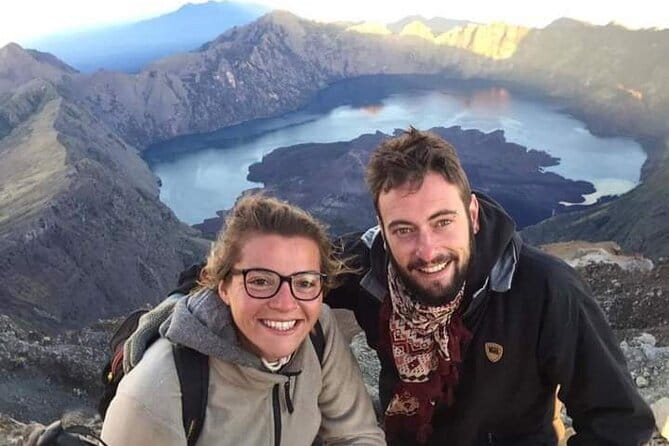
- Sunrise summit timing that has you reaching the top before daylight, then descending the same way you came
- Sembalun Crater Rim overnight with real camping gear (tents, mattresses, and a toilet tent)
- English-speaking guides and named guide teams like Nas and Surya (and Anci and Reno on other departures)
- Meals and snacks that keep you moving, including fried chicken for lunch and a cooked dinner
- Provided trek gear like gloves and trekking poles to reduce what you must pack
- Small group size (max 10) for a more controlled pace on the mountain
How the 2D 1N Rinjani plan works from Sembalun
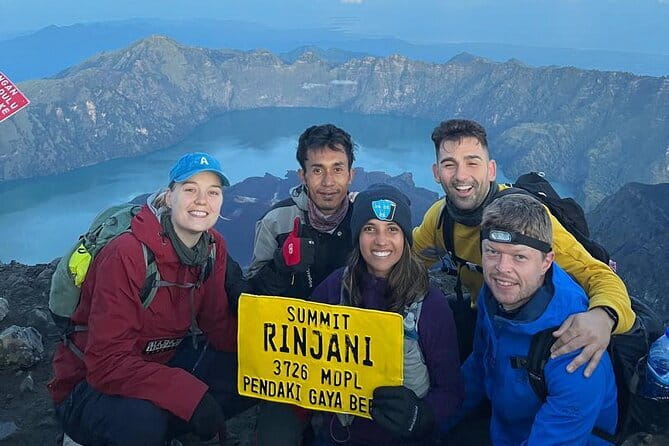
This trek is a fast, focused Mount Rinjani summit attempt: 2 days and 1 night, starting and ending in Sembalun (with hotel pickup also available from Senaru or Sembalun). You’ll be in a small group—up to 10 people—which matters on Rinjani because narrow trail moments and steep sections feel less chaotic when you’re not trying to shuffle around a crowd.
The day structure is built around altitude and light. Day 1 is for getting up to the crater rim and sleeping high. Day 2 is the hard part: waking in the dark, climbing to the summit before sunrise, then coming back down to Sembalun. It’s a plan that rewards people who like early starts and can handle a long push without needing a “slow tourist pace.”
Also: you get a mobile ticket, and group discounts may apply depending on how you book. If you’re traveling with friends, it’s worth asking how discounts are calculated before you pay.
You can also read our reviews of more tours and experiences in Lombok.

Day 1: Hotel pickup, registration, and the Sembalun Crater Rim camp
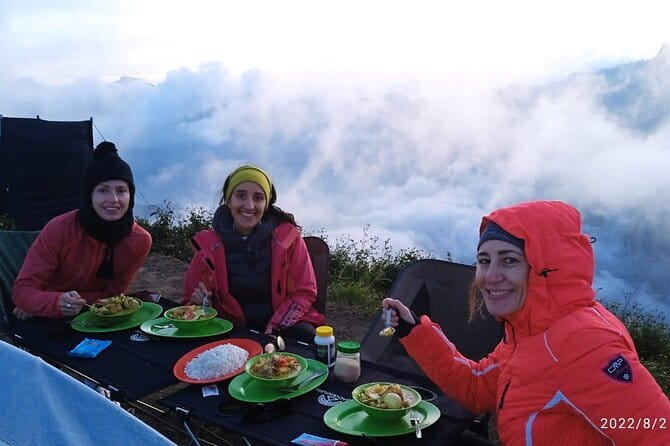
You’ll start with a morning pickup from your accommodation. The scheduled start time is 7:00 AM, and you’ll transfer to Sembalun for registration at the Rinjani National Park office. From there, the hiking begins around 8:00 AM to 8:30 AM.
Day 1’s route is all about climbing steadily through multiple trail posts until you reach the Sembalun Crater Rim. You’re not aiming for the summit that day. Instead, you’re building altitude, building stamina, and setting yourself up for the next morning’s summit push.
At camp, you’re not just sleeping on dirt. The trek includes a tent, toilet tent and paper, plus sleeping bags, mattresses, and pillows. That’s a big deal on a cold volcano overnight. You’ll still feel the mountain at night, but at least you’re not improvising your comfort.
One practical note: your day ends with a camp setup and a meal plan, not a “free time” scramble. Lunch, dinner, and breakfast are part of the trek package, and you’ll also get energy-rich snacks along the way. It means fewer decisions for you and more time focusing on the climb.
Day 2: The 2:00 AM summit push and the sunrise photo window
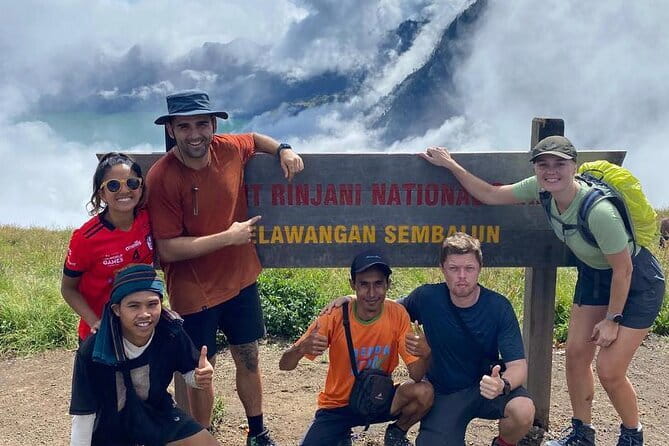
This is the part most people remember. Your wake-up time is around 2:00 AM, with a light breakfast before the ascent. You’ll start in the dark, moving toward the summit with enough time to reach the top before sunrise.
The ascent is described as challenging, and that matches what you should expect. Even if you’re reasonably fit, you’ll feel the combo of steep grade, cold early air, and the grind of hours of uphill walking. Bring patience. The pace is not about sprinting—it’s about getting your breathing under control and keeping your footing sure.
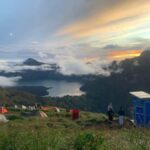
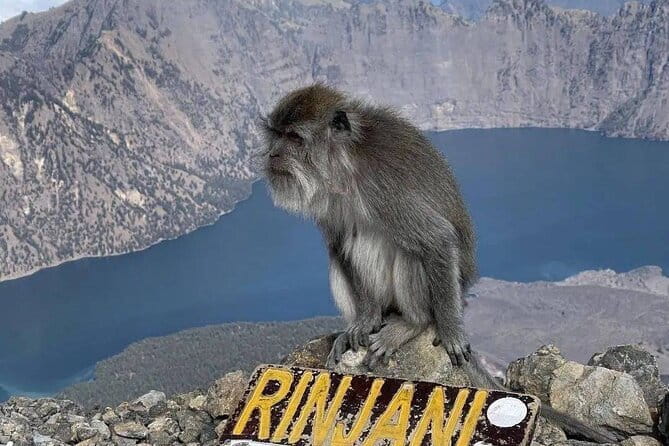
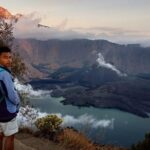
Photography matters here. The trek is timed so you can enjoy the sunrise and get photos before the light changes. Then you descend back to Sembalun following the same path as the ascent.
Two gear points you should take seriously:
- A head lamp/hand torch is not included, but you’ll be walking in early hours. Plan to bring one.
- Trekking shoes are not included, and volcano trails punish sloppy footing. This is not the moment to “make do” with worn sneakers.
Guides and porters: what makes the trek feel manageable
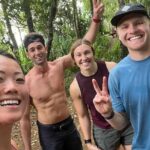
The experience is guided, and the guide team matters a lot on Rinjani. The tour includes experienced, friendly, English-speaking guides. In past departures, guides like Nas and Surya have been specifically mentioned for being kind and funny, which helps when you’re exhausted and it’s still dark outside.
Porters are the other half of the comfort equation. They carry lots of the food and cooking gear, and they also handle camp logistics. That means your load is usually far lighter than if you were doing it independently. With porters in the mix, the trek feels like you’re part of a functioning team rather than doing everything yourself.
There’s also a behind-the-scenes effort that I think you’ll appreciate: the group includes an ecological awareness mindset, including picking up rubbish along the way. It’s small, but it shows that the team is thinking beyond just reaching the viewpoint.
Food, water, and camp comfort (this is where value shows up)
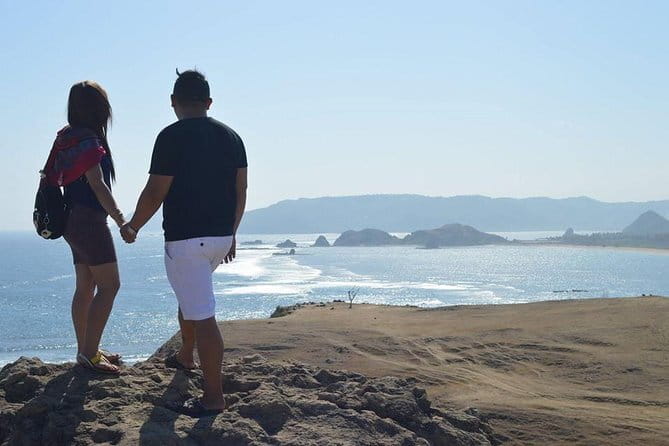
A big chunk of what you’re paying for here is not just the walk—it’s the support system that keeps you fed and warm enough to finish. Meals are included: lunch, dinner, breakfast, plus energy-rich snacks. There’s also coffee and/or tea.
Here’s what the food looks like on this trek:
- Lunch: fried chicken special with fried potatoes, fried vegetables, fried egg, and steam rice
- Dinner: chicken curry with egg, vegetable, and rice
- Breakfast: cheese toast and banana pancake
- Plus coffee/tea, and snacks during the trek
Water is also part of the package. You get 3 litres of mineral water per person per day (as listed). That matters because on a hike, the “I’ll just buy water later” plan usually falls apart fast when you’re moving uphill and time is tight.
On the camping side, the included setup is practical:
- Tent
- Sleeping bags
- Mattress and pillow
- Toilet tent and paper
If you’re picky about sleep, you should still expect a rocky, colder night at altitude—but compared to basic setups, this feels more like camping with support, not camping with guesswork.
Price and logistics: what $160 covers, and what you’ll pay extra
At $160 per person, this trek is positioned as a budget-to-mid option for a 2D 1N summit attempt. The value comes from the combination of guiding, porter/camp support, included meals, and the provided gear (more on that next).
But you should budget for the costs that aren’t included. The national park entrance fee is listed as IDR 250,000 per day per person—so IDR 500,000 total for two days per person. That’s the kind of fee you don’t want to be surprised by at check-in.
Also not included:
- Trekking shoes
- Rainjacket
- Long pants
- Head lamp/hand torch
- Tips for guide and porters
One more thing: it’s non-refundable in the event you cancel, and it cannot be changed for any reason. That means you should only book if your dates are solid.
If you’re comparing options, don’t judge only by the headline price. When you include meals, water, camp gear, and guide/porter coverage, the total value starts to make more sense.
What to pack for Rinjani: cold night gear beats extra souvenirs
This trek includes some key items, which helps you travel light:
- Gloves
- Trekking poles
- Tent and sleeping gear (sleeping bag, mattress, pillow)
- Toilet tent basics (toilet tent and paper)
What you still need to bring (based on what’s not included) is the stuff that keeps you safe and comfortable:
- Trekking shoes with good grip
- Rainjacket (mountain weather can turn fast)
- Long pants
- Head lamp/hand torch for the 2:00 AM start
Dress like you’re preparing for real temperature swings. Even if you’re sweating while climbing, nights near high points can feel very cold. Layering works better than carrying a bulky jacket you only use for ten minutes.
Finally, bring a calm mindset. A summit trek in two days is fast by design. You’ll want to focus on your steps, not on checking your watch every ten minutes.
Fitness level: who should do this trek and who should reconsider
The trek calls for moderate physical fitness. That’s a fair description of what you’ll face: steep sections, early darkness, and a long day on foot. If you’ve hiked hills before and can walk for hours with elevation, you’re in the right zone.
If you’re new to hiking or you struggle with long uphill days, you might find the Day 2 push especially tough. The good news is that guides and porters are supporting you, and the small group size helps with pacing. The not-so-good news is that the mountain doesn’t care about intentions—so take your body seriously.
If you have a tight schedule and you want the Rinjani summit experience without going multi-day, this plan fits. If you want an easier pace or lots of rest breaks, you might be happier with a longer itinerary.
Possible snags: park access caps and route changes
Here’s the part you can’t ignore with popular peaks: access rules can change. There’s mention of park limits, including a cap connected to admissions. In one case, someone was told they couldn’t access a planned viewpoint because capacity was full under new rules.
What does that mean for you? It means you should stay flexible. You should also keep expectations realistic: volcano treks are subject to park management decisions. If the provider offers a revised route or a different viewpoint due to access caps, don’t treat it as a personal failure. It’s part of how busy protected areas get managed.
Pair that with the trek’s policy of being non-refundable, and you’ll want to double-check your travel dates and your willingness to adapt if needed.
Should you book the Mount Rinjani 2D 1N summit trek?
Book it if:
- You want a real summit sunrise plan without a week-long commitment
- You like guided trekking with English-speaking support
- You value included meals, water, and camping comfort like mattresses and sleeping bags
- You’re comfortable with an early start and a challenging ascent
Skip it (or think hard first) if:
- You’re not confident with steep, long uphill walking
- You dislike waking up at 2:00 AM
- You’re sensitive to uncertainty from park access rules
- You can’t handle paying park fees and bringing key items like a head lamp and trekking shoes
This is a serious trek, but it’s also run with enough structure to make it feel doable. The best part is the payoff: sunrise at the top, then the relief of descending back to Sembalun with a strong team carrying the hardest logistics.
FAQ
What is the duration of the Mount Rinjani 2D 1N trek?
It runs for 2 days and 1 night.
Where do they pick you up and where do you end the trek?
You can be picked up from Senaru or Sembalun, and the trek ends back at the meeting point (drop-off after the trek to Senaru or Sembalun is included).
What time is pickup and when does the trek start?
Pickup is scheduled for 7:00 AM. The trek starts around 8:00 AM to 8:30 AM.
Do I have to wake up in the middle of the night?
Yes. You wake up around 2:00 AM on Day 2, then have a light breakfast before the summit ascent.
What’s included in the price?
Included items are hotel pickup and drop-off (Senaru/Sembalun), English-speaking guides, meals (lunch, dinner, breakfast) and snacks, 3 litres of mineral water per day, gloves and trekking poles, plus camping gear like tents, toilet tent and paper, sleeping bags, mattress, and pillow.
What is not included?
Not included are the national park entrance fee, trekking shoes, rainjacket, long pants, head lamp/hand torch, and tips for guide and porters.
How much is the national park entrance fee?
It’s listed as IDR 250,000 per day per person, which totals IDR 500,000 per person for the two-day trek.
What is the cancellation policy?
The experience is non-refundable and cannot be changed for any reason. If you cancel or request changes, the amount you paid is not refunded.