Rinjani starts with jungle quiet and ends with a sky show. This 3D/2N trek pairs dense tropical forest with a real crater-camping feel, then adds the relief of a natural hot spring soak. The big trade-off is simple: the route is steep, slippery, and physically demanding, so you’ll want solid fitness before you sign up.
What I like most is the way the days build toward one payoff: a summit hike timed for sunrise views over Lombok and beyond. You’ll get the chance to admire Segara Anak Lake, see parts of Lombok, Bali, and Mount Tambora in Sumbawa, and then finish with a descent that’s long but satisfying. If you’re prone to mountain sickness or you freeze at heights, this one likely won’t feel good.
In This Review
- Key things that make this trek worth it
- How the trek actually feels: from jungle trail to crater top
- Senaru to the rim: rainforest hiking with monkeys and plantation views
- Segara Anak Lake day: hot spring recovery plus lake lunch
- Sembalun crater rim at sunset: where you’re building energy
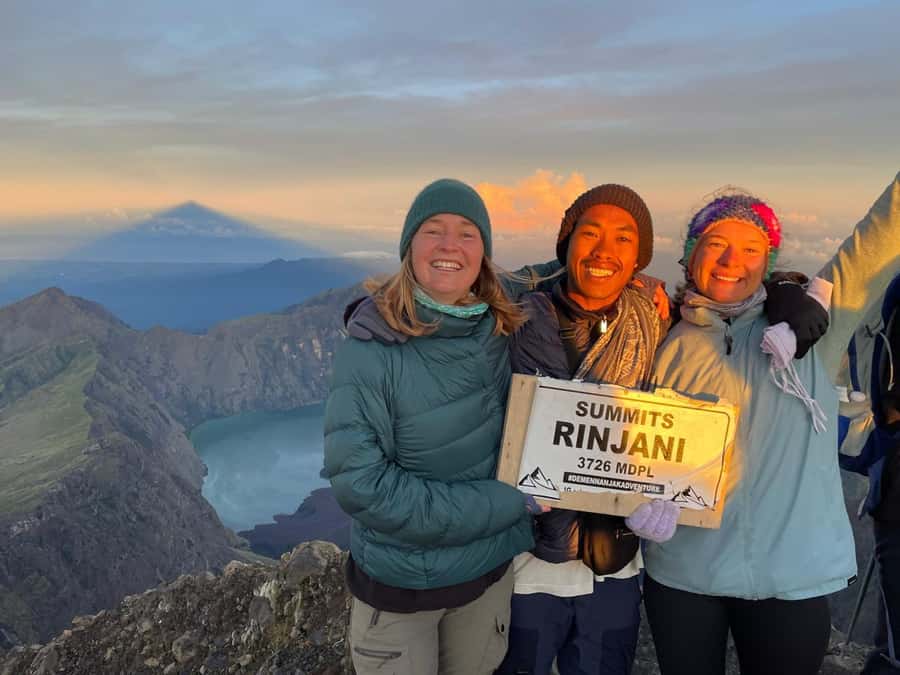
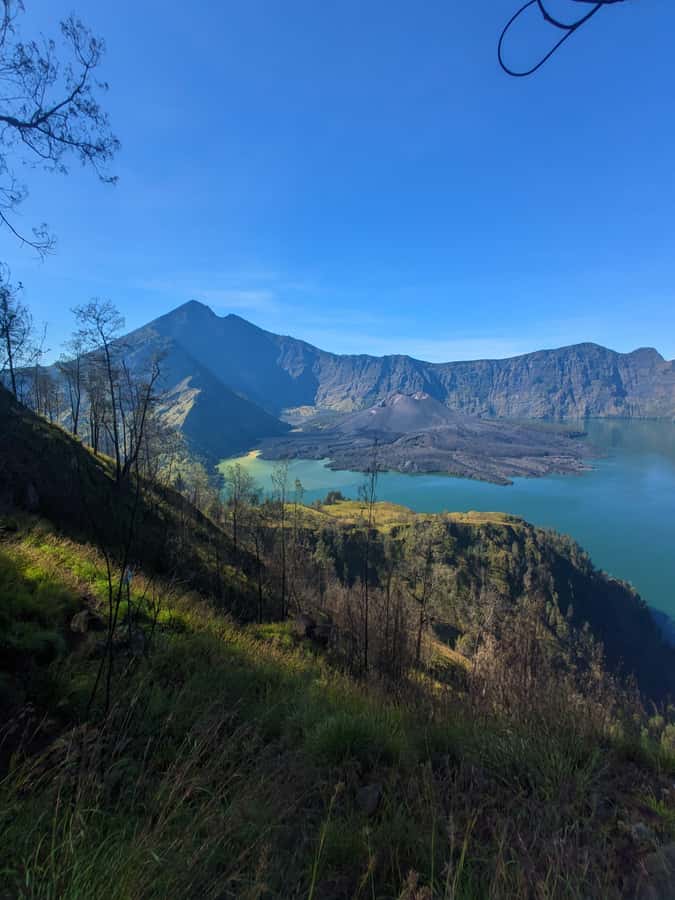
- Summit morning: sunrise views over Lombok, Bali, Tambora, and Segara Anak
- Camping support: what’s included (and what you still need)
- Price and real costs: where the $150 holds value
- What to bring: simple checklist from the program notes
- Who should book this trek (and who should skip it)
- Weather realities: closures can happen in the wet season
- Should you book Mount Rinjani: 3D/2N Trekking to Summit, Lake and Hot Spring?
- FAQ
- How long is the Mount Rinjani 3D/2N trek?
- Where do you get picked up?
- What does the tour include for food and water?
- Do you provide camping gear and sleeping setup?
- Is a national park entrance fee included in the price?
- Is an English guide provided?
- What should I bring for the trek?
- What gear is not included and I should prepare myself?
- How physically demanding is the trek?
- What is the minimum age to join?
Key things that make this trek worth it
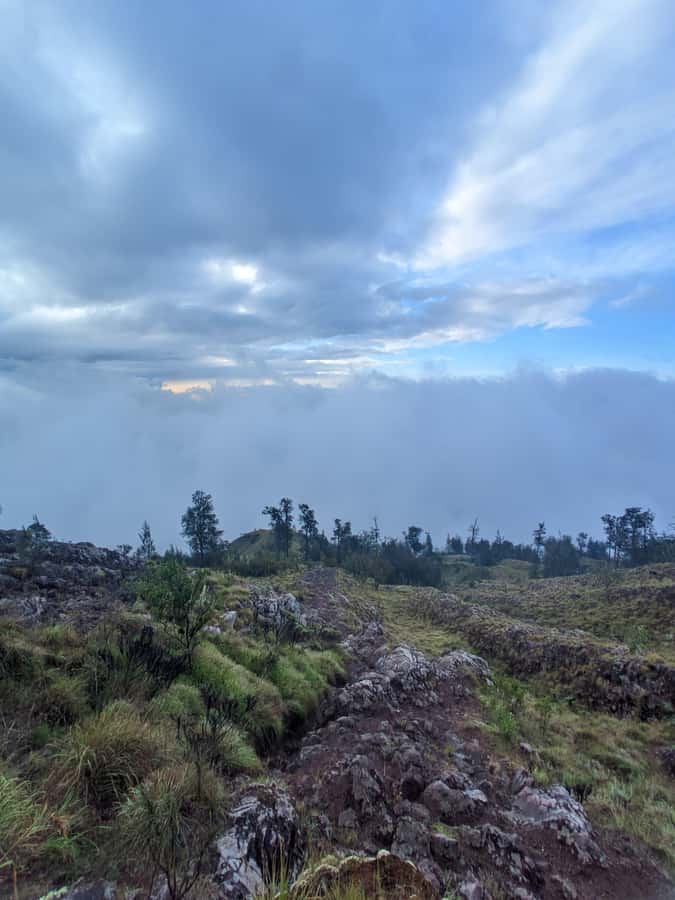
- Rainforest trekking from Senaru rim, with breaks that are timed for comfort and wildlife-spotting (think black or brown monkeys)
- Segara Anak Lake + a natural hot spring dip, so you’re not just hiking—you’re also recovering
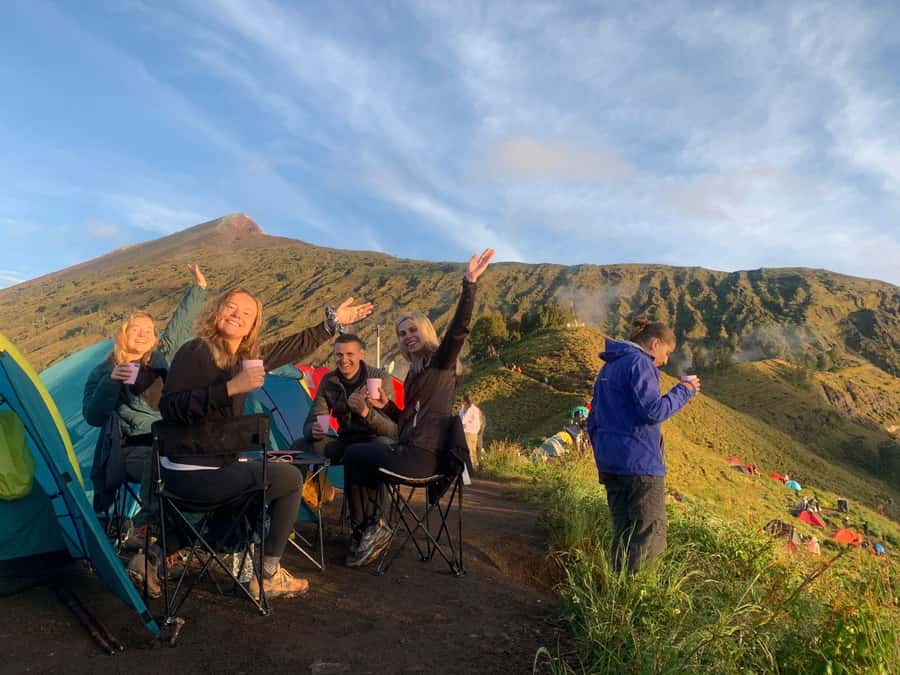
- Crater-rim sunset and overnight camp, giving you changing views and a real mountain rhythm
- Summit sunrise from the top, with wide views that include Lombok, Bali, Mount Tambora in Sumbawa, and Segara Anak Lake
- Camping support that handles the heavy stuff, since porters carry cooking gear and camping equipment
How the trek actually feels: from jungle trail to crater top
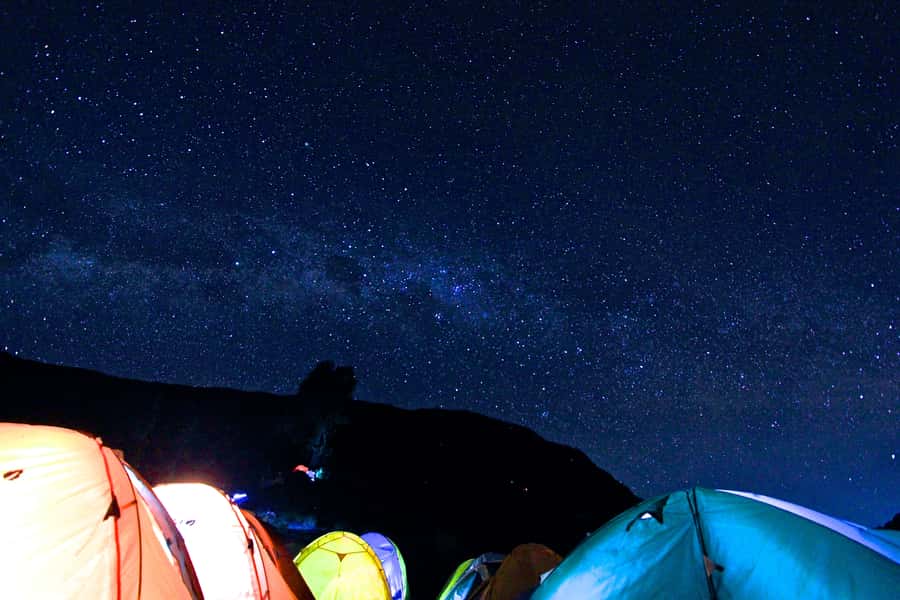
The magic of this route is the change of scenery, day after day. You begin in lush forest, then move into volcanic zones where the air feels different and the ground gets more demanding. It’s not a gentle nature walk. It’s a trekking climb where your body learns the schedule: walk, pause, eat, then walk again.
The camp setup is part of the experience. You don’t just rush through the mountains. You build your base in the crater area, sleep outdoors, and wake up for another push. That rhythm is why this trip stands out: the mountain time feels real, not like an airport-style checklist.
You can also read our reviews of more tours and experiences in Lombok.
Senaru to the rim: rainforest hiking with monkeys and plantation views
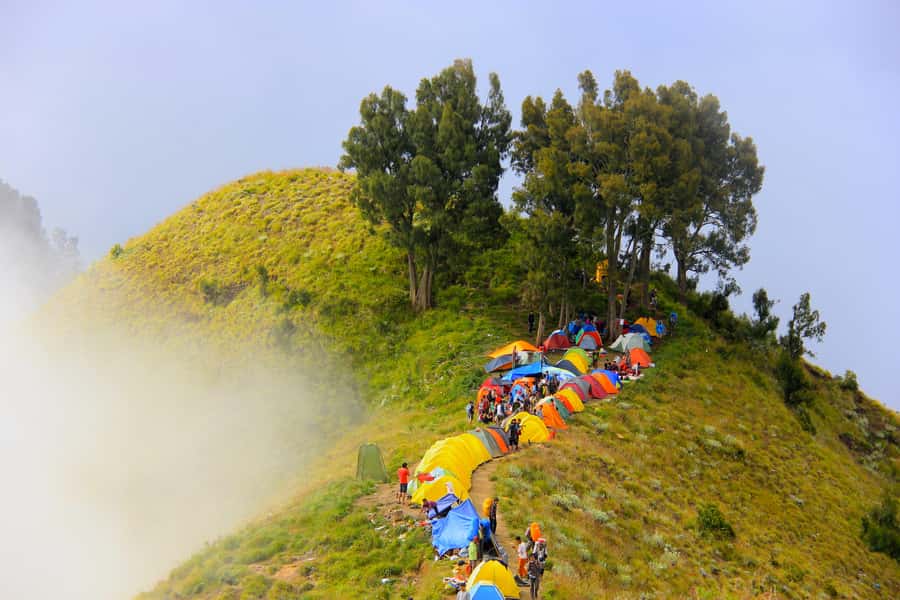
After hotel pick-up in Senaru or Sembalun, you travel to Senaru Village and start trekking toward the Senaru rim. The trail is described as walking through dense tropical forest, with plantation and trees along the way. This is the part of the trek where you’re most likely to slow down, look up, and notice what’s around you.
You’ll take breaks for snacks along the way, and that’s when wildlife can show up. The program notes call out the chance to spot black or brown monkeys during pauses. I like this early segment because it sets expectations: you’ll work for the view later, but you’re not stuck staring at dirt the whole time.
Once you reach the Senaru rim, you set up camp and sleep under the stars. That night matters, because you’re not just resting—you’re switching your brain from flat-land walking mode to mountain mode.
One practical consideration: this first day still takes serious effort. Plan around long walking hours rather than assuming a slow warm-up.
Segara Anak Lake day: hot spring recovery plus lake lunch
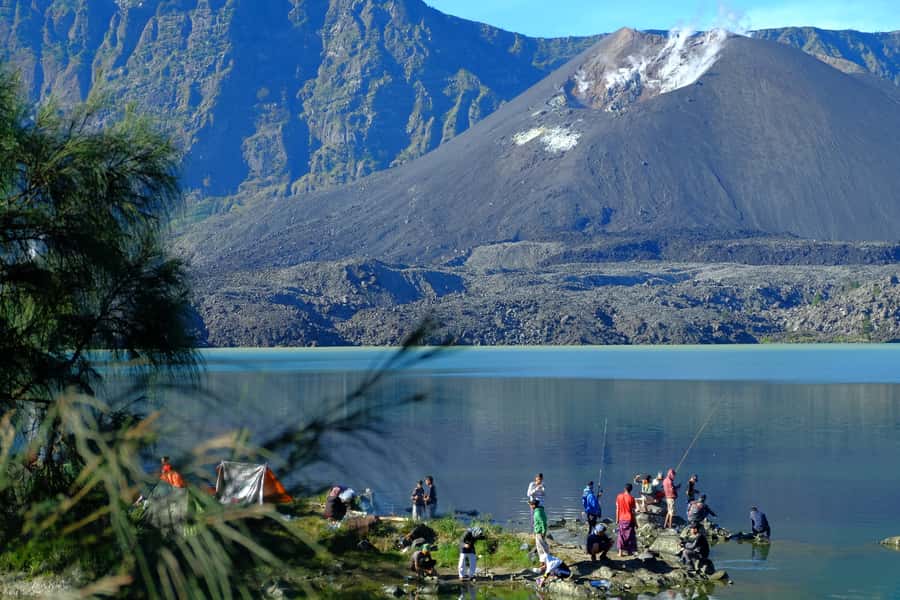
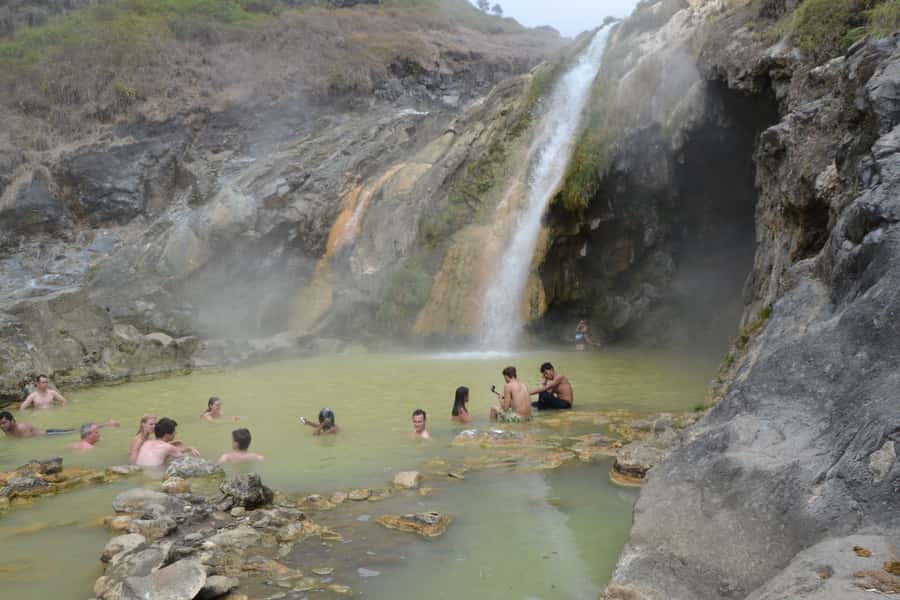
Day two centers on Segara Anak Lake, one of Rinjani’s main draws. After a hot breakfast, you hike to the lake and then take a dip in a nearby natural hot spring. This pairing is smart: you’re at the right moment to soothe sore legs before the next climb.
The lake itself is the reward for your effort. You’ll spend time at Segara Anak, including a lunch by the lake. That matters more than it sounds. When you’re doing a multi-day trek, meals aren’t just fuel. They’re also your reset button—shade, warmth, and a calm break before you push higher.
Then it’s back to hiking, this time toward the Sembalun crater rim for sunset and an overnight camp. The sequence is well-chosen: lake calm, then a climb, then sunset payoff.
Sembalun crater rim at sunset: where you’re building energy
The Sembalun crater rim stop is about timing and mood. You hike up after lunch and you position yourself for sunset, then sleep there overnight. That means you’re not rushing to the next checkpoint—you’re giving yourself time to absorb the sky shift over a volcanic setting.
This is also where you’ll feel the “mountain math” of the trip. The summit day requires a strong push, so night before and pre-summit pacing become important. You’ll likely want to keep your energy steady and avoid doing too much extra wandering just because the views are good.
You should also expect that camping in a crater area can feel exposed. Even when the day was pleasant, conditions can change quickly at elevation, so keep your layers and gear choices practical.
Summit morning: sunrise views over Lombok, Bali, Tambora, and Segara Anak
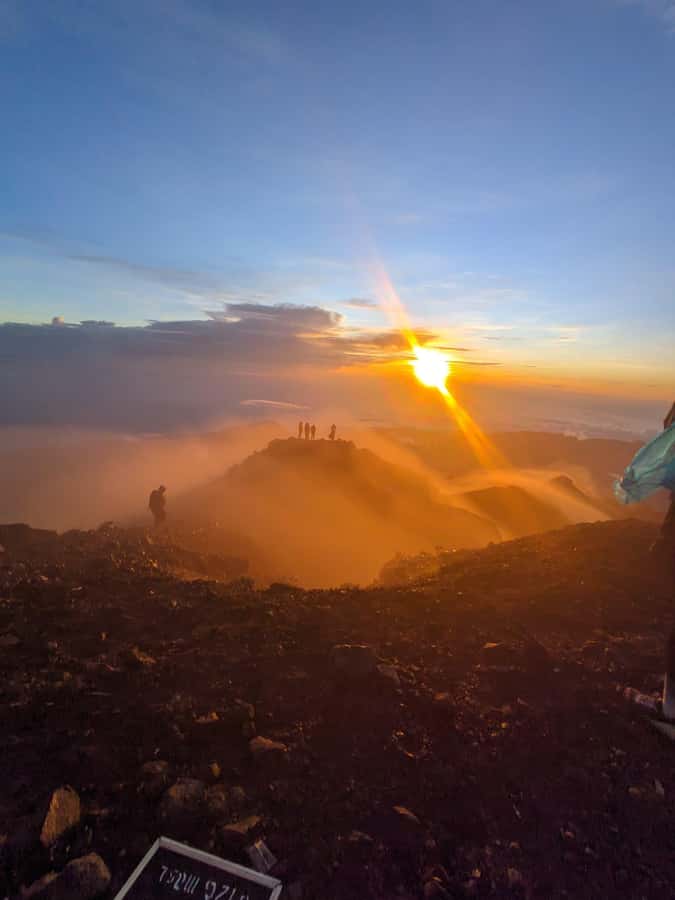
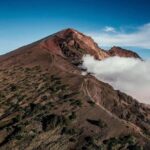
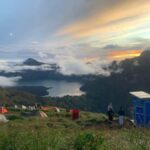
The summit push starts with a light breakfast. Once you reach the top, the program promises views of Lombok Island, Bali, Mountain Tambora in Sumbawa, and Segara Anak Lake. That combination is a big reason people choose this trek: you’re seeing multiple islands and major volcano scenery from a single vantage.
This is also the part of the trek that tests your comfort with steep terrain. The notes are clear that the route involves a steep, slippery, challenging section. If you’re nervous about footing, your best move is to trust the guide, use your trekking poles, and keep your pace consistent rather than fast.
After sunrise at the summit, you trek down to the Sembalun crater area for a hot breakfast and a rest. Then you continue down toward Sembalun village for transfer onward to your next destination.
This ending is important: it’s not a dead-stop finish at the crater rim. You’re guided through a full descent and helped get back to where you can continue your trip.
Camping support: what’s included (and what you still need)
This trek includes the gear that makes multi-day camping possible, especially if you travel light. You get tents, a toilet tent and paper, sleeping bags, and mattresses. That’s a real value add because it keeps you from renting or transporting bulky items.
You also get trekking poles and gloves, plus food and drinking water on the trek. The program specifies 3 litre mineral water per day per person. For a hike like this, that’s not a small detail. Hydration management can make or break your comfort, especially when you’re hiking for long hours.
Your guides and porters are part of the equation too. Porters carry the cooking gear and camping equipment, and you’ll have a trekking guide plus an experienced English-speaking guide. In practice, that means fewer logistics hassles for you and more attention on pacing and route choices.
What’s not included is equally important. You’ll need your own head lamp or hand torch, and the program also lists that trekking shoes and long pants are not included. If you forget those, you’ll spend the trek solving problems instead of enjoying the mountain.
Price and real costs: where the $150 holds value
The price listed is $150 per person for 3 days / 2 nights. For a guided, multi-day crater trek with camping equipment, porters, and daily meals plus 3 litres of mineral water, it’s in the category of “good value if you’re ready for the climb.” You’re paying for more than walking. You’re paying for set-up, carried equipment, guided pacing, and meals.
But there’s one cost you must budget separately: the national park entrance fee is Idr.200,000 per day per person and it’s not included. Since this is a multi-day trek, that fee can add up based on the number of trekking days covered by park entry.
Also, the $150 doesn’t include trekking shoes, long pants, a headlamp, or a small daily pack. If you’re coming from a beach holiday with sandals and a small day bag, plan to buy or bring the essentials first. That’s the difference between a trek that feels controlled and one that feels annoying.
What to bring: simple checklist from the program notes
Here’s what the program specifically suggests you bring: a camera, comfortable clothes, gloves, climbing gear, goggles, and a downloaded app. You’ll also want to be ready for long walking hours, which means your clothes should be comfortable enough to stay with you for most of the day.
Even though gloves are included, bringing your own can be a comfort choice. Same for goggles—if you have them, they can help in dustier or harsher light conditions.
Don’t forget what’s not provided. You’ll need a head lamp/hand torch, trekking shoes, and long pants. Since the trek is described as steep and slippery, footwear is not optional. You want grip and stability. A basic day pack for essentials is also called out as not included (a small bag/daily pack).
One more note: alcohol and drugs are not allowed. And alcohol is also not allowed in the vehicle, so keep it all dry and safe.
Who should book this trek (and who should skip it)
This is a trek for people who can walk long distances and handle steep, slippery sections. The program requires good health condition and a solid fitness base. The good news is that support exists: guides and porters handle equipment and cooking logistics, and you get hydration and meals along the way.
You should also be aware of the age range. The minimum age is 10 years old, and people over 95 years old are not suitable. Also, the program states that people who suffer from mountain sickness or height phobias are not permitted. So if altitude or exposure scares you, this is not the time to test your nerves.
If you’re the type who loves early starts, doesn’t mind cold-ish nights in crater camping, and enjoys the practical side of hiking with a crew, you’ll likely love this.
Weather realities: closures can happen in the wet season
The program notes mention extreme weather conditions between January and March, and that hiking trails may be closed until the end of March 2018. That’s an important reminder that Rinjani is not a theme-park mountain. Conditions can change, and trails can close for safety.
If your travel dates fall in that window, treat flexibility as part of the plan. Even when you book, expect that local conditions can affect whether the route runs.
Should you book Mount Rinjani: 3D/2N Trekking to Summit, Lake and Hot Spring?
Book it if you want a classic Rinjani circuit that gives you forest walking, a real crater-camping feel, a hot spring soak, and a sunrise summit moment with wide island views. If you like the idea of being guided by a team with porters handling cooking gear and camping equipment, this format is a strong fit.
Skip it if you’re not comfortable with steep, slippery trekking or if you have a history of mountain sickness or height-related anxiety. Also, double-check your gear needs before you go. Head lamp, trekking shoes, and long pants are on your list, not the tour’s.
If you’re prepared physically, bring the right basics, and go in with respect for the mountain, this is the kind of trek that feels earned and memorable for the right reasons.
FAQ
How long is the Mount Rinjani 3D/2N trek?
It runs for 3 days and 2 nights, with starting times that depend on availability.
Where do you get picked up?
Pick-up is included from your hotel in Senaru or Sembalun.
What does the tour include for food and water?
Food and drinking water are included, with 3 litre mineral water per day per person.
Do you provide camping gear and sleeping setup?
Yes. The included items are tent, toilet tent and paper, sleeping bags, and mattress.
Is a national park entrance fee included in the price?
No. The national park entrance fee is Idr.200,000 per day per person and is not included.
Is an English guide provided?
Yes. The tour includes a live trekking guide and an experienced English-speaking guide.
What should I bring for the trek?
Bring a camera, comfortable clothes, gloves, climbing gear, goggles, and a downloaded app.
What gear is not included and I should prepare myself?
A head lamp/hand torch, a small daily pack, trekking shoes, and long pants are not included.
How physically demanding is the trek?
It requires good fitness and the ability to walk long distances. The route includes a steep, slippery, and challenging section.
What is the minimum age to join?
The minimum age is 10 years old. People over 95 years old are not suitable.