A volcano sunrise at 3,200 meters starts with a calm village climb. This 2D1N Mount Sangkareang trek from Tetebatu is built for people who want the Rinjani crater views without spending a week on the trail, with a route that stays mostly shaded under dense rainforest.
What I like most is the mix of doable effort and serious payoff: you’ll walk up through cool forest, then wake up early for the push to the Second Summit for sunrise. I also like how the trip is handled end-to-end, with guide, porter, camping gear, entrance ticket, and meals included.
One consideration: it’s called gentle, but it’s still a real ascent with altitude and a very early start (around 04:00 for the summit leg). If you hate steep uphill breathing, you’ll feel it.
In This Review
- Key things that make this trek worth your time
- Why this 2-day Rinjani Second Summit trek from Tetebatu makes sense
- Day 1: Tetebatu village, Monkey Forest, and the shaded climb to your first break
- Camp inside the National Park: what “sleeping on the volcano” really feels like
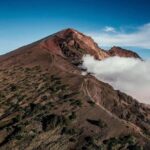
- Day 2 at 04:00: the push to Mount Sangkareang (3,200m) for sunrise
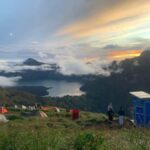
- The views you actually came for: Segara Anak, Bali, and the Gili horizon
- Day 2 descent: back to the posts, then down through jungle to Tetebatu
- Price and value: what $195 includes, and why it can be fair
- Who should book this trek (and who should rethink it)
- Practical tips that match this specific trek
- Should you book the Mount Sangkareang Trek 2D1N from Tetebatu?
- FAQ
- What is the highest point on this trek?
- How long is the trek?
- Where does the trek start and end?
- What time do you start the summit hike on Day 2?
- Is this trek suitable for beginners?
- What is included in the price?
- What is not included?
- Is this tour private?
- What happens if the weather is bad?
- Can I cancel for a refund?
Key things that make this trek worth your time
- Tetebatu starts at 700m, so you ease into the hike rather than launching straight from the lowlands
- Forest-heavy route means lots of shade and less harsh sun compared to many tropical treks
- Camp at the National Park gives you that volcano-at-your-doorstep experience without extra nights
- 04:00 summit start targets sunrise when the crater views are at their best
- Hot drinks and biscuits at the top make the early grind feel more human
- You’ll look across Segara Anak, the baby volcano area, and even toward Bali and the Gili islands on clear days
Why this 2-day Rinjani Second Summit trek from Tetebatu makes sense
If you’re short on time but still want the real Rinjani experience, this route is a smart compromise. You’re not just hiking to a viewpoint; you’re aiming for a summit area tied to the Rinjani complex, with signature volcanic scenery like the crater lake region Segara Anak and dramatic high-elevation views.
The “beginner-friendly” angle here is more about the hiking style than about making it easy. The route is described as gentle and suited to beginners, and the trail spends a lot of time in shaded forest. But you’re still climbing from about 700m up to 3,200m, so your legs and lungs will notice. Think of this as accessible for first-timers who show up ready to work, not a stroll.
Also, the schedule is tight in a good way. Two days means less time away from the rest of Lombok, and less logistically heavy than longer Rinjani routes. And because the trip is private, your group moves together with fewer waiting-game moments.
You can also read our reviews of more tours and experiences in Lombok.
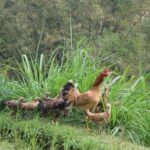


Day 1: Tetebatu village, Monkey Forest, and the shaded climb to your first break
Most mornings start with logistics, but this one starts with atmosphere. You meet at Jonny’s Places in Tetebatu, and you’re advised to arrive about 30 minutes before 8:00am. That buffer matters because you’ll want to be organized before the walking begins.
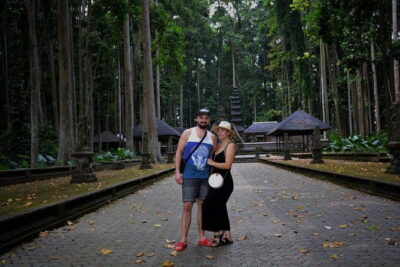
The hike proper begins in Tetebatu at roughly 700 meters above sea level. Right away, you pass through the Monkey Forest, an attraction area where you can see black monkeys and gray monkeys. It’s a fun early moment because it’s not just “start walking.” You get wildlife right at the beginning, plus you can spot Rinjani and Mount Sangkareang as your goal.
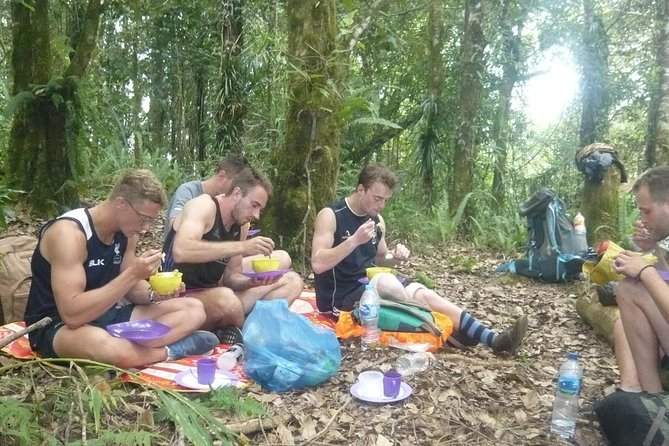
After about 30 minutes in the Monkey Forest, you move into dense forest. This is where the trek’s character really shifts. You’ll find a cooler feel because the sun gets blocked by thick leaves and big trees. The route is described as new/natural and shaded, so instead of battling direct tropical sun for hours, you’ll hike under canopy cover.
About 1.5 hours after entering the forest, you reach the first break point, Pondok Belan (your first structured pause). This is also a good moment to do the “trail basics” you’ll thank yourself for later: hydrate steadily, adjust your layers, and settle into a rhythm instead of sprinting.
From there, the climb continues toward the National Park camping ground, where you’ll overnight in a tent.
Camp inside the National Park: what “sleeping on the volcano” really feels like
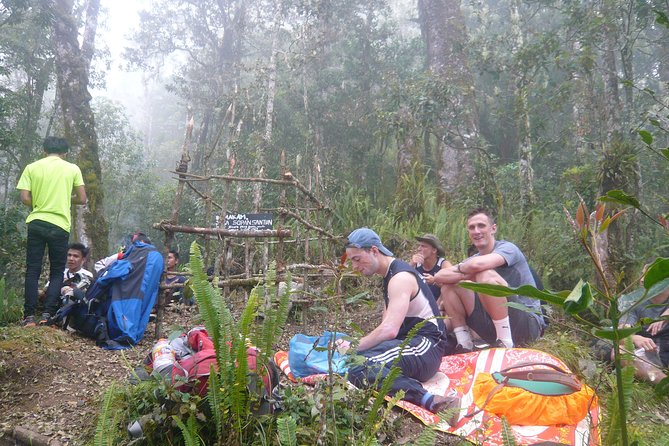
Overnighting at the camping ground is one of the reasons this trek feels like more than a day hike. Instead of returning to a town each evening, you wake up closer to the action. And because it’s a 2D1N format, you get that experience without adding extra cost or extra travel days.
You’ll arrive at the camping area on Day 1 and sleep in a tent. The package includes all camping equipment, so you’re not scrambling to rent gear the day of the trek. You also have dinner included, plus you’ll get breakfast items later in the trip, which matters because high-energy hikes can make decision-making harder.
What this camping portion gives you is time. Time to settle in, time to rest properly, and time to prepare for the next morning. That’s a big deal on a summit trek because your early push depends less on motivation and more on whether you recovered overnight.
From the description, the second day starts with a small routine—early coffee or tea plus a light snack—before the summit leg. If you’ve ever tried to summit hungry and cold, you know why that setup matters.
Day 2 at 04:00: the push to Mount Sangkareang (3,200m) for sunrise
The second day is the business end. You start very early—around 04:00—with coffee or tea and a light snack. Then you begin the trek toward the second summit of Mt Rinjani, also known locally as Mount Sangkareang at 3,200 meters.
The summit push takes about 2 hours from the campsite, which is relatively short for the altitude you gain. That doesn’t make it easy—just faster than many longer approaches. The best way to handle a 2-hour summit climb is with steady pacing: avoid going out too hard in the first 20 minutes. Your legs might feel fine, but your breathing will tell you if you’re overshooting.
When you reach the top, the plan is to enjoy the sunrise and take in views from the Second Summit. You’ll also get hot tea/coffee and biscuits, plus time for photographs. Sunrise matters on this route because it turns the whole crater-and-islands view into something clearer and more layered. If clouds roll in, you still get the experience, but on a good morning you’re clearly rewarded.
Also, if you like good guiding, this is where it pays off. In past trips arranged by this operator, guides such as Yan and Jalal have been specifically praised for professionalism and English skills. That kind of guidance helps in two ways: you feel safer on the climb, and you understand what you’re looking at once you arrive.
The views you actually came for: Segara Anak, Bali, and the Gili horizon
This trek isn’t just about reaching a high point. It’s about seeing the Rinjani system from a vantage that makes the mountain feel huge.
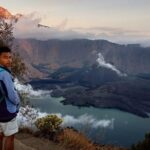
From Mount Sangkareang, you’re set up for dramatic crater scenery, including Lake Segara Anak within the volcano crater. You also get views of the baby volcano area and broad island perspectives. On clear days, the horizon can include Mount Agung in Bali, Sumbawa islands, and mention of the Gili islands as a distant backdrop.
That combination is the real reason this trek sells: you’re high enough to see the “big picture,” but the trip is short enough that most people can realistically fit it into a Lombok visit.
One more detail worth noting: because the Day 1 route is forested and shaded, you often reach the summit after spending hours in cooler conditions. That makes the contrast stronger: cool forest life leads to bright high-altitude air and a wide open sky. It’s one of those mental shifts that turns fatigue into focus.
Day 2 descent: back to the posts, then down through jungle to Tetebatu
After the summit experience, the schedule returns you toward camp and then toward Tetebatu.
First, you come back to the campsite for rest and breakfast. Then you begin the descent, including a segment described as climbing about 1.5 hours back down to Post 3 for a rest. Yes, that wording can sound odd, but the takeaway for you is that there’s a structured break point before the longer jungle walk.
The main descent from Post 3 back to Tetebatu Village is about 5 hours on a remote jungle trail. This is where the trek becomes quieter and more about rhythm than views. Your legs will feel the difference after altitude, but the forest cover can be a relief again.
After lunch at Post 1, you do an additional gentler descent through Tetebatu Village for about an hour, finishing at the meeting point and being transported back to your hotel in Tetebatu.
The practical reality here: your “second win” happens after the summit. People remember sunrise, but the real test is whether you can keep moving comfortably during the long downhike. The good news is the terrain is described as remote and jungle-based, which usually means fewer hard exposed sections—though you should still expect uneven footing typical of rainforest trails.
Price and value: what $195 includes, and why it can be fair
At $195 for about 2 days, this trek sits in the middle of the spectrum for Lombok volcano experiences. The big question isn’t just the number—it’s what’s bundled.
You get:
- Guide and porter support
- All camping equipment
- Trekking entrance ticket
- Transport pick up and drop off
- Dinner, plus breakfast and lunch (2 each)
That’s a lot of cost covered upfront. For many independent hikers, the hardest part is not the walking—it’s assembling permits, gear, local support, and safe transport timing. This package removes most of that stress. You can focus on the hike.
What’s not included is also clearly stated: tipping for guide and porter and personal expenses. If you plan ahead for tipping and don’t carry extra spending pressure, the price feels more straightforward.
One more value point: it’s a private tour/activity, meaning your group isn’t stuck waiting on other people’s pace. If you’re traveling with a friend or small group, that often improves the whole experience—less friction, more personal attention.
Who should book this trek (and who should rethink it)
This trek fits best if you:
- Want a short volcano climb experience tied to Rinjani without a multi-day slog
- Prefer a route with heavy shade and rainforest walking
- Are okay with a moderate fitness challenge and an early morning start
- Like the idea of sunrise and crater views over a long, multi-switchback journey
It may not be the best pick if you:
- Have knee issues or strong concerns about long descents
- Hate waking up very early (the summit start is around 04:00)
- Want a completely easy hike with minimal effort
But for many first-timers, the Second Summit is a practical target. The trek is described as suited for beginners because of the gentler route and the shaded forest sections. Just don’t confuse gentler with effortless.
Practical tips that match this specific trek
Based on the schedule and trail feel described, here’s how I’d prepare:
- Start early planning: you’ll begin the summit climb around 04:00, so bring what you need for a dark, cold start (a headlamp is the obvious choice, if you use one on treks).
- Expect cooler forest conditions: the route is shaded and described as feeling cold under thick leaves, so pack layers you can remove once you’re warming up.
- Fuel matters: you’ll get coffee/tea and biscuits at the summit, and meals are included, but you’ll still want to keep your energy steady during the long Day 1 and the long Day 2 descent.
- Wear gear that handles long downhill hours: Day 2 includes roughly 5 hours of jungle descent. Good footwear and stable pacing will matter more than speed.
Finally, a small but real mindset shift: this is a “payoff hike.” You’ll feel it in the work, then you’ll collect it in the views. If you treat the sunrise like the reward and the descent like the finish line, the whole thing feels more manageable.
Should you book the Mount Sangkareang Trek 2D1N from Tetebatu?
I’d book it if you want a high-impact Rinjani experience in a short time window. The combination of Tetebatu access, shaded rainforest walking, camping inside the National Park, and a planned sunrise at 3,200m makes this a solid “do it now” trek for Lombok.
I’d think twice only if early mornings and long descents are a deal-breaker for you. Otherwise, it’s a good value setup: meals, gear, support, and entrance access are handled, so your biggest job is simply showing up with reasonable fitness and keeping your pace steady.
If you do book it, ask who your guide and porter team will be and confirm your meeting time details. Guides such as Yan and Jalal have been singled out for strong service in past groups, and a smooth, friendly team can make a physically demanding trek feel like a shared adventure instead of a grind.
FAQ
What is the highest point on this trek?
You’ll reach Mount Sangkareang, also known as the Rinjani Second Summit, at about 3,200 meters above sea level.
How long is the trek?
It’s a 2-day, 1-night style trek (2D1N), with timing based around the two summit moments on Day 1 and Day 2.
Where does the trek start and end?
It starts at Jonny’s Places in Tetebatu and ends back at the same meeting point, with transport return to your Tetebatu hotel.
What time do you start the summit hike on Day 2?
You start the summit trek around 04:00 after early coffee or tea and a light snack.
Is this trek suitable for beginners?
The route is described as gentle and good for beginners, but it still requires moderate physical fitness and real climbing effort.
What is included in the price?
Included are dinner, breakfast (2), lunch (2), a guide and porter, all camping equipment, trekking entrance tickets, and transport pick up and drop off.
What is not included?
Tipping for the guide and porter and personal expenses are not included.
Is this tour private?
Yes. It’s private, and only your group participates.
What happens if the weather is bad?
The trek requires good weather. If it’s canceled due to poor weather, you’ll be offered a different date or a full refund.
Can I cancel for a refund?
Yes. You can cancel up to 24 hours in advance for a full refund. Within 24 hours of the start time, the amount paid is not refunded.