This cooking day feels like visiting family. You start with garden-picked ingredients and real home cooking in a local resident’s house, using organic, chemical-free produce, then you finish at the Banyumala Twin Waterfalls.
I love how hands-on it is. You don’t just watch a show—you shop the garden with your guide, and the class is guided in a warm, personal way that feels like being hosted by someone you actually know (names like Kadek come up, with that welcome-everyone-at-the-door feeling).
One thing to consider: the day is tight at about 4 hours, and the waterfall stop means you’ll want practical footwear. Think grip and support for wet, uneven steps—no flip-flops.
In This Review
- Key highlights you’ll care about
- Home Cooking in Munduk, Not a Staged Demo Kitchen
- Garden Sourcing: What You Pick and Why It Changes the Meal
- The Cooking Session: A Local Host’s Pace (Kadek and Edi Mentioned)
- What Dishes You’ll Make (And the Real Skill You’ll Take Home)
- Banyumala Twin Waterfalls: Your Nature Reset After the Kitchen
- Timing, Duration, and How the 4 Hours Feel
- Price and Value: What $41.24 Really Buys You
- Who This Munduk Cooking + Waterfall Day Suits Best
- Starting Point: De Koffie at Wanagiri (And Why It Matters)
- Should You Book This Cooking Class and Banyumala Stop?
- FAQ
- How long is the Munduk cooking class and waterfall experience?
- Where does the tour start and end?
- Is pickup offered?
- Is this a private tour?
- What happens during the cooking part?
- What ingredients are used?
- Is the experience suitable for most travelers?
- When do I get confirmation after booking?
- What is the cancellation policy?
Key highlights you’ll care about
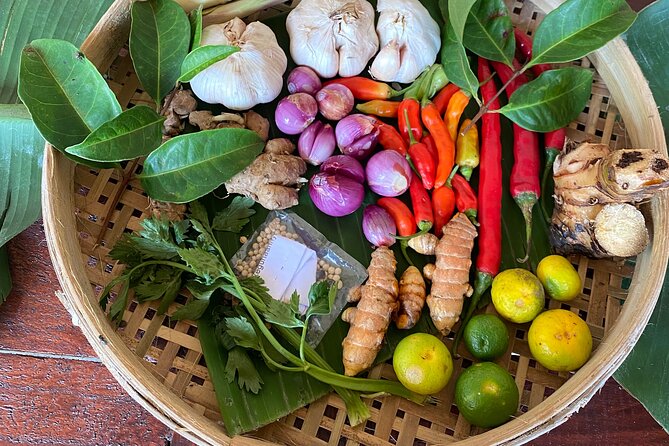
- Garden picking first: you hand-select ingredients before you cook.
- Organic, chemical-free cooking: the food is sourced from nearby gardens.
- Real home setting: meals happen inside a local residence, not a staged studio.
- Banyumala Twin Waterfalls included: nature time is part of the same day.
- Private group format: it’s only your group, so you’re not squeezed into a big crowd.
- Pickup and mobile ticket: you get the easy stuff handled, too.
Home Cooking in Munduk, Not a Staged Demo Kitchen
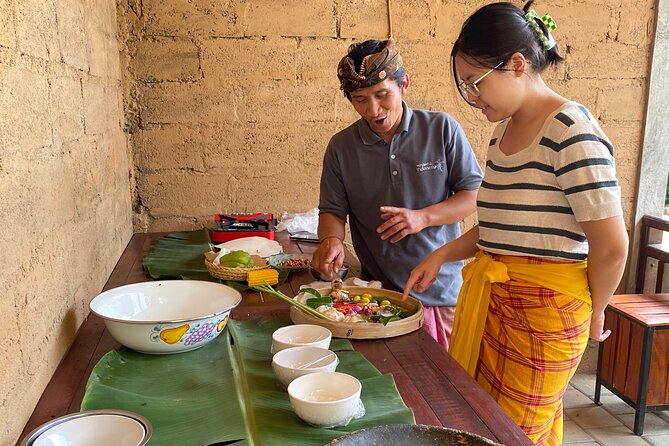
This is the kind of Bali food experience that works because it stays ordinary—in the best way. The cooking happens in the home of a local resident. That changes everything: you get the pace of real life, not a performance tempo designed for photos.
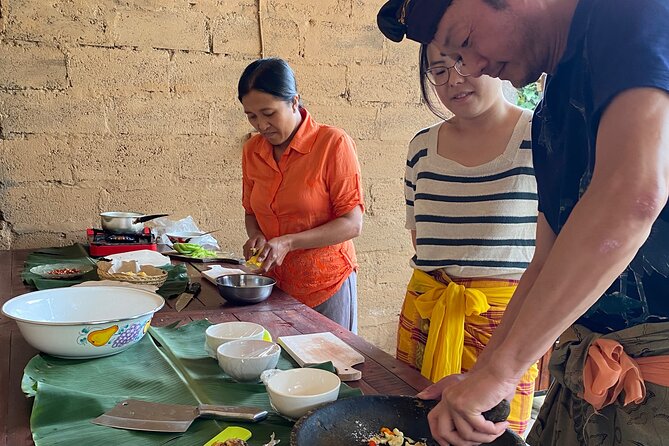
You’ll be making authentic Balinese dishes, using ingredients described as organic and chemical-free. For me, that matters because it shapes what you notice while cooking: the smell of fresh herbs, the taste of produce picked close to the cooking time, and flavors that feel less muted than what you often get from market-only, days-old ingredients.
The experience is also built for comfort and participation. Most travelers can join, and the tone is welcoming, like you’re there to learn from someone’s kitchen routine—not to pass a cooking test.
You can also read our reviews of more tours and experiences in Ubud.

Garden Sourcing: What You Pick and Why It Changes the Meal
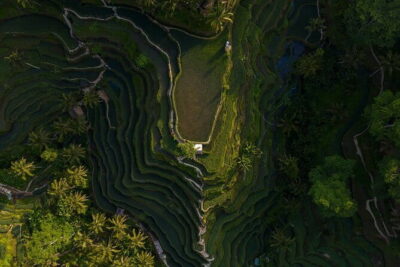
The day starts with a walk through lush gardens, where you select ingredients for your meal. This is more than a fun pre-cooking photo stop. It’s part of how Balinese cooking makes sense: ingredients are chosen for their role in the dish, not just for their look.
As you pick things, you’ll likely connect the dots between what you see in the garden and what ends up in sauces, spice mixes, and finishing touches. It’s also a good way to learn the basics without turning it into a classroom.
Another advantage: you’ll get a clearer sense of what chemical-free ingredients taste like. Even without a food science lesson, the difference is noticeable. The goal here isn’t perfection—it’s connection. And you’ll feel it every time you stir, pound, or taste along the way.
The Cooking Session: A Local Host’s Pace (Kadek and Edi Mentioned)
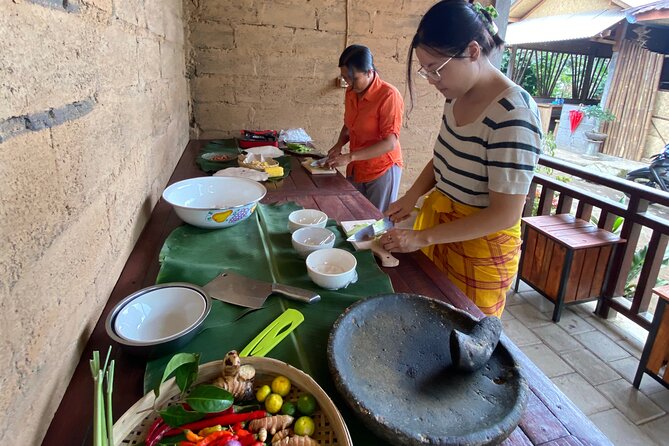
The class is led by an instructor or local guide in a rural home setting. In the feedback I saw, the owner-host element is a big deal—Kadek is one name that comes up, and the welcome described is very personal, like being treated as family rather than a customer.
In other write-ups, Edi is another name connected to these cooking days. Either way, the vibe you should expect is human and practical. People aren’t performing. They’re teaching by doing.
What that means for you:
- You’ll have a real chance to participate, because the setting supports questions.
- You’ll learn how dishes come together step-by-step, using ingredient combinations that feel normal to the host.
- You’ll probably pick up a few flavor ideas you can reuse later when you cook at home, even if you can’t recreate the exact local ingredient.
Small note: because the cooking is happening in someone’s daily space, you’ll want to be respectful and flexible. I find it helps to go in with a relaxed mindset—this isn’t a factory tour. It’s a home.
What Dishes You’ll Make (And the Real Skill You’ll Take Home)
The exact dish list isn’t spelled out here, but the program is clear about the focus: authentic Balinese dishes made with organic, chemical-free ingredients you pick in the garden.
So the value isn’t only that you leave with a full plate. The value is that you learn the cooking logic. Balinese flavors often depend on fresh herb presence, spice mixing, and the way ingredients build together instead of relying on just one sauce or spice blend.
If you’re hoping for a cooking class that teaches technique more than just recipe names, this fits well. You’ll likely come away with:
- a better sense of which ingredients are essential versus optional,
- how to taste while cooking (not at the very end),
- and what balance feels right in a Balinese dish.
And yes, food is the main event. But it’s the process—picking, preparing, cooking—that makes it memorable long after the meal.
Banyumala Twin Waterfalls: Your Nature Reset After the Kitchen
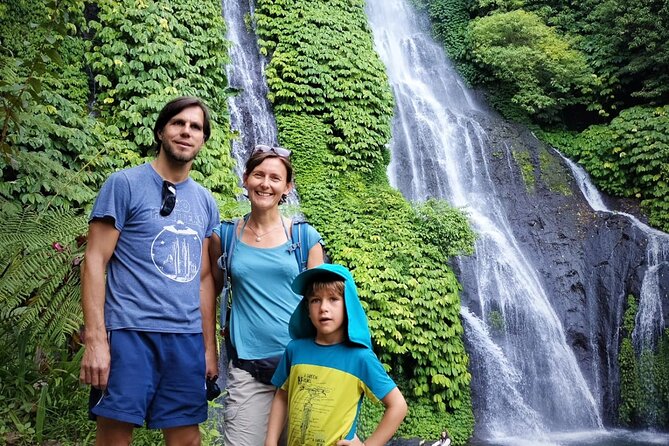
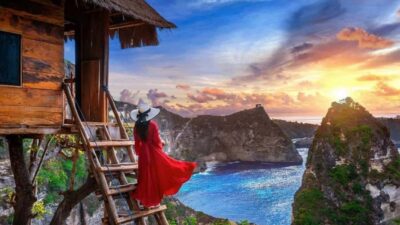
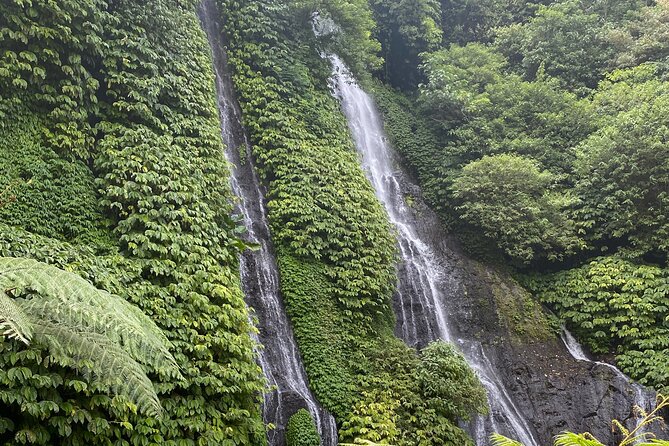
After the cooking, you head to Banyumala Twin Waterfalls. This is a nice contrast: you go from spice and kitchen warmth to cool, damp air and the sound of falling water.
This stop also makes the whole day feel like a full slice of Munduk life rather than only a food activity. Even if you’re not a hardcore waterfall person, you’ll enjoy the reset after cooking—especially if you like Bali when it’s less staged.
Practical tip: bring shoes you’re comfortable getting wet and a bit muddy. The waterfall experience is fun, but the ground can be slick. You don’t want to spend your time worrying about footing instead of enjoying the view and the cooler air.
If you’re someone who hates rushing through nature stops, this works because the waterfall is part of the same flow, not tacked on as an afterthought.
Timing, Duration, and How the 4 Hours Feel
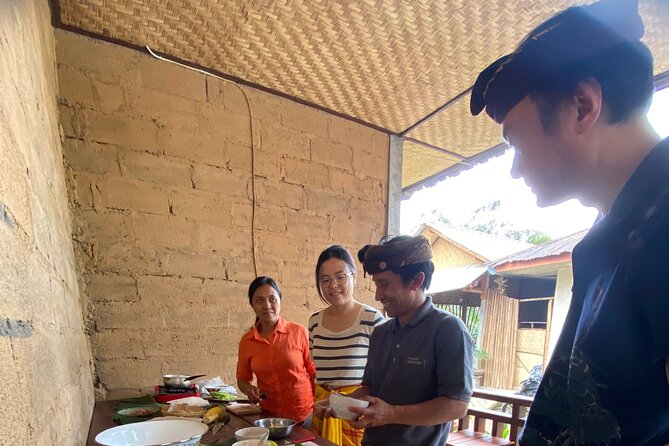
The tour runs about 4 hours. That’s a sweet spot for many people: long enough to cook and eat, and long enough to see Banyumala, but not so long that you feel drained by the end.
Because it’s short, you should plan your expectations accordingly:
- You’ll likely leave feeling like you had a satisfying day, not like you spent a whole evening wandering.
- You’ll want to arrive ready to participate, not ready to warm up slowly.
Also, this is structured as a private tour for your group only. That’s great if you want a calm, less crowded feel. It also means you won’t get a steady stream of new conversation from strangers—so go in with your own group energy.
Pickup is offered, and the experience ends back at the meeting point. That reduces the stress of “what happens next?”—which, honestly, is half the battle on small-group days like this.
Price and Value: What $41.24 Really Buys You
At $41.24 per person, this isn’t an impulse bargain, but it’s also not priced like a luxury food tour. For the value, look at what’s included in that price: garden time, cooking instruction, and the Banyumala Twin Waterfalls stop.
Here’s how I think about it:
- Cooking classes that stay hands-on usually cost more than a basic food tour because you’re paying for instruction and real prep time.
- Adding the waterfall element keeps the day from becoming a single-location experience.
- Using ingredients described as organic and chemical-free adds a quality layer you can taste, not just read about.
There’s also a little timing advantage built in. This is commonly booked about 14 days in advance, which suggests it’s popular and not the kind of thing you want to leave until the last minute if your dates are fixed.
If you’re trying to squeeze authentic food and a nature moment into one practical half-day, this is a solid value choice.
Who This Munduk Cooking + Waterfall Day Suits Best
I’d point this toward you if you want Bali that feels local in your day-to-day senses:
- you like cooking that includes participation, not just watching,
- you enjoy rural settings and want to see ingredients where they actually grow,
- you’d rather do one good small experience than five rushed stops.
It’s also a good fit if you’re traveling with a group that wants a shared activity. Since it’s private, you can keep the pace more comfortable for everyone.
On the other hand, if you’re someone who only wants urban comfort, or you hate any chance of wet ground, you may find the waterfall stop slightly stressful. For most people, good shoes solve that problem.
Starting Point: De Koffie at Wanagiri (And Why It Matters)
The meeting point is De Koffie in Wanagiri, at Jalan Air Terjun Banyumala, Wanagiri, Sukasada area. The experience ends back at the meeting point, so you’re not left figuring out transportation at the end of a wet, slightly messy adventure.
Since pickup is offered, you may not need to be self-navigating to the meeting spot. Still, I suggest you confirm your pickup details early and plan to arrive with enough buffer so you don’t feel rushed before the garden walk.
Should You Book This Cooking Class and Banyumala Stop?
Yes, if you’re after an authentic Munduk day that mixes real home cooking, garden ingredient sourcing, and the Banyumala Twin Waterfalls in about 4 hours.
Book it especially if:
- you care about ingredient quality and want food that tastes fresh, not generic,
- you like learning through doing,
- you want a calmer, private-group style experience.
Skip it or think twice if:
- you’re not comfortable with wet terrain at a waterfall,
- your schedule is so tight you can’t give yourself an easy half-day,
- you prefer only city sights and no rural walking.
FAQ
How long is the Munduk cooking class and waterfall experience?
It runs about 4 hours.
Where does the tour start and end?
It starts at De Koffie – Wanagiri, Jalan Air Terjun Banyumala, Wanagiri, Bali, and ends back at the same meeting point.
Is pickup offered?
Yes, pickup is offered.
Is this a private tour?
Yes. It’s private, meaning only your group participates.
What happens during the cooking part?
You visit local gardens to handpick ingredients, then cook Balinese dishes with an instructor or local guide in the home of a local resident.
What ingredients are used?
The program mentions organic, chemical-free ingredients sourced from nearby gardens.
Is the experience suitable for most travelers?
Most travelers can participate.
When do I get confirmation after booking?
Confirmation is received at the time of booking.
What is the cancellation policy?
Free cancellation is available up to 24 hours in advance for a full refund. If you cancel less than 24 hours before the start time, the amount paid is not refunded. Changes within 24 hours of the start time aren’t accepted.