Bali in one full, well-paced day. This private tour strings together Monkey Forest, the Tegallalang rice terraces, Tirta Empul’s holy springs, and the Tegenungan waterfall, with a local English-speaking guide doing the connecting. It’s a great way to see a lot without turning your day into a scavenger hunt.
I especially like how the stops are explained, not just photographed. You’ll learn why the macaques are treated as sacred, how the traditional subak irrigation system shapes the rice terraces, and what the purification at Tirta Empul is meant to do. The experience also gets high marks for organization and guide quality, with Angus highlighted for sharing culture and nature, and Yande (with Ayu) praised for making sure the information still landed even with language limits.
One thing to plan for: this is a packed route. There’s guided time plus walks, and you’ll be in a car between sites, so it may feel tiring if you prefer slow, low-steps days (and it’s not suitable for people with heart problems or those over 95).
In This Review
- Key highlights to know before you go
- How This Bali One-Day Route Feels: Pickup, Pacing, and Private Time
- Monkey Forest in Ubud: Sacred Macaques and Temple-Side Atmosphere
- Tegallalang Rice Terrace and Subak: Walk, Look, and Understand the Irrigation System
- Tirta Empul Water Temple: Purification at the Holy Springs
- Coffee Plantation Tasting: A Practical Break That Feels Local
- Tegenungan Waterfall: Over 40 Meters, Photo Spots, and Real Caution
- Price and Value: Why $25 Can Be a Good Deal Here
- Who This Tour Suits Best (And Who Should Skip It)
- Should You Book This Bali Monkey Forest–Temple–Waterfall Tour?
- FAQ
- FAQ
- How long is this Bali tour?
- What stops are included in the itinerary?
- Is the tour private and does it have an English guide?
- Are entrance fees included?
- Is lunch included?
- Where do pickup and drop-off happen?
- What should I bring, and what should I avoid?
Key highlights to know before you go
- Private, English-speaking guiding that helps you understand what you’re seeing at each stop
- Monkey Forest sanctuary with over 1,260 long-tailed macaques considered sacred by local Balinese people
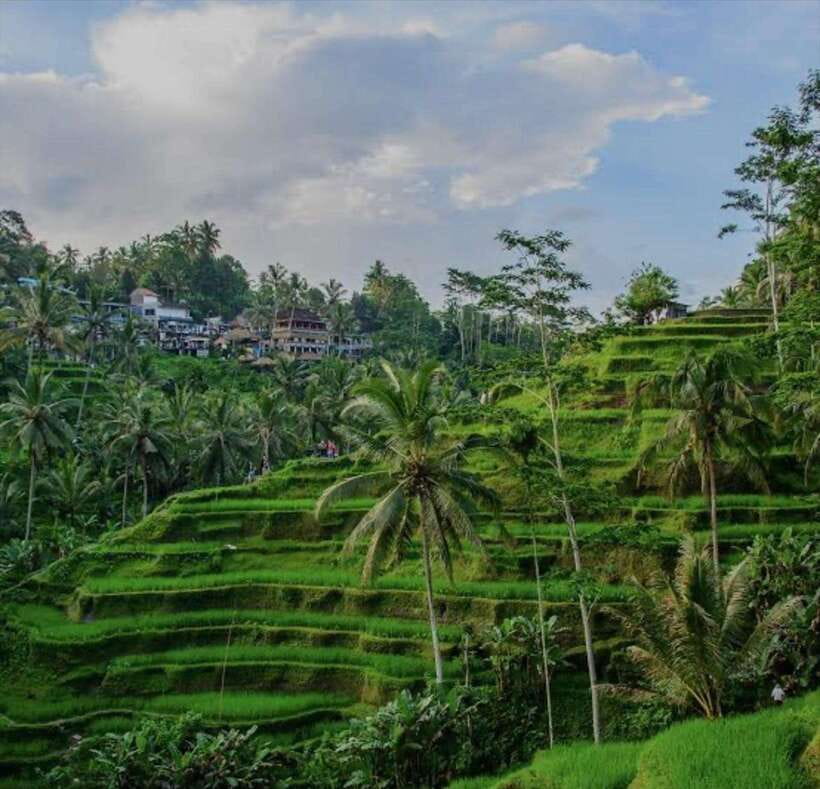
- Tegallalang rice terraces and the subak irrigation system you’ll hear about while you walk
- Tirta Empul purification at holy springs said to be created by God Indra
- Coffee plantation tasting with multiple local coffee and tea options made in a traditional way
- Tegenungan waterfall over 40 meters, with swimming possible but caution needed
How This Bali One-Day Route Feels: Pickup, Pacing, and Private Time
This tour is built for people who want a full Bali day without the hassle of arranging separate tickets and rides. You’ll start with hotel return transfer included for most areas, and you’ll be picked up from a wide set of locations like Ubud, Sanur, Kuta, Legian, Seminyak, Canggu, Jimbaran, Nusa Dua, Benoa Port, and the Candidasa area. That matters because Bali traffic can turn a “quick trip” into an all-day delay.
The route itself is a classic Bali mix: a sacred nature stop (Monkey Forest), a rice-agriculture stop (Tegallalang), a spiritual water temple (Tirta Empul), then a big outdoors payoff (Tegenungan waterfall). Each location gets a set amount of time for photo stops, guided viewing, and breathing room. Expect a day that’s active but not rushed in the frantic way some group tours can feel.
Because it’s a private group, your guide can pace you. That flexibility is one reason this experience gets praised for being perfectly organized and for reducing the typical hassle of waiting around at popular places. In at least one account, the guide’s planning meant no long lines or queues, and there was even a quick extra stop for a fresh coconut on the ride back. Small touches like that are often what separate a “sightseeing list” from a real day out with someone who knows the rhythm.
You can also read our reviews of more tours and experiences in Ubud.

Monkey Forest in Ubud: Sacred Macaques and Temple-Side Atmosphere

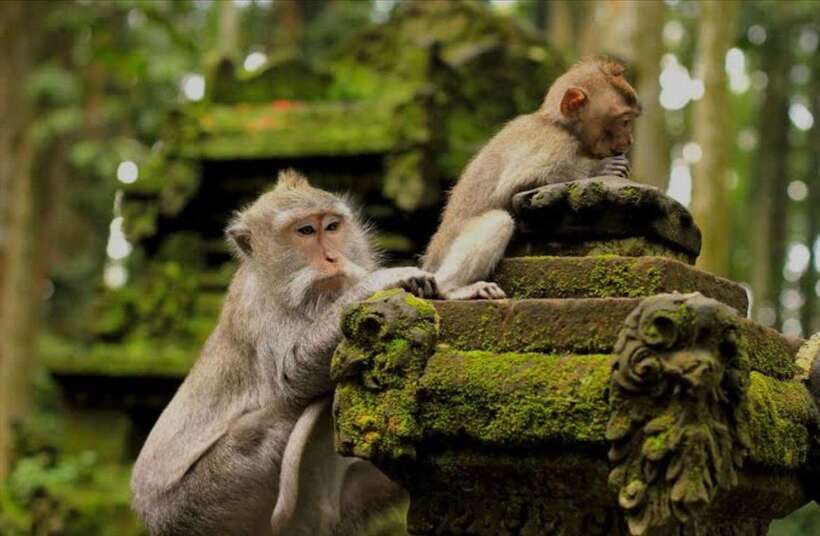
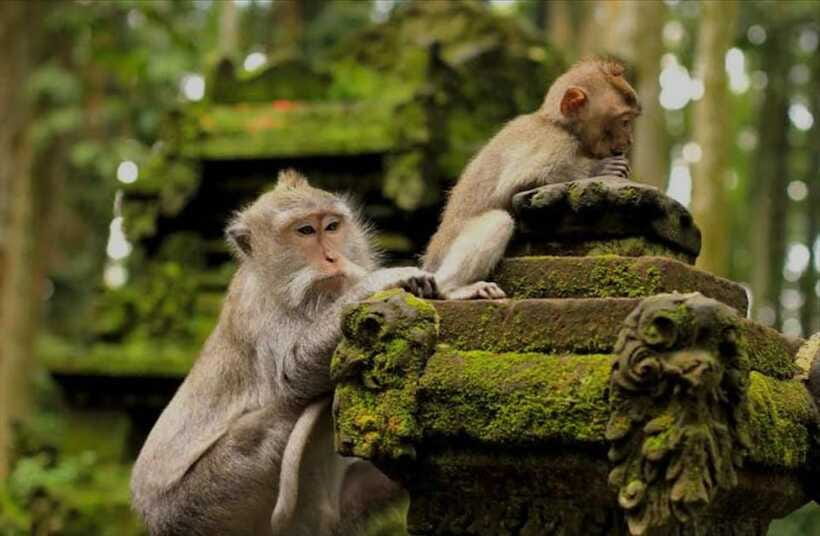
Monkey Forest (often called Ubud Monkey Forest) is where the tour sets its tone. You’ll get guided tour time plus free time, typically around 1.5 hours total. This is not just a zoo stop. The sanctuary is home to more than 1,260 long-tailed macaques, and local Balinese people consider them sacred.
What I like about this stop is the way it changes your perspective. You’re not just looking at animals; you’re seeing how a religious and cultural relationship with wildlife shows up in daily life. A good guide helps you notice that the temples and forest spaces are part of the same story, rather than separate attractions you pass through.
There’s also time for shopping and sightseeing, which can be convenient if you want small souvenirs right away instead of hunting later. The practical side: wear comfortable shoes, keep your camera ready, and let your guide handle the monkey-related logistics. With macaques in the mix, it’s worth staying aware and following instructions closely.
A possible drawback to keep in mind: even when you’re being careful, this kind of stop is busy in a sensory way. You may feel it more if you don’t like crowds, don’t love animal encounters, or get tense around curious wildlife. If that sounds like you, use the guided portion to get your bearings, then spend your free time at your own comfort level.
Tegallalang Rice Terrace and Subak: Walk, Look, and Understand the Irrigation System
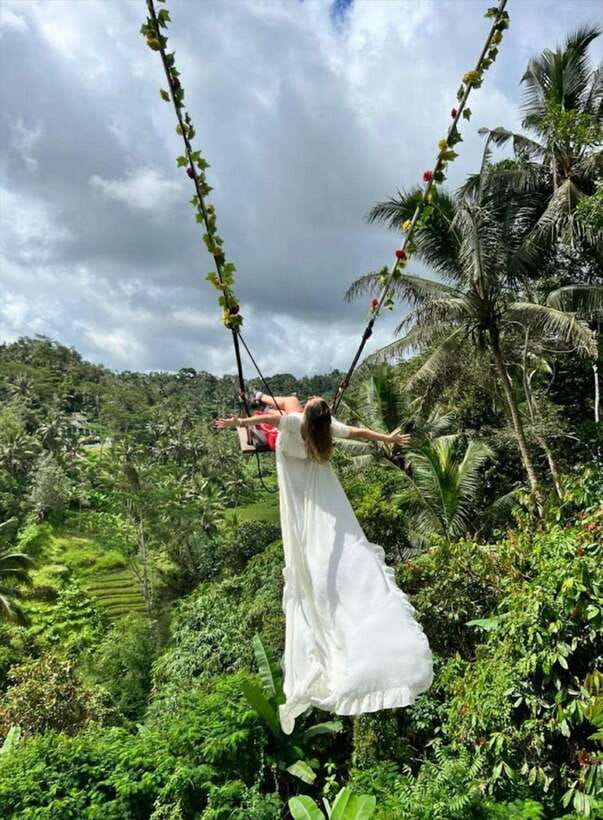
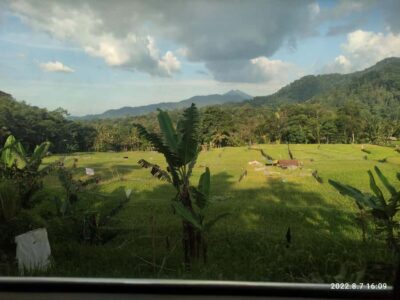
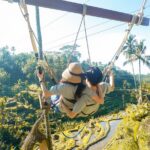
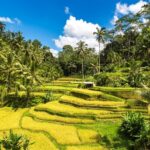
After the forest, the tour shifts into a calmer visual world at Tegallalang Rice Terrace in Tegalalang Village. You’ll get a photo stop, guided time, and a walk (around 1 hour).
Here’s what makes Tegallalang more than “pretty rice fields.” Your guide will explain the traditional Balinese irrigation system called subak. That word is important because it connects the landscape to people, rules, and timing. The terraces aren’t just scenic; they’re actively managed. When you understand that, the views start to make sense instead of staying purely decorative.
I also like that this stop includes both guidance and walking. If you only stand and shoot photos from one spot, you miss how the slopes and water flow shape the view. But if you try to “wander on your own” without context, you can end up backtracking. This itinerary gives you a middle path: enough structure to see the best angles, plus room to take it in.
One practical tip: these areas are outdoors and can be uneven. Comfortable shoes really matter here. And bring a camera, because the terraces are the kind of place where every turn can look different, especially as light shifts.
Tirta Empul Water Temple: Purification at the Holy Springs
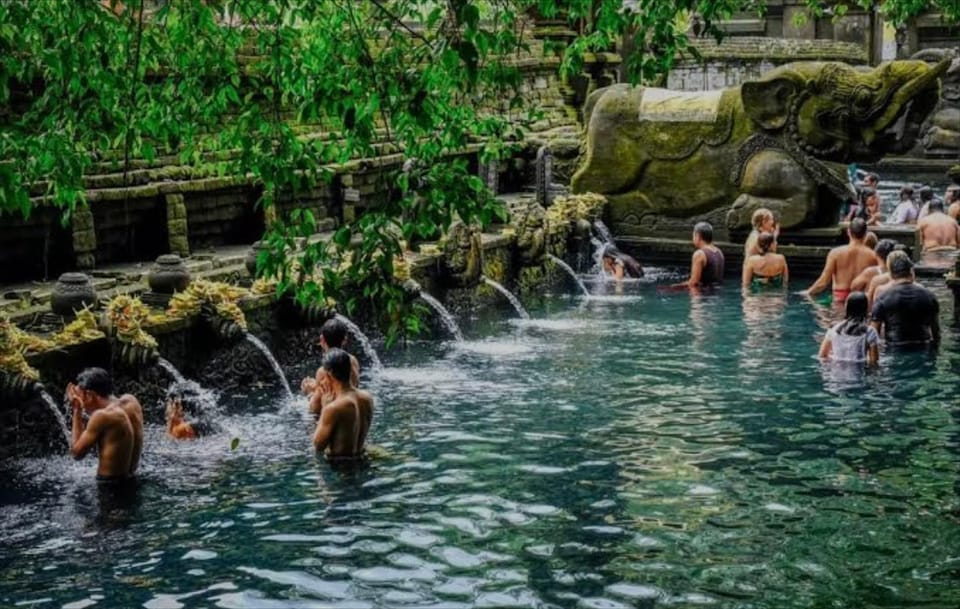
Next up is Tirta Empul, the water temple where the day leans spiritual. You’ll spend about 1.5 hours here, including photo stops and guided viewing, plus time on site.
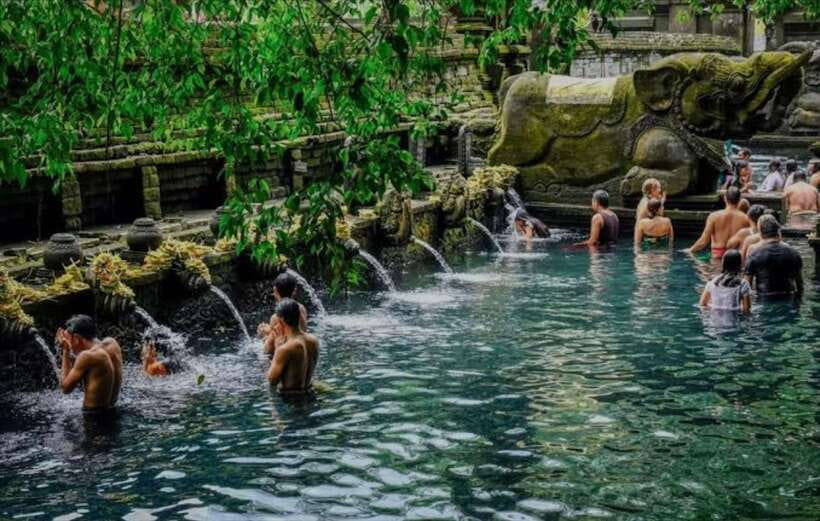
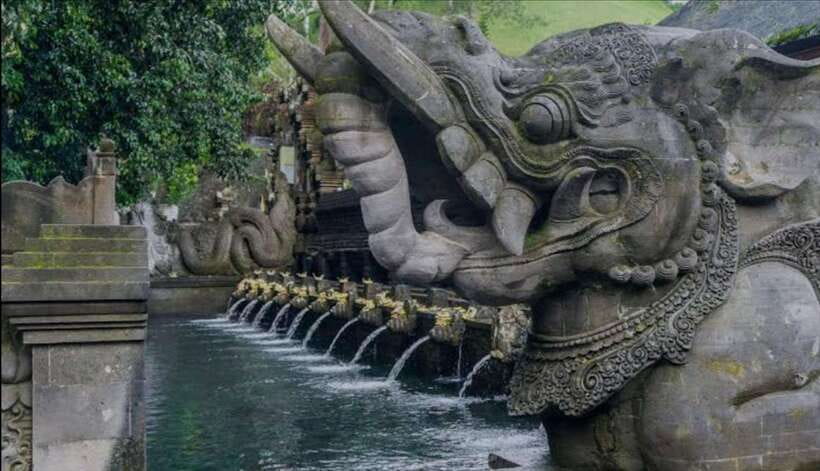
This is where your guide’s explanation matters most. The holy springs at Tirta Empul are said to have been created by the God Indra. People believe the water used for purification there carries blessing and can help purify participants. You’ll have a chance to experience purification, but the experience is more about the meaning and the ritual setting than about taking a quick photo.
Why this stop is valuable: Bali’s temples can be dramatic, but their real power is often in how people use them. Tirta Empul gives you a chance to see water as something sacred and active, not just scenery. If you take a respectful approach, it can be genuinely moving.
A consideration: religious sites mean rules and quiet expectations. Keep your behavior calm, dress comfortably for an active day, and rely on your guide for what’s appropriate during purification. If you’re the kind of person who feels awkward in ceremonies, that’s okay. Let the guide translate what you’re watching and follow their lead.
Coffee Plantation Tasting: A Practical Break That Feels Local
After the temple, the itinerary includes a coffee plantation stop for tasting lots of varieties of coffee and tea made in a traditional way. This is one of those “small stop, big payoff” breaks. It’s a change of pace after walking and ritual spaces, and it can be a fun way to bring Bali flavors home in your memory.
I like that this part of the day is designed as a warm-up. You might be tired by then, and the tasting gives you a chance to sit, smell, and sip without forcing you back into the “always walking” mode.
One extra note from the guide-quality feedback: in at least one described experience, the route included a quick stop for a fresh coconut on the way back. That kind of simple refresh is exactly what makes a long day feel thoughtful instead of rushed.
For this stop, consider bringing some cash, since the tour notes that cash can be useful. Even if you’re only tasting, you’ll often have optional purchases available at plantations and small shops.
Tegenungan Waterfall: Over 40 Meters, Photo Spots, and Real Caution
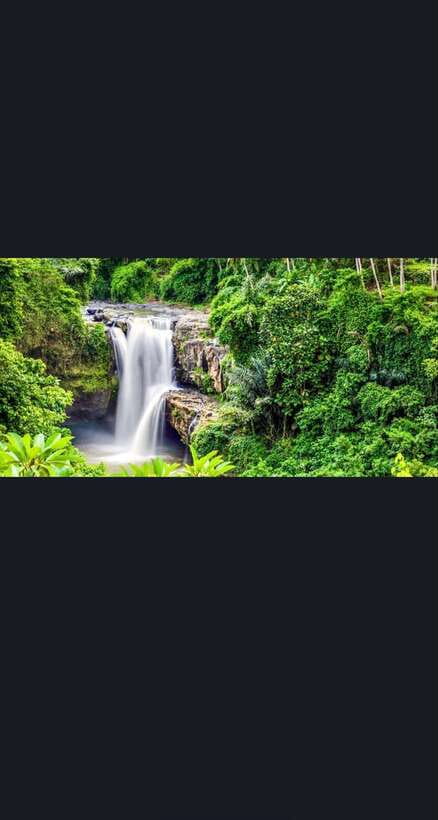
The final outdoor highlight is Tegenungan Waterfall, which stands high above 40 meters. You’ll get guided time plus free time, and you’ll walk around 1 hour.
This is your big visual finale: thick tropical scenery, a strong sense of scale, and plenty of photo angles. The waterfall area is also described as having lots of photo spots, so it’s a good choice if you like pictures but still want to feel the place in person.
About swimming: it’s possible, but you’re also urged to be careful to avoid injuries. That’s an important reminder. Waterfall edges can be slippery, currents can be unpredictable, and the ground may be uneven. If you plan to get in, take your safety seriously and use common sense rather than relying on luck.
If you don’t swim, you can still enjoy the main viewpoint and the walk around. Just set expectations: it’s not a quiet viewing deck. It’s a lively natural stop, and you’ll want to keep an eye on your footing and your belongings.
Price and Value: Why $25 Can Be a Good Deal Here
The price listed is $25 per person, with a private tour format. On paper, that’s a bargain if (and only if) what you get matches your expectations. The best way to judge value here is to look at what’s included and what’s optional.
You get bottled water, and you may have entrance fees included depending on the option you select. Hotel pick up and drop off is included for most cases (with an exception noted for a small-group option), and lunch is included if you choose the lunch option. You also get a live English tour guide, and the tour is private.
When that works out well: if you’re staying in areas covered for pickup, want a set route that avoids the hassle of planning, and care about understanding culture and meaning at temples. This kind of guide-led day tends to be worth paying for because you’re not only paying for transport; you’re paying for interpretation.
When it might not match: if you’re mainly chasing one or two of the stops and don’t care about the rest, or if you’re very budget-conscious and every optional add-on would push you over your limit. Also, entrance fees being option-dependent is worth checking before you go.
One more value factor: the tour offers free cancellation up to 24 hours in advance for a full refund, and it includes a reserve now & pay later style of flexibility. That can lower risk if your Bali schedule is still changing.
Who This Tour Suits Best (And Who Should Skip It)
This is a strong match if you’re a first-time Bali visitor who wants a balanced day: nature, agriculture, temple spirituality, and a dramatic waterfall finale. It’s also a good choice if you prefer a guide who can explain what you’re looking at. The guide feedback you can see across experiences highlights culture and nature knowledge, and in multiple accounts, guides like Angus and Yande were praised for making the day feel organized and informative.
It’s also a good pick if you like structure but still want some freedom. Each stop has a mix of guided time and free time, so you’re not locked into a rushed conveyor belt.
Consider skipping if:
- You want a slow, restful day with minimal walking
- You’re sensitive to crowds or to being around macaques
- You have heart problems, or you’re over 95 (not suitable per the tour info)
Should You Book This Bali Monkey Forest–Temple–Waterfall Tour?
If you want a single-day route that covers the big Bali themes with a guide who helps you understand the meaning behind what you see, I think this tour is a solid booking. The combination of Monkey Forest, Tegallalang rice terraces with subak context, Tirta Empul purification at the springs linked to Indra, and a real waterfall finale is a good use of time.
I’d book it especially if you value good guidance over self-guided guessing, and if you’re staying in one of the pickup areas. If your ideal day is quiet and low-effort, or if you’re worried about walking and uneven outdoor surfaces, then consider a lighter day instead.
FAQ
FAQ
How long is this Bali tour?
It’s a one-day tour. Starting times vary, so you’ll want to check availability for the schedule.
What stops are included in the itinerary?
The tour visits Monkey Forest, Tegallalang Rice Terrace, Tirta Empul water temple, and Tegenungan Waterfall. It also includes a coffee plantation tasting stop.
Is the tour private and does it have an English guide?
Yes, it’s a private group tour, and the live guide speaks English.
Are entrance fees included?
Entrance fees are included if the option you select includes them. The tour notes that entrance fees depend on the selected option.
Is lunch included?
Lunch is included if you select the lunch option.
Where do pickup and drop-off happen?
Pickup and drop-off cover many areas, including Ubud, Sanur, Kuta, Legian, Seminyak, Canggu, Jimbaran, Nusa Dua, Benoa Port, and Candidasa area. Drop-off options include Jimbaran, Legian, Seminyak, Candi Dasa, Ubud, Bali, Kuta, Nusa Dua Beach, and Sanur.
What should I bring, and what should I avoid?
Bring comfortable shoes, a camera, comfortable clothes, and cash. Alcohol and drugs are not allowed.