Rinjani hits hard—then rewards you big. This short Sembalun to Senaru trek is built to reach several of Mount Rinjani’s best viewpoints in one go: crater rims on both sides, Segara Anak Lake, a natural hot-spring soak, and waterfall time in Senaru when you choose the private-service option. If you want the highlights without the long slog of bigger itineraries, this is the kind of plan that makes sense.
I love the efficiency. You get a fast route that still gives you camp time on the crater rim, so the views don’t just happen from a quick stop—they hang around for a while. I also like the practical side: guide + porters, full-board meals during the trek, and camping gear taken care of, which means you can focus on walking rather than managing camp logistics.
The main consideration is simple: this trek is weather-dependent and asks for strong fitness. The climb is tough, nights can feel cold, and if conditions aren’t right, your date may shift or you’ll be offered another option.
In This Review
- Key Things I’d Save Your Energy For
- Sembalun To Senaru: Why This Short Rinjani Route Works
- Day 1 Pickup And Senaru Prep Night: Get Ready Without Rushing
- Day 2: First Hike Day With Early View Momentum
- Day 3: Crater Rim Camping And The Segara Anak Payoff
- Day 4: Final Descent, Senaru Views, Waterfall Time, And Hot-Spring Recovery
- Guides, Porters, And The Included Stuff That Actually Matters
- Price And Logistics: Is $291 A Good Deal?
- What To Pack For A Cold, High-Altitude Trek
- Who This Trek Suits Best (And Who Should Rethink It)
- Final Thoughts: Should You Book This Rinjani Summit Trek?
- FAQ
- How long is the Rinjani trekking experience?
- Where does the trek start and where does it end?
- What is included in the price?
- Are meals provided during the trek?
- Do I need to bring camping gear?
- What about luggage during the hike?
- What waterfalls and sights are part of the experience?
- Is this tour private?
- What should I know about cancellation and weather?
Key Things I’d Save Your Energy For
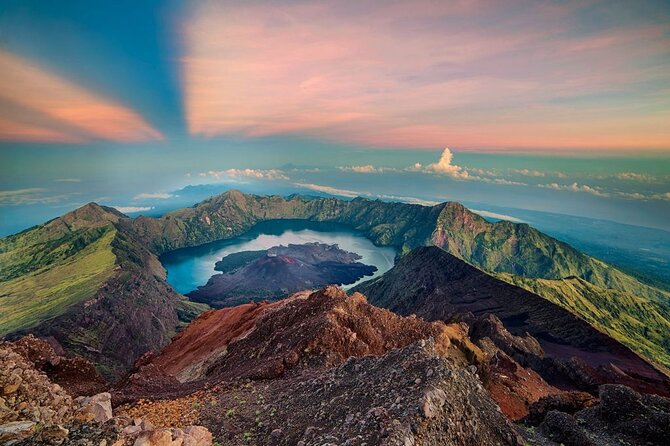
- Crater rim camps on both sides: You’re not only chasing a summit photo; you camp where the volcano opens up.
- Segara Anak Lake time: The lake is a major payoff, not just a distant view.
- Waterfalls near Senaru (private-service option): Sindang Gile and Tiu Kelep are part of the emotional high point of the trip.
- Hot-spring soak: You’ll have a place to let your muscles stop arguing with you.
- All the hike-day essentials are included: Camping equipment, full meals, and guide/porters make this easier to execute.
- Luggage storage during the trek: Less stuff to haul upslope.
Sembalun To Senaru: Why This Short Rinjani Route Works
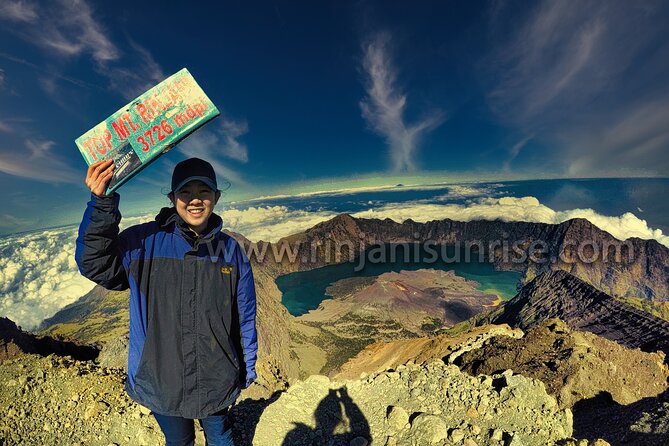
Mount Rinjani is famous for big effort and big payoffs, but not all treks are the same kind of hard. This one is designed as a shorter “highlights” route. You start in Sembalun and finish in Senaru, which is a smart layout if you want to hit key viewpoints without spending extra days just getting to the right places.
Here’s what you gain with this approach: the walking days are concentrated. Instead of turning Rinjani into a multi-day moving marathon, you’re given time where it counts—on the crater rims, around Segara Anak, and at the natural hot-spring stop. That means you spend more time doing the meaningful parts of the mountain and less time crossing between them.
Another practical win is the structure of the trip. You’ll have a pickup day, then two main hike days, and a final day to complete the route. The trip also includes one night accommodation in Senaru before the trek day begins, which helps you start fresh rather than trying to squeeze travel stress into summit timing.
You can also read our reviews of more tours and experiences in Lombok.
Day 1 Pickup And Senaru Prep Night: Get Ready Without Rushing
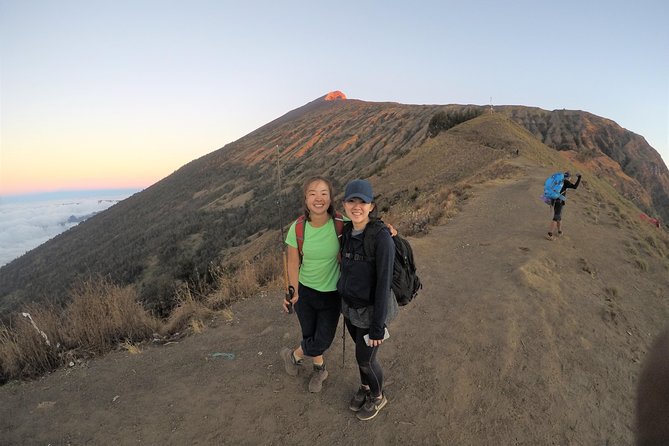
Day 1 starts with an 8:00 am pickup. That matters more than it sounds, because mountain treks punish late starts. Being early also helps you settle into the area and get organized before the cold-weather clock starts ticking.
You also get one night accommodation in Senaru the day before the hike. For me, that’s an underrated part of the value. When you’re doing a sunrise-minded mountain experience, you want sleep that’s actually restful, not the “I nodded off between packing and panic” kind. Staying in Senaru also makes sense geographically for finishing your trek on this side.
If you’re traveling in a small group, the private setup is part of the comfort. It’s listed as a private tour/activity, meaning only your group participates, and your guide can pace you with fewer compromises.
Day 2: First Hike Day With Early View Momentum
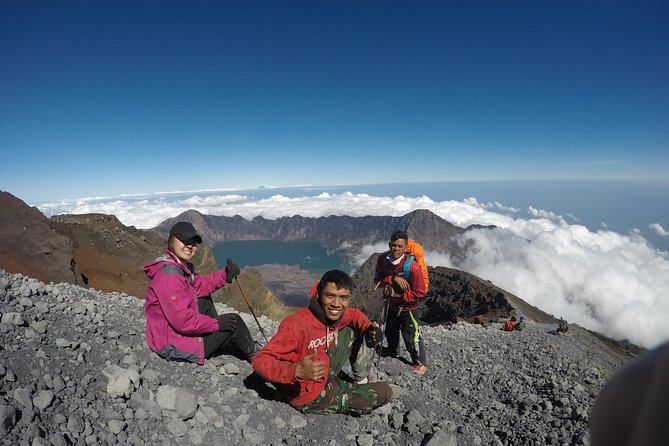
This is where Rinjani starts stacking wins. The big goal on your first hike day is to start moving toward those iconic volcano viewpoints and to position yourself for crater-rim camping.
The trip is set up for key sightseeing along the way, including Sembalun Village as a stop and time oriented toward the crater rim area. The “why” is simple: Sembalun sits at the start of the Rinjani experience, and it’s also a place where you can feel the mountain’s scale right away. You’re stepping into the Rinjani world, not just climbing a trail.
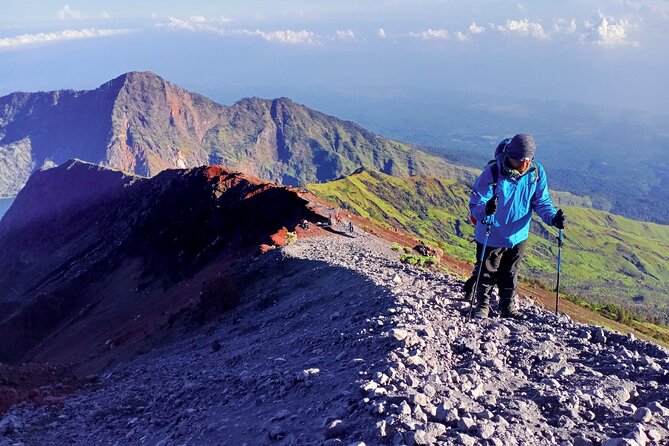
What to expect physically: Day 2 is the first reality check. Even when the route is planned as a “short” trek, Rinjani still wants effort. Your best strategy is consistency. You’ll do better with steady breathing and short bursts than with sprinting when the trail first looks friendly.
A lot of the stress relief in this package comes from what’s included: full-board meals during the trek, a guide to help keep you on track, and porters who handle the heavy work. That doesn’t make the hike easy, but it keeps it from turning into an expedition you manage yourself.
Day 3: Crater Rim Camping And The Segara Anak Payoff
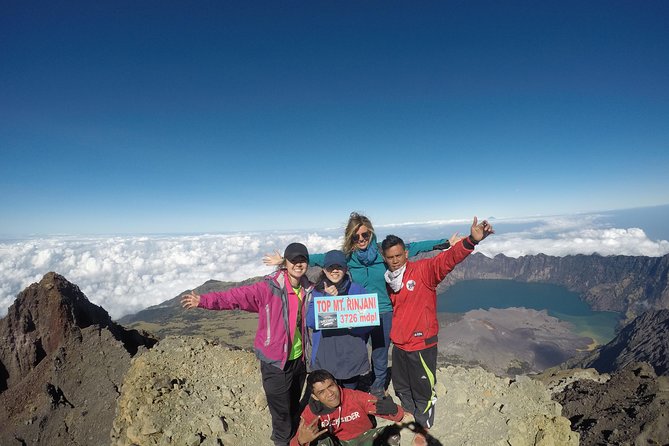
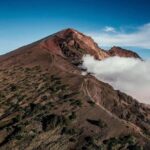
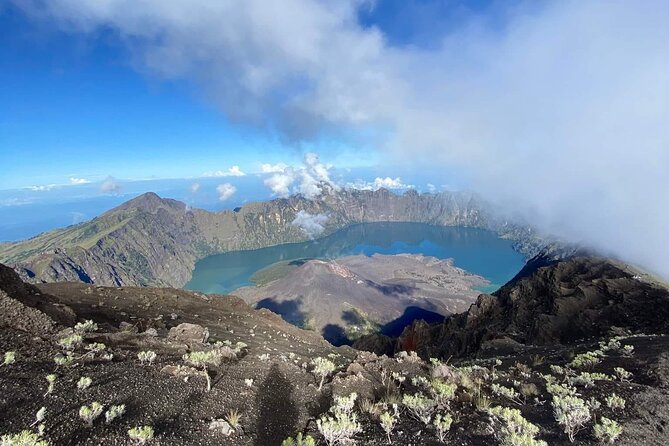
If you came for the dramatic volcano stuff, Day 3 is the reason you’re here. This trek is built to get you to both crater rims—Sembalun Crater Rim and Senaru Crater Rim—and camp on the way. Camping on the rims is a totally different feeling than watching the mountain from below. The air can be cold, and the views hit in a wide, serious way.
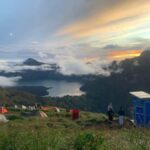
This is also the part where Segara Anak Lake becomes a highlight you can actually experience. Instead of a quick glance, you’ll get into the zone that makes Rinjani feel like its own world—volcanic edges, the lake’s presence, and a horizon that seems to go on longer than you think it should.
From the reviews, I kept noticing one theme: the camps feel like they were chosen for cold-weather survival. One reviewer specifically called out that the camp was perfect for the cold weather on the mountain. That matches what you should expect in the crater rim areas: layers matter, and having the right camping equipment included helps.
Also, your guide’s job isn’t just navigation. In a well-run trek, the guide helps you read conditions and adjust pacing so you’re not fighting the mountain and the clock at the same time. Reviews include examples of guides making helpful plan adjustments and giving support during tough moments. Names that came up included Muliadie, Yos, and Mus, which is a sign you may have a hands-on, responsive team rather than a “drop you off and good luck” setup.
Day 4: Final Descent, Senaru Views, Waterfall Time, And Hot-Spring Recovery
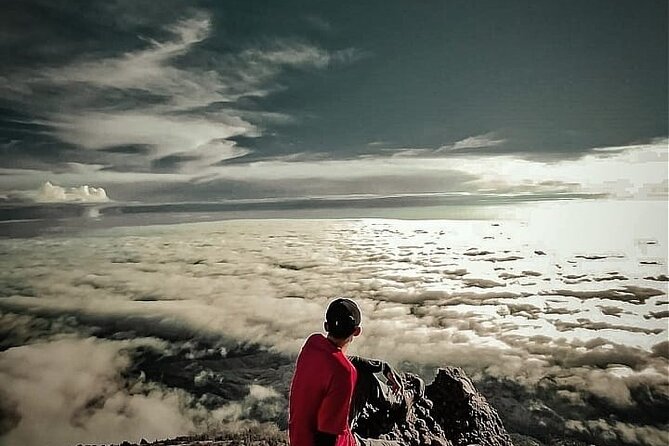
Day 4 is about finishing strong and letting Rinjani cool your body down. Your route ends in Senaru Village, and the day includes a final chunk of sightseeing and recovery time.
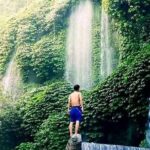
One of the most enjoyable parts of the overall experience is the waterfall circuit in Senaru. Stops include Sindang Gile and Tiu Kelep. There’s an important detail here: the write-up notes that visiting these two waterfalls is free only if you choose the private service package. So if you care about both waterfalls, double-check which option you’re buying so you don’t get surprised later.
Waterfalls are a welcome contrast after volcanic cold. You go from crater-rim air to lush, rushing water sounds—your brain gets a break from watching the horizon and starts focusing on your footing again.
And then there’s the natural hot spring soak. That’s not a luxury add-on in my mind. After cold nights and steep walking, hot-spring time is basically the “undo button” for sore legs. Even if it’s only a soak or a recovery moment, it’s a big part of how the trek ends on a positive note instead of feeling like you just limped to the finish line.
Guides, Porters, And The Included Stuff That Actually Matters
Let’s talk about value in real-world terms. This trek includes the things that usually make or break a group adventure:
- Guide and porters
- Camping equipment
- Full board meals during the trek
- Transfer in/out
- Entrance fee
- Luggage storage during the trek
- No limit drinking water
- One night accommodation in Senaru a day before the trek
That’s a lot of operational support baked in. The practical benefit for you is mental. You don’t need to constantly count what you have, worry about where your extra layer went, or manage meal planning during the hardest walking days.
One reviewer highlighted that the food was great with huge portions. Another praised how the guide helped with plan adjustment and support during the trek. Those comments match what you want from the team: someone who can respond when conditions change and still keep the experience running smoothly.
Porters make a huge difference. Even if you’re physically strong, carrying extra gear up and down Rinjani’s uneven climbs is work you don’t want to add to the main effort. With luggage storage and porters in charge of the heavy stuff, your pack load should be more realistic.
Price And Logistics: Is $291 A Good Deal?
$291 per person is not “cheap,” but it also isn’t random pricing. For this kind of volcano trek, you’re paying for staffing, gear, meals, and the concentrated route.
Here’s what stands out as good value:
- Camping equipment is included, so you’re not renting or borrowing key gear.
- Full meals during the trek reduce the chaos of finding food at altitude or on short breaks.
- Guide + porters handle navigation and carrying. That’s part of what makes this trek feel doable rather than overwhelming.
- Transfers and entrance fees are included, so you don’t get nickeled-and-dimed at the last minute.
What can affect your true cost: tips. Tips for a good guide and porters are not included, and tipping is common when service is actually strong. Also, you bring your own small bag/daily pack, and that’s your responsibility.
If you can compare options, look at what’s bundled. In my experience, the “cheapest” trek often becomes expensive once you add missing gear, missing meals, or weak staffing. Here, the package lists most of the heavy lifting as included, which is why it feels like a solid value for the work you’re doing.
What To Pack For A Cold, High-Altitude Trek
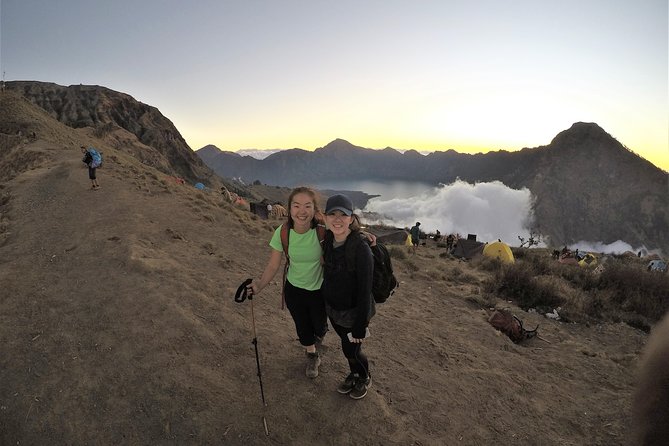
You’ll want to pack for cold mornings, cooler nights, and changing weather. The trek is described as requiring strong physical fitness, and you’ll be camping near the crater rim—so think layers, not one big jacket.
At minimum, plan for:
- Warm layers for nights (you’re camping in cold conditions)
- Rain protection (mountain weather changes fast)
- Comfortable trekking shoes with decent grip
- A small daily pack for your personal essentials
You might also find it easier to bring a headlamp for early starts and any trail transitions. Since no limit drinking water is included, you can plan around filling a bottle when needed.
One more packing reality: because luggage storage is included during the trek, you don’t need to bring your entire wardrobe. Bring what you’ll actually use during hiking and cold camp time.
Who This Trek Suits Best (And Who Should Rethink It)
This trek is best for people who:
- Have strong physical fitness
- Want a challenging climb without turning it into a week-long project
- Like structured guidance, especially when altitude and weather can change plans
- Care about a route that hits multiple Rinjani highlights—crater rims, Segara Anak, and waterfall time
It may not be the right match if you:
- Hate steep climbs and uneven footing
- Need an ultra-flexible schedule with lots of buffer time
- Don’t handle cold well, since crater rim camping can get chilly
If you’re traveling with a small group, the private setup is a bonus. One review specifically praised a private trip with good price for three people, plus responsive communication beforehand.
Final Thoughts: Should You Book This Rinjani Summit Trek?
I’d book this trek if your goal is clear: you want the core Rinjani experience in a shorter format, with crater-rim camping, Segara Anak, and a finish in Senaru that includes recovery touches like waterfalls and a hot-spring soak.
I’d think twice only if your fitness level isn’t strong enough for a tough climb or if your travel dates are rigid. This experience needs good weather, and plans may shift if conditions aren’t right. If you can travel with that flexibility, the package reads like good value for a structured, high-impact trek.
If you like the idea of chasing volcano views but also want your trip to run like a well-organized operation—meals handled, gear included, porters supporting, guide pacing—then this is a very practical way to do Mount Rinjani.
FAQ
How long is the Rinjani trekking experience?
It runs over about 4 days, including a pickup day, two hiking days, and a final day to finish in Senaru.
Where does the trek start and where does it end?
The trek starts from Sembalun and finishes in Senaru Village.
What is included in the price?
The package includes transfer in/out, entrance fees, camping equipment, full-board meals during the trek, guide and porters, luggage storage during the trek, one night accommodation in Senaru a day before the trek, and unlimited drinking water.
Are meals provided during the trek?
Yes. Full board meals are provided during the trek.
Do I need to bring camping gear?
No. Camping equipment is included.
What about luggage during the hike?
You get luggage storage during the trek, so you don’t need to carry everything with you on the mountain.
What waterfalls and sights are part of the experience?
You’ll have stops at Sindang Gile and Tiu Kelep in Senaru, plus Sembalun, Senaru, and Segara Anak Lake. The plan also includes soaking at a natural hot spring.
Is this tour private?
Yes. It’s described as a private tour/activity, meaning only your group participates.
What should I know about cancellation and weather?
The experience is non-refundable and cannot be changed for any reason. It also requires good weather, and if it’s canceled due to poor weather, you’ll be offered a different date or a full refund. It requires a minimum number of travelers; if that minimum isn’t met, you’ll be offered a different option or a full refund.