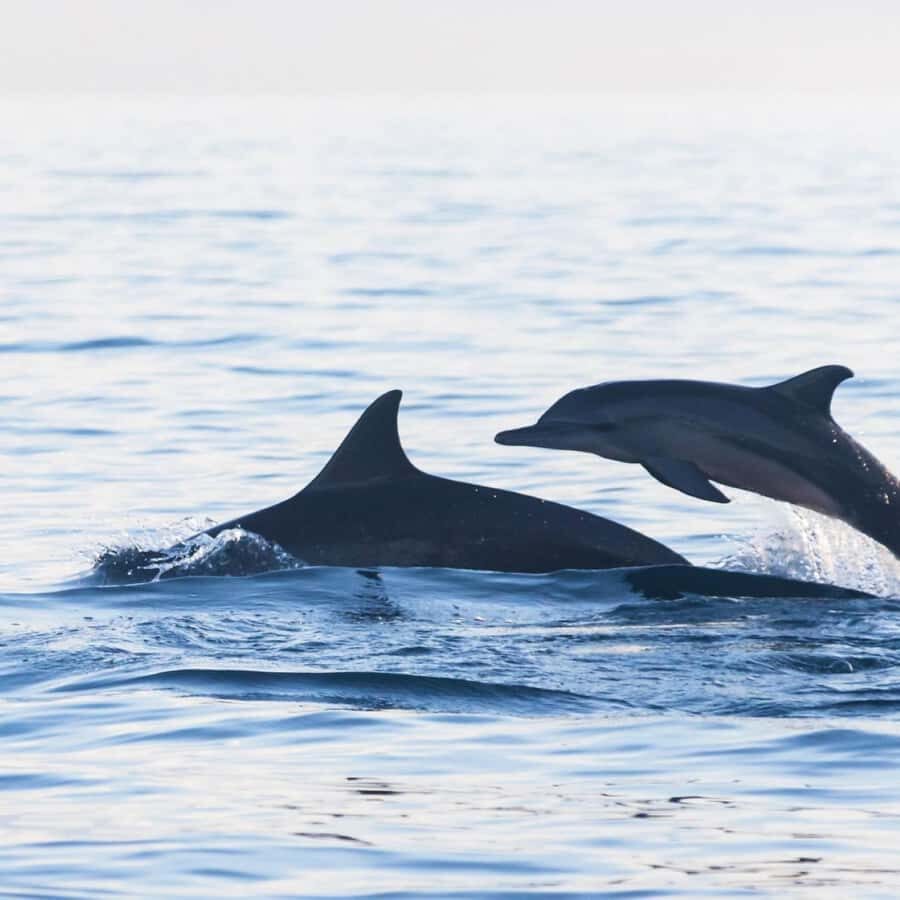
Manta rays, on easy mode. I like that this trip is set up for non-swimmers and first-timers with proper safety gear, and I like that you get underwater photos and video to take home. The only real catch is that manta sightings depend on sea conditions, so you may not always reach the manta site.
This is built as a relaxed half-day outing, not a training exercise. You’ll do three snorkeling stops, and you finish with practical perks like showers, lockers, and towels so you’re not stuck smelling like seawater for the rest of the day.
Because the waters around Nusa Lembongan and Nusa Penida can get choppy, the guide team plans for changing conditions. That means you’re not just chasing mantas; you’re also snorkeling places known for turtles and lots of fish, even when the manta plan changes.
In This Review
- Key highlights you’ll actually care about
- Why this manta ray snorkel works even if you’re not a confident swimmer
- Price and value: what $23 includes (and why that’s not just marketing)
- The day’s flow: what 3 to 4 hours feels like in practice
- Stop 1: Manta Bay, where you scan for fins between swell lines
- Stop 2 at Toya Pakeh Wall: the fish stop that makes photographers happy
- Stop 3 at Mangrove Point (Nusa Lembongan): calm-ish vibes with serious sea life
- Safety and comfort: the staff habits that make or break a snorkel day
- What to bring for this Nusa Lembongan snorkel day
- Who should book this (and who should think twice)
- A quick decision guide: should you book it?
- FAQ
- How long is the snorkeling trip?
- How much does the trip cost?
- Do I get picked up from my hotel?
- Where is the meeting point?
- What snorkeling equipment is included?
- Is this trip suitable for non-swimmers?
- Are manta ray sightings guaranteed?
- How many snorkeling stops are there?
- What amenities are available after snorkeling?
- What happens if weather is poor?
Key highlights you’ll actually care about

- Beginner-first safety kit includes life jackets, life buoys, and rope if needed
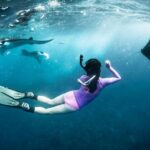
- Underwater photos and videos mean you don’t have to be a cameraman
- Three-stop route that mixes manta-chasing with colorful snorkeling walls and mangroves
- Guides in the water help you stay together and handle weak-swimmer moments
- Smallish group cap (maximum 20) makes it easier to get attention and support
- Real-world conditions awareness: high swells can shift stops for safety
Why this manta ray snorkel works even if you’re not a confident swimmer
This trip is aimed at people who want manta rays but don’t want to feel out of their depth. The kit includes lifejackets, life buoys, and rope (if needed), and the guides are used to working with non-swimmers, as well as the elderly and children.
That matters more than you’d think. In strong currents or rough swell, the biggest challenge is staying calm and staying with your group. Here, the safety setup helps you focus on what you came for: looking for marine life at the surface while your guide handles the pacing and positioning.
You’ll also feel the difference in how the group is managed. On choppy days, guides keep people together, and the team stays vigilant around the water where conditions can make beginners nervous. One day described as hectic at the first stop still turned out fine because the guide system kept everyone accounted for.
The other plus: you’re not locked into one goal. Even when the manta site can’t be reached safely, the plan still includes snorkeling locations that are worth your time.
You can also read our reviews of more tours and experiences in Nusa Lembongan.
Price and value: what $23 includes (and why that’s not just marketing)
At $23 per person, the price feels unusually light for what’s bundled. You’re not only buying access to a snorkeling day. You’re also paying for the gear, the staff support, and the practical add-ons that make the day easier.
Here’s what you’re getting as part of the experience:
- Snorkeling equipment: masks, snorkel, fins, life vest, life rings
- Hotel pickup and drop-off on Lembongan Island (when selected)
- A welcome drink plus a towel, shower, and locker at the end
- A snorkeling guide and trip briefing
- Snorkeling photos and videos
- Insurance coverage
If you’ve ever done snorkeling where you still have to pay for a rental, then scramble for a place to rinse off, this one is priced like they expect you to want a complete experience. You’ll likely find the real value in the combination of safety support plus the photo/video package, especially if you’re not bringing underwater equipment.
One more factor: it’s usually booked about 8 days in advance, so if you want your date, don’t wait until the last moment.
The day’s flow: what 3 to 4 hours feels like in practice
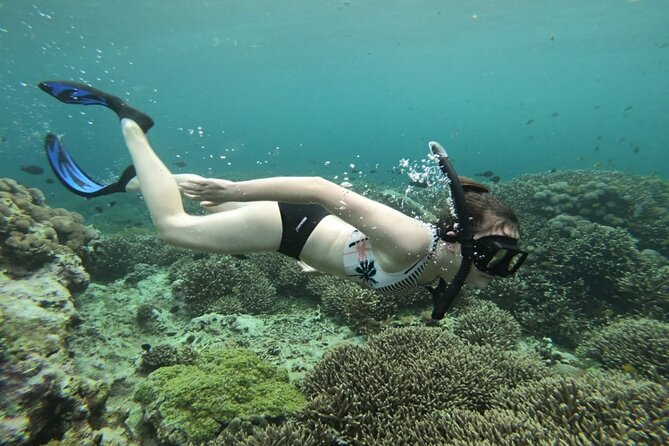
This is a 3 to 4 hour outing, built around three one-hour snorkeling windows. That timing is realistic on this side of Bali: travel time between Nusa Lembongan and Nusa Penida sites can eat hours, and the sea can change quickly.
On the water, expect a rhythm of short boat rides, a briefing, then entry with guide support. You’ll likely spend more time watching than swimming hard. With life jackets and buoys, the whole point is to conserve energy so you can actually enjoy the animal sightings.
Also, bring the mindset of someone who’s flexible. On one day where swells were high, the manta search didn’t happen safely, and the team switched to other snorkeling points around Nusa Penida and Nusa Lembongan. That’s not a failure. It’s exactly what “weather-dependent” snorkeling in this region looks like.
Stop 1: Manta Bay, where you scan for fins between swell lines
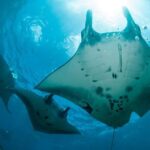
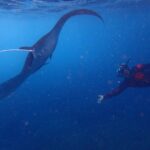
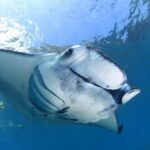
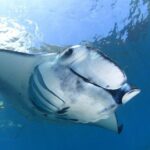
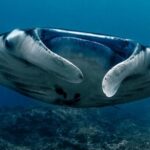
The first stop is the manta-focused location, often described as the manta point or manta bay. The idea is simple: you don’t chase mantas by swimming hard. Instead, you watch the water and look for the moment when their fins or bodies cut through the chop.
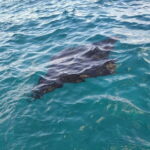
On average, you might see mantas that are smaller than what you’d encounter at a famous manta site, but conditions here can also mean you get more sightings in the session. People often spot them popping up between waves created by swell as the sea energy crashes and reshapes the surface.
Here’s the important consideration: manta rays are in their natural habitat, and sightings aren’t guaranteed. If conditions are rough enough, the operator may not risk traveling to the manta area. That’s exactly what happened on one choppy day when the swells were too high; the team still ran a full snorkeling program, just without the manta site.
So I recommend thinking of this stop as a high-probability hunt, not a guaranteed encounter.
If you’re sensitive to motion, this is also the part of the day where sea conditions can hit you. One person noted getting sea sick on a choppy, bouncy boat ride. If you’re prone to nausea, you’ll be happier if you plan for it before you go out.
Stop 2 at Toya Pakeh Wall: the fish stop that makes photographers happy
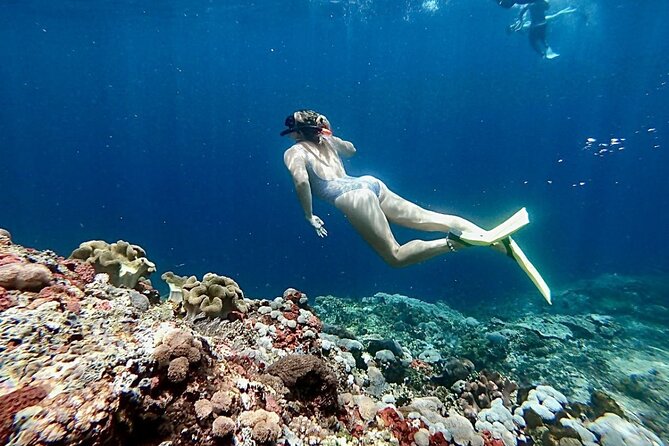
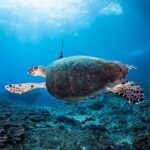
The second stop is at Toya Pakeh, and the underwater reputation here is about visibility and variety. The wall-style area is the kind of place where you can look down and feel like you’re floating near an aquarium.
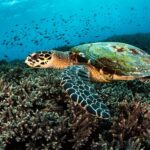
This stop is also where you’ll usually get the strongest “wow” factor for colorful marine life. Expect a good chance of seeing animals like:
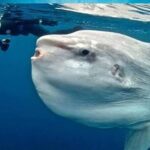
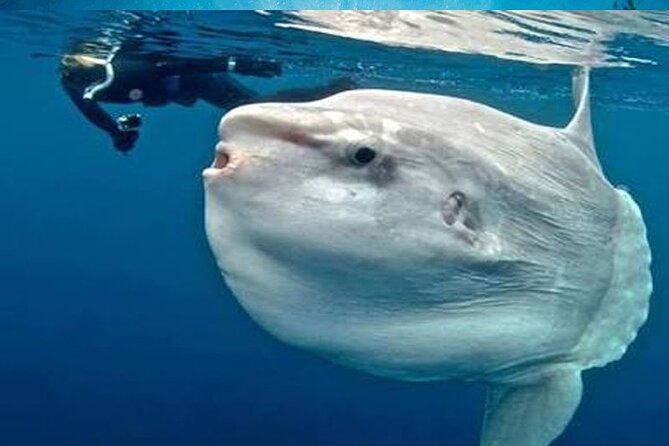
- Mola mola
- turtles
- scorpion fish
- stone fish
- angel fish
- clown fish
- sea snakes
- nudibranchs
- bat fish
- barracuda
That list is why this stop is valuable even when manta rays aren’t showing. The mantas are the headline, but Toya Pakeh is often the reason you end the day with a camera full of bright, sharp memories.
If you’re new to snorkeling, this is also a good place to practice calm breathing and slow scanning. You don’t need to sprint around. You can let the current do the work while you watch.
Stop 3 at Mangrove Point (Nusa Lembongan): calm-ish vibes with serious sea life
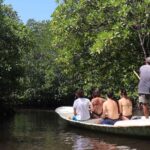
The last stop goes to Mangrove Point on Nusa Lembongan. Mangrove snorkeling is a different mood than open water. The underwater structure tends to attract fish that like shelter and the slow rhythm can be easier for beginners to handle after earlier sea conditions.
This is a biodiversity stop. You might see things like giant puffers, scorpion fish, angel fish, clown fish, box fish, nudibranchs, moray eels, nurse sharks, and turtles. If you’ve got a soft spot for unusual-looking creatures (nudibranchs are the classic “wait, what is that?” animal), this is where you can spend a little extra time observing.
It also works as a natural wind-down. By the third stop, you’ve settled into the gear and you’ve learned how the guide team moves you along. That makes it easier to enjoy the environment instead of worrying about whether you’re doing snorkeling correctly.
Safety and comfort: the staff habits that make or break a snorkel day
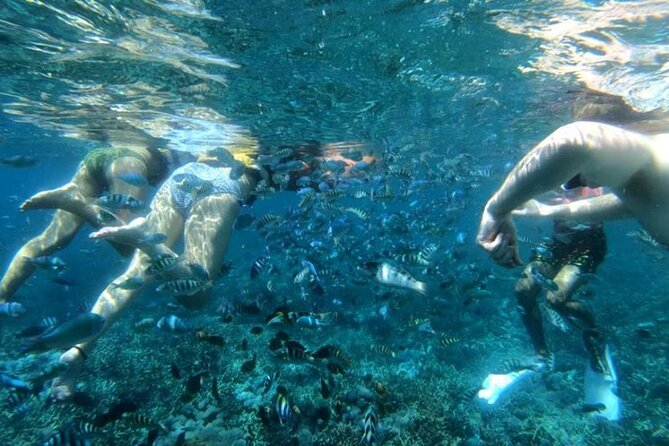
The biggest theme across the experience is safety-first guidance. The guides don’t treat the water like a free-for-all. They keep the group together, manage spacing, and help you adjust if you need a breather.
Several moments point to how active the guidance is:
- Life jackets are available for first-timers and weaker swimmers
- Guides stay alert in the water when conditions feel rough
- On choppy days, staff help you feel secure even during boat rides through big swells
One person even highlighted how safe it felt when the boat pushed through giant swells, which is exactly the kind of reassurance you want before you commit your day to open water.
You’ll also appreciate the “you can clean up” side of the operation: showers, lockers, and towels. After snorkeling, that’s not a luxury. It’s a quality-of-life upgrade.
And if you’re traveling with a camera, bring it with a plan. The trip includes underwater photos and videos, but that doesn’t stop you from wanting your own shots too. One day described strong views and locations, with staff helping when people weren’t feeling 100%.
What to bring for this Nusa Lembongan snorkel day
The essentials here are simple. Wear comfortable clothing that can get wet, and plan for a change.
Bring:
- comfortable footwear
- a change of clothes
- sunscreen
- your camera
- cash or a credit card for any personal expenses you might want
You’ll also want sunscreen even if you think you’ll stay mostly in the water. Boat time and surface time still burn fast in this part of Indonesia.
If you’re prone to nausea, seriously consider motion-prep. The boat rides can get choppy, and sea sickness happened to at least one participant.
Who should book this (and who should think twice)
This is a great fit if you:
- want manta rays but you’re not an advanced swimmer
- like the idea of a structured route with safety gear
- want photos and videos without bringing underwater equipment
- prefer snorkeling stops that include colorful species, not just one target
It might be less ideal if you:
- need a guaranteed manta encounter at a specific location
- are extremely motion-sensitive and can’t tolerate boat rides on swelly days
- expect the sea to be calm every hour of the trip
Remember, manta sightings aren’t guaranteed, and the operator adjusts based on conditions for safety. The upside is that you’re not stuck with nothing to see.
A quick decision guide: should you book it?
I’d book this if your priority is a safe, beginner-friendly snorkel with a real chance of mantas, plus strong odds of turtles and colorful fish. The value is strong for the price because the day includes gear, guide support, insurance coverage, and the photo/video take-home.
I would not book it expecting a guaranteed manta ray moment at any cost. Instead, treat it as a flexible marine-life outing where the manta site happens when nature allows it, and the rest of the itinerary is still good snorkeling in its own right.
If you’re visiting Nusa Lembongan and you want a memorable half-day on the water without turning it into a fitness test, this one fits.
FAQ
How long is the snorkeling trip?
It runs about 3 to 4 hours.
How much does the trip cost?
The price is $23.00 per person.
Do I get picked up from my hotel?
Pickup and drop-off are offered from hotels on Lembongan Island. If you stay in Nusa Ceningan, you meet at Yellow Bridge at 09:30 am.
Where is the meeting point?
The meeting point is Lagoon Bliss, Captain Good, Jl. Raya Mangrove Point, Jungutbatu, Nusa Penida, Kabupaten Klungkung, Bali 80771, Indonesia. The activity ends back at the meeting point.
What snorkeling equipment is included?
Masks, snorkel, fins, life vest, and life rings are included.
Is this trip suitable for non-swimmers?
Yes. Non-swimmers can participate because safety equipment is provided and the guides help people who need support.
Are manta ray sightings guaranteed?
No. Manta sightings are not guaranteed because rays are in their natural habitat and sightings depend on environmental factors.
How many snorkeling stops are there?
There are three snorkeling stops, with an hour at each.
What amenities are available after snorkeling?
There are showers, lockers, and towels so you can wash and change.
What happens if weather is poor?
The experience requires good weather. If it’s canceled due to poor weather, you’ll be offered a different date or a full refund.