Rinjani rewards patience and altitude. On this 2-day, 1-night summit trek from Sembalun, I like the small-group feel and the smooth setup from Em Adventure, including pickup and a hotel night so you start walking with less stress. It’s led by a licensed mountain guide with local porters, so you get real trail support instead of a crowd shuffle.
I also love the rhythm of the route: a gentle start to the crater rim, then a very early wake-up for the final ascent to sunrise with guide Pam guiding the pace and timing. One consideration: this is a tough hike, and weather can force changes, so you need to pack light, bring basic medicine or backup snacks, and accept that some conditions are simply out of your control.
In This Review
- Key Points Before You Go
- Getting from Lombok to Sembalun: Pickup and Hotel Night
- Registration, Posts, and the Slow Build to Crater Rim (8:00–Afternoon)
- Crater Rim Camping at 2,639 m: Views, Sleep, and Weather Reality
- 2:00 am Wake-Up and the Summit Push to 3,726 m
- Water, Meals, and Gear: What’s Included and What You Should Plan
- Price and Value for $225: Guides, Porters, Fees, and Logistics
- Who This Trek Suits (and Who Should Think Twice)
- Should You Book This Rinjani Summit Trek with Em Adventure?
- FAQ
- How long is the Rinjani summit trek?
- What time does the trekking start?
- Do you provide pickup and a hotel night?
- Is camping gear and food included?
- Is the entrance fee to Gunung Rinjani included?
- What fitness level do I need?
Key Points Before You Go
- Small-group guiding (max 8 travelers): you get more attention on the steep bits and the early-morning scramble.
- Crater rim camp at 2,639 m: you’re not just hiking through the night; you camp where the big views start.
- A 2:00 am wake-up and 3:00 am summit start: the schedule is tight, and you’ll feel it in the best way when sunrise hits.
- Summit reach around 6:00 am (3,726 m): expect a steep, loose volcanic scree approach in the final stretch.
- All meals and camping equipment included: tents, sleeping bags, bed mats, toilet tent, and pillow reduce what you have to carry.
- Trail conditions can be messy: one past experience flagged trash on the route, so keep expectations grounded and follow leave-no-trace habits.
Getting from Lombok to Sembalun: Pickup and Hotel Night
This trek is built around showing up to the mountain as ready as possible. You’re picked up the day before the trek begins and transferred to a hotel in Sembalun, which matters because Rinjani mornings are early and your body won’t love a last-minute scramble across Lombok.
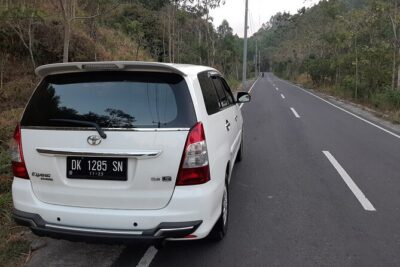
Transport is handled in an air-conditioned vehicle, and pickup is listed from several areas: Kuta, Mataram, Senggigi, Bangsal, Labuhan Lombok, Tetebatu, and Senaru, plus the airport. If you’re coming from within Lombok, this cuts the time-wasting parts of travel and lets you focus on the route the moment you arrive.
One small practical note: meeting point start time is shown as 7:00 am, but the actual trekking start is at 8:00 am after breakfast and registration. Plan to be on time at the meeting point so you can move calmly instead of rushing into the first climb.
You can also read our reviews of more tours and experiences in Lombok.


Registration, Posts, and the Slow Build to Crater Rim (8:00–Afternoon)
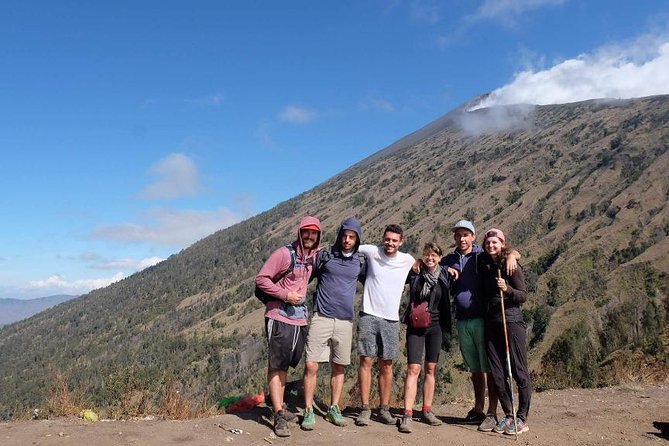
Day 1 has the kind of pacing that makes summit day possible. After breakfast, you register at the Rinjani information center, then start trekking from Sembalun at 8:00 am with a gentle climb through open meadow. That meadow phase is your chance to settle your breathing and warm up your legs.
The route is broken into clear altitude checkpoints:
- Post 1 at about 1,300 m
- Pos 2 at about 1,500 m (around 40 minutes after Post 1)
- Pos 3 at about 1,800 m, where you have lunch
This structure is more useful than it sounds. When you know you’ll stop at predictable points, you can keep your pace steady and save energy for the more serious climb later.
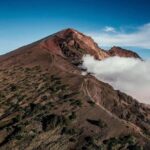
After lunch and rest, you continue up toward the crater rim at 2,639 m. You’re looking at around 3 hours including a prolonged steep climb. This is the day when you’ll really feel the elevation shift, but it’s also where the trek becomes worth it fast: the world starts to open up as the trail climbs away from the meadow.
Crater Rim Camping at 2,639 m: Views, Sleep, and Weather Reality
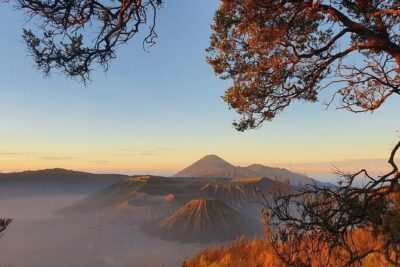
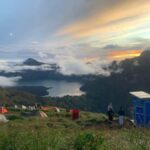
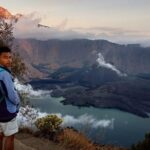
You’ll camp on the crater rim for the night. That means you’re not just passing through altitude; you’re stopping at the best vantage point for sunrise and sunset timing, depending on weather.
If you’re hoping for photos, this is the part to prioritize. Sunrise and sunset views from the rim are part of why people do Rinjani at all. The payoff is real, but do yourself a favor: don’t plan on comfort like a beach hotel. Mountain weather changes quickly, and the crater rim is exposed.
Sleep is also part of the deal. You’ll be waking up under darkness for the summit push, so your night rhythm matters. The good news is that the trek includes camping equipment such as a tent, sleeping bags, bed mats, a toilet tent, and even a pillow. That support helps a lot compared to trekking with guesswork gear.
One practical heads-up from a prior experience: someone flagged trash on the trail. You can’t control what’s already there, but you can control your behavior. Carry what you bring out, don’t add to the mess, and manage expectations for cleanliness in remote areas.
2:00 am Wake-Up and the Summit Push to 3,726 m
Day 2 is where the trek earns its reputation. You wake around 2:00 am with a hot drink and a light breakfast, then start hiking at 3:00 am. The early start is intentional: you want to be higher and moving while conditions are most manageable for sunrise.
The first section is described as moderate, followed by a fairly easy but longer trek. This is your mental staging area. You’ll still climb, but you’re not thrown into the steepest sections immediately.
Then comes the final approach: a climb up steep volcanic scree. Scree is loose volcanic material, and it can slide under your feet if you step flat-footed. Your best strategy is small steps, a steady cadence, and a firm focus on footing instead of speed.
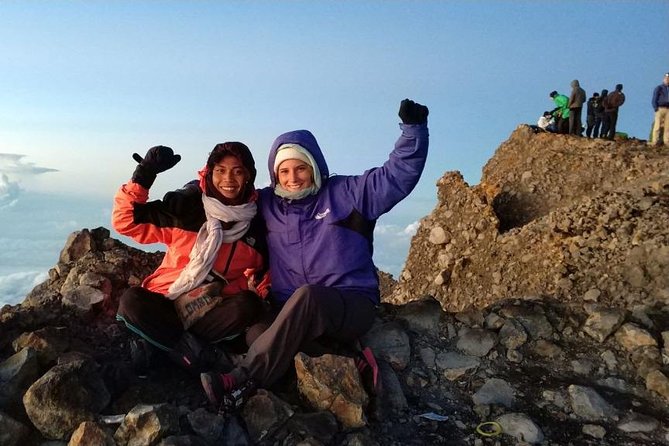
At 6:00 am, you reach the summit at 3,726 m. The moment is sunrise-focused, so it helps to be ready for cold and wind even if you warmed up on the approach. From the summit, you descend back into the crater rim within about 2 hours.
After that, the rest of the day is long and physical: you continue down toward Sembalun village for about 5 hours. This part can feel like the final boss even after a summit win, because your legs get tired and your knees notice the downhill.
Water, Meals, and Gear: What’s Included and What You Should Plan
For value and comfort, this trek does a lot right. Meals are included three times daily on the mountain, and there’s bottled/mineral water on day 1 plus mountain spring water on day 2 (as listed). That matters because hauling your own water up there would be extra load on summit day.
On top of meals, you get the key camping gear:
- Tent
- Sleeping bags
- Bed mats
- Toilet tent
- Pillow
Those items reduce your packing stress. You can show up with less uncertainty about whether your gear is warm enough or comfortable enough for night temperatures.
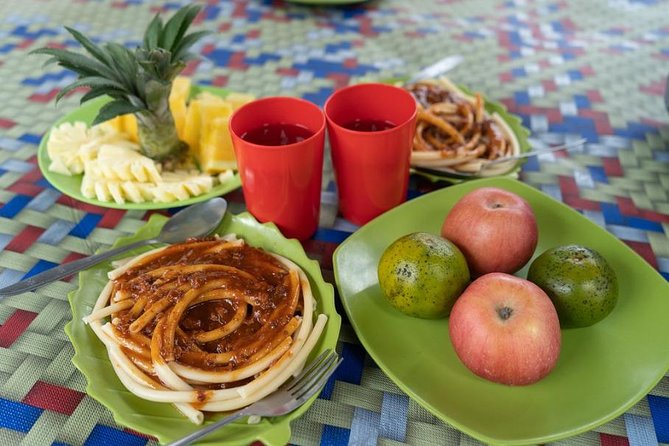
Food quality is also a highlight in past experiences. People specifically noted there was plenty of food and that the meals were very good. On summit day, the combination of hot drink plus light breakfast at 2:00 am is also smart. You need something in your system before you climb into the cold-dark stretch.
Bring your own “just in case” supplies too. One tip from a previous trek: don’t bring too many clothes to the peak, and pack basic medicine or an alternative snack plan if you don’t tolerate local food well. Even if the included meals are solid, your body might prefer a familiar backup when altitude and early mornings make everything feel louder.
Price and Value for $225: Guides, Porters, Fees, and Logistics
At $225 per person, this trek is priced in a range that can still feel reasonable once you look at what’s included. This option bundles a lot of the expensive or annoying parts of a summit attempt: licensed guide, local porters, equipment, meals, and park entry fees.
Here’s what you’re getting for the money:
- Licensed mountain guide and local porter team
- Camping equipment: tent, sleeping bags, bed mats, toilet tent, pillow
- All meals (3 times daily) on the mountain
- Mineral water day 1 and mountain spring water day 2
- National Park Gunung Rinjani entrance fee (listed as 150,000 IDR per day per person)
- Air-conditioned vehicle and pickup from multiple locations
- Hotel one night before the trek in Sembalun
- Mobile ticket
What’s not included is also clearly stated: personal expenses and tipping for guide and porter. Tipping is worth budgeting for if you want a smooth, respectful experience. It’s also common sense on a mountain where local crews do real work carrying gear and supporting your safety.
Group size stays small (max 8 travelers, as listed). In this kind of hike, that’s part of the value. Small groups tend to move more cleanly at altitude, and your guide can adjust pacing and check-ins without losing time waiting around.
Who This Trek Suits (and Who Should Think Twice)
This trek is for people with strong physical fitness. That’s not a marketing line; it’s practical reality. You’re hiking from Sembalun up through multiple posts, then reaching the crater rim, then returning for a summit push at night with steep scree.
If you like structured pacing, you’ll enjoy the checkpoint rhythm and the early start schedule. If you’re the kind of person who needs flexibility, you should still be okay, but know that weather and conditions can shape the day.
It also helps if you’re comfortable with cold mornings and long downhill walking. Even after a sunrise summit, you still have about 5 hours descending back to Sembalun village.
One more practical note: language can vary. In a past experience, the guide had some English learning progress, which created a bit of a language barrier for explaining timing and distance. That doesn’t mean you won’t be fine, but it does mean you should keep expectations realistic and focus on what’s going to matter most—meeting times, pacing cues, and safety directions.
Should You Book This Rinjani Summit Trek with Em Adventure?
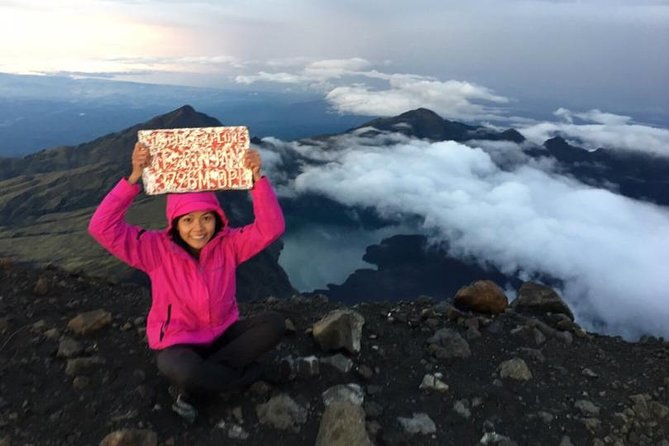
I’d book it if you want a well-supported, small-group summit attempt where the essentials are handled. Em Adventure’s setup—pickup, hotel night in Sembalun, camping gear, meals, and experienced guide + porters—removes the biggest sources of stress on a high-altitude hike. The crater rim camp plus the early summit schedule is exactly the formula that leads to that sunrise moment.
I’d think twice if you hate early mornings, struggle with steep uphill/downhill, or need a very flexible day-to-day plan. Also be ready for conditions that can include wind, cold, and limited trail cleanliness.
If you go, pack smart: keep clothing light for the summit effort, bring basic medicine, and have a backup snack idea. Do that, and you’ll maximize your odds of enjoying the experience instead of fighting it.
FAQ
How long is the Rinjani summit trek?
The trek runs for about 2 days.
What time does the trekking start?
The trekking starts at 8:00 am after breakfast and registration, even though the meeting point start time is listed as 7:00 am.
Do you provide pickup and a hotel night?
Yes. You get pickup included and a hotel one night before the trek in Sembalun.
Is camping gear and food included?
Yes. Camping equipment (including tents, sleeping bags, bed mats, a toilet tent, and a pillow) and all meals on the mountain are included.
Is the entrance fee to Gunung Rinjani included?
Yes. The Gunung Rinjani national park entrance fee is included (150,000 IDR per day per person).
What fitness level do I need?
You should have a strong physical fitness level.