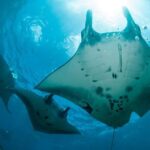
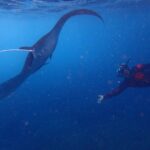
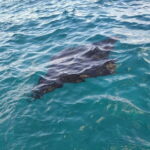
Two ocean sessions, zero prior skill. This beginner scuba course in Nusa Lembongan and Nusa Penida is built around a pool warm-up, then two guided open-water sessions with tight supervision. I love the small-group attention (max 8 people) and the fact that kit plus boat food and drinks are handled for you. One consideration: if you’re nervous or slow to feel confident underwater, you’ll want to communicate that early so the instructor can set a calmer pace.
The area is a big reason to go: manta rays are possible year-round (not guaranteed), and mola molas have their best shot in the July–October window. Add a company that lists a 100-percent safety record, and you get a day that’s practical, structured, and geared toward first-timers—not “tough it out” adventures.
In This Review
- Key highlights at a glance
- First-time scuba in Lembongan and Penida: why this area works
- The safety and small-group setup you’ll appreciate
- Your day on the schedule: pool skills, then two guided ocean sessions
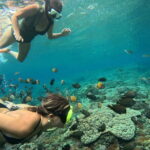
- What you’ll see: mantas, mola molas season, and reef variety
- Neutral buoyancy and beginner breathing: the skills that make the experience click
- Equipment and comfort details that matter more than you think
- Price and value: what $125 really buys
- Weather, small print, and the reality of animal sightings
- Who should book this (and who might want a different plan)
- Should you book this experience?
- FAQ
- What is the duration of the experience?
- Is prior scuba experience required?
- What’s included in the price?
- How many ocean sessions are included?
- What time does the day start and when do you return?
- What happens if weather isn’t good?
Key highlights at a glance
- Small-group control (up to 8 people) for closer coaching and easier learning
- Pool session first, so you practice breathing and basic skills before going outside
- Two guided ocean sessions with an instructor close by the whole time
- Food and hydration on the boat: lunch box, water, and hot drinks during the break
- Top reef areas around the islands like Manta Bay, Crystal Bay, Gamat Bay, Toya Pakeh, and Sental
First-time scuba in Lembongan and Penida: why this area works
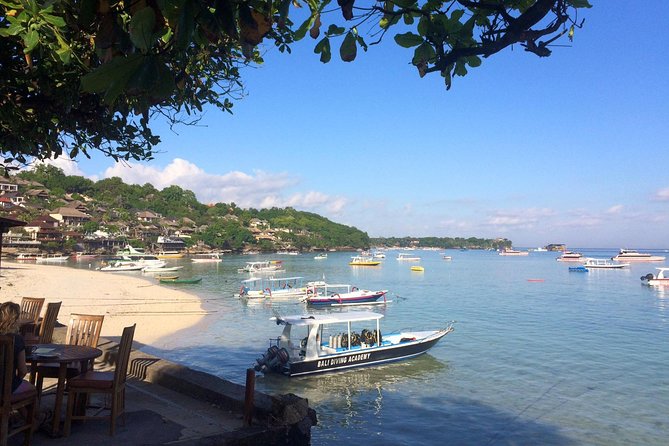
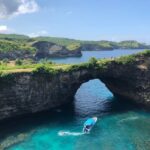
Nusa Lembongan and Nusa Penida sit off Bali’s southeast coast, and the water is famous for good visibility and healthy coral. For beginners, that matters because the goal isn’t to “perform.” It’s to get comfortable with breathing underwater, learn basic control, and enjoy what you came for.
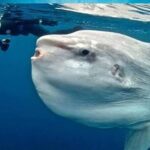
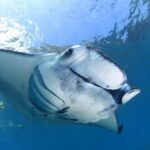
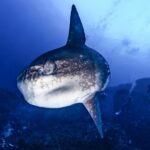
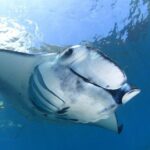
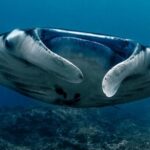
The marine cast is the headline. Manta rays can show up during many months, but sightings depend on the specific reef spot and the day’s conditions. If you’re aiming for mola molas, remember the timing: July to October is when people have the best chance.
Just knowing that your training happens in this kind of setting changes the whole mood. You’re not stuck practicing in boring water. You’re learning the basics in a place where the payoff can be huge.
You can also read our reviews of more tours and experiences in Nusa Lembongan.

The safety and small-group setup you’ll appreciate
This experience is positioned for beginners who don’t need prior skill, and the structure supports that. The company emphasizes a 100-percent safety record, and the format is built to keep you supervised and supported rather than left to figure things out.
The group size cap—maximum 8 people—is a quiet quality upgrade. With fewer people, the instructor can watch your body position, buoyancy, and breathing rhythm without constantly moving between the whole crowd. That’s exactly what you want when you’re new to controlling your movement underwater.
You also don’t have to bring gear. The kit is provided, and that saves you from the two common beginner headaches: buying the wrong thing and showing up stressed. You get paperwork and gear at the start, then you get training and coaching when it counts.
Your day on the schedule: pool skills, then two guided ocean sessions
The timing is straightforward, and it’s paced for learning.
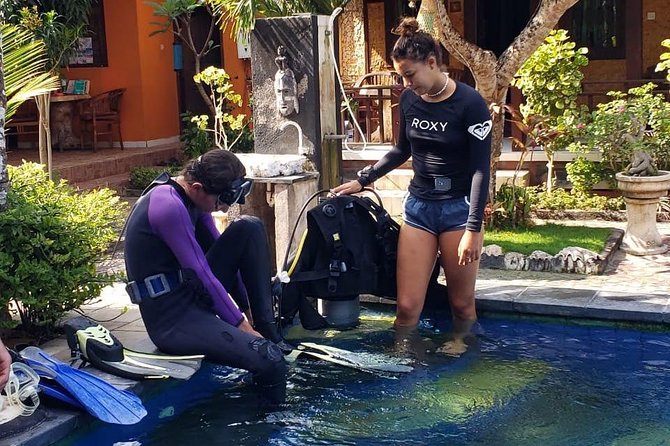
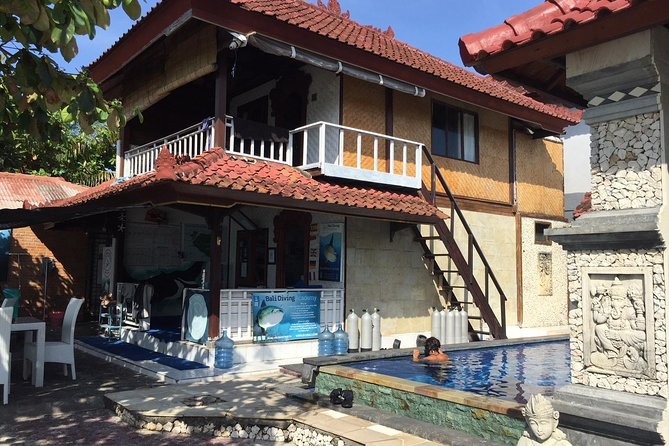
You meet at 8:00 am at the scuba school in Jungut Batu (Lembongan). The morning starts with paperwork and getting your equipment sorted, then you move straight into the pool session. That pool part is where you build muscle memory safely—learning to breathe underwater, practicing basic skills, and getting your head around what your body is doing when your breathing is controlled.
At 10:00 am, you head for your first open-water session. You’ll stay guided with an experienced instructor close at hand, which is the key difference between “first time” and “first time with actual support.”
Then comes the one-hour surface interval. This is not wasted time. You’ll have tea and coffee, and you’ll also get a choice from a lunch box. It’s a smart break because it helps you reset before the second session—especially if you found your nerves were using up your energy.
After that, you do your second guided ocean session. When you’re done, you return to the shop around 3:00 to 3:30 pm.
If you like a plan that doesn’t drag, this one fits. It’s about 8 hours total, and you’re not stuck for the whole day waiting for ideal conditions with no structure.
What you’ll see: mantas, mola molas season, and reef variety
Let’s talk about sightings without promising the impossible.
Around Nusa Lembongan and Nusa Penida, manta rays are possible all year, but they’re never guaranteed. If your day lines up with the right currents and conditions, you might get that classic moment where a manta glides close and you forget you were ever anxious.
For mola molas, your best bet is the July–October season. That doesn’t mean you’ll see them every time in those months, but it’s the window with the highest odds. Even when the big fish don’t show, the reefs can still be colorful and full of life.
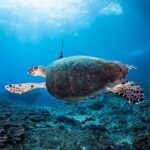
The experience mentions a set of well-known reef areas around the islands, including Manta Bay, Crystal Bay, Gamat Bay, Toya Pakeh, and Sental, with a total of 12 reef spots in the mix. In practice, this matters because your itinerary can match conditions. If one area is less cooperative that day, you may still end up somewhere with strong visibility and healthy coral.
This is also where the “responsible” approach shows up. One of the strongest themes from the feedback is that instructors focus on not causing harm to coral and marine life. That’s not just moral points—it helps you enjoy your session because you’re not thrashing around or kicking the reef.
Neutral buoyancy and beginner breathing: the skills that make the experience click
For first-timers, the biggest challenge isn’t fear—it’s coordination. You have to learn how to breathe calmly and how to control your body in the water column. The program is designed to help you do exactly that.
They start you with a pool session to teach you the basics before you’re surrounded by open water. That means you arrive at the first open-water moment with at least some idea of how breathing feels and how buoyancy changes as you exhale.
You’ll also hear the concept of neutral buoyancy, which basically means you stop “floating up” or “dropping down” constantly. When you get even a little control, everything improves: you move slower, you kick less, and you can actually look around instead of staring at your own breathing.
Even if you never become a perfect buoyancy machine, you’ll usually leave with a working sense of how to stay calm. And calm is what turns the whole day from stressful to fun.

Equipment and comfort details that matter more than you think
It’s easy to focus on what marine life might show up. But as a beginner, comfort is what makes the experience enjoyable.
Here’s what you get that reduces stress:
- Scuba gear provided, so you don’t wrestle with fit and setup
- Boat support with water plus hot drinks
- Lunch included via a local lunch box during the surface interval
- No packing pressure, which is a real win on a trip with scooters, bags, and heat
That snack-and-sip timing is practical. After your first open-water session, you’ll likely feel hungry, cold-shy, or both. Tea/coffee and water help you come back to the second session ready to learn instead of ready to complain.
The experience also notes a moderate physical fitness level. That usually means you should be able to handle getting in and out of the water, following basic instructions, and being comfortable on a boat for several hours. If you’ve got mobility issues, it’s worth checking with the operator before you book.
Price and value: what $125 really buys
At $125 per person, this is not cheap in absolute terms—but it’s strong value if you compare what’s included and what’s targeted.
You’re paying for several things at once:
- Pool training (so you’re not thrown straight into open water)
- Two guided ocean sessions with instruction close by
- Gear provided
- Lunch box plus water and hot drinks
- Small group size (max 8 people), which is often where first-timer experiences can win or lose quality
In other words, the cost isn’t just “time in the water.” You’re paying for coaching, equipment, and the support that helps beginners feel safe and improve.
Booking usually happens about 20 days in advance on average, which suggests it’s popular. If you’re going in a busy month or you’re traveling with a tight schedule, it’s smart to lock it in earlier so you don’t end up with a “maybe” date.
One more value note: you’re getting a structured introduction that can set you up for a future scuba certification path. Even if you’re only doing this as a one-day taste, the learning foundation can make later trips easier.
Weather, small print, and the reality of animal sightings
This experience requires good weather, so conditions can affect timing and whether the day runs. If the activity gets canceled due to poor weather, you’ll be offered another date or a full refund, which is the right kind of safety net.
That weather factor also connects to marine life. Clear water helps, but currents and daily conditions decide what you’ll actually see. Manta rays are possible year-round, mola molas are best July–October, and coral health varies by site.
If you go in with the right expectations—learn first, animals as a bonus—you’ll enjoy the day more. The best mindset for first-timers is curiosity with flexibility.
Who should book this (and who might want a different plan)
This course is a great fit if you:
- are absolute beginner and want a pool start
- want a close-support setup with a group capped at 8
- value instruction style and a responsible approach to coral and marine life
- don’t want to deal with gear logistics
You might want to adjust your expectations if:
- you’re very anxious about being underwater. One concern that comes up is that beginner confidence can affect comfort, and you’ll do best if you communicate your pace early.
- you prefer ultra-slow learning. The schedule is structured, so the day moves along once you’re ready to progress.
Should you book this experience?
Book it if you want a well-structured beginner scuba day in a part of Indonesia known for manta rays and, in season, mola molas. The best part is the balance: you get two open-water sessions, but you also get the pool training that helps you breathe and control yourself before you’re out there.
Skip or at least ask more questions first if you know you get overwhelmed quickly underwater. In that case, message the operator ahead of time about your comfort level so they can set expectations for how the coaching will feel. If you’re okay with learning in a guided, step-by-step way, this is a solid way to spend your day on Nusa Lembongan and Nusa Penida.
FAQ
What is the duration of the experience?
It runs about 8 hours.
Is prior scuba experience required?
No. It’s designed for beginners, starting with a pool session for basic skills.
What’s included in the price?
You get scuba kit/gear, instruction, a local lunch box on the boat, and drinks (water plus hot drinks, and tea/coffee during the surface interval).
How many ocean sessions are included?
You’ll do two guided ocean sessions after the pool practice.
What time does the day start and when do you return?
You meet at 8:00 am and return to the shop around 3:00–3:30 pm.
What happens if weather isn’t good?
The experience requires good weather. If it’s canceled due to poor weather, you’ll be offered a different date or a full refund.