Rice terraces start the day gently. This Ubud walking tour adds a real morning blessing at a traditional griya family compound, then turns into a guided trek through Bali’s working rice countryside. I love how the walk connects daily farming to Balinese beliefs and water use, especially the explanation of the subak irrigation system.
The walk can include temple stops, jungle paths, and possibly waterfall scenery, so it’s not a flat stroll. My one main consideration: the terrain can be uneven and slippery in places, so good grip shoes really matter.
In This Review
- Key moments to look for
- Why This 3-Hour Ubud Walk Feels Like Rural Bali, Not a Photo Sprint
- The Ceremony Start: A Brahman-Led Blessing at a Traditional Griya
- Temples, Family Compounds, and Craft Stops You Can Actually Learn From
- Rice Terraces and Subak Water: Seeing How the Fields Stay Alive
- Jungle Paths and Waterfall Possibilities (Plan for Slippery Ground)
- Coffee Plantation Tasting: Herbal Teas, Local Coffees, and Worthwhile Notes
- Lunch at a Local Home: Indonesian Food With a View of the Real Ubud
- Price and Logistics: What $30 Really Buys You (and What It Doesn’t)
- Who Should Book This Ubud Tour (and Who Might Want a Different Option)
- Small Practical Tips to Make This Morning Go Smooth
- Should You Book This Ubud 3-Hour Walking Tour?
- FAQ
- How long is the Ubud walking tour?
- Is hotel pickup included?
- What if I’m staying outside Ubud?
- What food is included?
- Is the tour guide available in English?
- What should I bring?
- Is free cancellation available?
Key moments to look for
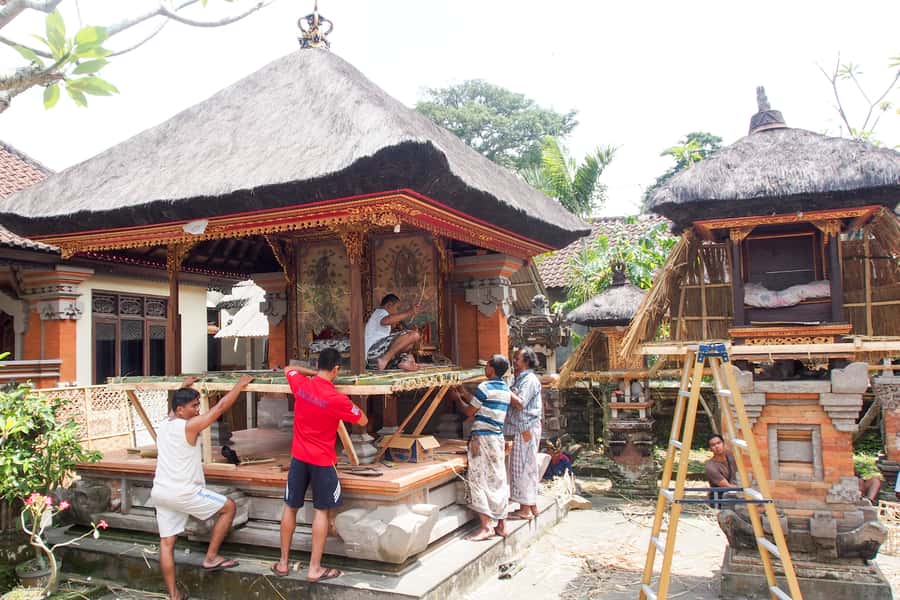
- Morning blessing at a griya compound with a Brahman priest and a traditional ceremony
- Rice terrace walking with subak context, including how the irrigation system supports farming
- Temples and family compounds that show how religion and daily life fit together in one place
- Coffee plantation tasting with local herbal teas and coffee samples
- Lunch at a local home overlooking fields and temples, served as a true Indonesian meal
Why This 3-Hour Ubud Walk Feels Like Rural Bali, Not a Photo Sprint
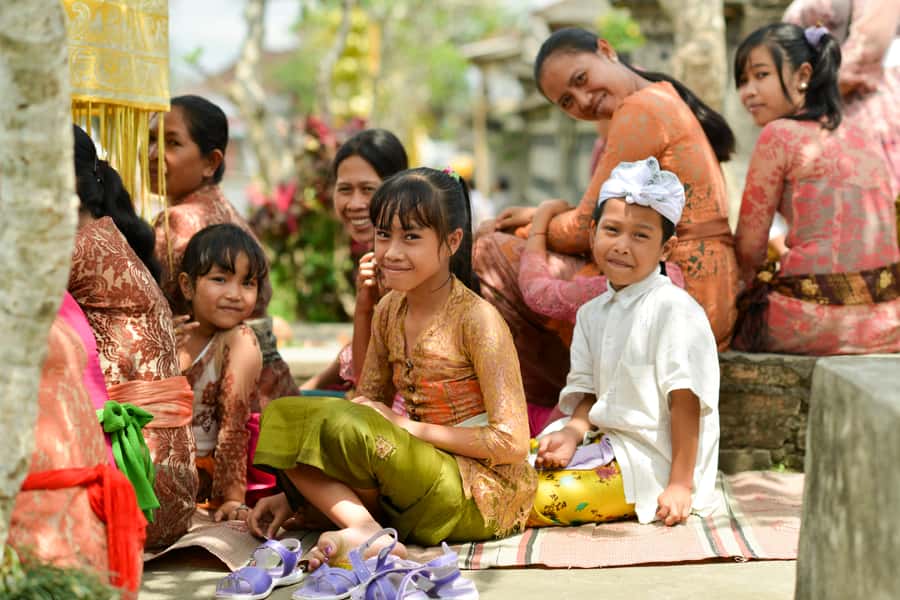
Ubud is famous for its comfort-food cafes and framed Instagram views. This tour takes a different route. In about three hours, you’re out on foot moving through villages, rice fields, and green paths—close enough to see how people actually work the land, and structured enough that you’re not guessing what you’re looking at.
What makes the timing work is that it’s long enough to notice details (how fields are laid out, how water moves, how temples sit inside family life) but short enough that you’re not stuck all morning sweating through a mega itinerary. You’ll get picked up in Ubud and returned to your hotel, so the day stays simple.
The guide is the big difference. You’re not just walking from point A to point B. You’re getting explanations as you go: Bali rural life, what a subak irrigation system is, and how rice growing follows time-honored rhythms.
And yes, the tour earns its lunch stop. Ending with a meal at a local home turns the walk into something more than sightseeing—it becomes a full morning of context, scenery, and hospitality.
You can also read our reviews of more tours and experiences in Bali.


The Ceremony Start: A Brahman-Led Blessing at a Traditional Griya
The day begins with a special arrangement: a blessing during an authentic morning ceremony at a traditional griya family compound. A Brahman priest conducts the ceremony, so the atmosphere is spiritual in a practical way—not stagey.
Why this matters for your experience: Bali’s temples aren’t separate from life. They’re part of how families care for wellbeing, community, and gratitude. When you see that connection early, the rest of the walk makes more sense. Temple visits later feel less like checklist items and more like places you understand.
This start also sets the tone for how you’ll move through the rest of the morning. Expect a respectful, quieter feel at the compound compared with a casual viewpoint stop. If you like asking questions, this is also where you’ll get the clearest cultural grounding.
Temples, Family Compounds, and Craft Stops You Can Actually Learn From
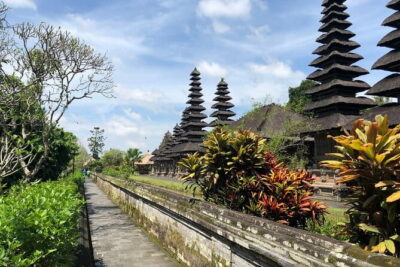
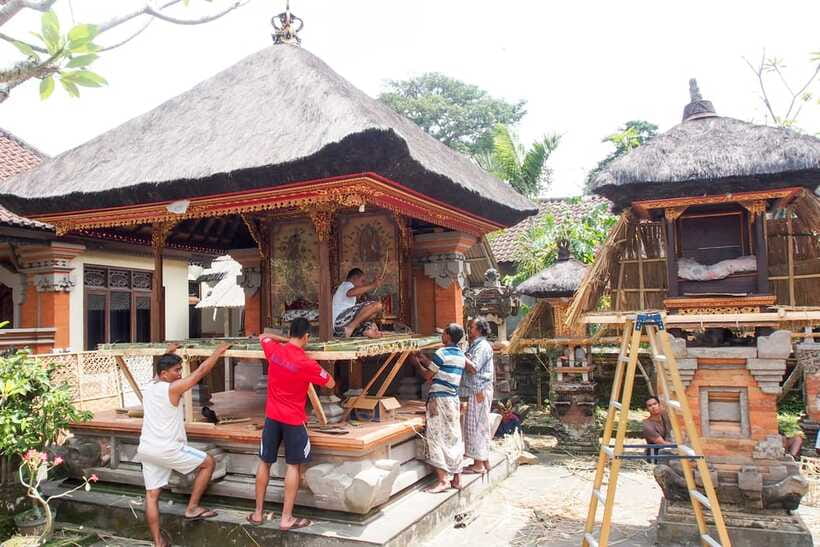
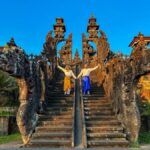
After the ceremony, you begin walking with your expert English-speaking guide. Along the way, you’ll stop at a local temple and likely other family compounds typical of the region. These “compounds” aren’t random backyards—they’re how Balinese families organize daily living alongside religious practice.
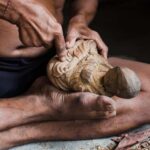
You’ll also visit a craftsman’s workshop. This is one of those small inclusions that tends to be more valuable than it sounds. It helps you understand how hands-on work and tradition keep moving in modern Bali. Instead of only seeing finished products in markets, you see the kind of work that makes them possible.
A practical note: temple and compound visits can involve standing, walking slowly, and waiting as people finish what they’re doing. If you’re the type who hates delays, treat it as part of the point. The value here is the rhythm—this is how rural mornings actually unfold.
Rice Terraces and Subak Water: Seeing How the Fields Stay Alive
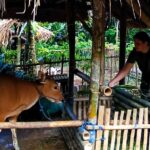
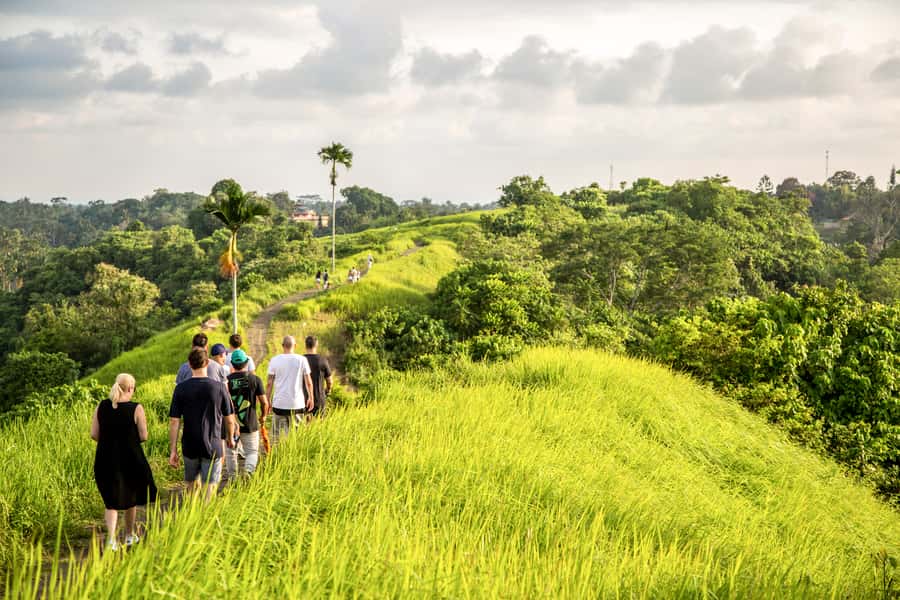
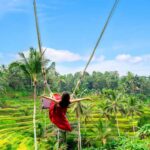
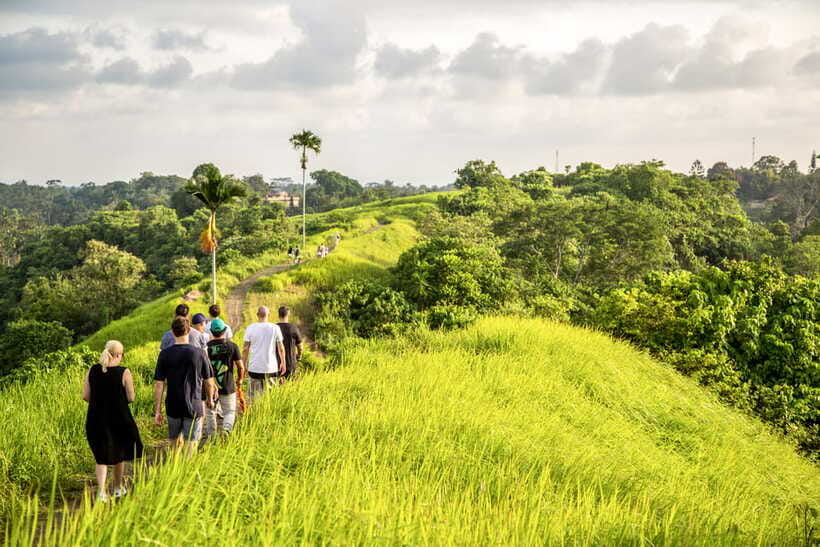
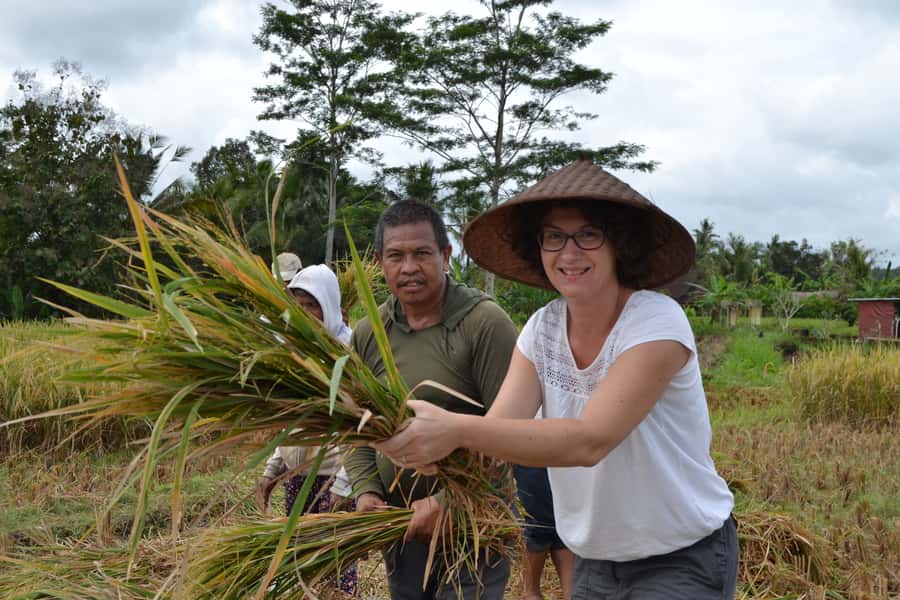
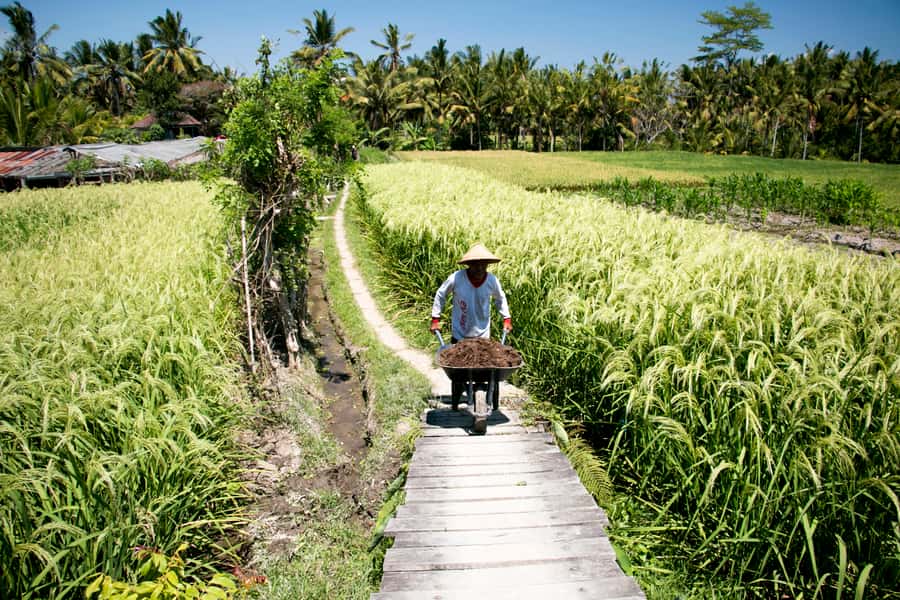
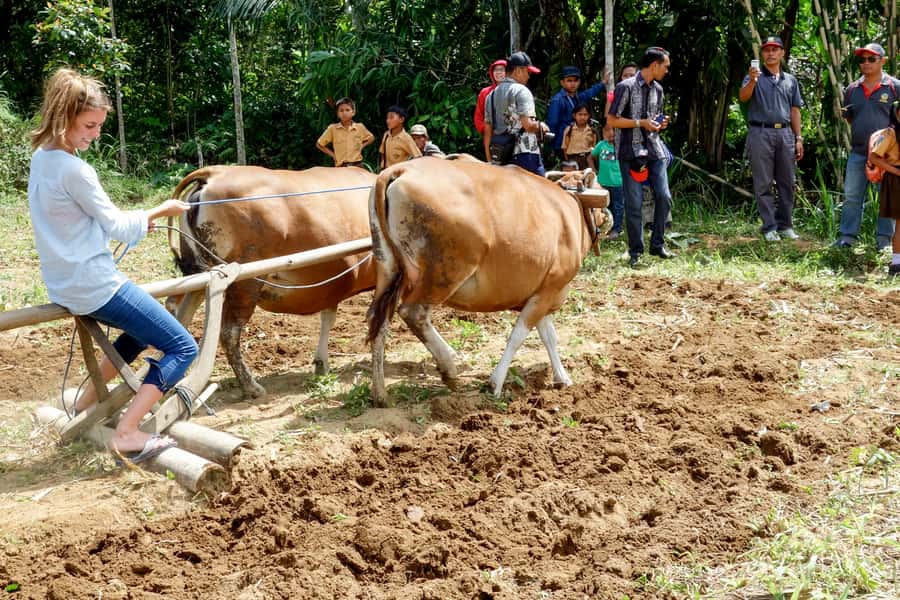
The core of this tour is the rice terrace walking. You’ll move through paddy fields and observe daily life as locals work in the paddies. If you’re lucky, you might spot cattle trudging through mud pulling a primitive plow—exactly the sort of detail that makes these places feel real rather than staged.
What I like about this part is that the guide explains what you’re seeing. You’ll learn about the subak irrigation system and how rice cultivation follows time-honored methods. Even if you’ve seen rice terraces before, this explanation changes the way you interpret them. The terraces aren’t only “pretty steps down a hill.” They’re a functioning water-and-farming system.
Look for the small cues as you walk:
- How fields are partitioned and managed over time
- Where water channels connect and how irrigation supports growth
- How farming activities change across the season (even in a short tour)
This is also where walking helps. In a car, you’d miss the texture: muddy edges, working footpaths, and the way fields sit alongside family spaces. On foot, you get a closer, slower look.
Jungle Paths and Waterfall Possibilities (Plan for Slippery Ground)
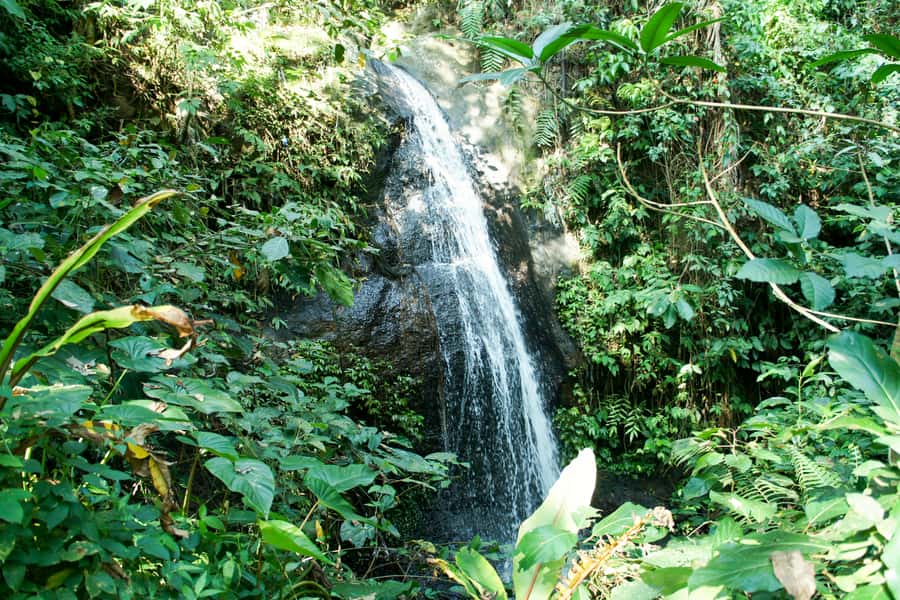
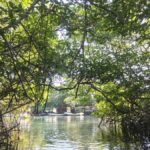
This tour isn’t just rice fields. You may also visit a waterfall or waterfalls, with a walk through jungle paths along the way.
That’s a great change of scenery, but here’s the consideration: these are nature paths. Even if they’re not described as extreme, they can be slippery and uneven. Bring shoes with good grip and take your time on steps and muddy stretches.
If you hate mosquitoes, also don’t rely only on sprays you already used in town. The instructions specifically ask you to bring mosquito repellent, and in humid greenery it matters.
Cameras are useful here, but don’t let gear slow you down on footing. If something feels sketchy, focus on balance first and shoot second.


Coffee Plantation Tasting: Herbal Teas, Local Coffees, and Worthwhile Notes
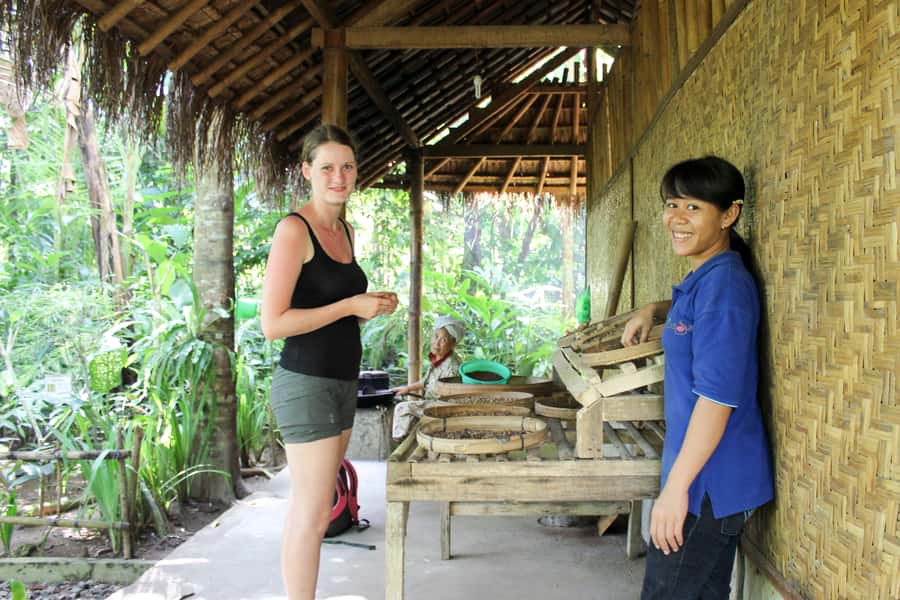
After the walk, the tour heads to a coffee plantation for tastings. You’ll sample different local herbal teas and coffees, guided by the plantation team and your tour guide.
This stop works well because it matches what you saw in the countryside. You don’t just leave the fields and jump into a tourist shop experience. Instead, you connect rural agriculture to what ends up in cups back in town.
You can think of this as two parts:
- A chance to taste locally made drinks, not just a generic coffee flight
- A way to learn what’s grown and how local flavors reflect the island
A small practical thing: the experience includes tasting, and there may be opportunities to purchase additional items on-site, but your main win is the samples and context.
Lunch at a Local Home: Indonesian Food With a View of the Real Ubud
The tour finishes with lunch at the home of a local—overlooking fields and temples. That location matters. You’re not eating in a restaurant that’s designed for visitors. You’re eating in the setting you’ve been walking toward all morning.
Lunch is described as Indonesian, and in real examples from the experience, you may see dishes like nasi goreng paired with fresh fruit. The meal is included, so you don’t have to make a last-minute decision under time pressure.
The best part about this lunch setup isn’t only the food. It’s the change in pace. Walking builds appetite, and then you sit down, look out at the same kind of scenery you were just exploring, and get a finish that feels like hospitality rather than a transaction.
Price and Logistics: What $30 Really Buys You (and What It Doesn’t)
At $30 per person for a 3-hour guided walk with lunch, this is solid value in Ubud terms—especially because it includes more than just a guide.
What’s included:
- Hotel pickup and drop-off from Ubud
- Cold water and a cold face towel
- Snack
- Lunch
- English live tour guide
This is a good deal if you’d otherwise spend time and money arranging transportation plus a separate meal plan.
What’s not included:
- Pickup/drop-off for areas outside Ubud. If you’re staying in Sanur, Kuta, or Nusa Dua, extra fees apply (the tour lists IDR 300,000 / 400,000 / 500,000 respectively).
Timing matters too:
- Pickup from Ubud is between 08:00–08:30
- The tour also lists earlier pickup windows for other areas
If you’re starting the day early anyway, this fits nicely.
Also, you’ll want to bring cash as the tour requests. That usually means having money available for on-the-spot items (like coffee-related purchases) if you choose.
Who Should Book This Ubud Tour (and Who Might Want a Different Option)
This experience is a great match if:
- You want a first-day Ubud overview that focuses on rural life, not only temples in town
- You enjoy walking and don’t mind uneven paths for a few hours
- You care about context—like learning about subak irrigation and how rice growing works
- You like coffee and herbal tea tasting and want it tied to agriculture, not just a stop on a map
You might want to consider another option if:
- You have mobility limits that make steps and muddy paths tough
- You’re expecting a fully flat, easy stroll (this can include jungle sections and waterfall areas)
- You don’t want any temple or ceremony stops in your morning
If you’re traveling solo, there’s a chance you could be paired with the group or end up effectively on a more personal arrangement, since the experience has handled solo bookings before. The overall duration stays about three hours either way.
Small Practical Tips to Make This Morning Go Smooth
This tour asks you to bring the right gear, and it’s for good reason. Do yourself a favor and pack:
- Proper walking shoes (grip matters)
- Hat and sunblock
- Mosquito repellent
- Camera
- Cash
Even though cold water and a cold face towel are included, you’ll still sweat. Bring a hat and treat sun protection as non-negotiable.
Also, if you’re sensitive to heat, plan to move at a steady pace and let the guide set the rhythm. You’re walking through working countryside, not a theme park path.
Should You Book This Ubud 3-Hour Walking Tour?
I’d book it if you want Bali’s rural side in a short, well-structured morning: a griya blessing ceremony, temple and family-compound context, rice terraces with subak explanation, and then coffee/tea tasting plus an included Indonesian lunch.
Skip it (or pick a different style of tour) if you want only major landmarks, prefer all-paved walking, or dislike nature stops. Also remember: the lunch is included, but like any home-style meal experience, it can vary in how it hits your personal taste.
If you’re flexible, this tour is one of those “you’ll remember the details” mornings—because you’re walking through the parts of Bali that are still lived in, not just photographed.
FAQ
How long is the Ubud walking tour?
It lasts about 3 hours.
Is hotel pickup included?
Yes. Pickup and drop-off are included from hotels in Ubud.
What if I’m staying outside Ubud?
The tour lists extra transfer fees for Sanur, Kuta, and Nusa Dua. Guests staying outside Ubud can also arrange special transfers with additional planning.
What food is included?
Lunch is included at the home of a local. The experience also includes a snack, and cold water is provided during the tour.
Is the tour guide available in English?
Yes. The live tour guide speaks English.
What should I bring?
Bring proper walking shoes, a hat, sunblock, mosquito repellent, a camera, and cash.
Is free cancellation available?
Yes. You can cancel up to 24 hours in advance for a full refund.