Monkey see, temple learn, then waterfall swim.
This Ubud day feels like a quick tour of Bali’s everyday rhythm: animal temple life, working rice-country views, and sacred sites that predate your camera roll. I like that it runs on a private schedule with pickup and an air-conditioned car, so the day stays easy even when roads slow down.
Two things I especially like: first, the route covers four different “Bali moods” in one go—forest devotion, hillside farming, an old cave-temple, and a big waterfall stop. Second, the timing is built for breathing room: around an hour at the forest, about 1.5 hours at the rice terraces, another hour at Elephant Cave, then a longer waterfall window where you can choose to swim.
One drawback to plan for: entrance tickets and lunch are not included, so your total cost will rise. Also, you’ll want moderate fitness; trekking options and waterfall walking can be more than a flat stroll, and the experience depends on decent weather.
In This Review
- Key highlights you’ll actually feel during the day
- The 8:00 a.m. start: why timing matters in Ubud
- Sacred Monkey Forest Sanctuary: see the temple-forest energy up close
- Tegalalang Rice Terrace: more than a view stop
- Elephant Cave: an 11th-century cave-temple pause
- Tegenungan Waterfall: your swim option (and how to plan for it)
- Price and value: what $47 really buys, and what you’ll add
- A guide who keeps the day flowing: Kadek and Made as a clue
- Fitness, clothing, and comfort: the small things that change your day
- Who should book this day (and who might want something else)
- Should you book Ubud iconic waterfall and temple tours?
- FAQ
- What time does the tour start?
- How long is the tour?
- Is pickup included?
- Is this tour private?
- Are entrance tickets included in the price?
- Is lunch included?
- What fitness level do I need?
- What if the weather is bad?
- Can I cancel for free?
Key highlights you’ll actually feel during the day
- Private air-conditioned transport with pickup helps a lot in Ubud traffic
- Four iconic stops that cover animals, rice farming, heritage temple sites, and water
- Tegalalang includes activities options like trekking and a swing, plus tea/coffee tasting time
- Elephant Cave is an old heritage site with a historical temple in the cave area
- Tegenungan offers a swim choice if water conditions and your comfort line up
- Guide flexibility shows up in feedback, including help planning extra trips like Batur or boats
The 8:00 a.m. start: why timing matters in Ubud
Starting at 8:00 am is a smart move. Ubud roads can get slow, and when that happens, the day can feel like you’re just traveling. With this plan, you’ll hit the early stops first, when sights are usually calmer and the heat hasn’t fully climbed yet.
You’ll be traveling by private car, and that matters because the day includes a mix of walking types: paved temple areas, steps around cave and water sites, and the uneven ground that often shows up around rice terraces. The air-conditioned ride gives you a reset between stops, plus bottled water is included (two bottles).
If you like a day that’s scheduled but not rigid, this format works well. You’re not dealing with a large group pace, and you can usually adjust your tempo based on how you feel that morning.
You can also read our reviews of more tours and experiences in Ubud.


Sacred Monkey Forest Sanctuary: see the temple-forest energy up close
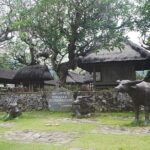
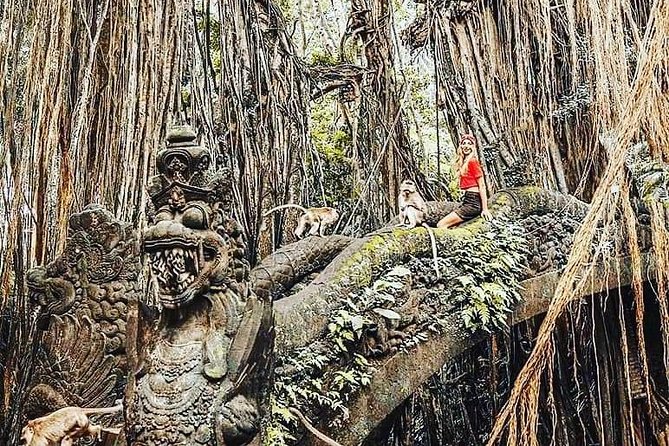
Sacred Monkey Forest Sanctuary is the kind of place that makes you look up immediately. You’re surrounded by trees, paths, and the monkey presence that gives this area its reputation. This stop runs about 1 hour, which is just enough time to take in the setting, walk the main areas, and keep your eyes open without rushing.
A few practical thoughts before you go:
- Bring your awareness with you. If you carry snacks or wear things that look interesting to monkeys, keep items secure.
- Expect some uneven walking and crowds around the most photographed sections.
- If you’re not a fan of close animal encounters, keep your pace steady and don’t stop suddenly in monkey-heavy zones.
The main value here isn’t only photos. It’s the blend of nature and sacred space: the forest feels alive, and the temple vibe is part of why the place is iconic. Even with a shorter visit window, you get the emotional “Bali moment” this area is known for.
Tegalalang Rice Terrace: more than a view stop
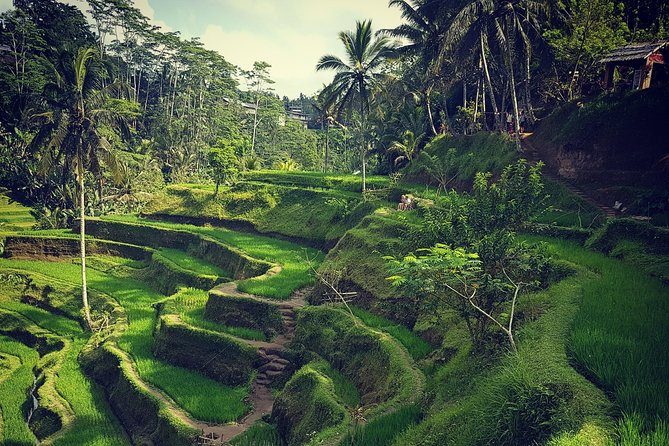
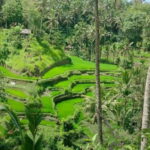
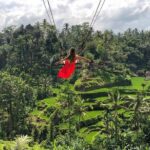
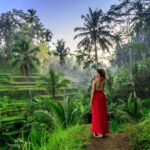
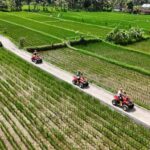
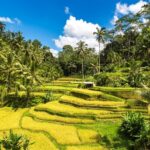
Tegalalang Rice Terrace is where the day shifts from animal temple energy to working countryside. You’ll spend about 1 hour 30 minutes here, which is a good amount of time for photos, easy walking, and whatever activity level you choose.
What makes this stop practical is that it’s not only a viewpoint. The plan includes options like:
- trekking chances in the terrace area,
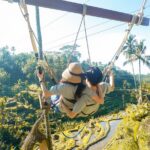
- swing time if you want the classic shot from above,
- and tea and coffee tasting as part of the experience.
Here’s how to think about it so you can get value from the time:
- If you want better photos, you’ll likely want to spend a little extra time scanning angles and finding the best vantage point before doing any swing or short trek.
- If you’re doing trekking, wear footwear that works on uneven paths and slippery patches after dampness.
- If you do the swing, treat it like an activity with a small waiting rhythm—don’t let it steal your whole photo window.
Even if you skip the swing, the terraces themselves do the job. They help you understand why rice-country is central to Bali’s identity: the scenery is beautiful, but it’s also functional, tied to how people live and farm.
Elephant Cave: an 11th-century cave-temple pause
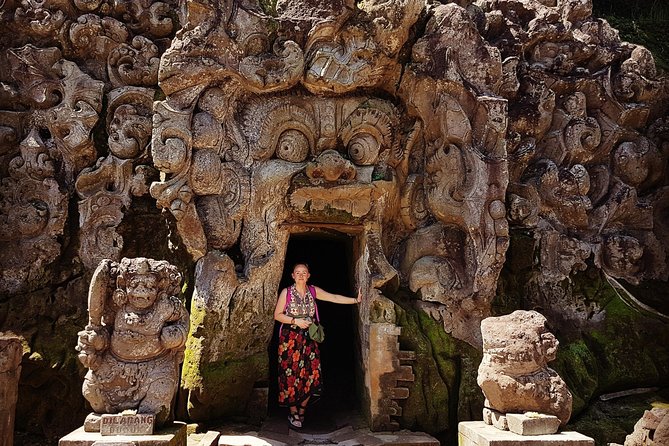
Then you move into heritage mode. Elephant Cave is a historic cave site with a temple area connected to it, and the tour describes it as an eleventh-century heritage setting.
You’ll have about 1 hour here. That length is enough for a focused visit: you can take in the cave-temple atmosphere, walk through the main areas, and get a feel for why this place has lasted as a sacred site.
Cave and temple areas usually mean:
- some steps and uneven flooring,
- dimmer indoor sections (bring a calm pace),
- and the need to watch your footing rather than sprint for the best view.
If you enjoy places where you can feel the age, this stop is worth the time. It gives context to Bali beyond the modern tourist highlights by showing how older sacred spaces still shape daily life.
Tegenungan Waterfall: your swim option (and how to plan for it)
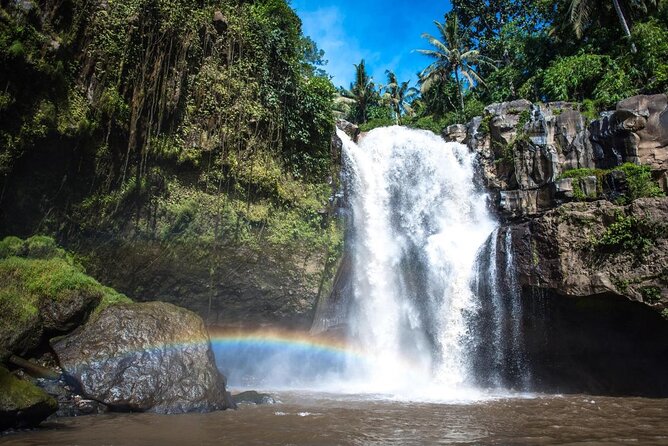
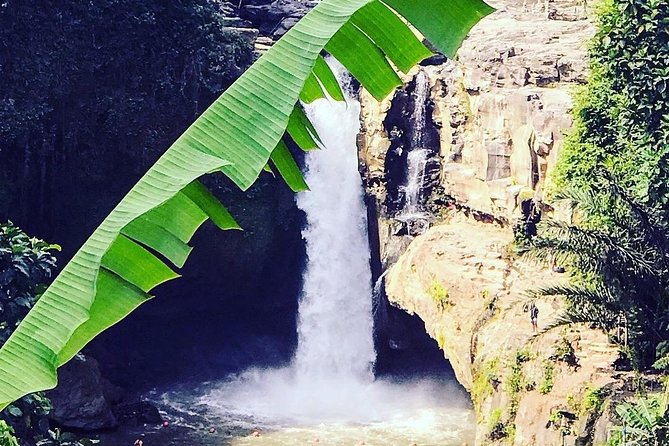
Tegenungan Waterfall is the day’s big outdoors finale. You’ll get about 1 hour 30 minutes here, and the plan specifically includes the opportunity to swim.
That swim choice is the payoff for a day like this: you’ve done forest, terraces, and cave-temple time. Water feels like relief—cool air, sound of rushing water, and a chance to switch from “watching” to “doing.”
A few common-sense tips so the time works:
- Treat the swim as optional. Only go in if the water feels safe and you feel comfortable.
- Wear footwear that can handle wet surfaces if you need to walk closer to the water.
- Give yourself a little extra time for photos near the falls, then decide on swimming without rushing.
Also, the whole tour depends on good weather. If conditions are poor, your day may be adjusted or canceled and rescheduled. That’s not a bad thing to know upfront—water stops behave like weather stops.


Price and value: what $47 really buys, and what you’ll add
At $47 for a day that runs 8 to 10 hours, this is one of those tours that can be good value if you budget correctly.
Included:
- private transportation (air-conditioned vehicle),
- bottled water (two 600ml bottles).
Not included:
- all entrance tickets,
- lunch.
So your real budget is a simple equation: tour price + admissions + lunch. The admissions matter because every stop has its own entry fee, and rice-terrace swing or tea/coffee add-ons may also affect your spending depending on what you choose.
The good news is the structure helps you control it. If you want to keep costs down, you can treat activities like swing and tastings as optional. If you want the full experience, plan to pay more on-site.
If you’re deciding between a private tour and a cheaper group option, this one makes sense when:
- you want pickup and a comfortable car all day,
- you prefer not to rush through each stop,
- and you like the idea of tailoring your pace at terraces and at the waterfall.
A guide who keeps the day flowing: Kadek and Made as a clue
This tour is operated by Suka Bali Tours, and the feedback pattern is clear: guides who get praised tend to be punctual, kind, and ready to explain what you’re seeing in good English. In past experiences tied to Bali road days with this type of service, names like Kadek and Made show up with consistent praise for being pleasant during long drives, flexible with plans, and helpful with on-the-spot alternatives.
One useful takeaway for you: when your guide is flexible, you can often ask for smarter timing choices, not just location names. Feedback also highlights that Kadek-style guiding includes help with other add-ons like planning a Batur trip or handling boat ticket needs. You don’t have to turn this into a mega-planning session, but it’s nice to know your guide may be willing to help you stack the next days efficiently.
Even if you don’t add extra trips, a good guide helps you avoid time-wasters and find the best way to move between stops without feeling frantic.
Fitness, clothing, and comfort: the small things that change your day
This tour calls for moderate physical fitness. That’s not dramatic, but it does mean you should expect more than flat walking:
- Monkey Forest paths can involve uneven ground.
- Rice-terrace areas can involve slopes or trekking-like walking depending on how far you go.
- Cave-temple areas can mean steps and low-ceiling walking zones.
- The waterfall stop includes wet conditions and walking near the water.
What I’d pack to make the day feel smooth:
- shoes you trust on wet or uneven surfaces,
- a light layer in case the cave areas feel cooler,
- sunscreen and a hat for the terraces and waterfall area,
- and a small bag you can keep secure if you’re worried about monkeys.
If you’re with kids or anyone who has trouble with steps, you’ll want to go slower and be selective about trekking options at Tegalalang and how close you go at Tegenungan.
Who should book this day (and who might want something else)
This Ubud tour is a good match if you want:
- a single-day overview that still feels like more than a checklist,
- private transport that makes long roads easier,
- and a day that mixes temples, rice terraces, cave heritage, and waterfall time.
It may be less ideal if:
- you dislike animal-forest settings,
- you only want one kind of experience (like purely temples or purely nature),
- or you’re not comfortable with moderate walking and steps.
Should you book Ubud iconic waterfall and temple tours?
I’d book it if you like the idea of a full Ubud sampler day that stays manageable, especially with private pickup and air-conditioned comfort. The best part is the balance: you’re not only chasing one photo spot. You get forest temple energy, rice-country views plus optional activities, an older cave-temple heritage stop, and a real nature finish at Tegenungan where swimming is on the table.
I’d hesitate only if you don’t want to pay extra for entrance fees and lunch, or if your fitness level means you’ll avoid most walking options. If that’s you, you might do better with a shorter, fewer-stop plan.
If you do book, go in with a simple mindset: wear good shoes, bring patience for weather and water conditions, and treat the guide’s flexibility as part of the value.
FAQ
What time does the tour start?
The tour starts at 8:00 am.
How long is the tour?
It runs about 8 to 10 hours.
Is pickup included?
Yes, pickup is offered.
Is this tour private?
Yes. It’s a private tour/activity, and only your group will participate.
Are entrance tickets included in the price?
No. Admission tickets are not included for the stops.
Is lunch included?
No. Lunch is not included.
What fitness level do I need?
You should have a moderate physical fitness level.
What if the weather is bad?
The experience requires good weather. If it’s canceled due to poor weather, you’ll be offered a different date or a full refund.
Can I cancel for free?
Yes, free cancellation is available. You can cancel up to 24 hours in advance for a full refund.