Bali’s Ubud is where culture meets wild scenery. This 8-hour private tour mixes big-photo icons with something deeper: a purification temple ceremony experience alongside the Monkey Forest and the famous Tegalalang rice views. It’s also priced for what you get (private transport, live English guide, and key inclusions like a sarong and water).
I love how the day is built like a route, not a checklist: you move through jungle, terraced fields, and a temple moment with a guide who explains what you’re seeing. I also like the flexibility of pickup from Kuta, Canggu, Seminyak, or Ubud, since it saves you time hunting down rides. One consideration: entrance tickets and lunch aren’t included, so you’ll want cash ready and a realistic food plan for the day.
If you want the highlights without losing hours to logistics, this one makes sense. Guides you could meet (like Ketut, Gede, and Yusa) are repeatedly praised for patient pacing and clear English, which matters when you’re navigating temples, monkeys, and viewpoints in one day. The only drawback to plan around is that the Bali Swing area can feel busy during peak photo times, so it’s worth going with a calm mindset about waiting.
In This Review
- Key things that make this Ubud day worth it
- Your 8-hour route through Ubud’s biggest hits (and why it works)
- Pickup and drop-off: where the day starts matters more than you think
- Monkey Forest: the fun part, plus the rules you’ll want
- Tegalalang rice terraces + Bali Swing: iconic views with real-world crowds
- Ulu Petanu waterfall: the payoff after the photo stops
- Coffee plantation stop: a break that feels local (not touristy filler)
- Purification Temple: the most meaningful part of the day
- Arts and crafts market time: useful if you actually like browsing
- What you get for the price: value check for $21 per person
- Who this tour suits best
- Who should rethink it (or adjust expectations)
- Practical tips before you go
- Should you book this Ubud day?
- FAQ
- How long is the tour?
- How many people is the minimum booking?
- Where do pickups happen?
- Where can I be dropped off?
- What’s included in the price?
- What’s not included?
- What should I bring or wear?
- Is it wheelchair accessible?
Key things that make this Ubud day worth it
- Purification Temple: not just a stop, but a guided cultural moment with a sarong included
- Monkey Forest with coaching: you get help interacting safely and respectfully
- Tegalalang rice terraces + Bali Swing: major viewpoints built into one route
- Ulu Petanu waterfall: a relaxing end after the busier sights
- Coffee plantation stop: you’ll get a break for local drinks and a slower pace
- Private transport and pickup options: makes the day feel efficient and organized
Your 8-hour route through Ubud’s biggest hits (and why it works)
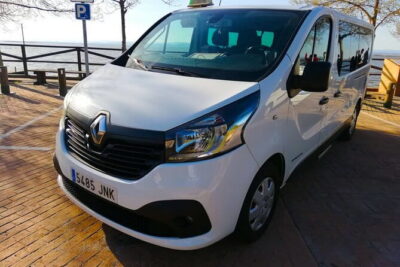
This tour is designed for people who want the classic Ubud experience without turning the day into a transportation puzzle. You get private air-conditioned transport, an English-speaking driver who acts as your live guide, and a tight set of stops that are geographically sensible for one outing.
The big value here is pacing. Ubud’s highlights are spread out, and the day can feel chaotic if you’re trying to DIY it with taxis and timed tickets. With a driver-guide managing timing, you spend your energy on photos, viewpoints, and the moments that actually matter (like the purification ceremony), instead of constantly asking, Where do we go next?
Also, it’s built for a private group. That changes the vibe. You can take your time at the rice terraces, pause for photos without rushing, and keep the day from feeling like you’re being herded.
You can also read our reviews of more tours and experiences in Ubud.

Pickup and drop-off: where the day starts matters more than you think
You’ll have four pickup options: Kuta, Canggu, Seminyak, and Ubud. That’s helpful because Ubud-based travel days can get slower if you’re stuck crossing town first.
At the end, you’ll be dropped off in four possible areas again: Canggu, Kuta, Ubud, or Seminyak. The practical win is simple: you’re not forced to return to a single meeting point. If you’re staying around Seminyak or Canggu, this can save you from an extra round of car-hunting.
One more thing I like: your driver-guide is part of the experience, not just a taxi replacement. That means you’re more likely to arrive knowing what’s coming next—especially important at places like temples and the monkey forest.
Monkey Forest: the fun part, plus the rules you’ll want
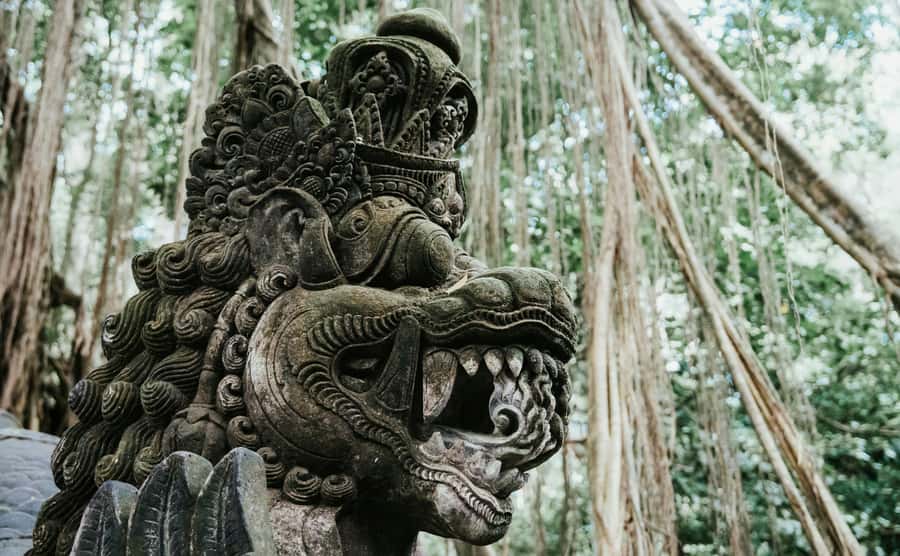
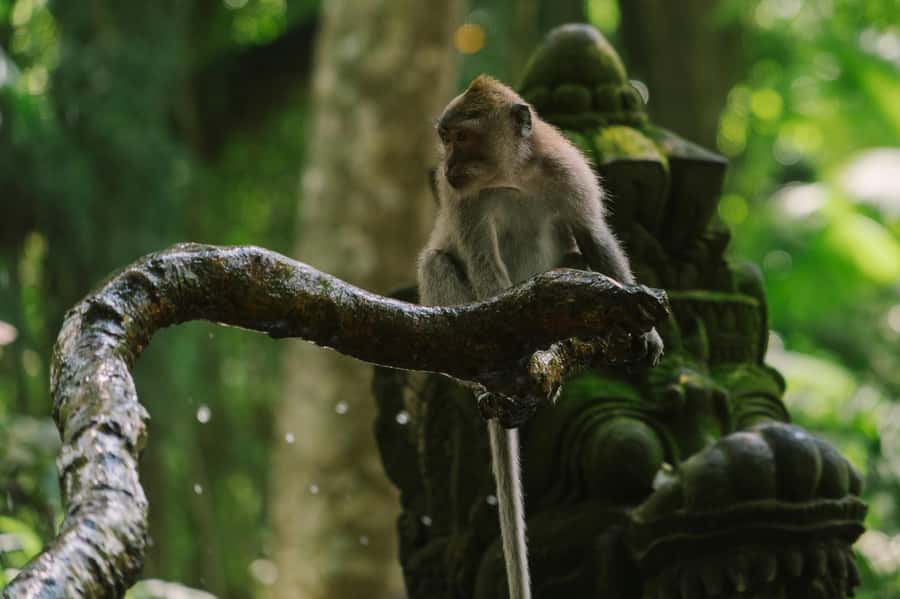
The day starts with the Monkey Forest, which is one of those places that looks like pure chaos from a distance and feels way more manageable up close. The best part is not just seeing monkeys—it’s how your guide helps you interact in a respectful way.
In practice, it helps to assume the monkeys are curious and the rules are non-negotiable. Your guide should help you stay safe and avoid doing things that get you attention. That can mean keeping your distance, watching your hands, and being ready for sudden movements around you.
A key consideration: don’t treat this like a theme park. If you show up stressed, you’ll probably rush and make mistakes. If you show up calm, you’ll enjoy the moment more.
Tegalalang rice terraces + Bali Swing: iconic views with real-world crowds
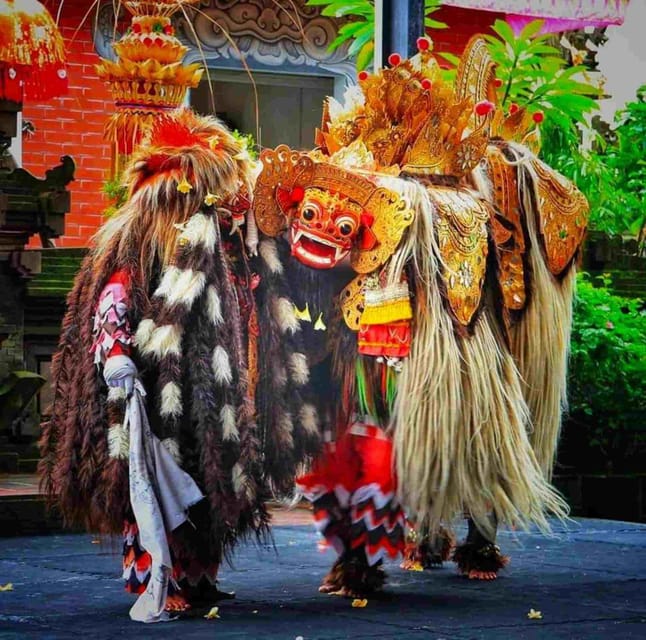
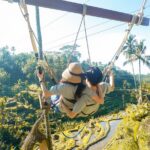
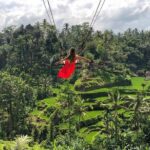
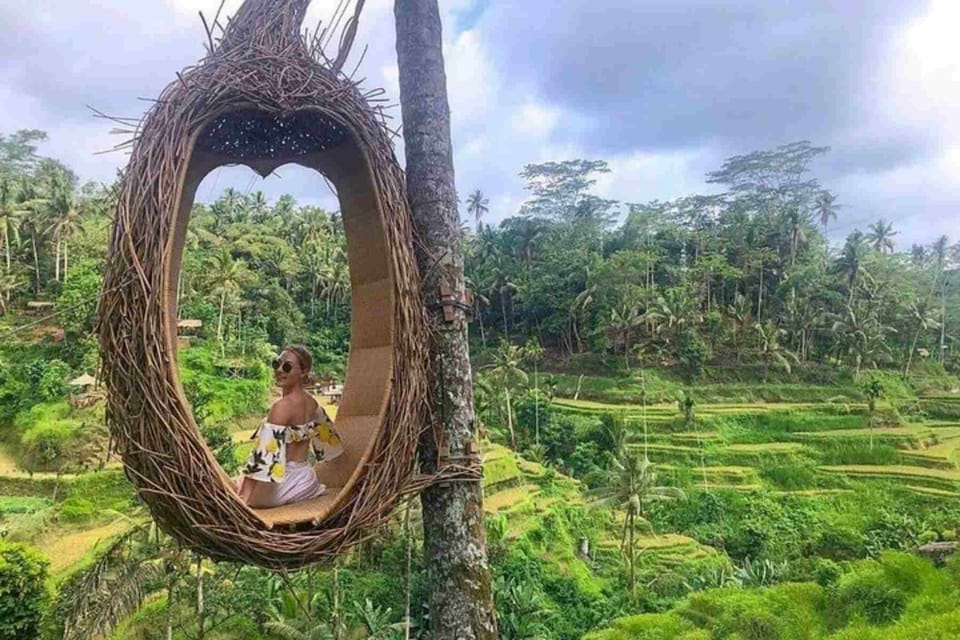
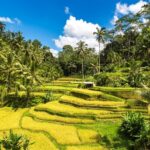
Next comes the Tegalalang Rice Terace area, including the Bali Swing. This is where the photos come from. The terraces give you that layered, patterned look that’s hard to replicate anywhere else, and the swing turns the viewpoint into a “one-day-in-Bali” memory.
Now, here’s the practical caution. The swing area can get busy. If your priority is getting the perfect shot, expect a queue or crowded photo moments. I’d treat this as a timing game: keep your expectations flexible, and focus on the scenery while you wait.
Also, think about comfort. You’ll likely be moving around viewpoints and platforms, so wear comfortable shoes and avoid anything that’s too slippery or hard to manage while walking.
Ulu Petanu waterfall: the payoff after the photo stops
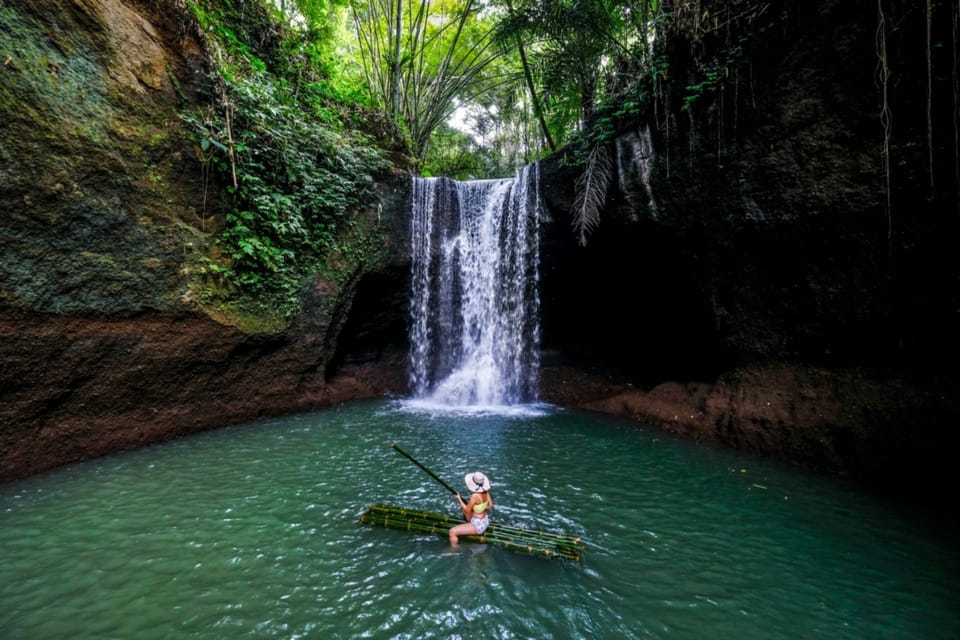
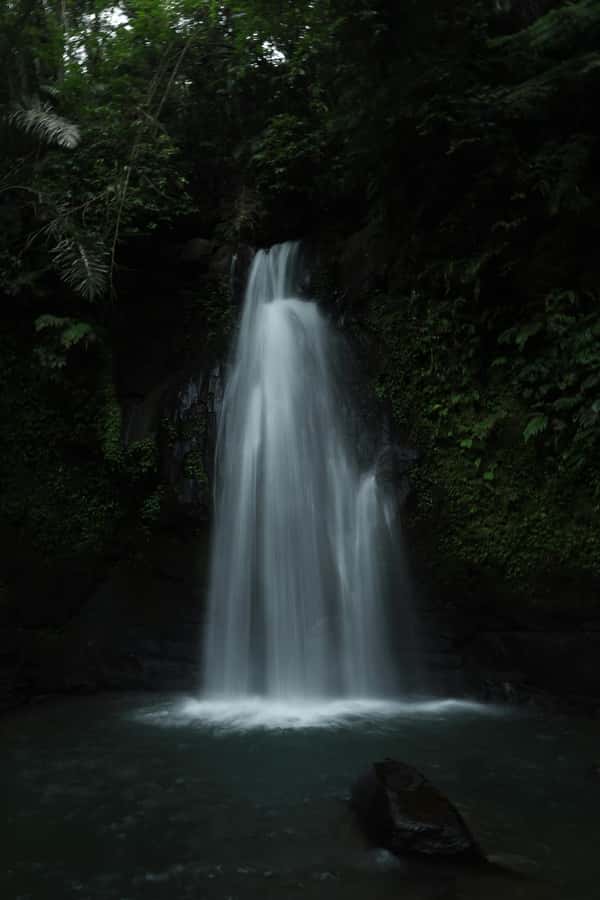
After the rice terraces and swing, the day shifts into something calmer: Ulu Petanu Waterfall. This stop is a good contrast because you finally get a nature moment without the constant pressure to pose.
What you’ll enjoy most here is the reset. You’ll have time to stand, look around, and let the day breathe. Even if the route still includes other stops, the waterfall helps break up the “look at me” vibe of the swing and terraces.
One practical note: waterfalls often mean damp areas. Wear footwear that handles uneven ground and keep your pacing steady. That’s not glamorous advice, but it keeps the fun going.

Coffee plantation stop: a break that feels local (not touristy filler)
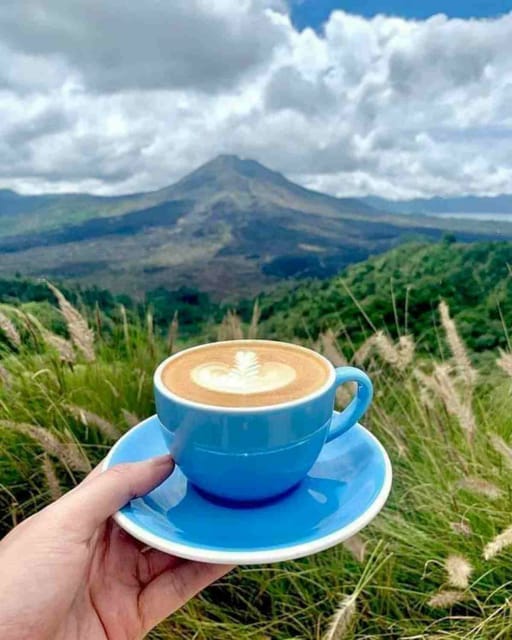
Then you’ll head to a coffee plantation stop. This isn’t just a quick pit stop. It’s a chance to slow down, sample local teas and coffees, and learn how coffee culture fits into daily life in Bali’s regions.
You’ll likely get a guided explanation and tastings. The experience works best if you treat it like a cultural stop rather than a rush-and-buy stop. Ask simple questions, pay attention to what’s offered, and use it as your mid-day reset before the more spiritual temple portion.
Purification Temple: the most meaningful part of the day

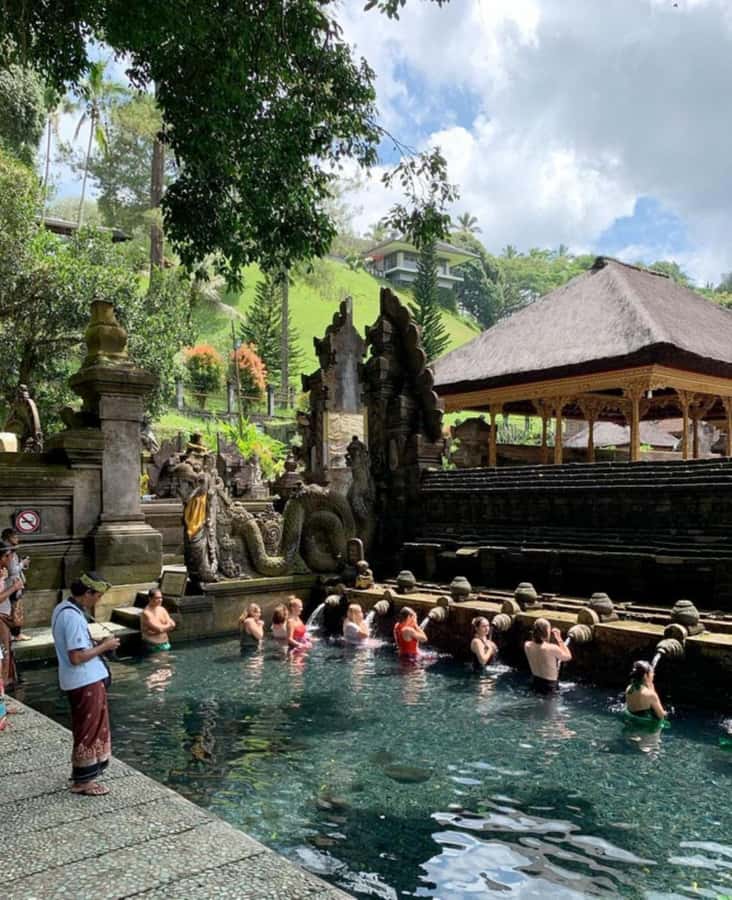
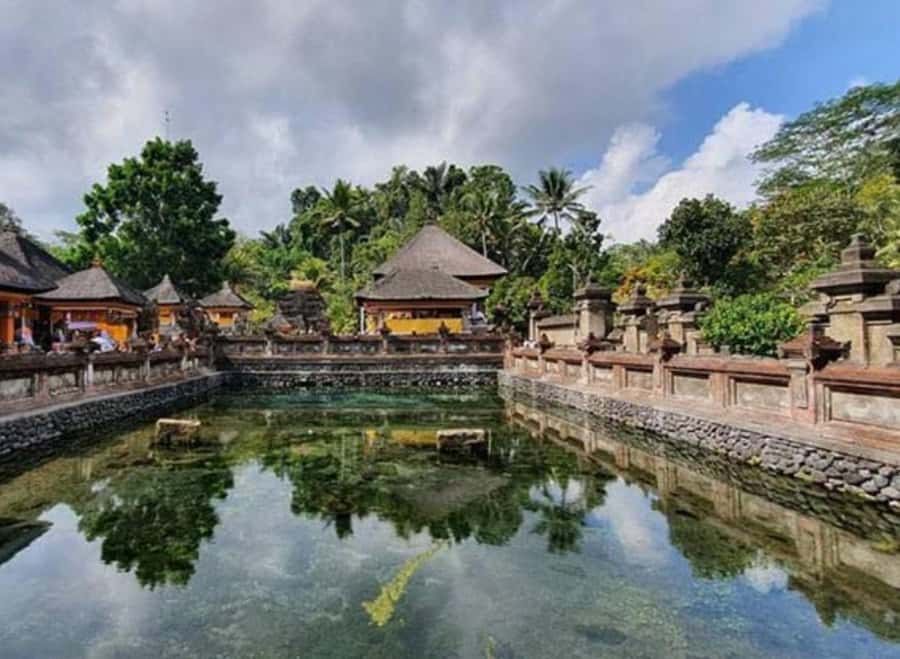
The highlight many people remember most is the Purification Temple experience. This is where the tour turns from scenic to spiritual.
You’ll receive a sarong to enter the temple, which makes this stop smoother—temples are where small details matter. Your guide should explain the cultural meaning behind what you’re doing, step by step, so it doesn’t feel like you’re just walking through.
Why this matters for you: when you understand the purpose of the ceremony, the photos feel secondary. You’re not just capturing a pretty scene—you’re witnessing a living tradition. That shift can be the difference between a generic Bali day and one that stays with you.
A consideration: be ready for a slower, more respectful pace. You may want to put your phone down more than you expect. If you go in mentally prepared, you’ll get more out of it.
Arts and crafts market time: useful if you actually like browsing
In the Ubud portion of the day, there’s also time that includes arts and crafts market sightseeing. This is great if you like browsing locally made items rather than rushing through souvenir shops for ten minutes.
That time works best if you set a simple goal: buy one small item you’ll actually use, or just enjoy the atmosphere without pressure. The tour gives you a scheduled window, so you aren’t forced to cut it short.
What you get for the price: value check for $21 per person
At $21 per person, this tour can be a strong value—especially because it includes private air-conditioned transport, hotel pickup and drop-off, a live English-speaking driver-guide, and 500 ml bottled water.
The part people sometimes miss: entrance tickets aren’t included. That means the final cost depends on how many paid attractions you plan to enter and what tickets cost on the day. Lunch also isn’t included, so you’ll want to budget for food separately.
Still, I like this setup because the “big planning heavy-lifts” are handled for you. You’re not spending your energy negotiating rides, timing multiple locations, or figuring out temple entry logistics. You pay, then the route runs.
If you’re traveling with just two people, this tour also makes sense because it has a minimum of 2 persons, and you can keep the day private without paying for a huge group.
Who this tour suits best
This is a great fit if you want:
- A one-day Ubud route that covers major sights without hopping between random drivers
- A guide who helps you understand what you’re seeing at culturally sensitive stops like the purification temple
- Private, English-friendly navigation around monkeys, temples, terraces, and viewpoints
It’s also a good choice if you care about photos but don’t want the day to become purely photo ops. The purification ceremony adds meaning, and the waterfall adds a breather.
Who should rethink it (or adjust expectations)
You might want a different approach if:
- You hate crowds and expect every viewpoint to feel quiet
- You don’t want to bring or handle extra money for entrance tickets, personal expenses, and tipping
- You’re hoping the tour price includes everything (it doesn’t—tickets and lunch are separate)
Also, if you’re very sensitive about animals, the monkey forest will require patience. A guide’s safety coaching helps, but you still need to follow the rules.
Practical tips before you go
Here’s how to make your day smoother:
- Bring cash for entrance tickets and for tipping your guide
- Wear comfortable outfits and sturdy shoes for terraces and waterfall ground
- Expect the Bali Swing stop to be busy; plan your mindset around that
- Carry yourself calmly at the monkey forest—don’t act like it’s a free-for-all
- Save a little time in your schedule for the purification ceremony vibe. It’s not a quick photo corner
Should you book this Ubud day?
If you’re doing Ubud for the first time and you want the core highlights—Monkey Forest, Tegalalang rice terraces (plus the swing), Ulu Petanu waterfall, coffee plantation, and a purification temple ceremony—this is a smart, efficient way to do it. The private transport and pickup options reduce stress, and the sarong + guided temple portion adds real cultural value.
Book it if you’re the kind of traveler who likes a plan but still appreciates meaning. If you prefer ultra-quiet tours or you’re trying to minimize extra ticket costs, you may want to compare ticket pricing and your comfort level with crowds at the swing area.
In the end, this tour works because it’s both scenic and structured—and because you’re not left guessing what the day is about once you arrive.
FAQ
How long is the tour?
The tour duration is listed as 8 hours.
How many people is the minimum booking?
This tour has a minimum requirement of 2 persons.
Where do pickups happen?
Pickup options include Kuta, Canggu, Seminyak, and Ubud.
Where can I be dropped off?
Drop-off options include Canggu, Kuta, Ubud, and Seminyak.
What’s included in the price?
Included features are a local driver/English-speaking guide, hotel pickup and drop-off, private air-conditioned transport, and 500 ml bottle water. A sarong is also provided for entering the temple.
What’s not included?
Entrance tickets for each destination, lunch/food, personal expenses, tour insurance, and tipping for your driver are not included.
What should I bring or wear?
Wear comfortable clothes and bring cash for entrance tickets and tipping.
Is it wheelchair accessible?
Yes, the tour is listed as wheelchair accessible.