Learning Balinese rhythm starts with your hands. In Ubud, this class is taught by Putu, a musician with about 16 years of experience, and you spend two focused hours learning the gamelan selonding tradition. I like that the lesson isn’t just a demo—it explains the history first, then teaches you how to play, and finally gets you actively making music as part of a group.
My other favorite part is how structured it feels: you get technique coaching, then practical repetition until it clicks. One consideration: the group is capped at 6, so if you’re hoping for guaranteed one-person attention, check availability for smaller group times.
In This Review
- Key things to know before you go
- Where You’ll Learn: Pondok Permata homestay in Ubud
- Meet Putu and Get Oriented to Balinese Gamelan
- History of Balinese gamelan and what it changes for you
- Technique 101: how Balinese gamelan is played
- Hands-on practice: playing together as an ensemble
- Languages and communication style that keep it beginner-friendly
- Price and value: what $22 buys in a 2-hour workshop
- Practical tips so you actually enjoy the instruments
- Who should book this Ubud gamelan lesson?
- Should you book this Putu gamelan selonding class?
- FAQ
- Where does the music lesson start?
- How long is the experience?
- How many people are in the group?
- What languages does the instructor use?
- How much does it cost?
- Is alcohol allowed during the lesson?
- Is free cancellation available?
Key things to know before you go
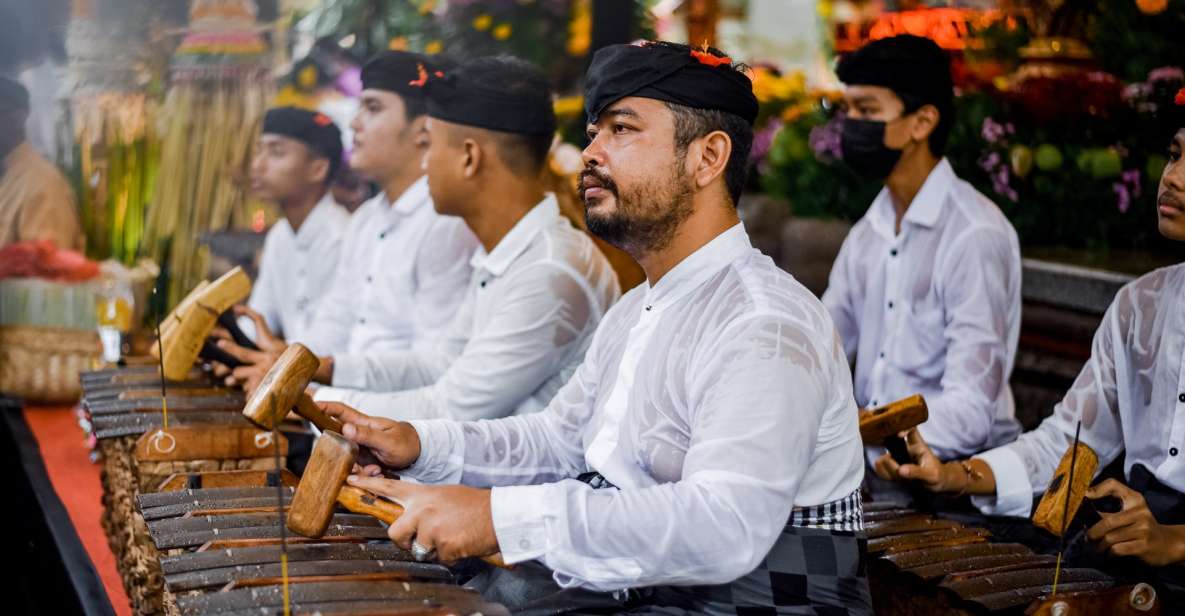
- Family-style teaching from Putu (English and Indonesian) with about 16 years of experience
- History first, then technique: Balinese gamelan background and how the instruments actually work
- Hands-on time for every participant in a small group setting (max 6)
- You’ll play as an ensemble, learning your part and locking in with others
- Gamelan selonding focus, not a generic “music tour” stop
Where You’ll Learn: Pondok Permata homestay in Ubud
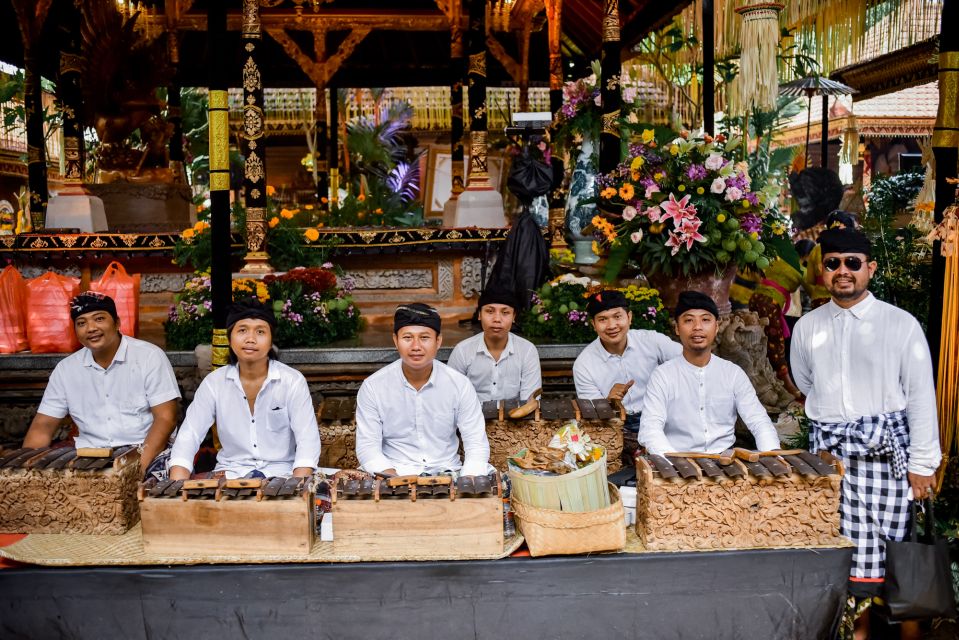
You’ll start at Pondok Permata homestay, which is also where the music lesson happens. That matters more than it sounds, because homestay-style settings tend to feel calmer and more personal than a classroom or big venue.
The lesson is organized as a true workshop format. You’re not watching from a distance—you’re expected to show up ready to listen closely and then start playing right away. The session ends back at the same meeting point, so you don’t have to plan extra time for transportation once the class is over.
You can also read our reviews of more tours and experiences in Ubud.



Meet Putu and Get Oriented to Balinese Gamelan
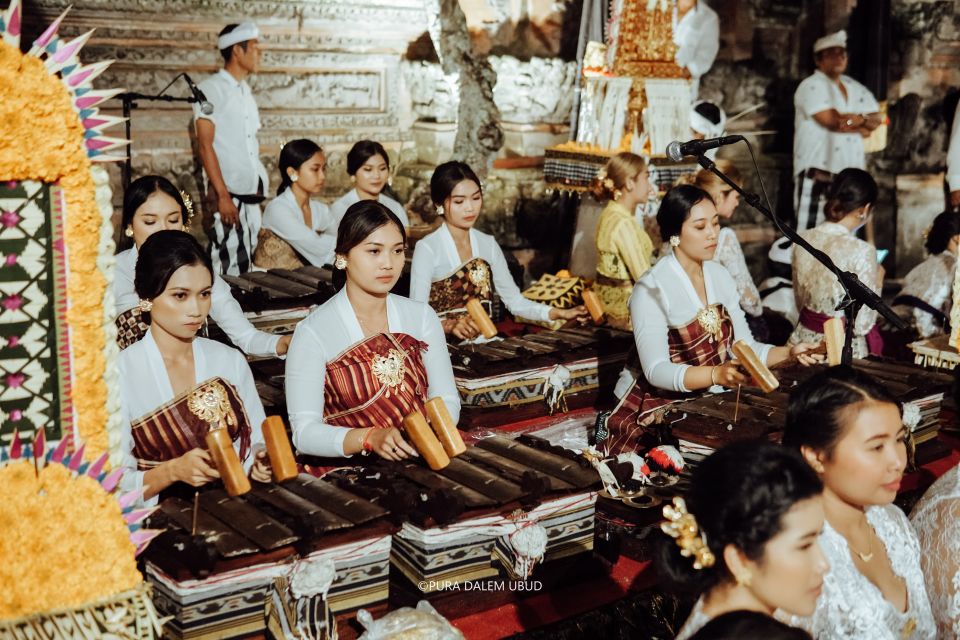
This class is led by Putu, a Bali musician who studied traditional music at the Art University in Bali. That background shows in the way he talks through the music—clear enough to follow, but still rooted in the tradition.
You’ll also feel the teaching style. Multiple people highlighted how patient and encouraging the instruction is, including for learners who don’t consider themselves musical. The vibe is practical: you learn what you need to play, then you use it immediately rather than waiting to understand everything first.
The lesson includes English and Indonesian instruction, so you should be comfortable even if your Indonesian is basic. If you prefer hands-on learning with a bit of explanation, this format matches that well.
History of Balinese gamelan and what it changes for you
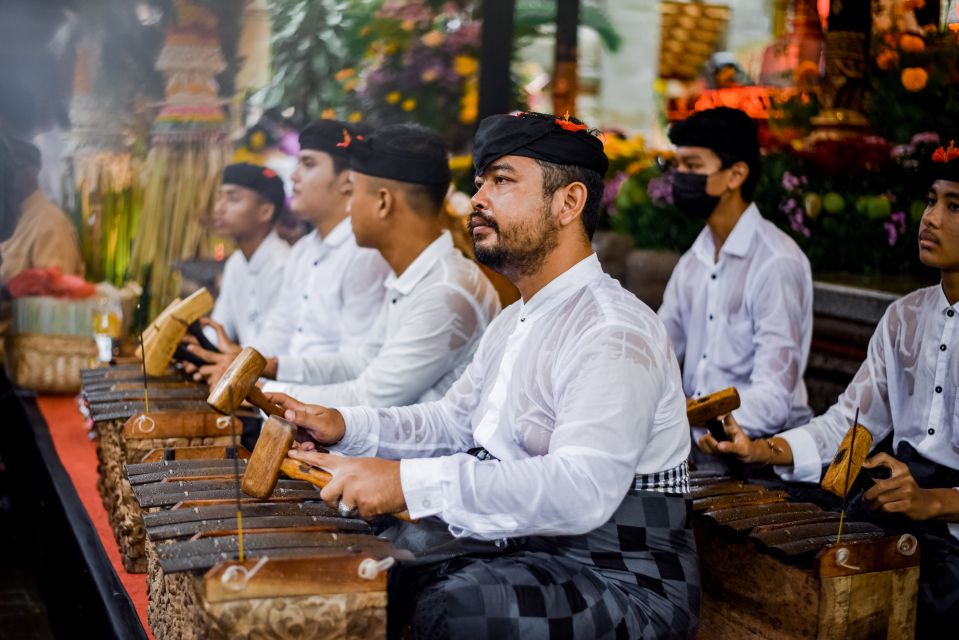
Before you touch the instruments, you’ll get an explanation of the history of Balinese gamelan. This isn’t just trivia. In gamelan music, rhythm and timing matter as much as melody, and a little context helps your ear hear the structure instead of treating it like background noise.
You’ll also learn about the cultural side of Bali music and why gamelan isn’t only entertainment—it’s part of community expression and performance tradition. In short: the history gives you a mental map for what you’re about to try.
A helpful note from the way the class has been described by musicians: Putu can talk about differences between Balinese and Western tonalities. Even if you don’t care about music theory, you can ask questions that connect what you’re playing to what you’re used to hearing at home.
Technique 101: how Balinese gamelan is played
After the history and cultural framing, the lesson shifts into technique—how to play Balinese gamelan instruments correctly. This is where you’ll benefit most from a patient instructor, because gamelan technique is very specific even when the part you play feels simple at first.
You’ll learn the basics of your role in the ensemble, including how to hold your focus and hit your parts in time. Several people mentioned that the workshop explains technique clearly, and that it’s taught in a way that builds step by step rather than throwing you into a full performance on day one.
Also, the class focuses on gamelan selonding. That helps because you’re not getting a mixed sampler of unrelated styles. You’re learning one tradition closely enough to notice patterns and start recognizing how the parts fit together.
Hands-on practice: playing together as an ensemble
The best part of this class is that you don’t just learn about gamelan—you make gamelan. After instruction, you’ll practice for about two hours, which is long enough to feel improvement. People described learning a short song theme by the end and leaving with video you can replay later to remember the timing.
You’ll likely play with other participants as an ensemble, and the session is structured so each person has a different part. In one description, the group setup included multiple parts played at the same time, which is a big part of what makes gamelan feel so alive. The goal isn’t perfection. The goal is joining the shared rhythm and understanding how your part supports the whole.
One reason this works well for non-musicians: you’re guided on what to do, and then you learn by doing. If you’ve ever wanted to understand rhythm without needing to read sheet music, this style of teaching makes sense.






Languages and communication style that keep it beginner-friendly
Instruction is provided in English and Indonesian. That flexibility matters, because gamelan teaching can get technical fast if an instructor can’t adapt the explanation style. Here, you’ll get support in the language that lets you move from confusion to action without losing time.
If you’re the type who asks questions, this class handles that too. In descriptions of the lesson, people mentioned being able to discuss musical concepts and get answers about orchestras, styles, and how the sound is made. You don’t have to be a professional musician to ask. Even simple questions like how timing works in the ensemble can help you play more confidently.
Price and value: what $22 buys in a 2-hour workshop
At $22 per person for about two hours, the value is strong for a few reasons that are hard to fake:
- You’re paying for a hands-on teacher, not just a cultural talk.
- You get history + technique + practice within the same session.
- The class is limited to 6 participants, which usually means more attention per person than a large-group performance experience.
Also, Putu’s long teaching experience matters. When instruction is well structured, learners stop feeling like they’re guessing and start feeling like they’re progressing. That’s the kind of value that’s difficult to measure, but you feel it when you’re finally playing your part confidently.
The session is long enough to learn something concrete. Short experiences often end right when you start to get comfortable. Here, you get enough repetition to leave with both understanding and a playable outcome.
Practical tips so you actually enjoy the instruments
A gamelan class rewards focus. Here are a few practical things that help you get more out of it:
- Arrive with curiosity, not pressure. Your goal is to match the rhythm and enjoy the ensemble sound, not to “perform” perfectly.
- Watch your teacher’s hands and timing. In gamelan, timing is everything, and visual cues can speed up your learning.
- Ask one good question. If you’re into music, you can ask about tonal differences or styles. If you’re new, ask what to listen for when the ensemble locks in.
- Plan to record responsibly. People have shared that they took nice videos to remember the parts they learned. Just be mindful of your surroundings and the flow of the class.
- Skip alcohol and drugs. Those aren’t allowed, and keeping a clear head helps you stay on beat.
One more helpful tip: if you recently watched traditional performance in Ubud, like Legong dance, you can connect the music to what you saw. In a couple of people’s experiences, Putu helped them think about how music and performance relate. If that’s you, bring up what you remember from the dance—music makes more sense when you can tie it to a performance scene.
Who should book this Ubud gamelan lesson?
This class is a great fit if you want something more meaningful than a quick cultural show. You’ll enjoy it if you like hands-on learning, rhythm, and a teaching style that mixes explanation with real practice.
It’s also a strong choice for:
- Musicians who want a guided, technically respectful introduction to Balinese gamelan style
- Non-musicians who want to learn how it feels to play and understand the basics
- People who want authentic Ubud culture without doing the same sightseeing loop
If you’re only looking for passive entertainment or you want a guaranteed private lesson with no sharing, you may want to check the group size when you book. The cap of 6 can still feel intimate, but it’s not advertised as a always-private experience.
Should you book this Putu gamelan selonding class?
If you want a genuine Ubud experience that goes beyond listening, I’d book it. The combination of history, technique, and hands-on playing in a small group makes the time feel worthwhile. At $22 for about two hours with Putu teaching at an Art University–trained level, it’s priced like an activity, but it feels like a skill lesson.
Book it if you’re curious about Balinese music and you’re willing to focus for a short time so your part can click. Skip it only if you don’t want to participate at all, or if you’re strictly after a fully private setup every time.
FAQ
Where does the music lesson start?
The lesson starts at Pondok Permata homestay, which is also where the class takes place.
How long is the experience?
The duration is 2 hours.
How many people are in the group?
The group is small and limited to 6 participants.
What languages does the instructor use?
The instructor teaches in English and Indonesian.
How much does it cost?
The price is listed as $22 per person.
Is alcohol allowed during the lesson?
No. Alcohol and drugs are not allowed.
Is free cancellation available?
Yes. You can cancel up to 24 hours in advance for a full refund.