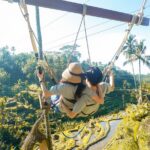
Holy water, rice terraces, and waterfalls in one day. I like the Tirta Empul self-cleansing bath with fresh temple water, and I also like the walk-through Tegallalang Rice Terrace views that look like layered postcards. It’s a packed, photo-friendly route, so plan for a long day and temple rules that can affect access.
You’ll move from site to site with an English-speaking driver and a private car, so you’re not fighting schedules or buses. The best part is the flow: rice views, then a Hindu cleansing ritual, then a coffee plantation break, then waterfalls back-to-back.
One possible drawback: it’s physically active and rules-based. If you’re a woman who is menstruating, you’re not allowed into the temple, and you’ll also be on your feet in hot weather with waterfall stops.
In This Review
- Key Highlights You’ll Actually Notice
- Rice Terrace First: Tegallalang’s Best Angles Are About Timing and Footing
- Tirta Empul Temple: The Holy Bath, the Meaning, and the Rules
- Satria Agrowisata Coffee Plantation: What You Gain Beyond Free Samples
- Tibumana Waterfall: Photo Time Plus Time to Feel the Water
- Kanto Lampo Waterfall: The Classic Instagram-Look, Managed Safely
- Tegenungan Waterfall: Last Big Views Before the Day Winds Down
- Coffee, Cleansing, Waterfalls, Repeat: How the Day Stays Flexible
- Lunch and Snacks: What to Expect When Food Isn’t Included
- Price and Value at Around $24: What You’re Really Buying
- Who This Tour Fits Best (and Who Should Skip It)
- What to Pack for Temple and Waterfall Comfort
- Should You Book This Ubud Private Tour?
- FAQ
- How long is the tour?
- What’s included in the price?
- Is lunch included?
- Where can you be picked up and dropped off?
- Do I skip ticket lines?
- Is there an English live guide?
- What should I bring for the temple and waterfalls?
- Can women enter Tirta Empul Temple during menstruation?
- Who should not take this tour?
Key Highlights You’ll Actually Notice
- Tirta Empul holy-bath time: fresh water and a meaningful Hindu ritual setting.
- Tegallalang rice terrace walk: great angles plus time to stroll, not just a quick look.
- Coffee plantation stop at Satria Agrowisata: herbs, tea, and how locals process coffee.
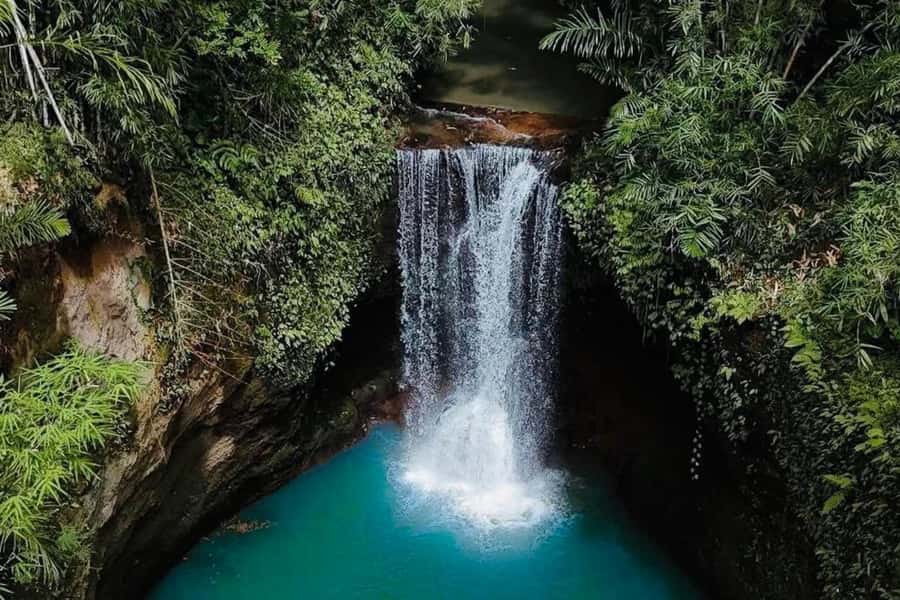
- Three waterfalls in one route: Tibumana, Kanto Lampo, and Tegenungan, all with photo time.
- Your guide helps with photos and video: the day is built for getting good shots without stress.
- Bring swim stuff: at least one waterfall stop includes time you can swim.
Rice Terrace First: Tegallalang’s Best Angles Are About Timing and Footing
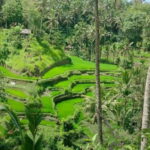
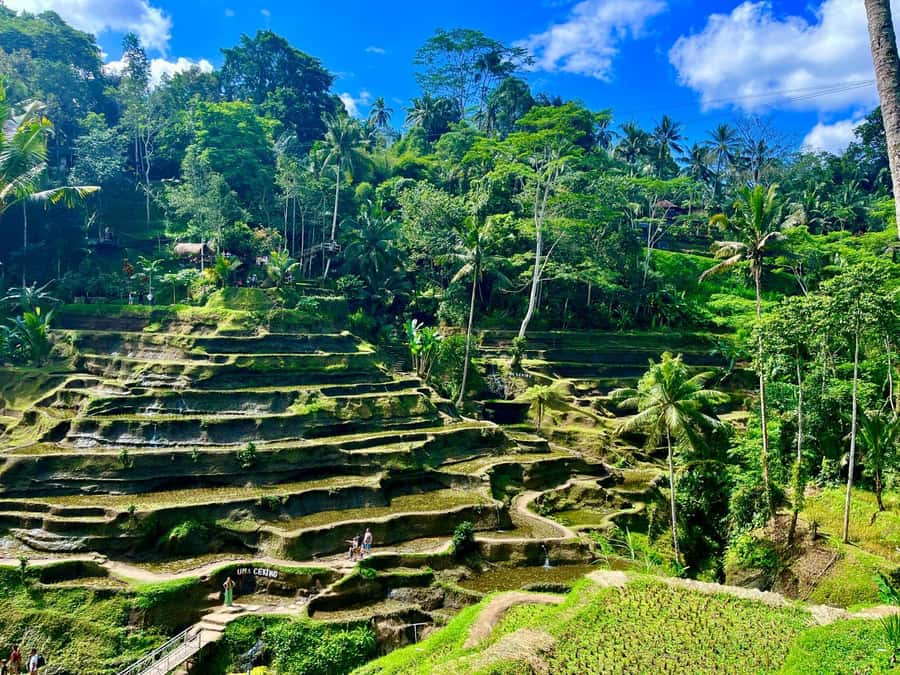
Tegallalang Rice Terrace is the kind of place where you can take photos for hours, but the real value is getting a calm moment to walk and look properly. The views are dramatic because you’re seeing working terraces from different levels, not just standing at a single overlook. You’ll want sunscreen and closed-toe sandals or sturdy sandals because the paths can be uneven.
What I like about starting here is momentum. You ease into the day with scenery before you go into temple etiquette and then wet, slippery waterfall areas later. Also, a guide helps because they can point out where the light hits best and what to notice in the rice cultivation patterns.
If you want fewer people in your photos, aim for an earlier start when you can. Even a small time shift can make Tegallalang feel more like a morning landscape walk than a busy tourist stop.
You can also read our reviews of more tours and experiences in Ubud.

Tirta Empul Temple: The Holy Bath, the Meaning, and the Rules

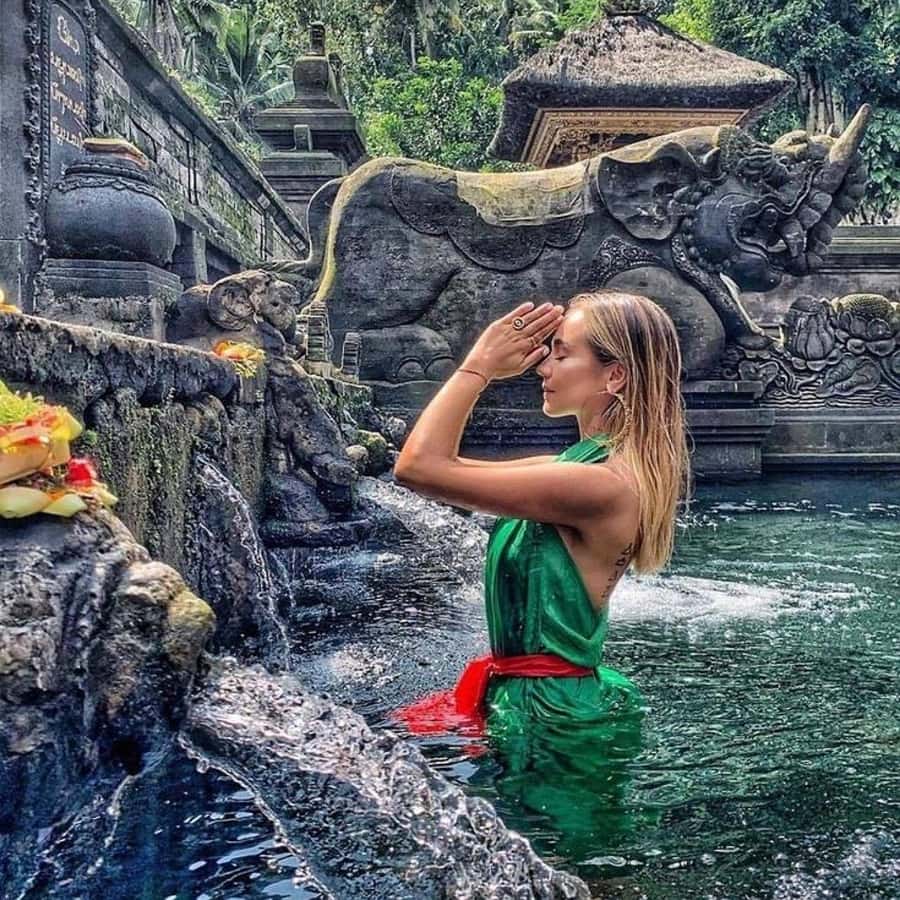
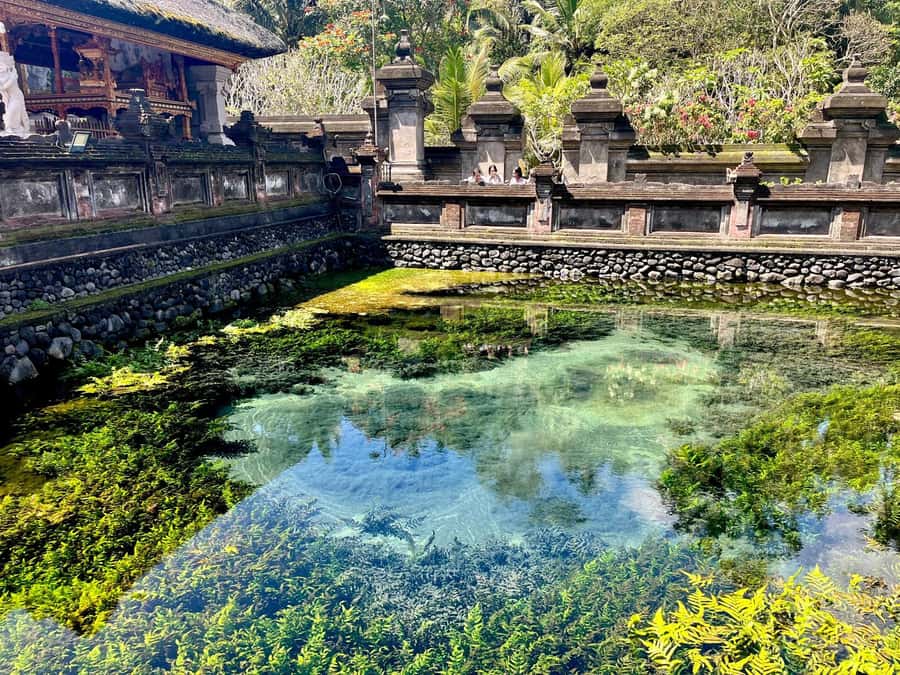
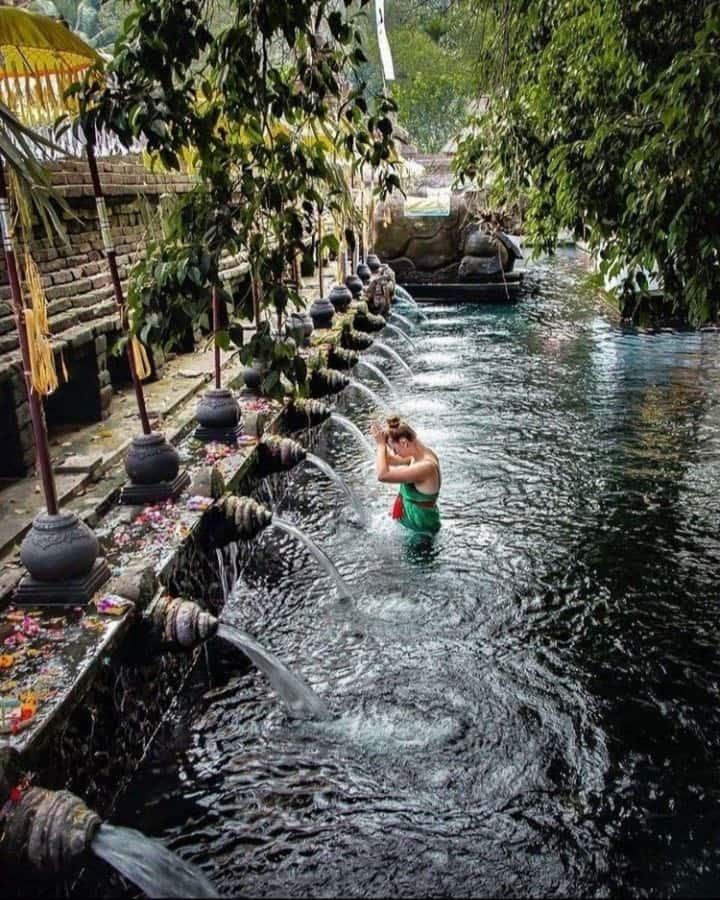
Tirta Empul (the holy water temple) is famous for self-cleansing. You’ll see fresh water coming from the spring and then you’ll have the chance to experience the ritual in a respectful way—either fully participating in the holy bath process or observing the different spaces and stations. The temple is historically significant too, with origins dating back to 926 BC, and it’s part of UNESCO’s world cultural heritage.
Here’s the practical part: temple rules matter. If you’re a woman who is in your period, you’re not allowed to enter the temple. If you’re visiting with someone who may be affected, plan your expectations early so the day stays stress-free.
Also bring a respectful attitude to the setting. You’ll be sharing the space with locals and ceremonial activity. Dress simply and comfortably for temple areas, and keep your phone use considerate—this is a working spiritual site, not just a viewpoint.
Satria Agrowisata Coffee Plantation: What You Gain Beyond Free Samples
After the temple, the coffee plantation stop at Satria Agrowisata is a good reset. It isn’t just a place to taste things; you’ll see the plants and you’ll get a traditional explanation of how Balinese communities process coffee. The grounds are built around tropical crops—coffee plants along with spices, herbs, and fruit varieties that are being developed there.
This stop is valuable for two reasons. First, it’s educational in a way that’s easy to remember because you’re standing in the growing environment. Second, it gives you a chance to browse herbal products and teas if you want small gifts or something to take home.
If you’re deciding what to buy, keep cash on hand. The day includes a shopping time here, and it’s usually faster to pay on-site rather than wait for an ATM.
Tibumana Waterfall: Photo Time Plus Time to Feel the Water
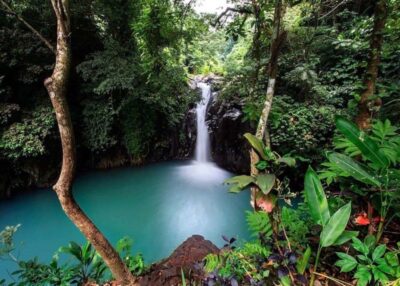
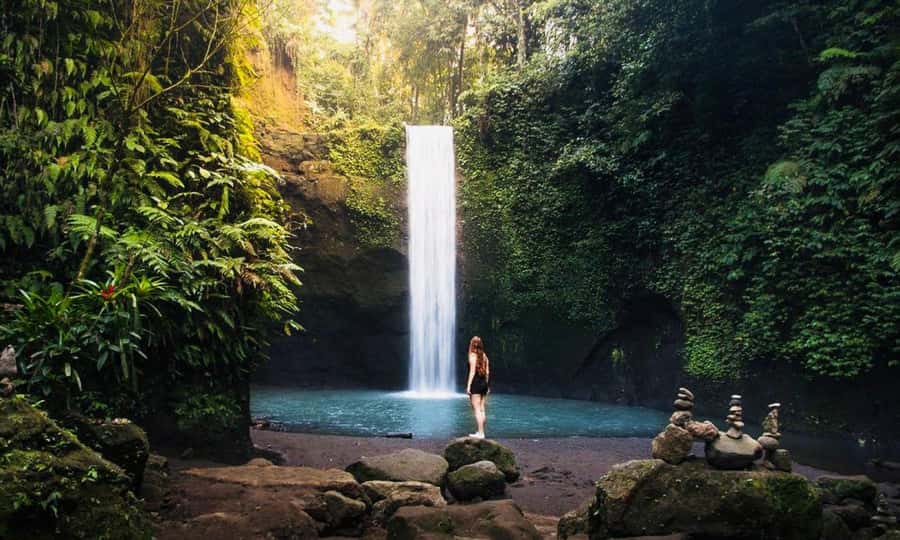
Tibumana Waterfall is one of those Ubud stops where the scenery feels naturally framed. You’ll get a photo stop plus time to visit, and the pacing is realistic—you’re not rushing through a waterfall corridor like it’s a checklist.
The key practical tip: bring the right gear early. This tour expects waterfall time and includes instructions to bring swimwear, a change of clothes, and a towel. So even if you’re unsure you’ll swim at every stop, you’ll be glad you packed for it.
The air can feel cooler near the falls, but it also turns slippery quickly. Take your time on steps and look where you plant your feet. A good guide makes a difference here by helping you find safer angles for photos.
Kanto Lampo Waterfall: The Classic Instagram-Look, Managed Safely
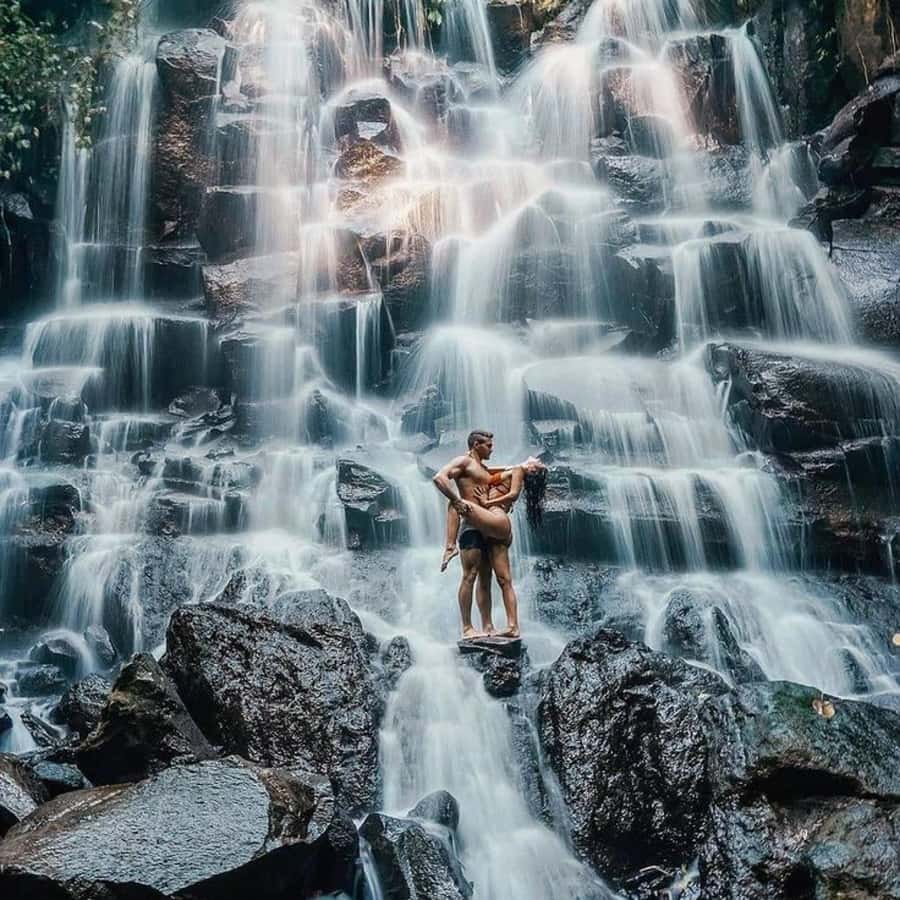
Kanto Lampo is often associated with those striking cliffside waterfall views, and you’ll get time here to see it up close. The day’s structure keeps it simple: photo stop, then visit, then move on. That means you can enjoy the moment without feeling like you’re constantly traveling or waiting.
If you’re chasing great shots, this is where you’ll want patience. Waterfall scenes change fast as clouds and mist move. The guide’s photo help can save you time because you won’t be constantly switching between tripod attempts and trying to capture yourself.
If you do plan to get wet, treat this like a swim session, not a quick splash. Wear sandals you don’t mind getting ruined, keep your phone sealed or in a secure bag, and change quickly after.

Tegenungan Waterfall: Last Big Views Before the Day Winds Down
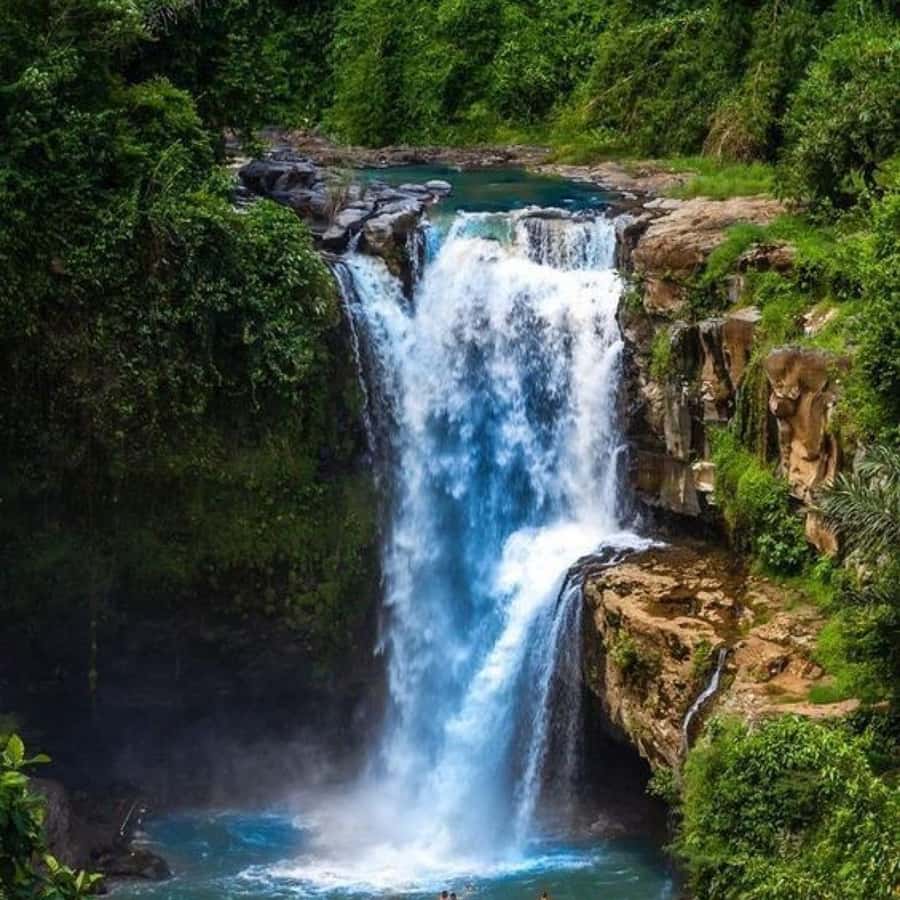
Tegenungan is a final waterfall highlight with another photo stop plus visit time. It’s the kind of location where you can watch the flow, then step back for photos that show the wider waterfall setting. Because it’s later in the route, you may feel the day’s heat, so hydration matters—mineral water is included and you’ll appreciate that extra bottle.
If you’re serious about photos, this last stop is where your earlier planning pays off. You’ve already learned the rhythm: what to pack, when to take breaks, and how to reposition yourself for better angles.
Try to keep your energy for the end. The earlier you move calmly and keep your gear organized, the easier it is to enjoy the final waterfall without rushing or feeling overheated.
Coffee, Cleansing, Waterfalls, Repeat: How the Day Stays Flexible
A big reason this works well is the private format. You’re not stuck behind a large group schedule. Instead, your driver and English-speaking guide can adapt timing as the day evolves—especially when it comes to breaks and photo moments.
I’ve seen guides on this route praised for being patient and for adjusting to what people want, including taking extra time where it matters and leaving enough time at the end. Names that come up often include Jerry, Ray, Gday, Kadek Tonik, Parid, and Fery—so you know you’re likely to get someone who can explain what you’re seeing and help document the day well.
Also, your driver will take photos and video to make your trip memorable. That doesn’t sound like much until you realize how much time it saves you. Instead of hunting for a stranger to take a picture, you can focus on enjoying the stops.
Lunch and Snacks: What to Expect When Food Isn’t Included
Lunch isn’t included, so you’ll need to plan for it. The tour usually builds in a stop for you to eat somewhere with a view. Guides are known for picking locations you might not find on your own, which matters in Ubud because the best meals are often tucked away behind the main roads.
If you’re picky about timing, tell your guide early. Waterfalls and temple entry can make you feel rushed later if lunch decisions get delayed. In practice, I recommend carrying small snacks and water if you’re the type who gets hungry fast.
Price and Value at Around $24: What You’re Really Buying
At about $24 per person for a 9-hour private day, you’re paying for convenience and efficiency more than for just attractions. You’re getting a private car, fuel, mineral water, parking fees, and a friendly English-speaking driver. If entrance tickets are included in your selected option, you also avoid some ticket hassle on arrival.
For Bali, that’s a strong value if you want multiple major stops in one day without logistics headaches. And the private aspect is key. A shared tour can save money, but it often costs you time—waiting, regrouping, and spending less time at each photo spot. This route avoids that by keeping the day smooth and controlled.
The real cost to watch for is personal spending. Lunch isn’t included, and you may want cash for shopping at the coffee plantation and for any extras tied to photos or activities.
Who This Tour Fits Best (and Who Should Skip It)
This experience suits you if you want an efficient Ubud sampler: temple ritual, rice terrace scenery, a coffee plantation education, and three waterfalls with plenty of photo time. It’s especially good if you’re traveling with someone and you want a stress-free “see a lot” day.
It’s not suitable for everyone. The tour is specifically not recommended for pregnant women and for people with back problems, heart problems, epilepsy, altitude sickness, high blood pressure, or recent surgeries. It also isn’t recommended for babies under 1 year, and it excludes very elderly travelers (over 95) and those over 70. If you have insect allergies, consider that a safety factor too.
If you fall into any of those categories, I’d choose a shorter, gentler plan with fewer stair-heavy stops. Waterfalls can mean slippery terrain and stairs, and the temple part requires you to follow rules on entry.
What to Pack for Temple and Waterfall Comfort
The day is half culture, half water. That means your packing has to cover both.
Bring:
- Swimwear, towel, and a change of clothes for waterfall time
- Sunglasses and sunscreen for sun hours
- A sun hat and comfortable shorts
- Sandals that handle wet conditions
- Camera (or phone) and cash for shopping
Also, plan for temple manners. No alcohol or drugs are allowed, and pets aren’t permitted.
Should You Book This Ubud Private Tour?
Book it if you want one guided day that hits the big Ubud themes—Tirta Empul, Tegallalang, and multiple waterfalls—without forcing you to coordinate transportation or ticket lines yourself. At about $24 per person with a private car and photo-friendly pacing, it’s strong value if you care about seeing a lot and getting solid photos.
Skip it or choose a modified plan if you need low physical effort, if you can’t do temple entry rules that apply to your situation, or if your health limits cold, wet, or stair-heavy areas. And if you love slow travel, you may find the 9-hour format a bit intense.
If you do book, my top tip is simple: start early when possible, pack for water from the morning, and lean on your guide for safer photo positioning and smooth timing between stops. That’s where the day turns from sightseeing into a really satisfying route.
FAQ
How long is the tour?
The duration is 9 hours.
What’s included in the price?
Included items are a private car, fuel, mineral water, parking fees, a friendly English-speaking driver, and entrance tickets if you select that option.
Is lunch included?
No. Lunch is not included, and personal expenses are not included either.
Where can you be picked up and dropped off?
Pickup is available from the listed areas including Nusa Dua, Gianyar, Seminyak, Sanur, Denpasar, Canggu, Jimbaran, Kuta, and Ubud. Drop-off is also available at the listed areas.
Do I skip ticket lines?
Yes, this experience notes skipping the ticket line.
Is there an English live guide?
Yes, the tour includes a live tour guide in English.
What should I bring for the temple and waterfalls?
Bring sunglasses, a sun hat, swimwear, a change of clothes, a towel, sandals, a camera, sunscreen, shorts, and cash.
Can women enter Tirta Empul Temple during menstruation?
No. Women who are in their period are not allowed to enter the temple.
Who should not take this tour?
It’s not suitable for pregnant women, people with back problems, heart problems, epilepsy, altitude sickness, high blood pressure, recent surgeries, babies under 1 year, people over 95 years, and people over 70 years, and it notes insect allergies as a concern.