Jakarta can feel huge on day one. This 4.5-hour Jakarta highlights tour gives you a smart route through the city’s most recognizable landmarks without drowning you in logistics. I especially liked how the tour is led by Fifi Firdiante (FiFi), whose sense of humor and plain explanations made big sites feel understandable fast. I also liked that you get both the major monuments and the everyday street energy in areas like Kota Tua and Glodok Chinatown. One thing to consider: you’re on a tight time schedule, so if you want long museum time or a slow pace, you’ll probably wish it ran longer.
The pacing works because you’re not just being transported—you’re being oriented. You start at the National Monument (MONAS) and build from there into the cathedral, the giant Istiqlal Mosque, Old Town, and finally Chinatown, with cultural stops along the way. Many entrances are free, and bottled water is included, which helps keep the budget predictable.
A possible drawback is that several stops are short by design. The main grounds at MONAS are free, but the tower is optional (not included), and there are optional costs in Old Town too. If you’re the type who loves lingering, bring that energy for the markets and street scenes, not for expecting long sit-down time inside every site.
In This Review
- Key things you’ll notice right away
- Kicking off at MONAS: where Jakarta’s independence story starts
- Cathedral + Mosque in one run: a quick study of Jakarta’s faith mix
- The train ride to Makutharama Puppet Studio: modern Jakarta, past-style storytelling
- Kota Tua Old Town: crafts, museums, and street life with time to wander
- Dharma Bhakti Temple: a 1650 shrine and Indo-Chinese details
- Glodok Chinatown: markets, eateries, and a realistic taste of daily life
- Price and value: $48.05 that mostly stays in-bounds
- Timing and logistics: half-day that still feels like a day
- Who should book this Jakarta highlights route
- Should you book this Jakarta City Highlights: Half-Day Tour All around Jakarta?
- FAQ
- Where does the tour start and where does it end?
- How long is the tour?
- How much does the tour cost?
- What is the group size?
- What stops are included in the itinerary?
- Are entrance fees included?
- Is bottled water included?
- Is lunch included?
- Is there any optional extra cost during the tour?
- What about weather?
Key things you’ll notice right away
- A local, English-speaking guide named FiFi who connects sites to real-life Jakarta
- Free entry at many major stops, so your money goes to experiences, not tickets
- A well-timed route that mixes car rides and a train segment to cut back on waiting
- Kota Tua plus Glodok so you see both the old-colony vibe and everyday Chinatown activity
- Stops beyond the usual photos, including a puppet studio stop and a Buddhist shrine dating back to 1650
Kicking off at MONAS: where Jakarta’s independence story starts
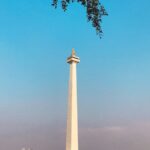
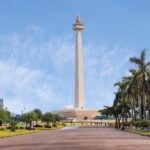
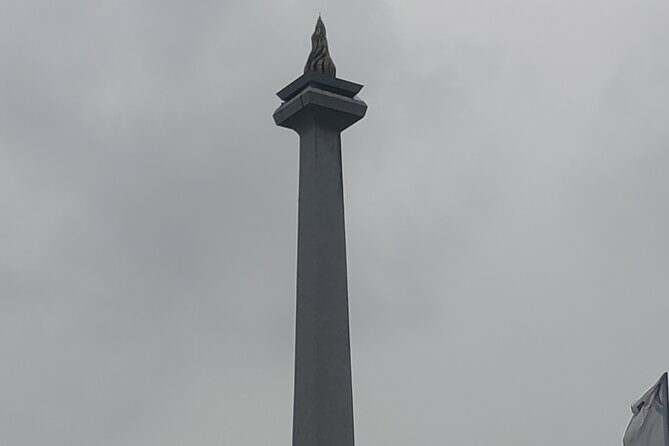
The tour starts at the MONAS IRTI entry point on Jalan Medan Merdeka Selatan. From there, you immediately get oriented to why this part of Jakarta matters. MONAS is the big national symbol you see referenced all over Indonesia, and the grounds are the easiest way to get the “wow” without paying for extra access.
You’ll spend about 45 minutes at MONAS. The grounds entrance is free. If you want the extra view, there’s an optional tower ascent ticket that isn’t included. That option matters because it gives you a choice: you can keep it simple and enjoy the monument grounds, or pay for height if you like skyline views.
One practical tip: plan to take your photos early in the stop. MONAS is a landmark magnet, and you’ll usually find the best angles and the least crowding when people first arrive and before the group flows into the same few photo spots. If the tower is on your list, decide while you’re still fresh—after the rest of the itinerary, you won’t have much energy left to negotiate time.
You can also read our reviews of more tours and experiences in Jakarta.

Cathedral + Mosque in one run: a quick study of Jakarta’s faith mix
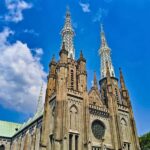
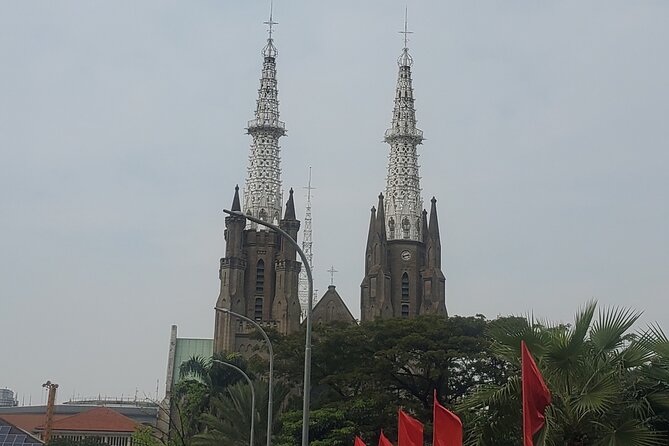
After MONAS, the tour heads by car to Jakarta Cathedral (about 15 minutes transfer). This stop is shorter—around 15 minutes—but it’s intentionally focused. You’ll walk the cathedral grounds and get a look at both the exterior and the interior, plus the prayer garden.
Why I like this stop: it’s not just a photo break. It’s a chance to see how religious buildings sit inside a living city. In Jakarta, you don’t separate culture by walls. It’s all mixed in the same neighborhoods and daily routines.
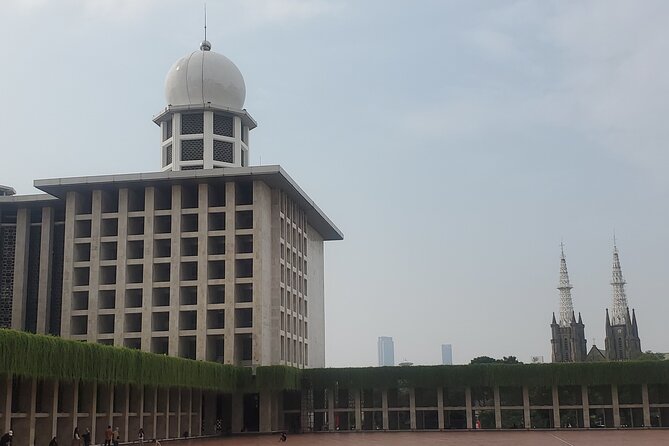
Next comes the star-stop for many visitors: Istiqlal Mosque. You get about 45 minutes here, and admission is free. The mosque is described as the largest in Southeast Asia and the world’s 3rd largest, which gives you a sense of scale before you even step inside. The mosque staff also invite visitors to view both the interior and the grounds, and that welcome can set the tone for the whole visit.
If you’re visiting a mosque, go in ready to be respectful and observant. Wear something you feel comfortable in for a cultural space. Keep your movements calm inside. And yes, expect that this stop will feel more meaningful than a quick exterior shot—because you’re inside a place people use every day.
The train ride to Makutharama Puppet Studio: modern Jakarta, past-style storytelling
One of the better ideas in this itinerary is the train ride to the Old Town area (about 30 minutes). Transport here is part of the experience. You’re not just traveling; you’re moving through the city in a way that shows how Jakarta functions beyond the tourist circuit.
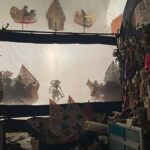
Along this section, you visit Makutharama Puppet Studio. The time allocated is about 45 minutes, and admission is free. The point isn’t only the puppet show angle. It’s also about seeing the historical central city train station environment—where you can spot contrasts between modern daily life and the older cultural layer that Jakarta keeps carrying forward.
Why this stop feels good on a half-day tour: it gives your eyes a break from monument-heavy sightseeing. Instead of more marble and banners, you’re looking at craft, performance, and a local tradition that’s tied to identity and entertainment.
If you enjoy hands-on explanations, you’ll probably appreciate how the guide frames what you’re seeing. That kind of storytelling is what turns a studio visit into something you remember when you’re back home scrolling photos.
Kota Tua Old Town: crafts, museums, and street life with time to wander
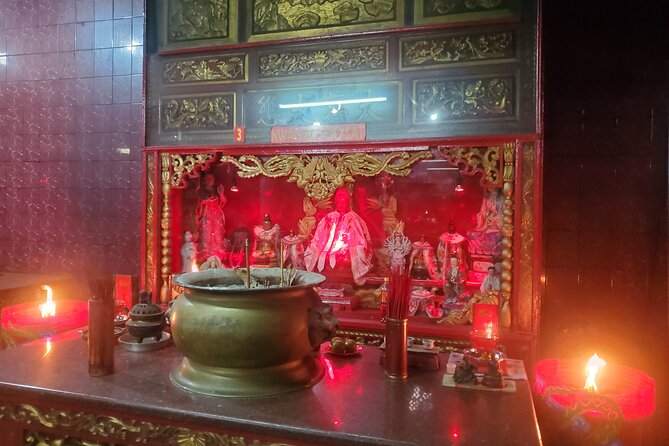
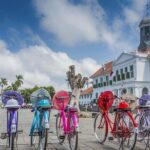
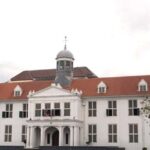
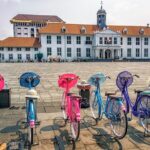
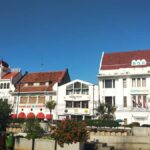
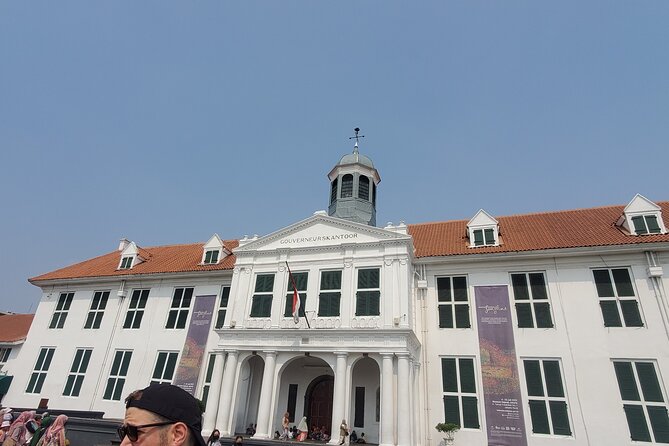
From the train ride, you reach Jakarta Old Town (Kota Tua). This is the colonial square area people come for, but the best part here is that it’s not only about old buildings. You get around 45 minutes to explore the different parts of the plaza and surrounding lanes.
This stop is one of the most fun sections because you’ll find local crafts and arts, museum options, street performers, and live music. Even if you don’t plan to buy anything, the area helps you feel the city’s rhythm.
There’s also an optional museum ticket in Old Town: the Historical Museum Old Town is listed at 50,000 rupiah (about $3.40). That’s a “nice if you want it” cost, not a requirement. If you’re museum-first, it’s worth considering. If you’re more interested in atmosphere and photos, you can skip it and put your time into watching how the area works.
Trade-off to keep in mind: Kota Tua is designed for wandering, but your time is capped. So pick one museum you’d actually want, or pick the street scenes. Trying to do both at full speed can feel like a blur.
Dharma Bhakti Temple: a 1650 shrine and Indo-Chinese details
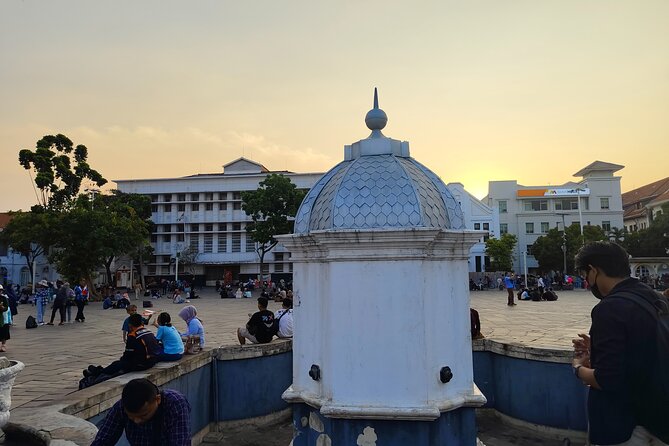
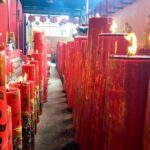
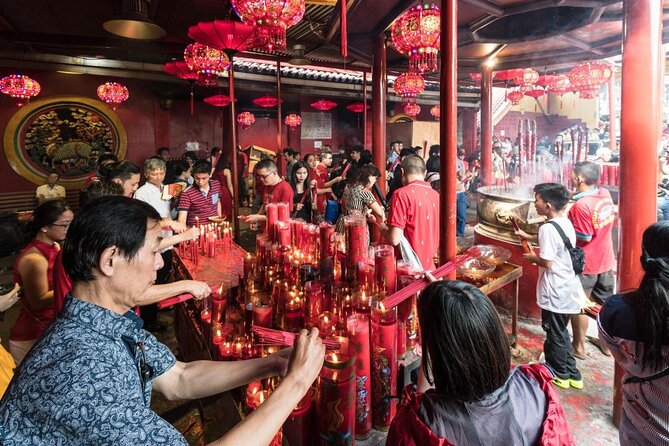
After Old Town, the itinerary moves to Dharma Bhakti Temple. This stop is about 30 minutes, with free guided access. The temple dates back to 1650 and features traditional Indo-Chinese architecture and religious art.
This is a great “reset” stop. After the outdoor plaza vibe of Kota Tua, you get a calmer environment where you can focus on details—design elements, religious artwork, and the way the space is used.
Also, religious sites often come with a different kind of respect. Inside, keep your voice down, watch what you’re allowed to photograph, and follow the guide’s pace. You’ll usually get more out of a place like this if you slow just a little, even when the clock is ticking.

Glodok Chinatown: markets, eateries, and a realistic taste of daily life
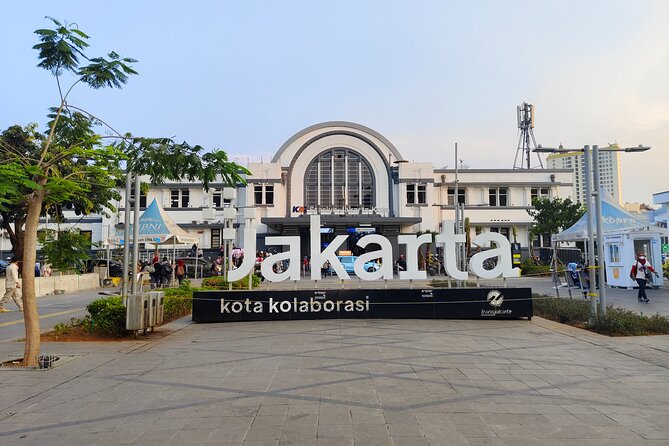
The tour then heads by car to Glodok Chinatown (about 15 minutes transfer). You get around 45 minutes here, again with free admission.
Glodok is where Jakarta feels most like a real working city. You’ll see markets, eateries, and a lively daily flow. The idea isn’t that you’ll do everything—there’s simply enough time to sample the atmosphere and pick one or two food or drink moments that fit your taste and comfort level.
What I like about including this area on a highlights tour: it’s not an empty “tourist Chinatown” zone. The energy is tied to routine. You can take in the visual rhythm—the signage, the crowds moving with purpose, the food stands—then decide what you want to try.
If you have a sensitive stomach, keep it practical. Choose one snack, drink water from the included bottle (or buy more if you want), and pace yourself. You don’t need to turn this into a full food tour to enjoy it.
Price and value: $48.05 that mostly stays in-bounds
At $48.05 per person for about 4 hours 30 minutes, this tour lands in the “good value if you want a guided circuit” category. The math works best when you notice what’s included and what isn’t.
Included highlights:
- All fees and taxes
- Bottled water
Not included highlights:
- Optional tower ascent at MONAS
- Optional Old Town museum ticket (50,000 rupiah)
- Tips for the guide
- Lunch
This is important for planning. With several stops already free, you’re not facing surprise ticket costs everywhere. You’re mainly paying for the guide time, the route efficiency (car + train segments), and the structured order that prevents you from zigzagging across Jakarta.
Group size also affects value. The tour caps at 15 travelers, which usually keeps the experience from turning into a rushed cattle-line. One review detail that matches the tour’s vibe: FiFi is praised for taking her time and for humor that makes the city feel human, not like a list.
One budget caution: if you stack the MONAS tower plus an Old Town museum plus snacks in Chinatown, you’ll add costs. Still fine—just plan for it so you don’t feel caught off guard.
Timing and logistics: half-day that still feels like a day
This runs for about 4.5 hours, with short visits at each main site. The transfers are built in:
- Car from MONAS to Cathedral (~15 minutes)
- Train toward Old Town (~30 minutes)
- Car to Chinatown (~15 minutes)
So you’re not stuck waiting a lot. You’re moving. That matters in Jakarta where traffic and distance can chew up time fast.
The meeting point is IRTI Monas in Central Jakarta, and the end point is near Holiday Inn Jakarta Gajah Mada, with the guide assisting at the front area of Vihara Dharma Bakti so you can take private or public transport afterward.
If you plan the rest of your day after the tour, keep it flexible. This is the kind of itinerary that gives you ideas for what you’ll want to return to later, not everything you’ll complete today.
Also note: the tour works best in good weather. If weather is poor, you’ll be offered another date or a full refund. That’s a simple thing to keep in mind because you’ll spend part of the day outdoors.
Who should book this Jakarta highlights route
This tour suits you best if you:
- Are in Jakarta for a short stay and want a fast overview of top sights
- Like local interpretation, not just facts on a placard
- Want a balance of big landmarks plus neighborhood energy in Glodok
- Prefer a group of up to 15 with a guide who can adjust the pace
It may not suit you if you:
- Want long, slow museum time and deep dives at one stop
- Are traveling with someone who gets impatient with quick transitions
- Plan to visit several paid attractions on the same day and need maximum time at each
Should you book this Jakarta City Highlights: Half-Day Tour All around Jakarta?
I’d book it if your goal is orientation. This route gives you a clear sense of where Jakarta’s identity shows up—independence at MONAS, religious life at Istiqlal Mosque and Cathedral, craft and performance stops like Makutharama Puppet Studio, the colonial-era mood of Kota Tua, and the everyday buzz of Glodok Chinatown.
Skip it or extend your plans if you already know you want to spend half a day alone inside one place. This tour is built for variety, not for maximum time in any single building.
If you’re a first-timer, FiFi’s style—friendly, funny, and organized—sounds like exactly what makes short sightseeing feel worth it. You come away with photos, yes. But more importantly, you come away with context for how to explore the city next.
FAQ
Where does the tour start and where does it end?
The tour starts at the MONAS IRTI entry point at Jalan Medan Merdeka Sel. No.5, Gambir, Central Jakarta. It ends near Holiday Inn Jakarta Gajah Mada, with the guide assisting you at the entry in front of Vihara Dharma Bakti (Dharma Bhakti Temple area).
How long is the tour?
It lasts about 4 hours 30 minutes.
How much does the tour cost?
The price is $48.05 per person.
What is the group size?
The tour has a maximum of 15 travelers.
What stops are included in the itinerary?
You’ll visit MONAS (National Monument), Jakarta Cathedral, Istiqlal Mosque, Makutharama Puppet Studio, Jakarta Old Town (Kota Tua), Dharma Bhakti Temple, and Glodok Chinatown.
Are entrance fees included?
All fees and taxes are included for the tour. Many stops list admission as free, but an optional MONAS tower ascent ticket is not included.
Is bottled water included?
Yes, bottled water is included.
Is lunch included?
No, lunch is not included.
Is there any optional extra cost during the tour?
Yes. The MONAS tower ascent is optional and not included. There is also an optional Historical Museum Old Town ticket listed at 50,000 rupiah (about $3.40 US).
What about weather?
The tour requires good weather. If it’s canceled due to poor weather, you’ll be offered a different date or a full refund.