A full-day Ubud plan with built-in wow moments. I love the mix of holy spring ritual and classic scenery like the Tegalalang Rice Terraces, all in one day. I also like that the stops connect to real daily life: woodcarving at Mas, market browsing, and palace-courtyard views. One thing to consider: it’s a hot, packed route with stairs and a few active stops, so you’ll want comfy shoes and a realistic pace.
What makes this tour work well is the structure. Hotel transfers are offered for most options, and the day runs with a live guide who helps you make sense of what you’re seeing, not just where to stand for photos. The most praised guides—people name folks like Agung Rai, Merta, Dewa, Wayan, and Sakha—get high marks for explaining Balinese culture and keeping the day moving smoothly.
There’s also flexibility in how you book. You can choose a version that includes tickets (and sometimes lunch), or you can pick the option without tickets and buy entrance passes on-site, usually with cash. If you’re the type who hates lines and hates decisions, go with tickets; if you prefer control and you don’t mind currency, the no-ticket option can work.
In This Review
- Quick Reasons This Ubud Tour Hits the Spot
- A Ubud Day Built Around Water, Worship, Craft, and Coffee
- Tegenungan Waterfall: A Real Close-Up, Plus a Break from the Road
- Monkey Forest Sanctuary: How to See Macaques Without Making It Worse
- Ubud Traditional Market and Mas Woodcarvings: Souvenirs, But With Meaning
- Ubud Palace: Balinese Architecture Without the Big-Show Energy
- Jungle Swing and Tegalalang Rice Terraces: Postcard Views With a Reality Check
- Tirta Empul Temple: The Holy Spring Cleansing Experience
- The Coffee Plantation Stop and the Luwak Coffee Story
- Price and Value for This Packed 8-Hour Route
- Timing, Heat, and What to Bring So You Don’t Feel Miserable
- Who This Tour Fits Best (And Who Should Rethink It)
- Should You Book This Ubud Waterfall, Rice Terraces & Monkey Forest Private Tour?
- FAQ
- Is hotel pickup included?
- How long is the tour?
- Does this tour include entrance tickets?
- What should I bring for the day?
- Will I be able to buy tickets with a credit card?
- What language is the tour guide?
- What happens if it rains?
Quick Reasons This Ubud Tour Hits the Spot
- Tirta Empul cleansing gives you a deeper look at Balinese religion beyond sightseeing.
- Tegenungan Waterfall is close enough to feel the mist, and it’s timed for an easy stop.
- Monkey Forest is a real sanctuary setting with long-tailed macaques, not a staged animal show.
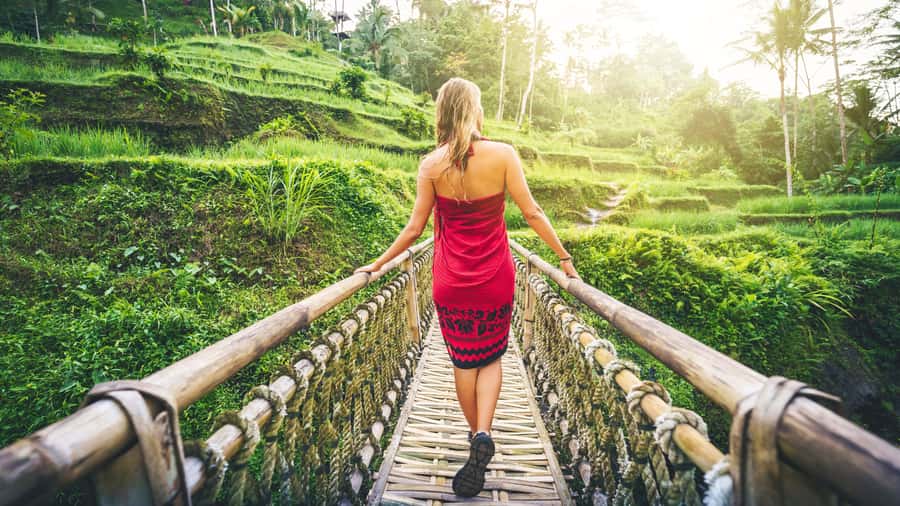
- Tegalalang Rice Terraces deliver that instantly recognizable Bali countryside view.
- A guide-led day (often with guides like Agung Rai, Merta, or Wayan) helps you understand what you’re seeing.
A Ubud Day Built Around Water, Worship, Craft, and Coffee
This tour is basically a greatest-hits circuit for Ubud and nearby areas: waterfall, temple ritual, monkeys, markets, palace architecture, rice terraces, and a coffee stop. The good news is that each stop has a different “purpose,” so you’re not just hopping between photo backdrops.
If you care about context, you’ll get it. Many guides are praised for turning the day into mini-lessons—why Tirta Empul matters, what you’re looking at in palace architecture, and how carving traditions in Mas Village fit into daily life.
If you care about comfort, you’ll be glad there’s bottled water included and hotel pickup/drop-off is available for most options. Also, the car experience seems to get attention: people mention modern vehicles with working AC, which matters in Bali heat.
You can also read our reviews of more tours and experiences in Bali.

Tegenungan Waterfall: A Real Close-Up, Plus a Break from the Road
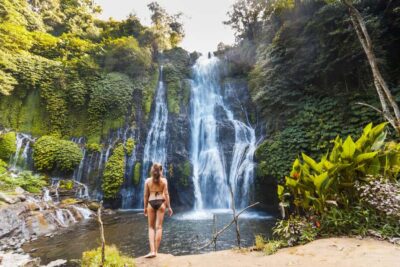
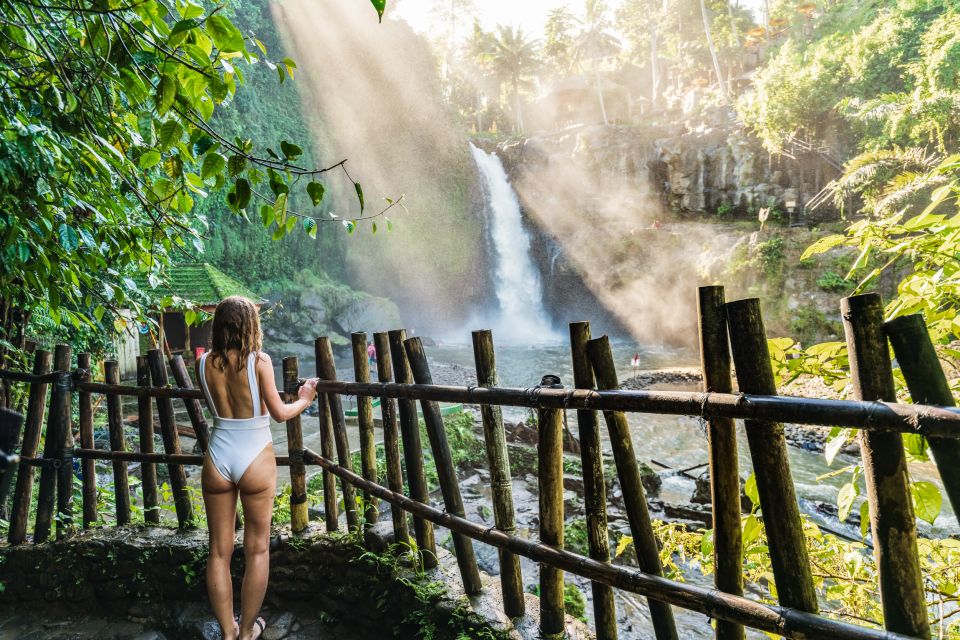
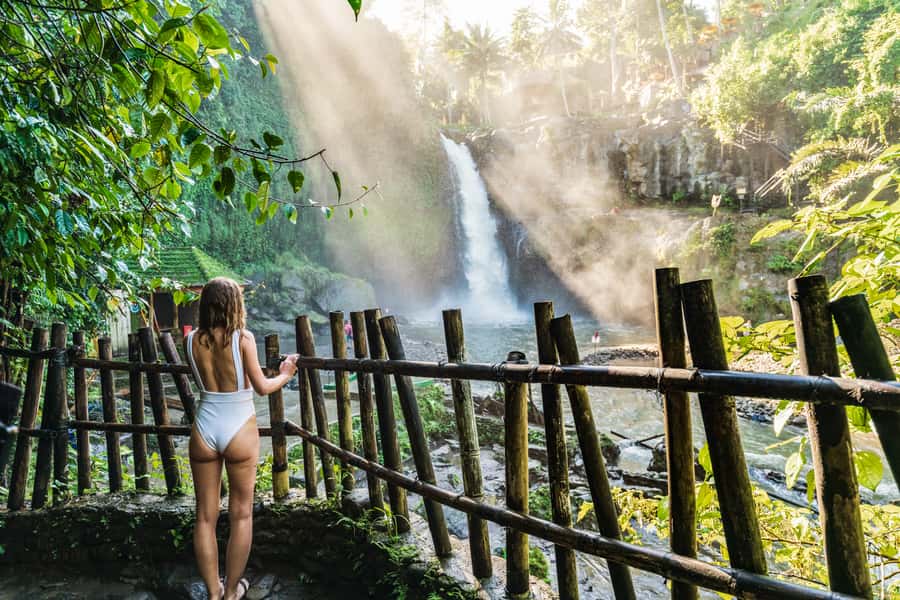
Tegenungan Waterfall is on the south side of Ubud, and the payoff is getting fairly close to the water. You’ll have time to look around, snap photos, and feel that cool spray when you’re near the falls.
This stop is also a good mid-morning palate cleanser—everything else on the day leans cultural or scenic, and the waterfall is pure nature. It’s listed as about an hour, which is long enough for pictures and a slow walk, not long enough to feel stuck.
Practical note: bring swimwear and a towel if you want the option to get in the water. Flip-flops are fine, but expect some uneven footing.
Monkey Forest Sanctuary: How to See Macaques Without Making It Worse
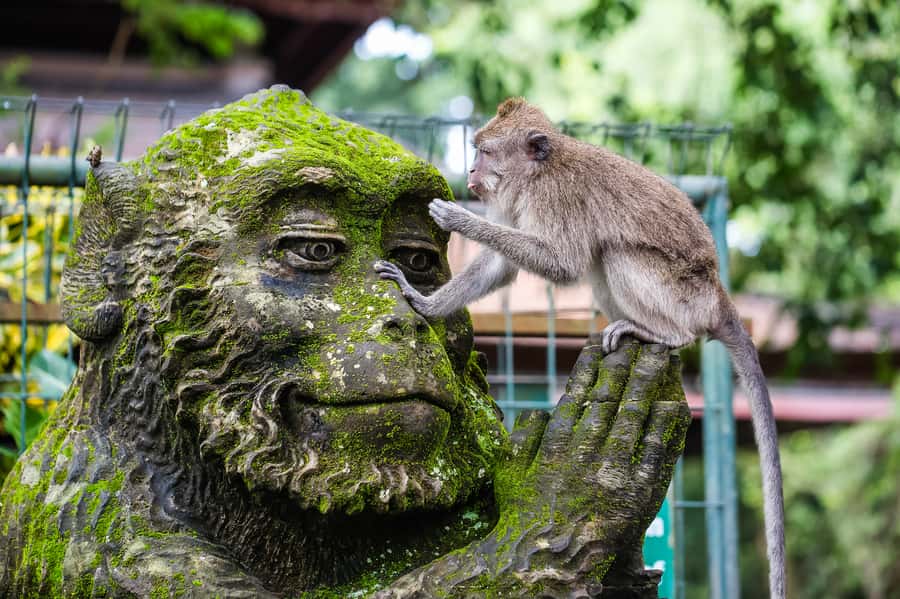
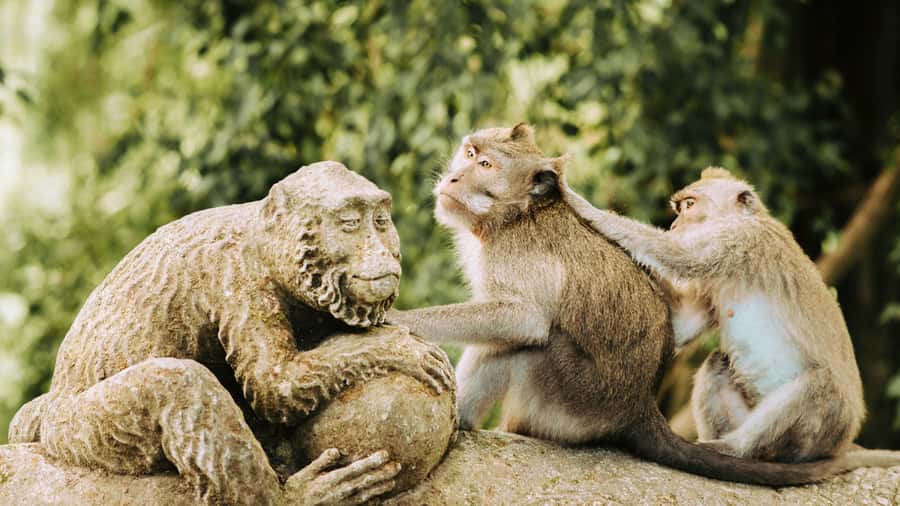
Ubud Monkey Forest is home to more than 600 long-tailed macaques, and it’s set around a sacred temple sanctuary. You’ll walk through the tropical green forest and see the temple area guarded by monkeys.
Here’s the part I’d treat seriously: monkey behavior can change fast. Keep your stuff secure and don’t encourage them. People specifically advise not to pet them and to avoid intense eye contact. If you’re wearing sunglasses, keep them protected and hold onto your bag.
The upside? This isn’t a distant zoo encounter. You’re walking in a living habitat, so you get close views of how they move, groom, and interact. That makes it memorable, as long as you respect their space.
If rain hits hard, there can be schedule adjustments. One traveler notes they couldn’t do Monkey Forest during torrential rain, which is the tradeoff with any outdoor wildlife stop.
Ubud Traditional Market and Mas Woodcarvings: Souvenirs, But With Meaning
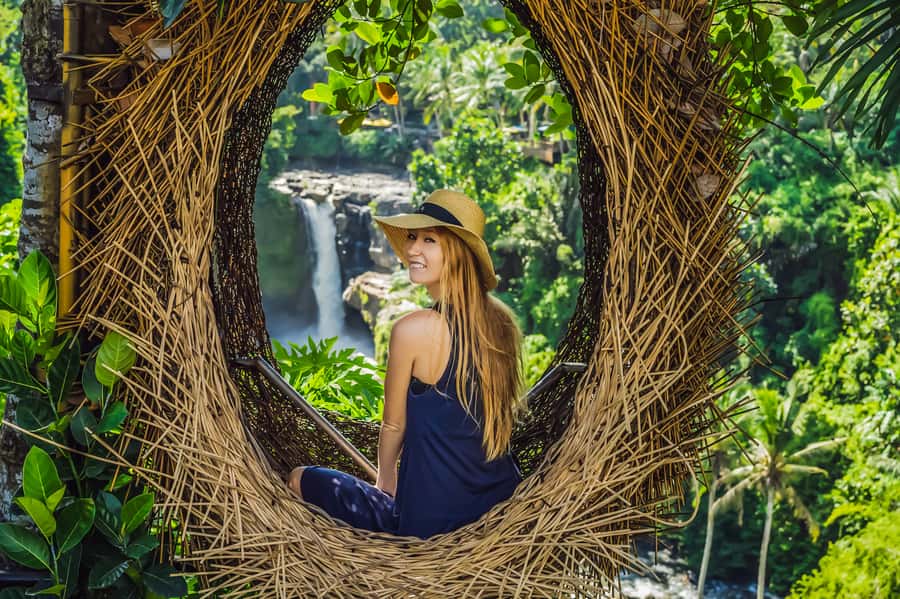
Ubud Traditional Market is where local life shows up fast: produce, snacks, handicrafts, and everyday goods. You’re given time for a short browse, and the market is also a good place to pick up small gifts without turning it into a second full day.
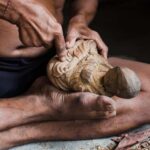
Then there’s Mas Village, known for woodcarving. Mas is where many of Bali’s more prominent carvers are concentrated, and the craft tends to be elaborate—so it’s not just mass-market keepsakes. You get to see the style up close and understand how carving skills are passed along.
Two tips that help here:
- Go in ready to compare prices and quality quickly. The first stall you like might not be the best value.
- Ask the guide what you’re looking at. Guides often explain what motifs mean and why certain carvings look the way they do, which makes your purchases feel more informed.
Ubud Palace: Balinese Architecture Without the Big-Show Energy
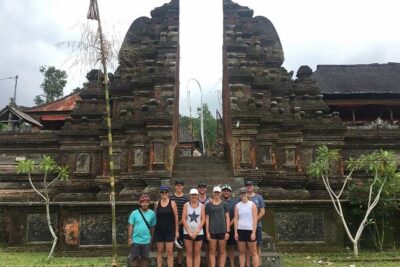
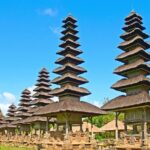
The Ubud Palace stop is centered around traditional Balinese architecture and the complex’s courtyards. Even if you’re not there for a performance, the palace grounds give you a sense of scale and design—stone, carvings, layered structures, and that feel of an active cultural center.
You’ll also get a window of free time for photos. From the road you can see the palace area, and once inside you’ll have a more detailed view of the architecture complex.
If you’re trying to photograph smartly, go slow. The palace has angles that look fine from one spot and awkward from another, so using your guide’s help for the best viewpoints can save you time.

Jungle Swing and Tegalalang Rice Terraces: Postcard Views With a Reality Check
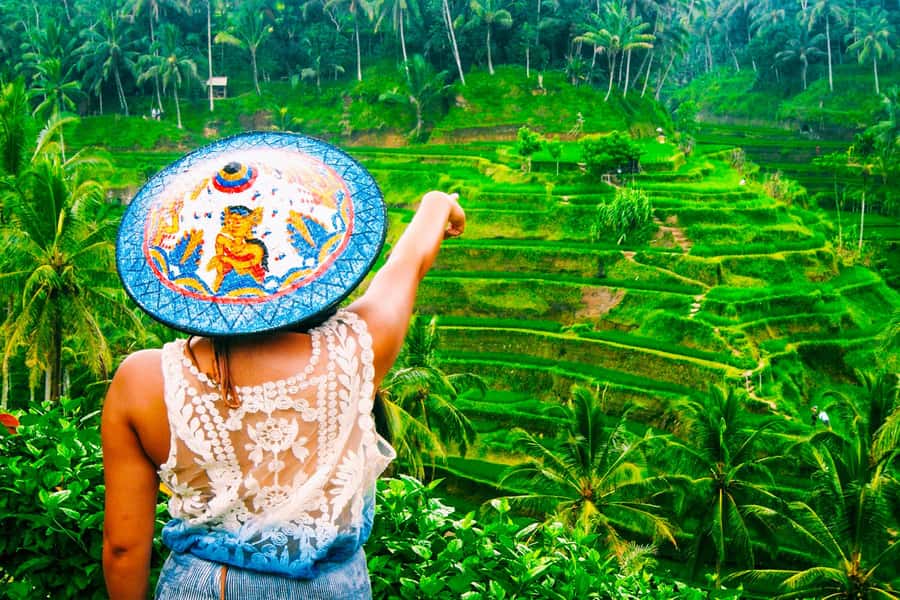
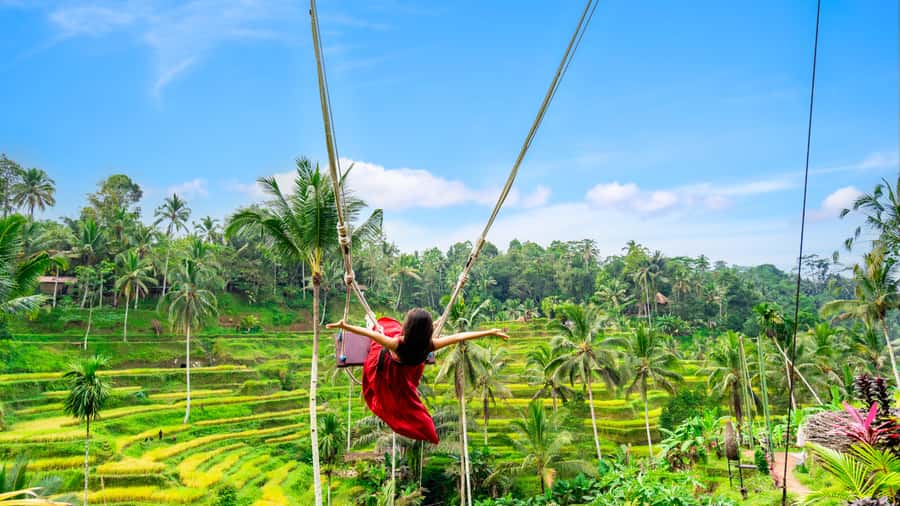
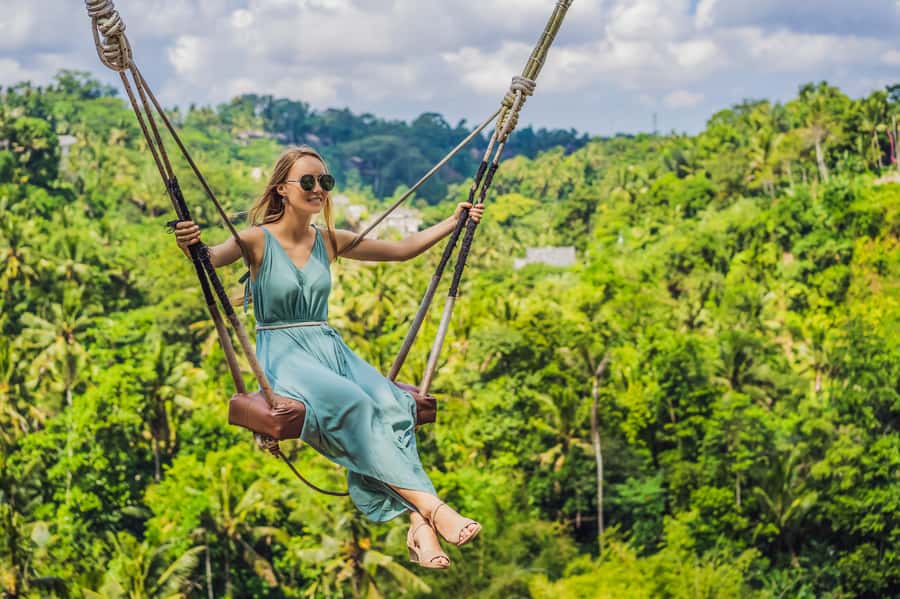
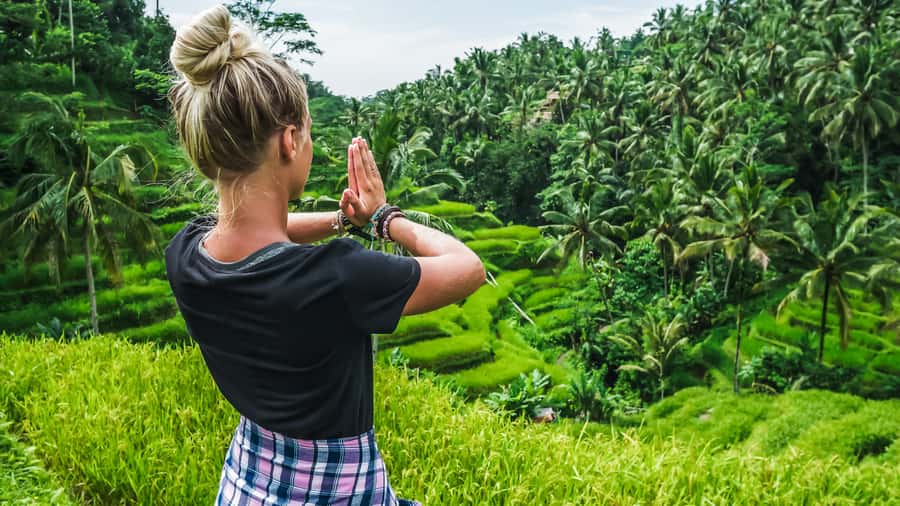
Tegalalang Rice Terrace is one of the classic Bali scenes: terraced fields, green slopes, and the kind of view that makes you stop walking even if you’ve seen rice terraces before. You’ll get about an hour for sightseeing.
What you do with that hour matters:
- If you want photos, go early in your visit window before crowds press in.
- If you want calm, step a few levels away from the busiest edges and let the terrace paths do the work.
Then comes the jungle swing stop. It’s on the itinerary as a dedicated visit (about 30 minutes), and it’s popular for a reason: it turns the rice terrace scenery into a bigger “wow.” Some guides are praised for guiding guests to good angles and for helping with photos throughout the day, so you’re not just standing there guessing where to go.
Reality check: expect heat, humidity, and some walking (and stairs at certain sites). Comfortable clothes and good grip shoes help more than you’d think.
Tirta Empul Temple: The Holy Spring Cleansing Experience
Tirta Empul Temple is known for its holy spring water and the cleansing rituals that locals and visitors participate in. This is not just a pretty temple stop. It’s a spiritual place with a routine and rhythm that visitors are expected to respect.
The setting is peaceful, with traditional Balinese design, so even if you’re not joining the ritual, you’ll feel the difference in tone from the more casual sightseeing stops.
What to do on-site:
- Watch what others do first, then follow the flow rather than trying to freestyle.
- Dress appropriately. You might be provided a sarong or given guidance on how to cover up, which people mention as part of temple etiquette.
- Bring a towel if you think you might get wet. Swimwear is specifically recommended for the day.
If you’re unsure about religious sites etiquette, your guide should be able to point you in the right direction, and the best guides—names that come up often include Agus and Merta—tend to explain what the ritual means in plain language.
The Coffee Plantation Stop and the Luwak Coffee Story
The tour includes a coffee plantation stop where you can learn about coffee and tastings. A highlight here is Luwak coffee, which is made from beans processed after being eaten by an animal and later collected for processing.
Even if you’re not a coffee superfan, this stop fits the tour because it adds Bali’s food culture layer. You’re not only looking at scenery; you’re tasting, smelling, and learning how a local product goes from farm to cup.
Some travelers call this stop genuinely worth it, and they even mention going back for extra coffee during the same day—so it’s not treated as a quick sales detour by everyone.
Price and Value for This Packed 8-Hour Route
At about $23 per person, the value can be excellent—especially compared to the cost of paying separately for transport, a guide, and multiple entrance fees.
But your best deal depends on which option you choose:
- If you pick the version that includes tickets, you’re buying convenience. You avoid on-site ticket errands and cash issues.
- If you pick the version without tickets, you can still do it. Tickets can be bought at the destination, usually in IDR cash, and credit card acceptance for ticket purchase is described as rare.
Lunch inclusion depends on the option too. One common lunch stop people mention is d’Alas Warung, and travelers specifically note vegan and gluten-free options there. Still, don’t assume all dietary needs are guaranteed at every lunch choice—use the tour’s lunch-included option if food planning matters to you.
Also remember: the tour is about 8 hours, but it can run longer depending on traffic and pacing. Bali roads can add time, and the guide may slow down at a site if something interesting is happening.
Timing, Heat, and What to Bring So You Don’t Feel Miserable
You’ll be out for a full day in warm, humid conditions. That affects everything: how much you enjoy the waterfall, whether the rice terrace walk feels fun or sweaty misery, and how much you can tolerate temple etiquette without rushing.
Pack like you’re going to be outside:
- Swimwear + towel (water stops can be more than just looking)
- Sunscreen and camera
- Cash (especially if you choose the no-ticket option)
- Light layers and comfortable footwear
Rain can also change the day. The tour runs if it rains, and umbrella/ponchos may be provided. That’s a big plus in a place where weather can shift without much warning.
Who This Tour Fits Best (And Who Should Rethink It)
This tour is a great fit if you want a structured day that covers Ubud’s core hits: temples, nature, macaques, art/craft, and rice terraces. It’s especially useful for first-timers who want to get oriented fast and don’t want to plan transport between sites.
It’s also ideal if you like learning from a guide. Many people highlight guides such as Dekwi, Agung, Putra, Leo, and Wah Ko for being friendly, adapting to pace, and helping with photo moments.
You might rethink it if:
- You prefer slow travel with long sit-down time at one place.
- You’re sensitive to heat and don’t enjoy walking on uneven ground.
- You want zero “active” stops like monkey forest and swings.
Should You Book This Ubud Waterfall, Rice Terraces & Monkey Forest Private Tour?
If you want a full Ubud day that blends water + temples + countryside + monkeys without you having to stitch everything together, I’d book it. The value is strong, and the most praised part is the human one: guides who explain what you’re seeing and help you move through the day without feeling herded.
Just make your decision based on your style:
- Choose the ticket-included option if you hate cash logistics and want smoother flow.
- Choose the no-ticket option if you’re comfortable with IDR cash and want a bit more control.
If you’re flexible with timing and you’re prepared for sun, humidity, and a few stairs, this is one of the most practical ways to do a first Ubud sampler that still feels authentic.
FAQ
Is hotel pickup included?
Pickup and drop-off are included for most options. The small group sharing option does not include hotel pickup; you meet at a specific spot in front of Ubud Palace corner of Ubud market.
How long is the tour?
The tour is listed at about 8 hours, though it can run longer based on traffic and how fast you move through sites.
Does this tour include entrance tickets?
It depends on the option you choose. Ticket-included versions have entrance fees covered, while no-ticket versions allow you to buy tickets at the destination.
What should I bring for the day?
Bring swimwear, a towel, camera, sunscreen, and cash. Cash is especially useful if you choose an option where you buy tickets on-site.
Will I be able to buy tickets with a credit card?
Ticket purchase is mostly in IDR cash, and credit card payment is rare for entrances. Restaurants are more likely to accept credit cards.
What language is the tour guide?
The live guide speaks English and Indonesian.
What happens if it rains?
The tour typically keeps going if it rains, with possible timing adjustments. Umbrellas or ponchos may be provided.