Sunrise on Rinjani feels like a dare. I like how this trek is well organized and how the team handles the heavy stuff with camp setup and porter support. The one drawback to plan for: it’s physically serious, and the national park entrance fee isn’t included.
You’ll start in the Senaru area and ease into the mountain with a waterfall visit, including Sendang Gile and Tiu Kelep, led with a women guide. Then you move into summit mode, chasing big views from the 3726m area while you’re kept fueled and equipped for overnight trekking.
This is also a practical-value style of trek: your group heads out together, you’re given core camping gear, and you get transport drop-off after the climb to Senggigi, Mataram, or Bangsal. Just note the meeting point is fixed at Mount Rinjani Vacation Tours & Trekking Organizer in Senaru, and you’ll want to arrive ready to hike.
In This Review
- Key Highlights I’d Circle Before You Book
- Sunrise Summit Math: What This 2D-1N Plan Really Gives You
- Starting in Senaru: Waterfalls and That Women-Guide Touch
- Day 1 Trek and Camp: How the Team Keeps You Moving
- Camping Gear Choices That Actually Matter at Rinjani
- The 3726m Sunrise Point: Views, Cold, and Your “Morning Self”
- Price and Logistics: Does $160 Make Sense Here?
- Team Quality: The Part You Feel Most
- What to Budget For Beyond the Base Price
- Who This Trek Fits Best (and Who Should Think Twice)
- Should You Book This Rinjani Summit Sunrise Trek?
- FAQ
- What does the trek include on the mountain?
- Are warm clothes and trekking poles included?
- Do I have to pay the national park entrance fee?
- Is transport pickup included before the trek?
- Where is the meeting point?
- Is this a private tour?
- What physical level do I need?
- What’s the cancellation rule?
Key Highlights I’d Circle Before You Book
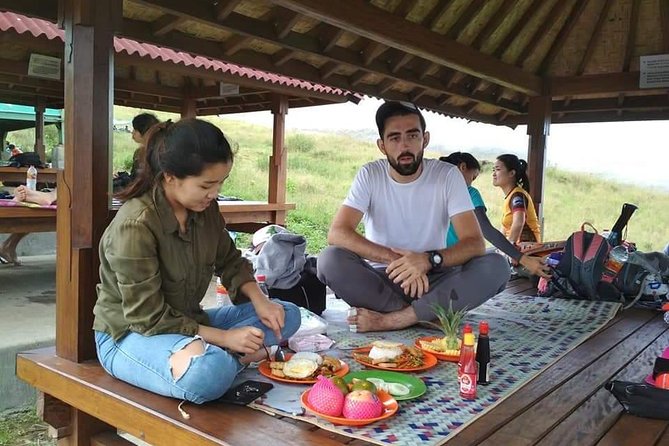
- 3726m sunrise-point goal with dramatic summit views, built around a tight 2-day schedule
- Sendang Gile and Tiu Kelep waterfalls as your first taste of Rinjani scenery, guided with a women guide
- English-speaking guide plus professional porters who handle cooking gear and camping equipment
- Camping comfort that’s actually useful: tent, sleeping bag, mattress, pillow, toilet tent and paper, plus a chair
- Cold-weather support included with a warm jacket, gloves, and a trekking pole per person
- Logistics that don’t wreck your day: luggage storage at the office and transport drop after the trek
Sunrise Summit Math: What This 2D-1N Plan Really Gives You
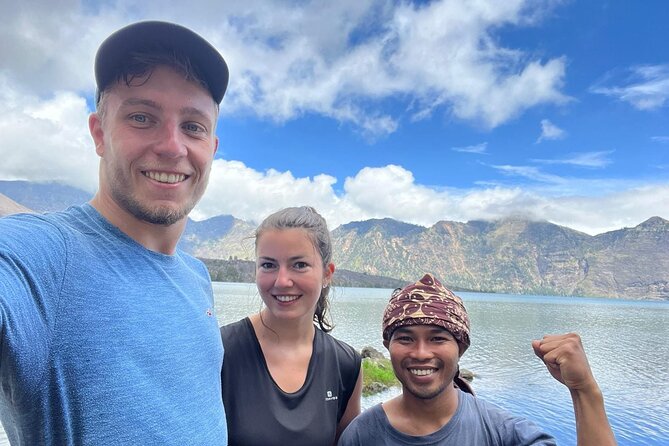
If you’re short on time but still want the real Rinjani summit experience, a 2D-1N format is the right idea. You’re not paying for days you can’t enjoy. You’re paying to climb, sleep on your plan, and chase the sunrise point views.
The most important thing I like about this setup is how the trek is packaged for you. Instead of you figuring out how to manage camp at the mountain, you’re given the basics: tents, bedding, toilet tent and paper, plus food and drinking water on the trek (3 litre mineral water per day/person). In plain terms, you hike with less mental clutter.
Now the trade-off: a shorter trek means less recovery time. Your legs don’t get a chance to settle into a slower rhythm. This is still a climb to the summit target at 3726m, and the operator explicitly notes it’s recommended for experienced trekkers and those with strong fitness.
You can also read our reviews of more tours and experiences in Lombok.
Starting in Senaru: Waterfalls and That Women-Guide Touch
Your first stop is the easy-to-love combo of Sendang Gile and Tiu Kelep Waterfalls. This is a great warm-up for your legs and a smart move for your head. You get to see why people come to Lombok’s quieter mountain routes before you commit to the hardest part of the trip.
What stands out here is the detail that the waterfall part is guided by a women guide. That matters because it changes the feel from generic sightseeing to something more locally grounded. You’re not just walking to photos. You’re moving through an experience led by someone who knows the area and pacing.
Practical note: even though this “warm-up” is easier than the summit trek, it can still be slippery depending on recent rain. Bring shoes that can handle wet rock and a small daypack you’re comfortable wearing for a while.
Also, the wider tour concept mentions that before climbing—or on arrival day—you can pair in other nearby sights like Senaru traditional village and coffee plantations. That’s optional by timing, but it’s an advantage if you want your trip to feel like more than just a one-purpose march.
Day 1 Trek and Camp: How the Team Keeps You Moving
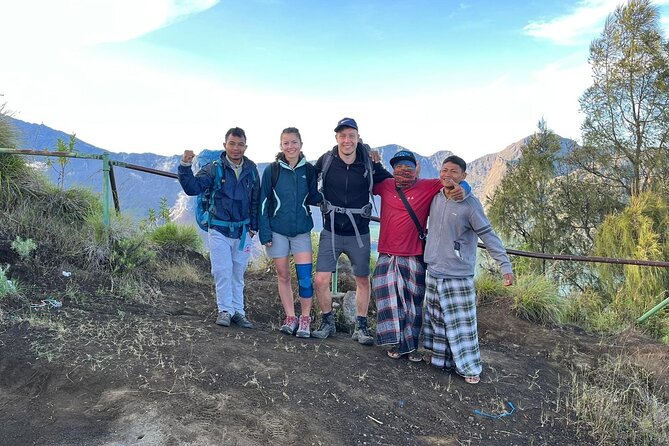
You’re not hiking alone in spirit or in practice. This tour is built around an organized team with an English-speaking guide and professional porters. The porters are there to carry the cooking gear and camping equipment, which is huge for a short summit plan. It’s the difference between hiking and hauling.
This also helps you conserve energy for the summit push. When your kit is lighter, you’re less likely to burn out early. And when the team controls the cooking setup, you’re not stuck improvising a meal situation at altitude.
Included food and drinking water are planned for the trek, with 3 litre mineral water per day/person. That’s a real safety net. On Rinjani, dehydration is a fast way to make your day miserable, so I like that water is treated like a core part of the plan, not a suggestion.
From the camp perspective, your comfort isn’t left to luck:
- Tent
- Sleeping bag
- Mattress and pillow
- Chair
- Toilet tent and paper
You’ll sleep better, which matters because sunrise treks demand you’re awake and functional, not just present.
Camping Gear Choices That Actually Matter at Rinjani
Some treks say they provide gear. This one lists the gear clearly, and that’s what you want. You’re trekking for a summit sunrise moment, so your overnight gear needs to help you recover, not just exist.
Here’s what’s meaningful for me:
- Sleeping bag + mattress + pillow: this combo improves rest quality. Even if you don’t sleep like at home, you can still bounce back.
- Warm jacket and gloves included: this is a practical inclusion. High points get cold, and you shouldn’t gamble on whether you packed the right layers.
- Toilet tent and paper: basic, yes, but it saves you from awkward late-night “where do I go” problem-solving.
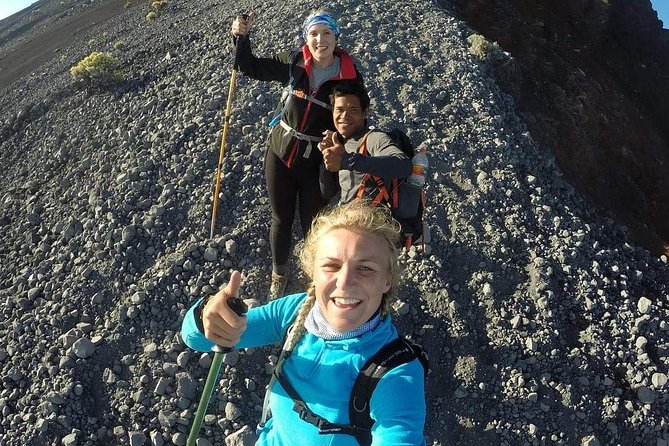
- One trekking pole per person: trekking poles reduce strain and can help on steep or uneven sections.
And one underrated piece: luggage storage is available at the Rinjani Vacation office. If you’re staying in Senaru or nearby before your trek, you don’t need to drag extra bags onto the hike. Keep your summit day pack minimal; store the rest.
The 3726m Sunrise Point: Views, Cold, and Your “Morning Self”
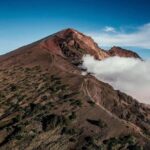
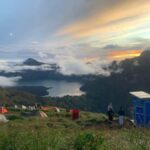
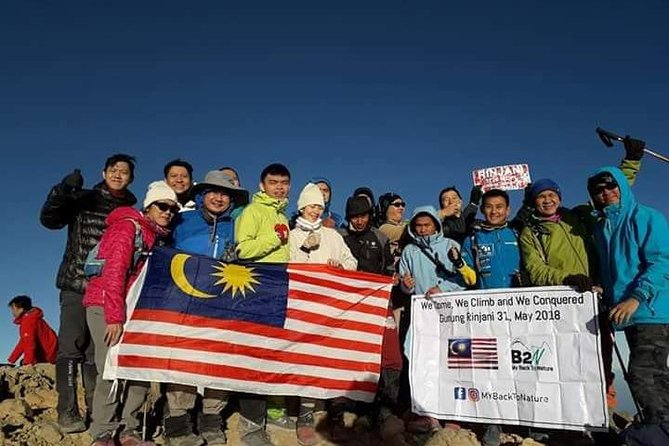
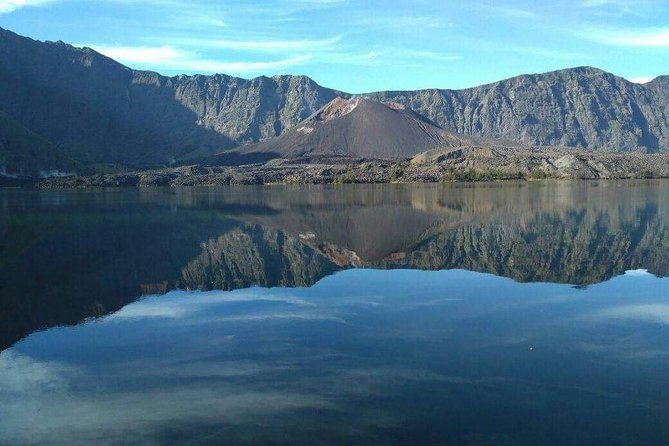
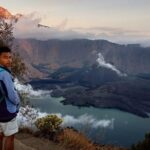
The heart of this experience is the summit trek to the 3726m area, aimed at the sunrise point. This is the kind of trip where your reward comes from being there when the light changes—when clouds thin, ridgelines pop, and the mountain stops looking like a map and starts looking like a place.
The tour description also mentions the route is full of sunset point views. In practice, what matters is you’ll be seeing big sky moments from exposed areas. Sunrise and sunset at Rinjani can be intense: temperatures drop quickly, and visibility can change fast.
That’s why the included warm jacket and gloves are more than a box-check. Even with them, I’d still recommend you dress in layers so you can adjust. Your body warms up while hiking, then cools down while waiting for light or moving more slowly.
One more reality check: a sunrise-point goal usually means long hours. Don’t treat it like a casual morning stroll. Think like a hiker: pace early, sip water, and keep your breathing steady.
Price and Logistics: Does $160 Make Sense Here?
At $160 per person for roughly 2 days (2D-1N), value comes from what’s bundled. You’re paying for leadership, porter support, key camp gear, and trek fuel.
Included items that drive value:
- Guide and professional porters
- Cooking gear and camping equipment carried by porters
- Food and drinking water on the trek (3 litre mineral water/day/person)
- Camp setup gear: tents, sleeping bag, mattress, pillow, chair, toilet tent and paper
- Warm jacket, gloves, and a trekking pole
- Luggage storage at the office
- Transport drop after the trek to Senggigi, Mataram, or Bangsal
So you’re not just paying for “a person to walk with you.” You’re paying for the operational parts that usually cost time and money if you DIY it.
What isn’t included is also important for budgeting:
- Tips for guide and porters
- Extra porter for your own luggage (if you need it)
- Entrance fee to the national park: IDR 200,000 per each/day
- Transport pickup before the trek
- Accommodation/hotel
If you’re trying to compare prices, don’t compare the headline dollar amount alone. Compare the total cost after you add the entrance fee and any transport you still need on either side.
Team Quality: The Part You Feel Most
The reviews point again and again to organization and reliability. People praise the team for being reliable and on time, and they mention that the guide and porters were strong.
Some named staff show up in the feedback, which helps you feel less in the dark about who might be leading:
- A guide named Apeng was mentioned with praise for how the team supported the climb and how the food was prepared.
- A guide named Kusmayadi is credited with passion and knowledge, plus kindness and friendliness.
- Another guide, Oky, and porters named Mali and Satar are mentioned for help, food, drinks, and explanations during longer treks.
Even if your trip is only 2D-1N, this consistency is what you want: a team that handles the mountain with calm logistics, not chaos.
And I’ll be honest: food quality on a summit trek is not a luxury. It’s fuel and morale. When people praise the food preparation and attention to needs, that’s a sign the team isn’t cutting corners.
What to Budget For Beyond the Base Price
Don’t let the low headline price trick you. A few costs can pop up:
- National park entrance fee: IDR 200,000 per person/day
- Tips for guide and porters (not included)
- Transport pickup before the trek (excluded)
- Any accommodation if you need a hotel night before or after
You do get transport drop after the trek to Senggigi, Mataram, or Bangsal, which is helpful. But you’ll want to plan how you’ll get to the Senaru meeting point ahead of time.
Also, bring a little flexibility with your expectations. Weather can change quickly around volcanoes, and the mountain is still the mountain even when a tour is well-run.
Who This Trek Fits Best (and Who Should Think Twice)
This tour is recommended for people with strong fitness and prior trekking experience. That’s not gatekeeping—it’s just math. You’re aiming for 3726m in a short format, and a sunrise-point day generally means you’ll be pushing your pace longer than you expect.
This trek is likely a great match if:
- You’ve done multi-hour hikes before
- You know how your body handles cold mornings
- You like having a team handle camp and logistics
- You want a summit-focused trip without stretching to a longer trek
It may not fit as well if:
- You’re new to trekking or unsure about your stamina
- You hate early, long days
- You’re expecting a lightweight walk rather than a climb
If you’re on the fence, be honest with yourself. Your legs will remember your decision.
Should You Book This Rinjani Summit Sunrise Trek?
I’d book it if your priority is clear: sunrise at the summit target plus a real support team plus gear and food handled for you. The value is strongest for hikers who want the experience without the stress of carrying camp equipment or figuring out logistics.
You should think twice if you’re short on physical conditioning or you’re sensitive to cold and long hours. Also, budget for the national park entrance fee and tipping so you don’t get surprised at the wrong moment.
If you want, tell me your fitness level and whether you’ve done high-altitude or long steep hikes before. I can help you judge if this 2D-1N Rinjani sunrise plan is a smart match for you.
FAQ
What does the trek include on the mountain?
It includes a trekking guide and porters (who carry cooking gear and camping equipment), food and drinking water during the trek (3 litre mineral water per person per day), tents and sleeping gear (including sleeping bags, mattress, and pillow), plus a toilet tent and paper.
Are warm clothes and trekking poles included?
Yes. The tour includes a warm jacket, gloves, and one trekking pole per person.
Do I have to pay the national park entrance fee?
Yes. The entrance fee to the national park is listed as IDR 200,000 per person per day, and it’s not included.
Is transport pickup included before the trek?
No. Transport pickup is not included. However, transport drop-off after the trek is included to Senggigi, Mataram, and Bangsal.
Where is the meeting point?
You’ll meet at Mount Rinjani Vacation Tours & Trekking Organizer Lombok, in the Senaru area (Jl. Pariwisata, Senaru, Pawang Karya, Kabupaten Lombok Utara, Nusa Tenggara Barat, 83354, Indonesia).
Is this a private tour?
Yes. It’s listed as private, meaning only your group will participate.
What physical level do I need?
You should have strong physical fitness, since the trek is a summit climb to 3726m.
What’s the cancellation rule?
Free cancellation is offered up to 24 hours in advance for a full refund. If you cancel less than 24 hours before the start time, the amount paid isn’t refunded.