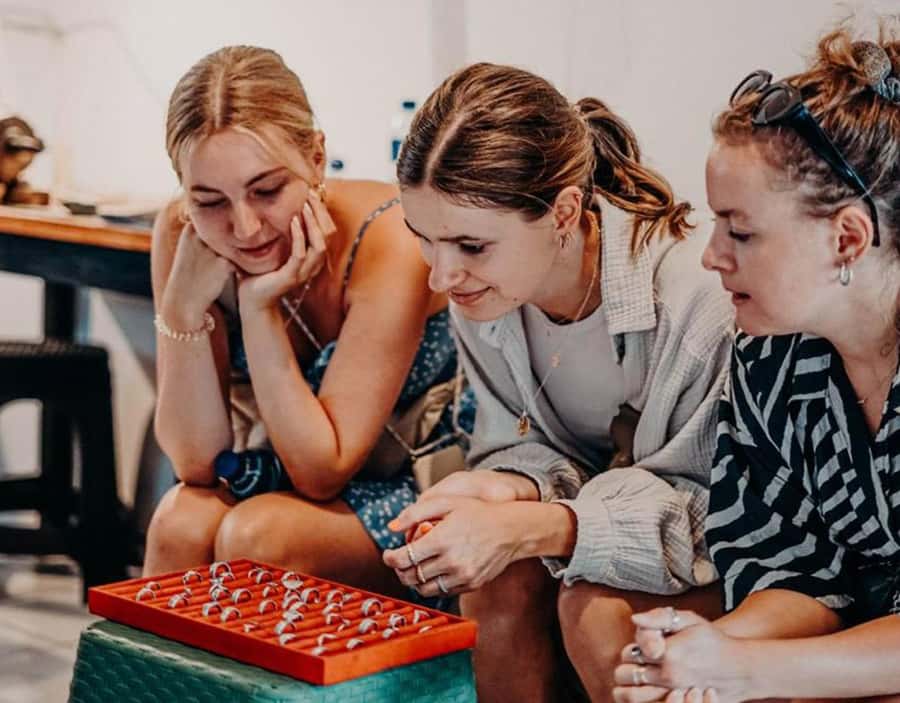
Silver rings, made by your own hands. At Krisna Silver Class Uluwatu, you spend two hours learning with a Balinese silversmith team and shape 5 grams of pure Indonesian silver into your own jewelry design.
What I like most is the hands-on, interactive setup in a private group. You’re not just watching—you’re making the piece step-by-step, with help when you need it, and you’ll leave holding something you can actually wear. I also love that the workshop includes the finishing work like sanding and polishing, so your silver doesn’t look half-done.
One thing to consider: you’re working with a small, set amount of silver, so you’ll want a design that fits the material and the 2-hour timeline. If you’re imagining a super elaborate, chunky statement piece, this is still fun, but your final options may feel more practical than fancy.
In This Review
- Key Points Worth Knowing
- Uluwatu’s Silver Workshop: Hands-On, Practical, and Actually Wearable
- What You’ll Make in the 2-Hour Session (Ring, Earrings, Pendant, More)
- Working with Pure Indonesian Silver: Why the Material Amount Matters
- The Teaching Style: English Support, Safety, and Real Craft Steps
- Finishing Day-to-Night: Sanding, Polishing, and Leaving with Confidence
- Price and Value in Uluwatu: Why $46 Makes Sense for 2 Hours
- Who This Class Suits Best (And Who Might Want to Adjust Expectations)
- Tips to Get the Most Out of Your Silver Piece
- Location Check: Meeting at Krisna Silver Class Uluwatu
- Should You Book This Uluwatu Silver Jewelry Class?
- FAQ
- How long is the silver jewelry class in Uluwatu?
- What kind of jewelry can I create?
- How much Indonesian silver is included?
- Is the instructor and guide available in English?
- Where do I meet for the class?
- Is this a private group activity?
Key Points Worth Knowing
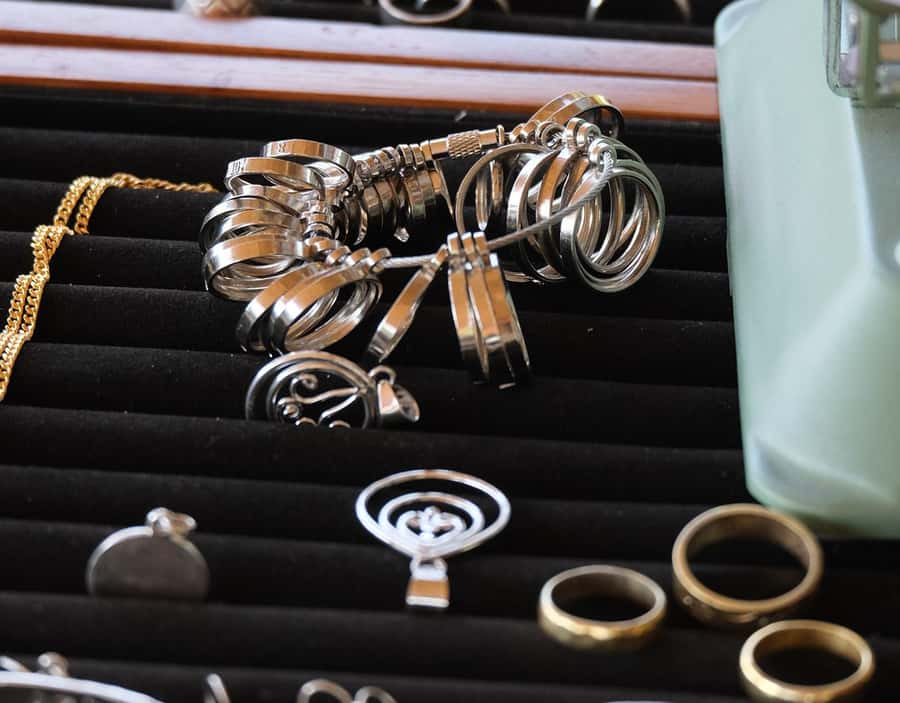
- Private group class means more direct attention while you shape, form, and finish your jewelry.
- English guidance keeps the technical steps clear, from planning your piece to completing it.
- 5 grams of pure Indonesian silver is enough for a meaningful wearable, without turning the class into an all-day project.
- Sanding and polishing are included, so you get a cleaner finish instead of raw-looking metal.
- You create a personalized design, including the option to add engraving ideas you like.
Uluwatu’s Silver Workshop: Hands-On, Practical, and Actually Wearable
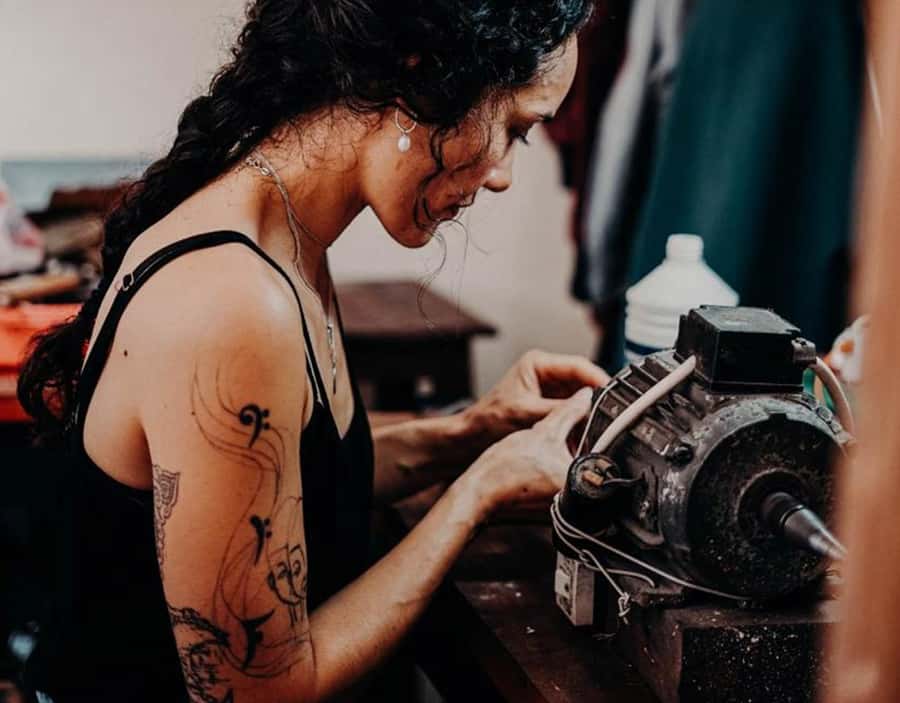
Uluwatu isn’t only about beaches and cliffs. It’s also where you can learn a craft that’s been part of daily life in Bali for generations, then turn that skill into something you can carry home. This workshop at Krisna Silver Class Uluwatu is built for results, not just sightseeing.
The tone of the experience is friendly and guided. You’re in a room with an instructor and a team of Balinese silversmiths who coach you through the steps, while you do the work yourself. That balance matters: you get the confidence of learning, but you don’t feel stuck when a metal detail gets tricky.
Another good part: the class length is tight at 2 hours. That’s ideal when you’re juggling a Bali schedule—especially if you want a real activity that ends with a take-home souvenir, not another shopping stop.
You can also read our reviews of more tours and experiences in Uluwatu.



What You’ll Make in the 2-Hour Session (Ring, Earrings, Pendant, More)
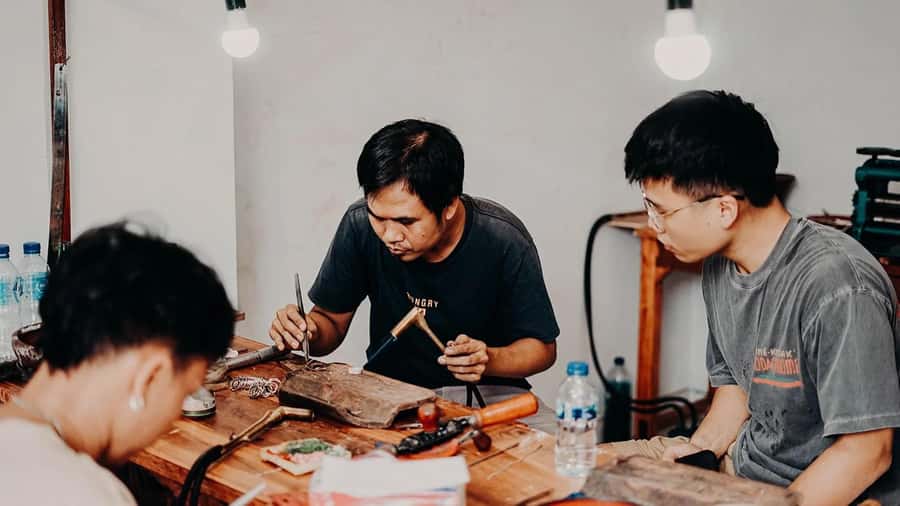
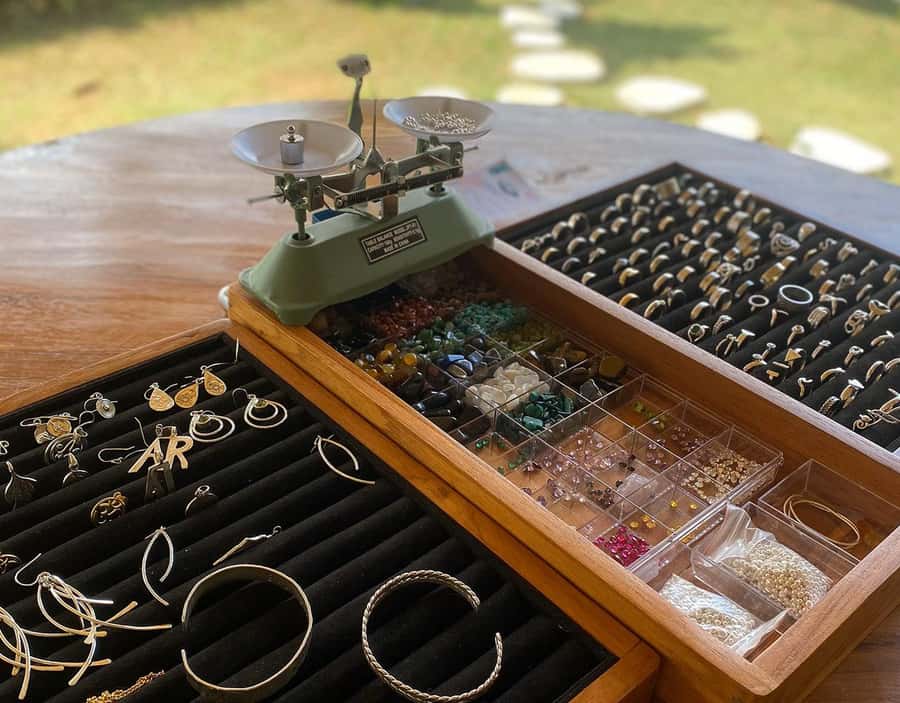
The class is designed around creating your own piece out of 1 to 5 grams of pure Indonesian silver, with a common target being 5 grams. You can typically aim for a ring, a pair of earrings, a pendant, or a similar wearable form. The key is that you start with your idea and shape it into something real by the end.
Expect a simple planning stage where you decide what you want to create. Then you’ll move into the hands-on portion where your design becomes metal in your own hands. If you’re the type who likes making gifts, this format is great because the piece can be personalized instead of generic.
Finishing is part of the process, not an afterthought. The workshop includes sanding and polishing, which makes a big difference for how the final jewelry looks and feels. You’re not leaving with something that only a jeweler could love—you’re leaving with something you’d actually be comfortable wearing.
Working with Pure Indonesian Silver: Why the Material Amount Matters
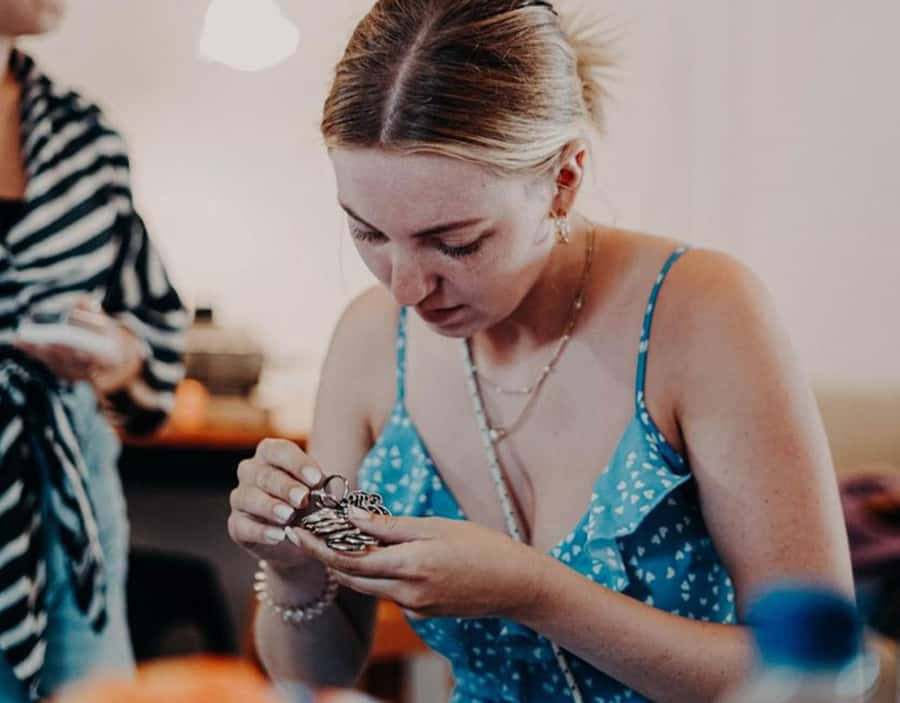
The workshop specifies pure Indonesian silver and gives you a set amount to use—often 5 grams for the core project, and up to 1–5 grams depending on what you choose. That detail isn’t random. It shapes what’s practical to make in a short time.
In other words, the class is set up for wearable size and clean finishing, not for building something huge. A ring, a pendant, or a smaller set piece is perfect for the time you have. If you want something delicate, this weight range can be a sweet spot. If you want something very bold and thick, you’ll likely need to adjust your expectations so your design fits the silver you’re given.
The good news is that this constraint helps you focus. Instead of overthinking a massive project, you can commit to a clear design and get it finished. That’s part of what makes the workshop feel satisfying.
The Teaching Style: English Support, Safety, and Real Craft Steps
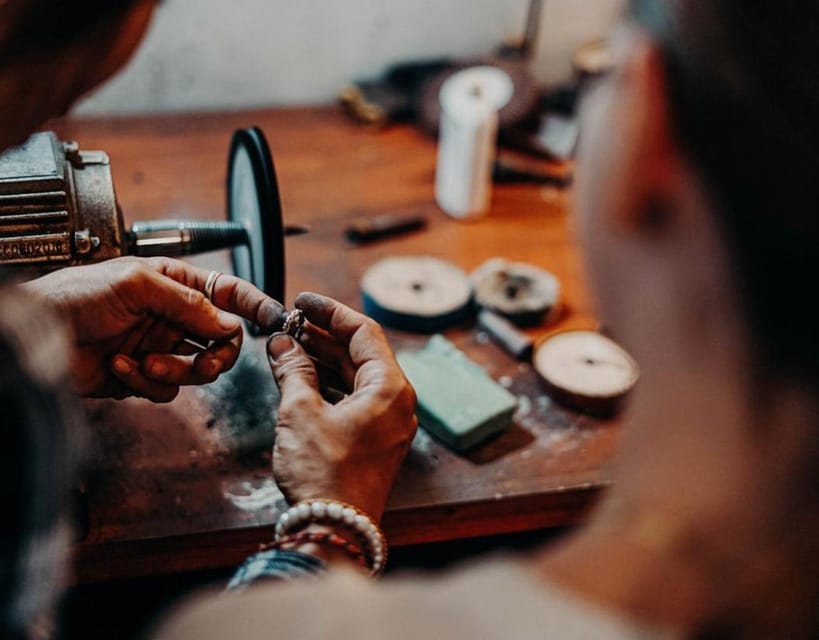
You get an instructor with English support, plus an English audio guide. That matters because jewelry-making has small technical steps—things like how to hold tools, how to work the metal without damaging the details, and how to reach a clean finish. When you can understand the steps clearly, you learn faster and your piece comes out better.
Safety is included in the class, which is important when you’re working with metal and tools. You’ll have guidance on how to handle the materials responsibly so you can focus on crafting instead of worrying.
The experience is also set up as a private group, so you’re not competing for attention. Many people love that the class feels like a guided session where the team can help you adjust the piece while you work. You’re encouraged to be creative, but you still get direction when it counts.
If you want personalization beyond the shape, this workshop supports it. One of the praised features is the ability to engrave—people describe engravings they chose and designs that match what they wanted to make. Even if you’re not sure what to engrave yet, the class structure gives you a path to decide.
Finishing Day-to-Night: Sanding, Polishing, and Leaving with Confidence
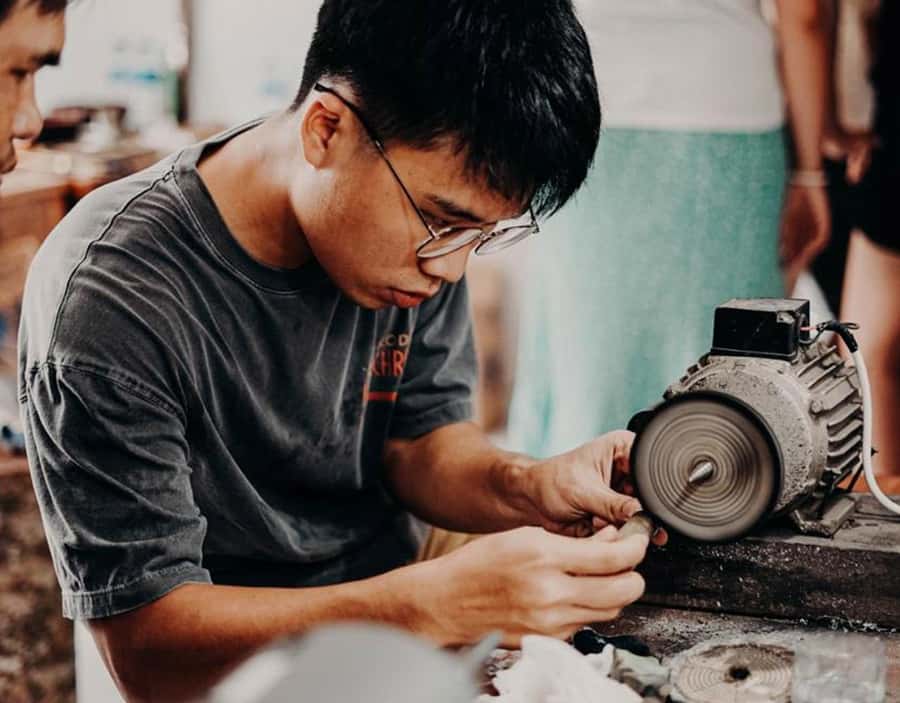
Here’s the difference between a fun craft workshop and a craft workshop you remember: the finish. This one includes sanding and polishing, which are the steps that turn rough metal into something that looks intentional.
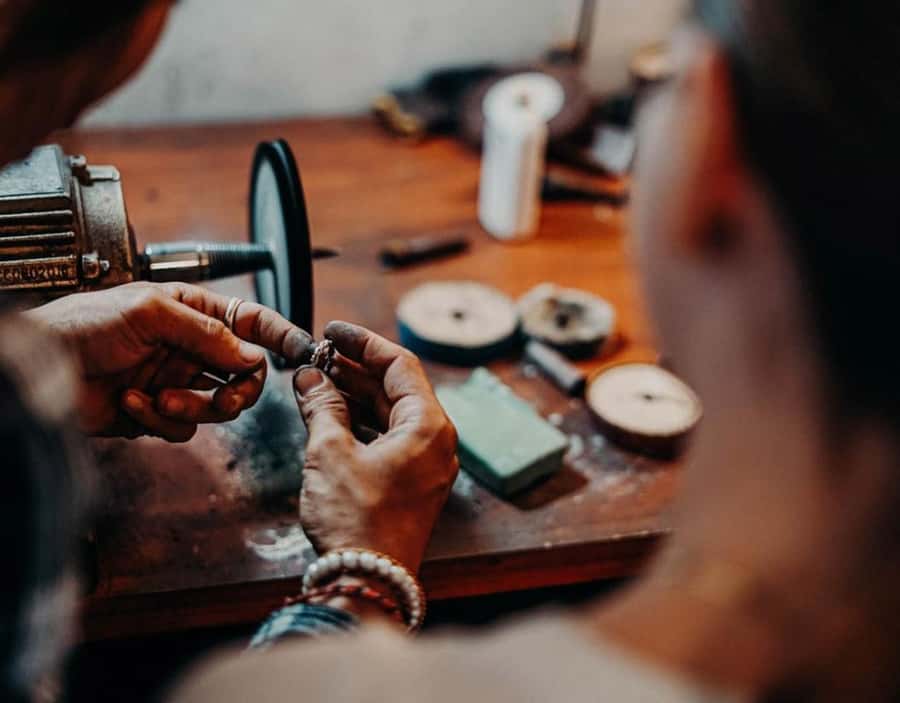
Sanding helps smooth out surfaces and refine edges. Polishing brings up shine and clarity so your silver looks like jewelry rather than a project. That included finishing support is a big value point because it’s what most people can’t do well without practice.
You also leave with your finished silver creation to take home. That’s a practical win. It’s not just photos and a memory—you get a physical souvenir that stays useful. If you’re thinking about gifting, a polished piece made with your own idea tends to feel more meaningful than anything store-bought.
The time factor works in your favor here, too. You’re not waiting days for results or dealing with shipping. You’re making, finishing, and walking away ready to wear or show it off.



Price and Value in Uluwatu: Why $46 Makes Sense for 2 Hours
At $46 per person for about 2 hours, this is one of those Bali activities where the price makes sense because you get tangible output. Most workshops that charge a similar amount either provide limited material, keep you at the “watching” stage, or skip the finishing that makes the final product presentable.
Here, you’re paying for:
- Instruction and guidance from a local team of silversmiths
- A silver piece based on pure Indonesian silver (up to 5 grams)
- Included finishing like sanding and polishing
- A take-home jewelry result
That’s why it can feel like good value even if you’re not sure you’ll be into crafts. You’re buying a short, guided skill experience with a wearable outcome.
Also, the private group format can justify the price on its own. Less time wasted, more direct help, and fewer bottlenecks. If you’re traveling with a partner or just want your attention not to be diluted, that small-format setup is worth real money.
Who This Class Suits Best (And Who Might Want to Adjust Expectations)
This class is ideal if you want a creative activity that ends with something you can wear. It’s also great if you like learning from local makers and seeing how traditional crafting shows up in a modern workshop setting.
You’ll likely enjoy it most if you:
- Want a personalized souvenir instead of another T-shirt
- Like hands-on work where you can see progress fast
- Prefer a short activity that fits easily into a Bali day
You might want to adjust expectations if you:
- Have a complex, very large design in mind that doesn’t match the silver amount and time
- Expect a class that functions like a full jewelry studio where you can refine details for hours
The workshop works because it’s realistic. It’s not trying to turn you into a professional silversmith overnight. It’s giving you the steps, the guidance, and the finishing so you can get a satisfying result within 2 hours.
Tips to Get the Most Out of Your Silver Piece
You can’t control everything in a craft class, but you can control your planning. A few practical choices can make your final jewelry look more like what you imagined.
First, think clearly about your design before you start. If you’re going for a ring or pendant style, decide early what shape and proportions you want. This helps you avoid mid-class stress while the metal is already on its way.
Second, if you want engraving, come with wording or symbols you actually want. The class is set up so you can add your own personal idea, and people highlight that engraving options matter to them. Even a simple message can make the piece feel special.
Third, don’t rush the finishing steps. Sanding and polishing are included, but how you approach them affects the look. If you’re unsure, ask for guidance during the polishing part so the shine looks even and the edges feel smooth.
Finally, lean into the English support. If you’re unsure about a step, ask. The class includes an English audio guide, so you have more than one way to understand what’s happening. That confidence can be the difference between a piece that looks “pretty” and one that looks “finished.”
Location Check: Meeting at Krisna Silver Class Uluwatu
Your meeting point is Krisna Silver Class Uluwatu, and the location matches the maps information you receive. This matters because jewelry workshops are easy to miss if you’re relying only on vague directions.
Plan to arrive with enough buffer to settle in. You’ll want time to meet the instructor team, pick up your bearings, and start designing. Once you’re in, the pace is smooth, and it’s easy to get into the work.
Should You Book This Uluwatu Silver Jewelry Class?
I think this is a smart booking for people who want a real Bali craft experience with a real take-home result. The class checks the biggest boxes: English guidance, safety, hands-on instruction, and included sanding and polishing so your jewelry looks good when you leave.
Book it if you want:
- A personalized ring, earrings, or pendant made from pure Indonesian silver
- A short activity that fits into a busy day
- A souvenir that’s not just a picture in your camera roll
Skip or choose something else if you’re set on a huge, highly complex jewelry concept that doesn’t match the silver amount or the 2-hour workshop format. This class is designed for practical, wearable creativity, and that’s exactly why it works.
If you like to keep plans flexible, the experience offers free cancellation up to 24 hours in advance and a reserve-now, pay-later option, which is a nice safety net when your Bali schedule is still changing.
FAQ
How long is the silver jewelry class in Uluwatu?
The class duration is 2 hours.
What kind of jewelry can I create?
You’ll be able to create jewelry such as a ring, bracelet, pendant, earrings, or another imaginative design with guidance from the silversmith team.
How much Indonesian silver is included?
You receive 1 to 5 grams of pure Indonesian silver, with the workshop commonly focused on using 5 grams for your personalized piece.
Is the instructor and guide available in English?
Yes. The instructor is English, and there is also an English audio guide included.
Where do I meet for the class?
Meet at Krisna Silver Class Uluwatu. The meeting point is described as matching the maps information.
Is this a private group activity?
Yes, it’s listed as a private group experience.