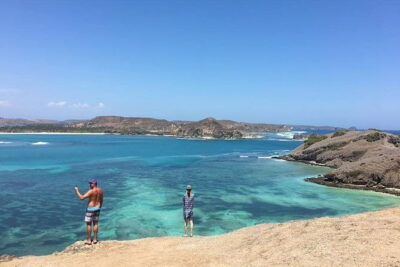
Two hours, one ocean, big confidence. This Uluwatu private surf lesson puts you at Balangan, Dreamland, or Jimbaran with instruction that’s built around that day’s waves, and the session ends with surf photos and videos. The only real drawback is simple: your exact beach spot can shift when the weather and swell change.
What I like most is how personal the coaching feels. Names like Luis, Irawan, and Yasman show up again and again, and the common thread is calm, clear guidance that helps nervous first-timers get brave fast.
In This Review
- Key things I’d plan around
- Uluwatu surfing: Balangan, Dreamland, or Jimbaran where the lesson happens
- The 2-hour surf lesson flow: from shoreline basics to real waves
- Safety briefing and wave confidence: what the first minutes are for
- Small-group coaching: max 2 students per instructor (why it feels personal)
- Where the waves come in: how the beach choice affects your chances
- Photos and videos included: turning a good day into a trackable memory
- Gear and comfort: rash guard, reef shoes, locker, shower, and sunscreen
- Pickup and the one logistical thing to watch: no hotel drop-off
- Price and value: what $46 covers (and why it can be a smart deal)
- Who this lesson is best for (and who should skip it)
- Should you book this Uluwatu private surf lesson?
- FAQ
- How long is the Uluwatu private surf lesson?
- Where does the surf lesson take place?
- Is this a private lesson?
- What’s included in the price?
- What should I bring?
- Is hotel pickup included?
- Do I get photos and videos?
- What languages do instructors speak?
- Is cancellation flexible?
- What about height and age limits?
Key things I’d plan around
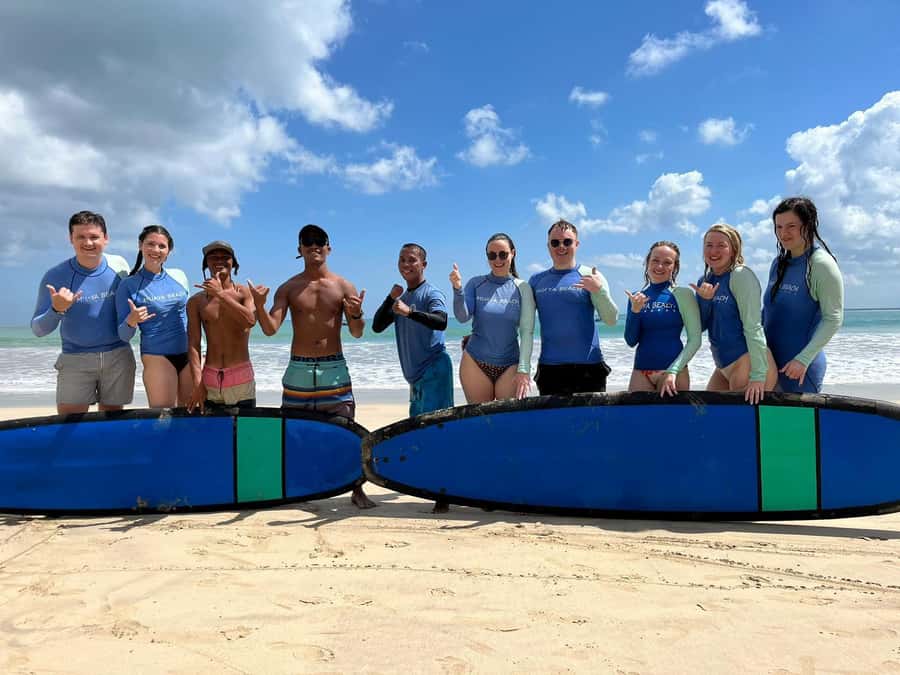
- 15–20 minutes of theory and safety before you spend your energy in the water
- Max 2 students per instructor, which means less waiting and more turns
- Photos and videos included, so your progress doesn’t disappear the next day
- Rash guard, reef shoes, and surf equipment provided, plus sunscreen and water
- Hotel pickup is included, but you’ll need to wait in the lobby for the short window
Uluwatu surfing: Balangan, Dreamland, or Jimbaran where the lesson happens
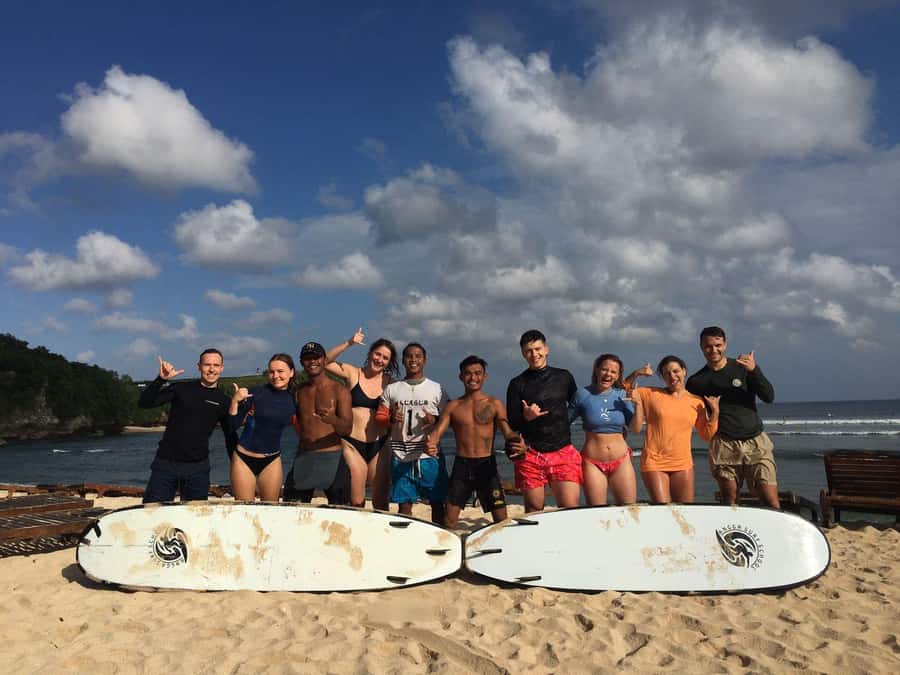
This lesson is based in Uluwatu’s surf zone, but you won’t get the same beach every time. Your guide selects between Balangan, Dreamland, and Jimbaran based on the weather and wave conditions that day. That choice matters because good coaching isn’t just about technique, it’s also about matching you to the right waves.
Here’s how I think about it as a value move: if conditions at one beach aren’t ideal, the team doesn’t force the schedule. They shift you to where the lesson can still work. So you’re not just buying “surf time.” You’re buying the chance to actually catch waves.
Also, Uluwatu’s south-coast beaches are famous for surf energy. That’s great for excitement, but it’s also why the safety briefing is included in the lesson plan. You’re learning how to be in the water there, not just how to stand on a board.
You can also read our reviews of more tours and experiences in Uluwatu.


The 2-hour surf lesson flow: from shoreline basics to real waves
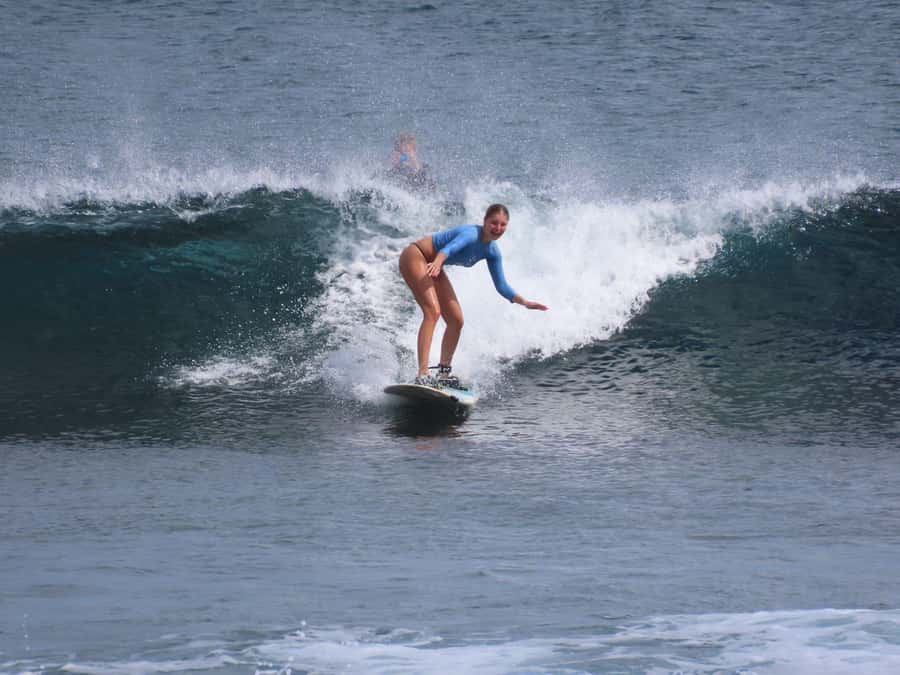
The lesson runs for 2 hours total, and it’s structured so you don’t waste the day standing around. You’ll start with 15–20 minutes of essential theory and safety instruction. For first-timers, this is where you get your rules of the road, plus the stuff that keeps you comfortable when you’re paddling out.
After that, the session moves into hands-on coaching. Expect a rhythm of practicing on the beach, getting pushed out at the right time, then working on small adjustments as you try to catch waves. This is the part that gets emphasized in the positive experiences—people often describe the moment things click as you go from nervous to excited once you’re on an actual wave.
Because this is private or semi-private (max 2 students per instructor), the instructor can watch you closely and adjust quickly. That matters because surf is fast feedback. If you’re off by a tiny body position, you feel it immediately.
Safety briefing and wave confidence: what the first minutes are for
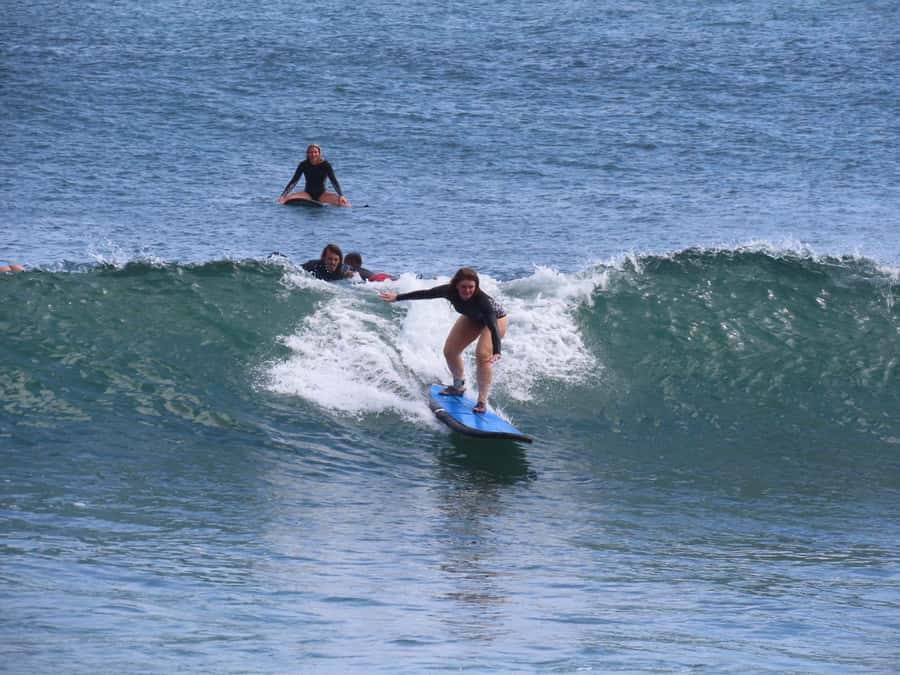
Your lesson includes essential theory and safety instruction, and the goal is confidence. That doesn’t mean they hand you confidence like a souvenir. It means you learn what to watch for so you’re not guessing in the water.
Irawan and Yasman are specifically praised for safety-focused teaching and clear explanations. One person credited a thorough walkthrough of what to do, plus safety tips that made the ocean feel less intimidating. Another described instructors as patient and ensuring everyone felt safe and confident before heading out.
So when you’re in those first 15–20 minutes, take it seriously. If you’re even slightly unsure, ask questions then. Surf gets harder when you skip the basics because the water is already doing enough work.
Small-group coaching: max 2 students per instructor (why it feels personal)
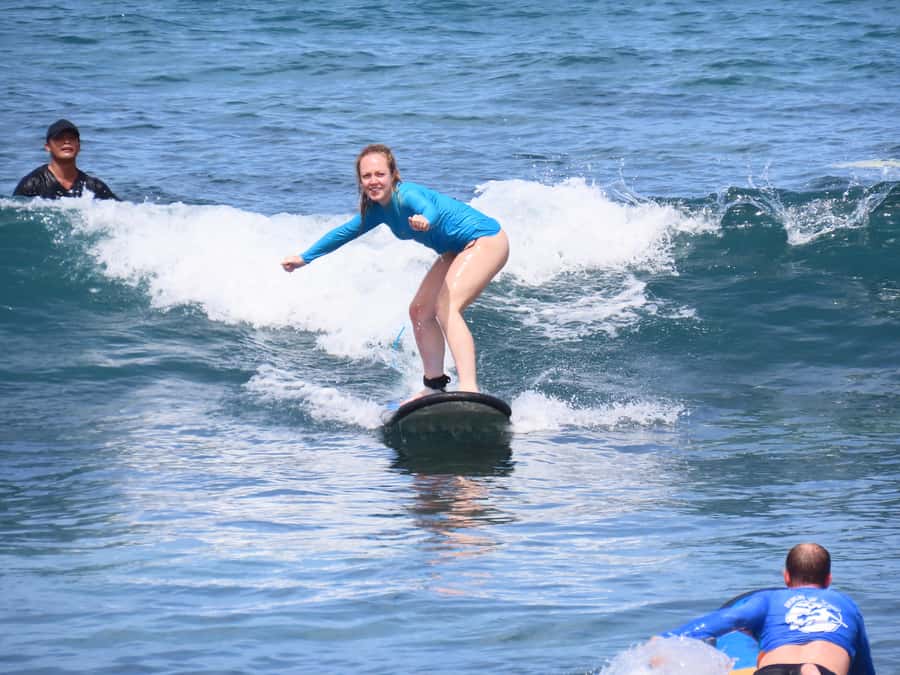
This is a private group lesson with a max of 2 students per 1 instructor. That’s a big deal for learning speed. In bigger groups, you often spend time waiting your turn and watching someone else improve. Here, the coach can focus on what you are doing right now.
That one-on-one attention shows up in the feedback. Many people say they caught a lot of waves and felt supported the entire time. A 3-person group with 2 guides was described as almost one-on-one help, which is exactly what you want if you’re new and want to get pushed into the action at the right moments.
In practical terms, this setup usually means:
- faster corrections after each try
- more time actually riding, not just paddling around
- quicker help when you’re tired or a wave doesn’t behave
If you’re traveling solo or pairing with a friend, this format is a strong way to get real instruction without the cost of a fully solo instructor.
Where the waves come in: how the beach choice affects your chances
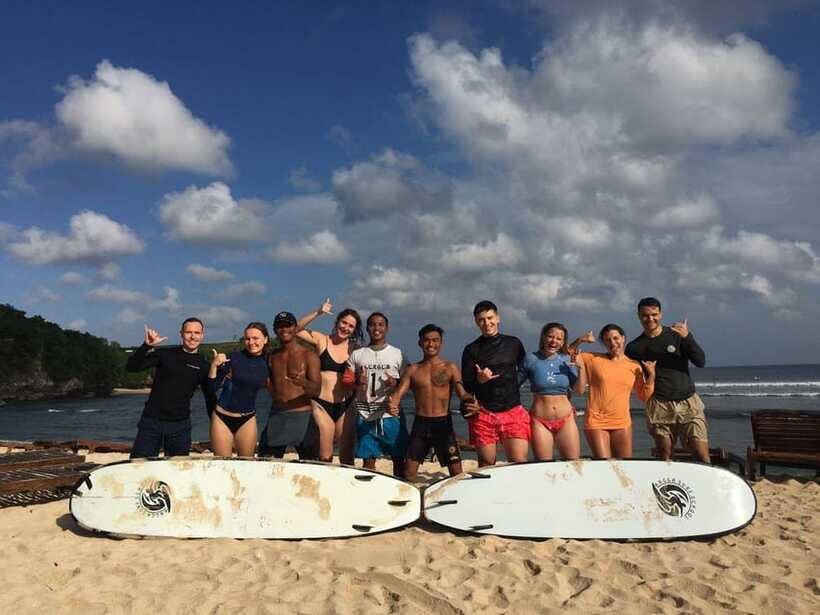
Your lesson can run at Balangan, Dreamland, or Jimbaran, and the team chooses based on the day’s wave conditions and weather. I like this approach because it treats your lesson like a living plan, not a fixed script.
Still, you should plan for the possibility that the schedule and location may change due to weather and waves. The provider will contact you if adjustments are needed, and if there’s an unforeseen cancellation, another suitable time or date can be arranged.
What does that mean for you? Keep your expectations flexible. If your day is packed with tight tours or dinner reservations right after, leave yourself a buffer. Surf is weather-dependent. That’s not a downside—it’s the nature of surfing here.






Photos and videos included: turning a good day into a trackable memory
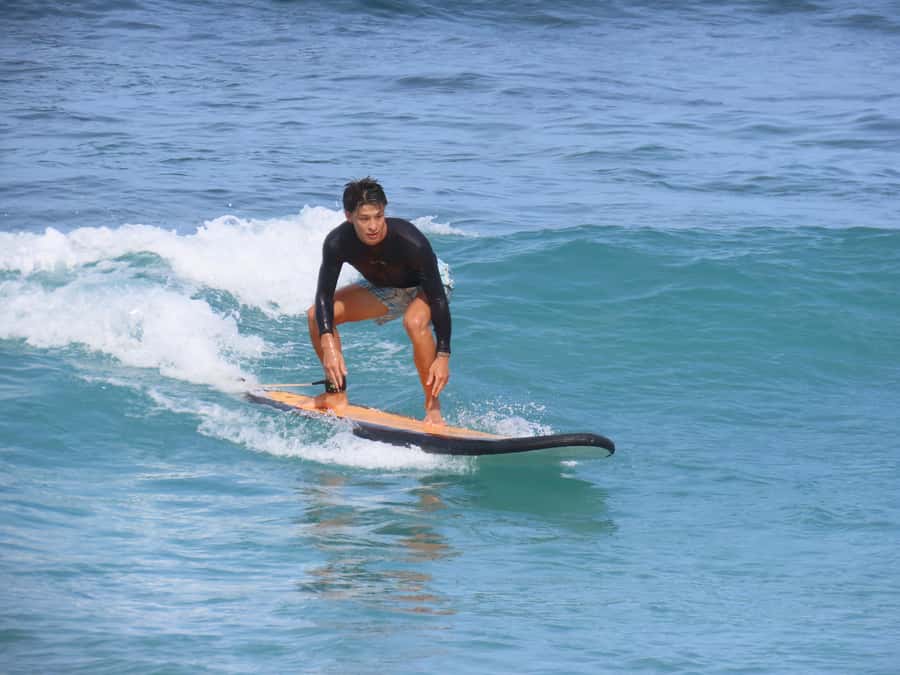
The big practical perk is that photos and videos are included. That might sound like a nice-to-have, but for a first surf lesson it’s actually useful.
When you’re learning, your brain is busy. You don’t always register what you did right or what you should tweak next. A video lets you spot body position, timing, and how you’re handling the board as you stand. Photos also help you remember wave direction and the moment you caught your rhythm.
People also describe the photos/videos as funny to rewatch later, which is totally believable. If you’ve ever seen someone’s first attempts at balancing, you know it’s comedy. The point is: you get a replay of your progress without needing to bring an action camera setup.
Gear and comfort: rash guard, reef shoes, locker, shower, and sunscreen
This lesson includes a lot of what usually adds up in cost or hassle when you travel.
You’ll get:
- Surf equipment
- Rash guard and reef shoes
- Mineral water
- Sunblock
- Locker and shower
That shower detail is underrated. Surf days come with salt, sand, and that ocean smell that clings to everything. Having a locker and shower makes it easier to keep your day moving after you’re done.
Also, reef shoes matter. They protect your feet in rocky or rough entry areas, which is common around surf beaches. Since they’re provided, you don’t need to shop for them at the last minute.
For your personal packing list, bring:
- a towel
- beachwear
If you’re sensitive to sun, you might still want your own backup sunscreen, even though sunblock is included. But the essentials are handled.
Pickup and the one logistical thing to watch: no hotel drop-off
Pickup is included. You’ll be asked to wait 5 minutes in the hotel lobby before the pickup time. This is the kind of detail that keeps things smooth, so don’t show up 30 minutes early and then wander off. Be there and ready.
One item you should plan around: hotel drop off isn’t included. That means after the lesson, you’ll need your own way back or onward transport. If you’re staying close to the surf zone, it might be easy. If you’re farther away, you’ll want to think ahead so you’re not scrambling.
Price and value: what $46 covers (and why it can be a smart deal)
At $46 per person for 2 hours, this is not a “just try it once” bargain, but it is strong value for what’s included. You’re getting instruction, gear, and the kind of add-ons that often cost extra elsewhere.
What you’re effectively paying for:
- paid coaching time (private/semi-private, max 2 per instructor)
- surf equipment plus rash guard and reef shoes
- photos and videos included
- practical recovery items like locker access and shower
The photos/videos alone can change the perceived value. A lot of activities are fun in the moment, but the memory fades fast unless you document it. Here, documentation is part of the package.
And because coaching is focused and small-group, you’re more likely to catch waves than just learn theory while waiting your turn. That’s the real reason the price can feel fair.
Who this lesson is best for (and who should skip it)
This lesson is not suitable for children under 7 and people over 70. If you fall outside that range, you’ll need to look for another option.
Beyond age, this lesson is a great fit if:
- you’re a complete beginner who wants structured basics first
- you want more water time and more individual correction
- you care about getting good footage and photos without bringing gear
- you prefer learning with English or Indonesian support (the lesson includes both)
If you already surf regularly, you might still enjoy this format, but you’ll want to be honest about your goals. With private instruction, the coach can tailor the session to wave conditions, but the lesson is clearly built as an intro-friendly plan.
Should you book this Uluwatu private surf lesson?
I’d book it if you want a structured first surf experience with small-group attention and you don’t want the hassle of finding rentals, figuring out what to wear, or worrying about documentation. The inclusion of photos and videos, plus gear and a shower setup, makes it feel like a complete package rather than a basic drop-off class.
Book with a little flexibility if your schedule is tight, because the team may shift between Balangan, Dreamland, and Jimbaran depending on weather and waves. If you can handle that reality, you’re in a good spot.
FAQ
How long is the Uluwatu private surf lesson?
The lesson lasts 2 hours.
Where does the surf lesson take place?
The session can be held at Balangan, Dreamland, and Jimbaran beaches, depending on wave conditions and weather.
Is this a private lesson?
It’s a private group experience with private or semi-private instruction, with a maximum of 2 students per instructor.
What’s included in the price?
The package includes the 2-hour surf session, private/semi-private instruction, surf photos and videos, mineral water, surf equipment, sunblock, rush guard and reef shoes, and locker and shower access.
What should I bring?
Bring a towel and beachwear.
Is hotel pickup included?
Yes. Pickup is included, and you should wait in the hotel lobby 5 minutes before the pickup time.
Do I get photos and videos?
Yes. Photos and videos are included.
What languages do instructors speak?
Instructors speak English and Indonesian.
Is cancellation flexible?
Yes, free cancellation is available up to 24 hours in advance for a full refund. The schedule might also move due to weather and waves, with the provider contacting you if changes are needed.
What about height and age limits?
The activity is not suitable for children under 7 years old and people over 70 years old.