Spices, stories, and a full plate of food in one morning. This Yogyakarta cooking class blends a traditional market hunt with a home-kitchen lesson, so you’re not just copying recipes—you’re choosing the ingredients and learning why Javanese flavors work. I particularly like the way the chef-teacher connects each dish to local culture and everyday life in Yogyakarta, and I really appreciate the hands-on market shopping that sets you up for success in the kitchen.
Here’s the one thing to keep in mind: this is a guided class. If you’re the type who expects lots of free-style experimentation or extended technique explanations, you might feel a bit boxed in by the lesson format.
In This Review
- Quick Highlights You’ll Feel Immediately
- Hotel Pickup and the Traditional Market Where You Choose Spices
- Rice Plantation Views and the Bantul Village Welcome
- Cooking Tumpeng and Javanese Favorites in a Local Home Kitchen
- How the Meal Turns Into Lunch (or Dinner) With Local Drinks
- What You’ll Learn (and What You Can Recreate Later)
- Price and Value: Why $35 Feels Fair for This Format
- Who This Yogyakarta Class Is Best For
- Practical Tips Before You Go
- Should You Book This Cooking Class?
- FAQ
- How long is the Yogyakarta cooking class?
- What’s included in the price?
- Is pickup from hotels included?
- What do I cook during the class?
- Is lunch included?
- Do I get to visit a market before cooking?
- Will I see more than just the kitchen?
- Is the class limited to a small group?
- What language is the instruction in?
- What if I need to cancel?
Quick Highlights You’ll Feel Immediately
- Hotel pickup in Yogyakarta so you can start without logistics stress
- Fresh market shopping to pick vegetables, herbs, meat, and spices you’ll use later
- Rice plantation and Bantul village stop for a fuller sense of where food culture starts
- Cook 1 starter, 4 main dishes, and 1 dessert with chef support
- Lunch with your creations plus local drinks such as hibiscus tea or wedang uwuh
- Small group cap (max 15) for a more personal class pace
Hotel Pickup and the Traditional Market Where You Choose Spices
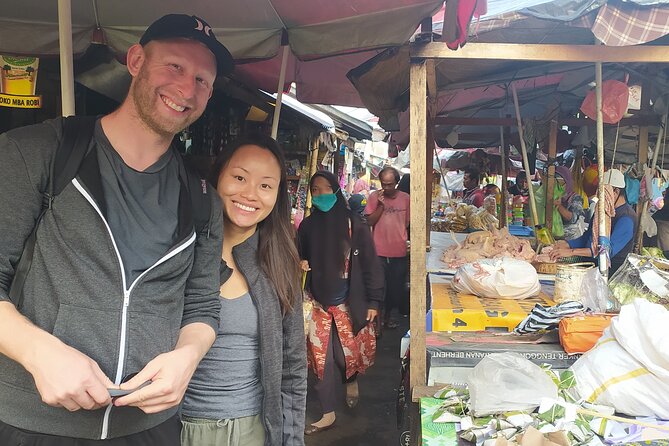
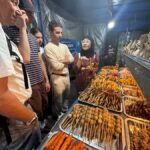
The day starts with pickup from your hotel in Yogyakarta. That matters more than it sounds, because the best part of this experience is what happens next: you head to a local fresh food market and choose ingredients together with your chef-teacher.
You’ll browse what’s available—vegetables, herbs, meat, and spices displayed right there in the market flow. This is the real value moment. Shopping with a cook means you learn what to look for (and what substitutions won’t ruin the dish). You’re not stuck with a pre-selected ingredient list that makes the class feel like a cooking TV set.
You’ll also get a short briefing and a handbook before you head into the kitchen part. It’s enough structure to help you move confidently, even if you don’t speak Indonesian. And it keeps the day from feeling like random wandering.
What to watch for: markets can be busy and warm. Wear closed-toe shoes, keep water handy, and don’t plan to show up with a delicate outfit you can’t get a little sweaty in.
You can also read our reviews of more tours and experiences in Yogyakarta.



Rice Plantation Views and the Bantul Village Welcome
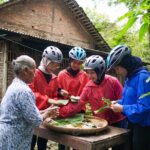
After the market, the itinerary moves beyond the city’s food stalls. You visit a rice plantation and learn how the staple crop is cultivated and prepared. Even if you’ve seen rice fields before, the point here is education tied to the dishes you’re about to cook. Rice isn’t just a side in Javanese food—it’s a base and a centerpiece in ceremonies and daily meals.
From there, you continue to the traditional village of Bantul. Locals welcome you on arrival, which gives the class more than just a cooking experience. It turns it into a cultural afternoon where food feels connected to community life, not only to restaurants.
Why this stop works: you’ll likely understand your ingredients better after seeing the cultivation side. The class isn’t only about taste—it’s about the full food chain, from plant to plate.
Possible tradeoff: the day is still time-limited. If you want slow travel and deep field-study, this won’t feel like a half-day countryside expedition. It’s still worth it, but it’s efficient.
Cooking Tumpeng and Javanese Favorites in a Local Home Kitchen
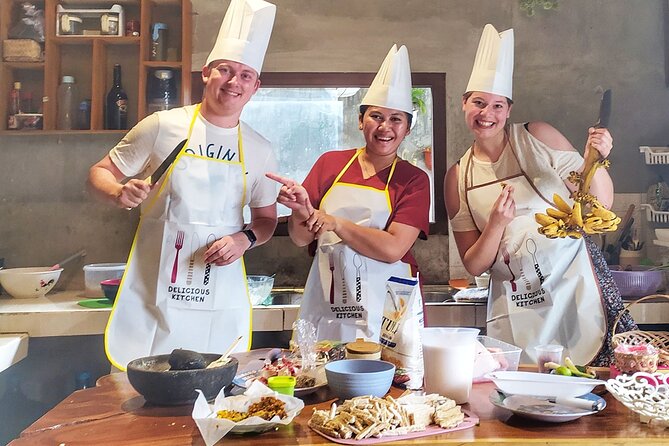
The main event is a half-day morning or afternoon cooking class, guided by an English-speaking chef-teacher. You’ll cook with the group, but the class is capped at 15 people, so it’s not a chaotic free-for-all.
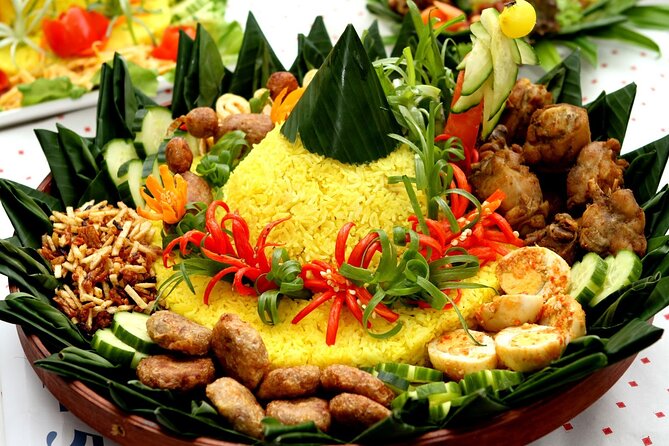
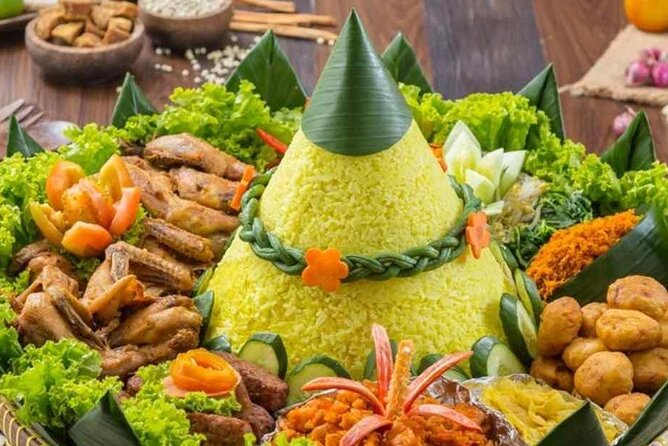
One signature element is tumpeng yellow rice. You’ll cook this rice dish with a context that matters: it’s an offering connected to ceremonies from long ago, tied to how people honor and celebrate. That cultural framing gives the food meaning. Instead of just learning steps, you’re learning why this dish exists.
In the kitchen, you’ll prepare:
- 1 starter
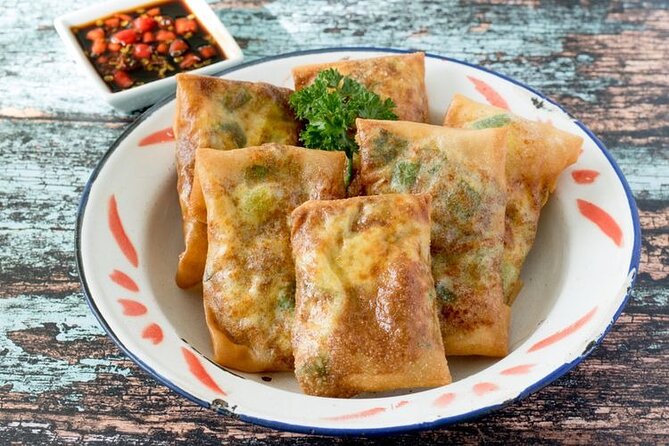
- 4 main courses
- 1 authentic dessert
The exact menu can vary, but the structure is consistent. You’ll get to practice multiple techniques and work with different ingredient profiles, not just one sauce and one stir-fry.
Chef support is a big part of why people love this class. Names that show up in past sessions include Arma and Desy, and the common thread is clear instruction plus stories. In particular, the chef-teacher often shares history and cultural context of Yogyakarta and Indonesia while you cook, so you’re not just chopping and stirring—you’re learning as you go.
Hands-on tip: the class works best when you come hungry and ready to taste while cooking. If you only think about the final lunch plate, you can miss the learning moments in between.
How the Meal Turns Into Lunch (or Dinner) With Local Drinks
After cooking, you sit down to eat your creations. This is where you’ll feel the payoff for choosing ingredients at the market.
Your meal is served with more insights and reviews about what you made and how the flavors come together. Alongside the food, you get a traditional drink option like wedang uwuh (a warm herbal drink) or homemade hibiscus tea.
This matters because Javanese meals aren’t just about a single dish. The drink choices reflect how people balance flavors and comfort after cooking. Wedang uwuh is usually about warmth and herbal depth, while hibiscus tea is bright and refreshing.
Practical advice: if you’re sensitive to strong herbal flavors, start by sipping the drink first. Most people adjust quickly, but it’s easier to control your pace than to push through something intense.
What You’ll Learn (and What You Can Recreate Later)

You’ll leave with more than recipes printed on paper. You get recipe guidance, and you also learn a process: how to pick ingredients, how to prep them, and how the chef expects you to put things together.
The most transferable skills are usually:
- how spices and herbs work as a system, not as separate flavors
- which ingredients matter most for aroma and balance
- how Javanese dishes typically build depth through technique
The best sessions also include patient coaching. One recurring theme is that the teacher explains in a way that makes you feel supported, including clear steps when you’re cooking unfamiliar ingredients like tempeh.
One caution from experience style: if you’re expecting the chef to explain every scientific reason behind a technique, you may sometimes wish for more time. A past participant noted that the explanation felt light at times and that creativity space was limited. That doesn’t mean the class is bad—it just means it’s structured. You’ll get results, but it’s not a slow workshop with endless branching ideas.



Price and Value: Why $35 Feels Fair for This Format
At $35 per person, this can be a strong value—especially because it’s not only a cooking class. You’re paying for:
- pickup and drop-off in Yogyakarta
- a market tour where ingredients come from actual stall shopping
- the cooking session itself (with chef-teacher guidance)
- lunch and included drinks
- ingredients plus a recipe handout
Most cooking classes that feel similar cost more once you factor in transportation and meal. Here, you’re getting the full arc from ingredient selection to eating the results.
Also, the group cap at 15 helps keep attention focused. When a class is too large, the price might look attractive—but you end up waiting in line while others cook. This format is designed to avoid that.
Smart way to judge value: ask yourself if you want a meal you can eat that you cooked, plus context you can take with you. If yes, $35 usually feels reasonable.
Who This Yogyakarta Class Is Best For
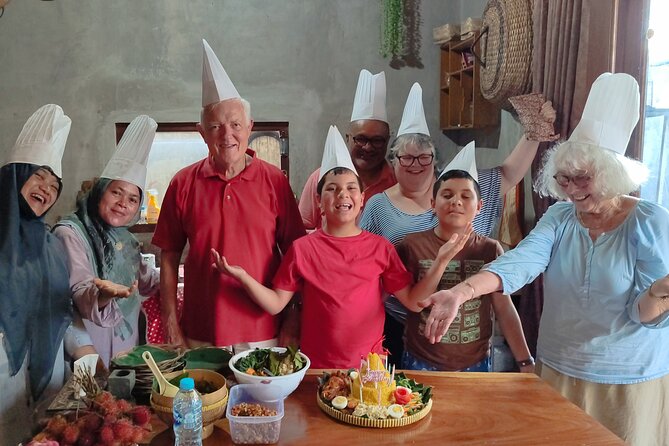
This experience fits well if you:
- want a hands-on introduction to Javanese cooking rather than a food tour that ends at a restaurant
- enjoy market culture and ingredient selection
- like learning through stories about place and food, not just following steps
- want a small-group activity that still feels social
It’s also a good option for couples, because a small group can feel almost private compared to big-city group classes. If you prefer a calmer pace, this cap matters.
It may not be ideal if you want a long, free-form cooking session where you experiment your own menu end-to-end. This is guided, structured, and designed for completing a set of dishes.
Practical Tips Before You Go
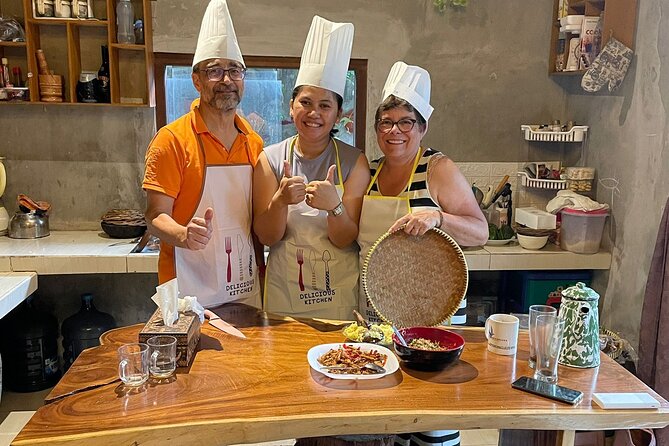
Here are a few small things that will make your day smoother:
- Bring a water bottle. Market mornings can get warm.
- Wear shoes you can walk in comfortably on uneven surfaces.
- Come hungry. You’ll cook multiple dishes and end up eating a full meal.
- If communication apps help you, have messaging ready. One useful suggestion from past participants was to have WhatsApp installed for communication during the day.
Finally, don’t treat this like a quick “look and taste” activity. Even with short briefing, you’re actively cooking, so slow down and focus on technique.
Should You Book This Cooking Class?
I’d book it if you want a meaningful Yogyakarta experience that goes beyond tasting and gives you a real connection to ingredients. The combination of market shopping, a rice- and village-context stop, and a full set of dishes you eat at the end is exactly the kind of day that makes food travel feel personal.
I’d think twice only if you’re looking for lots of creative freedom and lots of extended explanation on every step. This class is built to produce great results with structured coaching.
If you’re aiming for an authentic, practical introduction to Javanese cooking in a small group, this is a strong choice.
FAQ
How long is the Yogyakarta cooking class?
The experience is listed at about 3 hours.
What’s included in the price?
Pickup and drop-off in Yogyakarta, the market tour, the cooking class, lunch, ingredients, a recipe, and an English-speaking chef/teacher are included.
Is pickup from hotels included?
Yes, pickup and drop-off at hotels in Yogyakarta are included.
What do I cook during the class?
You’ll prepare 1 starter, 4 main courses, and 1 authentic dessert.
Is lunch included?
Yes. Your creations are served for lunch (with drinks such as hibiscus tea or wedang uwuh).
Do I get to visit a market before cooking?
Yes. You’ll visit a local fresh food market to choose ingredients.
Will I see more than just the kitchen?
Yes. The itinerary includes a rice plantation stop and a visit to the traditional village of Bantul, where locals welcome you.
Is the class limited to a small group?
Yes. The maximum group size is 15 travelers.
What language is the instruction in?
An English-speaking teacher/chef guides the class.
What if I need to cancel?
Free cancellation is available up to 24 hours in advance for a full refund. If you cancel less than 24 hours before the start time, the amount paid isn’t refunded.