Learning to surf beats staring at beaches. This 5-day camp in Senggigi, Lombok blends real coaching with downtime, so you’re not just renting a board and hoping.
I love the semi-private ratio (max 2 students per instructor). You get corrections in the moment, which is exactly what beginners need and what improving surfers often miss. I also love the photo/video coaching plus life guards, because you can actually see what changed after each session.
One thing to consider is weather dependency. The camp requires good surf conditions, so your day on the water can shift or be refunded if conditions don’t work.
In This Review
- Key things that make this surf camp worth a look
- Senggigi base and transfers: getting set up without stress
- What you actually learn in 4 surf lessons (and why the order matters)
- Coaching that feels personal: semi-private lessons and Indra’s style
- Included equipment: comfort and safety come first
- Surf safety and etiquette: the stuff nobody wants to think about
- The day-to-day rhythm: 5 days, 4 nights, and how the timing likely feels
- Price and value: what $430.77 covers (and where it doesn’t)
- Who this surf camp is best for
- Quick expectations checklist (so you don’t get surprised)
- Should you book Nayaka Surf School’s Senggigi camp?
- FAQ
- Where is the meeting point and when does the activity start?
- How long is the surf camp and how many nights are included?
- What surf lessons are included?
- What equipment is included in the price?
- Are airport or harbor transfers included?
- What’s included in the price versus not included?
- What is the cancellation and weather policy?
Key things that make this surf camp worth a look
- Max 2 students per instructor for faster progress than big-group lessons
- 4 surf lessons that cover everything from paddling to turns
- Full included gear: board, leash, wet suit, reef booties, rash vest/special surf shoes
- Photo/video coaching with life guards for real feedback and safety
- Short drives to surf spots (often around 10 minutes from the Senggigi area)
- Beginner wins are common, including standing and catching waves by the final day
Senggigi base and transfers: getting set up without stress
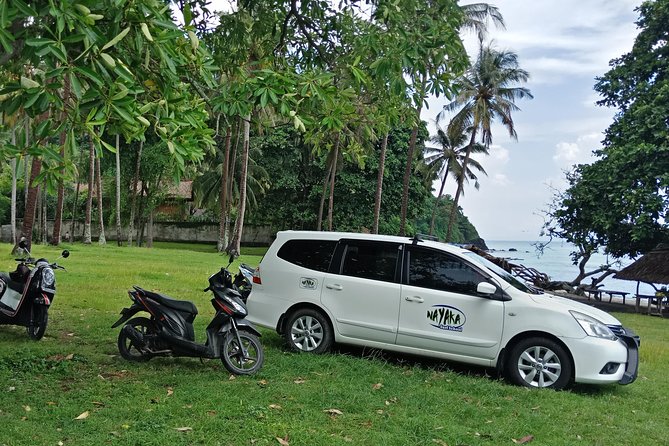
Senggigi is a smart place to base a surf camp. It’s on Lombok’s west coast, with lots of visitor infrastructure, and it’s easy to reach by road. The camp meeting point is at Nayaka Surf School Lombok on Jl. Raya Senggigi in Batu Layar, and sessions start at 8:00 am.
What I like here is the practical start. You’re not guessing where to go, and you’re not burning half your day on logistics. On top of that, your package includes an airport or Lombok harbor transfer, which matters if you’re coming in from Bali or catching a local connection. If you’ve ever shown up late to the first surf lesson and spent the rest of the week playing catch-up, you’ll appreciate how much this removes from your mental load.
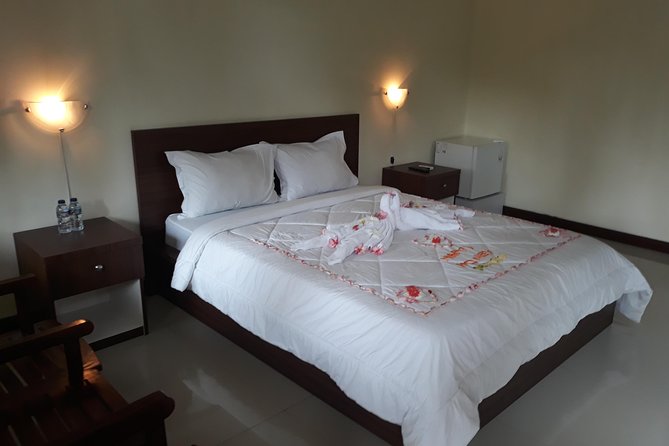
Accommodation is included for 4 nights, and daily breakfast is part of the deal. That usually means you can plan your mornings around surfing without immediately having to figure out food. Lunch and dinner are on you, but you get the flexibility to eat local or keep it simple.
You can also read our reviews of more tours and experiences in Lombok.



What you actually learn in 4 surf lessons (and why the order matters)
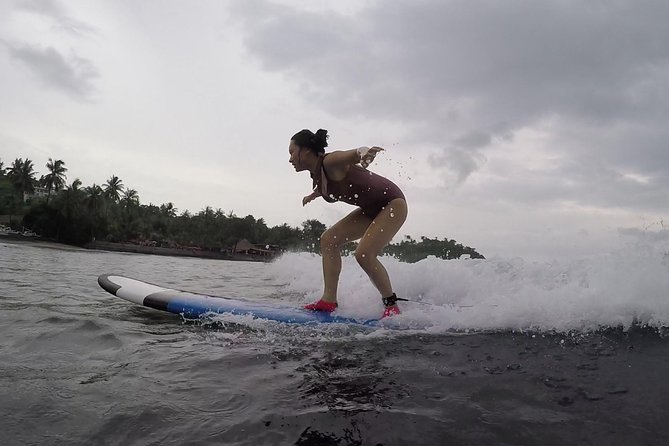
This camp is built for beginners and also for surfers who want to tighten technique. You’re doing 4 surf lessons across the 5 days, which means the coaching time is focused. And the skill list is broad enough that you’re not just practicing one trick over and over.
Here’s the big picture of what’s covered, and why it helps you progress.
You start with wave reading basics: identifying suitable wave types, weather conditions, and how to choose the right surf setup. This is not filler. If you don’t learn what kind of waves you should be on (and which ones to avoid), every other technique has a shorter shelf life.
Then you move into safety and decision-making: surfing hazards, what the dangers are, surf etiquette, and how to enter and exit water safely. You’ll also cover safe surfboard handling. That matters because a lot of beginner injuries come from in-water chaos—boards, collisions, and bad exits—not from one spectacular wipeout.
On the technique side, the core drills usually follow this flow:
- Correct laying positioning
- Correct paddling technique
- Achieving the correct standing position
- Dismounting safely (how to get off the board without turning the ocean into a free-for-all)
Once you can pop up and ride, the camp takes you into wave positioning and takeoff. You work on where to take off, where to position in relation to the wave, and skills like green wave take off and trimming. After that, you build more control with controlling speed, channel identification, and wave identification.
For surfers who already have the basics, the training doesn’t stop at riding straight. You also cover forehand and backhand turns, which is where a surfer often starts feeling like they’re actually styling instead of just balancing.
The best part is that this isn’t just a checklist. The camp’s structure ties safety + wave reading + technique together, so you’re building habits that work in real conditions instead of only in your comfort zone.
Coaching that feels personal: semi-private lessons and Indra’s style
A lot of surf camps advertise “coaching.” What you want is coaching that makes you improve, not coaching that just watches you struggle.
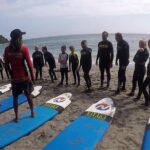
Here, the format is semi-private with a maximum of 2 students per surf instructor. That’s the difference between getting one rushed pointer and getting multiple corrections tied to what you’re doing that exact minute.
The coaching also includes photo/video support. In practice, this is huge. When you’re learning, your memory of what happened is messy. A short clip can show your paddling angle, your pop-up timing, or whether you’re trimming too slow. The camp also has life guards on hand, which keeps the session more controlled as conditions change.
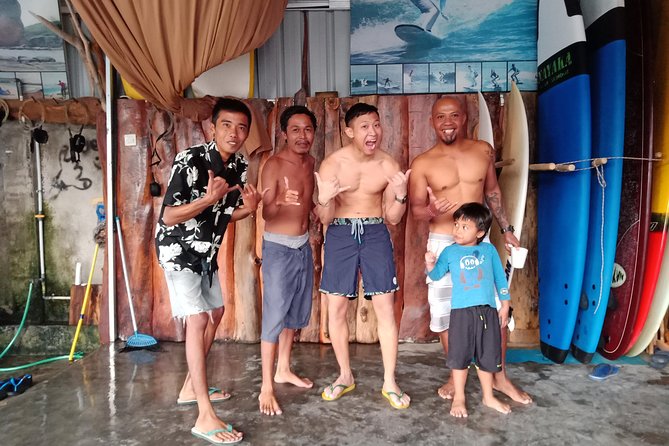
From the names shared, one instructor stands out in the experience: Indra. People describe his instruction as super knowledgeable and friendly, and the results showed. One beginner went from never surfing to catching waves on their own by the last day. Even if your progress is slower or faster, the core takeaway is the same: the instructors are actively teaching, not just guiding you out to a spot.
Included equipment: comfort and safety come first
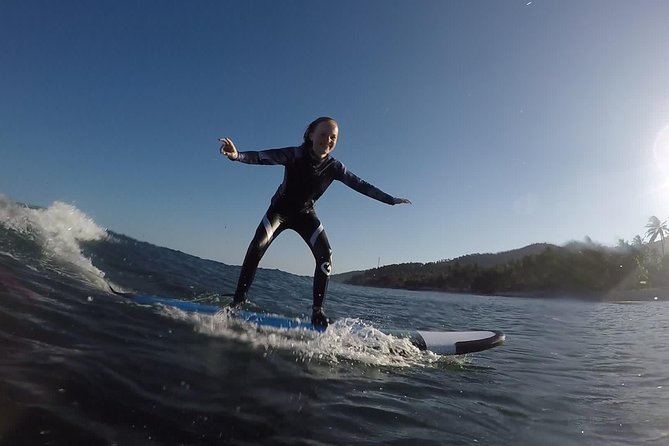
You’re not arriving with random gear and hoping it fits. The package includes the surfboard and the stuff you need to stay warm and move safely.
Your equipment list includes:
- Surf board rental
- Reef booties / special surf shoes
- Rash vest
- Wet suit
- Leashes and other surfing equipment
Why this matters: on Lombok, conditions can mean you’ll want real traction for boards-on-sand moments and enough protection to avoid getting scraped up by reef or rough entries. Having the right fit also helps you stay focused on technique instead of fighting your gear.
Also, getting leashes and correct gear is part of the safety training. It’s one thing to be told not to detach accidentally; it’s another to have the right leash setup in your hands.
This kind of included package is one of the biggest reasons the price can feel reasonable. If you’ve rented boards and gear separately in other places, you know how quickly costs add up before anyone even teaches you how to stand.
Surf safety and etiquette: the stuff nobody wants to think about
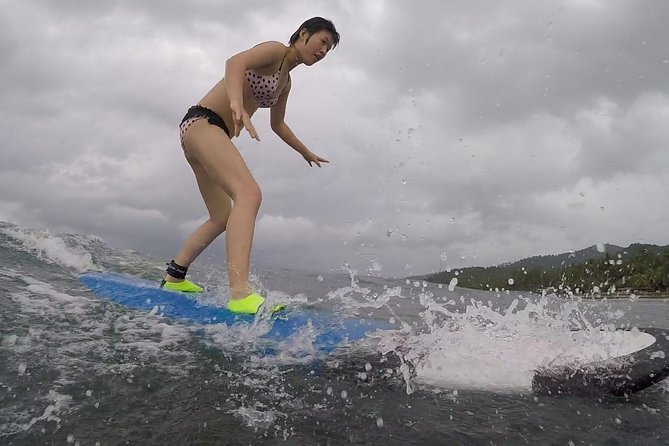
The camp covers hazards and rules in a very practical way. You’ll work on:
- Surfing hazards and what the dangers are
- Choosing a safe place to enter and exit the water
- Safe board handling
- Surfing etiquette
If you’re a beginner, etiquette can feel like a social rulebook. But in real waves, it’s collision prevention. Understanding right-of-way, positioning, and when to paddle out lets you surf longer with less stress.
The safety component is also reinforced by the presence of life guards. That doesn’t mean you ignore common sense, but it does mean the instructors are thinking about the whole system: ocean, swimmers, reef, boards, and timing.
Even the technique lessons support safety. For example, learning how to dismount safely is less about looking graceful and more about getting away from danger quickly when you lose a ride.


The day-to-day rhythm: 5 days, 4 nights, and how the timing likely feels
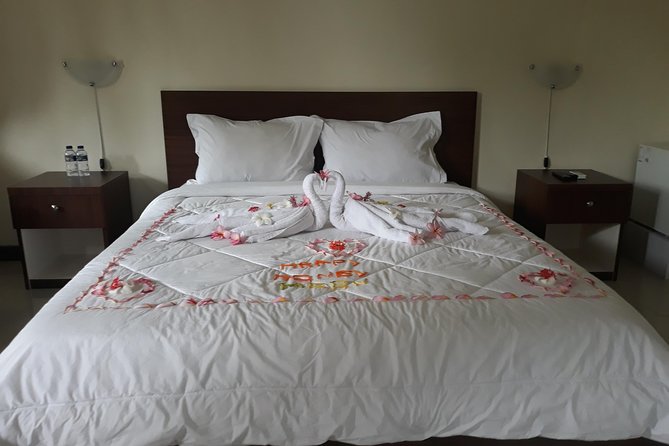
There’s no minute-by-minute itinerary spelled out, but the structure is clear: 4 nights accommodation and surf lessons (4), with daily breakfast. That usually creates a rhythm where you surf most mornings and then use afternoons for recovery, local food, and beach time.
With sessions starting at 8:00 am, mornings are likely your surf window. Early sessions often mean better consistency with conditions and less crowding in many surf areas. After your lesson, you have time to decompress before the next day’s work.
One practical detail from the experience: surf spots are reached by car and the ride is short—often about 10 minutes max from the Senggigi area. That’s a big quality-of-life upgrade. When surf spots are far away, you lose energy and sometimes you get tired before you even hit the water. Short drives help you keep your brain engaged and your body ready.
And there’s more to the camp than just the board. One of the most memorable sides of this setup is how it can feel like a small community: music, photos/videos from the day, and even shared celebrations like Independence Day together. Even if you’re the type who prefers quiet, that social ease can make learning less intimidating.
Price and value: what $430.77 covers (and where it doesn’t)
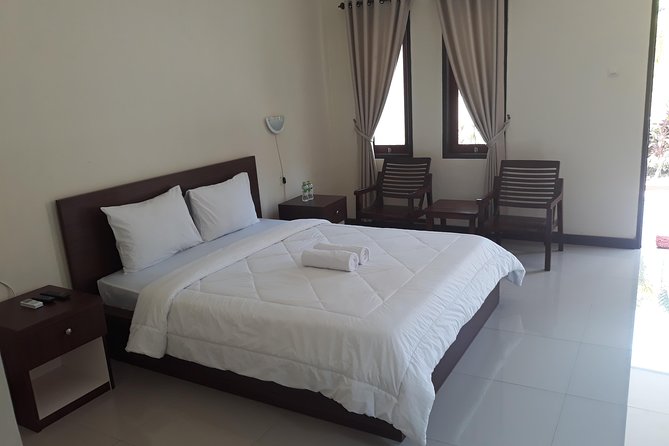
The package price is $430.77 per person for 5 days (about) and 4 nights. At first glance, it looks like a standard surf camp price. The value shows up when you map what you get.
Included:
- 4 nights accommodation
- Airport or Lombok harbor transfer
- Daily breakfast and bottled water
- Experienced surf instructors
- Semi-private ratio (max 2 per instructor)
- 4 surf lessons
- Board rental
- All equipment including wet suit, reef booties/special surf shoes, leashes, rash vest, and more
- Government tax
Not included:
- Flight tickets
- Laundry
- Lunch and dinner
- Other personal expenses
This is the key point: the cost is doing heavy lifting for you. Many “budget” surf experiences end up being more expensive once you add board rentals, wet suit/booties, and instruction. Here, you’re bundling equipment + coaching + lodging + transfers.
Where you should plan ahead is food beyond breakfast. Since lunch and dinner aren’t included, you’ll want to decide whether you’ll eat local (often the best part of travel) or keep it simple with convenience spots near where you stay.
Who this surf camp is best for
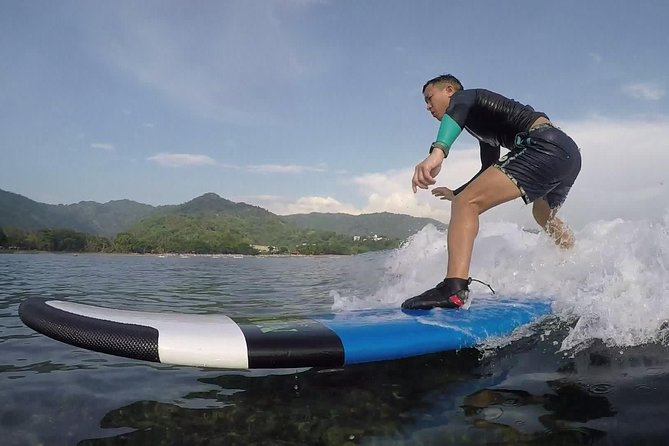
This camp is built for a range, and the skill list proves it.
- First-timers: You get instruction on everything from paddling to standing, plus safety basics and etiquette. People report going from never surfing to catching waves by the end of the program.
- Intermediate and advanced surfers: You’re not just repeating pop-ups. There’s training on turning, speed control, wave identification, channel identification, and forehand/backhand turns.
- Families and kids (with the right energy): The coaching described includes patient teaching and enjoyment for both kids and adults. The “semi-private” setup also helps when different people progress at different speeds.
- Moderate fitness level: The program asks for moderate physical fitness. Surfing is cardio and balance, but you’re not signing up for a multi-day hike. If you can swim and you’re ready to get tired in a fun way, you’ll probably be fine.
Quick expectations checklist (so you don’t get surprised)
If you want to enjoy this kind of camp, check these boxes:
- You’ll practice technique repeatedly: paddling, pop-up, trimming, turns.
- You’ll get safety instruction, including where to enter/exit and how not to create chaos in the lineup.
- You’ll depend on good conditions; weather can affect the schedule.
- You’ll be out early and then recover later.
- You’ll bring your own spending money for lunches/dinners and personal items.
Should you book Nayaka Surf School’s Senggigi camp?
I’d book it if you want a surf experience that teaches you, not just one that lets you rent gear. The semi-private coaching, included equipment, and photo/video feedback are the big reasons this feels like value. If you’re a beginner, the structure of safety + wave reading + fundamentals gives you a real shot at standing and riding during the week, not just “learning the basics forever.”
I’d think twice if your schedule is locked and you can’t handle weather changes. The camp requires good surf conditions, and that can affect what happens on a given day. Also, since lunch and dinner aren’t included, make sure you’re comfortable budgeting for daily meals on top of the package price.
If your goal is to leave with technique you can repeat and a couple of surf clips that prove you improved, this camp is a strong choice for Lombok’s Senggigi area.
FAQ
Where is the meeting point and when does the activity start?
The meeting point is Nayaka Surf School Lombok, Jl. Raya Senggigi, Batu Layar, Kec. Batu Layar, Kabupaten Lombok Barat, Nusa Tenggara Barat, 83355, Indonesia. Start time is 8:00 am.
How long is the surf camp and how many nights are included?
The package runs for 5 days (about) with 4 nights of accommodation.
What surf lessons are included?
You get Surf Lessons (4), covering techniques like paddling, standing, safe dismounting, wave position, trimming, and forehand/backhand turns, plus surf safety and etiquette.
What equipment is included in the price?
The camp includes surf equipment such as surf boards, reef booties, rash vests, and also items like wet suit and leashes (plus other included surfing equipment).
Are airport or harbor transfers included?
Yes. Your package includes airport or Lombok harbor transfer.
What’s included in the price versus not included?
Included: accommodation (4 nights), transfer, bottled water, daily breakfast, surf instructors, semi-private coaching (max 2 students per instructor), 4 surf lessons, board rental, all surfing equipment, and government tax. Not included: flight tickets, laundry, lunch and dinner, and other personal expenses.
What is the cancellation and weather policy?
You can cancel for a full refund up to 24 hours in advance of the experience start time. If the experience is canceled due to poor weather, you’ll be offered a different date or a full refund.